
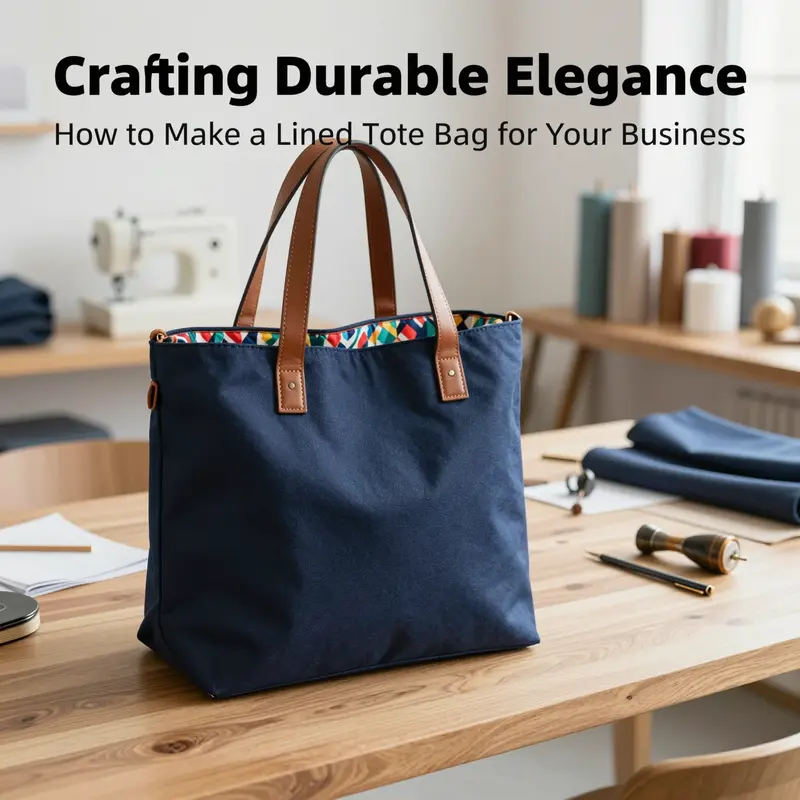
Lined tote bags combine practicality with a refined appearance, making them an excellent product choice for business owners seeking to offer durable, stylish accessories. Understanding the process of making these bags not only empowers you to create custom designs tailored to your brand but also allows for enhanced quality control and cost efficiency. This guide unfolds across three focused chapters: first, a detailed step-by-step walkthrough of constructing a lined tote bag; second, an overview of essential materials and tools to achieve professional results; and finally, insights on adding finishing touches and customization that can elevate your product appeal. Each chapter builds upon the last, providing a comprehensive understanding of how lined tote bags can become a signature product in your business portfolio.
Stitch by Stitch: A Cohesive Journey to a Polished Lined Tote
A lined tote bag is more than a simple container for daily essentials; it is a small sculpture you carry with you, a practical expression of craft that balances weight, texture, and finish. The project invites a quiet focus: selecting fabrics that play well together, planning each piece as part of a cohesive whole, and guiding fabric and thread through a series of precise steps that, taken together, yield a bag that is sturdy, stylish, and dependable. When you approach a lined tote with patience, the result feels like a professional finish you can be proud of, even if you’re relatively new to sewing. The appeal lies not only in the bag’s usefulness but in the logic of its construction: an outer layer that carries the look you want, a lining that protects your belongings, and a thoughtful interior design that keeps essentials organized. Below is a narrative that threads these ideas into a single, continuous process, drawing on practical measurements, common-sense techniques, and the small decisions that shape the final product.
Begin with intention. The materials you choose set the tone for the whole project. For a standard tote, two main fabrics and two lining pieces form the body, each piece measured with care. In one common setup, the main fabric pieces measure 32 cm by 70 cm each, and the lining pieces match that size. The outer fabric can be something sturdy and drapey at the same time—canvas, denim, or a heavyweight cotton have reliable behavior in a tote. The lining fabric, typically a lighter weight, could be polyester, quilting cotton, or a lighter canvas. If you want a structured bag that holds its shape even when it’s lightly loaded, consider adding a thin interfacing to the main fabric sheets before you begin sewing. A 60 g non-woven interfacing is a simple choice that stiffens the bag without changing its drape, and it irons on easily to the wrong side of the main fabric. The choice of interfacing can make a marked difference in how the bag sits on a shoulder or in a hand, so it’s worth testing a small piece before committing to all panels.
The project also invites the practical touch of pockets. A pocket or two can transform a tote from a simple carryall into a well-organized everyday companion. A pocket fabric piece, perhaps 32 cm by 24 cm, can become an outer pocket on the front of the bag or an interior pocket tucked into the lining. An inner pocket fabric, around 20 cm by 13 cm, gives a dedicated space for small items such as keys or a phone. If you plan to include handles, you’ll need two strip pieces—commonly around 32 cm long by 5 cm wide—though you can adapt the width if you prefer a broader strap for comfort. Some makers choose to craft their handles from the same fabric, while others prefer a contrasting material for a hint of style. Either way, the handles are a focus of balance and strength—where the bag meets the world, and where load begins to test the stitching.
With materials gathered, the first real act is preparation. Ironing the fabrics flat removes wrinkles and gives you clean lines to follow. This is not merely cosmetic; flat fabric lies more predictably under the presser foot, and seams align more precisely if the pieces are smooth from edge to edge. Markings on the fabric can guide you through the plan without becoming a crutch. A center point on the top edge of each main and lining piece helps you align the bag when you assemble it later. You’ll also mark the position for the handles. A common rule of thumb is to place the handles approximately 5 cm from the center on either side, which tends to distribute weight evenly when the bag rests on the shoulder or hangs from the arm.
If you’re incorporating pockets, this is a good moment to prepare them. For an external pocket, you fold the short edges of the pocket fabric by about 1 cm, press, fold again, and press. A brief line of stitching along the folded edge secures the hem and keeps it neat. Attach the pocket to the front main fabric piece with its center aligned to the bag’s center, ensuring the pocket is straight and balanced. An interior pocket follows the same folding and stitching logic, but you attach it to the lining fabric, so it becomes part of the bag’s protected interior. Pockets aren’t merely decorative; they are functional features that help you store items separately and access them quickly when the bag is in use.
With pockets prepared (if you’re adding them), you’re ready to assemble the main body and the lining. Begin with the main fabric: place the two outer fabric pieces together with right sides facing, and pin or clip along the sides and bottom. Sew along the sides and bottom with a 1 cm seam allowance, backing stitches at the start and finish to ensure strength. This early seam is where the bag will gain its core shape, so a careful, even stitch makes a difference. Do the same with the lining pieces. You’ll notice that the lining pieces form a separate inner bag that will eventually nest inside the outer bag, allowing the lining to move with the main bag while remaining protected inside.
A small but important detail is trimming the excess seam allowances after sewing. This reduces bulk, especially at the corners, which is essential when you turn the bag right side out. Corners can be bulky if the fabric layers aren’t trimmed and clipped properly, so you’ll want to clip the corners at the stitching line to allow a clean, sharp turn once you’re ready to flip the pieces right side out. The turning stage is a moment of transformation: the bag’s future personality begins to emerge from flat fabric into a three-dimensional form.
Turn the main bag and the lining right side out through the opening you created when you sewed the sides and bottoms. A blunt tool—like a chopstick or turning tool—helps you push the corners out to crisp points. Turned and pressed, both pieces look suddenly more substantial, as if they’re already ready for use. A thorough press, with the iron gliding along each seam, sets the shape and helps the fabric settle into a flat, neat line. This stage is not merely about appearance; it makes assembly easier and improves the bag’s overall durability by aligning layers with each other.
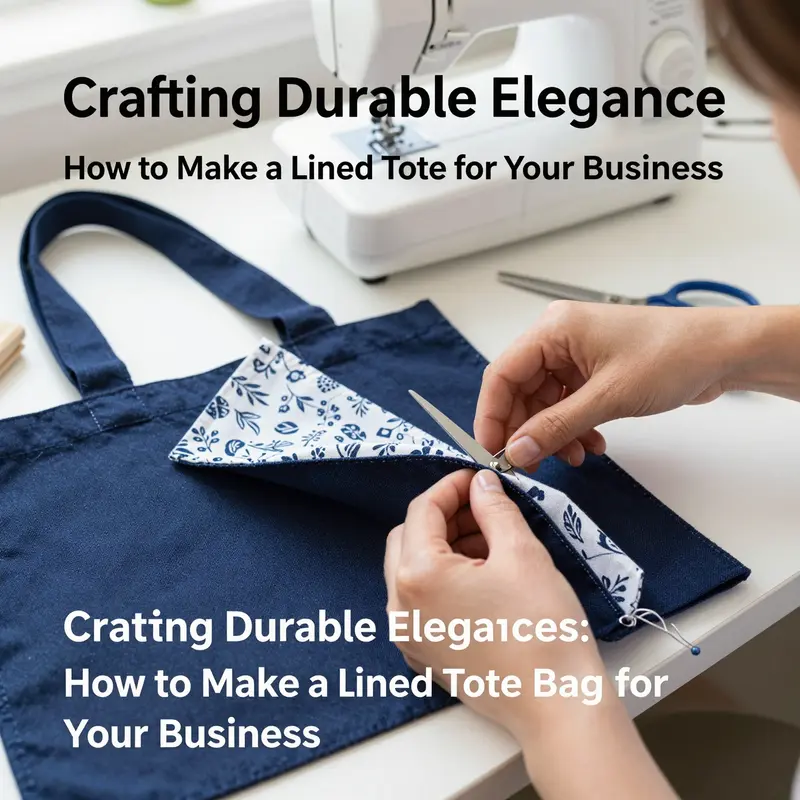
Next comes the assembly: nest the lining inside the outer bag so that the right sides face each other. The unlined, exterior edges should align in a neat circle at the top, and the handles should be positioned to match your earlier marks. Pin or clip the top edges together, ensuring the center points and handle positions line up. Sew around the entire top edge with a 1 cm seam allowance, but leave a turning opening of about 10 cm somewhere along the side to allow the bag to be turned right side out later. This turning gap is a simple but crucial feature; it provides a controlled way to invert the bag so that the outer fabric maintains its clean finish while the lining remains tucked neatly inside.
Turn the bag right side out through the 10 cm opening, pushing the corners into their final shapes with the blunt tool as before. Once turned, you’ll close the opening by hand, using a ladder stitch or whip stitch for an almost invisible seam. The neatness of this closing stitch can greatly affect the bag’s overall professional appearance. If you prefer a quick, clean method, a blind hem stitch or a simple slip stitch provides a sturdy finish with minimal visible thread. The goal is a seam that holds under daily use while remaining discreet.
With the exterior and interior now harmonized, you’ll add the handles. Cut two handle strips, each perhaps 32 cm long and 5 cm wide, or adapt to a length you find comfortable. If you design longer handles for shoulder wear, you may extend the length to 45 cm or more, but for a standard tote, 32 cm often proves comfortable. Fold each strip lengthwise with the raw edges inside, press, then sew along the open edge to create a clean, finished loop. Turn the handles right side out and press them flat. The handle’s construction matters because it bears weight at every use; strong stitches and secure attachment points are essential.
Attach the handles to the top edge of the bag. Position each handle about 5 cm from the center point, mirroring the left and right sides for balance. Insert the handle ends into the outer bag’s top edge and secure them with robust stitches. Box stitches or double backstitching provide the extra reinforcement needed where weight concentrates. It’s helpful to test the handle length before finalizing; a comfortable length for summer wear might be shorter, while a longer 60 cm strap works well for outerwear layering. The exact length is a matter of preference, but the key is consistency and secure attachment.
After handles are secured, give the bag a final stretch and press. A final, crisp press helps the bag hold its shape and shows off the seams and edges at their best. If you chose to add finishing touches such as a zipper at the top or a decorative appliqué, this is the moment to integrate them in a measured, thoughtful way. A zipper can add security, particularly for a tote that carries personal items, while an interior pocket can keep small items organized and easy to locate. If you decide to reinforce the bottom for extra durability, you can insert a lightweight piece of interfacing or even a thin board cut to the bottom’s dimensions. The choice should align with how you intend to use the bag; a shopping tote might benefit from sturdier structure than a casual, weekend bag.
This is the rhythm of a lined tote made with intention: selecting materials that work together, preparing each piece with care, sewing with consistent seam allowances, turning and aligning pieces with patience, and finally attaching handles and closures through deliberate stitching. Each step builds on the one before, and the effect is a bag that wears well, looks polished, and carries a quiet confidence. The process emphasizes function without sacrificing style. A coated edge or a neat top-stitch along the outer seam enriches the bag’s appearance, while a neatly finished interior pocket keeps things organized without crowding the lining. If you want a more refined finish, consider top-stitching around the top edge of the bag once the lining is in place; even a modest 1/8 inch (about 0.3 cm) of visible stitching can add a tailored look that elevates the entire piece.
There is value in the small rituals of this project. The first iron, the careful marking, the steady hand guiding fabric through the machine, and the deliberate backstitch at each anchor point—all of these choices contribute to the final impression: a bag that feels thoughtfully assembled rather than hurriedly put together. The lining provides a refined interior that prevents wear on delicate items and adds a layer of protection for belongings. The outer fabric presents your chosen aesthetic, letting you reflect personal taste in color, texture, and finish. In sum, the lined tote you construct becomes a portable reflection of care and practicality.
For readers who enjoy a more visual approach, a detailed video guide can illuminate the steps described here. It walks through cutting patterns, threading the machine, turning corners, and achieving clean finishes with close-up shots and practical tips. The video offers reassurance for beginners and serves as a helpful reference as you work through your first tote. A complementary resource to this written guide is a visual walkthrough that reinforces measurements and technique, ensuring you feel confident about each stage before you proceed. If you’d like to explore related techniques—such as incorporating zipper closures or additional exterior or interior pockets—there are further tutorials that cover those options in a clear, actionable way, expanding your toolkit for future projects. As you gain experience, you’ll notice that your choices can become more nuanced, with fabrics that take on different drape and weight, and with finishes that reflect your personal style.
In the broader context of sewing practice, the lined tote stands as a practical introduction to the core skills many makers carry into more complex projects. It trains you to think in terms of pattern pieces, seam allowances, and finishing details while offering a tangible reward for your time. It encourages careful planning and deliberate execution, which are universal requirements in craftwork. The sense of accomplishment you gain from finishing a tote that looks clean and balanced is not merely about a completed bag; it’s about witnessing how a series of small, intentional steps coalesces into a reliable, reusable item you can use every day. When you pair this approach with a thoughtful fabric selection and a well-considered interior layout, you develop not only a printer-friendly pattern but also a personal technique that you can refine over time.
To keep improving, it’s helpful to refer back to a few practical reminders that anchor the process. First, use interfacing when fabrics are soft or lightweight; it preserves shape and minimizes sagging, especially at the bottom. Second, choose thread that matches your fabric in weight and color to minimize visible stitches, while ensuring a secure hold at stress points—the handles, in particular. Third, test your handle length and attachment method with a few mock loads before you finalize the bag; this small experiment can save you from awkward strap placement or loose stitching under heavier use. Finally, give yourself permission to adjust measurements for your own preferences and needs. A tote is a living object that should adapt to your body, your wardrobe, and the way you carry things. The beauty of making your own lies in tailoring it to your life, stitch by stitch.
For readers who want a concrete example of how a well-executed lined tote comes together visually, you can explore related guidance on tote construction and finishing touches. A resource to consider is a guide focused on zipper closures and practical exterior features, which complements the approach described here and helps you envision how a lining can harmonize with exterior details, pockets, and hardware. This broader context can inspire you to experiment with different fabrics, additional pockets, and custom finishes that suit your daily routines. If you’re curious about how the interplay of fabric weight and seam placement affects the bag’s overall density and stability, attempting a few mock-ups with different interfacing choices can illuminate how these variables influence your final product. The goal is not only a bag you can use but a process you can learn from—that clarity and repeatability make future projects more enjoyable and more predictable in their outcomes.
If you want a sense of proportion and a deeper understanding of how these pieces fit together, consider the following mental model. The outer fabric is your design statement, the lining your protective companion, and the seams your structural skeleton. The top edge is the frame that holds everything in place; the handles are the bridge between the bag and the wearer. The interior pockets are the day-to-day assistants that help you find items at a glance. When you approach the task with this balance in mind, you’ll notice the steps for creating a lined tote feel less like a checklist and more like a continuous craft narrative—one that rewards attention, patience, and a willingness to refine over time.
As you finish, reflect on what you’ve learned and how you might apply it to future projects. Perhaps you want to adjust the proportions to make a larger tote for library books or a smaller version for quick trips. Maybe you’ll experiment with a contrasting lining that pops when the bag is opened, or with a zipper that’s nearly invisible when closed. Each small variation is a new line in your growing sewing practice, and each tote you complete strengthens your technique. The result is not just a single bag, but a durable set of skills you can apply again and again with increasing ease. If you decide to explore zipper closures or other fastening options, the linked guide on zipper details can be a helpful companion. For a deeper dive into related tote styles and variations that share the same foundational methods, you’ll find related discussions that extend your understanding of how to adapt the basic lined tote to a range of needs and preferences. And as you continue to sew, you’ll discover that the lined tote is a reliable stepping stone toward more ambitious bag designs, where pockets multiply, panels broaden, and decorative touches become a signature of your craft.
For those following along with an online resource that complements this chapter, you may also find it useful to read about related tote designs that emphasize similar construction logic—the balance of outer fabric, lining, and thoughtful finishing touches. This knowledge can help you envision the tote’s potential as a canvas for personalization, whether you prefer a minimalist, utilitarian look or a brighter, more expressive aesthetic. The steps stay the same, but your fabric choices, pocket configurations, and handle styles become the elements that translate your intention into a tangible object you’ll carry with pride.
If you want to explore further practical details, a video guide provides a close-up look at the techniques described here. Watching a creator maneuver through cutting, stitching, turning, and finishing can reinforce the written steps and offer reassurance as you practice. The rhythm of the process—measure, cut, sew, turn, press, finish—remains the same, and the success you feel at the end is a direct result of your careful adherence to the fundamentals of fabric work and handcraft.
For readers who enjoy additional reading on related bag types and finishes, the internal links can lead you to a broader set of resources that share a common theme: durable construction, thoughtful detailing, and a design sensibility that respects both form and function. A well-chosen external resource can also widen your perspective on how others approach tote construction, including different materials, hardware options, and finishing styles that suit varied climates and wardrobes. As you explore, keep your eye on practicalities—weight distribution, seam integrity, and finish quality—so that every new project builds on the confidence you’ve gained from this one. The longer you sew, the more you’ll notice how each decision, from the width of the handle to the stiffness of the interfacing, affects the bag’s behavior in daily life.
To close this chapter with a practical nudge, remember that the groundwork lies in planning, precision, and patience. By preparing two main fabric panels and two lining panels of equal size, you set a predictable path for assembly. The addition of pockets, an interior or exterior, can be customized to your needs and enhances usability without complicating the core structure. The sewing technique—consistent seam allowances, careful corner treatment, deliberate turning, and a neat hand-stitched finish for any opening—creates a durable, professional result that will serve you well for years. And if you ever doubt your progress, revisit the core idea: a lined tote is a balanced package of form and function, where every stitch supports both the bag’s shape and your everyday use. A well-made tote doesn’t shout its craftsmanship; it quietly bears the weight of your day with poise and reliability.
For readers who want to bridge this project to practical shopping or gift-giving ideas, the lined tote offers a versatile base for personalizing through fabric choices and finishing touches. A simple change in fabric weight, a thoughtful interior layout, or a subtle hardware upgrade can transform the same construction into a tote that feels new and distinct. The satisfaction of creating something functional, beautiful, and durable—crafted with your own hands—renders each subsequent tote a fresh exploration of technique and taste. In this light, the lined tote ceases to be merely a beginner project and becomes a reliable vehicle for ongoing skill development, a canvas for personal expression, and a practical companion for daily use. And with this chapter behind you, you’ll find yourself approaching your next sewing task with a clearer sense of intention, a stronger comprehension of pattern and process, and a growing confidence that your hands can translate idea into usable, lasting product.
Internal and external resource notes. To deepen your practical understanding while keeping the flow of the chapter intact, consider following an internal guide in which tote construction with closer details on zippers and top finishes is explored. See the interior discussion and visual references in the linked resource: tote bags with zippers. This link is intended to complement the core technique described here and provide a concrete example of how finishing details influence the bag’s final appearance and functionality. If you’re seeking a visual walkthrough beyond the text, a detailed video tutorial can offer close-up views of cutting patterns, threading, turning, and final pressing that reinforce what you’ve learned in prose. An example external resource for extended guidance is the following video tutorial: https://www.youtube.com/watch?v=example-tote-bag. This external link is not required for every reader, but it can be a valuable companion for those who appreciate seeing the steps in motion as they sew.
As you close this chapter and look toward the next, carry with you the sense that a lined tote is a small but meaningful achievement. It is a practical project that teaches resilience in technique, care in finishing, and a respect for the quiet mathematics of fabric and seam. It invites you to experiment with materials, to refine your stitching, and to trust your own judgment about length, weight, and proportion. The method remains reliable: measure accurately, cut cleanly, sew with precision, clip for corners, turn with care, and finish with a steady hand. When you next pick up fabric and thread, you’ll recall how this tote came together and how the same discipline can carry you forward into more complex designs, always balancing the desire for beauty with the need for durability, always honoring the quiet art of making something that endures time and daily use.
Choosing Your Armor: Materials and Tools for Building a Durable Lined Tote Bag
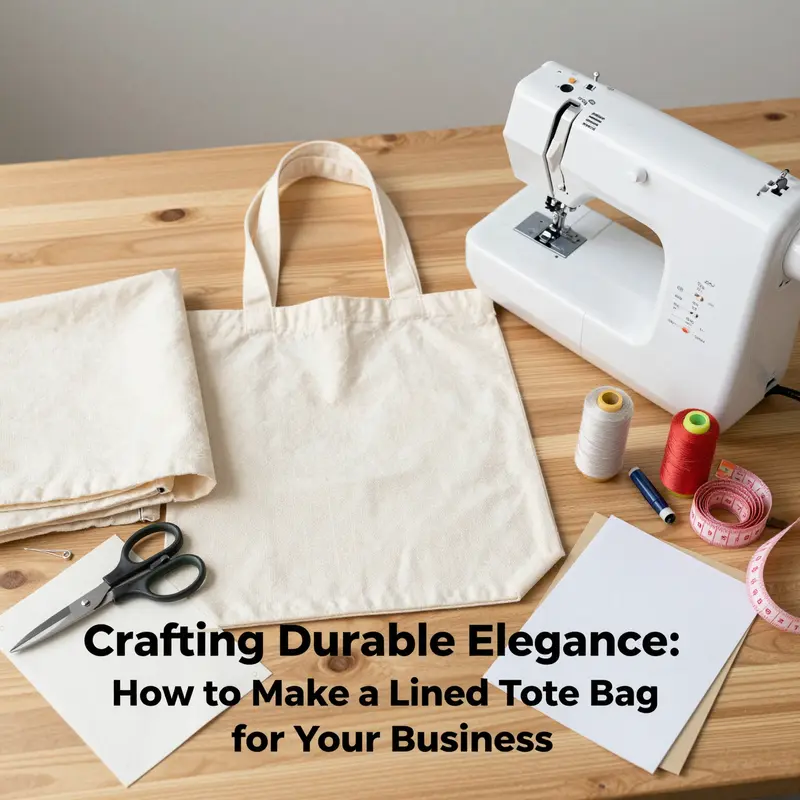
Selecting the right materials and the right set of tools is more than a practical concern; it shapes how your bag carries, wears, and lasts. A lined tote bag is a collaboration between form and function, where the outer fabric provides character and resilience, and the lining offers a gentle, forgiving interior that protects your belongings. The foundation you choose—outer fabric, lining, and any interfacings or reinforcing elements—will influence every decision you make in the workshop, from seam allowances to how you finish the top edge. The beauty of a well-made lined tote lies not only in its appearance but in how confidently it behaves when loaded with groceries, books, or a laptop in a sleeve. To begin this journey, gather materials with intention, then assemble a toolkit that will respect the fabric you’ve chosen and the size you want the bag to become.\n\nOuter fabric first. The outer layer sets the bag’s mood and its daily resilience. Cotton canvas, denim, and linen are popular choices because they sew well, wear gracefully, and clean up with reasonable ease. The weight range of 200–250 g/m² is a sweet spot for most tote projects. It gives the bag enough body to hold its shape while still being manageable for a home sewing setup. Heavier fabrics can create a sturdy, almost archival feel, but they demand sharper tools, stronger needles, and careful seam handling. Lighter fabrics, even if they look delicate, can work beautifully when paired with a supportive lining and a light interior reinforcement. Consider how the pattern you have in mind will show color and texture. A plain solid canvas offers versatility; a subtle weave or a heathered finish adds depth without shouting. If you prefer patterns, opt for a repeat that won’t distort or snag at the seam lines. The outer fabric should be compatible with the method you intend to use. For example, if you plan to add a zipper top, you’ll want a fabric that handles zipper insertion without puckering. If you plan to add hardware such as rivets or magnetic snaps, make sure the fabric plays nicely with those details and that the weight can bear the added stress.\n\nThe lining is the pocket-side of the bag from the wearer’s perspective. A lightweight, smooth fabric is ideal here because it glides over the inner surface of the bag and allows items to slide in and out with ease. Polyester taffeta, a poly-cotton blend, or even a light flannel can work well, depending on the color or print you want peeking out or peeking in from the top when the bag is open. The lining should complement or contrast with the outer fabric for visual interest, but it also needs to be gentle against the items you carry. A smoother lining minimizes friction for delicate objects and reduces wear on the seam allowances. If the outer fabric has a busy pattern, a simpler lining tone helps the interior feel calm and organized.\n\nInterfacing, sometimes called fusible interlining, is optional but can dramatically alter the bag’s silhouette. It’s most valuable in areas you want to stay crisp and structured, such as the base or the handles. A light to medium weight interfacing can stiffen the base so the bag sits firmly on a surface, while a slightly heavier interfacing in the handles can improve comfort and longevity when the bag is loaded. If you’re aiming for a slouchier, casual tote, you might skip interfacing in favor of a soft, flexible interior that still holds together well. The key is to match interfacing weight to your fabric and to your design goals. A mismatch—say a very stiff interfacing with a delicate fabric—can result in a bag that feels rigid and uncomfortable to carry.\n\nClosures and hardware add another layer of consideration. A zipper top is a classic choice for a clean, secure finish. The length of the zipper should be chosen in relation to the bag’s height and opening width; typically, a 20–30 cm zipper works well for most tote sizes. If you prefer a simple, open-top tote, you can substitute a magnetic snap or toggle closure. Both options require thoughtful placement so that the top edge remains neat and flat when closed. The choice of hardware should harmonize with the other materials. A brushed metal, antique brass, or matte black finish can steer the bag’s character toward utilitarian, vintage, or modern.\n\nHandles deserve careful attention because comfort and strength are integral to daily use. The most reliable straps often use wide nylon webbing or sturdy fabric straps measuring about 1.5 to 2 cm in width. Webbing is favored for its durability and ease of attachment; fabric handles can look softer and more cohesive with the bag’s overall aesthetic. Whatever you choose, ensure the handles are rated to carry weight comfortably—think in terms of at least 15 kg capacity for ample daily use. The method of attaching handles matters too: reinforced stitching with bar tacks or cross-stitching patterns at stress points distributes load more evenly and extends the bag’s life. If you’re making your own handles from the same fabric, plan for a clean finish such as a double-folded edge to avoid fraying and to maintain a neat silhouette.\n\nThreads and needles complete the fundamental toolkit. High-quality polyester thread, typically 60 wt, provides strength and a slight give which helps the stitches withstand daily wear. For sewing through multiple layers—outer fabric, lining, and any interfacing—a sharp needle, like a 90/14 denim needle, is a reliable workhorse. The right needle reduces skipped stitches, minimizes snagging, and preserves delicate fabric edges. The thread color should blend with the outer fabric or provide a deliberate contrast, depending on whether you want a seamless look or a design detail that pops up along the seams. The thread should sew evenly under the presser foot, and you’ll appreciate thread tension that matches the fabric combination so that seams lie flat and durable.\n\nBeyond thread and needle, a technician’s toolkit becomes a seam artist’s companion. Sharp fabric scissors enable clean cuts through all layers, while a rotary cutter can be a time-saver with larger patterns. Pins or clips hold layers securely during sewing, especially when handling a bulky corner or a seam that crosses through multiple pieces. A measuring tape and a clear gridded ruler help you maintain accuracy as you cut and align. A tailor’s chalk or fabric marker marks pattern lines and stitch guides, allowing you to follow a plan without second-guessing. A seam ripper is indispensable when mistakes occur, which they inevitably do in the learning curve. An iron and ironing board are your best allies for setting sewn edges and flattening seams for a crisp finish. Pre-washing and steam-pressing fabrics before cutting reduces surprises later, preventing shrinkage or distortion that would throw off the fit of the lining to the outer bag. In one quiet, careful session, you confirm that every piece aligns tightly within the plus or minus one-millimeter tolerance that professionals expect.\n\nThe materials you choose feed your project’s personality, while the tools ensure your craft remains precise and enjoyable. It’s easy to underestimate how much the right pairing matters until you see how a sturdy outer fabric, a smooth inner lining, and thoughtful reinforcement translate into a bag that stands up to daily use. When you assemble your list, start with the essentials: a suitable outer fabric and a compatible lining, a simple closure, and sturdy handles. Then layer in interfacing if you want more structure, a zipper if you value security, and the right hardware if you want a finished, polished look. You’ll find your choices become a conversation between texture, weight, color, and the way you want the bag to feel when carried.\n\nAs you plan, keep a single, mindful rule in mind: the materials should complement each other so the bag reads as a single, cohesive object rather than a collage of parts. With care, your tote will not only look right but behave right, carrying daily essentials with confidence and a quiet kind of elegance. If you’re curious about how zipper options influence the finish, you can explore a focused look at options for top closures in the resource linked here: tote-bags-with-zippers. This doesn’t replace your own experimentation, but it can spark ideas on how different zippers impact seam stability and the bag’s overall feel.\n\nWith the foundational choices in mind, the next steps move from planning to execution. The precise cutting of the outer and lining pieces according to your pattern ensures the sides and bottom align, which in turn supports clean side seams and a balanced silhouette. When you begin sewing, maintain a consistent seam allowance and check the fit as you go. Pressing as you work helps set shapes and reveals potential bulk that might need a little extra trimming or a second pass. The final assembly—where you insert the lining into the outer bag and sew along the top edge to catch both layers evenly—transforms the project from two fabric sheets into a single, functional bag. In that moment, your careful material choices and tool selections reveal their payoff in the bag’s weight, feel, and how it carries your daily routine.\n\nThe practical journey doesn’t end at the finish line of the first tote. As you gain experience, you’ll notice how certain fabrics respond to interfacing and how some linings complement particular outer textures. You may find you prefer zipper closures for travel or a magnetic snap for a quick, casual tote. You may also discover preferences for handle styles that suit your body type and how you typically carry bags. Each choice is a thread in a broader tapestry of design choices that ultimately tell your story through fabric. When you finish, the lined tote will have been built not merely from materials and tools but from a patient process that respects the fabric’s character and the bag’s intended life. It’s this deliberate approach that turns a simple DIY project into a reliable everyday accessory, one you made with your own hands and your own eye for detail.\n\nExternal resource and ongoing inspiration can deepen your understanding of how to adapt these fundamentals. For a broader perspective on repurposing existing materials into stylish totes, you might explore techniques that bring a casual, eco-friendly mindset to your sewing practice. Step By Step Guide To Repurposing Old Jeans Into Stylish Tote Bags At Home offers practical ideas that echo the same care you bring to new fabrics, reminding us that thoughtful material choices and adaptable construction methods can yield bags that are both personal and durable.\n\nExternal resource: Step By Step Guide To Repurposing Old Jeans Into Stylish Tote Bags At Home
Stitches that Endure and Styles that Shine: Finishing Touches and Personalization for Your Lined Tote Bag
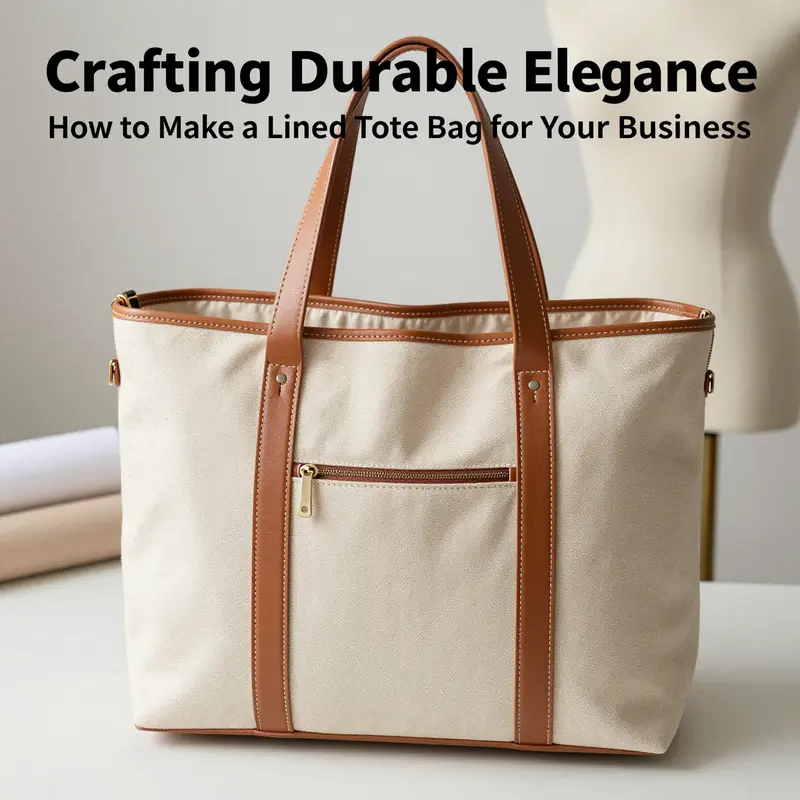
Finishing touches are where a practical project stops being a bag and becomes a personal item you’ll reach for every day. It’s the quiet moment after the main seams and panels come together when the material’s resilience, the precise handling of edges, and a touch of your own style combine to transform a simple lined tote into something durable, useful, and distinctly you. The finishing phase rewards patience and attention to detail as much as it rewards creativity. It’s also a moment to reflect on how the choices you make in this phase—thread color, needlework, and hardware—will influence performance as the bag travels through crowded buses, quiet libraries, or the inside of your backpack on a long commute. The process isn’t merely about hiding stitches; it’s about weaving a small amount of care into the fabric of a daily routine. The result should feel sturdy yet welcoming, practical yet expressive, if not immediately striking in design at first glance, then subtly so in the way it holds its shape and wears over time.
To begin the finishing journey, set aside the bag’s body and focus on the loose ends and the edges. Secure all loose threads by weaving them into interior stitches with a tapestry needle. This step matters because those tails, if left loose, can pull and unravel with use. Burying the ends inside the seam allowance keeps the exterior neat and the interior free from snag-prone bits. A careful weave might seem small, but it is the foundation of durability. Think of it as anchoring the bag’s memory to its fabric, so the bag remembers its shape rather than unwinding into a frayed edge after a few thoughtful trips to the market or a hurried dash between errands.
As you proceed, take a cool iron to the bag’s seams and edges. The guidance here is practical: press with a cool iron if the fabric allows; if you’re working with more delicate or heat-sensitive materials, go slower and test a scrap first. The goal is crisp lines without shining or scorching. For heavier fabrics like canvas or denim, a gentle press through a pressing cloth can help set the seam allowances and smooth the turned edges. A well-pressed bag looks sharper and costs less in time spent later trying to coax stubborn corners into place. The corners deserve special care; use a blunt tool to coax them into a neat point and then press again. The little discipline of pressing pays off when you turn the bag right side out and the corners hold their shape instead of collapsing into soft, irregular blips.
Reinforcement at the bottom is another key detail. If the corners show wear or you anticipate heavier loads, consider adding a small cross-stitch in the corners or inserting a piece of interfacing beneath the bottom layer. A cross-stitch acts as a micro-brace, distributing stress more evenly where the bag sits on a surface or where the handles meet the bag. Interfacing under the bottom can provide a discreet lift, helping the bag stand upright and resist crumpling under weight. These steps aren’t flashy, but they make the tote look composed even when it’s packed with books, groceries, or a laptop and charger. The goal is to preserve the bag’s silhouette and keep it from sagging into a tired slouch after repeated use.
Beyond structural details, finishing touches provide an opportunity to infuse personality. Customization isn’t merely decorative; it’s functional in several ways. Embroidery of initials or a delicate motif along the side seam or the strap line can offer easy identification and a touch of elegance. Appliqué patches, subtly placed along the sides, can echo a theme—nature-inspired leaves, geometric shapes, or floral hints—that complements the bag’s fabric. Beads along the seam lines or a scattered beadwork motif can catch the light as you move, giving a tactile and visual cue of craftsmanship. When you choose embroidery or appliqué, keep in mind the weight you’re adding. A heavy beadwork plan on a lightweight cotton lining may pull at the fabric and require an extra seam reinforcement. If you’re new to decorative stitches, start with a small, simple motif and build confidence with a second installment once you’re comfortable with tension and fabric handling.
Thread color can dramatically shift the bag’s tone. A contrasting topstitching thread—perhaps a bold, bright hue—can create a modern graphite-and-lumen look against a dark outer fabric or a warm accent on a lighter surface. The effect is not merely cosmetic; it highlights the bag’s construction, drawing attention to the top edge and the way the lining peeks when the bag is opened. If you prefer a more subdued style, use a thread that closely matches the outer fabric or the lining. Either choice can be a deliberate design decision: high-contrast stitching says you know what you’re doing and invites the eye to follow each line, while tonal stitching offers a quiet confidence that the bag was designed with restraint.
Hardware choices are another frontier for personalization. A metal or wooden toggle at the top can serve a dual purpose: it adds a visual focal point and can provide a gentle closure cue if you’re not using a zipper. Replacing standard handles with leather or woven fabric straps can change the bag’s character entirely, making it feel more refined or more casual, depending on the material and color you choose. If you decide to switch to a leather strap, balance weight with comfort by choosing a width and padding that won’t dig into your shoulder. Even simple changes, like the shape of the strap ends or hardware color, can measurably affect how the tote wears and carries.
When you’ve chosen your decorative approach, think about the lining in relation to the total look. A well-fitted lining that extends slightly beyond the top when the bag is closed helps prevent fraying and makes the interior finish look deliberate. If you’ve added a zipper or a top closure, the lining should cooperate with the hardware rather than clash with it. A tidy, secure lining improves the bag’s longevity and gives early signs of careful construction that you’ll notice on days when you reach for the bag mid-commute or during a rushed run to the cleaners. The lining isn’t just a concealed layer; it’s a partner in the bag’s daily life, protecting items and guiding the outer fabric toward a comfortable silhouette.
Functionality welcomes thoughtful details. An internal zippered pocket can keep small valuables secure, while a slip pocket is perfect for cards or a phone. A small key clip can eliminate the need to rummage through the bag when you’re greeting a friend at the curb. If your lining allows, you can also have the top edge extend beyond the outer bag, then secure both layers together with a neat row of stitches. This finish helps avoid fraying at the opening and reinforces the boundary between the outside and the inside. These interior features don’t just add convenience; they reflect a mindful approach to everyday use. They ensure the tote remains organized and accessible, which is especially valuable when the bag is used across different settings—from the library to the market to the office.
The finishing phase also invites a small flourish of personal narrative. Some makers enjoy a quick, quiet embroidery on the strap keeper or a subtle bead along the seam line at the top. These elements become the bag’s signature without overwhelming the overall design. If you’re including such touches, test them on a scrap first, then transfer your plan to the actual bag. It’s best to practice tension, stitch length, and density on fabric that won’t be seen once the bag is fully assembled. When you approach finishing as a practice of restraint and intention, your results tend to feel more cohesive and durable.
As you weave through these choices, you may want to consult a broader range of techniques or inspiration. For example, if you’re exploring the security of a zipper while maintaining a clean finish, you can look to resources that illustrate the integration of zippers into totes. A practical reference is a tutorial that demonstrates how zippers can be installed in a tote while keeping the exterior smooth and the interior pockets intact. This approach shows that a secure closure does not have to disrupt the bag’s lines or complicate the finishing steps. The balance between form and function becomes clearer when you observe a method that preserves the bag’s aesthetic while adding practical accessibility. You’ll find demonstrations that walk through how to align the zipper with the top edge, how to stabilize the edges so the zipper sits neatly, and how to keep the interior lining from puckering around the hardware. For those who want a concrete example, see the resource that focuses on tote bags with zippers.
In addition to the hands-on adjustments, the finishing phase invites a broader reflection on how your lined tote will live in your day-to-day routine. If you carry it to work, you may value a sturdier base and more secure compartments. If you’re using it for weekend errands, lighter leather or fabric straps and a brighter accent could make the bag feel more playful and inviting. The beauty of making your own bag lies in this adaptability: you can tailor weight, structure, and embellishment to your lifestyle, rather than forcing a one-size-fits-all solution from a store shelf. The craft becomes a language you speak through fabric, thread, and small hardware choices, translating your daily rhythm into a wearable, usable object.
As the chapter moves toward its close, imagine a few practical sequences that can help you implement these refinements without losing momentum. Start by choosing the interior finish you want—zip pocket, card slip, or key clip—and decide how many of these features you can realistically add without overloading the bag’s interior plan. Then select your preferred reinforcement method for the bottom and corners. If the bottom feels prone to collapse, a light interfacing or a simple cross-stitch pattern can offer relief. Next, pick a thread color for topstitching that resonates with the bag’s fabric and the mood you want to convey. Finally, plan your decorative touches with restraint: a small monogram on the inner lining, a single appliqué along the outer seam, or a few beads that catch the light when the bag moves. This measured approach helps you avoid overembellishment while still letting your personality emerge through the bag’s lines and seams.
To illustrate how these steps might unfold in a finished piece, consider the path from a basic lined tote to a quietly stylish daily companion. The bag begins as two matched panels for the exterior and a corresponding pair for the lining. The outer panels come together at the sides and bottom, forming a soft, precise silhouette. The lining is sewn separately and then nestled inside the outer shell, its raw edges aligned and pinned at the top. When the top edge is stitched, the lining’s edge is caught, ensuring that the two layers remain cohesive. The bag is turned right side out, the lining neatly tucked inside, and the top edge pressed into a clean, even line. Then you add the desired hardware—perhaps a simple toggle at the top, a pair of handles in a complementing material, and a final row of topstitching that reinforces the finished edge. Finally, you weave in any decorative elements and add functional pockets inside. The result is a bag that looks as good as it behaves, with attention to the details that matter most in daily use.
If you’re seeking a concrete example of how a finished tote can embody both utility and a touch of flair, you can explore a practical reference that highlights how a bag can blend multiple elements—compact hardware, sturdy construction, and careful interior organization—into a single, wearable object. This approach demonstrates that finishing touches do not exist in isolation; they integrate with the bag’s structure, its function, and the wearer’s habits to create something that remains useful and visually coherent over time. The combination of secure seams, thoughtful reinforcement, and deliberate decorative choices can elevate a basic tote to something you reach for with confidence, day after day. The beauty of this process lies not in the novelty of a single technique but in the harmony of many small decisions, each supporting the next, until the final piece feels inevitable, as if it were always meant to be.
For readers who want a deeper dive into advanced embroidery techniques and hardware attachment, the Craftsman’s Guild offers a structured guide that expands on these ideas with visuals and step-by-step demonstrations. While the chapter above focuses on the finishing heart of a lined tote bag, the broader resource provides a wider spectrum of approaches for those who want to push their craft further and perhaps translate these ideas into other kinds of handmade accessories. External reference: https://www.craftsmansguild.org/handmade-accessories-tutorial
If you’re curious to see how a particular feature can be integrated in a practical, accessible way, explore opportunities to incorporate an interior zippered pocket. The zipper not only secures small items but also contributes to a neat internal organization that helps your bag feel less crowded as it fills. To get a sense of how a zipper can be applied cleanly within the tote’s interior, you might start with a basic implementation that preserves the bag’s exterior lines while offering secure storage for essentials. For a broader view on hardware and zipper integration within tote construction, consider looking at related tutorials and examples that walk through the balance between function and appearance. In this chapter, the emphasis remains on making sure that any hardware you choose, including a zipper or a toggle, complements the fabric, the lining, and the bag’s overall silhouette rather than competing with them.
In the end, finishing touches and personalization are not separate from the construction; they complete it. They translate your preferences into tangible features and give your bag a voice—a voice you can hear every time you sling the strap over your shoulder or reach into the interior for a card or a key. The process rewards a careful, patient hand and a willingness to test small ideas on fabric scraps before committing them to the final piece. It is in these precise, considered steps that a lined tote bag becomes not just a container for daily necessities but a reliable partner, a small piece of made-to-measure craft that travels with you and grows more meaningful with each use.
Internal link reference: tote bags with zippers
External resource and further reading: https://www.craftsmansguild.org/handmade-accessories-tutorial
Final thoughts
Creating lined tote bags offers business owners the dual benefit of producing a product that is both aesthetically appealing and functionally superior. By mastering the construction process, sourcing the right materials, and incorporating thoughtful finishing touches, you create a product that can elevate your brand’s reputation for quality and design. Whether used as merchandise, promotional gifts, or integral parts of your retail lineup, lined tote bags demonstrate your commitment to craftsmanship and customer satisfaction. With the knowledge gained, this accessible craft empowers you to innovate and customize your offerings, ensuring your business stands out in a competitive market.