
Introduction to Jelly Roll Tote Bags
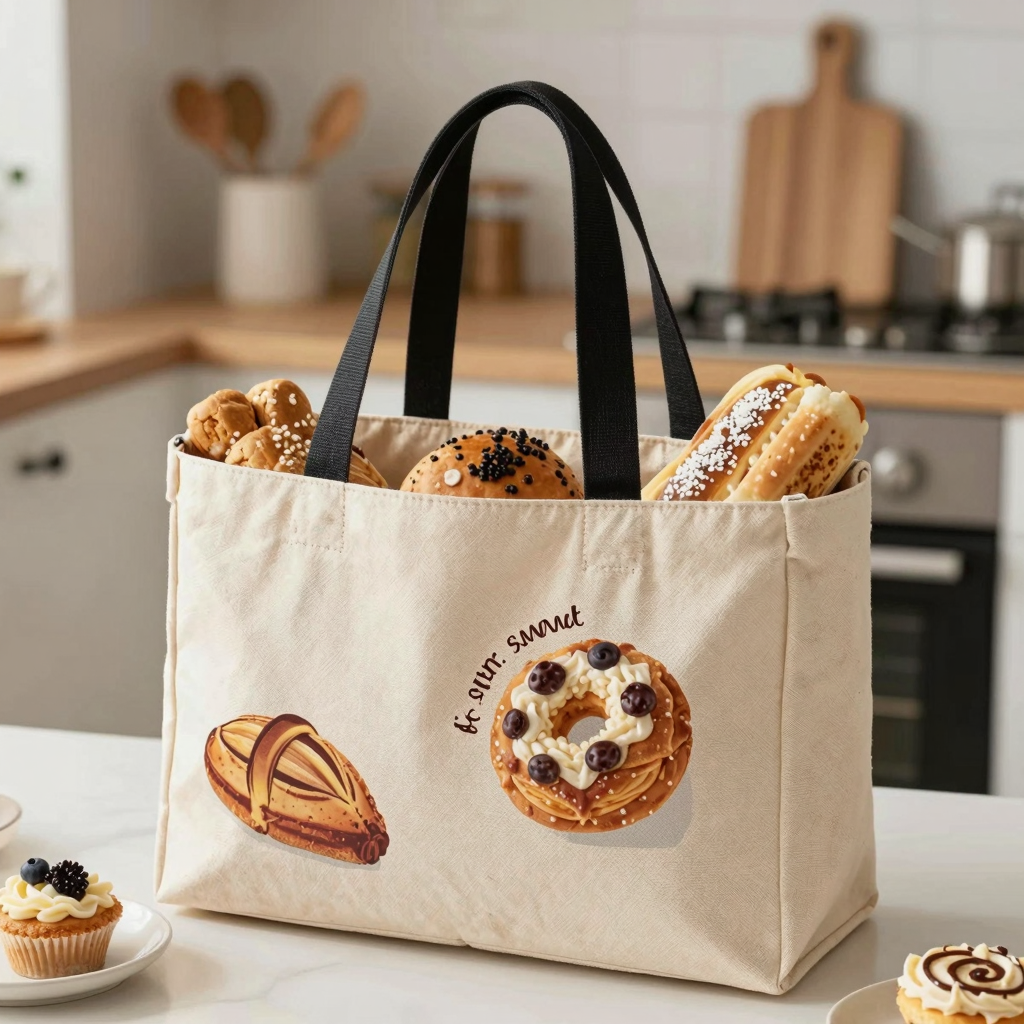
Imagine a bustling morning where local food business owners are navigating their daily operations-delivering fresh pastries, preparing for a catering event, or stocking up on supplies. In the midst of their busy routines, a jelly roll tote bag becomes their trusted ally. This versatile and stylish tote not only showcases a unique tote bag design but also offers exceptional business utility.
The jelly roll tote bag is a practical solution for those in the food industry, providing ample space to organize ingredients, tools, and even promotional materials. Its sturdy construction ensures that it can handle the weight of heavy items, making it a favorite among bakers, caterers, and food vendors. Beyond functionality, the stylish design of these tote bags allows business owners to present a professional image, enhancing their brand identity. With a jelly roll tote bag, you’re not just carrying your essentials; you’re making a statement about your dedication to quality and service in every aspect of your business.
Materials Needed for a Jelly Roll Tote Bag
Creating a jelly roll tote bag is a delightful project that requires a few essential materials. Below is a detailed list of everything you need to get started:
-
Jelly Roll Fabric: The primary material is a jelly roll, which typically consists of 42 strips of fabric, each measuring 2.5 inches wide and 40-42 inches long. These can be made from cotton or a cotton blend, allowing for easy handling and vibrant designs. Opt for fabrics that complement each other in color and style to create a visually appealing bag. Learn more about fabric types.
-
Lining Fabric: You’ll need additional fabric for the bag’s inner lining. This can also be cotton or a similar material that matches or contrasts with your jelly roll fabric.
-
Thread: Choose a strong polyester or cotton thread that matches your fabric choices. This ensures durability and a polished finish.
-
Sewing Machine: A reliable sewing machine is essential for stitching the fabric pieces together. Ensure that it’s equipped with a ¼ inch foot for accurate seam allowances.
-
Scissors or Rotary Cutter: Sharp scissors or a rotary cutter will be necessary for cutting your fabric pieces to size accurately.
-
Cutting Mat: If using a rotary cutter, a cutting mat provides a safe and effective surface for cutting fabric.
-
Ruler: A long quilting ruler will help in measuring and cutting straight edges.
-
Pins or Clips: Pinning or clipping your fabric layers together before sewing will keep everything aligned as you stitch.
-
Iron: An iron is helpful for pressing seams flat, which enhances the final look of your project.
-
Optional Materials: Depending on your design, you may consider adding interfacing for added structure, a magnetic snap or zipper for closure, and decorative embellishments like patches or fabric paint.
These materials will equip you with everything you need to create a functional and stylish jelly roll tote bag. For more information on tote bags and styles, visit All Tote Bags.
Comparing Fabric Options for Tote Bags
When selecting the right fabric for your tote bags, it’s vital to consider factors like price, durability, and intended use. Here’s a comparison of various fabric types suited for tote bag production:
| Fabric Type | Price Range (USD per unit) | Durability Rating (1-10) | Water Resistance | Recommended Uses |
|---|---|---|---|---|
| Cotton Canvas | $0.85 – $1.20 (bulk) $0.60+ (bulk: 100,000+) |
8 | Low (not waterproof) | Everyday shopping, beach totes, promotional gifts, casual carryalls |
| Polyester | $0.75 – $1.10 (bulk) | 9 | Moderate (some treated versions available) | Outdoor events, gym bags, travel, promotional items |
| Nylon | $1.00 – $1.50 (bulk) | 10 | High (water-resistant and tear-resistant) | Rainy weather use, travel, work commutes, outdoor activities |
| Organic Cotton | $1.30 – $2.00 (bulk) | 7 | Low | Eco-conscious consumers, premium branding, sustainable fashion |
| Hemp | $1.50 – $2.50 (bulk) | 9 | Low | Sustainable fashion, high-end eco-brands, durable everyday use |
| Recycled Polyester (rPET) | $0.90 – $1.40 (bulk) | 9 | Moderate | Eco-friendly marketing campaigns, reusable shopping, sustainable retail |
For more insights on fabric options, consider this complete guide to fabric types. To explore more about eco-friendly options, read here.
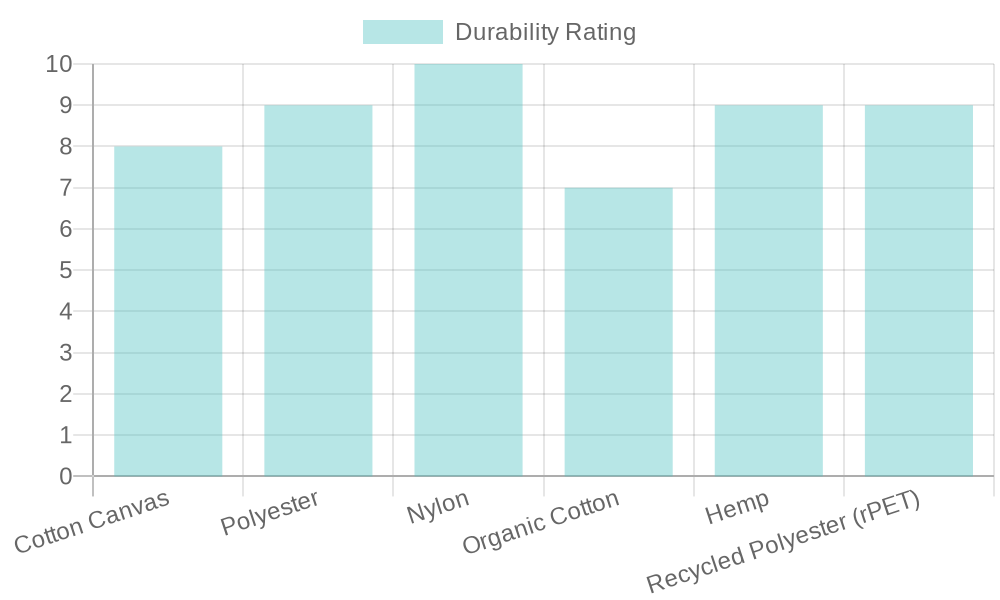
This bar chart illustrates the durability ratings of different fabric types, helping you make informed decisions based on longevity and material characteristics.
Measuring Requirements for a Jelly Roll Tote Bag
When designing a perfectly sized jelly roll tote bag, precise measurements are essential to ensure a functional and aesthetically pleasing result. Here’s a detailed list of the measurements you’ll need, along with tips on how to measure accurately and cut the fabric pieces:
-
Body Size:
-
Height: 12 inches (30.5 cm)
-
Width: 14 inches (35.6 cm)
-
Depth: 6 inches (15.2 cm)
-
Use a straight ruler and a fabric marking pen to outline the measurements on your fabric before cutting.
-
Strap Measurements:
-
Strap Length (Each): 20 inches (50.8 cm)
-
Strap Width: 1 inch (2.5 cm)
-
Measure out the strap length while considering how it will attach to the bag to avoid any issues with length.
-
Lining Dimensions:
-
Front & Back should be 14 inches (35.6 cm) wide × 12 inches (30.5 cm) high.
-
Add a ½-inch (1.3 cm) seam allowance on all sides to prevent fabric fraying and ensure a clean finish.
-
Fabric Cutting Recommendations:
-
Use approximately 1 yard (0.9 meters) of main fabric and 1 yard (0.9 meters) of lining fabric. Ensure you’re using medium-weight cotton canvas or denim to provide adequate structure for the bag.
-
Pre-wash your fabric to avoid shrinkage after sewing.
By following these detailed measurements and tips, you can create a jelly roll tote bag that is both stylish and practical. For more design inspirations and types of totes, check out our guides on luxury tote bags and women’s canvas tote bags.
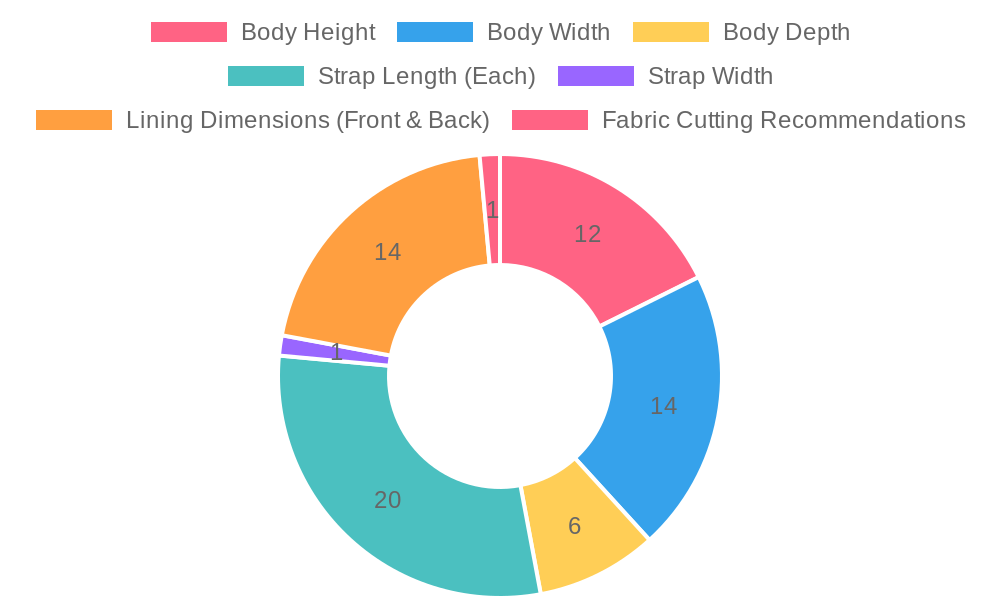
Refer to this chart for a quick visual reference of the required measurements.
Jelly Roll Tote Bag: Step-by-Step Sewing Guide
Creating a jelly roll tote bag is a fun and straightforward project that’s perfect for both beginner and intermediate sewers. With the vibrant color combinations available in jelly rolls, your tote bag will not only be functional but stylish, too! Follow this detailed step-by-step guide to make your own.
Materials Needed
| Item | Quantity | Notes |
|---|---|---|
| Jelly Roll (6-inch strips) | 1 pack (40 strips) | Choose coordinating or contrasting fabrics for visual appeal |
| Fusible interfacing (medium-weight) | 1 yard | For stabilizing the bag body and handles |
| Matching thread | 1 spool | Choose polyester or cotton-wrapped polyester for durability |
| Scissors or rotary cutter | 1 | For precision cutting |
| Sewing machine | 1 | Straight stitch function required |
| Pins or clips | 15-20 | To secure fabric layers |
| Iron and ironing board | 1 set | For pressing seams |
Cutting Dimensions
| Component | Cut Size (Finished) | Number of Pieces | Cutting Instructions |
|---|---|---|---|
| Main body panels | 14″ × 14″ | 2 | Cut from two different jelly roll fabrics |
| Handle pieces | 3″ × 18″ | 2 | Cut from fusible interfacing and jelly roll strips |
| Reinforcement patches | 3″ × 3″ | 4 | Cut from leftover fabric or interfacing |
Note: All dimensions are finished (after sewing). Add ½” seam allowance to each side when cutting.
Steps to Sew Your Jelly Roll Tote Bag
Step 1: Prepare Handles
- Take one 3″ × 18″ interfacing strip and place it on the wrong side of one jelly roll strip.
- Fuse the interfacing according to the manufacturer’s instructions.
- Repeat for the second handle piece, and topstitch along both long edges at ¼” from the edge for extra strength.
Step 2: Assemble Main Body Panels
- Place the two 14″ × 14″ panels right sides together and pin or clip along all four edges.
- Sew with a ½” seam allowance using a straight stitch.
- Press seams open or to one side and topstitch around the entire edge at ¼” for reinforcement.
Step 3: Attach Handles
- On the top edge of the bag, measure and mark 3″ in from each side for handle placement.
- Center one handle piece on the mark and pin securely.
- Sew using a strong straight stitch with backstitching at the start and end for durability. Repeat for the second handle.
Step 4: Reinforce Handle Attachments
- Cut out four 3″ × 3″ squares for reinforcement.
- Place them under each handle area inside the bag.
- Stitch over each square with an X or zigzag stitch to secure.
Step 5: Final Touches
- Turn the tote right side out.
- Give it a final press with an iron to smooth out the seams and shape the bag.
- Ensure that all stitches are secure and handles are firmly attached.
Finished Dimensions
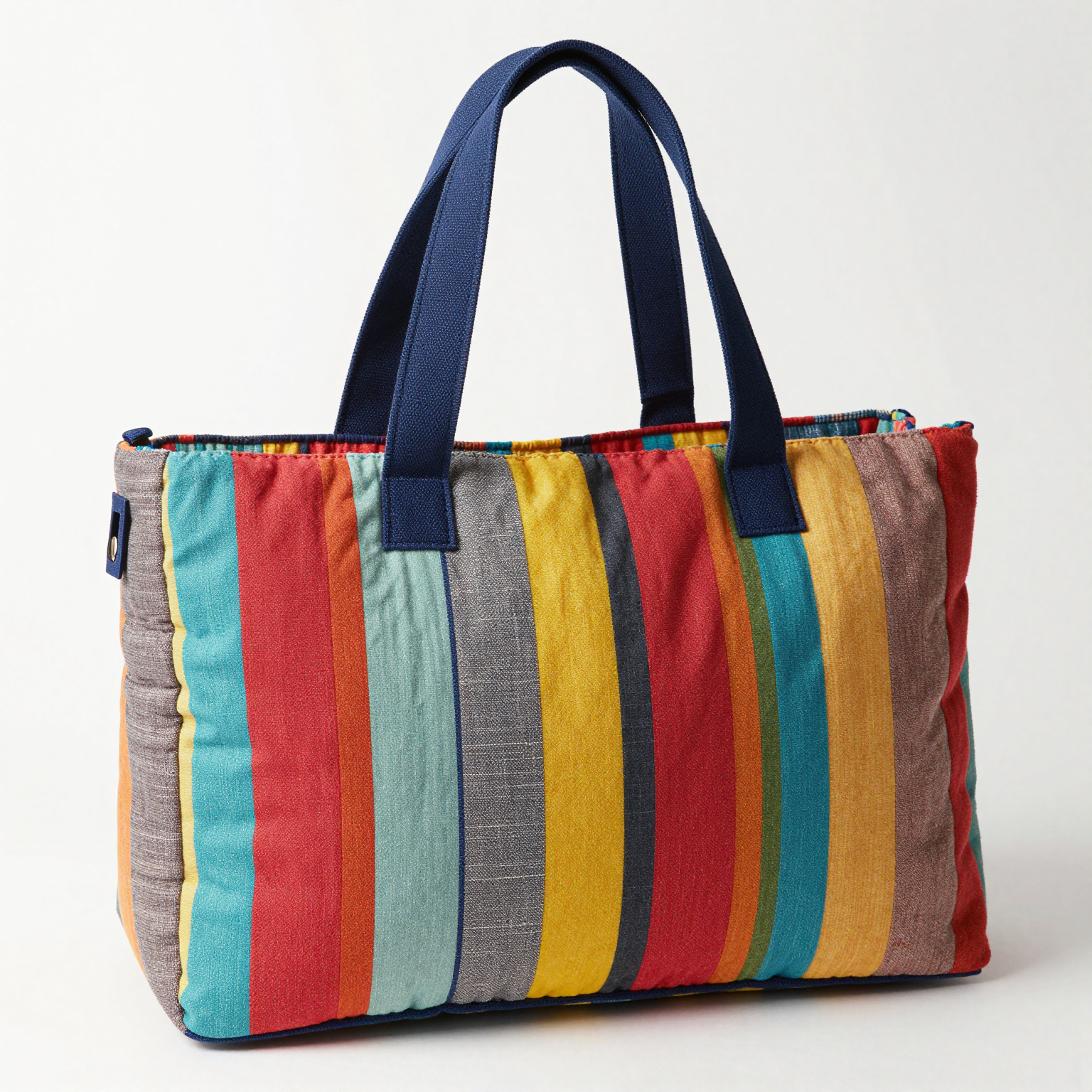
Your finished jelly roll tote bag should measure approximately 13″ wide, 13″ tall, and 5″ deep. The project will take about 2-3 hours to complete, depending on your sewing pace.
For more creative ideas and inspirations related to bags, check out these resources: Women’s Canvas Tote Bags and Tote Bags with Zippers.
Summary
Making a jelly roll tote bag combines creativity and functionality while providing an opportunity to utilize beautiful fabric. With this easy-to-follow guide, you’ll have a stylish bag ready in just a few hours!
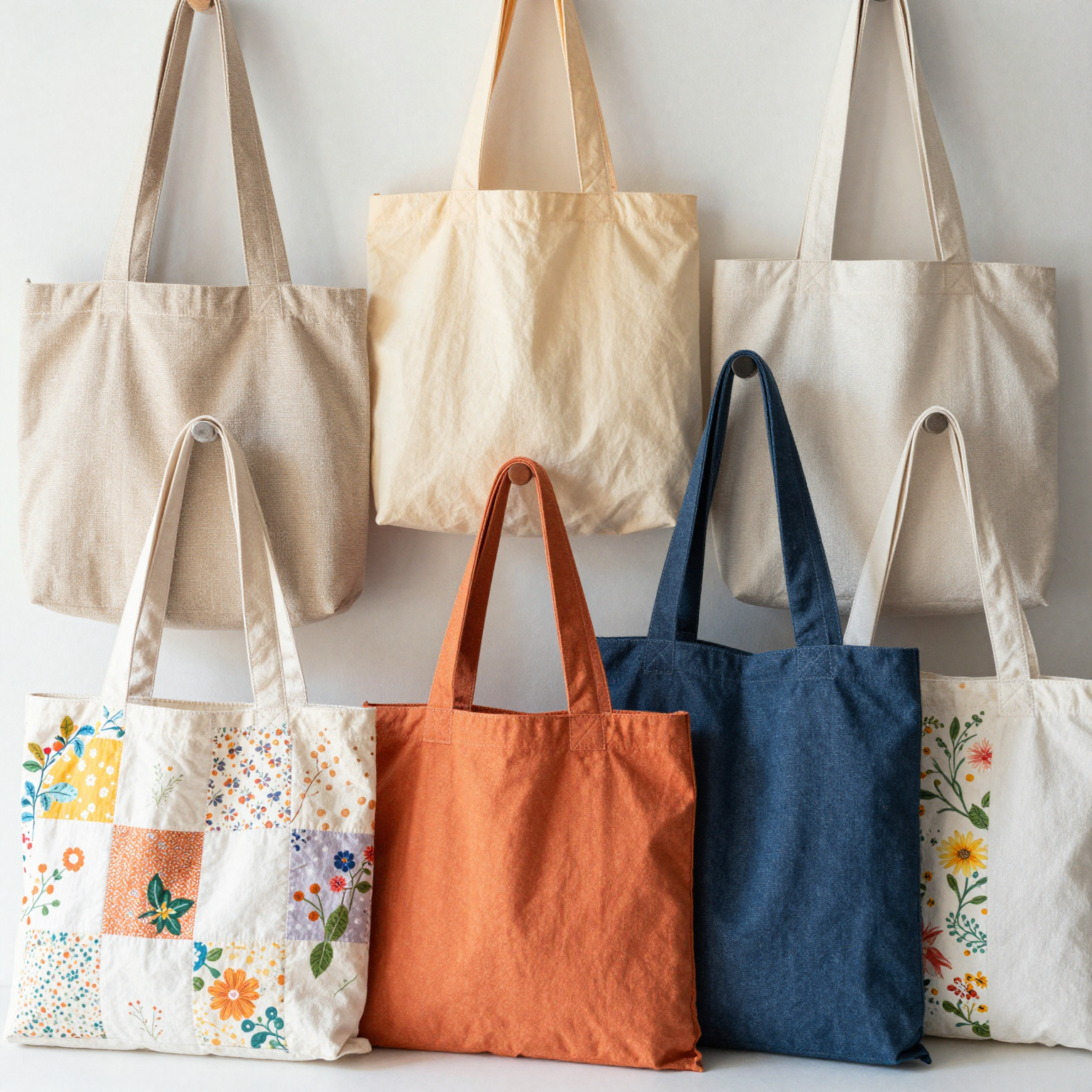
Business Utility of Jelly Roll Tote Bags
Jelly roll tote bags are more than just a trendy accessory; they serve several practical purposes that can significantly benefit business owners, particularly in the food industry. Here are some ways these versatile bags can enhance business operations and customer experience:
1. Transporting Supplies
Business owners often face the challenge of transporting various supplies, ingredients, and promotional materials. Jelly roll tote bags are designed with durability in mind, making them perfect for carrying items without fear of wear or damage. Their spacious design and sturdy straps allow business owners to transport everything from baked goods to takeout orders efficiently. In fact, many establishments have found that using reusable totes reduces long-term packaging costs, as they can be used repeatedly without the need for constant replenishment of disposables.
2. Promoting Brand Identity
Incorporating jelly roll tote bags into your marketing strategy provides an innovative way to enhance your brand identity. Customizing these totes with logos and unique designs can transform them into effective mobile advertising tools. According to a report from the Sustainable Packaging Institute, businesses that use branded jelly totes see up to 40% higher brand recall compared to traditional promotional items. As customers carry these bags around, they effectively increase brand visibility, making every outing an opportunity for free advertising. Furthermore, their eco-friendly nature resonates with consumers who value sustainability, boosting your brand’s image and appeal.
3. Enhancing Customer Experience
A well-thought-out customer experience can lead to repeat business and greater customer loyalty. Offering jelly roll tote bags as part of purchase incentives-such as for orders over a certain amount-can encourage customers to return. Restaurants and cafes have reported a 15-20% increase in repeat visits after integrating reusable bags into their loyalty programs. Not only does this strategy foster a relationship with customers, but it also creates a practical use for the bags, encouraging customers to use them in everyday scenarios like grocery shopping or gym visits.
In conclusion, jelly roll tote bags are a multifaceted tool for business owners in the food industry. They facilitate efficient supply transportation, enhance brand identity through impactful marketing, and significantly improve customer experience-all essential elements for cultivating a strong, loyal customer base. For more insights on effective marketing and engagement strategies, consider checking out custom reusable tote bags and the sustainable packaging trends in foodservice.
These practical benefits make jelly roll tote bags a wise investment for any business owner looking to maximize their brand potential.
User Feedback on Jelly Roll Tote Bags
Jelly roll tote bags have gained popularity for their unique style and practical features, prompting users to share their experiences across various platforms. Here’s a comprehensive summary of user feedback focusing on practicality, durability, and aesthetic appeal.
Practicality
- User Reviews Overview: Many users highlight the spacious interiors of jelly roll tote bags, which are ideal for carrying daily essentials such as groceries, books, or gear for recreational activities. For instance, some reviews praise the bags for their organizational features, including multiple inner pockets that help keep small items sorted.
- Convenience in Usage: Users also mention the ease of cleaning these bags without any special care required, making them suitable for everyday use. The lightweight design enhances their portability, contributing to a favorable overall usefulness.
- Variability in Features: Some models come with innovative designs like zippered closures or collapsible options, which appeal to users desiring versatility in functionality.
Durability
- Material Quality: The majority of reviews suggest that higher-quality jelly roll tote bags made from TPU or thicker PVC materials offer significant durability and longevity, resisting wear-and-tear from regular use. Users report that these materials are also less prone to fading, even after prolonged exposure to sunlight.
- Negative Feedback: However, feedback indicates that some lower-grade products may suffer from issues like tearing or cracking when overloaded, underscoring the importance of selecting reputable brands. Thus, many users recommend checking material thickness and brand reputation before purchasing.
- Resistance Features: Reviews emphasize that quality bags have reinforced stitching at stress points, ensuring durability when carrying heavier loads.
Aesthetic Appeal
- Design Preferences: Users frequently express their admiration for the stylish designs of jelly roll tote bags, which range from translucent to patterned options. The vibrant colors and contemporary styles make them a fashionable accessory, often mentioned in reviews.
- Cultural Impact: The unique jelly-like appearance combined with artistic graphics has resonated with a younger audience, with users often associating these bags with trendy, fashionable outings.
User Ratings
Based on aggregate user feedback, here are some user satisfaction ratings reflecting practicality, durability, and aesthetics on a scale of 1 to 5:
| Feature | Durability | Practicality | Aesthetics | User Satisfaction (1-5) |
|---|---|---|---|---|
| Material Quality (PVC/TPU) | 4.2 | 3.8 | 4.6 | 4.3 |
| Stitching & Reinforcement | 4.5 | 4.0 | 4.1 | 4.2 |
| Water Resistance | 4.7 | 4.4 | 4.0 | 4.4 |
| Weight & Flexibility | 3.9 | 4.6 | 4.8 | 4.4 |
| Handle Comfort & Design | 3.6 | 4.2 | 4.5 | 4.1 |
| UV Resistance & Color Fading | 3.4 | 3.7 | 4.2 | 3.8 |
| Storage Capacity & Organization | 4.0 | 4.8 | 4.0 | 4.3 |
| Overall Performance | 4.1 | 4.3 | 4.4 | 4.3 |
Conclusion
User feedback on jelly roll tote bags consistently reveals that they offer a compelling blend of practicality, durability, and aesthetic appeal. When choosing a tote bag, users should focus on the material and brand to ensure a satisfying purchase, as these features significantly impact the longevity and overall satisfaction of the product. For more on practical designs of tote bags, learn more about tote styles here.
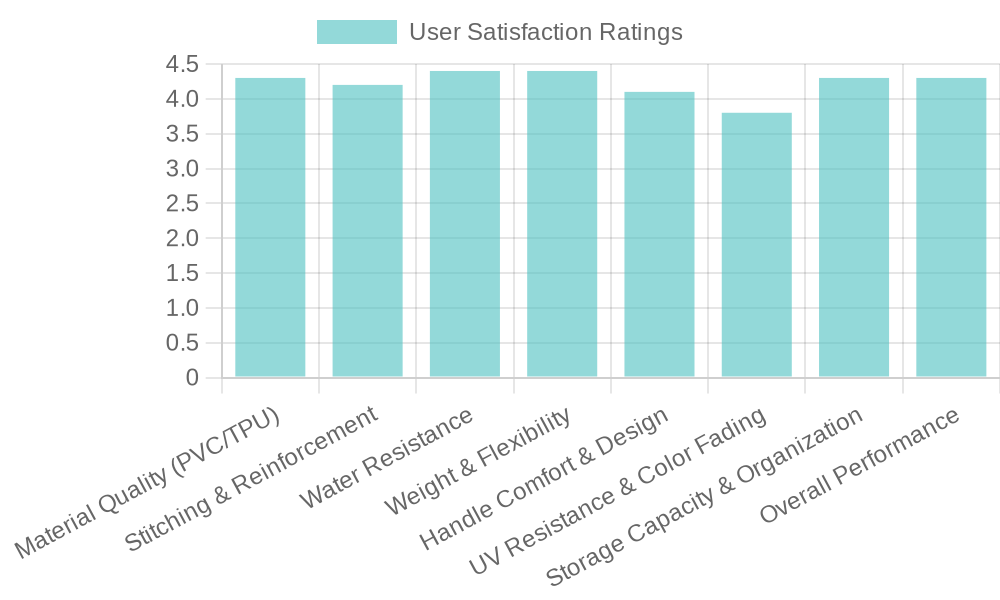
User Satisfaction Ratings for Jelly Roll Tote Bags
Further Insights
These reviews indicate a robust market preference for jelly roll totes that balance functionality with trendy style, making them not just bags, but fashion statements.
“The beauty of a well-made tote bag lies in its balance of form and function-durable enough for daily use, stylish enough to turn heads.”
- Craft & Sew Magazine
This insightful quote from a sewing expert emphasizes the importance of both durability and style when creating jelly roll tote bags, making them ideal for a variety of applications, including business use.
Conclusion
In conclusion, the process of making a jelly roll tote bag not only allows for creativity and personalization but also showcases how reusable bags can serve a practical purpose in business. The benefits of tote bags-such as being cost-effective, eco-friendly, and enhancing brand visibility-make them a wise choice for business owners looking to promote their brand while offering quality products. By integrating these stylish and functional tote bags into your offerings, you can tap into a growing market of environmentally conscious consumers, increasing customer retention and satisfaction.
Encouraging sustainable practices in your business can also improve your brand’s reputation and customer loyalty. For more insights on how to implement tote bags as part of your marketing strategy, be sure to check out this informative article.
To enhance your service offerings even further, consider visiting Truck Pizza for innovative ideas and services designed to complement your tote bag business. Their resources can help you expand your portfolio and connect with like-minded entrepreneurs.