

Maintaining a clean and professional appearance for your tote bags is crucial for business owners who rely on these popular accessories to represent their brand. Proper cleaning extends the life of tote bags, ensures their aesthetic appeal, and can significantly impact customer perception. This guide dives into the vital steps business owners should take to clean tote bags effectively, ensuring they uphold the quality and appearance that reflect your brand’s commitment to excellence. Each chapter provides actionable insights, from checking care labels to handling specific stains, ensuring your tote bags remain in top-notch condition.
Reading the Label First: A Care-Label Compass for Cleaning Any Tote Bag

Reading the care label is the quickest path to a safe cleaning plan. The label is a compass that points to the right method for your bag’s materials and finishes. Inside a pocket or along the seam allowance, the label’s small text or symbols tell you whether to wash, dry, or seek professional help. Treat the label as the bag’s owner manual, not a nuisance to skip. When you start with it, you protect fibers, hardware, and any coatings that define the bag’s look and longevity.
If the label gives a clear machine-wash directive, sort by color and fabric, use a mild detergent, and choose a gentle cycle with balanced loading. Place the bag in a mesh laundry bag to guard zippers and hardware. Remove detachable components or secure them so they do not strike the drum. Remove detachable components or secure them so they do not strike the drum. Air-dry as instructed, using a flat surface or a hanger to preserve shape, avoiding direct heat that can distort finishes.
When the label calls for hand washing, fill a basin with lukewarm water and a little mild detergent. Gently agitate, submerge only as long as the fabric responds, and avoid vigorous scrubbing. Rinse until no soap remains, squeeze gently to remove moisture without twisting, and lay the bag on a towel to drain before air drying. This gentler approach helps protect leather, suede, coated surfaces, and interior linings.
If the label says not machine washable or not washable at all and recommends professional care, honor that boundary. A handbag specialist knows how to handle delicate leathers, suede, or heavily decorated pieces with appropriate cleaners and conditioners. In those cases, a professional might protect finishes and color far better than home cleaning can.
What if there is no care label? Begin with a careful test on a hidden seam or inside area. Dampen with a small amount of cool water and a drop of mild detergent, blot, wait a few minutes, then blot dry and inspect for color loss or texture change. If the fabric holds steady, you can proceed with small-area tests before washing the entire piece. If color runs or fiber sensitivity appears, limit yourself to surface cleaning or seek professional advice.
After you determine the method, supported by your bag’s material, apply the technique with restraint. For cotton canvas, coated fabrics, or blends, a gentle wash or targeted cleaning can remove grime without soaking through seams. For leather or suede components, use cleaners and conditioners designed for those materials and avoid soaking the bag entirely. And always let the bag dry away from direct heat and sunlight to preserve color and stiffness.
Cleaning Tote Bags by Material: A Cohesive, Material-Sensitive Guide to Freshness and Longevity
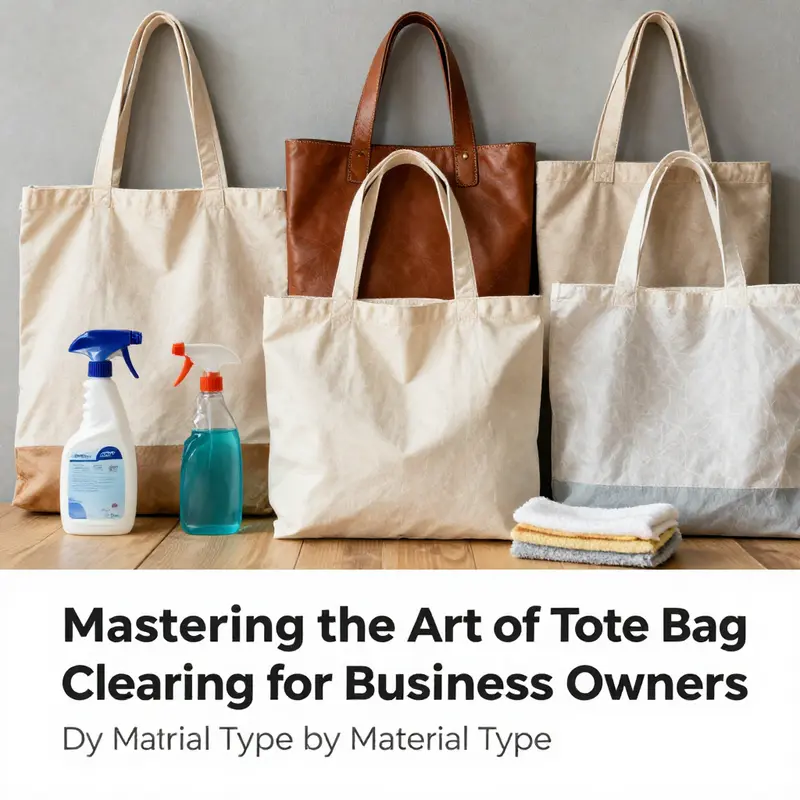
A tote bag is more than a vessel for groceries or a daily carryall; it carries stories, stains, and the marks of countless outings. Cleaning it well begins with a simple, universal habit: check the care label first. If there is no label, perform a spot test in an inconspicuous area—a seam inside or a corner under the lining—using a small amount of your chosen cleaner or a touch of water. The test helps you see colorfastness and how the fabric will react to moisture. From there, the path becomes material-specific, because different fibers respond to water, heat, and abrasion in distinct ways. Understanding those differences helps you preserve color, texture, and shape, and it reduces the risk of creating a worse problem than the stain itself. For readers seeking a concise synthesis of fabric-specific advice, there is a comprehensive guide you can consult, but this chapter weaves those insights into a single, flowing treatment of material type and technique. It remains practical, actionable, and anchored in the latest guidance on fabric care.
Cotton canvas and most nylon or polyester blends sit at the pragmatic center of everyday tote use. They are sturdy and frequently machine-washable, yet they still deserve respectful handling. For canvas and typical synthetics, use cold to warm water with a mild detergent on a gentle cycle. Place the bag in a mesh laundry bag to prevent snagging, and remove internal dividers or metal hardware that could come loose or rub against the fabric during agitation. After washing, reshape the bag and air-dry it flat or hang it upside down. Heat can shrink canvas and set creases, so avoid the dryer and direct heat sources. For stubborn stains, pre-treat with a small dollop of dish soap or a gentle stain remover before washing. Bleach is rarely necessary and can weaken fibers or alter colors, so reserve it for pure white items and only with care. A practical pro tip here is to focus on stain removal first, then color-safe washing, to maintain the bag’s original tone and texture. And if you’re unsure about a particular print or coating, this is exactly the moment to consult the manufacturer’s guidance or follow a trusted, fabric-specific approach. For readers who want an expanded, storm-tested reference, you can explore the broader fabric-tote care guide linked within this chapter: Ultimate Guide To Cleaning Fabric Tote Bags Expert Tips To Keep Yours Looking Like New.
Linen tote bags bring a different rhythm to cleaning. They are light and breathable, but they wrinkle easily and can shrink if washed improperly. The safest route for linen is hand washing in cool water with a gentle detergent. Gently squeeze out excess water—do not wring, which can damage the weave. Lay the bag flat to dry away from direct sunlight to preserve texture and color. If the bag is delicate or heavily soiled, professional dry cleaning can be a prudent choice to protect the fabric’s integrity. Linen benefits from air and patience; rushed drying invites stiffness and distortion. A careful approach keeps the natural character intact while avoiding the harsh consequences of aggressive agitation.
Jute and burlap tote bags embody natural fibers with rustic charm. They are far more moisture sensitive than their canvas cousins and can weaken or rot if saturated. The safest practice is to avoid submerging these fibers in water. Clean them with a soft, dry brush or microfiber cloth to remove surface dust and debris. For light stains, dab with a slightly damp cloth and let the bag air dry immediately. Never soak, and never tumble dry, as moisture can compromise the fibers. Storing jute bags in a dry, well-ventilated area and protecting them from rain and humidity extends their life. The care for jute is a reminder that some materials shine in their dry, natural state and deserve conservative cleaning over immersion.
Woven or straw tote bags demand even more restraint. These items can warp, mold, or discolor with moisture and heat. The guidance is simple: dry clean only if possible. Never immerse in water. A soft-bristled brush can lift surface dirt gently, and if a stain persists, consult a professional cleaner experienced with natural fiber baskets or woven materials. Always check the care label, and when in doubt, treat the bag as delicate. This conservatism preserves the structure, texture, and color that make woven totes distinctive rather than risking a mishap that alters their silhouette.
Leather tote bags require the most measured approach, because moisture and heat can cause drying, cracking, or color loss. Real leather deserves leather-specific cleaners or a mild soap diluted in water, applied with a soft cloth. After cleaning, dry with a clean cloth and allow to air dry away from direct sunlight. Conditioning after drying helps keep the leather supple and prevents cracking as it ages. Faux leather, by contrast, benefits from a wipe-down with a damp microfiber cloth and mild soap, followed by immediate drying. Avoid soaking or exposing faux leather to excessive moisture or heat, which can cause cracking or peeling and diminish the material’s finish. For both real and faux leather, a final buff with a dry cloth helps restore luster, while storing the bag away from heat and bright sun reduces long-term deterioration.
Printed or dyed fabric totes present a different challenge: color bleeding and print wear are common concerns during the early washes. Hand washing in cold water with a mild detergent is the safest route. Be gentle with printed areas, avoiding rubbing or scrubbing. Rinse thoroughly and air dry flat to protect the print. If machine washing is necessary, use a mesh laundry bag and wash with similar colors, and turn the bag inside out to shield the design from agitation. A patient, careful approach preserves the artwork and the color saturation that distinguishes these totes. This is another instance where a linkable reference can become a handy companion on your reader journey: Ultimate Guide To Cleaning Fabric Tote Bags Expert Tips To Keep Yours Looking Like New.
Blended fabrics sit in the middle—and sometimes in the danger zone—between the extremes. When uncertain, treat blends as if the most delicate component dictates the care. Spot cleaning is safer than full immersion, and whenever a label exists, follow it to the letter. If there is any doubt, err toward gentleness and test in an inconspicuous area first. The universal rule remains: never start with aggressive chemicals or hot water on a fabric whose reactions you cannot predict. For white blends or stubborn white stains, a cautious application of a non-chlorine, oxygen-based bleach can be considered in small, controlled amounts; allow the solution to sit briefly before rinsing thoroughly. Chlorine bleach can weaken fibers and yellow fabrics, so it is best avoided unless the fiber is specifically labeled to tolerate it.
Drying and ongoing maintenance deserve as much attention as washing. Air-drying in a cool, shaded area protects colors and adhesives from heat damage. Do not expose to direct sun, which can fade dye and degrade glues or coatings. Hang the bag upside down or lay it flat to encourage even drying and to preserve its shape. When completely dry, stuff the bag with tissue or a towel to help maintain structure and prevent collapsing seams. Regular upkeep—dusting with a lint roller or microfiber cloth—keeps the surface looking fresh between cleanings. It also spares you from a more intensive cleaning session later on, because removal of surface dust reduces the need for deeper intervention.
For bags crafted with luxury finishes, heavy decorations, or special hardware, professional cleaning can be a wise choice. Experts who specialize in handbags understand the delicate balance between moisture, solvents, and hardware, and they can safeguard sensational materials like satin linings, metallic hardware, or unique textures. If you own one of these elevated totes, a professional touch can extend life while maintaining the original artistry.
In the larger picture, the act of cleaning a tote bag becomes less about a single rite and more about a mindful dialogue with fabric. A careful approach recognizes that every material has a vocabulary of care—some respond to gentle hand washing, others to cold machine cycles with the right bag in a protective mesh, and others still to dry cleaning or reserved spot treatment. The objective is not only to remove stains but to preserve texture, color, and silhouette so the bag can continue to serve loyally through many seasons and miles. The universal rule—check the label first and test before you apply any cleaner—anchors all the material-specific steps. With that foundation, you can confidently navigate the care needs of cotton canvas, synthetics, linen, jute, straw, leather, faux leather, printed fabrics, and blends, knowing you are honoring both the craft of bag design and the practical realities of daily use. For readers who want a consolidated reference that captures these material-specific nuances, the linked guide above offers a broader panorama of fabric-tote care that complements the in-chapter discussion.
External resource for deeper context and broader applications: https://www.fashioncarehub.com/essential-care-tips-fashion-tote-bag/.
null

null
Drying by Design: Cleaning Tote Bags for Longevity and Proper Maintenance

Cleanliness is only half the battle with a tote bag. The real test comes after you lift the damp fabric from a wash or wipe away a stubborn spot: how you dry, shape, and store it determines whether a bag stays useful and looking fresh for years. A thoughtful approach to drying isn’t merely about speed; it’s about preserving fibers, colors, coatings, and hardware. The steps you take after cleaning should align with the bag’s material, because different fabrics respond to moisture in distinct ways. Always begin with the care label. If there’s a label, it acts as a roadmap, telling you the temperature range, whether machine washing is advised, and if special steps are recommended. If there is no label, perform a spot test in an inconspicuous area before applying any cleaner or water. A small damp cloth can reveal colorfastness, and a tiny amount of cleaner on a hidden seam can show whether dye migrates or fabric stiffens. This preliminary check can save you from irreversible damage and unnecessary stress to the bag’s structure. In all cases, the goal is to dry the bag evenly and gently, so it doesn’t warp, fade, or crack. A key part of this choreography is understanding which drying method corresponds to each material and how to maintain shape without relying on artificial heat.
For cotton canvas and other durable fabrics, the path to a fresh tote is straightforward but purposeful. After a careful wash, gently press out excess water with your hands rather than twisting or wringing. Harsh agitation in the spin cycle can flatten the texture and weaken fibers, so a brief, low-speed spin may be acceptable only if the care label permits. When the water is out, lay the bag flat on a clean towel and roll it up to wick away additional moisture, then unroll and reshape. Drying should occur in a well-ventilated area shaded from direct sun. Sunlight can fade inks, weaken coatings, and drive moisture away too quickly, leading to uneven drying or stiff patches. If the bag features internal dividers or structural inserts, consider removing them before drying to prevent pressure points that could indent the fabric. This attention to form helps the bag keep its silhouette: shoulder straps remain comfortable, corners don’t curl, and the bottom stays flat enough to prevent tipping when empty. When the bag is fully dry, you can stuff it lightly with tissue or a rolled towel to help preserve its shape during long-term storage. Throughout this process, a lint roller or microfiber cloth can remove surface dust and lint, reviving the bag’s appearance without introducing new wear.
Leather totes demand a different discipline, because moisture interacts with leather’s natural oils differently than with fabric. Real leather, calfskin, saffiano, or even suede and nubuck require a gentler, more controlled approach. Never soak leather or expose it to flood-level moisture. If a leather tote is damp, allow it to air dry away from direct heat sources or hot machinery that can crack or dry out the leather too quickly. A leather-safe cleaner and conditioner, applied with a soft cloth, can help restore the surface after a cleaning and prevent drying cracks. The order matters: clean first, then condition after it dries. Conditioning keeps the grain supple, helps resist creasing, and maintains the bag’s tactile character. If your tote includes suede or nubuck components, treat those areas with a suede eraser or a soft-bristled brush to lift off surface dirt and revive texture. Suede should never be soaked, and water exposure should be avoided as much as possible. After drying, store the leather bag in a dust bag and maintain its shape with form or stuffing that does not distort the leather. With leather, the storage environment matters just as much as the drying method. A cool, dry closet away from sunlight helps prevent fading and drying out, while a breathable bag cover protects against dust without trapping moisture.
Synthetic or coated totes—nylon, polyester, or PU-coated surfaces—also require careful, moisture-aware handling. These materials tolerate damp cleaning, but excessive moisture or heavy scrubbing can compromise coatings and finishes. After washing and wringing out, wipe away any lingering soapy film with a clean, damp cloth and then rinse briefly. Dry at room temperature, away from heat sources or direct sun, which can peel coatings or create glare on glossy surfaces. For coated bags, it’s especially prudent to avoid abrasive scrubbing; instead, rely on a soft cloth and mild soap to lift dirt. If you rely on a spray conditioner or protectant, test it in a concealed area first to ensure it doesn’t alter the color or gloss. The drying phase for synthetic totes is often quicker, but you should still lay the bag flat or hang it in a way that maintains weight distribution and prevents warping.
Woven or straw totes present a delicate balance between cleaning and preserving texture. Submerging these in water can loosen the natural fibers or warp the weave. The preferred approach is professional dry cleaning or very careful brushing with a soft, dry cloth. If you must remove surface dirt, do so with a minimal amount of moisture and work in the direction of the weave. Drying should be slow and gentle, allowing air to circulate around every strand. Don’t stuff or squeeze woven or straw totes, as that can distort their shape and compromise the weave structure.
For fabric totes with prints, embroidery, or dyed surfaces, colorfastness becomes a central concern. Cold water and minimal agitation help prevent bleeding and fraying. When washing, turn the bag inside out if possible, and wash on a shorter cycle with a mild detergent. Following washing, air-drying is essential to prevent migration of colors and to protect embroidery threads from snagging. Do not tumble dry thesepieces, as the heat can cause shrinkage, distortion, or loosening of embroidery. In every case, avoid high heat that could weaken dyes, adhesives, or coatings. Post-cleaning maintenance is equally important: keep these bags out of direct sunlight during drying, and store away from other fabrics that might transfer color.
A practical cue across all materials is to avoid heavy stacking and to maintain an environment that supports gradual drying. When possible, dry bags in a shaded, ventilated space, not in a closet that traps moisture. If you must speed the process due to a busy schedule, a gentle fan near the drying area can help circulate air without applying direct heat. This lowers the risk of hot spots that can crack leather, fade prints, or warp stiff coatings. Conversely, never rely on a dryer for any tote bag that contains leather, suede, or non-fabric embellishments. The mechanical agitation and high heat can be ruinous.
Stain-specific guidance also deserves inclusion in the drying dialogue. For white or light-toned totes prone to staining, an oxygen-based non-chlorine bleach, used sparingly and only on fabrics that tolerate it, can lift stubborn spots. Apply with a soft brush, allow a brief dwell, and rinse thoroughly. Avoid chlorine bleach, which can weaken fibers and yellow fabrics over time. After applying any stain-treatment, ensure the bag is rinsed and dried completely to prevent residue that could attract more dirt. For bags with printed surfaces, check that the print itself won’t lift or crack when treated. When in doubt, opt for spot cleaning rather than full immersion.
Long-term maintenance threads through every step of the process. Storage matters as much as cleaning. Keep totes in a cool, dry place, preferably in their original dust bag or beneath a breathable cloth cover that allows moisture to escape. Avoid stacking heavy items on top of a tote, which can flatten the bottom or distort handles. If you share a closet with other fabrics, store different materials separately to prevent color transfer. Regular, light cleanings prevent the buildup of oils, sweat, and dust—each accumulation weakens fibers over time and diminishes the bag’s appearance. For luxury or heavily decorated bags, or those with delicate hardware, professional cleaning remains a prudent option; trained hands can handle leather conditioning, beading, or embossing with care.
If you’re seeking a consolidated reference on fabric tote care, you may explore resources such as Fabric Tote Bags for Women for nuanced tips on fabrics and cuts that behave differently under moisture. This internal reference can provide a helpful complement to the core practices described here, supporting a more confident approach to maintenance. For readers who want broader context and additional expert perspectives, the ultimate guide to cleaning fabric tote bags offers a thorough overview of stain removal, drying, and long-term upkeep, reinforcing the idea that the best cleaning routine is one that respects the material’s unique needs and preserves the bag’s life for years to come. External resources such as these can serve as a practical extension of the expert advice embedded in this chapter, guiding you toward consistently crisp results after every cleaning cycle. Further reading can help you refine your routine as new materials and finishes emerge in the market, reminding us that care is not a one-size-fits-all act but a nuanced discipline that honors the bag’s original design and function.
Beyond the Sink: When Professional Care Beats DIY for Your Tote Bag

A tote bag is more than a utilitarian carrier; it’s a daily companion that travels through meetings, markets, trains, and kitchens. The way it is kept clean speaks to how we value the items we carry and how we invest in their longevity. When a tote is built from sturdy canvas or durable synthetic blends, a simple wash and air-dry can restore its look. But once the material shifts toward suede, nubuck, coated fabrics, or genuine leather, the line between a routine refresh and a risk becomes thin. In those cases, professional cleaning isn’t a luxury—it’s a preservation step. It offers material-specific care, technical know-how, and equipment that home methods can’t replicate. The choice to seek expert help rests not on fear of mess but on a practical understanding of what keeps a bag looking presentable without compromising its integrity.
The core reason professionals are worth considering lies in the finishes and the way the surface interacts with moisture, heat, and agitation. Shiny finishes on premium surfaces aren’t merely decorative; they form protective barriers that shield underlying fibers. Aggressive cleaning can undermine those barriers, allowing moisture to wick inward, UV rays to degrade coatings, and stains to set deeper. That insight isn’t negative; it’s a caution that informs a smarter care approach. The message from experts is clear: when the tote carries delicate sheen, texture, or a specialized coating, a gentler, more controlled process is essential.
Where home care often relies on one-size-fits-most detergents and a sunlit corner of the living room for air-drying, professional services bring a calibrated sequence and tools designed for handbags. A typical high-end cleaning session is a multi-stage procedure that begins with a careful inspection and thorough documentation of the bag’s material, hardware, stitching, and any pre-existing damage. The conservator’s eye notes everything from scratches along the edge of a leather trim to traces of salt on the bottom from winter commutes. This preparatory phase also includes safety checks like spot testing a small, inconspicuous area with a low-moisture solution to gauge how the surface will respond, reducing the risk of unexpected reactions. It may seem meticulous, but this is the foundation that determines whether the final result preserves color, texture, and structure rather than erasing them.
Once the bag is assessed, surface preparation follows: gentle dusting to lift loose soil, soft brushing to dislodge embedded debris, and a carefully chosen moisture level that matches the material. For suede and nubuck, technicians employ specialized brushes and, when appropriate, tiny amounts of suede-safe cleaners applied with precision. For fabric surfaces—canvas or coated canvases—the cleaners are pH-balanced and tailored to avoid color migration or fiber damage. Leather, whether genuine or treated, receives conditioner and balancing agents that restore pliability without leaving a slick residue. The aim is not to erase all signs of wear but to steady them, so scuffs remain readable, not ruinous, and the bag retains its original character while shedding dirt and grime accumulated over months of use.
A defining advantage of professional services is the controlled drying environment. Unlike a home setting, where a bag might sit in a sunny window or near a heater, a professional facility uses humidity-controlled rooms and vented air flow to prevent water spots, warping, or adhesive failure. The process often ends with a conditioning step or a specialized finish that preserves or restores texture and sheen. For leather and suede items, conditioning isn’t merely cosmetic; it’s an ongoing health measure that keeps fibers supple and less prone to cracking. The final stage incorporates a careful inspection to confirm that the cleaning has not altered the bag’s color balance, texture, or structural alignment. The result is a tote that has regained its vibrancy and a level of firmness that comes from secure seams and balanced finishes.
Yet the value of professional care extends beyond cleaning alone. Many services offer repair and restoration as part of the same program. If a tote arrives with frayed edging, loose stitching, or tarnished hardware, a skilled conservator can address these issues in tandem with cleaning. The benefit is not merely cosmetic; it’s about extending the bag’s useful life and preserving the tactile and functional relationship you have with it. Hands that understand the materials can identify potential weak spots before they worsen, offering recommendations that help you plan future maintenance rather than reacting to recurring problems.
Choosing a trusted professional is a decision that hinges on a mix of expertise, transparency, and alignment with your bag’s material realities. Start with credentials and certifications that signal formal training in textile and leather care. Look for facilities or conservators who publish documented methods, use pH-balanced and material-appropriate products, and provide a clear workflow from intake through delivery. It helps to seek services that maintain a chain of custody for items and provide a written care plan along with before-and-after documentation. Some brands and luxury houses operate official cleaning and repair programs, which can align with the bag’s original specifications and performance standards. While those programs may involve higher costs, they often offer assurances that generic cleaners cannot guarantee. In any case, a service that respects the bag’s unique construction and finishes is worth prioritizing over the simplest or fastest option.
If you are starting your search, consider whether the service emphasizes material-specific expertise, such as suede, nubuck, saffiano leather, or coated canvases. A thoughtful process will include a preliminary intake that records the bag’s make, the presence of any decorative elements, hardware finishes, and current condition. A reputable operation should be able to describe, in plain language, the steps they will take, the types of products they will use, and the expected timeline. A well-structured approach often includes a post-cleaning report and tips for future upkeep. The care plan should read like a map: what is being cleaned, what is being treated, how drying will be managed, and what continued maintenance will look like. It’s not a mystery; it’s a professional standard that aims to protect the bag’s finish, stitching integrity, and overall silhouette.
For the traveler who carries a diverse collection of totes, professional care offers a kind of portfolio-aware service. A bag that travels through airports and city streets can accumulate soils of varying composition—dust from the street, oils from skin, or residue from humid environments. A professional cleaner recognizes these different soils and adapts their method so that the treatment is not a blunt force to all materials, but a precise, targeted intervention. The result is a tote that feels renewed yet remains faithful to its original look and texture. In this light, professional help acts not as a shortcut but as a thoughtful extension of your bag’s life story, allowing it to age with dignity rather than degrade under the weight of everyday use.
As you weigh the decision, keep a few practical steps in mind to complement the professional route. Bring along the original care booklet and dust bag if available. These documents often carry the manufacturer’s recommendations, which are designed to preserve the bag’s performance and resale value. If you’re unsure about the procedure or the material, a conversation with the cleaner about the bag’s history, usage, and any prior repairs can reveal important considerations. A careful, transparent dialogue helps set expectations and reduces the likelihood of surprises during the cleaning process. If the bag carries sentimental value or significant investment, the choice becomes not only about aesthetics but about safeguarding an heirloom or a prized fashion asset for years to come.
For readers seeking further context and practicalities, there is value in connecting with resources that anchor professional conservation within a broader professional community. The International Association of Textile and Leather Conservators (IATLC) provides standards, directories, and guidance that can help you identify accredited professionals who operate within ethical, safe, and tested practices. This external reference is a reliable point of validation when evaluating prospective cleaners and understanding what to expect from a high-quality service. In the meantime, a cautious, well-documented approach to choosing a professional ensures that you are not just paying for a service but investing in the long-term health of your tote.
External resource and standards are also a part of this conversation. The IATLC site offers directories and standards that can guide you toward trusted professionals who operate with careful ethics and proven techniques. It’s a reminder that care for textiles and leather is not only about surface cleanliness but about preserving the integrity and history embedded in the fibers, stitches, and finishes that give a tote its character. By embracing professional care when appropriate and pairing it with mindful home maintenance, you can keep a tote bag looking refined, well-structured, and ready to accompany you through many chapters of daily life.
External resource: https://www.iatlcon.org
Final thoughts
In conclusion, keeping your tote bags clean is an essential practice for business owners who value both aesthetics and longevity. By following the guidance outlined in each chapter, from checking care labels to employing the right materials and drying methods, you can elevate the professionalism of your branding tools. Moreover, understanding when to seek professional assistance will help preserve the integrity of high-quality tote bags. Implement these practices to ensure your tote bags not only look great but also effectively represent your brand’s commitment to quality.