
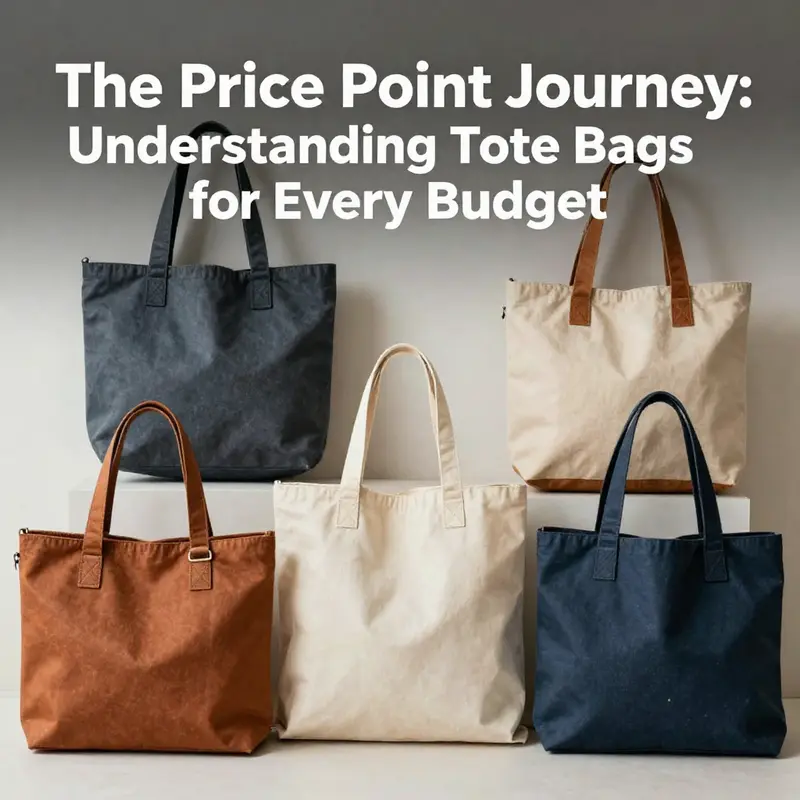
Understanding the pricing spectrum of tote bags is critical for business owners looking to align products with customer expectations. Tote bags have become essential for various purposes, ranging from promotional items to sustainable fashion statements. This article delves into the cost landscape surrounding tote bags, categorized into budget-friendly, mid-range, and luxury options. Each chapter aims to equip you with insights that relate directly to your purchasing decisions, tailored marketing strategies, and product selection to best meet your business goals.
Budget Tote Bags Unpacked: What Price Signals About Quality, Use, and Longevity
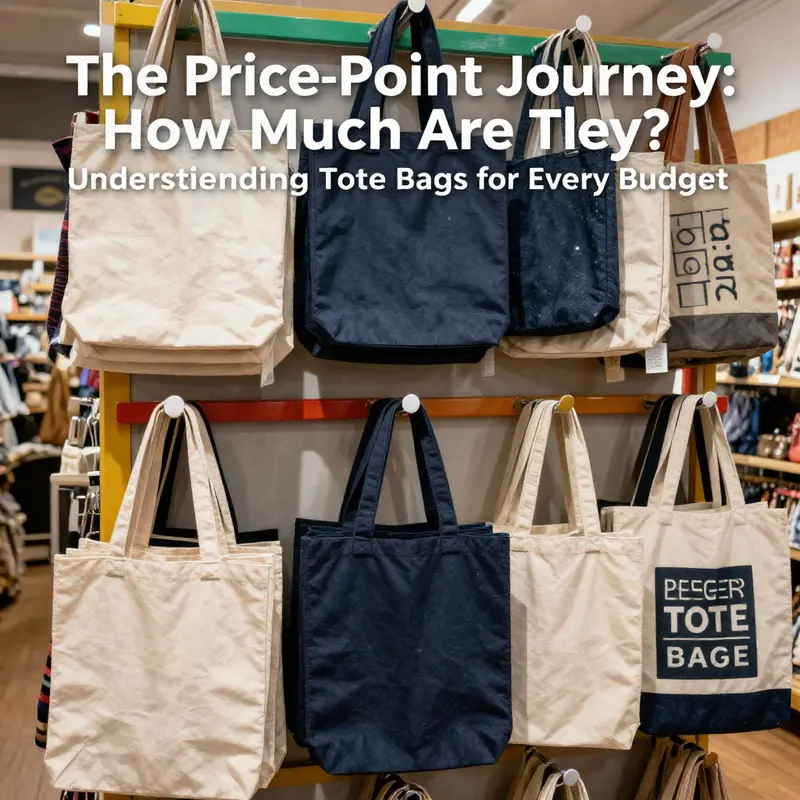
Tote bags sit at a crossroads where daily practicality meets discretionary spending. For many shoppers, the question isn’t simply how much a tote costs, but what that price buys in terms of durability, function, and long-term value. The budget tier is the widest and most diverse of the market, spanning everything from paper-thin synthetic kits to sturdy, everyday carriers crafted from canvas or nylon. When we unpack what the price conveys in this space, a clearer picture emerges of what you’re paying for, and what you’re gaining or sacrificing as you move up or down the scale.
Pricing in the budget segment operates on a simple, practical equation: materials, construction, and finish versus volume of purchase. The most fundamental constraint is the material itself. A basic tote built from a lightweight fabric or a thin synthetic blend will generally land at the lower end of the spectrum. It is enough for a few errands, a quick trip to the market, or a casual carry for lightweight items. Yet the trade-off becomes apparent when the bag bears a heavier load, spends hours in the car boot, or meets rain and abrasion day after day. In those moments, the budget option can reveal its vulnerabilities—fabric pilling, seam fraying, zipper hesitancy, or a tendency for the handles to loosen after repeated use. These are the telltale signals of value, not merely cost, and they shape how many people think about budget totes as a short-term solution rather than a long-term companion.
For shoppers who want more than a one-season throwaway, the mid-spectrum budget options begin to offer a different balance. They typically lean on a more deliberate construction, reinforced stitching, and a pocket layout that makes the tote feel more tailored to daily life. These bags may still belong to the budget category, but they often present a sharper silhouette, a more robust finish, and a fabric that tolerates regular, heavier use without a noticeable deterioration in shape. The price range in this tier can stretch from the low forties to the upper fifties or into the sixties depending on the retailer, the exact materials, and the design intent. It’s at this junction that many shoppers discover a meaningful jump in reliability without crossing into premium territory; a sweet spot for students, urban professionals, and anyone who wants a tote that behaves well day after day without demanding a premium.
The most telling indicator within the budget range, however, is how the bag handles everyday stress. A tote’s size, strap width, and interior organization are not just conveniences; they are signs of how thoughtfully a product has been designed to distribute weight, protect contents, and stay comfortable over long periods. A well-designed budget tote often features reinforced seams at key stress points, a longer strap to accommodate shoulder wear, and a roomy interior that includes at least one functional pocket for small items. The objective is simple: maximize usefulness while keeping the overall price low. In practice, this means that a budget tote with a few smart details—like a water-resistant lining, a stable base panel, and durable hardware—will outlast a more voluminous bag that relies on cheaper, less resilient components.
The consumer-facing retail environment around budget totes underscores how price and perception interact. Large retailers with a focus on value frequently curate options that are easy to evaluate at a glance: visible compartments, clear stitching lines, and material textures that suggest durability even to shoppers who are browsing quickly. The price-to-perceived-quality relationship at this level matters. A tote that looks tidy, feels sturdy in the hand, and carries the right weight distribution can seem worth the investment even if the fabric isn’t the most premium. This perceptual element helps justify modest markups within the budget range, as shoppers reward indications of thoughtful design with a willingness to pay a bit more for confidence in the bag’s daily performance.
For those who value breadth of choice and the ability to test several options without committing to a single purchase, bulk purchasing becomes a compelling route. On wholesale platforms, bags designed for everyday use—think multi-pocket layouts, compact waterproof canvases, and straightforward closures—can be priced as low as a dollar range per unit in bulk orders. The catch is that bulk pricing almost always comes with a minimum order quantity and lead times. A typical minimum order might hover around a hundred units, with per-bag costs dipping into the sub-two-dollar zone when the order is large enough. This economic setup makes bulk buys attractive for organizations, events, or small businesses looking to equip teams or attendees with identical, dependable totes at a predictable cost. The upside is clear: substantial savings per unit, even if the upfront spend is significant. The downside is equally tangible: storage, inventory, and the administrative burden of handling a bulk purchase can offset the per-unit savings if the bags are not needed in that quantity.
In the consumer retail space, there is also a defined subsegment of budget totes valued for lightweight, everyday practicality. A widely accessible option in this category emphasizes a compact footprint, a broad main compartment, and a soft, pliable fabric that is easy to fold and stow. These bags are particularly appealing for students and commuters who want something unobtrusive that can be thrown into a backpack or carried by hand without adding substantial weight. The practical reality is that these totes excel in urban life, where one might swing by a market after work, carry a few textbooks between classes, or bring a change of clothes to the gym with minimal fuss. For such use cases, the emphasis is on utility, not prestige, and price reflects that pragmatic calculus. When you’re evaluating these options, it helps to set a few guardrails: what load you expect, how long you need the bag to last, and how much you’re prepared to inspect for wear after a few weeks of regular use.
To connect this discussion with concrete shopping logic, it’s helpful to consider how price bands align with consumer expectations about care and maintenance. Budget totes, even when constructed with resilient fibers, benefit from a few mindful routines to stretch their life. Light spot cleaning, gentle air drying, and avoiding high heat during washing can preserve fabric integrity and color. The decision to machine wash, hand wash, or simply wipe down a tote depends on the material and finish, so a quick read of care instructions is a practical investment that yields dividends in longevity. As with any fabric-based item, the finish can influence cleaning options, which in turn affects how you protect the bag from everyday hazards like spills, rain, or rough surfaces that could snag threads or degrade seams.
From a value perspective, the budget category invites shoppers to weigh price against anticipated usage. If a bag is intended to support frequent, robust use—bouncing between classes, workouts, market runs, and daily commutes—the case for leaning toward the mid-budget tier strengthens. A small increase in price often unlocks tangible gains in durability, organization, and user comfort. Conversely, if a tote will ride along on occasional trips or serve as a backup option, a lower-cost bag may offer satisfactory performance with minimal risk. The choice ultimately reflects the user’s pattern of use, tolerance for wear, and willingness to trade fashion polish for functional reliability.
As you navigate the catalog of options, a practical tip is to look beyond the headline price and consider what a tote costs over time. A low initial cost may be offset by higher replacement frequency, while a slightly higher sticker price may yield several seasons of service if the bag is well-constructed and properly cared for. This perspective reframes the conversation from “How cheap is it?” to “What is the total cost of ownership over the bag’s lifetime?” It’s a shift that is particularly meaningful for budget-conscious buyers who want to maximize value without compromising on everyday usefulness. In that spirit, many shoppers learn to test a tote by loading it with the kinds of items they would typically carry—laptop, books, water bottle, umbrella—and evaluating comfort, balance, and access to the interior compartments. A bag that comfortably accommodates an on-the-go lifestyle, without sagging or pinching the shoulder, earns a higher value score even if its price sits at the upper edge of the budget range.
For readers who want to explore more options in the budget canvas and fabric segment, a curated range of examples exists online, and one quick path to expanding your knowledge is to browse dedicated pages that specialize in affordable, everyday canvas totes. See women’s canvas tote bags for a sense of the variety that blends affordability with practicality, including sizes, closures, and pocket configurations that tend to resonate with active, budget-minded shoppers. While the specific silhouettes and finishes vary, the core idea remains consistent: the best value in this space comes from bags that balance straightforward design with durable materials and thoughtful details.
Ultimately, budget tote bags occupy a crucial niche. They democratize access to reliable carry solutions, enabling people to respond to different daily rhythms without overextending a wallet. The price signals a package deal: light to moderate use at a price point that invites experimentation, followed by an informed decision about whether to invest in a higher-tier option for longer life, more refined styling, or additional features. The best practice for buyers is to approach the category with a clear sense of their priorities—will the bag be a reliable daily companion, or a flexible, low-cost option that can be replaced as needs evolve? The answer determines not only how much you should pay, but how much value you should expect in return over time.
External reference: For a broader perspective on tote craftsmanship and how high-end design concepts influence price, see this external resource: external reference on designer tote craftsmanship.
Between Budget and Luxury: Navigating the Mid-Range World of Tote Bags
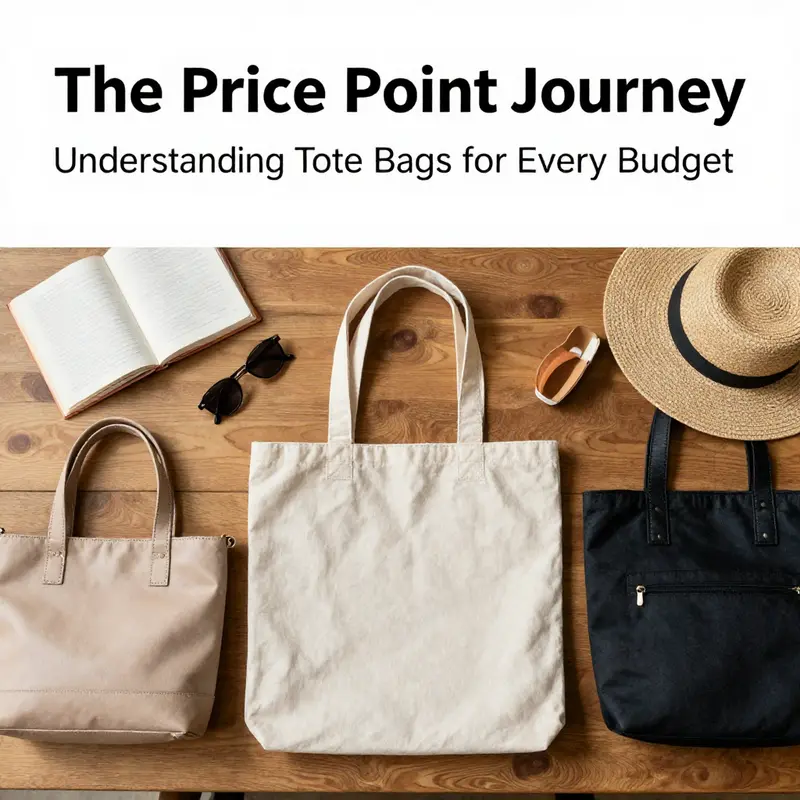
Mid-range tote bags occupy a practical middle ground that makes sense for most daily routines. They sit between budget options that often compromise longevity and luxury designs that require a sizable investment, offering a balanced blend of price, performance, and personality. In markets where shoppers want a bag that can transition from work to weekend without feeling disposable, the mid-range bracket typically spans roughly eighty to one hundred fifty dollars. That range captures durable materials, thoughtful construction, and versatile aesthetics that hold their value across seasons. The value here is not a single standout feature but a coherent package: reliable fabric, reinforced seams, practical pockets, responsible production practices, and a design that remains useful after repeated use. When people assess bags for everyday life, mid-range totes frequently emerge as the practical compromise, delivering quality without the premium tag attached to luxury labels. It is in this space that buyers find a synergy of form and function—where a bag can be both a reliable daily companion and an affordable express of personal style. The result is a product that earns its keep through consistent performance rather than a one-off wow moment.\n\nDurability drives the mid-range equation as surely as aesthetics does. Materials in this tier—whether tough nylon blends, coated canvas, or dense cotton composites—are chosen for resilience, not just surface appeal. Expect fabrics in the 210d to 600d range, often with PU or water-repellent finishes that help in rain or shine. The hardware typically includes robust zippers, reinforced rivets, and sturdy strap attachments that won’t loosen after months of daily use. The construction emphasizes double stitching at stress points, gusseted sides for shape retention, and roomy interiors that accommodate a laptop, a lunch, a notebook, and a few miscellaneous items without feeling stuffed. This attention to stitching and seam integrity translates into a bag that preserves its silhouette and functionality through commute after commute, trip after trip, wash cycle after wash cycle. The practical consequence is a tote that ages gracefully, gaining character rather than showing early signs of strain. Buyers often value the peace of mind that comes from knowing a mid-range bag will perform across seasons, not just a single season, and that perception of durability is frequently backed by warranty policies that offer a buffer against manufacturing flaws.\n\nThe design language in mid-range totes tends to favor timeless silhouettes over fleeting fads. A well-executed mid-range bag can remain stylish for years because its lines—clean contours, balanced proportions, and minimal hardware—work with both professional attire and casual outfits. Interior organization is a common differentiator here: thoughtfully placed pockets, secure sleeves for laptops or tablets, and accessible exterior compartments for keys and phones. The goal is effortless usability, where a single bag can handle a day at the office, a gym session, and a weekend city stroll without requiring a secondary accessory. Aesthetics in this segment lean toward versatility. Neutral tones, muted textures, and restrained branding appeal to a broad audience, while subtle accents or color-blocking provide personality without shouting for attention. This balance assures that the bag remains relevant beyond a single season, enabling users to pair it with multiple outfits and professional contexts without looking dated. Mid-range design thus becomes a study in restraint—shapes that flatter a variety of frames, textures that hide wear, and details that confer practicality rather than status signaling.\n\nFrom a manufacturing standpoint, mid-range totes reflect a globalized yet disciplined supply chain. The most efficient production occurs in hubs where supply chains are mature and scalable. Regions known for integrated processes and capable logistics can reduce lead times and keep costs predictable, which in turn sustains the consumer price point central to this category. For manufacturers that prioritize consistent quality at scale, the emphasis is on reliable raw materials, standardized fittings, and modular components that simplify assembly. The result is a product that can be produced in moderate volumes with predictable quality control, which helps avoid the volatility that sometimes accompanies cheaper imports from lower-cost regions or the exclusive, high-precision demands of luxury ateliers. Quality control steps are typically embedded at multiple stages: fabric preparation and testing, seam sealing and reinforcement checks, hardware fitment tests, and final field trials that simulate daily use. This layered approach ensures that the bag not only looks good on the showroom floor but endures real-world wear and tear. Ethical considerations are increasingly woven into the narrative as manufacturers respond to consumer expectations around responsible labor practices and transparent sourcing. While the mid-range category does not always carry the same certification badges as the premium end, many brands strive to meet higher standards through audited factories, responsible dyeing practices, and traceable supply chains that reassure buyers that their purchase aligns with a broader commitment to people and planet. As a shopper, recognizing these signals helps differentiate a well-made mid-range tote from a purely stylish one that may not stand up to daily use.\n\nSustainability sits at the core of the mid-range value proposition. The materials chosen—organic cotton, jute, hemp, and recycled fibers—are frequently highlighted in this tier, reflecting a growing consumer demand for eco-responsible options without resorting to the luxury price tag. These materials tend to be more approachable for regular washing and maintenance, making them practical for everyday life and travel. Cleanability matters in this space; many mid-range totes are designed to shrug off the rigors of daily errands with machine-washable fabrics or easy spot-clean surfaces. The durability of coatings and linings also plays a critical role, as water resistance and stain resistance extend the bag’s useful life. Ethical production practices are not merely marketing points but tangible considerations that influence price discipline. When brands invest in sustainable materials and fair labor standards, they often incur higher upfront costs that are reflected in the retail price. Yet the long-term benefit is a stronger, more dependable product that reduces waste and offers a lower total cost of ownership over several years of use. Buyers increasingly weigh environmental impact against initial cost, and mid-range totes provide a compelling compromise where sustainable choices do not demand a luxury budget. Consumers who track this balance often become adept at spotting materials and finishes that signal longevity, such as durable zippers, reinforced liners, and seams designed to distribute weight evenly across the bag’s body.\n\nCost versus style is a central decision axis for mid-range totes. The price range is broad enough to accommodate different priorities, whether one values rugged engineering, premium feel, or a refined aesthetic suitable for professional environments. In practice, this means evaluating the bag on several axes rather than chasing a single flashy feature. Weight distribution matters: a bag that distributes weight evenly reduces shoulder strain and keeps the silhouette clean. Hardware quality is another critical signal; sturdy buckles, smooth zippers, and reinforced strap connectors are indicators that the bag is built to last. Inside, usable compartments and padding for electronics contribute to daily practicality. The interplay between these factors shapes the perceived value. Buyers often consider the total cost of ownership rather than the upfront price alone. A mid-range tote with better materials and construction may cost slightly more now but save money over time by resisting wear, needing fewer replacements, and maintaining its form after frequent use. Sales and seasonal promotions can shift this calculus. A bag purchased just before a promotion can feel like a genuine bargain, yet it remains essential to assess whether the design and materials will still deliver the same utility in the coming years. In other words, price is a proxy for quality here, but smart shoppers triangulate it with durability, design longevity, and the bag’s capacity to meet evolving needs as work and travel patterns shift over time.\n\nShopping guidance for mid-range totes emphasizes practical testing and informed comparisons. A thoughtful approach involves inspecting fabric density and tactile feel—do not rely on visuals alone. A heavier weight fabric often signals durability, while a lighter one might indicate less resilience. Touch and flex tests reveal how the bag handles daily loading: does the material crease easily, or does it resist deformation under pressure? Stitch density and seam integrity are telltale signs of construction quality. A closer look at the interior layout helps determine whether a bag can accommodate your typical load. Is there a dedicated laptop sleeve with a soft lining, or a divider that keeps papers and devices in place? Are the exterior pockets accessible yet secure enough to prevent items from slipping out during transit? These questions guide shoppers toward a bag that remains useful over time rather than becoming a convenience only for the current season. Another practical tip is to consider how the bag fits into your existing wardrobe. A mid-range tote that harmonizes with both formal and casual outfits offers greater long-term value, reducing the temptation to buy a separate bag for different contexts. This alignment of form and function is the hallmark of an intelligent mid-range purchase. For those who enjoy tracking trends while prioritizing longevity, the broader market often signals what shapes endure. Trends come and go, but a bag that balances clean lines with durable construction remains relevant. To explore how trends evolve, you can consult the tote bag trends page that captures which shapes and features continue to gain traction over time, which serves as a practical barometer for durable design in this segment. tote bags trending. Of course, while trends provide useful guidance, the real test lies in personal fit and daily performance, not just appearances. This is why the mid-range category continues to appeal to a wide audience: it offers enough design flexibility to reflect individual taste, while maintaining a core commitment to reliability and comfort that suits everyday life. The balance of price, performance, and style in mid-range totes makes them a reliable workhorse for people who want a single bag to perform across multiple contexts rather than a rotating collection of specialty items. In the end, choosing a mid-range tote is an exercise in prudent discernment: you opt for quality that aligns with daily rhythms, not a single moment of fashion, and you recognize that a well-made bag often pays for itself through years of dependable use.\n\nFor readers seeking further evidence of how mid-range tote materials and sustainability play out in real-world products, there is an external reference that provides a broader perspective on fabric choices and long-term care. This resource offers insights into how everyday bags balance weight, durability, and washability while aligning with environmental considerations. For a deeper dive, see this external reference: https://www.baggu.com/products/our-tote-bag
Mapping the Tote Bag Price Spectrum: What You Pay for Style, Craft, and Convenience
Prices for tote bags vary widely, and that variation isn’t just a reflection of a brand label. It’s a window into materials, construction, design philosophy, and the intended life of the bag. If you want a carryall that simply works for groceries or a library run, you don’t have to break the bank. If you’re shopping for a piece you expect to wear daily for years, you’ll likely encounter a price premium that speaks to craft and longevity. The way people assess value in a tote bag depends on how they intend to use it, how often they’re willing to replace it, and what kind of relationship they want with a bag as an everyday companion. The price spectrum—from budget-friendly to luxury—reflects these choices, translating daily practicality into a long-term cost view that is often overlooked in glossy product pages. Understanding that spectrum helps buyers calibrate expectations, resist impulse buys, and choose a tote that fits both lifestyle and budget without compromising on essential features like durability, comfort, and capacity.
Begin with the basics, because price is often a reliable proxy for what you’ll gain—and what you’ll forgo. Budget-friendly tote bags frequently land in the low double digits to the low two figures. In this tier, the most common materials are canvas, coated fabric, or simple blends, paired with straightforward hardware and a spare lining. These bags are designed for everyday errands, quick trips, and light use. They’re the kind of practical tool you reach for as you head to the market, to a weekend library visit, or a casual stroll through the city. The appeal of these options is their accessibility: a bag that performs the job with minimal fuss at a price that won’t cause second thoughts when a strap shows a bit of wear or a zipper balks at the end of a long day. The value proposition is immediacy and utility rather than prestige, but the savings can be meaningful for students, weekend-only shoppers, or anyone balancing many small purchases across a month.
But as the need for more structure, reliability, and refined organization grows, many shoppers move into what’s commonly labeled the mid-range. Here the price band typically sits around the high tens to the low hundreds. What changes is not simply the price tag but the expectations—the bag becomes more of a durable daily partner than a casual carry. Mid-range totes usually introduce better fabrics, stronger stitching, reinforced handles, and more thoughtful design touches such as multiple pockets, a secure closure, a stable base, and a lining that resists staining and tearing. The weight of the bag itself often feels sturdier in this tier, not because it’s heavier, but because the construction gives a sense of resilience. The silhouette can become more tailored, more versatile, and better suited for a wider range of occasions—from a day at the office to an evening out when paired with a streamlined outfit. It’s in this zone that many buyers discover the sweet spot: a bag that blends everyday practicality with a touch of curated style, without stepping into the realm of extravagant price tags.
Yet the price ladder doesn’t stop there. The luxury tier begins once the bag moves beyond practical certification of durability and crosses into the realm of craft, materials, and brand storytelling. In this space, price often serves as a signal of intent and exclusivity as much as of quality. It isn’t merely about owning a larger bag or a more polished finish; it’s about investing in a piece that carries a particular aesthetic, a heritage of construction, and a level of material refinement that justifies the cost to the wearer who values those attributes.
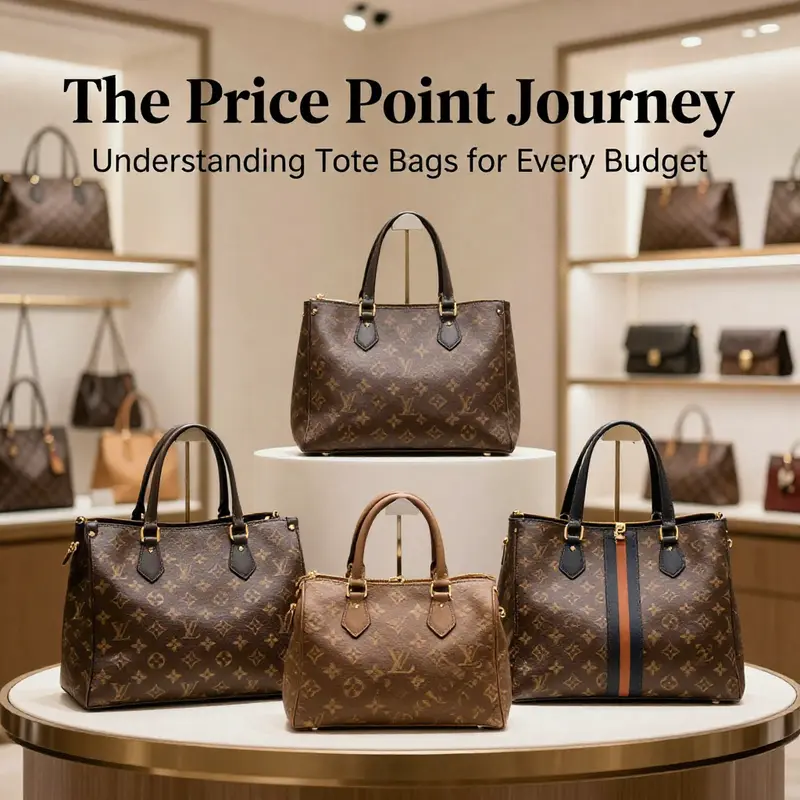
In the luxury lane, the dollar signs can climb quickly. A high-end tote might be priced around a few hundred dollars for entry-level luxury offerings, but it can rise to multiple thousands for iconic house codes, rare leathers, and limited-edition finishes. The material story is central here: the most coveted options tend to use premium hides such as full-grain or pebble-grain leather, sometimes accented with high-end hardware, hand-stitched finishes, and attention to every seam and edge that a less expensive production setup could overlook. The craftsmanship becomes a core selling point, with designers emphasizing not just the exterior look but the feel of the bag, the weight, the balance when carried, and the way the interior organization respects the owner’s daily rituals. The prestige and heritage of a label, along with limited production runs or collaborations, often translate into higher prices and, for some buyers, a sense of owning a piece of fashion history rather than merely a carrying solution.
It’s helpful to think in terms of the value equation rather than fixating on the price alone. The cost per wear becomes a practical lens, especially for bags that will see daily use, travel, or routine office commutes. A budget tote may carry a higher per-use cost if you replace it every year due to wear or poor materials, while a more expensive tote may deliver a lower per-wear cost if it endures properly and remains in serviceable condition for several seasons or even years. Durability, of course, is tied to materials and construction, but it also hinges on how well the bag is cared for and how it’s used. A bag intended to carry a laptop, a water bottle, notebooks, and several accessories needs strong hardware and a robust interior lining; a bag kept primarily for occasional social events may not require the same level of reinforcement, allowing for a lighter build and a different fabric choice.
Another deciding factor is design language and versatility. A tote that looks equally appropriate in a casual setting and a professional environment may justify a higher price because it reduces the need for multiple bags. Conversely, for many people, a single-purpose tote—one designed for a specific task like carrying a laptop or a particular kind of shopping trip—can be sufficient, and the cost can align with that singular function. The variability in how crafters and brands approach details matters here: tighter stitching, reinforced corners, better magnetic closures, water resistance, and interior pockets all contribute to a bag’s longevity and usefulness. A higher price in this scenario often reflects a broader range of practical benefits rather than opulent appearances alone. It’s not unusual to see two bags with a similar exterior silhouette but radically different internal architecture because one is built to withstand daily, heavy use while the other is optimized for light, occasional carry.
The story of price is also shaped by the production process and the supply chain. Some bags are produced with near-industrial efficiency, where economies of scale help keep the price manageable. Others are created in smaller ateliers with hands-on production, slower timelines, and a greater emphasis on artisanal techniques. The latter often carries a price premium that reflects time as a resource, as well as the tactile rewards of a bag whose every detail has been carefully considered. It is not just a matter of expense but of the relationship between the maker and the wearer, a relationship that manifests in the bag’s weight, balance, and how it feels when carried for long periods. The consumer’s willingness to invest in that relationship varies, of course, but the logic behind the premium remains consistent: more time, more care, rarer materials, and more exhaustive testing usually yield a longer service life and a more satisfying user experience.
While the luxury category is driven by these factors, there is a growing awareness that value also comes from how thoughtfully a bag is designed for real life. For many buyers, the deciding moment comes when a bag finally ticks a set of practical boxes: a comfortable shoulder strap, a well-positioned zipper, a base that can rest stably on the floor without tipping, and an interior that keeps essential items organized. A bag that excels in function while delivering timeless aesthetics can be worth a higher price over the long term, because it remains usable and relevant as fashion moods shift. The risk with high-ticket purchases is that trends change quickly, and the bag’s perceived value can drift if it loses relevance in a rotation of outfits. Yet when a piece embodies a refined silhouette, balanced proportions, and a construction that ages gracefully, it often sustains its appeal even as seasons pass.
If you’re navigating this spectrum, a few practical guidelines can help you choose without overpaying. First, define how you plan to use the bag most often. Will it be your daily work tote, a travel companion, or a weekend carryall? Your answer sets the baseline for material choice and structural needs. Next, assess the interior layout and hardware with a close eye: are there enough pockets to keep essentials tidy, does the hardware feel sturdy, and is the zipper smooth and reliable? Consider the weight and balance of the bag when empty and loaded. A heavier bag might become tiresome over a long day, even if it is well made. Finally, weigh the cost against your personal tolerance for risk. Some buyers are comfortable with less durable options if the price is right, while others want a long-term commitment that warrants a higher upfront investment.
An optional but increasingly relevant factor is sustainability. Modern buyers often consider the environmental and ethical implications of materials, production methods, and labor practices. In some cases, a higher price reflects more transparent sourcing, lower environmental impact, or better animal-friendly options. These considerations may not always align perfectly with price alone, but they can shift the perceived value and influence a purchase decision. For those who care about such factors, the premium may be justified by the assurance that the bag aligns with personal values and long-term commitments to responsible production.
For readers who want a practical glimpse into what’s moving in the market without getting lost in brand names or sensational headlines, a quick reference point is to explore current tote bag trends and price signals in a broad market overview. This context can help you gauge whether a given price feels right for the category you’re considering, beyond the marketing claims of any single label. If you’re curious about what’s trending in tote bags right now, you can explore a concise rundown here: tote bags trending.
As the price spectrum shows, there’s a tote for every scenario, from the most economical daily helper to a coveted luxury piece that doubles as a statement item. The key is to translate price into purpose: what you gain in durability, organization, and frequency of use versus what you’re willing to sacrifice in immediacy or novelty. Even within a single bag’s tier, the range of options is broad, so comparing not just the price but the features inside the price helps avoid overpaying for bells and whistles you don’t need. In the end, the conversation about tote bag prices isn’t only about dollars and cents; it’s about balancing needs, longing, and a robust sense of practicality. The bag you choose should feel like a natural extension of your daily routine and your sense of style, a companion that earns its keep by simplifying your life rather than complicating it.
External resource: https://www.farfetch.com/us/shopping/women/designer-tote-bags-1/?store=us
The Price of Purpose: How Tote Bags Reflect a Market in Motion
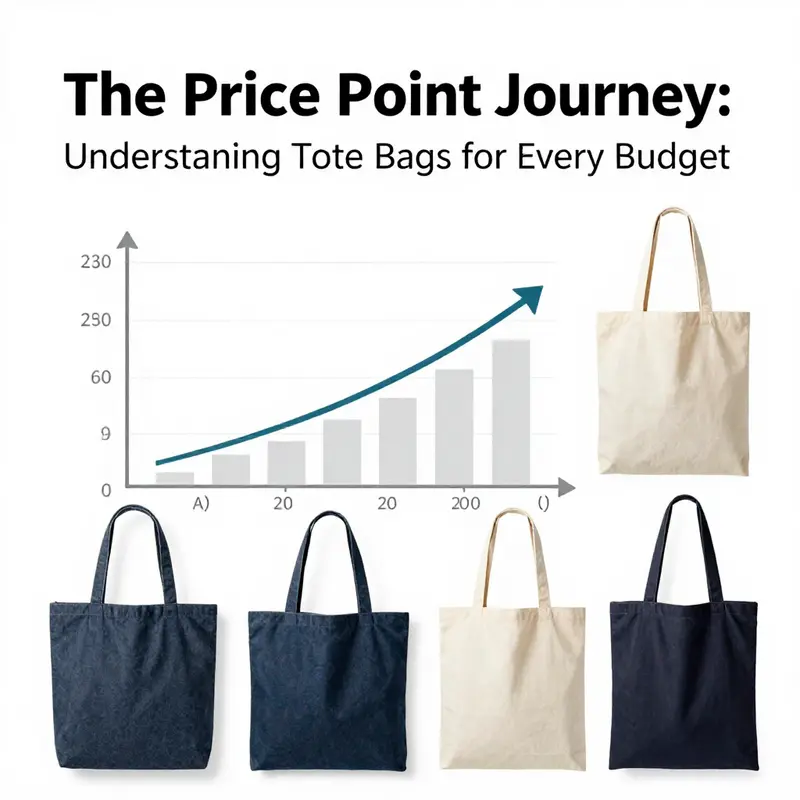
Tote bags have moved from simple carriers to economics of style, sustainability, and daily routines. The question of how much they cost is no longer a straightforward ledger of fabric and thread; it is a window into a market that blends practicality with personal identity. By 2025, the tote bag market exceeded 3.11 billion US dollars in value, a figure that signals more than just consumer appetite. It marks a transition in which bags are measured not only by capacity or durability but by the alignment of price with purpose. The forecast is clear: the market is projected to grow at a compound annual rate of about 4.7 percent, with expectations to reach roughly 33.16 billion dollars by 2034. Those numbers are not mere data points on a page; they map a landscape in which every price tier has a story about materials, design, and the expectations of a diverse set of buyers who want more than a carryall. In this context, the price of tote bags is a signal—an indicator of how far consumer expectations have traveled from the days when a bag was simply a container to carry groceries or books. Today, price brackets are as much about ecological choices and longevity as they are about brand name recognition or fashion cycles. The market’s breadth means that shoppers can move through options that are under twenty dollars for quick, everyday errands and into the realm of premium pieces that command two figures, or even higher, for a specific set of benefits such as luxury aesthetics, bespoke craftsmanship, or premium materials. The trend line is not a retreat into a single style; it is a spectrum that accommodates minimalist essentials and statement pieces alike, all while keeping sustainability and usability at the core. The diversity of options mirrors shifting consumer priorities, which increasingly favor bags built to last, crafted with materials that resist wear, and designed to integrate into modern routines that cross work, study, travel, and urban life. In this evolving ecosystem, the price of a tote bag is a reflection of how a product balances value with emotion, utility with identity, and practicality with a desire for a more responsible, lasting accessory.
Prices skim across a wide range, and that distribution is itself informative. Basic canvas or fabric totes can be found for as little as ten to twenty dollars, making them attractive for casual, everyday use. These budget-friendly options appeal to students, apartment dwellers, and anyone who wants a simple, reusable bag for groceries or quick errands. The mid-range tier—roughly forty-nine to eighty dollars—captures a broader promise: better materials, more thoughtful construction, and an emphasis on durability and organization. In this span, a tote can offer reinforced seams, padded compartments for laptops, interior pockets for devices and cables, and a design that holds its shape through daily wear. The mid-range category is where fashion and function most visibly converge; a bag might be described as both chic and capable, with structured silhouettes, premium fabrics such as linen or recycled canvas, and a layout that supports a workday or a weekend away without sacrificing style.
There is also a clearly defined luxury tier where price becomes a statement about craftsmanship, prestige, and exclusive aesthetics. In this segment, tote bags can enter the hundreds or even the thousands of dollars, driven by factors like heritage branding, rare materials, and meticulous attention to detail. The ascent to higher price points is not just about cost; it is about the narrative a bag carries—the idea that a premium tote is not just a vehicle for possessions but a lifetime companion, an accessory that complements professional presentation and personal taste. Even without naming particular models, it is evident that the luxury tier leans on the allure of craftsmanship, the cachet of a well-known house, distinct hardware, and interior layouts engineered to be as efficient as they are beautiful. These pieces symbolize more than function; they symbolize a relationship with a customer who seeks a durable item that can transition between contexts—from boardrooms to travel to casual weekends—without losing its character.
The market’s growth is not happening in a vacuum. It is tethered to a broader rise in sustainability and a focus on longevity that pervades consumer decision-making. In 2024, a striking 68 percent of consumers highlighted longevity as a key factor when purchasing accessories. That sentiment is more than a passing preference; it underpins a cultural shift toward products designed to resist obsolescence and to minimize waste. The appeal of longevity resonates with minimalist aesthetics inspired by Scandinavian design principles, where clean lines and timeless silhouettes reduce the need for frequent replacements. In practice, that translates into totes that favor robust construction, simple yet versatile forms, and a material logic that emphasizes durability and repairability. A durable tote, designed to endure daily use, becomes not only a practical purchase but a pledge to value over disposal. It is a choice that aligns with a broader environmental ethic, as well as with personal budgets that increasingly recognize value through the lens of long-term utility rather than short-term novelty.
The characteristics of trendy tote bags today reinforce the marriage of fashion and function. The modern tote is designed as a multi-tasking partner for a range of lifestyles: students who balance classes with part-time jobs, remote workers who juggle devices and documents, and urban commuters who need a bag that can go from a bicycle ride to a coffee shop to a conference room. The aspirational features are plentiful. Padded laptop compartments protect devices as the bag travels between home, campus, and office. Smart internal organization helps keep cords, chargers, notebooks, and water bottles orderly rather than a jumbled tangle. Materials have evolved beyond the canvas of old to include linen, recycled textiles, and blends that emphasize environmental responsibility while maintaining a refined look. This combination—protection for technology, intuitive organization, and responsible materials—defines the value proposition of contemporary totes. It is not just about what the bag can carry, but how it carries its contents with ease, style, and efficiency.
Innovation continues to reshape what a tote can be. The market has witnessed tech-integrated designs that push the form toward new silhouettes without sacrificing the core idea of a tote as a roomy, accessible carrier. Oversized totes cater to a lifestyle that blends work with travel and leisure, while compact crossbody variations acknowledge the need for hands-free convenience on the move. The range of silhouettes—and the way they are priced—reflects a market that recognizes both the practicality of a dependable bag and the desire for a signature piece that aligns with personal taste. The ongoing exploration of materials—natural fibers, recycled content, and novel blends—reflects a broader commitment to sustainability, while the inclusion of features such as weather-resistant finishes, reinforced seams, and smart pockets demonstrates a continued focus on resilience in daily use. Each new design iteration tends to push the boundary of what customers expect a tote to deliver, inviting a broader audience to see a bag as a flexible tool rather than a single-purpose accessory.
For readers who want to glimpse how these trends translate into the broader ecosystem of tote bags, the landscape is richly varied yet coherent. The spectrum from under twenty dollars to prices in the high hundreds or beyond represents a continuum anchored by materials, construction, and purpose. The practical decision to choose a less expensive option may reflect budget constraints, a temporary need, or a preference for experimenting with different styles. Conversely, choosing a higher-priced tote often signals a commitment to longevity, a particular fashion philosophy, or a planned investment in a durable piece that can accompany a career or a lifestyle over many years. The pricing framework is, in essence, a map of choices—each price point offering a different blend of assurances: basic utility, enhanced durability, design distinction, or exclusive branding. In every case, the buyer weighs the expected life of the bag against the upfront cost, the bag’s ability to adapt to changing routines, and the overall satisfaction drawn from owning a well-made item.
The price of tote bags thus serves as a proxy for the evolving expectations of consumers who live in a world of multi-hyphenate routines. A person may be a student one day, a remote worker the next, and a weekend traveler soon after. The versatility of today’s totes is a response to this fluidity, and the pricing reflects it. It is plausible to see a shopper moving through a progression—from the budget-friendly basic that covers daily tasks to a mid-range option that offers more sophisticated materials and smarter organization, and finally to a premium piece that promises enduring value, a unique aesthetic, and a crafted experience. This progression is not about hierarchy for its own sake; it is about aligning the bag’s capabilities and its character with the wearer’s evolving needs, crafts, and values. The market’s momentum—powered by sustainability, durability, and design intelligence—encourages a broad spectrum of choices, ensuring that tote bags remain a central, dependable companion across generations and lifestyles.
For those following the thread of trends and prices, a practical takeaway emerges. The price of a tote bag is not a fixed ceiling or floor but a flexible spectrum that maps onto what the consumer seeks: cost efficiency, durability, fashion relevance, and ecological responsibility. The market treats price as a signal of a bag’s intended relationship with its owner. A basic tote may be a weekday workhorse; a mid-range tote might become a daily essential that does not demand constant replacement; a luxury tote can be a long-term investment in an aspirational style. And in a world where sustainability and longevity are increasingly central to decision-making, the value proposition of each tier is defined not only by the initial price but by how well the bag serves its user over time. This is the reason many shoppers who care about the planet—and about their own sense of consistency and quality—are drawn to totes that combine robust materials, careful construction, and timeless design. They want a bag that stays relevant as trends shift, a bag that can be repaired or adapted rather than discarded, a bag that becomes part of a daily ritual rather than a disposable purchase. The market, in its current moment, supports this intention with a breadth of options, a commitment to sustainable materials, and a future that promises continued growth as new designs and processes emerge.
For readers exploring deeper into the current landscape, the tote bag market offers a useful case study in how price signals reflect a complex mix of utility, lifestyle alignment, and ecological consideration. It helps explain why the price range is wide, why certain bags command premium prices, and why the conversation about value is as much about durability and repairability as it is about brand prestige or fashion appeal. The ongoing evolution suggests that more buyers will scrutinize materials, craftsmanship, and life-cycle impact before selecting a bag. As designs become more modular and adaptable, price will continue to function as a guide to the bag’s long-term usefulness and its alignment with a buyer’s goals, whether those goals are to simplify, to elevate professional presentation, or to contribute to a more sustainable consumption pattern. In short, the cost of tote bags is not just a number; it is a narrative about how people choose to equip themselves for daily life, and how a single accessory can carry multiple meanings across different moments and seasons.
To follow the current pulse of tote bag trends and how prices relate to evolving styles, you can explore a broad snapshot of what’s happening in the market here: tote-bags-trending. This resource offers a window into the ongoing dialogue between form, function, and finance that keeps tote bags not only relevant but increasingly indispensable in a rapidly changing world. For a broader market framework and forecasts, see the external research that tracks the sector’s growth and future potential: https://www.marketsandmarkets.com/Market-Reports/tote-bags-market-394393852.html.
Final thoughts
Navigating the diverse price range of tote bags can empower business owners to make informed purchasing decisions that align with their branding and customer preferences. From budget-friendly options that appeal to cost-conscious consumers to luxury bags that attract affluent shoppers, understanding the market allows you to strategically place your products. Stay ahead of trends, cater to your audience, and make tote bags a significant part of your business strategy.