

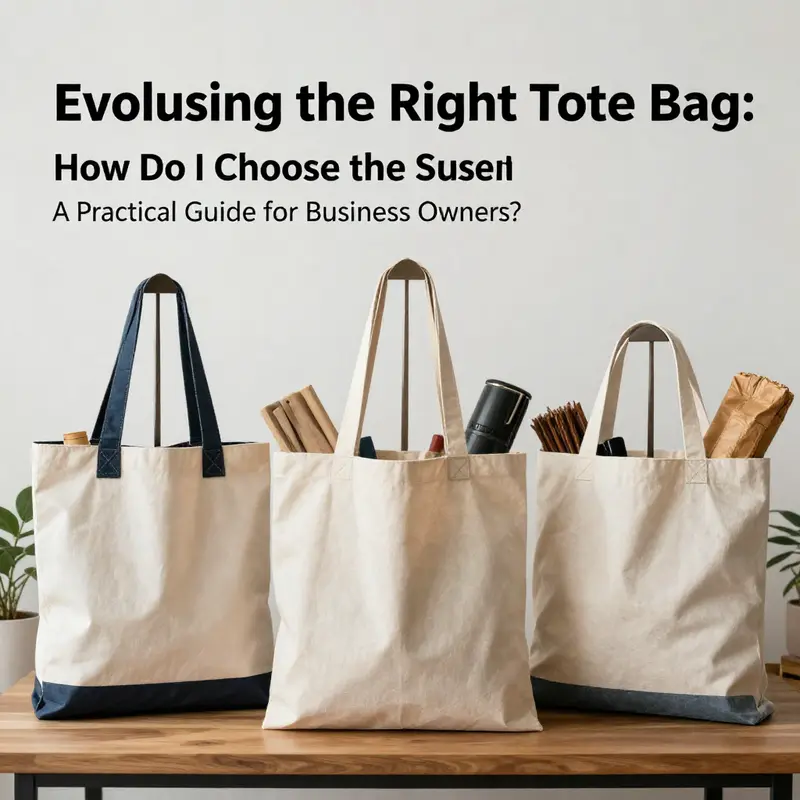
Finding the right tote bag as a business owner is crucial for maintaining style and function while managing daily tasks. A thoughtfully chosen tote bag can enhance your productivity by seamlessly carrying necessary items without compromising on aesthetics. This guide offers structured insights across five critical dimensions, helping you assess your daily needs based on size, prioritize functionality for interior organization, evaluate stability in structure, choose durable materials for longevity, and select comfortable straps for daily use. By the end of this article, you will have the knowledge to make an informed choice that aligns with your unique professional lifestyle and enhances your workday efficiency.
Sizing for Your Schedule: How to Pick the Right Tote by Size, Use, and Rhythm

Size is more than a number; it’s a signal about how your tote will fit your daily routine. The right bag should enhance efficiency without drawing attention or causing fatigue. Start with this question: what do you actually carry, how do you move through your day, and how does your body frame relate to the bag’s proportions? When you answer, size becomes about harmony between function and form, not trend. In practical terms, most routines cluster into a few size bands to help you avoid one-size-fits-all pitfalls. A well-chosen tote holds your core items—laptop or tablet, notebook, documents, water bottle, sweater, and personal items—without feeling overstuffed or under-filled. The goal is balance: width, depth, and opening tuned to how you sit, reach for things, and navigate crowded spaces.
To anchor this, consider standard width ranges that guide common totes. Small totes run roughly 10–12 inches wide, suitable for evenings or minimal carry. Medium totes, about 13–15 inches, work well for work, school, or daily errands that include a laptop. Large totes, 16 inches and wider, support heavier days with files, gym gear, or a travel kit. The measure isn’t vague labels but internal depth and opening width. A shallow interior can trap thick books or an umbrella, while a too-deep bag without organization can make items vanish in the bottom.
Your body matters: height, shoulder width, and carry style influence what feels balanced. People under about 160 cm tend to look best with a small to medium tote; around 170 cm and taller can often carry larger totes without overwhelming their frame. Aim for the bag’s bottom to sit at or just above the hip when worn over the shoulder to preserve a clean vertical line in your silhouette.
Use matters, too. If you commute with a laptop and a few essentials, a medium tote often fits a 13–14 inch laptop, a notebook, chargers, and a water bottle. If your day includes heavier loads, a larger, well-structured interior keeps contents accessible. Structure matters: a bag that stands up when loaded signals thoughtful design; a sagging bag strains your posture and makes access harder. Interior organization—padded laptop sleeve, pockets for smaller items, a secure closure—reduces rummaging and keeps things in place.
Think about the items you reach for daily. A medium tote should comfortably fit a 13–14 inch laptop, a notebook, chargers, a water bottle, a wallet, and a few personal items. If you regularly carry bulky folders or gym gear, you’ll want a larger interior and a stable base. Depth matters because it determines how many items you can stack and how easily you locate them. An overly shallow bag with a wide opening can feel generous but lose contents; a very deep bag without pockets can push items to the bottom. A well-designed interior with pockets and a laptop sleeve makes daily organization easier.
Carrying comfort comes from straps. Wide, padded straps that distribute weight help reduce fatigue, and adjustable lengths let you switch from shoulder carry to crossbody when hands-free is useful. Reinforced stitching at strap attachment adds durability for daily use. If you’re a student or commuter, strap versatility often makes a medium tote feel custom-fitted to your rhythm.
Appearance matters: the bag should complement your frame. A tote that’s too large can overwhelm you; one that’s too small can feel out of place with professional attire. A timeless rectangle or trapezoid shape offers balance between utility and aesthetics, with a stable base and comfortable opening. When you test a size, notice how it feels after a day of errands or meetings: is there shoulder pressure, or is weight evenly distributed? Does the bag brush your arm or glide beside you easily? Subtle cues reveal whether the size truly matches your pace and space.
A practical way to decide is to imagine a typical weekday as a test ride. List your core items—laptop, charger, notebook, water bottle, wallet, keys, a small pouch, and maybe a sweater. If that fits neatly into a medium tote with room to spare, you’ve likely found the sweet spot. If you carry heavier loads, a larger interior with a stable base may be worth it. If you travel light, a compact tote can suffice. A simple rule: choose a medium tote when your daily payload includes a laptop or several folders, but you don’t expect to add many extra items that would push you into the next size. The goal is a bag that suits both your typical load and your body frame so you can move through the day with ease.
For further context, consider exploring product pages or guides that emphasize organization and comfort in medium totes. A well-structured medium tote with a padded laptop sleeve and interior pockets often strikes the right balance between space and accessibility, helping you see and reach items without turning the bag into a cluttered space.
Inside the Organization: Choosing a Tote by Its Interior Design

The value of a tote bag often reveals itself only after you have spent a day with it. A bag that looks perfect on a shelf can fall short when the zipper sticks, the laptop sleeve is ill fitting, or the main compartment swallows your essentials in a chaotic heap. The interior, more than any exterior flourish, tells you how a tote will actually perform in real life. When you are weighing options, the question to ask is not just Will this carry my stuff but How will this interior layout support how I move through a typical day. The answer hinges on thoughtful interior organization that pairs with your routines, rather than a single feature that sounds impressive in a product brochure. And in this sense, interior organization becomes the most practical guide to selecting the right tote bag for you. It is the difference between a bag that merely holds things and a bag that actively supports your workflow, security, and comfort as you transition from one environment to another.
To begin, consider the backbone of interior design: dedicated compartments. A well designed tote starts with a padded sleeve sized to protect a laptop or tablet, ideally in the 13 to 15 inch range. The sleeve fit matters as much as its protection. A sleeve that is too loose invites shifting and scratches; one that is too tight makes insertion and removal a hassle. The ideal solution is a snug, softly cushioned pocket that anchors the device without constraining other items in the main compartment. But this is only the beginning. Beyond the laptop sleeve, the presence of multiple pockets, especially zippered pockets, transforms the tote from a simple tote into an organized workspace on the go. A secure pocket for your phone, another for your wallet or passport, and yet another for keys with a narrow edge to prevent rummaging in the dark depths are all practical, daily advantages. The important point is not to overstuff the bag to the point of bulging; rather, it is to distribute items so retrieval is intuitive. A bag that offers dedicated interior pockets reduces the cognitive load of where did I put that and frees mental energy for moments that truly matter, like presentations, coffee runs, or catching a train.
Equally critical are the organizational zones that give structure to chaos. A sophisticated tote will feature a document pocket for files or notebooks, a tablet sleeve to protect a secondary device, and a ventilated mesh section for items that benefit from airflow, such as a water bottle or gym clothes. The document pocket should be sized to fit standard sheets without bending corners or catching on the lid of the bag; it keeps important papers or planners flat and accessible. The ventilated mesh area is more than a nicety in warmer climates or during busy days; it is a practical acknowledgment that some items need a little air to stay fresh and easily reachable. When you move through airports, libraries, or crowded offices, the ability to locate the exact pocket you need without disturbing the rest of your contents becomes a decisive advantage. The result is a tote that feels less like a bottomless pit and more like a compact, intelligently designed workspace.
Material and construction choices underlie the effectiveness of these interior features. The best interior systems are supported by reinforced stitching that resists the tug of daily use and the thrum of a hectic commute. Durable fabrics such as ballistic nylon or waxed canvas offer the sturdiness needed to retain shape and resist abrasion, which is essential when you are stacking items into a single bag day after day. The inner lining should be a smooth, robust material that stands up to frequent access and minimizes wear on objects that slide in and out. Materials that rub or snag easily can turn an elegant pocket into a source of frustration, especially when you are juggling papers and devices. The goal is resilience that translates into consistent performance, not a bag that looks pristine after a week but falls apart after a month of use. A reliable interior isn’t flashy; it is quietly capable, and that quiet capability is what allows you to move through your day with confidence.
Detachable or adjustable crossbody straps introduce additional flexibility that complements interior organization. The ability to switch from a hand carried tote to a crossbody bag without compromising the internal layout is a real advantage when you are navigating crowded stations, boarding planes, or hopping between meetings and errands. An adaptable strap reduces strain on the shoulders and helps you maintain balance between weight distribution and accessibility. When you are carrying a laptop, lunch, water bottle, and a notebook, the hours of the day add up, and so does the importance of a strap that remains comfortable without digging into skin or slipping off awkwardly. The strap design should partner with interior features sturdy attachment points, reinforced stitching at stress points, and a length range that accommodates both short and tall frames. In this sense, the interior logic and exterior hardware together define the bag’s real world ergonomics.
A professional appearance is not a surface level consideration but an outward reflection of how well organized you are inside. A consultant or executive image advisor might emphasize that clients judge subtle cues, and your bag is part of your nonverbal communication. A neatly organized tote signals preparedness and reliability, not just by what you carry, but by how easily you can access it when time is tight. The interior layout speaks to this, because it mirrors the cadence of a professional day: you reach for a project folder without having to rummage, you locate your credentials in a secure pocket, and you transition from desk to conference room with a device that is already cushioned and protected. The influence of interior organization on impression is real, and it reinforces the idea that the right tote is not merely about carrying capacity but about facilitating a poised, efficient routine.
In practice, the best approach to choosing a tote with strong interior organization is to visualize your daily rhythm and map it onto the bag’s layout. Start with a realistic inventory of what you carry most days: a laptop, a notebook or planner, a water bottle, keys, a wallet, a phone, a few charging cables, and perhaps a compact makeup kit or personal items. Then, consider how often you need to access certain items. Do you reach for your phone and wallet many times a day? Do you need quick access to boarding passes or documents without exposing other items to the outside world? If you travel frequently, a ventilated pocket for gym clothes might be invaluable. If you work from coffee shops or coworking spaces, a document pocket and tablet sleeve become indispensable. This kind of practical mapping helps you prioritize interior features over purely cosmetic elements, aligning your bag with real world needs rather than hypothetical scenarios.
null
null
Material Matters: Selecting Durable Tote Fabrics for Everyday Longevity

Durability in a tote bag comes from a careful blend of fabric, construction, and how you intend to use it. The material backbone determines wear resistance, moisture handling, and how the bag ages. Think of four material families and their typical tradeoffs, then compare them to your routine and climate.
Cotton canvas: heavyweight canvas in 10 oz or more offers rugged, timeless appeal. Look for tight weaves that resist tearing and help the bag hold its shape. Waxed canvas adds water repellency and abrasion resistance, but may require periodic re-waxing. Check that the waxy finish remains even along seams and edges and that there’s no excessive stiffness. For a lighter option, heavyweight canvas balances weight and resilience. A well-constructed canvas bag features reinforced seams, a sturdy base, and a lining that resists abrasion.
Leather: full-grain or top-grain leather ages gracefully, resists scuffs, and gains a patina over time. It can be heavier and requires conditioning to prevent drying or cracking. Avoid bonded leather. Look for evenly dyed surfaces and strong attachment points for handles. Well-made leather bags distribute weight and hold their shape as they soften with wear.
Synthetics: nylon and polyester bring strength with lower weight. Ripstop nylon resists tearing and distributes stress. High-denier polyester (600D and above) offers abrasion resistance and moisture resistance. Coatings or laminations can boost water resistance, but check for wear at corners and edges, where coatings can crack.
Recycled materials: recycled PET fabrics can deliver durability with environmental benefits when tightly woven and properly coated. Confirm the coating remains intact after repeated flexing and the edges don’t feel flimsy. Reinforced corners, sturdy base panels, and organized interiors help longevity.
Construction and care: durability comes from how the bag is built. Double stitching at stress points, reinforced bottom, and sturdy seam allowances matter. Thick inner lining resists nails and keys. Hardware should be securely attached with a durable finish. Zippers should operate smoothly and track evenly.
Choosing for your routine: if you commute in rain, prioritize water resistance; if you carry a laptop, ensure a padded sleeve and robust base; if you value aging gracefully, leather can be ideal with proper care. Real-world testing in-store or during a trial period helps you judge how a bag handles load and movement.
Final takeaway: durability is holistic—select fabric with strength and weight appropriate for your use, then favor careful construction and a care routine that keeps it looking and performing well over time.
Carrying Comfort: How Strap Design Shapes Your Daily Tote Choice
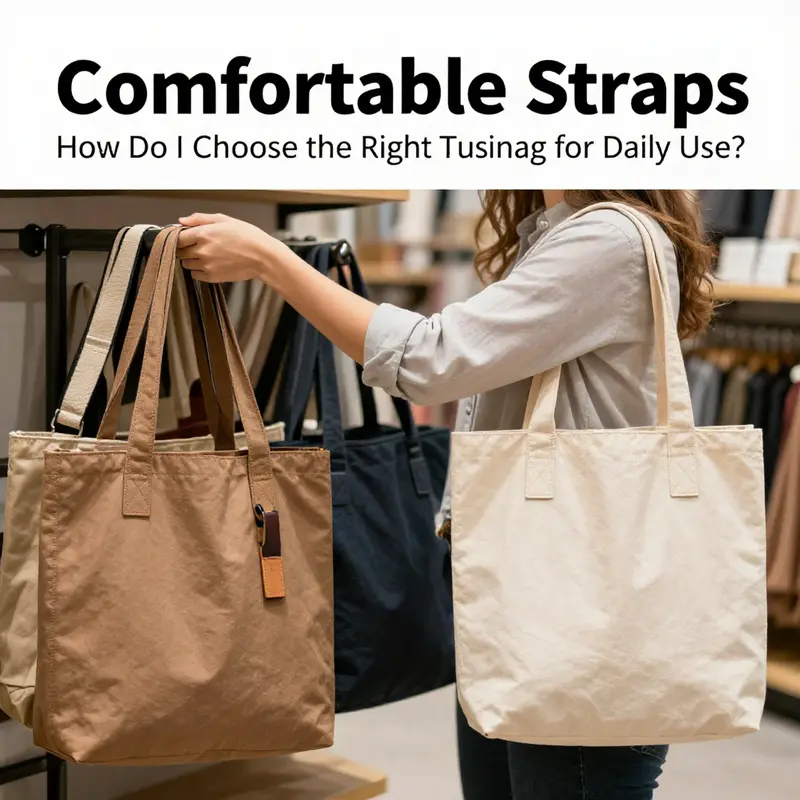
The tote bag is a quiet partner in daily life, and its most telling design feature often sits closest to your skin: the shoulder strap. When you carry a bag every day, comfort isn’t a luxury; it’s a necessity. The right strap design translates into easier mornings, less fatigue after an afternoon of errands, and better posture at the end of a long workday. The essential lesson here is simple: the way weight sits on your body is just as important as how much the bag can hold. Strap width, padding, adjustability, and how the strap attaches to the bag all work together to shape your experience long before you notice it, and long after you’ve locked your laptop inside the interior sleeve and slung the bag over your shoulder, as you step onto a crowded train or stroll through a busy campus corridor.
Start with width. Experts consistently point to straps that are wide and cushioned as the most effective way to distribute load across a larger area of the shoulder. A strap that measures about four to five centimeters in width tends to balance comfort and practicality, spreading weight so it doesn’t bite into the skin or create sharp pressure points. In contrast, straps that are narrow—three and a half centimeters or less—often concentrate weight and contribute to fatigue and discomfort after only modest loading. The difference is not just about feeling better; it’s about preventing slow, cumulative strain over days, weeks, and months of daily use. The goal is a strap that feels almost invisible, even as it quietly handles the calls of a busy life—the phone, the notebook, the water bottle, and the inevitable assortment of small items that accumulate through a typical day.
But width alone isn’t enough. Padding matters because padding is the medium through which the bag’s weight becomes a more forgiving presence on your body. A well-padded strap reduces friction, but the padding must be substantial enough to cushion contact with the shoulder yet compact enough not to create awkward bulk where you don’t need it. The best designs position padding to align with the strongest contact zones, ensuring a smooth glide over clothing and a natural, unforced hang that doesn’t pull the bag forward as you move. If you test a bag in a store, grab a mid-weight load, adjust the strap to mimic real use, and pause to feel how the weight settles. A strap that clings too tightly or shifts constantly is a signal that the padding or the attachment geometry isn’t supporting you as it should.
Adjustability is the next critical factor. A truly versatile tote lets you tailor strap length to your height and your carrying preference. For most people, being able to wear the bag across the body elevates comfort by stabilizing the load and reducing the tendency for the bag to swing with each step. A bag that sits on a fixed length can pull on one shoulder or ride high under the armpit, creating uneven pressure and a day-long sense of tethered fatigue. The ideal scenario is an adjustable strap that lets you switch between single-shoulder carry, crossbody style, and a comfortable shoulder module for quick, on-the-go tasks. The more adaptable the strap, the more days you can align your bag with your posture, your coat layering, and the thickness of your winter cardigan or summer blouse.
Weight matters, even when the strap is excellent. Lightweight materials for the bag itself mean less burden to begin with, and this amplifies the effectiveness of a well-designed strap. Lightweight, durable fabrics—whether a high-grade canvas, a recycled nylon, or a carefully chosen blend—reduce the overall weight you have to carry. When the bag is lighter, the same strap can do more healing work: distribute weight more evenly, reduce the fatigue that builds from repetitive use, and keep your shoulders from tensing into a firmer, more contracted position. In practical terms, a lighter bag with a thoughtful strap becomes easier to adjust during a busy day; you’re more likely to switch to a comfortable crossbody when hopping on a bus or stepping into a crowded elevator, rather than clinging to a heavier carry that strains your neck and back over time. An important caveat exists here: lightweight straps cannot compensate for an overly heavy bag. If you cram in extra files, gym shoes, or a bulky charger, the benefit of padding and width can be overwhelmed by the sheer mass, and the body will respond with fatigue and tension. This is where interior organization becomes a partner to strap design—neatly organized items reduce the need to yank, twist, or slide the bag, allowing the strap to do its job rather than compensate for a cluttered interior.
Quality attachment points are another quiet but crucial detail. The way a strap meets the bag body—whether through reinforced stitching, a durable ring, or a robust rivet system—determines how well your daily load will endure. Straps stitched at stress points should feel solid enough to withstand repeated bounces and minor tugs without loosening. In a bag designed for daily use, you want to see stitching that sits flat against the fabric rather than puckers or gaps that could open under pressure. The hardware that anchors the straps should be sturdy and consistent in finish, resisting wear from repeated contact with zippers, water bottles, and cold weather. A bag that looks good on the surface but shows frayed stitching or loosened attachments after a few weeks has a hidden cost: a strap that betrays you when you need it most.
If the day-to-day routine includes carrying a laptop or other delicate equipment, an interior organization that supports strap comfort becomes especially meaningful. A padded laptop sleeve within the tote doesn’t just protect the device; it anchors the weight more predictably, so the load sits closer to the body’s center of gravity and reduces side-to-side sway. A well-thought-out interior layout—such as a dedicated pocket for a phone with a snug edge to prevent items from slipping, a deep card slot for essentials, or a lined compartment for valuables—limits rummaging and shifting that would otherwise pull on the strap, forcing you to readjust mid-commute. The right interior arrangement matters because it complements the strap’s job: to keep things stable so your shoulders don’t have to compensate for every little movement.
For those who want a tangible, testable example of how strap design translates into real-world comfort, consider a tote that offers a dedicated feature like a laptop sleeve and a bag interior that visually reinforces balance. The combination of a padded, adjustable strap with a secure closure and a structured base keeps the bag upright, even when lightly loaded. The structure helps prevent the bag from slumping, which in turn reduces the tendency to pull the bag forward and tilt the upper body into a compensatory posture. The better the alignment, the less strain you feel when you walk, stand in line, or navigate stairs with a moderate load. And while the exterior silhouette matters for style, it’s the strap’s performance during daily rituals that truly determines how comfortable you’ll feel after a week of errands, meetings, or campus studies.
When you’re shopping, it’s natural to weigh both form and function, but the emphasis should tilt toward ergonomics. Look for straps that look as sturdy as they feel and that invite you to adjust rather than to settle. Test for residual movement: can you lift the bag with one hand and feel the strap distribute weight evenly, or does the weight pull toward one shoulder? Listen and observe as you adjust the strap to sit at your preferred axis. A well-balanced strap design should let you keep your spine in a neutral position while your arms move freely, whether you’re opening a door, typing at a desk, or reaching for your coffee. In other words, comfort is not just about what you notice in the moment but about how the strap design supports consistent, sustainable posture across a full day of activity.
As you refine your criteria, you can also broaden your options by considering features that complement strap performance. A bag with an interior zipper pocket for valuables reduces the need to rummage, which often triggers a rerouting of the strap or a tug on the seams. A magnetic snap or a secure closure keeps flaps in place as you move through crowded spaces, minimizing the urge to yank the bag into a tighter position. While aesthetics draw the eye, comfort draws the body into a daily rhythm. If you often carry a laptop, your mind should drift toward the tactile sensation of a bag that sits comfortably, with the weight settled near your hip and the strap resting flush against your torso rather than digging into it. And if you manage a heavier load, you’ll appreciate a strap that relieves the pressure and keeps the bag calm and balanced as you walk, stand, and pivot through a busy day.
When you’re ready to explore options, consider a bag that balances the elements described above: a medium-sized tote with a padded, wide strap, adjustable length, reinforced attachments, and a light, durable interior that supports organization rather than clutter. A timeless rectangular or trapezoidal silhouette often serves this purpose well, delivering a clean aesthetic that won’t fight you when you’re rushing between meetings, classrooms, or errands. If you want to learn more about how one practical feature—the interior arrangement—interacts with strap comfort, you can explore bags that include a dedicated compartment for a computer sleeve. This combination tends to deliver consistent comfort and reliable performance across a wide range of daily activities. For more on how interior layout and strap design intersect, see the discussion below, and then feel free to test a few models in person to confirm your intuition before committing to a single choice. tote bag with computer sleeve
In sum, the right tote for daily use is not merely the one that holds your items; it’s the one that carries them with ease, enabling you to move through your day with a steady, balanced posture. The strap is the quiet ambassador of that ease. It should be wide enough to distribute weight, padded enough to cushion, adjustable enough to fit your body and your style, and securely attached enough to withstand everyday life without a hitch. The best choice is a medium-sized, structured tote whose straps work with your body rather than against it, a bag that feels so natural to wear that it becomes almost invisible as you go about your day. When you find that balance, you’ll notice that comfort isn’t an extra feature—it’s the baseline from which every other decision about your bag’s design and utility should emerge. For readers interested in a broader context of how carrying choices can impact posture and comfort, an external resource on shoulder strain from bag carriage provides further perspective: https://www.sportsmedjournal.com/shoulder-strain-from-bag-carriage-a-2023-review
Final thoughts
In conclusion, choosing the right tote bag is not just a matter of aesthetics; it significantly impacts your daily productivity as a business owner. By assessing size according to your daily needs, emphasizing functionality and interior organization, ensuring structural stability, selecting durable materials, and considering the comfort of straps, you are well on your way to finding a bag that complements your professional lifestyle. A well-chosen tote bag will not only elevate your appearance but also streamline your daily activities, making it a worthwhile investment.