
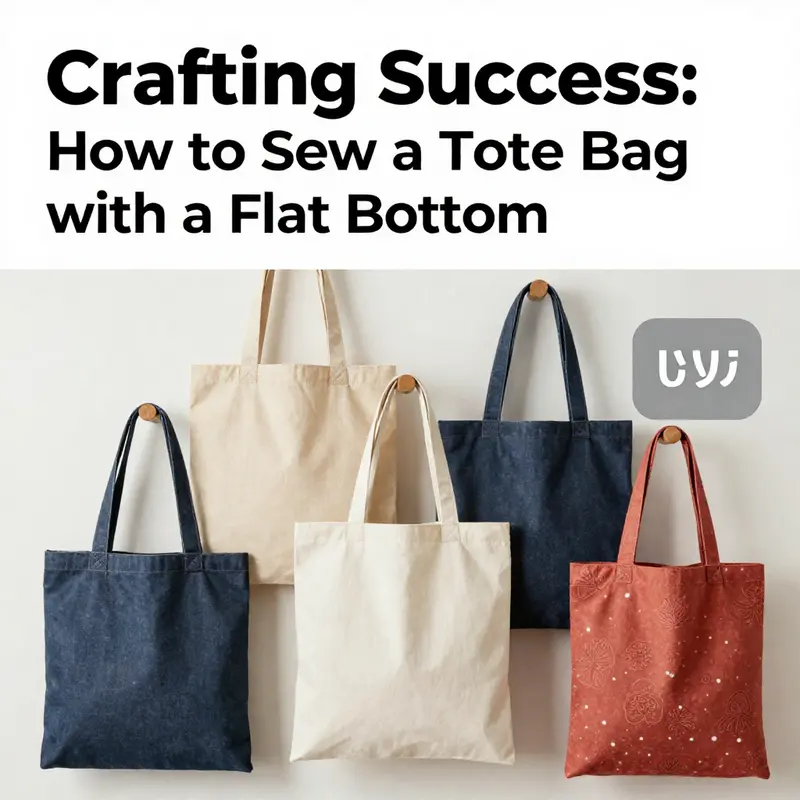
Creating a tote bag with a flat bottom is not just a crafting endeavor; it’s a strategic asset for your business, enabling you to offer unique, practical products that can enhance customer satisfaction and branding. By following this comprehensive guide, business owners will learn about the essential materials, the preparation process, how to assemble the structure effectively, and explore finishing touches to create a high-quality bag. Each chapter will build on foundational techniques, ensuring that your creations are not only functional but also stylishly executed, reflecting your brand’s values and aesthetic.
Foundations of Craft: Securing the Essential Materials for a Durable Flat-Bottom Tote Bag
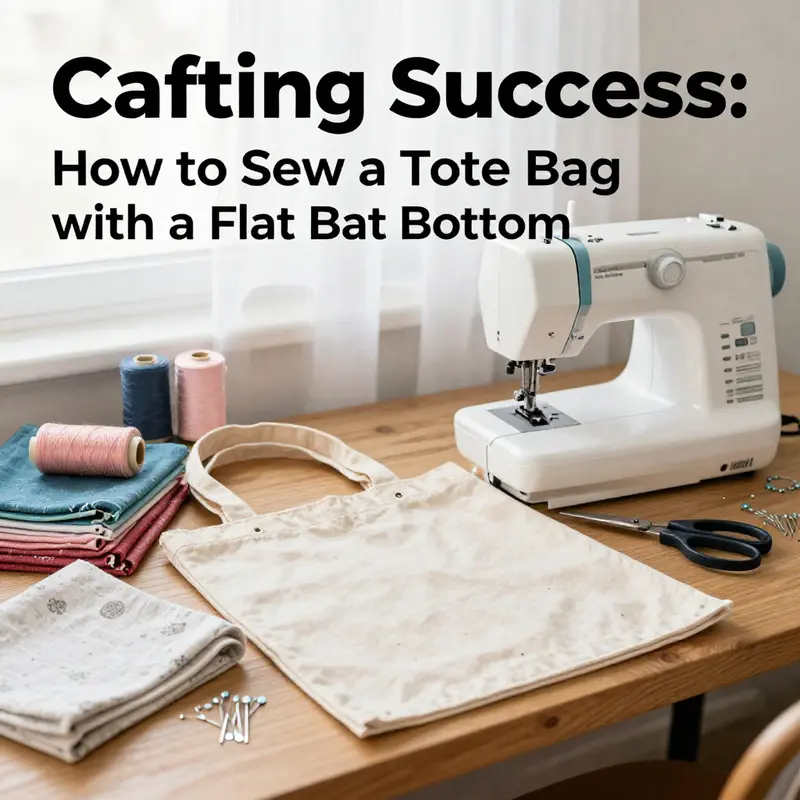
When embarking on a sewing project that promises both functionality and style, the journey commences with the careful selection and organization of materials. Preparing to sew a tote bag with a flat bottom is an exercise in thorough planning, a process that demands attention to detail and an appreciation for qualities that define a durable, long-lasting accessory. At the very heart of the project is the fabric, and the importance of choosing a textile that not only looks appealing but also stands up to the rigors of everyday use cannot be overstated. In this chapter, we will delve into the details of acquiring the right supplies and understanding how each component contributes to the overall success of your tote bag masterpiece.
The fabric you choose is the canvas upon which your creative vision takes shape. A sturdy, high-quality material such as canvas, denim, or even a tightly woven cotton is ideal for constructing a tote bag that will maintain its shape and integrity over time. Many crafters favor canvas because of its robustness and ease of handling, yet denim offers not only strength but also a unique texture that adds a distinctive flair to your finished project. It is essential, therefore, to invest time in selecting fabrics with enough body, texture, and durability to support a flat bottom design that can proudly stand on its own. Furthermore, acquiring two identical pieces for the front and back, along with an additional piece for the bottom if you opt for a layered look or contrasting style, is a step that sets the stage for regaining symmetry and balance in your design.
Equally important is the thread that will bind your pieces together. The thread should be chosen to match or complement the primary fabric, ensuring that the seam lines reinforce the bag rather than detract from its aesthetic. Matching thread and fabric not only contribute to the visual coherence of the bag but also provide the strength and reliability required for everyday use. A quality thread resists breakage even under tension, which is especially important in stress points such as where the flat bottom meets the side panels and where handles are attached. When choosing the thread, attention should be paid to factors like smoothness in operation, durability in repeated use, and the overall compatibility with your sewing machine or hand-sewing needs. Ultimately, the right thread can transform a simple assembly into a carefully crafted piece of functional art.
No sewing project is complete without the proper array of tools that simplify complex tasks and ensure precision. A reliable sewing machine is indispensable for most modern crafters as it accelerates the process while delivering consistent stitch quality. For those who take pride in the craft of hand-sewing, a selection of sturdy needles and a spool of robust thread can be just as effective, though the labor-intensive nature of such an approach may add character to the finished project. In addition to the machine, tools such as sharp fabric scissors or a rotary cutter, a measuring tape for achieving correct dimensions, and pins or clips to hold the fabric securely as you sew are all essential. The tools not only aid in cutting the fabric to the required dimensions but also play a critical role in ensuring that seams are aligned and edges are clean, which is especially vital when creating a bag that must stand upright on a flat base.
Beyond the basic supplies, additional materials like fusible interfacing can be extremely beneficial, particularly when working with softer fabrics. Interfacing provides that extra layer of stiffness needed to support the structural integrity of a tote bag, especially for the flat bottom which must hold the bag upright. By ironing a layer of non-woven fusible interfacing onto the fabric prior to cutting it for construction, one infuses the material with a subtle heft, reducing the risk of sagging and enhancing the overall durability of the bag. The interfacing not only supports the shape but also contributes to a cleaner finish, ensuring that seams remain crisp and that the final product looks professionally made. Decisions regarding whether to use interfacing hinge on the nature of your chosen fabric and the intended use of the bag; for heavy-duty or frequently used bags, the additional reinforcement is almost always recommended.
Sewing a tote bag with a flat bottom places a particular emphasis on precise cuts and measurements. The careful gathering and organization of materials starts long before the needle touches the fabric. It involves double-checking fabric dimensions, ensuring that every piece is consistent in size and texture. A miscalculated cut can lead to misaligned seams or an unstable base, compromising both the look and functionality of the tote bag. Measuring each piece meticulously is as much a part of the creative process as choosing the right hues and patterns. The balance between form and function is achieved not only in the sewing but in the careful laying out and cutting of your materials. This phase of the project is where planning meets execution, setting the stage for the successful assembly of a bag that can handle daily wear and tear.
The narrative of material selection illustrates that every component plays a pivotal role in the bag’s final construction. The fabric itself provides not only the visual appeal but also the physical structure. The thread acts as the binding force that holds everything together, while the supporting tools ensure that every stitch and seam is precise and durable. From selecting the perfect piece of fabric to ensuring that all the cutting, pinning, and interfacing procedures are executed with care, the detailed attention to materials is the unsung hero of any successful tote bag project. Many seasoned crafters will attest that the careful budgeting of time and resources during this initial phase can significantly ease the subsequent steps of sewing, turning what might have been a daunting project into a rewarding creative journey.
One must acknowledge that the gathering of materials is not a static process; it is dynamic and often iterative. Many experienced sewers will return to the material table multiple times during a project, reassessing their supplies and making adjustments based on the evolving needs of the design. This fluid process allows for moments of reinvention where what may seem like a minor detail, such as the type of interfacing or the specific gauge of the thread, can be refined to achieve the best results. The opportunity to revisit your storage of materials encourages a deeper engagement with the craft, fostering a sense of ownership and pride in every detail of your creation. Ultimately, this stage of the project sets the tone for the entire sewing process, inviting you to consider every element as an integral part of a harmonious design.
In some cases, the quest for the perfect material leads many to explore various sources and suppliers. Whether it is a local fabric store brimming with an array of textures and colors or the vast options available online, the experience of selecting your material can be as enjoyable as the actual sewing. Each source offers a unique story embedded in its fabrics—stories that can inspire your design choices or influence the aesthetic character of your tote bag. For instance, fabric from a trusted local supplier may carry a personal touch, while materials bought online might offer a broader spectrum of choices to suit any envisioned theme. The variety ensures that each tote bag is not only a practical accessory but a personalized statement piece that reflects an individual’s taste and ingenuity.
Practical considerations often dictate the final choices made at the material selection phase. For example, while some materials might be more expensive, they may offer greater longevity or a more striking appearance that justifies the investment. Balancing cost, appearance, and durability is a critical element of the process. This balance is particularly important when the finished product is intended for regular use—such as carrying groceries, books, or even acting as a stylish accessory during a day out. By weighing these factors carefully, you ensure that the bag is not just a transient craft project but a lasting, cherished item in your daily life. The confluence of aesthetics and practicality lies at the core of crafting a tote bag with a flat bottom; it is the foundation upon which every other decision is built.
Once you have gathered your materials and assessed their quality, the next step is to organize them in a manner that streamlines the construction process. An organized workspace is a hallmark of efficiency and creativity in sewing. Arranging the fabric pieces, thread spools, interfacing, and tools in a logical order before beginning the assembly minimizes the chances of errors and provides a clear roadmap for the project. Each tool and item on your work table assumes a role in turning your vision into reality. For example, the measuring tape does more than gauge length—it also acts as a reminder of the precision required in every cut. Likewise, the pins and clips are not merely temporary fasteners; they ensure that every piece is perfectly aligned, setting the stage for seamless stitching. In this way, the organization of materials becomes a craft in itself, one that demands mindfulness and respect for the process.
Indeed, the preparation of materials is a ritual that transforms a collection of fabric and accessories into the building blocks of a unique creation. It empowers the maker with the confidence that every element of the finished tote bag has been carefully considered and meticulously selected. This foundational phase is an indulgence in the art of sewing; it is where creativity is tempered by practicality, where dreams are translated into tangible assets, and where what may initially appear as mundane becomes an essential chapter in the larger narrative of your project. For those who are just beginning to explore the rewarding world of DIY sewing, understanding and appreciating the significance of material selection is a lesson that will pay dividends in every project henceforth.
Moreover, the virtues of a well-planned material gathering extend beyond the technical aspects of sewing and touch on the emotional side of crafting. There is a comforting satisfaction in knowing that every part of your tote bag is in its right place and that every component has been chosen with purpose. Each fabric swatch, each spool of thread, and each tool is a testament to your vision and commitment to quality craftsmanship. In this sense, the act of gathering materials is as creative a process as the sewing itself—a time to explore, experiment, and ensure that your project is built on a solid foundation of thoughtful choices.
It is also valuable to consider the benefits of learning from others who have walked the same creative path before you. Many seasoned artisans share their tips and insights on various platforms. For instance, additional inspiration and detailed guidance can often be found on websites dedicated to crafting elegant and durable tote bags. One such resource can be explored further by visiting an insightful collection on Women’s Canvas Tote Bags, where you can see examples of how different materials influenced design choices and overall effect. This kind of shared knowledge enhances one’s understanding of the nuanced considerations that go into every fabric selection and technique.
The journey of material gathering does not end once items are collected—it evolves alongside the project. Even after the first stitch is sewn, there remains an enduring reassurance that comes from knowing you have invested in quality components. Your tote bag, with its resilient flat bottom, stands as proof that success in crafting is built on a foundation laid long before the needle meets fabric. For those who appreciate the intersection of beauty and function, this phase offers an invaluable lesson: the best creations are born from a well-prepared and deeply considered beginning.
For additional, in-depth instruction on the methods behind these material choices and how they translate to overall design, you might also explore a comprehensive guide available at The Spruce Crafts. This external resource provides further insights into fabric selection, cutting techniques, and finishing tricks that ensure your tote bag meets professional standards. You can visit the guide at The Spruce Crafts: How to Sew a Tote Bag with Flat Bottom for more detailed instruction.
In summary, the careful collection and organization of materials forms the cornerstone of creating a tote bag that is not only visually appealing but also robust and functional. Every decision, from selecting the right fabric and thread to utilizing supportive tools and optional interfacing, contributes to a product that epitomizes thoughtful design and craftsmanship. The phase of gathering materials is not simply a preparatory task; it is a foundational experience that guides the entire creative process, ensuring that the final tote bag stands as a true testament to the maker’s dedication and skill. With a well-organized workspace and a curated selection of high-quality supplies, the path ahead in constructing a durable, flat-bottom tote bag becomes not just a series of steps, but an enriching creative journey.
Foundations of Fabric: Perfecting Your Material for a Sturdy Flat-Bottom Tote Bag
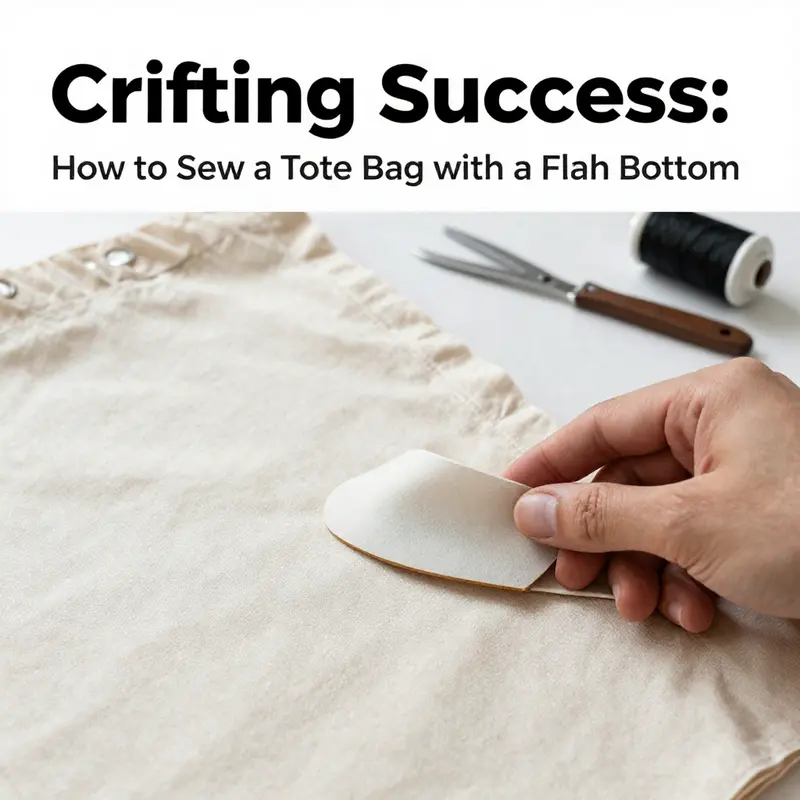
When creating a tote bag with a flat bottom, success begins long before the needle meets fabric. The secret lies in properly preparing your material—a process that ensures durability, accuracy, and a clean finish once the bag is complete. Every step matters, and this chapter guides you through a comprehensive exploration of fabric preparation in a way that ties directly to the overall project.
The journey starts with a careful selection of fabric. Durable materials, such as 100% cotton or high-cotton blends, are preferred because they offer both resilience and a pleasing texture. When you are choosing fabric, consider the characteristics that best support a tote bag meant to hold everyday items. The sturdiness of the fabric is essential since the tote bag must not only look good but also stand up to repeated use and carry weight without losing its shape. If you are curious about different fabric options available for tote bags, you may also find a wealth of inspiration in resources about women’s canvas tote bags, where material choice plays a critical role in overall bag performance.
Once you have chosen fabric that suits your needs, the next vital step is pre-washing. Pre-washing is not merely about cleaning; it is a precautionary process designed to avoid issues later in your project. When you wash your fabric before you begin, you mitigate the risk of future shrinkage—a common concern that could distort your carefully measured dimensions. Additionally, pre-washing is imperative for preventing color bleeding, ensuring that the finished bag retains a consistent hue. The process is straightforward: follow the care instructions recommended for your specific fabric, wash it thoroughly, and then allow it to dry completely before proceeding to the next stage.
After the cleaning phase, it is essential to iron your fabric. Pressing the fabric not only removes any stubborn wrinkles but also creates a smooth, even surface that is crucial for accurate cutting and sewing. A wrinkled fabric can lead to imprecise measurements and may result in seams that do not line up properly. An iron and a stable ironing board become indispensable tools at this stage. As you work, run the iron methodically over the entire area where you plan to cut your fabric. This small investment of time establishes a solid foundation for your tote bag, ensuring that every subsequent step builds on a smooth, well-prepared surface.
Once the fabric is crisp and wrinkle-free, you move on to the critical phase of marking measurements. Lay out your fabric on a clean, flat surface, and with care, use a piece of fabric chalk or a specialized fabric marker to delineate the areas that will form your tote bag. Accurate measurements are pivotal, as even a slight deviation can affect the overall structure of the bag. With a tote bag featuring a flat bottom, precision is paramount—you need to mark clear boundaries, particularly for the shaped base that will serve as the bag’s sturdy foundation. At this stage, you may note that the fabric is beginning to take shape in your mind; every marked line represents a step closer to achieving that self-standing, balanced design.
For a bag meant to stand on its own, the creation of a stable, flat bottom cannot be overlooked. Traditionally, this involves drawing small triangles at the bottom corners of your main panels. These triangles are not just aesthetic; they are functional. They create the space that, when sewn, forms a secure bottom that gives the tote its signature flat shape. The careful folding of seam allowances along the bottom edge reinforces the base, and any additional measures taken, such as the inclusion of fusible interfacing, contribute significantly to the bag’s final performance. This optional stabilization is particularly recommended when using softer fabrics, such as plain cotton or linen, to prevent unwanted sagging.
Adding fusible interfacing or a lightweight woven stabilizer is another layer of careful preparation that enhances the structural support of the finished tote bag. Interfacing, available in various weights like a 60-gram non-woven type, adheres easily when ironed onto the fabric. This step serves a dual purpose: it builds strength into the fabric and improves its overall resilience. When you iron on the interfacing, be sure that the fabric is smooth and free from wrinkles so that the adhesive bonds evenly. The result is a material that is less likely to stretch or deform under the strain of everyday use. This preparatory step emphasizes the need for thoughtful planning in every stage of the making process, ensuring that the bag will not only look polished but also feel sturdy in your hand.
With the fabric now carefully selected, pre-washed, ironed, and enhanced with interfacing if needed, you are ready for the next phase: preparing the bottom hem. The bottom hem of the tote bag is instrumental in forming its flat base. Begin by folding the seam allowances inward by approximately 1 cm, and use your iron to press them flat. This task might seem simple, but attention to detail is significant; a well-finished hem means neat edges and a refined appearance for the finished bag. Reinforcing these edges will ensure that the final touches, including stitching the triangular sections into a coherent and sturdy base, will be performed on a strong, consistent foundation.
The precision brought to each stage of fabric preparation extends into the assembly of the main body. Even though our focus here is predominantly on getting the fabric perfectly ready, the underlying principles remain the same across the entire project. Once your fabric pieces are measured, marked, ironed, and hemmed, they need to be aligned meticulously when forming the bag. Preparing the fabric carefully allows you to place the pieces together with confidence, knowing that the seams will line up exactly as drawn, and there will be no unexpected distortions during the sewing phase. In practice, you will align the bottom corners of the panels and sew the side seams together. This process demonstrates how early efforts, such as accurate marking and firm pressing, culminate in a tidy, well-structured assembly.
Turning your attention back to the fabric preparation, an often overlooked yet critical tip is to always keep a close watch on your seam allowances. Consistency in seam allowance measurements—even when dealing with curved or intricately cut edges—ensures that the final assembly fits together as intended. A consistent seam not only promotes a cleaner design but also improves the durability of the tote bag. For example, when sewing the triangle at the bottom of your tote, the seam should be strong and even to guarantee that the structural integrity of the bag is maintained once in use.
The role of your sewing supplies cannot be understated. Every choice—from selecting a strong needle appropriate for your fabric type, to matching thread colors that complement the material—adds to the overall quality of the tote bag. It is worthwhile to invest in dependable supplies because they influence not just the aesthetics but also the longevity of your creation. High-quality thread and an appropriate needle speed up the sewing process and reduce the risk of skipped stitches, which could result in weak points along the seams. Even if such considerations might seem minor, they are part of a thorough preparation routine that makes the entire bag-making experience smooth and successful.
Throughout this meticulous preparation process, patience and precision are your greatest allies. The transformation of raw fabric into a prepped, perfectly measured canvas for your tote bag is a craft in itself. Each step builds upon the previous, and a small oversight in one phase can reverberate through subsequent procedures. But by following these steps diligently—not rushing the process—you establish a strong base that supports every later aspect of construction, from sewing the sides to attaching the handles. This sequence of small but significant steps is a testimony to the art of crafting, where every detail is deeply connected to the final product.
Visualize your workspace as a stage where each fundamentally simple act—washing, ironing, marking—meticulously contributes to the final masterpiece. The fabric that begins as a loose, unassuming material transforms into the canvas of a highly functional, attractive tote bag through your careful handling and attention to detail. Such transformation is not limited to the aesthetic appeal but extends deeply into the practical integrity of the design. A well-prepared fabric is the testament to a craftsman’s diligence, turning potential frustration into satisfaction as every piece falls perfectly into place.
Beyond the practical benefits, proper fabric preparation is an exercise in mindfulness. The quiet focus required to smooth out wrinkles, measure with precision, and align edges with considered care can be both meditative and profoundly rewarding. It is a tactile reminder of why many enjoy the craft of sewing: the blend of creativity, precision, and the simple joy of making something with your own hands. In many ways, each step is a deliberate moment of craftsmanship that mirrors the meticulous nature of design itself.
While assembling the flat-bottom tote bag, the decisions you make during the fabric preparation phase lead directly to a robust outcome. Any time spent on pre-washing and ironing is an investment in the longevity and strength of your tote, which you can take pride in every time you use it. By dedicating a few extra minutes to ensure that every part of the fabric is correctly prepped, you are setting the stage for error-free cutting, precision stitching, and an overall cohesive construction process. The importance of a well-prepared fabric cannot be overstated—this is the unsung hero behind every successful tote bag project.
In addition to the technical details, the aesthetic alignment of the finished tote bag with your design vision is rooted in these foundational tasks. The intention with a flat-bottom tote is not only practicality—the ability to stand and hold items securely—but also elegance in simplicity. When you prepare your fabric thoroughly, you guarantee that the subsequent steps of sewing, aligning, and finishing will achieve this dual purpose. Confidence in the material leads to a clean design, where every seam and fold is precisely where it should be. Using consistent, measured steps produces a tote bag that is as satisfying to behold as it is useful in daily life.
After you have mastered these preparatory elements, the transition into assembly feels natural. The fabric, now perfectly cleansed, measured, and stabilized, becomes a reliable partner in the crafting process. The flat, neat edges created during the pre-assembly work allow for smoother stitching and a more polished overall appearance. Before you even pick up your needle or machine, you have set the foundation for a bag that will not only carry your belongings but also carry forward the pride of craftsmanship. It is in these demanding moments of preparation that the magic of sewing truly begins to reveal itself.
Continuing along the path of preparation, consider this phase as both a technical and creative interval. You are not merely following steps—you are perfecting the canvas upon which your ideas and skills will eventually converge into a functional work of art. Each measured line, each carefully ironed fold, plays an essential role in the integrity of the final product. With every action, you ensure that the tote bag will have a flat bottom that stands firm, a critical aspect of its design intended for everyday use.
For more detailed visual guidance and creative inspiration, many sewists and crafters turn to trusted external tutorials. One such comprehensive resource is available at How to Sew a Tote Bag with a Flat Bottom – Creative Step by Step Guide. This external guide offers additional insights and visual aids that can further enhance your understanding of the process.
Ultimately, the perfection of fabric preparation is a fundamental precursor to constructing a tote bag that not only meets functional requirements but also reflects the care and dedication of its maker. With fabric that has been chosen for its durability, pre-washed to prevent future mishaps, ironed to achieve a smooth surface, and carefully marked and hemmed to precise measurements, you are well on your way to crafting a tote bag that stands the test of time. It is through this comprehensive, thoughtful process that your bag will emerge as a testament to both skilled craftsmanship and aesthetic design.
In summary, the process of preparing fabric for a flat-bottom tote bag embodies the melding of technical precision with artistic expression. Each deliberate action—from fabric selection and pre-washing to ironing, marking, and reinforcing—lays the groundwork for an end product that is as beautiful as it is durable. This careful attention to the fundamentals is what differentiates a simple sewing project from a piece of wearable art, ensuring that every tote bag crafted is a reliable, stylish companion for daily life.
Crafting a Sturdy Foundation: Mastering the Assembly of a Flat-Bottom Tote Bag
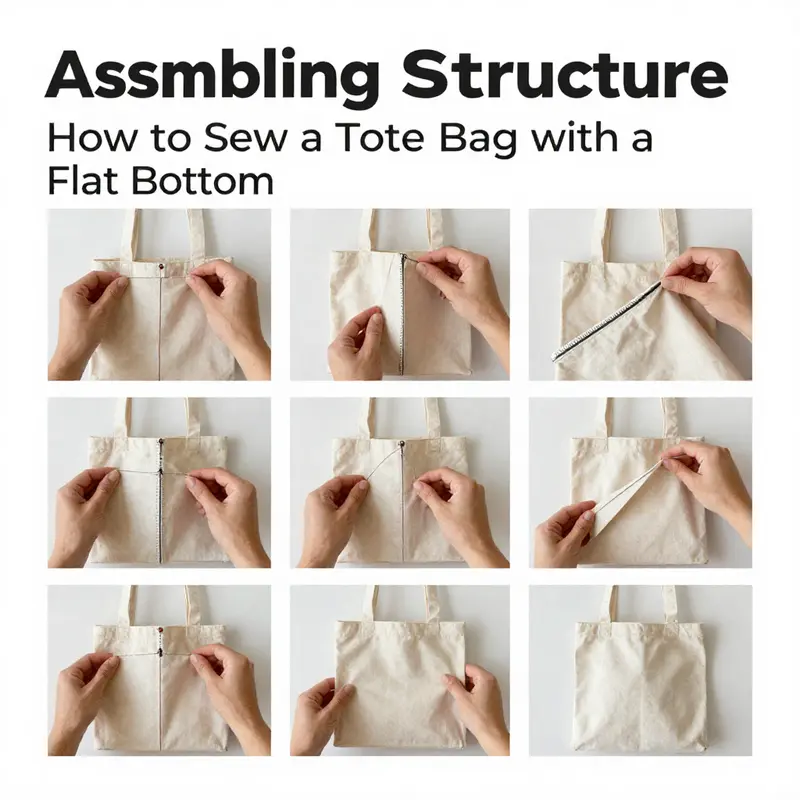
In the realm of sewing, building a flat-bottom tote bag is as much an art as it is a craft. The journey begins with careful preparation and a clear understanding of the fabric’s behavior. Working with durable materials like cotton, canvas, or denim, you start by gathering the necessary components: fabric pieces, matching thread, and a reliable sewing machine. Step by step, you will transform these raw materials into a self-standing tote bag that exudes both functionality and style. The project demands attention to detail during each phase, ensuring that the bag holds its shape and serves everyday purposes, from grocery runs to daily commutes.
From the outset, the craftsmanship is rooted in how the fabric is handled. The first task is to cut out the primary components of the bag. Two identical pieces of fabric form the front and back of the tote, each carefully measured to the required dimensions. If you choose to use a fusible interfacing for added stiffness, it is applied at this stage. Pressing the interfacing onto one side of each fabric piece not only ensures stability but also imbues the tote with a sophisticated, structured look. This method is particularly beneficial if working with softer fabrics that need extra body. The application of interfacing is a subtle yet essential step, reinforcing the bag’s foundation without overtly changing the texture of the outer material.
The process of cutting is simple, yet precision in this step lays the groundwork for the entire assembly. A good practice is to cut the fabric on a flat, stable surface so the pieces remain true to size. Each fabric piece is typically oversized to account for seam allowances, ensuring that the final product does not end up too small. Once the fabric is cut, it is time to move on to establishing the structure by properly aligning the pieces. The goal is to create a flat, box-like base that allows the bag to stand upright. Here, one piece of fabric is adjusted so that one edge is slightly longer than the other, creating an overlap that is ideal for forming the flat bottom design. This overlapping technique is backed by a clear step-by-step tutorial available on external resources such as the comprehensive guide on Pinterest (step-by-step tote assembly).
A pivotal moment in the assembly lies in sewing the main fabric pieces together. Here, precision in stitching is paramount because the durability of the bag hinges on the quality of these seams. To begin, the two fabric pieces, with the right sides facing each other, are aligned and pinned. This alignment should ensure that the edges at the bottom, where a unique flat base is desired, are positioned correctly. Instead of a conventional fold, you create a distinctive structure by ensuring one edge remains longer by a few centimeters. Marking a line roughly 25 cm from the bottom on the longer section provides a guide; this line is crucial as it determines the resulting triangle that, when sewn, forms the self-standing base. A steady hand on the sewing machine, paired with care during backstitching at the beginning and ending corners to reinforce the seams, further solidifies this structure.
Integral to the tote bag’s design is its flat bottom, which sets it apart from bags with rounded bases. The formation of the flat base is achieved by allowing the extra fabric at the bottom to fold into a neat triangle. This triangle is then sewn along the marked guideline, thus creating a recess in the bag. When the bag is flipped right side out, this recess enables the bag to stand upright on its own. The technique is straightforward but requires careful measurement and a consistent seam allowance of about 1 cm along the edges. Throughout this phase, it is essential to maintain steady stitching and correct alignment so the base remains symmetrical and balanced. A well-crafted flat bottom not only enhances the bag’s aesthetics but also significantly improves its functionality, as it prevents the contents from tipping the bag over.
Moving beyond the base, the subsequent phase involves carefully joining the sides and top edges. At this point, the previously stitched pieces are combined, ensuring that the side seams are strong enough to support the bag’s loads. The sides of the bag are brought together, and a simple straight stitch is used to secure them along with the bottom. This process integrates the front and back panels, making the bag’s overall shape coherent and structurally sound. It is during this stage that the bag starts to take on its three-dimensional shape. A smooth transition from the flat base to the vertical sides becomes evident with every precise stitch.
Once the main structure is securely assembled, attention turns to the finishing touches that refine the overall look. The edges of the bag are first pressed flat, which aids in creating a neat appearance. For the top edge, a small inward fold of about 2 cm is implemented and pressed before stitching a straight line along that edge. This simple detail not only secures the raw edges but also gives the tote a polished, professional finish. The method of folding and stitching the top also offers a subtle reinforcement, ensuring that the bag’s opening remains sturdy even after repeated use. This finishing method is a subtle nod to many professional sewing techniques and ensures that the final product is as practical as it is visually pleasing.
A defining characteristic of a well-crafted tote bag is its robust handles, which are responsible for the ease of carrying. The handles, often cut from the same fabric or chosen to match for a contrasting look, are usually between 45 and 60 cm in length, depending on personal preference and intended use. In the assembly process, the handles are attached by stitching them through the top edge of the bag at carefully marked positions — typically set about 5 cm from the center on either side. This placement not only maintains balance but also ensures that the bag is comfortable to carry. Whether you choose to closely match the fabric or employ a complementary material to add visual contrast, the handles are sewn with care, reinforcing them with additional backstitching if necessary. The successful integration of handles is a testament to the thoughtful design and meticulous stitching that characterizes the overall assembly.
Each stage of the assembly contributes uniquely to the bag’s overall durability. For instance, the decision to include options like narrow side pockets is a nod to both style and practicality. While these pockets are optional, they are particularly useful for housing small essentials such as pens, keys, or even personal items like nails or knitting needles. Creating these pockets involves a simple inward fold of the raw edges, followed by stitching along the inner fold. This optional step further enhances the functionality of the tote without compromising its streamlined aesthetic. Whether or not you include this feature, the main structure of the tote remains uncompromised, sturdy, and ready to handle daily wear and tear.
Undoubtedly, much of the success of the assembly process lies in the careful integration of each step. From the act of cutting fabric with precision to the deliberate method of sewing to create that coveted flat bottom, every detail is interwoven. When you thoroughly plan the layout of the fabric and adhere to precise measurements, you build a bag that is both aesthetically pleasing and robust. The structural integrity of the tote is not an accident but the result of mindful construction techniques that have been refined over time. In parallel, the assembly process itself echoes the careful balance of simplicity and sophistication—a hallmark of good craftsmanship.
Equally important is the continuous upkeep of quality control as you progress. Regular checks of seam alignments, stitch lengths, and fabric tensions help avoid common pitfalls such as uneven seams or weak points that could compromise the bag’s structural integrity. As you sew, it is worthwhile to pause occasionally and assess the work, making adjustments as needed. Given that the flat bottom relies on accurate triangles and neat folds, any oversight may result in a bag that tips or loses its intended form. Consistency in measuring and sewing is the thread that ties each step together. This vigilant approach ensures that the final product not only meets but exceeds the expectations set during the planning phase.
As the bag nears completion, it is essential to treat the final moments with the same diligence as the initial steps. Once the assembly is complete, you carefully turn the bag right side out and press all seams thoroughly. This final pressing step solidifies the finished look and reaffirms the bag’s durability. With the handles in place and the top edge neatly stitched, the tote bag is transformed from a collection of fabric pieces into a coherent structure that is both reliable and chic. Every stitch, every fold, and every measured cut builds toward a functional accessory that has both everyday utility and a touch of handmade charm. The transformation from raw material to a finished bag is complete when you see that self-standing, flat-bottomed tote that balances design and practicality flawlessly.
For those who are enthusiastic about further exploring the nuances of fabric craftsmanship, this project serves as a gateway into more advanced sewing techniques. Enthusiasts may refer to additional insights found on sites dedicated to canvas tote construction. For example, the guide on women’s canvas tote bags provides extra tips and inspiration for those looking to innovate their design or experiment with different fabric textures. This wealth of information ensures that even a first-time sewer can develop confidence and proficiency in creating a bag that stands the test of both time and daily use.
Ultimately, constructing a tote bag with a flat bottom is a rewarding process that blends technique with creativity. The entire process—from cutting and marking fabric to stitching and reinforcing every seam—demands patience, practice, and passion. It is in the precision of each step, the mindful application of interfacing, and the careful assembly of the base that the foundation of the bag is laid. In assembling this structure, you are not only crafting a practical accessory but also honing a skill which highlights the beauty of handmade work.
Every time you hold the completed tote bag, you are reminded of the care that went into each detail. The sturdy flat bottom, a result of thoughtful folding and expertly executed seams, stands as a testament to your ability to follow a design that prioritizes both form and function. The strong handles, securely attached and balanced by a neat top edge, echo the commitment to durability and style. As you enjoy the convenience and elegance of your tote bag, you can confidently carry your belongings knowing the bag has been meticulously constructed from start to finish.
This hands-on project also deepens your appreciation for what goes into everyday accessories. Whether you’re stepping out for errands or enjoying a quiet afternoon of creativity, your tote bag is more than just a container—it is a personal statement of craftsmanship, attention to detail, and a willingness to invest time into a project that lasts. Embracing this process means embracing a journey of learning, dedication, and pride in one’s work. It is a journey where each stitch carries both function and aesthetic purpose.
In reflecting on the entire assembly process, keeping uniformity in every seam and edge is key to obtaining a final product that is both visually appealing and highly functional. Those early decisions about fabric selection and the choice to use interfacing contribute significantly to the tote bag’s ability to maintain its shape under various loads. Attention to nuances—like the precise placement of the flat bottom seam or the meticulous folding of the top edge—ensures that the bag meets both your practical needs and your personal style. This seamless integration of design, planning, and execution is the hallmark of every successful sewing project.
Whether you are a seasoned sewer or a beginner with a passion for creating something truly unique, the process of assembling and finishing a tote bag with a flat bottom reaffirms that every detail matters. The satisfaction derived from crafting an item with your own hands is immense, and as you continue to refine these techniques, the possibilities for personalization and customization only expand. The bag you have built today may inspire future projects, each echoing the lessons learned in precision, patience, and creative expression.
By embracing this comprehensive method, you not only learn how to sew a tote bag with a flat bottom but also cultivate a deeper respect for the traditional art of sewing. The amalgamation of carefully measured steps, strategic stitching, and thoughtful finishing touches results in a product that stands strong in both form and function. Each detail is a building block in a greater narrative of craftsmanship, merging practicality with the pleasure of making something distinctly your own. The final result is a tote bag that is as enduring as it is beautiful—a statement of quality that accompanies you day after day.
Elevating the Details: Mastering the Finishing Touches for Your Flat-Bottom Tote Bag
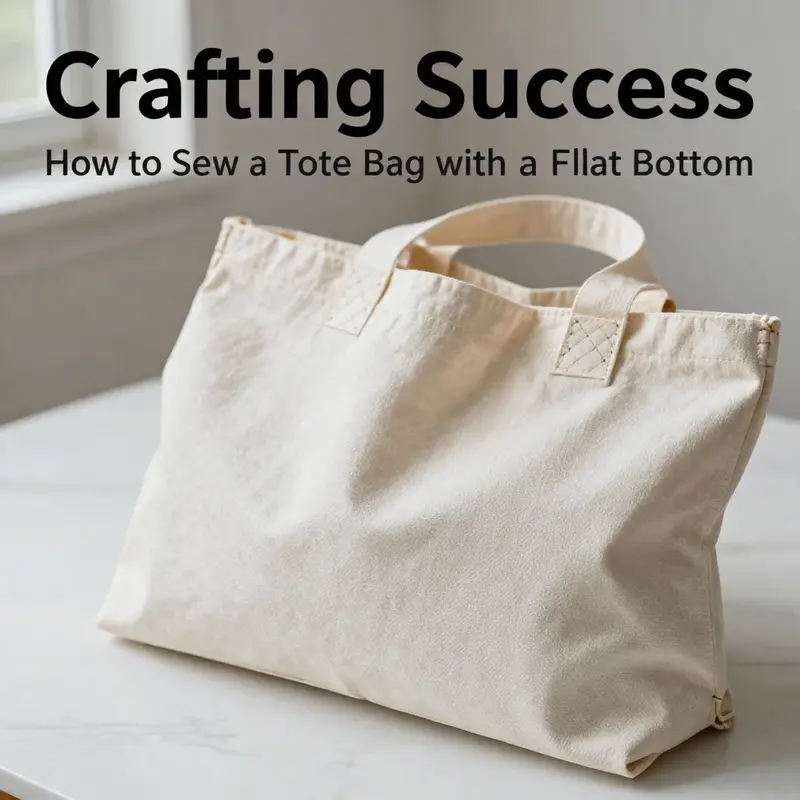
When you finally complete the essential structure of your flat-bottom tote bag, the project truly begins with the finishing touches. These final steps not only complete the construction but add an element of personal style and professional polish that sets your bag apart. Whether you are reinforcing seams for durability, perfecting the neatness of your edges, or exploring creative embellishments, every detail contributes to making your tote bag both robust and beautiful.
The finishing touches start with securing all your stitches. After assembling the bag and attaching the handles, a careful review of each seam is essential. This means going back over the stitched lines and reinforcing any areas that might see extra stress. If your bag will be used for heavy loads or daily commuting, extra attention to the bottom seam and the junction where the handles meet the body is critical. It is advisable to double-stitch and backstitch, ensuring that each seam is secure. By meticulously inspecting these details, you safeguard against the seams splitting over time, which preserves both the structural integrity and the aesthetics of the bag.
A particular area of focus is the base of the bag. One of the distinct advantages of a flat-bottom tote bag is its ability to stand upright, and this is largely a result of the careful construction of the bottom seam. Once the base of the bag has been sewn into a sturdy triangle, you can further enhance the shape by pressing it evenly and adding a second line of stitching if desired. A smooth, reinforced bottom not only looks professional but also ensures that the bag remains self-supporting even when it’s filled with everyday essentials. Consider applying a light fusible interfacing or additional fabric glue to the underside of the seam for an even more rigid finish without compromising flexibility.
In the same vein, attention must be given to the raw edges. After trimming any excess fabric, fold the top edges inward to create a clean finish. This neat top turned edge allows for a discreet yet secure hand-sewn, or machine-sewn, border that hides loose threads and minimizes fraying. This step may seem minor, but it highlights the care taken in every aspect of the production and ensures that the bag looks as professional as it feels. For many, the satisfaction of a well-finished edge transcends any flaws that might arise from imperfect stitching during the initial assembly.
Another dimension to the finishing touches involves the incorporation of decorative elements that personalize your tote bag. Even if the primary design is minimalistic, embellishments such as hand embroidery, fabric paint, or appliques can transform an everyday bag into a statement piece. For those who enjoy adding a personal touch without overcomplicating the construction process, hand embroidery is often an accessible yet creative option. By choosing a design that resonates with your personality or style, you transform a practical accessory into an item that expresses individuality and flair. When embroidering, start with simple patterns that follow the natural curves of your bag, perhaps accentuating the rounded corners of the flat bottom or the straight lines of the reinforced edges, thereby blending function with finesse.
Exploring creative options does not require professional tools alone. For instance, you can experiment with different embroidery techniques that do not necessarily require a sewing machine. A guide that explains how to personalize a plain tote bag with embroidery highlights that even novices can achieve artistic results with a bit of practice and some designated materials. Whether you choose to incorporate subtle details like small floral patterns or bold geometric shapes, the process of adding hand-stitched embellishments can increase the tactile interest and visual appeal of your tote bag. Not only do these details enhance the bag’s appearance, but they also add an element of uniqueness that mass-produced accessories often lack.
It is also important to discuss the importance of properly hiding and finishing all excess threads. After sewing the edges, take the time to inspect every corner for stray threads or uneven lines that might detract from the overall finish of your bag. Pull these loose ends underneath or secure them with a few additional stitches, thereby ensuring a clean and refined appearance. Occasionally, you may find that even a well-stitched seam requires a final press, or even an additional spray of water for steam pressing, to truly settle the fabric into a crisp, professional look. Using a high-quality iron with an appropriate heat setting for your fabric type can be the difference between a good finish and a superb finish.
While the focus here is on functionality and durability, the opportunity to add subtle decorative touches should not be underestimated. Many enthusiasts choose to further enhance the structure of a bag with additional interior or exterior pockets. These pockets might not add directly to the primary strength of the bag, but they do improve the user experience by offering designated spaces for items like keys, pens, or even a phone. In a well-planned design, these pockets can be positioned so that they complement the overall aesthetics while also ensuring that the functionality of the bag is maintained. For instance, narrow side pockets not only serve as places to store small items, but they also help in maintaining the bag’s shape by adding additional seams in otherwise flat areas. This thoughtful addition can transform a simple bag into a versatile accessory that matches both style and practicality.
Reflect on the transformation that these finishing touches bring to an otherwise straightforward sewing project. The process is not unlike the final strokes of a painting; every detail, from the reinforcement of the stitches to the embellishment of the exterior, contributes to the final, impressive product. Imagine the satisfaction when not only does your tote bag stand up well under the strain of daily use, but it also tells a story of craftsmanship and attention to detail. This story becomes a marker of pride and a testament to the care put into creating something from raw fabric that is both a functional accessory and a canvas for self-expression.
Beyond just the physical construction, the finishing touches also encompass the overall presentation of your tote bag. It is often recommended to give your newly sewn item a final inspection after every component has been assembled. Try placing your bag on a flat surface to test its stability, then gently tug on various parts to ensure that the handles, seams, and decorative elements are securely attached. At times, you might realize that certain areas could benefit from an extra touch of glue or an additional row of stitching. Taking these extra few minutes to refine each element considerably boosts the durability and appeal of your bag.
The addition of a visible external flair, like a subtle patch or a tastefully embroidered logo, speaks to the idea that functionality and art can coexist harmoniously. This is especially pertinent for those who choose to experiment with embroidery. You may find inspiration from various sources and even decide to integrate themes that enhance the overall style of the bag. Experiment with different stitches and thread colors until you feel a resonance with your creative vision. Sometimes, the simplest design choices, like a single line of contrasting thread along the edge, can elevate the overall impact of the bag. Such intentional detailing exemplifies how every stitch counts, and every decorative element enhances the bag’s uniqueness.
It is also worth considering how the finishing process might differ based on the materials used. For instance, working with sturdier fabrics like denim or canvas may require a slightly different approach compared to softer cottons. In robust fabrics, the focus tends to shift more toward maintaining symmetry and ensuring that all reinforcements are evenly applied. In contrast, softer fabrics might demand additional interfacing or even the use of stabilizers to keep the shape intact without sacrificing the fluidity of the material. In either situation, the adherence to systematic finishing techniques and a deliberate approach to detail will lead to a superior outcome.
During these final stages, many creators also take the opportunity to reflect on the journey that the bag has taken—from a simple idea to a fully functional accessory. Each step along the way is a learning experience, offering insights into the nuances of fabric behavior, the importance of precision in sewing, and the creative possibilities that lie in customization. This reflective process is intrinsic to the craft, and it often inspires further modifications or future projects. Perhaps your current tote bag will eventually evolve into a signature design, inspiring new variations or even leading to innovative techniques in mesh and pattern creation. Your work will not only serve as a practical accessory but also as a portfolio piece that demonstrates your growth as a maker.
For those who have yet to embrace these finishing touches, it might be comforting to know that every error or misaligned stitch is an opportunity to refine your technique. The journey of sewing a tote bag is as much about the process as it is about the end product. Repeated practice hones the mind, develops a keen eye for detail, and ultimately results in a more sophisticated and personalized product. The invitation to experiment with novel techniques like hand embroidery or decorative patchwork is an encouragement to transform a functional item into a piece of art. Those who have mastered these techniques find that their bags not only serve their everyday practical needs but also act as conversation pieces that reflect individuality and a passion for handcrafted quality.
In this pursuit of perfection, the final touches are both a celebration and a culmination of your efforts. Once every seam is secured and every decorative element has found its place, you stand back and admire a project that is uniquely yours. A bag that started as fabric and thread has now become a reflection of creativity, precision, and dedication to a craft that balances simplicity with sophistication. For instance, if you have ever wanted to explore the variety of designs available, you might even take a moment to check out a curated collection of high-quality tote designs. You can even learn more about similar projects by exploring insights and inspirations at this resource, where you can also find inspiration for different fabric choices and accessory pairings explore a collection of versatile canvas tote bags.
Finally, as you complete your project, remember that the art of sewing is never truly finished. The finishing touches on your tote bag mark a pause in the creative journey—a moment to appreciate every stitch and every thoughtful detail. The techniques you have learned and applied today will serve as the foundation for many more projects in the future. With each new bag, you will approach the finishing stage with increased confidence and a sharper eye for precision, always pushing the boundaries of craftsmanship. The joy of seeing a piece evolve from a simple piece of fabric into a steadfast accessory is a rewarding experience that only grows richer with time.
For further insights on how to personalize your creation without relying solely on a sewing machine, consider reviewing the comprehensive guide available at How To Personalize A Plain Tote Bag With Embroidery Without A Sewing Machine. This additional resource offers alternative techniques that complement the processes discussed here, ensuring that every artisan finds exactly the right finishing touches for their flat-bottom tote bag masterpiece.
Elevating Your Flat-Bottom Tote Bag: Enhancing Functionality and Style Through Optional Features
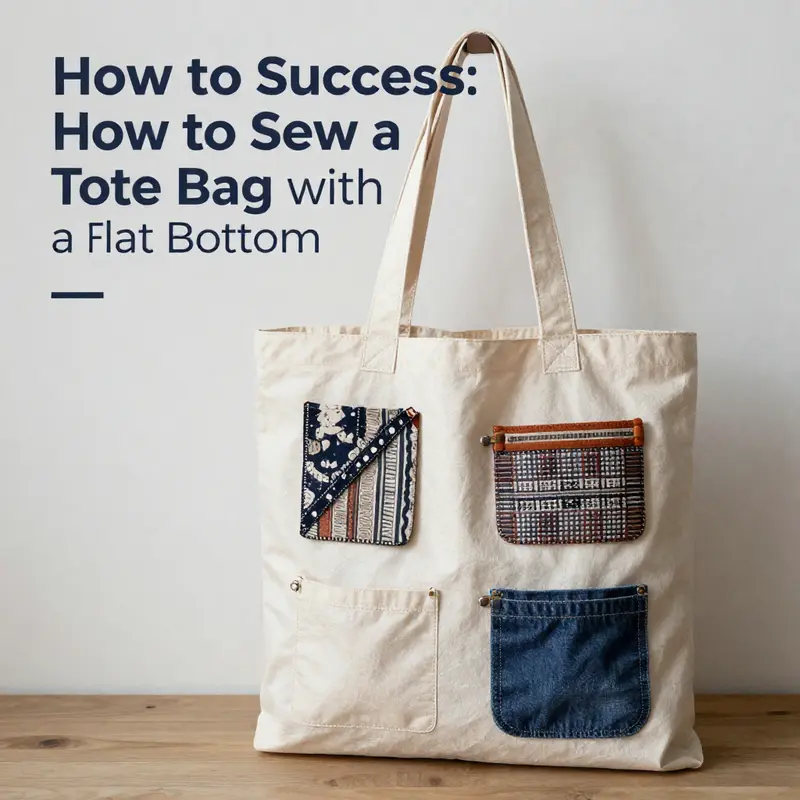
When considering the art of sewing a tote bag with a flat bottom, many makers find that the incorporation of optional features can transform a simple accessory into a personalized statement piece. Adding details like an internal pocket, reinforced stitching, clever closure options, vivid contrast lining, and decorative embellishments not only strengthens the bag’s functionality but also elevates its aesthetic appeal. These enhancements, while optional, invite creative expression and serve as opportunities to tailor the tote to specific needs and style preferences.
Choosing to incorporate a sturdy internal pocket is one of the first optional upgrades to consider. The pocket, whether lined or left unlined, provides a secure home for everyday essentials such as keys, cards, or small personal items. Strategically positioning an internal pocket can lead to a dramatic improvement in convenience as you no longer have to search through the entire tote for necessary items. Beyond functionality, a pocket carefully sewn into the interior can also contribute to a clean silhouette when the bag is in use. The decision between a minimalistic design and a more structured one with a pocket depends on the intended use of the tote and the amount of storage needed. This feature is particularly attractive for those who appreciate combining practicality with style, ensuring that small items remain organized and easily accessible throughout the day.
Another enhancement that many sewists appreciate is the notion of reinforced stitching. When the tote bag is designed to carry heavier items, investing extra time in double-stitching or employing additional seam reinforcements can significantly boost the durability of the completed bag. By focusing on key areas, such as the base and the handle attachment points, you prevent undue stress and wear during repeated use. In this process, the method of backstitching at both the beginning and end of seams becomes an essential step. Not only does this precaution ensure that the bag withstands the rigors of everyday activities, but it also conveys a sense of quality craftsmanship that distinguishes a homemade bag from its store-bought counterparts. Elements like these are not mere afterthoughts; they reflect a commitment to longevity and resilience in a world where accessories are often subject to daily challenges.
Closure options serve as another layer of thoughtful design that can enhance both security and visual structure. While an open-top tote bag might exude a relaxed charm, adding a closure such as a zipper or a button can lend the design a more refined appearance. The presence of a closure also safeguards the bag’s contents, an especially welcome feature for those utilizing the tote for work items or personal belongings that demand extra vigilance. For example, a zipper closure can be incorporated by sewing a neat channel along the top edge of the bag before fitting a zipper that runs its full length. This additional step not only curbs the risk of items tumbling out unexpectedly but also contributes to a sleek profile. If you wish to explore more ideas and inspirations related to secure closures, you might consider checking out how many designers integrate zippers into their tote bag designs, providing a modern twist on a classic accessory.
Beyond the structural components, visual interest and additional functionality can be achieved by utilizing a contrast-colored lining. A lining that deliberately contrasts with the exterior fabric adds an unexpected burst of color and texture that is both pleasing to the eye and practical. This detail is particularly advantageous when seeking to locate misplaced items within the bag; a vivid interior can make small details stand out and assist in organizing daily essentials. The contrasting lining may be achieved by selecting a fabric that complements the primary material while offering a stark difference that enhances clarity. For instance, a tote crafted from muted tones can be dramatically enlivened with a bright, patterned lining, thus melding practicality with artistic decisiveness. The choice of lining fabric further offers an opportunity to experiment with textures and prints, inviting makers to explore combinations that reflect their personality.
Another avenue for personalization lies in the realm of decorative elements. For many crafting enthusiasts, the process of sewing is not solely about utility but also about expression. Whether you choose to add intricate embroidery, sew on patches, or even incorporate fabric paint, these decorative options allow you to transform an everyday bag into a one-of-a-kind accessory. Embroidery, for example, can be used to craft beautiful patterns or even include personal initials that cement the bag’s individuality. The delicate placement of patches, whether vintage-inspired or modern in design, can add another dimension to the tote’s appearance. Such touches not only enhance the bag’s visual appeal but also create opportunities for storytelling—each decorative choice can represent personal milestones, passions, or even cultural roots. As you experiment with these elements, consider how each addition reflects a broader narrative of personal style and creative ingenuity. The effort invested in these details rewards you with an object that is both functionally robust and visually unique.
Incorporating these feature enhancements does require some forethought regarding the overall design. The success of each optional element lies in its harmonious integration with the bag’s structure. For instance, when adding an internal pocket, one must ensure it does not interfere with the bag’s flat-bottom construction. This involves careful planning and precise measurements during the pattern layout phase. Instead of approaching the design haphazardly, experienced sewists often adopt a method that layers these features seamlessly into the overall plan. The result is a tote bag that benefits from improved organization and strength without sacrificing the clean lines that give the flat bottom its characteristic stability.
The importance of detailed planning extends further when reinforcing stitching. Thoughtful consideration is essential in determining where additional stitches will be placed. For example, extra stitching concentrated around the handles and base not only secures areas that are prone to downward stress but also creates a visual emphasis that speaks to the bag’s intentional design. Such details remind the user of the care that went into crafting every seam. Even if you are not incorporating extra reinforcements throughout every inch of the bag, focused reinforcement in high-stress zones ensures a smooth balance between durability and aesthetics. This approach is particularly relevant for those planning to use the tote bag as a work or travel accessory, where both form and function must coexist harmoniously over extended periods of use.
Closure options require a similarly meticulous mindset. Integrating a zipper, for example, demands careful attention to the alignment and tension of the fabric edges. A zipper, while inherently a functional accessory, must be sewn in a manner that feels integral to the overall design. Achieving an even stitch line along the top edge and ensuring that the zipper operates smoothly requires both patience and precision. The added step of marking the fabric before sewing the closure option can prevent misalignment and eliminate potential frustration during the assembly process. For makers who prefer a slightly less technical approach, a button closure might serve as an alternative, one that can be gracefully integrated into the decorative surface of the bag. Each method has its merits, and the decision should align with the intended use of the bag and the skill level of the creator.
Not to be overlooked is the impact of a sharp, contrast-colored lining. The interior lining is more than a hidden detail; it plays an active role in defining the bag’s character. By selecting a lining that contrasts with the outer fabric, you create a delightful surprise each time the bag is opened. This intentional choice not only contributes to the bag’s overall durability—by protecting the seams from wear—but also serves as a canvas upon which additional decorative elements can be showcased. The process of selecting and applying a contrasting lining involves careful coordination of colors and textures. A well-chosen lining will make the entire bag come alive, providing a vibrant backdrop for items stored within and ensuring that no detail feels superfluous. In many ways, it is the secret ingredient that bridges the gap between a simple construction project and an expressive act of design.
Decorative enhancements such as embroidery, patches, or fabric paint can be interwoven with the practical aspects of the tote bag construction. These options open up a world of creative possibilities from which every maker can draw inspiration. The act of incorporating decorative details can be approached in a manner that complements the bag’s natural lines rather than distracts from them. For example, subtle embroidery along the seams or a tasteful patch placed at a discreet location can serve as a personal stamp of identity. Such decisions often come down to personal taste—some may prefer bold, statement-making designs, while others favor a more understated aesthetic. Regardless of the approach, the objective remains the same: to infuse the bag with a sense of individuality that reflects the maker’s vision and attention to detail. A tote bag that incorporates decorative touches becomes far more than just a functional accessory; it evolves into an extension of the wearer’s personality and artistic flair.
In the realm of crafting, the process of integrating these optional features is both methodical and inspired. The journey from a simple, flat-bottom tote to a fully customized accessory is intertwined with decisions that balance practicality with creativity. Each element—be it an internal pocket, reinforced stitching, an inventive closure, a striking contrast lining, or decorative accents—requires careful planning and precise execution. As you work each feature into the design, you naturally begin to understand the interplay between technical skill and artistic expression. The effort invested in these details is ultimately reflected in the finished product, which stands out not only for its utility but for the passion and care that went into its creation.
Of course, no single enhancement works in isolation. The true success of adding optional features lies in how they collectively contribute to a unified vision. An internal pocket is most effective when paired with sturdy reinforcement that accommodates extra weight; a closure mechanism gains aesthetic appeal when the lining inside pops with contrasting color; and decorative elements reach their full potential when they echo the design’s overall tone. When viewed together, these features coalesce into a holistic upgrade that transforms not only the look but also the life of your tote bag. The process is a lesson in compromise and creativity—a balance between maintaining the bag’s functional integrity and allowing room for innovative individuality.
For many enthusiasts, this creative journey becomes a form of self-expression. Every stitch, every choice of fabric, every detailed add-on is reflective of a broader narrative about personal style and practical needs. As you sew, you’re not simply constructing a bag; you’re crafting an item that will travel with you, undoubtedly witnessing day-to-day adventures and serving as an emblem of your dedication to quality handiwork. The bag, once completed, stands as a tangible reminder of the successful melding of function with creativity—a piece that resonates with those who value both craftsmanship and beautiful design.
It is important to note that the integration of these optional features should be gradually approached, particularly for those who are new to sewing projects of this complexity. Beginning with simpler upgrades, such as adding an internal pocket or opting for reinforced stitching, can build the confidence needed to venture into more advanced customization, like intricate embroidery or integrated zipper closures. The satisfaction of completing these steps one by one fosters a sense of achievement and encourages experimentation with additional features over time. As your skills evolve, so too can your designs, leading to an ever-growing portfolio of bespoke tote bags tailored to a variety of uses and tastes.
For further insights on tailoring your tote bag with multiple functional enhancements and exploring a range of creative techniques, resources such as the comprehensive tutorial available on Instructables serve as valuable guides. This external resource, found at Instructables – How to Make a Tote Bag with a Flat Bottom and Pocket, provides detailed instructions and visual prompts that can help you refine your skills and perfect your design. By combining these expert insights with your own evolving techniques, you are well-equipped to elevate an everyday tote bag into a signature piece that truly reflects your vision.
In summary, the optional features discussed in this chapter are not mere add-ons—they are integral components that pave the way from ordinary to extraordinary in the realm of tote bag design. By carefully selecting and integrating each element, you transform the bag into a practical companion that is as resilient as it is stylish. Every stitch, every decorative choice, and every functional addition weaves together into a narrative of thoughtful design and personal expression. Whether you are enhancing the bag’s ability to hold heavier loads through reinforced stitching, ensuring the security of your valuables with a reliable closure, or imparting a burst of personality with decorative accents, each element showcases the attentive care that defines quality craftsmanship in tote bag creation.
Final thoughts
Sewing a tote bag with a flat bottom offers business owners a wonderful opportunity to creatively express their brand while providing customers with a practical solution. Each step, from gathering materials to adding optional features, plays a vital role in ensuring the final product is both functional and stylish. By investing time in each phase of the crafting process, businesses can create high-quality products that enhance customer loyalty and reflect their unique aesthetic.