

In the competitive landscape of modern business, the accessories you choose project professionalism and personal style. Dooney & Bourke tote bags stand out as a premier option for professionals seeking quality and utility. This article explores the craftsmanship behind Dooney & Bourke totes, their thoughtful design features, customization options, and how they marry fashion with function.
Craft and Character: How Dooney & Bourke Totes Are Made to Last
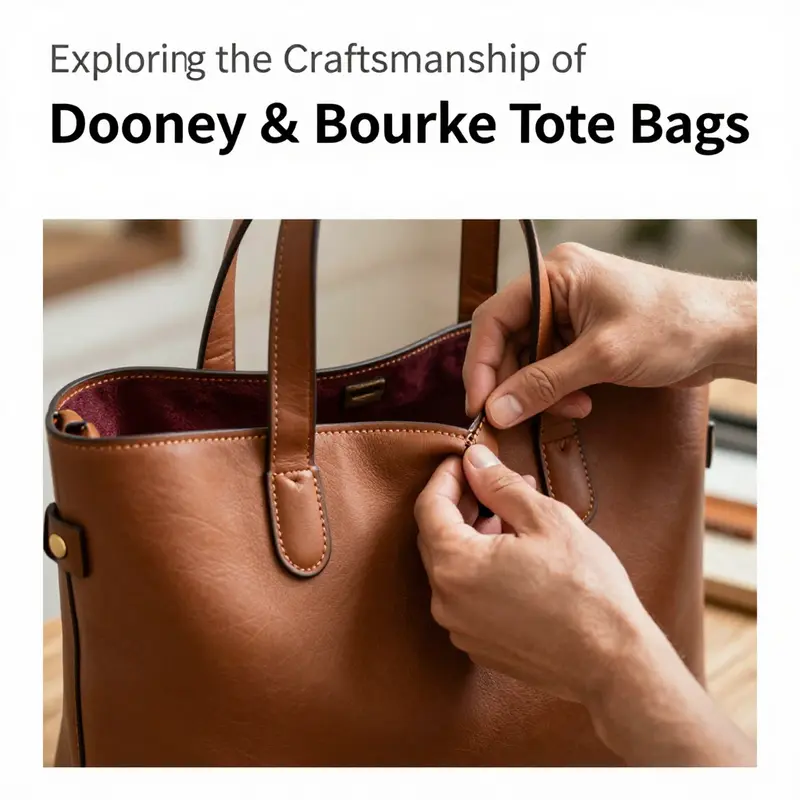
Dooney & Bourke tote bags show how thoughtful design and careful material choices create lasting value. Each tote begins with selection. Skilled buyers look for hides with tight grain and even dye. The brand favors Italian leathers known for depth and hand. These skins bring a balance of suppleness and strength. That balance matters for everyday use.
From the first cut to the final stitch, the process emphasizes durability. Panels are laid out to maximize grain continuity. Edges receive multiple passes of finishing, so trim resists fraying. Handles and straps get reinforced stitching and often a hidden core for structure. Hardware is chosen to match the leather’s tone and weight. Zippers slide smoothly because they are tested. Rivets and reinforcements sit where stress concentrates, such as base corners and handle attachments. Small details like these add years to a bag’s life.
Aesthetics and utility are woven together. The surface texture of pebble grain leather, for example, hides scuffs. That texture also adds visual depth without extra weight. Lighter canvases are used in other styles to reduce bulk while keeping the silhouette refined. When canvas meets leather trim, the result feels purposeful. The contrast highlights workmanship at each seam.
Interior design receives equal attention. Large, open compartments allow for flexible packing. Zip-secured sections protect valuables. Slip pockets and divided organizers make daily items easy to find. Some models include devoted sleeves for electronics. The pockets are stitched to resist sag over time. Lining fabrics are chosen for abrasion resistance, and seams are bound to prevent fraying. This internal architecture keeps a tote useful long after trends pass.
Brand cues are subtle but intentional. A small emblem or stamped logo signals provenance. These touches act as a signature, not a billboard. They remind users of the product’s lineage while letting the material and shape speak first.
Material variety supports different lifestyles. Full-grain Italian leather offers a rich patina. Vegetable-tanned trims develop a warm sheen with age. Embossed pebble grains conceal surface wear and suit active users. Heavy-duty woven cottons combine breathability with toughness for casual carry. Each option answers a common need: longevity without sacrificing style.
Finishing techniques make a practical difference. Edges are sealed and burnished to resist moisture. Stitching is often doubled where stress is highest. Linings are reinforced at pocket seams. Hardware is plated to resist tarnish. Even the dyes matter; stable dyes reduce color transfer to clothing. The sum of these choices yields bags that perform on rainy commutes, in crowded transit, and on weekend trips.
Beyond raw materials, human skill remains crucial. Craftspeople match grain patterns for symmetry. They hand-burnish complex edges. They install hardware so that the stress is shared across multiple layers of leather. Quality control picks up issues invisible to automated lines. This attention reduces defects and increases longevity. When repairs are needed, well-constructed pieces respond better to repair work. A reinforced handle can be restitched for years of continued use.
Functionality and style coexist without compromise. A tote designed for work must hold documents and a laptop. It must close securely and still look polished. A travel tote must be roomy enough for essentials but not cumbersome. Designers strike this balance through measured proportions. They refine strap length for shoulder comfort. They choose zipper placement to protect contents while allowing quick access. The result is a versatile object that adapts to multiple roles.
Personalization options add another layer of meaning. Metal tags and charms can be attached to tell a story. Subtle personalization does not alter construction but increases the emotional value of the bag. A bag that feels personally meaningful is more likely to be cared for and kept longer.
The brand also makes choices that affect accessibility. Seasonal promotions and sales occasionally reduce the price barrier for those who want the craftsmanship. These events can introduce new owners to the brand’s approach. Still, the core appeal remains the same: a thoughtfully built bag that rewards long-term use.
Caring for these materials is straightforward but important. Regular cleaning with a soft cloth removes surface dirt. Leather conditioners replenish natural oils and prevent stiffening. Canvas sections can be spot-cleaned with mild soap. Always test a small area first. Avoid prolonged exposure to direct sunlight and heat, which can dry leather. Store a tote loosely stuffed to preserve shape. Use a breathable dust bag for long-term storage. Minor scratches on full-grain leather often fade with gentle rubbing and conditioning. These simple steps extend the life of a bag while preserving its character.
Knowing what to look for when buying helps ensure satisfaction. Inspect stitching for evenness and secure knots. Check hardware for solid attachment and smooth operation. Feel the leather for consistent hand and thickness. Examine the lining and internal seams for reinforcement. Run zippers up and down to test alignment. Open and close pockets to ensure they lie flat. These checks reveal whether a tote is built to endure.
Longevity also ties to sustainability. A well-made bag reduces the need for frequent replacements. Choosing durable materials and repairable construction supports a slower consumption model. When a tote ages, its patina often becomes part of its appeal. That aging process rewards care and reuse.
Totes from this tradition suit a range of users. A professional finds neat organization and subtle polish. A parent appreciates roomy interiors and easy-clean fabrics. A traveler values secure compartments and durable bases. The same qualities that make a tote reliable—structured build, reinforced stress points, and thoughtful pockets—also support changing needs over time.
Ultimately, the appeal of these totes lies in how the material choices, construction techniques, and small design decisions work together. The leather, the stitching, the hardware, and the interior layout each contribute to a coherent whole. A tote that looks classic and holds up to daily life reflects a design philosophy that balances beauty and use. That balance is why many owners form strong attachments to their bags.
For a closer look at specific models and their construction highlights, see the dooney and bourke tote bag overview. To explore the full collection and see current offerings, visit the brand’s official tote selection: https://www.dooneyandbourke.com/collections/tote-bags
The Quiet Mechanics of a Timeless Tote: Functional Design for Everyday Carry

A tote is more than a surface of color and texture. It is a tool built for daily rhythm, a trusted companion that absorbs the cadence of work, travel, and personal errands without demanding constant adjustment. In the lineage of refined carryalls, the most enduring designs are defined less by shouting features and more by quiet, precise choices. The best totes fuse form and function so seamlessly that their value becomes invisible in the moment and undeniable in retrospect. The design philosophy behind this class of bags rests on a handful of core decisions: generous interior space, reliable closure, thoughtful organization, durable materials, carefully reinforced trim, and carrying options that adapt to a wearer’s pace.
When these elements are aligned, a tote stops being a mere container and becomes a durable extension of daily life, capable of carrying everything needed for a day in the city, a long flight, or a spontaneous weekend away.
The interior layout of a well conceived tote is a study in practical psychology. It begins with capacity that accommodates the everyday chaos without turning the bag into a bottomless pit. A realistic tote will absorb laptops, notebooks, tablets, chargers, a water bottle, and a planner, along with the smaller items that gather like coins and keys. The goal is not just room but order. To achieve that, interior compartments and pockets are arranged to separate items by use and frequency. A dedicated sleeve keeps a device secure and easy to lift for security checks or quick meetings, while zipped pockets guard valuables and patches of fabric on the lining signal zones for different categories of items. There is a logic to the placement of each pocket: frequently accessed items rise to a readily reachable pocket near the top, while tasks that require safety, such as keys or a passport, nest in secure, zipped compartments. The result is a tote that invites you to reach in with confidence rather than pause to hunt.
Security in a tote is not a single feature but a constellation of choices that work together. The closure must be reliable enough to withstand the hustle of crowded streets or the shifting weight of luggage during travel. A sturdy zipper, with a smooth glide and durable teeth, closes with a controlled motion that feels reassuring rather than labored. The hardware surrounding the zipper—sturdy sliders, solid pulls, and reinforced seams—contributes to a sense of security that becomes almost intuitive over time. This confidence translates into everyday wear: you move through a terminal, a conference floor, or a coffee shop line, and the bag simply holds its place, protecting the contents from jostles and inadvertent openings. The balance of zipper reliability and accessible interior organization is what distinguishes a functional tote from a decorative one, especially when the bag is used across long commutes and varied climates.
Durability is not a single material choice but a conversation between fabric, hide, and trim. The most lasting totes in this category lean on premium materials that resist the mars of daily use while aging gracefully. Rich Italian leather serves as a strong backbone, chosen for its natural strength, pliability, and the way it softens with time to develop a unique patina. A leather exterior may harmonize with a textured surface that masks minor scuffs, inviting a level of practicality without sacrificing elegance. When leather meets fabric, like a canvas or a woven textile, the interaction must feel seamless—an extension of durability rather than a clash of textures. The end result is a bag that remains upright and maintains its silhouette as weight shifts, contents move, and the season changes.
Trim and reinforcement are the unsung heroes of longevity. Stress points—the corners where a bag routinely rests on a chair, or the edges where handles or straps join the body—need reinforced seams and durable edging. Leather trim that lines these areas protects against wear and tear while also elevating the bag’s tactile and visual appeal. The trim’s role is double: to resist abrasion and to maintain a smooth, refined outline even after months of use. With such reinforcement, the tote keeps its shape, and the interplay of light on leather surfaces continues to convey sophistication rather than evidence of hardship. The aesthetic then becomes a function of resilience; the more the bag endures, the more its appearance communicates the confidence of its maker and the wearer alike.
Carrying options are the often overlooked hinge that allows a tote to adapt to different activities. A well rounded tote offers more than a single strap length. It provides versatility in how it is carried, whether over the shoulder for long commutes, under the arm for quick errands, or crossbody for travel and hands-free moments. The strap design matters: width that disperses weight evenly, a comfortable drop that sits at the right level, and adjustability that accommodates different heights and outfits. Even the hardware, from rings to clasps, plays a role by offering durability with a light touch of ease. The goal is to empower the wearer to switch modes without thinking, to make the choice between a single-shoulder carry and a crossbody feel natural in the moment rather than a procedural decision.
The balance of aesthetics and utility is the essence of timeless design. A tote may be available in multiple finishes and hues, but the enduring appeal lies in how these choices intersect with daily needs. The exterior should reflect quality at a glance—clean lines, a restrained emblem, and a silhouette that holds its form. Yet beneath that exterior, the structures work in harmony to handle the ordinary and the extraordinary. An iPad tucked beside a notebook should not strain the zipper; a travel plan and a water bottle should feel equally at home within the same chamber. Patience and care are evident in these overlaps: the leather, the canvas, or the coated fabric all wear gently over time, revealing a story in the material’s subtle color shifts and the way the grain or weave catches the light. It is a quiet celebration of durability and taste, when the bag remains faithful to its purpose while aging with purpose.
Maintenance and care enter this conversation not as burdens but as a way to preserve function and beauty. Leather that carries a daily load benefits from a simple regimen that keeps it supple and resistant to dryness or cracking. Wipe with a soft cloth, condition periodically, and avoid exposure to harsh weather that could dry or irritate the surface. The interior, protected by a well-fitting lining and discrete pockets, is easier to maintain if the layout minimizes abrasion and friction between items. A bag that organizes itself around the realities of daily life reduces the need for constant cleaning and helps keep the hardware and zippers in working order. The practical demands of use, when met with thoughtful maintenance, translate into years of reliable service, turning a tote from a transient accessory into a trusted companion that travels well and ages gracefully.
This discussion of functional design is not just a meditation on materials and compartments; it is a reflection on how a bag becomes a partner in daily routines. The choice of premium hides and durable fabrics signals a belief that the bag will be with you through many seasons, carrying the tools that enable your work, your learning, and your leisure. The design strategy favors clarity over clutter. It aims to reduce decision fatigue by presenting a calm, organized space in which every item has a purpose and a place. In this sense, the tote is less about making a statement and more about enabling daily performance. The result is a quietly confident accessory that remains refined in transit, stores the essentials securely, and supports a life lived with intention.
For readers seeking a concise sense of how a tote in this class approaches organization and usability, a focused overview of one representative option can be found here: dooney-and-bourke-tote-bag. This link offers a snapshot of how interior geometry, exterior durability, and carrying versatility converge to create a tool that is equally suited to the commute, the classroom, and the weekend away. The discussion here remains intentionally broad, emphasizing the principles that govern many carefully engineered totes: space that accommodates multiple roles, closure that protects what matters, pockets that reduce chaos, materials that endure, trim that sustains, and straps that adapt to how you move. When these elements align, the bag exceeds its function as a mere container. It becomes a dependable partner whose presence feels both reassuring and appropriate for a life that requires both practicality and polish.
As the concept of a tote evolves, design choices persist as constants: durability, ease of use, and a restrained elegance that makes no compromise on function. In a world where pace and variety define daily life, a bag that delivers on these promises becomes more than an accessory. It becomes a companion that supports professional emergence and personal exploration alike. The best iterations of this category resist trendiness, choosing instead to invest in components that endure—from the quality of the leather with its evolving patina to the careful attention paid to pockets, closures, and straps. The result is a tote that remains relevant across seasons, a reliable frame for routine, and an ally in the journey of everyday carry.
External readers who want to situate this discussion within a broader market context can consult a complementary resource on the wider tote landscape, such as a listing that compiles a range of carryalls for comparison. For a broader look at market variants and consumer-choice considerations, see the external resource here: https://www.amazon.com/Dooney-Bourke-Tote-Bags/dp/B08T3ZQ1VY
Beyond the Classic Tote: Promotions, Personalization, and the Dooney & Bourke Experience

The tote bag has long stood as a quiet hallmark of everyday sophistication, a piece that travels with the wearer from morning commutes to weekend explorations and back again. When a brand earns a reputation for refined materials and enduring design, the value of its pieces often extends beyond the initial purchase. In the case of the Dooney & Bourke tote, that value is measured not only in the tactile authority of Italian leather or the disciplined lines of canvas trims but also in how a customer can access thoughtful promotions and, increasingly, ways to tailor a bag to a personal sense of style. What unfolds is a narrative about more than a bag; it is about an experience that blends quality craft with practical incentives, a balance that speaks to practical buyers who want something reliable and enduring without sacrificing a sense of individuality.
From the outset, a Dooney & Bourke tote signals a commitment to material excellence. The brand’s use of top-tier Italian leather and carefully chosen canvases frames a story of longevity and aesthetic restraint. The appeal is not flashy ostentation but a mature, timeless look that pairs well with both a daily office routine and the lighter tempo of travel. The materials speak with a quiet confidence; their texture, weight, and finish carry an assurance that a tote in hand will aging gracefully rather than showing the quick signs of wear. This foundation makes the subject of promotions and customization feel less like a bargain hunt and more like a curated opportunity to extend that reliability to a life stage or hobby that feels personal. A shopper can explore the broader range of totes and grasp how the brand’s design language translates into practical daily use while keeping an eye on potential upgrades that suit evolving needs.
Promotions in this space follow a pattern that is predictable enough to be trusted and flexible enough to capture the excitement of a good deal. While the specifics shift with season and retailer, the underlying principle remains clear: genuine savings can exist alongside genuine quality. Discounts in the realm of sixty percent off have appeared on select styles during major promotional windows, and these reductions are not mere price cuts. They reflect the broader strategy of making a timeless tote accessible to a wider audience who values craftsmanship and practicality in equal measure. The breadth of these promotions is not confined to a single channel; a wide array of retailers curates a dynamic selection, with platforms hosting a range of styles at discounted prices. The effect is a marketplace where a shopper can compare looks and weights of materials, assess interior organization and closure mechanisms, and feel confident about the core value proposition as the price comes down.
What makes this environment especially compelling is the balance between savings and service. Even as prices drop, the promise of dependable returns and shipping policies remains intact. Free shipping and straightforward, no-questions-asked return options are commonly highlighted as part of a compelling deal structure. This alignment matters—buyers often want assurance that a significant investment in a well-made tote is reversible if expectations do not align with reality. The combination of durable construction and flexible purchasing terms creates a purchasing mindset that emphasizes long-term satisfaction. In this context, a shopper is choosing not just a bag but a durable companion for daily life, a piece that can weather the minor rituals of day-to-day wear and the occasional, more challenging journey.
The merchandising language that accompanies these promotions tends to emphasize accessibility without diluting prestige. The messaging invites consumers to think about how a tote’s fabric choices, stitching quality, and edge finishes will age with character. That aging process is not something to fear; it is an expected part of the bag’s story, a narrative that can be read in the patina of leather or the softened texture of canvas after repeated use. This perspective fosters a thoughtful approach to buying. Rather than chasing transient trends, shoppers are encouraged to consider how a bag’s built-in capacity, internal organization pockets, and secure closures align with their day-to-day routines. In other words, the value proposition is not a fleeting discount alone but a coherent commitment to utility and style over time.
Customization options, while not always described with the same granularity as the core materials, occupy a meaningful place in the Dooney & Bourke tote conversation. The brand has long been associated with its careful craft and its ability to adapt a bag’s appearance to the buyer’s preferences through personalization. For some customers, this can mean a discreet touch that adds a sense of ownership—the ability to add initials or a small, tasteful engraving—without compromising the bag’s clean lines or structural integrity. For others, customization may take the form of selecting finishes that highlight different facets of the leather or trim, allowing the tote to echo a particular wardrobe or a personal collection of accessories. The practical takeaway is that customization is a bridge between the bag’s time-tested design language and the wearer’s life, enabling a sense of exclusivity without turning a tote into a one-off that cannot be relied upon for everyday use.
In the broader spectrum of customization, material choices themselves become a vehicle for personalization. The canvas collection, for example, shows a deliberate use of high-grade fabric paired with refined trimming, a combination that speaks to the craft of mixing durability with refined aesthetics. The emphasis on vegetable-tanned leathers for trims and the careful selection of components highlight a philosophy: every choice in the bag’s construction is deliberate, not arbitrary. When combined with the option for personalization, this approach allows a consumer to curate a bag that both looks and feels like it belongs to a unique chapter of their life. The logic is straightforward: quality materials, well-executed construction, and a small, personal flourish come together to create a bag that can adapt across contexts—from a business trip to a weekend escape—without losing its essence.
A quietly powerful aspect of this experience is how the brand communicates its craftsmanship through a narrative of consistency and enduring style. The tote becomes an artifact that can be passed through different stages of life while maintaining its core appeal. This is not simply about a product that lasts; it is about an item that remains relevant because the design language remains uncluttered, the proportions stay balanced, and the internal organization keeps pace with new needs. The tactile experience—the way leather ages, the sense of weight when filled, the confidence of a secure zipper—becomes a part of the story you tell with the bag. In this sense, the tote’s value grows not only as an investment in a physical object but as a daily reminder of reliability and taste that can evolve as life unfolds.
For readers curious about positioning a Dooney & Bourke tote within a broader shopping journey, an accessible resource offers a concise overview of the tote range and how it fits into various wardrobes and duties. The linked guide, presented as a concise entry into the broader lineup of Dooney & Bourke totes, provides a practical way to compare silhouettes, proportions, and interior configurations across the family of totes. This internal reference supports a thoughtful approach to selection—one that weighs both aesthetic preference and functional requirements. You can explore this overview here: dooney-and-bourke-tote-bag.
Beyond the design and the promotions, the purchase experience itself matters. The brand’s approach to customer service, its accessibility through multiple channels, and the perceived openness of its return policies collectively influence how confident a buyer feels when completing a purchase. The nudges toward value are subtle—clear shipping terms, generous return policies, and a straightforward warranty posture—yet they can be decisive when a buyer is choosing between a bag that might endure a busy weekday schedule and another that promises style yet offers less practical reassurance. When the promotions align with the hand’s sense of the bag’s weight and balance, the result is a purchase that feels both smart and satisfying. It is no longer a single moment’s decision but a small ritual of assessment that honors the tote’s long-term role in daily life.
In contemplating customization and price leverage together, a shopper can also consider how the tote’s materials respond to repeated handling. Italian leather, with its natural depth and tone, often develops a patina that signals a bag’s lived-in history. Canvas, on the other hand, gains character through the subtle patina of wear on trim edges and the manner in which it wears over time with daily use. These are not flaws but repositories of memory, and when paired with careful personalization, they translate into a bag that feels distinct to its owner. The balance between price and personal touch becomes a practical philosophy: invest in a high-quality foundation, add personalization where it matters most to you, and select a finish that harmonizes with your own wardrobe and routine. In this way the tote ceases to be merely a vessel for items and becomes a partner in the choreography of everyday life.
As the landscape of offerings continues to evolve, the opportunity to engage with promotions and customization remains a compelling invitation. For shoppers who value the quiet confidence of a well-made bag, these elements together create a richer purchasing experience. It is not about chasing the deepest discount at the cost of longevity, nor is it simply about adding a personal mark that may be less important in the long run. It is about weaving together value, craft, and personalization in a way that supports both daily practicality and a sense of individual style. The result is a tote that earns a place not only in the closet but in the routine, a reliable companion that ages gracefully while still feeling fresh enough to align with changing tastes.
External resources can deepen understanding of the brand’s approach and official expectations around product care, warranty, and customization options. For readers seeking the definitive overview from the source, the brand’s official site provides the most current information on available materials, finishes, and service terms: https://www.dooneyandbourke.com. This channel is the best starting point for anyone who wants to translate the experience described here into a concrete plan for selecting a tote that aligns with personal style, practical needs, and a preference for refined, durable design.
Everyday Elegance: How a Dooney & Bourke Tote Marries Style with Practical Utility

Fashion and Function Woven Together
A well-chosen tote can shape a day. The right one carries essentials and confidence without calling attention to itself. Dooney & Bourke designs aim for that quiet power, blending refined materials with purposeful construction. Leather selected for color depth and grain gives the tote presence. Hardware and stitching complete the portrait of a bag meant to be used, not just admired.
Italian full-grain and pebble-grain leathers are central to that aesthetic. Pebble grain hides small scuffs, so the bag ages without showing every scrape. Full-grain pieces develop a patina that reflects real wear and care. Both approaches reward everyday use. When leather meets thoughtful metalwork, like solid zippers and plated attachments, the bag resists daily stress. Those elements matter when a tote faces the rigors of commuting, air travel, or a hectic errand list.
Designers balance silhouette and space. A tote should hold a laptop, notebook, a water bottle, and a small makeup case without bulging. Internal compartments and pockets create order, preventing the usual bottomless pit problem. Padded sleeves keep electronics secure. Zip closures add privacy and protect contents in transit. External pockets allow easy access to a transit card or phone. These features turn a fashionable accessory into a reliable workhorse for the modern day.
Versatility is built into the profile. Neutral leather tones pair well with tailored suiting and relaxed denim alike. Minimalist logos and restrained hardware keep the tote adaptable across occasions. This makes it simple to move from a morning meeting to an afternoon class and an evening dinner without swapping bags. The capacity to transition—functional inside and poised outside—defines the appeal for many owners.
Materials beyond leather extend utility. Cotton canvas versions, woven in tight weaves and treated for durability, offer lighter options. When canvas is paired with vegetable-tanned leather trim, the result is a bag that breathes and still feels polished. Canvas resists stains differently than leather and often cleans more easily, making it a practical choice for travel or weekend routines. Both fabric choices are selected to withstand repeated handling while maintaining an elevated look.
Small details often reveal long-term thinking. Reinforced handles and strap attachments reduce stress at key points. Interior lining in a contrasting color helps locate items quickly. Metal feet on the base keep leather away from rough surfaces and reduce scuffing. These design choices minimize visible wear while extending service life. When a tote is used daily, such reinforcements are not luxury. They are essential.
Comfort matters as much as capacity. Handle length and shoulder drop determine whether the bag rides comfortably under the arm. A balanced weight distribution prevents one-sided pulling that fatigues the shoulder. Flat base panels stop the tote from slumping, keeping contents accessible. Lightweight padding on shoulder straps can transform a heavy load into something manageable. Ergonomics like these make the difference between a bag that is carried and one that is enjoyed.
Organization also supports a polished routine. Dedicated sections for technology, paperwork, and personal items keep a day running smoothly. A zippered interior pocket secures small valuables. Exterior slip pockets hold items you need fast: keys, transit passes, or a boarding pass. Thoughtful compartment sizes avoid the temptation to overfill while offering room for unplanned purchases. The result is intentional carrying, not clutter.
Aesthetic restraint makes the tote a dependable style piece. Clean lines and proportionate hardware keep the bag visually timeless. Whether paired with a tailored coat or a casual sweater, the silhouette remains harmonious. That restrained appearance is what allows one tote to serve multiple roles: professional carryall, weekend companion, or travel partner.
Durability and maintenance are part of the long-term story. Quality leathers respond well to periodic conditioning. Canvas options are often machine or spot-clean friendly, depending on construction. Basic care routines—wiping hardware, conditioning leather sparingly, and avoiding prolonged exposure to heavy rain—preserve the bag’s character. Repairable elements, such as replaceable straps and re-stitchable seams, extend usable life and reflect a practical, sustainable approach to consumption.
Accessibility and value influence consumer decisions as much as aesthetics. Entry points in a range of prices make the brand accessible to a broader audience. Seasonal promotions and sales can lower the cost of ownership without compromising on materials or construction. Customization options, like adding a personalized charm or monogram, allow owners to make their tote uniquely theirs. This combination of accessibility and bespoke touches reinforces the sense of personal investment.
The tote’s role in travel deserves attention. A thoughtfully sized bag fits easily under an airplane seat while holding essentials for in-flight comfort. Secure closures protect documents and electronics during transit. External pockets are invaluable at security checkpoints and in crowded terminals. For overnight trips, the tote functions as a carry-on complement, while for daily commutes it becomes a compact mobile office.
How people use a tote varies widely. Some rely on a single bag for work, gym, and errands. Others maintain a set of bags for particular needs. The right tote accommodates both approaches. It is roomy enough for a laptop and charger but ordered enough to find a lipstick. It carries important documents without folding them. It presents well at meetings and still holds a reusable water bottle. This broad capability explains why many find a single investment in a well-made tote both economical and stylish.
Subtle branding plays a role in the bag’s universal appeal. A small emblem or signature detail identifies provenance without overwhelming the design. That understated mark becomes familiar in urban and suburban settings alike, signaling quality to those who recognize it and remaining discreet to those who do not.
Thoughtful hardware and finishing touches invite ownership. Solid zippers glide reliably. Polished buckles age gracefully. Interior lining resists abrasion from regular items. These finishing choices reduce friction in everyday use. Over time, they transform a mere container into a trusted companion.
Practical fashion choices also consider resale and longevity. Classic shapes and neutral palettes tend to retain value. Buyers who choose durable materials and conservative detailing find their tote remains relevant for years. This longevity turns the purchase into a practical investment beyond immediate aesthetic pleasure.
For those seeking a tote that bridges work and leisure, options designed with devices and documents in mind meet those needs. If you want a closer look at how laptop-focused designs compare across the market, see this guide on laptop tote bags for women: https://alltotebags.com/laptop-tote-bags-women/.
Promotions and care packages often sweeten the ownership experience. Seasonal discounts and complimentary shipping reduce friction in the buying process. Post-purchase services, like returns and repairs, provide confidence. When a brand pairs quality materials with accessible service, it supports a long-term relationship between owner and bag.
Finally, the ease of styling a refined tote encourages repeated use. When a bag integrates with many wardrobes, it becomes part of daily habit. That habitual use, combined with solid construction and practical features, explains why a well-made tote earns its place in routines. It adapts, protects, and endures while supporting a wide range of activities.
For product details and current availability, visit the official source: https://www.dooneyandbourne.com
Final thoughts
In summary, Dooney & Bourke tote bags are more than accessories—they are reliable tools for the modern professional. With superior craftsmanship, thoughtful design, compelling customization options, and a seamless blend of fashion and utility, these totes help convey professionalism while supporting daily business activities.