

In today’s dynamic business landscape, women professionals are increasingly seeking laptop tote bags that marry style with functionality. This guide unpacks the essential features of these totes, market trends, logistical considerations, payment policies, and reliable purchasing avenues. Each chapter will deepen your understanding of how the right laptop tote can enhance both personal style and professional efficiency, catering to the unique demands of modern business ownership.
Carrying Confidence: The Craft, Comfort, and Versatility of Women’s Laptop Tote Bags
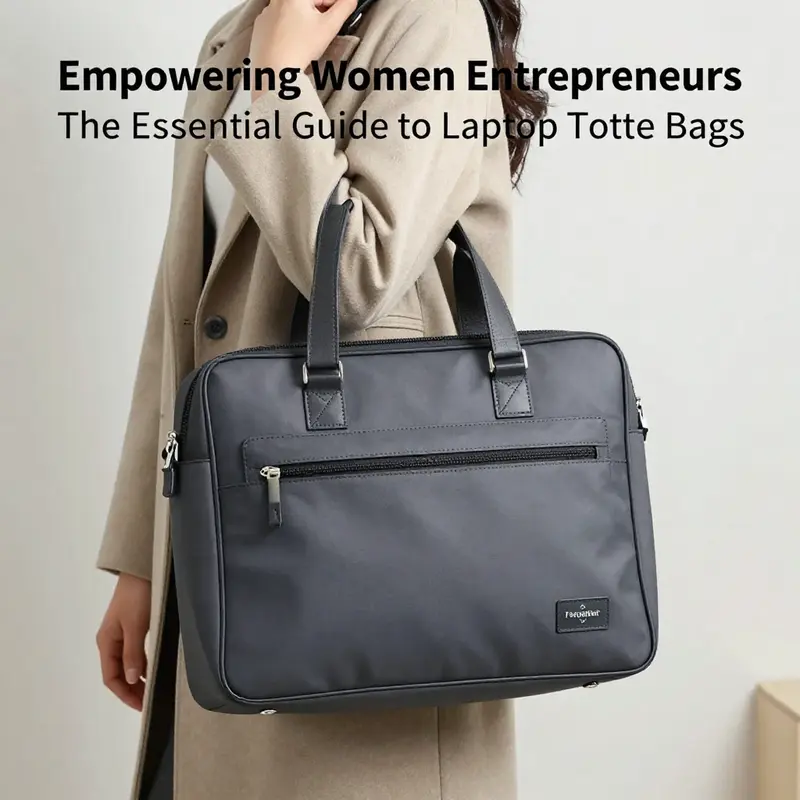
A well-made laptop tote bag for women is more than a simple carrier. It is a compact system built to move a day’s work, study, and personal life with ease. For many, the bag is a daily partner that travels from morning meetings to library corners, from coffee-fueled study sessions to weekend errands. In this sense, a tote designed for women blends protection, organization, and style into one thoughtful package. The goal is not merely to haul a device; it is to support a rhythm of movement that stays in balance with the body and the schedule. The best designs acknowledge this by combining a padded, protective space for the laptop with carefully arranged inner zones for the phone, tablet, documents, and a few personal items. A robust tote should also resist daily wear, handle diverse environments, and still look appropriate in a boardroom, a classroom, or a coffee shop. In practice, these bags are engineered to hold up to a 15.6-inch laptop, while offering generous interior capacity for folders, notebooks, chargers, and even a cosmetic pouch. Yet the capacity is not the sole measure of value. What makes the difference is how the weight is distributed and how easy it is to reach for what you need without rummaging for minutes. The most successful designs honor both flow and form, creating an experience that reduces strain and invites steady, confident movement through a busy day. The result is a sense of readiness that lasts long after the first rainstorm or crowded transit ride of the morning.
One fundamental feature anchors the protective aspect of these totes: a padded laptop compartment. The padding is typically at least half an inch thick and made from neoprene or foam, chosen for its balance of cushion and flexibility. This careful padding creates a buffer against shocks and bumps that can occur on crowded trains or busy sidewalks. It is not just about guarding the device from physical impact; it is about preserving performance and longevity. A well-padded sleeve helps prevent screen scuffs and keyboard contact when the bag is moved from a desk to a car or between meetings. This protective pocket often sits within a larger interior that is thoughtfully organized to keep the bag’s contents stable and accessible. Inside, most designs feature slip pockets for phones, a dedicated tablet sleeve, and a large zippered compartment that can hold documents, toiletries, or a lightweight sweater. The organization is designed for quick retrieval: you can slide out a charger, slide in a notebook, and still maintain a neat silhouette that doesn’t collapse into a knotted jumble.
In addition to protection and organization, comfort sits at the heart of everyday usability. Ergonomic handles layer into the bag’s frame, providing a natural grip that reduces fatigue when you walk across campus or navigate a subway platform. Many totes also include an adjustable, padded shoulder strap, which makes it easier to carry the load across one shoulder or diagonally across the body. The ability to tailor strap length is not cosmetic; it matters for posture and for keeping the bag from swinging. When the strap length is adjustable, users can set a fit that aligns with their height, clothing, and walking pace. A bag that offers this degree of adjustability tends to feel lighter, calmer, and more controllable, even when it is packed with a charger, a notebook, a water bottle, and a few personal items. The objective is to minimize strain, rather than simply to maximize capacity.
Materials play a crucial role in how these totes perform over time. The most enduring options blend style with practicality. Durable PU leather and water-resistant polyester are common choices because they resist weather exposure, repel stains, and maintain a clean, structured look even after daily use. Some bags incorporate recycled fabrics, reflecting a growing emphasis on sustainability without compromising durability. The blend of materials is often a visual cue as well: a sleek exterior that signals professionalism, combined with a softer interior that protects delicate items. The result is a tote that looks refined in a conference room while still being comfortable under the weight of a laptop and a lunch—an everyday artifact that doesn’t demand constant maintenance.
Style versatility is not a luxury but a practical advantage. A tote designed for women is frequently crafted in silhouettes that pair well with both formal attire and casual outfits. The colorways tend to be neutral enough to coordinate with business suits or school uniforms, yet there is room for subtle personality through texture, hardware, and detailing. This versatility matters in daily life, where the same bag can accompany a presentation, a library study session, or a weekend retreat. The best designs purposefully bridge the gap between fashion and function, ensuring that the bag complements the wearer’s lifestyle rather than competing with it.
Capacity often balances with weight distribution. While many models accommodate laptops up to 15.6 inches, they don’t rely on brute volume alone. A well-considered interior layout keeps bulky items from ‘bulging’ the exterior, preserving a neat profile that remains comfortable to carry. Even with ample space for documents and personal items, intelligent pockets and sleeves prevent shifting that can lead to misplacement or wear. This balance of space and structure—ample room without sacrificing organization—helps users move through their day with a steady rhythm rather than a constant search for misplaced papers or chargers.
When choosing a bag, several practical steps help translate these features into a reliable everyday tool. First, measure your laptop and compare it to the bag’s designated compartment. It matters not only that the device fits but that it slides in with space for a charger and sleeve. Second, consider your daily routine. Do you commute by train or bike? Do you often carry papers, notebooks, or a tablet? Your answers will guide whether you prioritize heavier padding, a larger central compartment, or a more secure inner pocket. Third, assess materials and finish. A leather-like exterior offers polish and durability, but a water-resistant fabric might be more forgiving in rain or crowded transit. Fourth, test the fit. The bag should sit comfortably on your shoulder or in your hand without pulling the body forward or causing shoulder strain. Small design details—like a reinforced base, a discreet luggage sleeve, or a magnetic snap that won’t catch on clothing—can make a tangible difference in everyday life.
These practical considerations connect to the broader market, where a range of options exists at different price points. Entry-level models provide essential protection and organization at accessible prices, while more premium designs emphasize refined materials and meticulous craftsmanship. The overall market illustrates a spectrum rather than a single archetype: bags that lean toward plush aesthetics with limited storage, and others that emphasize expansive interiors and secure compartments for the laptop and accessories. The key for buyers is to anchor their choice in daily needs rather than words about luxury. A bag should enable, not complicate, the wearer’s routine. In this sense, the ideal tote becomes part of the workflow rather than a barrier to it.
For readers who want to explore a curated set of options designed specifically with women in mind, a focused collection can offer clarity without sacrificing individuality. These options tend to emphasize roomy interiors, multiple compartments, and a clean silhouette that suits both formal and casual contexts. If you’d like to see options tailored to women that balance space and sophistication, you can browse this collection: laptop tote bags for women. It presents bags that align with the core principles described here: protective padding, intelligent organization, comfortable carrying, durable materials, and versatile styling that works across settings. The emphasis remains on protecting the device while supporting the wearer’s day, from the first meeting to the last class.
Finally, while this chapter centers on the features that make a tote functional and attractive, the underlying philosophy is simple: a bag should adapt to you. It should be responsive to your routine, protect your tools, and travel with you without demanding constant adjustment. When these elements converge, a woman’s laptop tote bag ceases to be a mere accessory and becomes a trusted partner in daily momentum. For those seeking a structured framework to choose a tote that fits both a laptop and a lifestyle, there is a well-regarded, practical guide that outlines a step-by-step approach to evaluating size, materials, and durability. External resource: https://www.lenovo.com/us/en/learn/tech-tips/how-to-choose-the-perfect-tote-bag-that-fits-your-laptop-and-lifestyle
Carrying Tomorrow: How Market Trends and Price Layers Shape Women’s Laptop Tote Bags
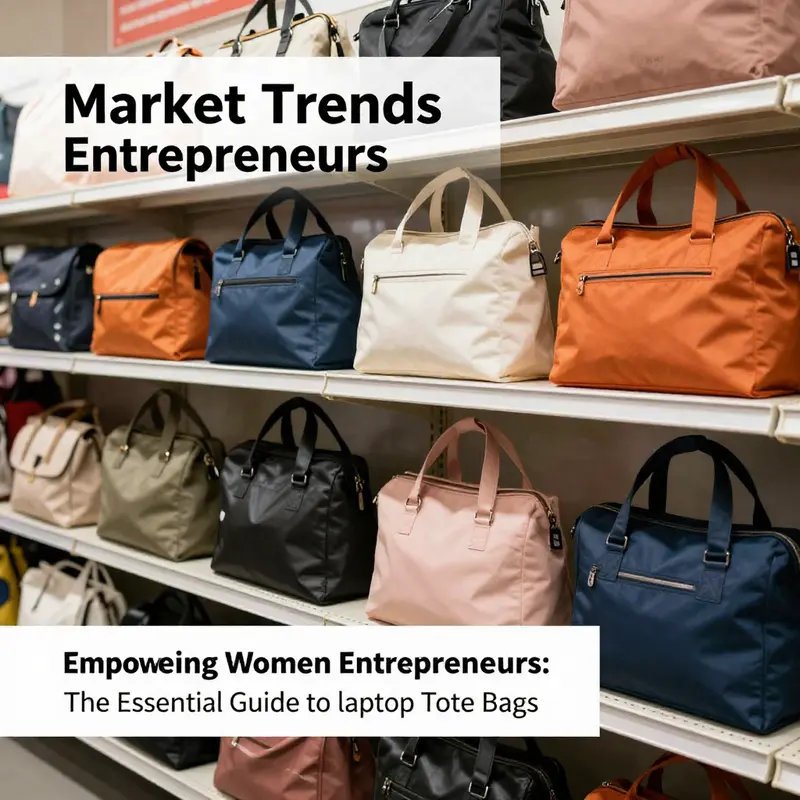
In the world of everyday carry, the laptop tote for women has moved from purely functional to a deliberate expression of work style and personal taste. This category now follows a clear logic of scenarios—commuting, meetings, campus study, and travel—driving design decisions that balance protection, weight, and polish.
Design language has softened: slighter frames, flexible silhouettes, matte leathers, water resistant fabrics; the bag sits well in a boardroom and in a cafe. Proportions lengthen handles for winter layers and still rest on a desk without looking bulky.
Inside the bag, padded sleeves for laptops up to 15.6 inches, plus smart organization: internal dividers, a microfiber lining for screens, and a dedicated pocket for a tablet or passport. Exterior pockets are both convenient and secure with zippers chosen for reliability.
Pricing evolves into a value ladder where entry level options remain accessible while mid and high tiers emphasize materials, durability, and refined detailing. Sustainability considerations, recycled fabrics, responsibly tanned leather, and transparent supply chains increasingly matter to buyers.
Seams of Speed: Mapping the Logistics Behind Women’s Laptop Tote Bags
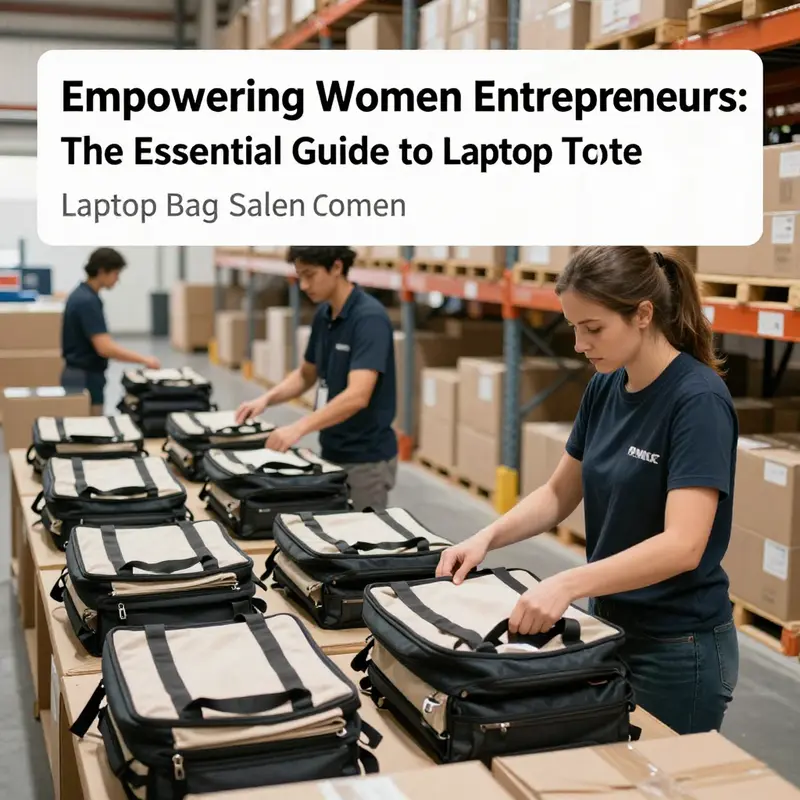
A laptop tote is more than a bag; it is the result of a coordinated global system that translates design into daily practice. Behind every sale there are decisions about materials, production capacity, and timing that align with school terms, business cycles, and travel needs. The dynamic is not just about making a bag but about ensuring it arrives when it is needed and performs when it is used.
A large proportion of production for bags and cases takes place in high output environments where form meets function. Factories optimize stitched patterns, zippers, and padding in lines that can run thousands of units per week while maintaining consistent quality. Regional clusters with strong logistics networks reduce transit time and enable just in time replenishment for large buyers such as campus stores and corporate procurement programs. The result is a reliable supply that scales with demand while preserving the care that consumers expect from durable, professional gear.
The product itself balances aesthetics and practicality. Designers select durable fabrics and coatings that resist stains and wear, while internal layouts prioritize protection and accessibility for a 15.6 inch laptop plus documents, chargers, and personal items. Reinforced seams, protective zipper guards, and modular compartments contribute to longevity and user comfort. When supply chains face disruption, smart engineering and modular components help keep front-line inventory stable and predictable.
For buyers looking to scale, wholesale platforms and direct-sourcing networks offer flexible quantities, customization options, and integrated logistics features. Purchases can be planned across multiple quarters, with options to adjust color finishes, hardware, and packaging. This shift from one off production to ongoing output helps buyers align procurement with term calendars and campus cycles while maintaining efficiency and cost discipline.
Beyond cost and speed, sustainability and risk management shape these decisions. Diversifying suppliers across regions, using digital dashboards for real time visibility, and maintaining safety stock in regional warehouses are common practices. Transparent material sourcing and clear documentation about dyes and finishes support audits and customer trust. In the end, the tote is more than a product; it is a compact system that links design, material science, manufacturing capability, and global logistics into a dependable everyday tool.
null

null
Carrying Confidence: Laptop Tote Bags for Women That Blend Function and Style

A laptop tote for women should balance capacity, protection, and polish. It needs a padded laptop sleeve that fits up to 15.6 inches, plus space for documents, chargers, and personal items. A practical tote keeps the interior organized with dedicated pockets for a phone, pens, and keys, and a secure zipper compartment for important papers. A comfortable top handle and an adjustable padded shoulder strap make all day carrying easier, whether you are commuting, studying, or traveling. Material choice matters: PU leather offers a clean professional look with good durability, waxed canvas provides a rugged yet refined feel, and durable synthetics can be lighter and more weather resistant. Each material ages differently, so consider how you will care for the bag and how it will look with your wardrobe. The best totes keep their shape, protect the laptop, and stay accessible for quick access without sacrificing a refined silhouette. Exterior features such as smoothly gliding zippers and well placed pockets help the bag stay organized when it is full or lightly packed. Look for interior layouts that separate electronics from papers and offer a few quick access pockets for a phone and keys. A well designed tote is not just about carrying gear; it is about moving through a busy day with ease and confidence. When shopping online, read reviews that mention laptop protection, interior layout, and hardware quality. The right tote is a steady partner that supports your daily rhythm rather than dominating your style. A thoughtful choice at the right price can adapt to work, class, and travel, providing versatility without sacrificing a polished appearance.
Final thoughts
Selecting the perfect laptop tote bag goes beyond aesthetics; it encompasses functionality, durability, and alignment with professional needs. The insights provided in each chapter illustrate that understanding features, market trends, logistics, payment options, and trusted sources are crucial for business owners aiming to make informed decisions. Ultimately, investing in a high-quality laptop tote bag not only enhances professional appearance but also supports daily business operations efficiently.