
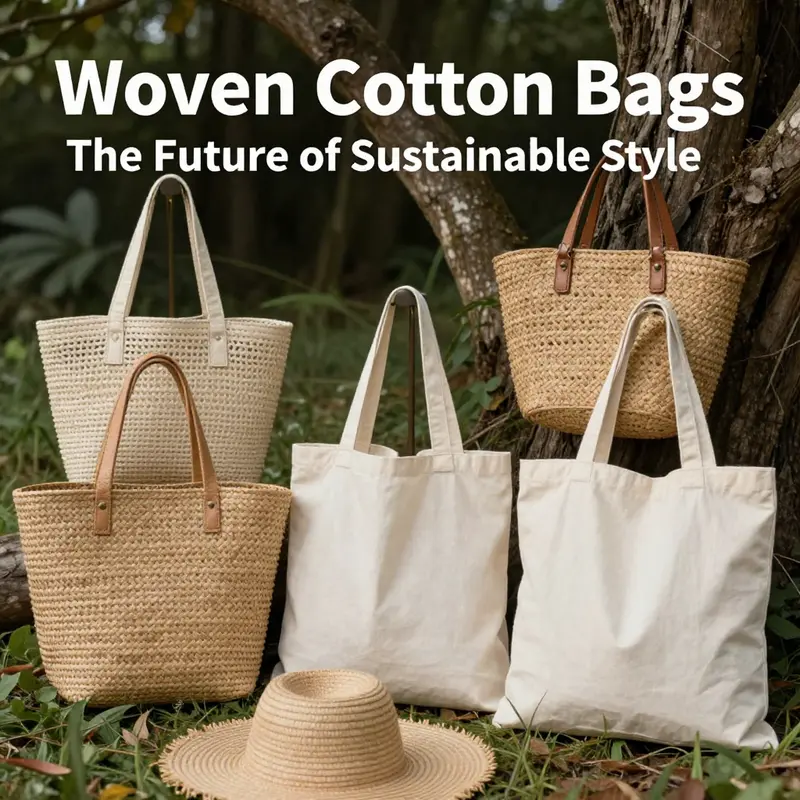
Woven cotton bags are rapidly becoming a go-to accessory for brands prioritizing sustainability and versatility. Crafted from interlaced cotton fibers, these bags fuse durable craftsmanship with environmental responsibility. This article explores their practical functionality, care considerations to extend lifespan, and their role in current sustainable fashion trends to help your business make informed product decisions.
From Market Aisles to Meetings: The Living Versatility of Woven Cotton Bags
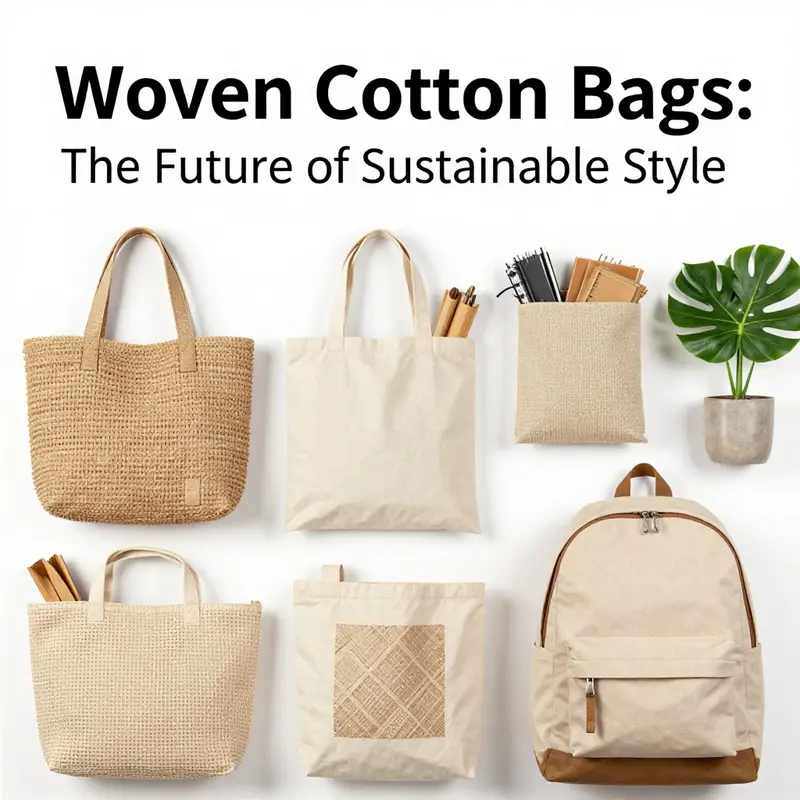
A woven cotton bag has a quiet resilience that reveals itself most clearly when the pace of daily life never slows. Its value isn’t confined to a single scene but expands across the errands, routines, and spontaneous moments that fill a typical week. What makes it so adaptable is not only the fabric’s natural strength but the thoughtful way a good bag is designed to work with a person’s day rather than force it into a rigid pattern. When you reach for one of these bags, you are choosing something that can carry the groceries from the corner market, hold a stack of notebooks on a commute, or accompany you to a casual gathering after work. The everyday utility of a woven cotton bag grows when its construction is robust, its silhouette understated, and its textures allowed to speak for themselves. In such conditions, function becomes style, and practicality evolves into an effortless kind of elegance that suits many wardrobes and moods.
What anchors this versatility is the material itself. Cotton canvas, the common workhorse behind many woven cotton bags, blends durability with a natural, breathable texture. The fabric’s open weave contributes to a sense of airiness, which is especially welcome in warm or humid climates. Yet openness does not equal fragility; the fibers are interlaced with care, creating a fabric that can bear weight without surrendering its shape. This balance—strength without bulk—lets a single bag perform multiple roles without needing to switch to a different accessory. A shopper can load it with groceries one moment and switch to carrying a laptop, portfolio, or gym clothes the next, all without the bag feeling overstretched or out of proportion. In practice, the bag becomes a portable work surface and a flexible storage solution rolled into one.
The broad utility of woven cotton bags also stems from the way designers think about structure. A dependable bag often features reinforced stitching at stress points, sturdy handles, and an interior lining that lends a touch of polish while increasing durability. The reinforcement may appear at the handle junctions or along the base, where wear is most likely to show. Such details matter not only for longevity but for confidence in daily use. With reliable seams and well-placed hardware, the bag maintains its silhouette even when it carries heavier items. A robust build invites a deeper level of trust; you aren’t constantly checking for loose threads or seeking a replacement after every heavy grocery run. Instead, you can focus on what you plan to carry and how you want to move through your day, knowing the bag will keep pace with you.
Functionality also emerges through thoughtful organization. Many woven cotton bags incorporate interior pockets, sometimes with zippers, that help separate items and protect belongings. A dedicated space for a phone, keys, or small notebooks reduces rummaging and keeps essentials accessible. Some versions even include dedicated compartments for a tablet or a small laptop, which is a practical feature for students and professionals who value hands-free mobility. If the bag is used for work or study, an interior polyester lining can add a layer of security and ease of cleaning, while a zip pocket helps guard valuable items from incidental spills or dust. These interior touches do not complicate the bag; they simply extend its usefulness and make daily routines less chaotic.
The appeal of woven cotton bags in everyday life also lies in their versatility across styles. Neutral tones such as beige, taupe, black, or soft gray form a quiet canvas that blends with a wide range of outfits, from casual streetwear to more refined, semi-formal ensembles. The natural texture of the fabric adds visual interest—an almost organic texture that harmonizes with clothes that lean toward minimalist or bohemian aesthetics. In this sense, the bag’s surface becomes an accessory in itself, contributing tactile appeal and depth without competing with the wearer’s overall look. A well-cut tote made from woven cotton can be paired with tailored pieces for a polished office-ready appearance, while a more compact, square-shaped version can accompany a light summer dress with ease. This seamless adaptability makes the bag a reliable partner at a variety of events and hours in the day.
Beyond the soft elegance of its aesthetics, the bag’s practical features also contribute to its professional and social versatility. Many woven cotton tote variants are designed to distribute weight evenly across the body, reducing strain on the shoulders. If the bag is worn as a crossbody or convertible style, the wearer gains additional freedom of movement, which can be a real advantage during urban commutes, travel, or crowded events. For those who need to manage risk and keep items secure, some models offer drawstrings, zippers, or buttons that provide an extra layer of protection against spills or theft. These security-minded details do not render the bag cold or clinical; instead, they reinforce a sense of reliability that makes the bag comfortable to carry across different settings—from brisk morning errands to relaxed evening meet-ups.
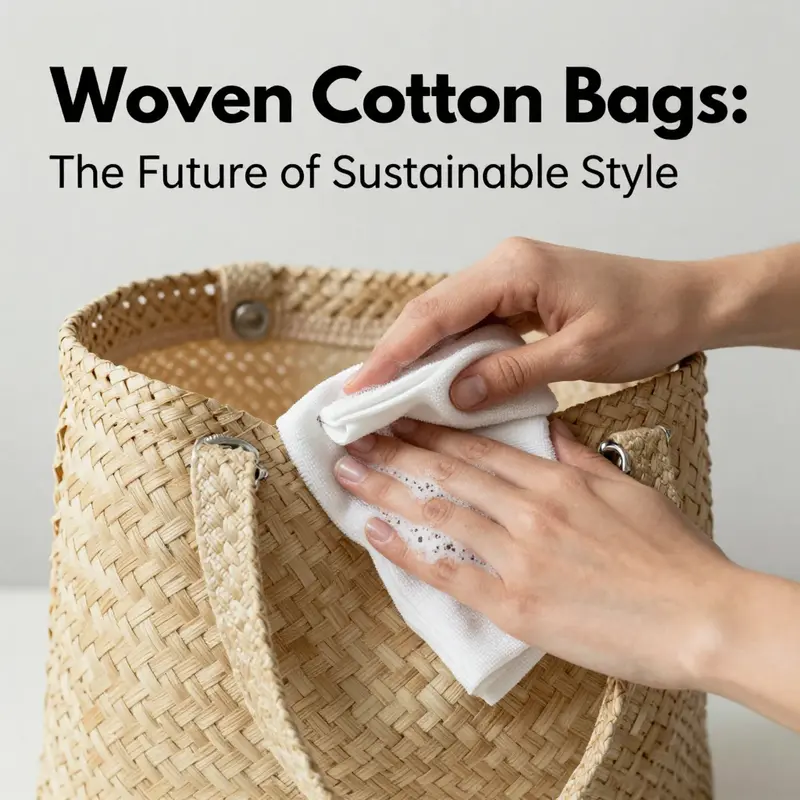
Care and maintenance are integral to longevity, and the best woven cotton bags respond with grace to mindful upkeep. Cotton, though durable, is not impervious to staining or mildew when stored damp. The prudent approach is to avoid submerging the bag in water and to opt for spot-cleaning with a damp cloth and a mild soap for locale-specific stains. If a deeper clean is necessary, many manufacturers advise following the care label’s instructions, because cotton can shrink or fade if treated aggressively in water. After any cleaning, air-drying away from direct sunlight helps preserve color and structural integrity, preventing the fibers from becoming brittle or the dyes from fading. To maintain shape when the bag is not in use, it’s wise to store it empty and folded in a cool, dry place and to consider using a dust bag or soft filler inside to protect the interior from dust and to help the exterior maintain its silhouette. These steps may seem modest, but they compound over time, supporting a longer, more satisfying life for the bag.
The maintenance narrative also invites a sense of ritual around everyday objects. The process of caring for a woven cotton bag can become a small, mindful habit—checking for loose threads after a heavy load, spot-cleaning a stubborn mark before it sets, or arranging the interior so it retains its shape even when partially filled. Such rituals do more than preserve a bag; they reflect a mindful relationship with the things we use daily. This attitude aligns with a broader shift toward sustainable fashion, where longevity and care are as important as aesthetics. When a bag is built to endure and cared for with intention, it remains relevant across multiple seasons, moods, and outfits—serving as a faithful companion rather than a disposable accessory.
The style versatility of woven cotton bags ultimately rests on a combination of restraint and texture. The fabric’s natural character—its slight irregularity, its soft hand, and the subtle variations that come from handcrafted details—adds a tactile layer that can be dressed up or down. The bag can accompany a work ensemble when paired with a structured jacket and tailored trousers, or it can accompany weekend wear when chosen with looser silhouettes and earthier tones. Even within the same bag family, different sizes and shapes can signal different occasions: a larger tote for shopping or a small square crossbody for city strolls. This adaptability, anchored in fabric and construction, makes a woven cotton bag a practical anchor for a well-curated wardrobe. It is not merely an object to carry things; it is a platform for thoughtful styling, a daily tool that flexes to meet changing needs and contexts without demanding sacrifice in comfort or look.
For readers looking to explore practical exemplars of this versatility, many contemporary options emphasize the marriage of form and function. The appeal lies not in flashy features but in the quality of the details—the confidence of reinforced stitching, the stability of a well-proportioned base, the quiet confidence of a bag that sits correctly on the shoulder without slipping, the serene presence of a neutral color that works across seasons and events. In a world saturated with fast and disposable goods, the woven cotton bag offers a slower, more intentional path: a durable, reusable solution that remains attractive as it ages. Its strength is not only in the fibers but in the way the bag becomes a reliable part of daily life, a dependable companion through grocery aisles, library corridors, office hallways, and weekend getaways. This convergence of utility and aesthetics is why the woven cotton bag endures as a staple in wardrobes that prize simplicity, texture, and responsible design.
To those who want to see the broader landscape of practical, everyday options, consider exploring collections of canvas or woven cotton totes that emphasize durability, accessible maintenance, and timeless silhouettes. The best choices aren’t flashy seasonal items; they’re steady pieces that earn a place in daily routines and travel itineraries alike. A bag that feels good to touch, that carries what you need without bending or sagging in odd places, and that maintains its shape after a long day remains a cornerstone of a functional wardrobe. When we consider how we present ourselves, we often focus on the clothes we wear, but the accessory that supports those clothes—quietly and reliably—speaks volumes about the care we give to the everyday.
For readers intrigued by the practical breadth of woven cotton bags, a useful point of reference is the wide variety of canvas-tote options that exist in popular everyday carry spaces. As a way to glimpse real-world applications and styles, you can explore examples like women’s canvas tote bags, which illustrate how fabric, structure, and detail work together to support different life rhythms. See women’s canvas tote bags for a spectrum of shapes, sizes, and integrations that demonstrate how a simple, well-made bag can handle everything from a laptop to lunch. This kind of exploration helps ground the abstract idea of versatility in tangible choices and everyday experiences.
In framing the broader significance of woven cotton bags, it is helpful to acknowledge the balance they strike between practicality and craft. Many bags in this category celebrate artisanal details—from careful embroidery and subtle tassels to hand-painted motifs—that offer a sense of individuality while preserving a universal language of utility. The result is a living accessory that carries not only objects but a mood: calm, purposeful, and ready for whatever the day asks. When durability, comfort, aesthetics, and sustainable sensibility converge, the woven cotton bag becomes more than a container. It becomes a partner that supports a lifestyle built on intention, reuse, and thoughtful, repeated use—an everyday tool that genuinely respects both people and the planet.
External resource for care guidance: a detailed guide on choosing and caring for woven cotton bags provides practical steps and cautions to help maximize lifespan and performance. See https://www.thesprucecrafts.com/care-for-woven-cotton-bags-4153968 for a trusted, in-depth overview.
Weave-Wise Care: Extending the Lifespan of Your Woven Cotton Bag
A woven cotton bag carries more than just groceries or a few everyday items. It carries a sense of craft, a visible thread of handiwork that connects sustainable choices to daily routines. The fabric, when interlaced from cotton fibers and sometimes blended with raffia or seagrass, speaks of natural origins and patient making. Its open weave invites air and light to pass through, a reminder of its breathability and lightness. Yet that same openness can also invite moisture and abrasion if care is neglected. The path to lasting charm lies in a careful, thoughtful approach to maintenance—one that respects the material’s strengths while acknowledging its vulnerabilities. When kept clean, dry, and stored with intent, a woven cotton bag can remain a faithful companion for years, aging with a quiet grace rather than fading away with neglect. The practical rhythm of care becomes a simple, almost ritualistic practice, but it is precisely this ritual that preserves the bag’s structural integrity and keeps the weave lively and resilient for seasons to come.
Every woven bag, whether used for groceries, commutes, or weekend excursions, benefits from a routine that centers on light touch and mindful handling. Cotton fibers are sturdy, but they are natural fibers, and natural fibers respond best to gentle management. A little attention goes a long way in maintaining shape, texture, and color. Think of care as an ongoing conversation with the fabric: you listen to creases, you respond to dust, you respect the bag’s need for air and dryness, and you adjust storage to mirror the rhythms of your life. This approach aligns with broader conservation principles that emphasize gentle handling and preventative care. Natural fiber bags thrive on thoughtful maintenance, and a well-timed, modest routine can effectively double the useful life of the piece while preserving its artisanal character.
On a day-to-day level, the simplest steps anchor a durable practice. After each use, start by emptying the bag and giving it a gentle shake to dislodge loose debris. Inside, a quick wipe with a dry microfiber cloth helps lift oils and residues left by hands without saturating the fibers. The exterior deserves the same tenderness. A soft brush or a clean, dry toothbrush can follow the weave’s grain, brushing along its direction to release surface dust without snagging or distorting the pattern. The key is to avoid moisture unless it’s truly necessary. Even small amounts of water can cause the cotton to swell, warp, or invite mildew, especially when an open weave is involved. When moisture is unavoidable, a careful, minimal dampening with a cloth—never a soak—offers a measured approach to stain removal without compromising the weave’s structure.
When a stain appears, the temptation to scrub is strong, but it’s the wrong instinct for natural fibers. Instead, prepare a mild cleaning solution by mixing one part gentle detergent, such as a baby shampoo or wool wash, with three parts lukewarm water. Lightly dampen a microfiber cloth and dab the stain, keeping the pressure gentle and steady. Rubbing or scrubbing can distort the weave or fray the edges where fibers meet. Always test a small, inconspicuous area first to confirm that the solution won’t alter color or texture. If doubt remains about the bag’s material composition, treat it as delicate until proven otherwise. The objective is not to erase every mark but to reduce them in a way that preserves the bag’s texture and character. In practice, this means selecting a method with the least moisture and the least mechanical action, then observing the results before proceeding further.
Storage is where many bags meet their final fate—in darkness, dampness, or under heavy weight that presses out of shape. The right storage conditions begin with keeping the bag empty and placed in a cool, dry space away from direct sunlight. Humidity can invite mildew and cause fibers to weaken over time, while prolonged exposure to sun can fade colors and degrade the weave. A soft filler, such as tissue paper or a clean cloth, can help the bag retain its shape when not in use, especially if it will be stored for an extended period. If space allows, consider placing the bag in a breathable dust bag or container that blocks dust but still allows air to circulate. For handbags with a more structured silhouette, gentle stuffing helps maintain the form, preventing the fabric from slumping or developing creases that are difficult to reverse later.
The longevity of a woven bag is intimately tied to how it is carried. The strap or handle bears a disproportionate load when a bag is overfilled or carried on rough surfaces. Let the bag learn your routines rather than hammering it into a demanding role. When possible, distribute weight evenly and avoid dragging the bag across abrasive surfaces. If the weave shows signs of wear at stress points, address the issue early: a small repair or the addition of a discreet protective patch can prevent further damage. The open weave, while part of what makes the bag breathable and light, can also be more susceptible to snagging. Gentle handling, especially during busy commutes or outdoor markets, helps the fabric resist rough textures and pinch points that might catch on zippers, hooks, or twigs along the way.
Natural fibers respond to care that is neither harsh nor cavalier. The fibers may be mixed with other materials such as raffia or seagrass in some designs, introducing a layered complexity to maintenance. Raffia, for instance, can feel stiffer and may require even more mindful handling to avoid cracking or splitting at the joins between materials. Seagrass blends can be sturdy but behave differently under moisture, tending to dry out in a way that affects flexibility. In all cases, the guiding principle remains: respect the material’s pace. This means avoiding aggressive cleaning, avoiding whole immersion, and favoring air-drying. If a bag has acquired a musty odor, it can be helpful to allow it to air out in a shaded, well-ventilated area rather than resorting to quick hacks that rely on moisture, heat, or chemical cleaners. A well-ventilated, dry environment not only preserves the bag’s scent but also fosters the stability of the fibers themselves.
Color retention is another practical consideration. Cotton fibers, especially those chosen for their natural tone, can fade under prolonged sun exposure. Light, even when caught by the weave’s neutrality, is a subtle agent of change. When not in use, store the bag in a place shielded from direct sunlight; if displayed, consider a softly lit environment that doesn’t track heat through the fibers. The same principle applies to seasonal swaps of wardrobe and bag choices. Rotating pieces—keeping a woven bag in circulation but not leaving it suspended in a single outdoor exposure for long periods—helps preserve both color and texture.
The discipline of cleaning, storage, and gentle handling can yield tangible results over time. Expert insight from textile conservation emphasizes a simple truth: natural fiber bags thrive on gentle handling, and a little attention goes a long way in preserving their integrity. As one specialist notes, consistent routine—light dusting, careful cleaning, mindful storage—can noticeably extend a bag’s life and ensure it remains a cherished accessory for years to come. This guidance mirrors the broader value proposition of sustainable accessories: longevity is not an act of heroism but a practice, a daily choice that respects material origins and the hands that crafted the item. If you are curious to explore conservation resources beyond the home, museums and cultural institutions offer extensive guides on maintaining natural-fiber items, including practical steps for routine upkeep and careful storage.
For readers seeking further perspectives on care that extends beyond the home, you can explore related discussions and strategies in broader collections and conservation resources. When you approach a woven bag with a calm routine and a clear eye for preservation, you are aligning with a tradition of mindful stewardship that transcends fashion and enters the realm of sustainable practice. A well-cared-for bag not only serves you well but also honors the labor, time, and materials that brought it into being. The result is more than utility; it is a story of materiality, artistry, and lasting value. If you want to connect this approach to broader product lines and styling ideas, a practical touchpoint is a collection of canvas and natural-fiber bags that mirrors the values and aesthetics of woven cotton designs. See womens canvas tote bags for a sense of how natural fibers translate across styles while maintaining a shared ethos of durability and minimalism.
Ultimately, the aim is to let care become second nature—an almost invisible fabric of daily practice that keeps your woven cotton bag vibrant, true to its weave, and ready for the next adventure. Consider this a partnership with your bag: you show it respect through consistent care, and it returns that care by aging gracefully, maintaining its texture, and continuing to tell a quiet, artisanal story through every crease and stitch. The result is a more sustainable accessory, one that minimizes waste and supports a slower, more intentional approach to fashion.
External resources can deepen your understanding of preservation practices for natural fibers and provide broader context for maintaining textiles and accessories. For broader conservation practices, see the museum’s conservation guides: https://www.museumofcraftanddesign.org/collections-conservation/conservation-guides
Weaving a Future of Sustainable Style: The Quiet Power of Woven Cotton Bags
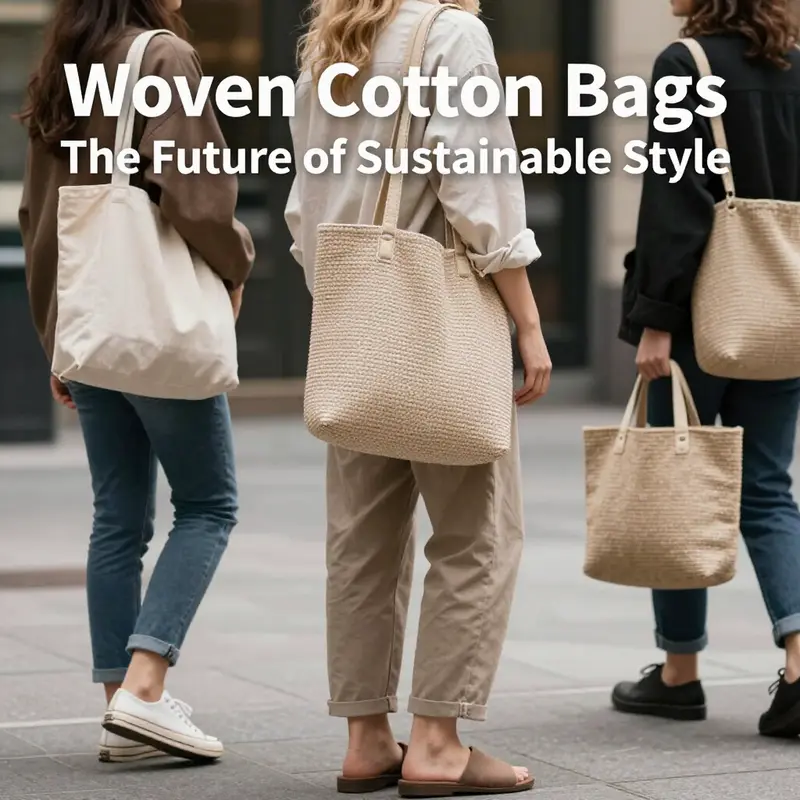
Woven cotton bags sit at a crossroads of craft, utility, and ecological responsibility. They are not merely carriers of things but small, portable statements about how we want to live—practically, consciously, and with an eye toward texture, tone, and enduring value. The weave itself is a record of handwork and human scale; each bag bears the imprint of its maker as surely as if the stitches carried a signature. In warmer climates, the open, breathable structure of the fabric becomes a practical virtue, allowing air to circulate and moisture to escape. In cooler seasons, the natural color and organic texture lend a grounding presence to outfits that could otherwise feel fleeting. The appeal of woven cotton bags across contexts—from grocery runs to work commutes to beach days—stems from their dual capacity to be sturdy enough for real use and aesthetically versatile enough to blend with diverse wardrobes. This fusion of function and form is precisely where sustainable fashion finds its most lasting relevance, steering away from disposable impulses toward pieces that invite repeated, thoughtful use.
At the core of their sustainability story is the material itself. Organic cotton, often selected for these bags, grows with reduced or eliminated synthetic pesticides and fertilizers. That choice matters, not only for soil health and biodiversity but for the downstream impact on nearby communities and landscapes where cotton is grown. The cotton fibers, long and robust, lend themselves to a durable weave that can bear heavy loads without succumbing to tearing or pilling. This durability is a crucial counterweight to the fast cycles of fashion, where short-lived silhouettes tend to generate a higher volume of waste. When a bag endures for years, it aligns with a broader ethic of mindful consumption: a single well-made bag replacing multiple cheaper options whose lifespans are measured in months. In addition to material choices, the production processes behind woven cotton bags are often tuned toward lower environmental footprints. Many producers emphasize low-impact dyeing methods that minimize water use and reduce chemical discharge, a small but meaningful shift from traditional dye works that historically consumed vast quantities of water and energy. While dyeing cannot be eliminated entirely, the focus on efficiency and reduced pollution helps position woven cotton bags as more than a simple reusable accessory; they become a bridge between artisanal craft and ecological stewardship.
The visual language of woven cotton bags complements the broader mood of contemporary sustainable fashion, where quiet luxury and natural textures prevail. Designers and brands have gravitated toward pieces that celebrate texture over overt branding, favoring subtle variations in weave, tone, and hand-finishing. In this landscape, woven cotton tote bags, crossbody designs, and backpacks function as adaptable canvas elements within an outfit. The texture adds depth to minimalist looks and provides a tactile counterpoint to more refined silhouettes. Neutral hues—creamy beiges, soft browns, and off-whites—serve as versatile backdrops for color-blocked streetwear or bohemian-inspired ensembles. Yet the appeal is not limited to any single style. The open weave does more than ventilate; it creates surface interest. The way light catches the threads reveals patterns that are both organic and modern, a nod to a time when craft and contemporary design converged. The result is fashion that feels intentional without being austere, approachable without surrendering to trendiness. In this sense, woven cotton bags support a broader shift toward wardrobe resilience. They encourage wearers to invest in pieces that endure through seasons, not merely through a few fashion cycles.
Beyond aesthetics, the practical advantages of woven cotton bags reinforce their role in sustainable fashion trends. Tote variants offer generous capacity, making them ideal for daily errands, groceries, or a workday haul. The long handles on many tote styles ensure comfort when carried over the shoulder, while the open top design provides quick access to items inside. Crossbody versions, with their hands-free convenience, fit neatly into urban living, festival scenes, and travel scenarios where mobility matters as much as utility. Backpacks distribute weight more evenly, a feature that supports students and travelers who carry heavier loads for longer periods. The common thread across these forms is a design philosophy that favors usability, balance, and longevity. Crafted with reinforced seams, sturdy handles, and durable weaving, these bags are built to withstand repeated use. They become trusted companions for everyday life, dissolving the repeated need to replace worn-out carry options with disposable alternatives.
Care considerations play a decisive role in sustaining the life cycle of woven cotton bags. Cotton’s natural strength is most evident when the material is cared for thoughtfully. The risk of staining or mildew increases if a bag is stored damp or submerged, so spot cleaning with a damp cloth and mild soap is advisable for most travel and daily-care situations. After cleaning, air-drying away from direct sunlight helps preserve color and fiber integrity, preventing premature fading and weakening of the weave. To maintain shape and structure, it is beneficial to store the bag empty, folded in a cool, dry space. For added protection against dust and moisture, some owners use a dust bag or place a soft filler inside to help the bag retain its form during long periods of inactivity. These care steps, seemingly modest, are essential rituals in the practice of responsible consumption: they extend the bag’s usefulness, reduce waste, and keep the product performing as intended for years.
The broader cultural shift toward mindful consumption also frames the narrative around these bags. In a fashion world increasingly attentive to ecological footprints, a woven cotton bag represents a tangible, everyday choice that aligns with values of sustainability and authenticity. Neutral palettes enable easy pairing with diverse outfits, while the natural texture communicates a quiet confidence that does not rely on loud branding or fast-fashion slogans. The act of choosing such a bag signals an awareness of materials and processes, and a willingness to value craftsmanship and longevity over the lure of ever-changing trends. This is the essence of sustainable styling: a wardrobe built on pieces that carry meaning, not just function. In this context, woven cotton bags become more than accessories; they become signifiers of a lifestyle that prizes quality, ethics, and the art of slow fashion.
The global market for these bags reinforces the narrative of sustainable, craft-driven fashion. In many regions, bags woven from organic cotton are produced by communities that prioritize fair labor practices and traditional techniques. Handcrafted elements—whether subtle embroidery, tassels, or subtly varied weaving patterns—introduce individuality while preserving the integrity of the craft. Such artisanal details can elevate a bag from a mere utility object to a wearable artifact, one that tells a story as much about its maker as about the wearer. Craft-based production supports local economies and preserves cultural techniques that might otherwise fade in the era of mass manufacturing. This convergence of ethical sourcing, artisanal skill, and durable design strengthens the case for woven cotton bags as a meaningful component of sustainable wardrobes.
Market dynamics also reflect a growing demand for authenticity and transparency in supply chains. Consumers increasingly seek assurance that the materials are responsibly sourced and that the production process respects the environment and workers. Platforms that connect buyers with verified, eco-conscious suppliers are part of a broader system of accountability. In this landscape, it becomes important to distinguish between bags that are genuinely sustainable and those that merely advertise sustainability without substantive practices. Informed choices emerge from access to reliable information about fiber origin, dyeing processes, energy use, and labor standards. When these factors align, woven cotton bags stand as credible anchors within sustainable wardrobes, offering dependable performance while reinforcing ethical commitments.
To illustrate how these bags fit into diverse wardrobes and lifestyles, consider their adaptability across seasons and settings. A well-made woven cotton tote can carry a laptop, books, and lunch in a single, tidy bundle for a workday, or it can hold beach towels and sunscreen for a weekend by the coast. A crossbody version offers compact organization for city strolls and transit rides, keeping essentials secure yet accessible. A backpack balances weight distribution for longer excursions, accommodating water bottles, a lightweight jacket, and personal items for travel. The absence of heavy plastics and synthetics in the fabric composition reduces microplastic shedding concerns during normal wear and care, a small but meaningful contribution to reducing the broader impact of textiles in daily life. In each case, the bag’s strength, breathability, and timeless aesthetic support a lifestyle that avoids excess while embracing utility and beauty in everyday moments.
The sustainability narrative of woven cotton bags also interacts with education and consumer culture. As more people learn about the environmental and social implications of textile choices, the appeal of natural fibers and traditional weaving grows stronger. This educational dimension matters, because sustainable fashion is not solely about a single purchase; it is about a sequence of decisions that shape a person’s relationship with clothing and accessories over time. When individuals choose a bag that can be repaired, laundered, and repurposed rather than discarded, they participate in a collective shift toward products designed for longevity. In this sense, the humble woven cotton bag acts as a practical tutor, teaching restraint, care, and appreciation for the craft. The result is a more intentional consumer culture that values material truth and the time-honored skills behind handwoven textiles.
From a practical standpoint, it is worth noting the role of consumer education in supporting sustainable options. Clear guidance on weaving quality, fiber grade, and care can empower shoppers to select bags that truly meet their needs. Explaining how a particular weave supports durability under heavy loads, or how a certain finish resists staining without compromising breathability, helps customers understand what makes a bag durable in real life. This transparency, paired with accessible maintenance advice, invites longer use and reduces the temptation to replace bags frequently as fashion whims shift. It also helps demystify the craft, inviting a broader audience to appreciate the skill and time that go into producing a well-made woven cotton bag.
The conversation around woven cotton bags in sustainable fashion trends would be incomplete without acknowledging the broader ecosystem that supports responsible sourcing and production. Cooperative models, community-owned workshops, and direct-from-maker supply chains contribute to fair outcomes for workers and more resilient textile ecosystems. When buyers engage with these models, they help sustain traditional crafts while encouraging innovations in eco-friendly dyeing, water management, and waste reduction. The result is a market where the aesthetic appeal of a bag is matched by its ethical footprint, and where durability is celebrated as a form of environmental stewardship rather than an afterthought. In such a market, a woven cotton bag becomes a practical asset and a moral choice, a small but meaningful step toward a more sustainable fashion future.
For readers who want to explore practical examples of how woven cotton bags can be integrated into daily life, consider the broader ecosystem of carry goods and accessories that share the same ethos. One avenue is to examine canvas or lightweight cotton options that align with casual, everyday wear—items that complement a wide range of outfits and carry daily necessities without imposing environmental consequences that extend beyond the bag’s useful life. These options illustrate how a single bag can cross the thresholds of work, travel, and leisure, reinforcing a philosophy of versatile, enduring design. Access to reliable sources about these options can help shoppers understand how to select pieces that suit their routines as well as their values. For a sense of how canvas-based carry goods are positioned within a broader wardrobe conversation, you can explore this resource on women’s canvas tote bags.
Women’s canvas tote bags offer a practical reference point for the kind of cross-functional use that woven cotton bags aspire to achieve. They exemplify how natural fibers can perform with both style and substance, bridging the gap between casual utility and refined aesthetics. While the specific styling and finishes may differ, the underlying principles—durability, breathability, and eco-conscious materials—remain central. This alignment reinforces the idea that sustainable fashion is not a single trend but a durable approach to everyday life, a way of choosing products that withstand the test of time and use.
As the conversation around sustainable fashion continues to evolve, woven cotton bags will likely occupy an increasingly important niche. They are adaptable enough to participate in high-fashion conversations about texture and form, yet practical enough to serve as daily workhorses for countless people. They offer an experience of fashion that is less about spectacle and more about presence—an accessory that quietly supports a lifestyle rooted in simplicity, responsibility, and quality. The long-term value of such bags rests not only in their ability to hold possessions but in their capacity to teach and remind wearers of the choices they make with each purchase. In a world where new trends appear with rising frequency, the appeal of a well-made woven cotton bag endures because it stands for something more enduring: a deliberate, crafted, and conscientious way of living.
External resource for context on sustainable production and sourcing is available through industry discussions and supplier networks. For readers seeking a broader look at how handmade, eco-friendly textiles are marketed and sourced, see the following external reference: https://www.alibaba.com/product-detail/New-Crochet-Handbag-Cloud-Fold-Design_1601957355812.html
Final thoughts
Woven cotton bags are more than just accessories; they embody sustainability within the modern consumer landscape. By embracing these eco-friendly options, brands can reinforce their identity while meeting the rising demand for responsible products. Understanding their functionality and proper maintenance helps ensure long-term value and relevance in sustainable fashion trends.