

As businesses evolve, so do the tools that professionals carry. The work tote bag has transformed from a simple carry-all into a sophisticated blend of style and functionality tailored to the needs of today’s business owners. These bags serve not only as practical storage solutions but also as an extension of one’s personal brand. This article delves into the evolution of work tote bags, examining how they balance aesthetics and practicality, the innovative materials that contribute to their durability and sustainability, and how various types are suited for different professional environments. In doing so, we aim to equip business owners with insights to make informed decisions for themselves and their teams.
From Briefcase to Everyday Icon: The Evolution of Work Tote Bags
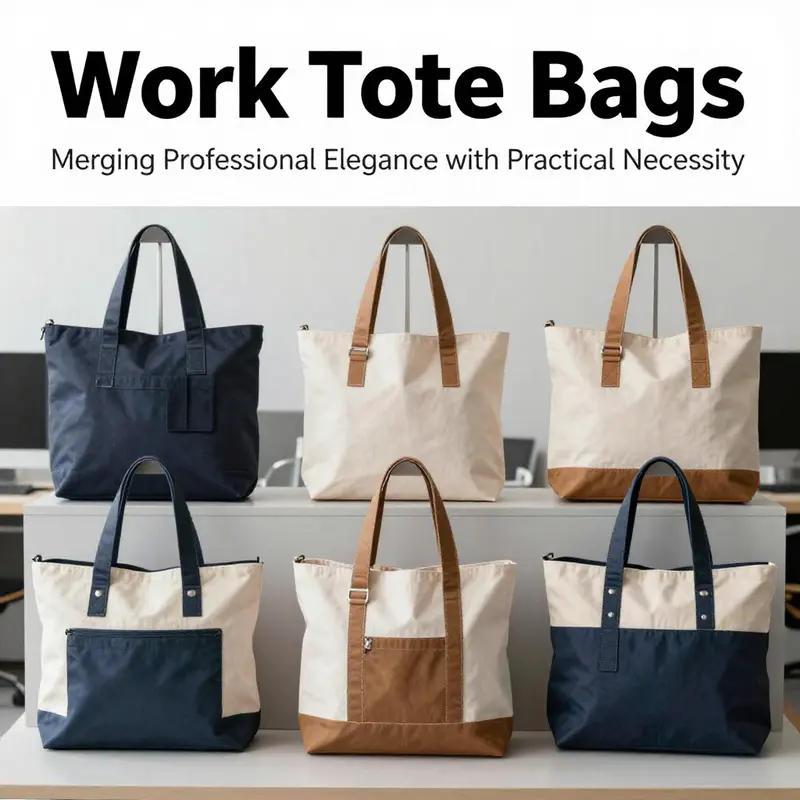
A work tote bag is more than a container; it is a choreography of daily routines, a portable mirror of professional identity, and a reliable partner through shifting work rhythms.
As offices became more fluid and commutes more varied, the tote shifted from a purely utilitarian object to an essential wardrobe element that blends form with function. The bag that accompanies a person from a morning train to a conference table is designed not only to carry items but to negotiate space, weight, and access in real time. It must cradle a laptop, documents, and a water bottle while still projecting polish, composure, and personal intention. This evolution is visible in the way totes balance structure with softness, richness with practicality, and sustainability with everyday convenience. It is a story of how a single accessory has learned to adapt to hybrid work, remote collaboration, and the unpredictable tempo of modern urban life, while staying true to a clear sense of professional presence.
The most telling shift is toward a design that anticipates multiple contexts without demanding a change of bags. The contemporary tote must effortlessly hold a laptop—often up to larger screen sizes—plus notebooks, chargers, and personal items, all arranged in a way that feels organized rather than chaotic. Yet it also must glide through transit, slip under a conference chair, and open quickly for a moment of retrieval in a bustling cafe corner. The goal is not to overstuff but to curate a reliable, flexible interior that respects the wearer’s time and attention. Space is no longer a mere statistic; it is a tool for sustaining workflow and reducing friction. A well-considered interior—laptop sleeves that gently cradle devices, dedicated pockets for cables, a secure zipper or magnetic closure, and quick-access compartments for essentials like a key card or a phone—transforms a tote from a bag into a portable workstation. In tandem, exterior contours matter. A structured silhouette communicates professionalism even when the tote is half full, while a softer, pliable body reduces shoulder fatigue when carried for long periods. The tote becomes a balance between gravity and gravity’s restraint: enough structure to keep items from shifting, enough flexibility to accommodate a day’s changing needs without looking bulky or defeated.
This balance is inseparable from the materials that shape the bag’s character. Leather remains timeless for those who want a classic gravitas, yet vegan leather and water-resistant nylon offer ethical and practical alternatives that appeal to a broader range of users. The choice of material signals not only taste but values, and it matters in how a bag ages over time. Durable fabrics that resist weathering and scuffs help preserve a clean appearance through rain, coffee spills, and crowded trains. Beyond texture, sustainable choices—recycled fabrics, reinforced synthetics, and responsibly sourced trims—mirror a broader cultural commitment to environmental stewardship. Bags built with such materials convey a narrative about responsibility and professionalism that aligns with a modern professional’s personal brand. The result is a tote that looks poised in a boardroom and ready for a quick dash to a client site, all while reducing the environmental footprint of the workday.
Functionality grows out of a deep understanding of daily behavior. The contemporary tote prioritizes ergonomic comfort, with wide, padded shoulder straps that distribute weight more evenly across the shoulder and back. The weight distribution matters as soon as a bag is loaded with a laptop, charger, documents, and a water bottle. A well-balanced tote resists sagging, maintains its shape, and feels lighter than its actual weight, which matters when one must walk several blocks or navigate crowded transit hubs. Detachable crossbody straps extend the bag’s versatility, enabling a more secure or hands-free moment in a crowded train car or a long stroll to a meeting. In moments when speed is essential, a bag with a zipperless or open-top design can offer immediate access to a phone, boarding pass, or note card, without the fumbling of clasps. Yet open-top access must be tempered with thoughtful interior organization; a zipped document pocket, hidden compartments, and RFID-protected sections can hide behind an otherwise accessible exterior, preserving security without creating friction in the moment of need.
Expandability has emerged as a practical centerpiece of modern totes. On light days, a compact carry is all that’s needed, but schedules shift: a conference, a business trip, or a big presentation may demand extra capacity. Expandable gussets, zippered expansions, or snap-on extensions allow the bag to morph from daily commuter to travel-ready carrier without changing the silhouette or sacrificing polish. When expanded, the bag remains stable and balanced, its design engineered to avoid a top-heavy feel that can strain the shoulder. This adaptability matters more than ever in an era when work calendars are dense, and travel within or between cities is common. It is not about ostentation but about a practical philosophy: a single bag that grows with the day’s demands rather than a second bag pulled from a shelf or a careless pile in a corner of a desk.
The interior ecosystem of a work tote has matured as well. Pockets and sleeves are no longer a scatter of compartments; they are calibrated to the rhythm of modern digital life. A dedicated laptop sleeve sized for up to a 15-inch screen—without forcing the device to adjust its angle at every turn—restores confidence during column-full commutes or airline security lines. Internal pockets for chargers, cables, and a compact notepad ensure everything has a home. A zippered phone pocket, a key fob clip, and a few card slots create a microcosm of order, helping the wearer navigate a world of devices with ease. RFID-protected pockets add a discreet layer of security for sensitive data, following a natural inclination to protect essentials without requiring separate sleeves or sleeves that demand second-skin organization. For many professionals, these internal systems are the unsung heroes of daily work: small features that prevent the scramble of hunting for a USB-C cable or a corporate ID just before a critical elevator ride or a meeting start.
As the everyday function deepens, the tote’s design language adapts. The silhouette remains clean and highly legible, with a structure that holds its shape even when loaded. The texture and finish—whether the surface is smooth and refined or subtly textured for grip—convey readiness without arrogance. The tactile quality of the bag—how it feels to run a finger along the edge, how easily the zipper glides, how the strap lies on the shoulder—becomes part of the professional impression it leaves. In conservative environments, such as corporate law or finance, the open, open-top look paired with a strong, upright silhouette can signal confidence and reliability without appearing flashy. In more creative or tech-forward spaces, the same bag can feel contemporary and approachable, with the same degree of organization and effortlessness but paired with a looser, more dynamic posture. The perception is as much about context as it is about design. A tote that’s too casual may undermine credibility in formal meetings, while a bag that reads as rigid and austere can seem unapproachable in collaborative spaces. The elegant answer is a tote that possesses a calm, universal presence: professional in shape, modern in its details, and adaptable enough to participate in a range of daily rituals.
The allure of a work tote in the current moment lies in its capacity to deliver both utility and narrative. It is a visible expression of a professional’s routine, values, and priorities. The materials chosen speak to a commitment to longevity and responsibility; the interior organization speaks to a disciplined approach to work; the exterior silhouette speaks to a poised, prepared mindset. A well-made tote acknowledges the hybrid work life by combining the ease of a casual carry with the authority of a professional briefcase. It keeps cords untangled, documents flat, and devices protected, yet does not insist on a fixed method of use. It supports a flexible. It embraces the possibility that the workday will unfold in more than one place, that a meeting can vanish into a café near a coworking space, and that a flight can become a spontaneous detour rather than an obstacle. Such a bag becomes a partner in time management, helping to streamline routine without dictating it.
Design innovations reflect this spirit of versatility. A modern tote may incorporate reversible panels, enabling two tonal profiles in one bag. This feature allows the wearer to shift aesthetics as needed—perhaps a more formal look for a boardroom moment, a more casual feel for a late-afternoon workshop—without carrying multiple bags. It is a small engineering feat with outsized impact on daily style and practicality. The concept of modularity extends beyond panels to the broader idea of adaptable interiors: configurable organizers, removable pouches, and detachable straps that can be alternated to suit the day’s demands. The result is a bag that feels responsive, not static, to the wearer’s evolving schedule.
The conversation around work totes cannot ignore sustainability. As materials science advances, so too do the claims of durability and ethics. Recycled fabrics paired with reinforced synthetics create a resilient combination that withstands daily wear while reducing environmental impact. The tote’s ongoing evolution is not just about storage capacity but about social responsibility—how the bag contributes to a more thoughtful, less wasteful approach to daily life. In practice, this means choosing fabrics that endure, trims that resist moisture and fray, and linings that minimize solvent use during production. It means recognizing that the bag’s longevity matters just as much as its looks. An extended lifespan reduces the need for frequent replacements, aligning with a broader sense of professional stewardship: take care of what you own, and it will carry you through more versions of your day.
The evolution is also a matter of perception and context. In closed, conservative offices, the tote’s honest silhouette and quiet hardware can feel intentionally reserved and trustworthy. In open-plan studios, startups, or creative agencies, the bag’s ability to slip under a seat, expand for a conference run, or reveal a clever interior can be a practical badge of readiness. The modern tote carries a nuanced message: you value time, you respect materials, you embrace adaptability, and you maintain a steady sense of self amid changing environments. The bag’s design is, in effect, a narrative device—an outward sign that a person can manage complexity with calm efficiency.
For readers who want to explore contemporary styles and understand where the form is headed, a quick glimpse at current trends can be instructive. The category is not about chasing the latest trend but about recognizing a direction: bags that feel modern yet timeless, with interiors engineered for the digital age, and exteriors that communicate readiness without shouting. The balance between elegance and practicality remains the compass. As designers experiment with lighter hardware, more refined textures, and subtle colorways that tolerate wear, the tote continues to confound the old idea of a one-note office accessory. It is, instead, a flexible platform for the workday’s choreography—a vessel that carries not only devices and documents but also the professional story a person wants to tell in every meeting, transit leg, and hallway encounter.
In this light, the value of a work tote emerges not from an extravagant flourish but from its quiet, dependable competence. It is the bag that looks like it belongs on a conference table and feels like a trusted ally when you need a quick pivot between spaces. It is a symbol of contemporary work-life integration: a single, well-made tool that respects both the user’s time and the environment in which they operate. The tote’s evolution—from utilitarian carryall to integrated, sustainable, and highly adaptable daily companion—reflects a broader shift in professional culture: one that prizes clarity, efficiency, and ethical choices as much as polish and poise. For anyone building a personal work ecosystem, the tote offers a practical and aspirational blueprint: a single piece that can anchor a day’s plans, respond to unknowns with grace, and travel smoothly alongside the wearer through a world of meetings, commutes, and chance opportunities.
If you want to see how today’s tote conversation is shaping consumer tastes and workplace expectations, you can explore the latest styles and debates in the ongoing trend coverage. For a snapshot of current styles, visit the internal discussion hub focused on tote trends: tote-bags-trending. This resource captures a sense of how materials, silhouettes, and features cohere into a usable but stylish whole, illustrating how the evolution is not merely about carrying capacity but about carrying forward a professional ethos into every day’s journeys. And for readers seeking broader context about how the work tote has become an emblem of office culture, the linked external report discusses how the tote has integrated into the standard office ensemble and shaped perceptions across industries, including conservative and creative settings. External readers may refer to the following resource for a broader cultural perspective: https://www.nytimes.com/2026/02/14/style/work-tote-bag-evolution.html.
In sum, the modern work tote is a testament to how professional life has rebalanced style and substance. It embodies a disciplined approach to organization, a commitment to ethical materials and responsible design, and a flexible ethos that refuses to be locked into a single script. As work patterns continue to evolve, the tote remains not just a bag but a portable framework for managing information, time, and relationships. The result is an accessory that does more than transport items; it carries the story of a professional day—from the first transit crush of morning to the final, reflective moment in the evening—and makes that story legible in every encounter.
Material Innovations in Work Tote Bags: Weaving Sustainability into Durability for the Modern Professional
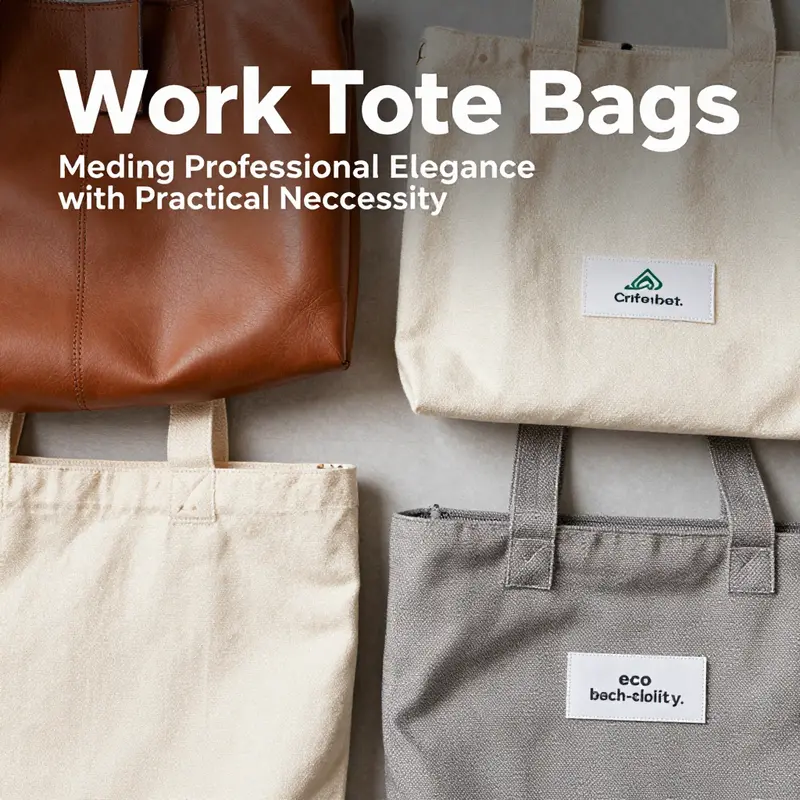
In the evolving lexicon of professional accessories, the work tote bag has emerged as more than a vessel for the day’s essentials. It is a statement of purpose, a portable workspace, and a reflection of ethical choices all folded into one polished silhouette. The chapter you’re about to read traces the material science behind that blend of form and function. It explores how recycled plastic, organic cotton, and their hybrids are shaping totes that endure the rigors of daily life while aligning with contemporary values—durability that can stand up to rain-soaked commutes, ergonomic comfort that reduces fatigue after long days, and a footprint that respects the planet. The narrative refuses to be merely technical; it threads material choice into the professional rituals of organization, reliability, and presence in the boardroom or during a fast-transit dash between meetings. A well-made tote today must do more than hold a laptop and a document folder. It must weather the unpredictability of travel, adapt to changing schedules, and age with a quiet dignity that signals competence without vanity. This is the throughline of material innovation: the fusion of sustainability and resilience into tote bags that perform as a trusted extension of the professional self.
The conversation begins with recycled plastic, a material as practical as it is symbolic. Post-consumer bottles, once destined for landfills, become the backbone of durable, water-resistant totes designed for daily urban life. The strength of these fibers comes from processes that convert plastic polymers into sturdy fabrics with tight weaves and high-tenacity finishes. The result is a fabric that resists wear and tear under heavy loads, a critical feature for professionals who carry laptops, chargers, documents, and personal items, all of which can accumulate weight over a busy day. The water resistance of recycled plastics is a practical boon during commute in variable weather. It helps protect contents from splashes, spills, and the occasional rainstorm that turns city sidewalks into small rivers. Yet the environmental payoff extends beyond weather protection. By diverting plastic waste from landfills and avoiding virgin resources, recycled plastic tote fabrics can align with corporate sustainability initiatives that emphasize circularity and waste reduction. They demonstrate that substance and style are not mutually exclusive: a bag can look refined while contributing to a broader environmental narrative. In a professional setting, the implications run deeper. A tote constructed from recycled plastic often invites a broader conversation about the supply chain and the ethics of sourcing. It invites the wearer to consider how materials are collected, processed, and integrated into finished products. The choice signals a commitment to responsible production without sacrificing the neat, professional edge that a work tote must deliver. When the daily grind requires frequent travel, the lightweight nature of these fabrics becomes another asset. A lighter bag means less fatigue, which translates into clearer thinking during meetings and longer stamina during back-to-back sessions. It also leaves more room in the luggage for essential documents and a compact technical kit. In essence, recycled plastic fabrics blend resilience with practicality, a combination that fits the rhythm of modern work—where speed, organization, and consistency matter as much as appearance.
A parallel track in material innovation runs through organic cotton, a textile celebrated for its softness, breathability, and more sustainable cultivation compared with conventional cotton. Organic cotton’s appeal lies not in spectacle but in a quieter, more thoughtful performance. It feels natural to the touch and develops a patina over time, which many professionals interpret as a sign of a bag’s lived life and reliability. This patina is more than cosmetic; it is a visual marker of durability and endurance—the leather-like warmth and the way the fabric ages gracefully rather than showing exaggerated wear. The ecological advantage of organic cotton rests on its cultivation, which typically employs fewer synthetic pesticides and fertilizers, thereby reducing chemical load and conserving soil health. The result is a material that speaks to a broader sustainability narrative without sacrificing tactile comfort or aesthetic versatility. However, organic cotton can present a trade-off: it is not inherently as water-resistant as synthetics. The industry has responded with thoughtful coatings and treatments that preserve the natural feel while enhancing resistance to moisture. A quality tote may pair an organic cotton exterior with a water-repellent treatment or a durable internal liner to keep contents shielded from rain, spills, or condensation. For professionals who value transparency in sourcing, organic cotton offers an appealing pathway. Consumers increasingly seek visibility into supply chains, fair labor practices, and the environmental footprint of every component. Organic cotton fabrics often come with certifications and traceable origins, which helps establish trust in the bag’s ethics as well as its aesthetics. In daily use, organic cotton contributes a refined, low-key look that complements formal attire as well as casual business casual. It’s the kind of material that holds up under hot-seat negotiations and long flights, all the while presenting a calm, approachable exterior that communicates reliability. The comfort of organic cotton—soft touch, pliability, and breathability—also remains a strong argument for totes designed for prolonged wear. If a commuter uses a tote as an everyday carry, the tactile pleasure of the fabric matters as much as the item’s capacity to keep its shape and protect its contents. Over time, organic cotton develops its own character, a reminder of the many paths a bag travels with its owner. This character, while subtle, is part of a professional’s personal brand—an impression that speaks to economy, ethics, and enduring taste.
The most compelling progress in material science for work totes, however, lies in the space between these two poles: hybrids and engineered fabrics that merge the best of natural and synthetic worlds. A growing proportion of premium and mid-range totes employ blends that combine recycled polyester or other recycled synthetics with organic cotton. These blends aim to strike a balance between the durability and water resistance of synthetics and the comfort, breathability, and ecological appeal of natural fibers. The resulting fabric often offers enhanced resilience against abrasion, while maintaining a lighter, more tactile exterior. The engineered layer systems inside these totes also play a crucial role. Designers can embed moisture barriers, gridded laminates, or micro-porous membranes that shield electronics from moisture without sacrificing flexibility. When paired with a robust lining, these layers help prevent moisture and condensation from seeping through to delicate contents, such as laptops and documents. The environmental story grows even richer when plant-based polymers come into play. These materials, explored in laboratories and pilot programs, mimic the resilience of certain leathers without the ecological price tag. They open the door to vegan options that deliver a similar texture, surface finish, and sense of luxury. Bio-fabricated materials, engineered to be durable yet biodegradable, hint at a circular life cycle: materials that perform brilliantly for a defined period, then re-enter the ecological loop at the end of their life with minimal waste. In the best cases, blends and innovations are not mere experiments but practical, scalable options that can be integrated into mass production without compromising performance or style. They enable a professional to choose a bag that aligns with environmental commitments and daily demands alike. The result is a tote that resists the rigors of a workday—standing up to the shuffle of crowded commutes, the occasional rainstorm, and the occasional clumsy moment of bag mismanagement—while carrying a conscience about the material footprint. The design language of these totes remains understated and timeless, with clean lines, structured silhouettes, and careful attention to the hardware and finishes that signal quality more than flash. This philosophy—durability paired with responsible material choices—reframes what it means to own a work tote. It invites a broader audience to see that long-term value comes not only from a bag’s capacity or its shape but from the integrity of the materials and the way those materials are sourced and constructed.
Beyond the materials themselves, the practical construction details amplify the gains of sustainable fibers. Durability is often rooted in reinforced stitching—typical specifications in the 8–12 stitches-per-inch range—which prevents seams from opening under load. Handles and straps are commonly double- or triple-stitched, a straightforward but essential measure for longevity when a bag carries heavy items. The choice of linings matters as much as the exterior fabric; high-performance linings made from recycled nylon or organic canvas not only resist abrasion but also contribute to overall bag integrity by containing moisture and reducing wear on the interior. The interplay between exterior material and interior construction is where sustainability translates into longevity. A well-executed design ensures weight distribution remains balanced when fully loaded, preventing excessive sag and maintaining a crisp profile that reads as professional, even when the bag is packed to capacity. If you’ve ever carried a tote that feels like a sinking ship under a laptop load, you know how critical this balance is to comfort and posture. A thoughtfully engineered bag will also feature practical compartments: a padded laptop sleeve, dedicated document pockets, and perhaps a slim pocket for devices with RFID-enabled chips. RFID-protected compartments are not mere luxury; they represent a real-world security feature that protects sensitive data in transit. The value of organized interiors extends beyond security. Quick access pockets for IDs, transit passes, or charging cables keep a professional moving efficiently through a day that rarely follows a fixed script. In addition to internal organization, many totes offer external features that enhance daily versatility without compromising the clean lines of a professional silhouette. A detachable crossbody strap, for example, can convert the bag from a shoulder-carrying tote to a hands-free carry during crowded commutes or long walks to meetings. This versatility is particularly appealing in dynamic urban environments where mobility is a core requirement of work life. For professionals who travel, expandable gussets—whether zippered or snap-on—offer compactness on lighter days and extra capacity during conferences or hopping between offices. The expansion is designed to remain inconspicuous, preserving an elegant exterior while providing additional cubic capacity when needed. Such functional details—adjustability, secure closures, and robust hardware—are the hardware translations of material science, turning high-performance fibers into a bag that feels robust, responsive, and refined. The interplay of material choice and construction quality is what ultimately grants a tote its sense of durability. A bag built from resilient fibers may still fail at the seams if stitching is weak or the lining poorly attached. Conversely, a bag with robust stitching and smartly designed interiors can transform a sturdy exterior into a reliable daily companion that retains its shape after months of use. This is the practical essence of the modern work tote: materials that endure, design that protects, and features that enable everyday professionalism to flow with ease. The ultimate test of any material innovation, however, is not just how a bag performs on a single day but how it ages. A tote’s character emerges through repeated use—the way it softens, the way its color remains even, the way it holds its shape under load. A bag that ages well communicates a quiet confidence and a respect for craft. In the end, the material choices weave together with the user’s routines to form a bag that becomes a stable, trusted element of work life, not merely a fashionable accessory. Materials like recycled plastics and organic cotton do more than ensure performance; they tell a story about responsibility, transparency, and continuous improvement that travels with the wearer. For a professional who wants to align daily equipment with longer-term commitments—environmental, ethical, and ethical‑economic—the material strategy behind a work tote becomes as important as the bag’s silhouette itself.
Internal link note: when considering daily usability, the reliability of closures and hardware often complements the fabric’s resilience. A tote that integrates robust zippers and closures can significantly extend its life by preventing accidental spills or gear loss in transit. For readers considering practical sampling and purchase guidance, a look at bags equipped with dependable closures can be informative. See tote bags with zippers for a sense of how zipper design and placement interact with overall durability and usability in professional settings.
As the technology of materials continues to evolve, so too does the expectation that work totes will reflect both the tone of the corporate environment and a personal commitment to sustainability. The challenge is to maintain a sense of elegance while incorporating innovations that push durability forward. The strongest designs achieve this balance by choosing materials that can be recycled, repurposed, or biodegraded at the end of life, while still delivering the moisture resistance, abrasion resistance, and structural integrity demanded by a full day’s routine. They also consider the ethical footprint of every stage of production, from the growers and recyclers who supply the raw materials to the factories that stitch the bag together. These concerns are not mere marketing flairs; they shape the lifecycle of the product, influencing resale value, upgrade cycles, and how often a bag can accompany a professional through seasons of change. The result is a category that is increasingly about stewardship—of personal time, of resources, and of the environment. For professionals who value consistency and clarity in their daily gear, these material innovations offer reassurance: you can choose a tote that respects your ethics, meets your performance needs, and still presents a refined, professional exterior in every context, from a quiet corner office to a bustling airport lounge. The future of work totes is a future in which sustainability and durability are not afterthoughts but the core language of design, production, and use. As this convergence strengthens, so too will the alignment between personal branding and professional poise, with materials acting as both the backbone and the signature of modern work culture.
External resource for further reading: Sustainable Fashion Forum’s Trends 2025 on Sustainable Tote Materials offers deeper insights into the standards and innovations shaping these fabrics and their life cycles. https://www.sustainablefashionforum.com/trends-2025-sustainable-tote-materials
The Tote That Fits Your Role: Navigating Size, Structure, and Professional Style
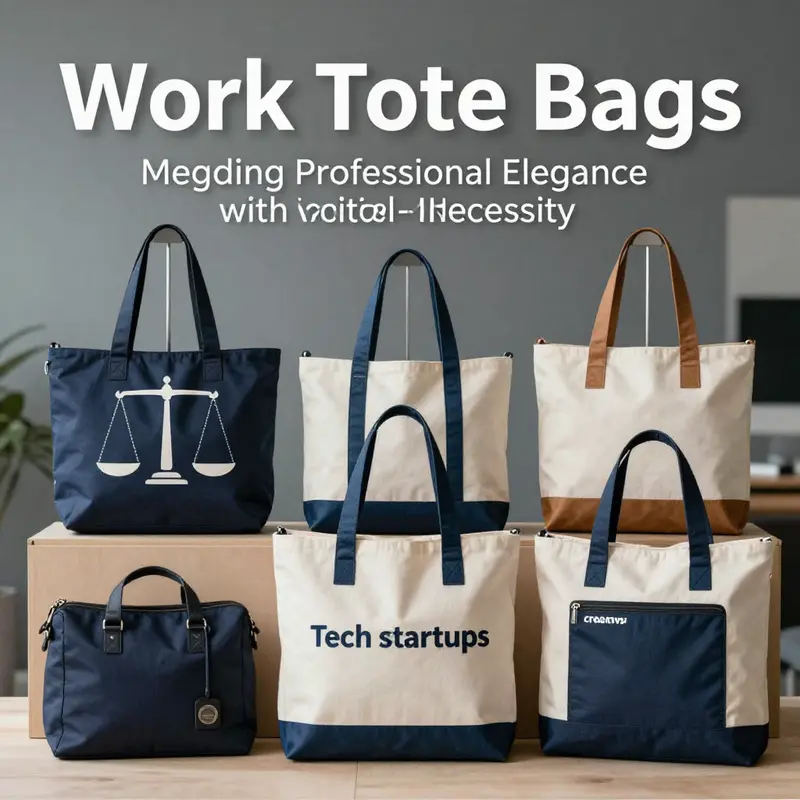
A tote bag can be more than a place to shove a laptop and a few papers. When thoughtfully chosen, it becomes a daily instrument that mirrors your workflow, supports your body, and communicates a kind of professional quiet confidence. The idea that one sack can do everything is appealing, but practical reality favors bags that align with how you move through your day. The right work tote is less about chasing a universal ideal and more about mapping size, shape, and organization to the particular tempo of your role. In the pages that follow, we explore how to translate profession, environment, and personal rhythm into a tote’s anatomy—its height and width, its internal compartments, its materials, and its straps—so you can carry exactly what you need, without paying for what you don’t.
For office-based routines, the middle ground often yields the most reliable companion. A medium-sized, structured tote—roughly 14 to 16 inches tall—strikes a balance between presence and practicality. It projects a professional presence in meetings, fits neatly under a desk or atop an airline tray table, and avoids the bulk that can slow you down during a hectic day. The key here is a laptop compartment that cushions and secures a device up to about 15 inches, plus a thoughtfully organized interior that houses documents, chargers, a notebook, and personal items in separate pockets. A bag with a padded sleeve, a handful of dedicated slots for pens and business cards, and a discreet exterior pocket for quick-access items like a boarding pass or a spare dongle becomes a reliable extension of your work ritual. The goal is not simply to hold things but to reveal them at a glance. When your bag tells a story of order and readiness, you feel steadier when presenting to coworkers or stepping into a conference room with a stack of reports.
Yet the realities of fieldwork and travel push many professionals toward larger capacities. Architects, journalists, consultants—anyone who navigates client sites, outdoor environments, or variable conditions—benefit from totes that scale up to 16 to 18 inches tall. These bags tend to feature reinforced handles and heavier hardware designed to withstand the rigors of a day spent on stairs, in transit, or on a windy street corner where rain can threaten sensitive gear. An expandable capacity becomes more than a convenience; it’s a safeguard. A zippered gusset or snap-on expansion maintains a compact silhouette when you don’t need the extra space but opens to accommodate extra layers, a spare portfolio, or additional notebooks when schedules shift. External pockets with weather-resistant zippers offer quick access to essential tools—notes, a camera, a planner, or a compact umbrella—without forcing you to rummage through a cavernous interior. When a tote is large enough to carry more than your standard kit, it should also feel secure and balanced, so as to reduce strain on the shoulders and back during long days of walking, waiting, and lifting.
In terms of volume, a common reference point is a tote around 18 inches wide by 14 inches tall and roughly 6 inches in depth. That configuration can shelter a taller laptop, several folders, a slim personal item, and a light jacket or an extra layer. The engineering challenge is to maintain order within that space. Internal dividers, mesh pockets, and a dedicated laptop sleeve help keep gear separated, which reduces the need to fish for a charger at the bottom of a messy tote. For someone who carries a camera or a few samples on the go, external compartments can be lifesavers, allowing quick access to notebooks or a compact field tool without sacrificing interior organization. The careful balance of exterior and interior storage is what converts a bag from a fashionable accessory into a dependable work tool. It isn’t merely about capacity; it’s about predictability—knowing where every item lives and how to reach it without pause in a tense moment.
Creative professionals approach totes with a slightly different perspective. The goal is a balance of aesthetics and utility that speaks to personal style while still protecting gear. A sleek, minimalist silhouette can carry a lot of meaning in a design sense, and it often pairs well with a studio workflow that involves client meetings, on-site shoots, or public-facing presentations. For these roles, interior organization matters as much as exterior looks. Customizable interior dividers let you tailor the space to your typical shoot kit, your laptop, tablets, sketchbooks, or a portfolio. RFID-blocking pockets add a layer of data security for devices and client files, a detail that acknowledges the growing importance of privacy in everyday operations. Craft and material selection matter here, too. Lightweight, durable fabrics that resist abrasion while protecting sensitive gear translate professional taste into practical resilience. You want a bag that feels almost invisible in operation—present but never ostentatious, protective without adding weight, and adaptable to the moment when you switch from a quiet studio to a bustling co-working space.
Across these scenarios, several core features emerge as reliable indicators of a tote’s suitability. First, ergonomic design is non-negotiable: wide, padded shoulder straps that distribute weight evenly reduce strain as you shift from a desk to a transit platform. A balanced silhouette prevents the bag from sagging at the center when fully loaded, which keeps the weight in your hands and shoulders exactly where you want it. If a bag feels comfortable when you lift it, it is more likely to stay comfortable after hours of use. Second, an adjustable, detachable crossbody strap adds flexibility. In crowded transit or when navigating stairs with a laptop in hand, a crossbody option lets you keep one hand free and your gear secure. The detachable aspect matters because not all days require that extra strap; having the choice keeps the bag’s lines clean and adaptable. Third, expandability is a tactical advantage. A structural base with a zippered gusset or a snap-on extension allows the bag to remain compact on light days and expand to accommodate a conference bag, a sample kit, or a packing cube when travel looms. This dual personality—compact on ordinary days, capacious on busy ones—reduces the friction of choosing a different bag for different tasks.
Materials play a decisive role in durability, ethics, and price. The most versatile work totes leverage durable, low-maintenance fabrics that can handle daily wear and weather exposure. Recycled nylon, synthetic leather, and heavy-duty canvas are among the practical choices that deliver resilience without sacrificing ethics or cost. When sustainability is part of the equation, these materials offer a productive middle ground: they’re resilient enough to withstand daily travel, they tend to clean easily, and they avoid heavy environmental trade-offs. The right material also influences weight; a bag that becomes a chore to carry as days lengthen will undermine the very efficiency it is meant to support. Leather can provide a timeless, premium feel, but it requires care and can be heavier and pricier. For many professionals, a responsibly sourced composite or fabric with a durable finish provides the best of both worlds: a professional look, a robust lifetime, and a lighter touch on the shoulder.
The interior layout is the stage on which daily work plays out. A padded laptop sleeve that fits up to a specific dimension is essential for many commuters who value gadget protection. An organized interior with multiple pockets—smartphone-sized compartments, charger pockets, a dedicated pen slot, and a zipped security pocket—reduces the cognitive load of a busy morning. For professionals dealing with sensitive client information or time-critical data, RFID-blocking pockets provide a discreet safeguard against skimming while still keeping everyday items easy to reach. In practice, the best interiors feel almost invisible. You should glide a hand into the bag, retrieve a file without rummaging, zip up and go, all with a rhythm that mirrors your own workflow. The fewer minutes wasted searching through tangled cords and documents, the more energy you retain for the tasks that actually matter.
The exterior design matters as well because it frames perception in the most public settings. In conservative environments like legal, finance, or formal consulting contexts, the tote’s silhouette should be clean and structured, with minimal hardware and no ostentation. In creative or tech-forward spaces, a tote with sharper lines, refined textures, and subtle branding can convey confidence and modern taste without sacrificing professionalism. The balance is not about loudness or subtlety alone but about how the bag sits in a room, whether on a conference table or beside a workstation. A well-chosen tote communicates that you have considered your tools, your schedule, and your personal brand with equal care.
An often overlooked but practical aspect is how a tote carries when you’re in transit or traveling. When crowded, a detachable crossbody strap becomes not just a convenience but a practical necessity. It lets you switch from toting across the shoulder to wearing the bag across the chest, which can provide a steadier grip on the contents while navigating stairs or long corridors. A bag designed with a comfortable strap anchor and reinforced stitching will survive longer trips and frequent loading. If you travel, think about how the bag behaves at airport security: does it open easily for quick screening, or does it require a complicated rearrangement of contents? A bag that plays well with security lines and elevators, that slides onto a luggage handle or sits neatly on a tray without tipping, will save you minutes in a jet-lagged day.
Size and proportion should also consider your own body and posture. A bag that sits too low or too high can contribute to shoulder strain or a rigid carrying stance. When selecting a tote, test its fit by placing it against your torso as you stand with a natural posture. The bottom should rest near the hip bone, not below it, ensuring the weight stays centered over your hips rather than pulling your shoulders forward. If the bottom dips, there’s risk of added strain; if it sits too high, the bag may ride up and catch on desks or doorframes. Proportions matter as well: the bag should not overwhelm your frame or extend past your back unintentionally, which can create awkward leverage when you bend or twist. A well-proportioned tote aligns with your natural reach and supports a comfortable gait, whether you’re walking to a meeting, stepping into a client site, or catching a train after a late session.
As you weigh these considerations, the practice of selection becomes a conversation between your routine and your gear. The bag’s size should mirror the day’s predictable tasks and occasional spikes. If you routinely carry a laptop, a charger, a notebook, and a portfolio, a midsize tote with a padded sleeve and a couple of external pockets can keep that kit accessible and organized without turning into a burden. If your days swing between client sites and field notes, a larger, more rugged tote with weather-ready fabric and reinforced handles can be the decisive advantage that keeps you efficient rather than scattered.
To connect these ideas to concrete use, consider the following approach to choosing by role while keeping your personal preferences in view. For office-based routines, prioritize a compact yet sturdy silhouette and a secure laptop sleeve. Your interior should present a clear map: a main chamber for documents and a dedicated pocket for the laptop, a side pocket for cables and chargers, and a slim interior for small items like a cardholder and a set of keys. In field-oriented roles, you’ll want a tote that is capable of absorbing the inevitable wear of daily travel: reinforced handles, durable fabric, expandable gussets, weather resistance, and easily accessible external pockets. Creative professionals can lean toward a design that champions simplicity with a hint of edge—an elegant form that still carries robust organizational features and privacy protection. In all cases, the bag should remain a quiet enabler of work, not a distraction from it.
If you want a practical anchor for laptop protection while maintaining interior flexibility, consider options that offer a dedicated laptop sleeve and cloud-like interior organization. For laptops, a tote bag with computer sleeve can offer the protection and organization you need. The sleeve gives a padded home to the device, while the rest of the interior can be configured with pockets and dividers to separate documents, notes, and accessories. This approach helps you sustain an efficient workflow, particularly on mornings when you must switch quickly from a desk to a training room or from a coffee shop to a client site. The presence of a well-structured interior reduces cognitive load. When everything you need has a dedicated place, you can move through tasks with fewer interruptions and more confidence.
The broader design philosophy behind these choices is not to chase a single “best” tote for everyone, but to think about fit as a set of decisions that respect both your body and your job. The right tote will have a comfortable weight distribution, a reliable range of sizes, and a set of features that you actually use rather than ones that simply look appealing in a showroom. It will also be a bag that ages well: durable materials, sturdy seams, and fabrics that resist staining and wear over time. Durability does not require rigidity; it can coexist with a bag’s ability to flex with your day, to expand for a conference week and contract for a light day with the same sense of composure. A well-chosen tote becomes a daily partner in your professional storytelling—quietly supporting you as you share ideas, review documents, sketch designs, or lift a laptop onto a conference table with calm assurance.
The conversation around work totes is evolving alongside workplaces themselves. In those environments where collaboration and mobility rule, the lines between fashion and function blur in favorable ways. Buckles and logos recede, material textures take center stage, and the focus shifts to how easily a bag integrates with your routine. A tote is less a statement piece and more a living tool that reflects a professional identity—one that acknowledges the necessity of protecting important information, the importance of ergonomic safety, and the value of efficiency in a world that keeps moving. The most successful choices acknowledge three truths: work evolves, your day rarely stays identical, and a bag that adapts to those shifts will feel less like an accessory and more like an extension of your daily craft.
In closing, the art of choosing the right work tote is not about chasing one universal solution. It’s about mapping your own routine, body, and style to a bag that can accommodate the rhythm of your week. Start by anchoring your choice in the requirements that rarely change—secure laptop protection, reliable organization, and a silhouette that fits your body well. Then layer in the flexible features that your days demand—expandability for travel, weather resistance for unpredictable commutes, and detachable straps for hands-free versatility. Finally, honor your values by selecting materials that endure and align with your ethics, because the tote you carry is as much about what you carry as it is about how you carry yourself. As you test bags in real-world settings—standing, bending, lifting, walking—you’ll discover that the right tote helps you bring your best self to every meeting, every site visit, and every late-evening project review. The right bag doesn’t just hold your tools; it supports your approach to work itself.
External resource for extended perspectives: For broader reading on design thinking behind work totes and how professionals across fields weigh function, form, and professional fit, see this thoughtful overview from a major publication: https://www.theguardian.com/lifeandstyle/2026/jan/30/the-perfect-work-tote-for-your-profession-and-lifestyle
Final thoughts
In the landscape of contemporary professional life, work tote bags have emerged as essential accessories for business owners, reflecting both personal style and practical functionality. Their evolution has been marked by a commitment to sustainability and innovation, ensuring that the materials used are not only durable but also environmentally friendly. By understanding the distinct types of totes available, business owners can make informed choices that align with their professional needs and personal brand. These bags are more than just accessories; they are vital tools that support the busy lives of modern professionals.