
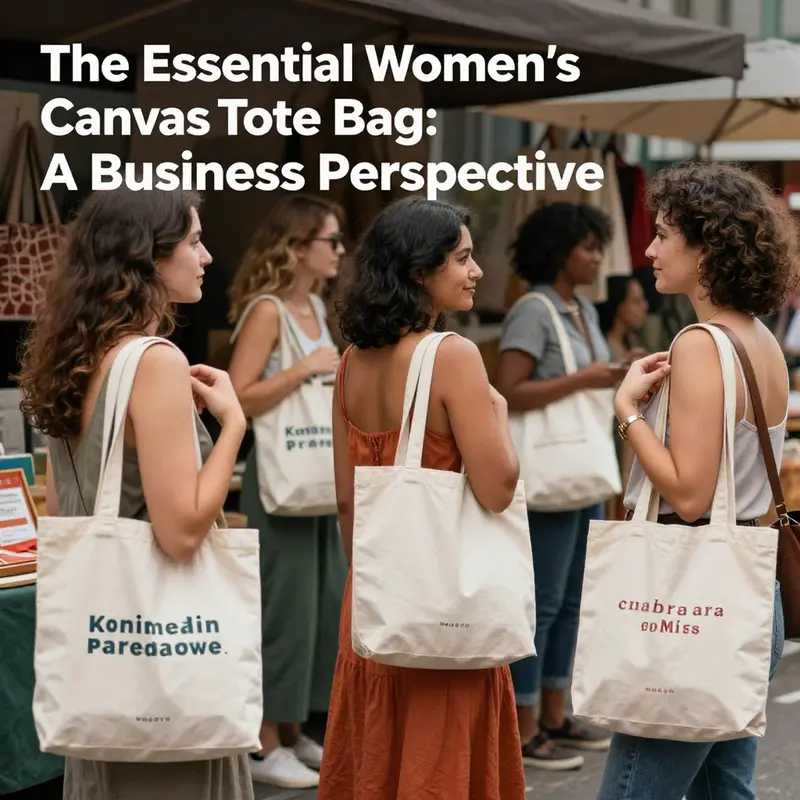
In a market where style meets functionality, women’s canvas tote bags have emerged as essential accessories for both personal and professional needs. Business owners can leverage their versatility, sustainability, and aesthetic appeal to enhance their brand visibility and customer engagement. This article delves into three crucial aspects that underscore the significance of these bags in modern business—highlighting their adaptability, eco-friendliness, and evolving design trends. By understanding these elements, business owners can make informed decisions about incorporating women’s canvas tote bags into their offerings or promotional strategies.
null
null
Canvas for a Cleaner Wardrobe: The Sustainable Case for Women’s Canvas Tote Bags
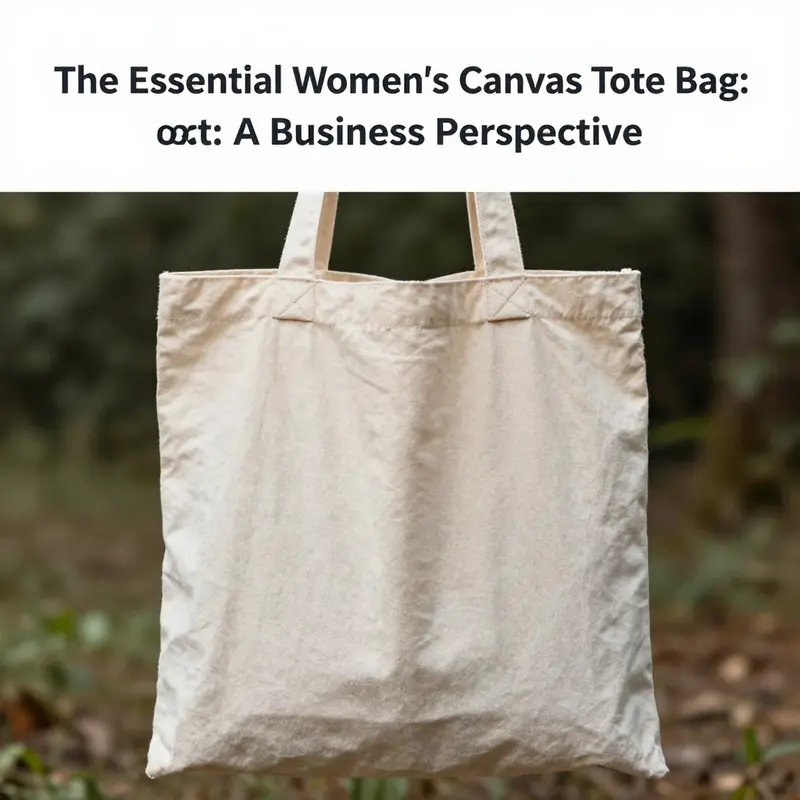
The environmental promise of canvas is practical, tangible, and rooted in lifecycle choices. Women’s canvas tote bags offer a simple replacement for disposable bags. They are durable, repairable, and compostable in many cases. Those properties make them a compelling choice for consumers who want to reduce waste with an item that fits everyday life.
Canvas is typically cotton or a cotton blend woven tightly to deliver strength without excess weight. That fabric profile matters for sustainability. A textile that lasts longer postpones the environmental cost of replacement. A bag that survives daily abrasion, heavy groceries, or a wet commute does the work of many single-use carriers. When used repeatedly over months and years, a well-made canvas tote reduces the per-trip environmental impact dramatically. Lifecycle thinking flips the conversation away from production alone, and toward how many trips a bag will serve.
Material selection sets the baseline. Conventional cotton grows from a natural, biodegradable fiber. It decomposes at end of life, unlike many synthetic fibers that persist and shed microplastics. Cotton cultivation does require water and input management, so choosing organic or responsibly grown cotton improves outcomes. Heavier-weight canvas, sewn with reinforced stitching and sturdy handles, also increases the number of times a bag can be used. Consumers who buy quality and keep care in mind get better ecological returns.
Comparisons with synthetic alternatives clarify trade-offs. Recycled polyester has lower manufacturing carbon intensity than some cotton in specific studies, and it diverts post-consumer plastic from landfill. Yet polyester originates from fossil fuels and releases microfibers during washing and wear. Cotton canvas avoids microplastic shedding, and it is biodegradable when untreated. For many everyday uses, that natural end-of-life advantage is a deciding factor.
Ethical and regional manufacturing influence the sustainability story too. Many responsibly run facilities produce canvas bags in established textile regions. When manufacturers follow recognized labor and environmental standards, their operations minimize pollution, conserve water, and protect worker rights. These practices are quantifiable through certifications and audit reports. Choosing products from verified supply chains reduces the likelihood of greenwashing and supports better outcomes across the lifecycle.
Design and personalization play an outsized role in reuse. A plain tote that fits daily life will be used repeatedly. A bag customized with meaningful graphics or unique embroidery often becomes a favored item. That sense of ownership prolongs service life. The more a consumer values a bag, the less likely they will discard it after a short period. Brands and small makers that offer personalization help increase attachment and, by extension, environmental benefit.
Care extends useful life. Canvas is forgiving and repairable. Spot cleaning, gentle machine cycles in cold water, and air drying keep the fabric strong. Treat small tears early and reinforce weak seams with simple stitching. Handles are common failure points; adding an inner patch or replacing a worn strap restores function. These low-effort repairs keep a bag in circulation and avoid premature replacement. Repair is a critical aspect of sustainable consumption often overlooked by buyers.
End-of-life options matter. Untreated cotton canvas can break down in industrial or home composting when cut into pieces and combined with green waste. Bags lined with synthetic coatings or heavy hardware complicate composting. Recycling fabric is possible in some municipal or private textile recycling programs, but availability varies. For maximum environmental advantage, prefer canvas with minimal plastic coatings and detachable hardware. That choice improves the likelihood of responsible disposal when the bag finally reaches the end of its usable life.
Quantifying impact requires realistic use scenarios. When a canvas tote replaces dozens or hundreds of single-use plastic bags, reductions in litter, landfill volume, and fossil fuel consumption follow. The precise break-even point depends on the alternative, frequency of use, and manufacturing footprint. However, consistently reusing a sturdy canvas bag hundreds of times remains a robust strategy to lower per-trip environmental costs. Decisions that emphasize durability and frequent reuse always improve net outcomes.
Supply chain transparency helps consumers make informed choices. Look for brands or producers that disclose fiber origin, manufacturing locations, and certifications. Manufacturing hubs with strong auditing frameworks offer clearer visibility into labor and environmental performance. Certifications related to organic agriculture, fair labor, and responsible manufacturing exist to help identify better products. While no label is perfect, a combination of verifiable credentials and documented supply chain practices points to lower-risk purchases.
Contextual factors influence impact too. Local production reduces transportation emissions. Dyeing processes can introduce chemical burdens, so low-impact dyes or natural pigments are preferable. Unbleached or undyed natural canvas eliminates some chemical inputs and improves biodegradability. Choosing neutral colors also makes a bag easier to reuse across wardrobes and occasions, which again increases its usage and environmental value.
Behavioral changes amplify the bag’s effect. Carrying a tote consistently requires making it part of routines. Stashing a collapsible canvas bag in a commuter bag, vehicle, or office desk increases the likelihood of reuse. Washing only when necessary and avoiding harsh detergents reduces wear. Sharing a family bag for household grocery runs concentrates trips into fewer items. These small habits, repeated over months and years, shape the real-world sustainability profile of a canvas tote.
Public and corporate adoption shifts systems. Retailers, schools, and event organizers have long used canvas totes for branding and distribution. That role can reduce single-use bag reliance and introduce more people to reusable options. When institutions pair reusable bags with incentives or education, the effect becomes systemic. Municipal bans on single-use bags are another leverage point that increases reusable bag usage. Canvas totes, durable and visible, are well positioned for such transitions.
Microplastic concerns remain an important contrast. Synthetic bags and many blended textiles release synthetic fibers during washing and use. These microfibers can enter waterways and food chains. Natural canvas avoids that specific pathway. That advantage supports a broader environmental claim beyond biodegradability. It also aligns with consumer interest in reducing invisible pollution that accumulates over time.
Practical choices reduce environmental risk. Choose canvas bags labeled as organic, responsibly sourced, or produced under verified conditions. Seek heavier weights and strong stitching for longevity. Avoid unnecessary coatings and nonessential hardware. Favor simple designs that tolerate repairs and patching. When a bag reaches the end of usable life, check local textile recycling options or composting guidelines before disposal. These choices keep the environmental story positive from production to end-of-life.
The fashion dimension matters, too. A tote that complements many outfits will be used more often. Neutral palettes increase frequency of wear and reduce the desire to replace the bag for aesthetic reasons. Conversely, seasonal trend-driven designs can prompt turnover. Prioritize timeless styles if sustainability is the main objective. Function integrated with aesthetics increases retention and minimizes waste across wardrobes.
Policy and industry shifts reshape true impact. Textile standards, improvements in water stewardship, and advancements in recycling infrastructure all influence whether canvas bags remain the superior choice. Investment in garment recycling and composting infrastructure will further tip the balance toward natural fibers. Likewise, innovations that reduce cotton’s water footprint will strengthen canvas’s environmental case.
Transparency also counters greenwashing. Brands that provide clear, third-party verified information about materials and factories help buyers make better choices. Claims such as “eco-friendly” or “sustainable” mean little without data. Proof of organic certification, fair labor audits, or lifecycle assessments gives credibility. Those metrics let consumers weigh trade-offs and prioritize products with demonstrable lower impacts.
Finally, the social side of sustainability deserves attention. Supporting producers who adhere to ethical labor standards helps shift markets. Purchasing from companies that invest in worker welfare and environmental management sends market signals. When buyers prefer responsibly made canvas, manufacturers respond. This dynamic encourages better practices across supply chains, reinforcing the environmental benefits at a systems level.
A women’s canvas tote bag is not merely an accessory. It is a vector for everyday environmental choices. Selecting a high-quality bag made from responsibly sourced cotton, using it repeatedly, maintaining and repairing it, and disposing of it properly keeps its ecological benefits strong. The real sustainability of a canvas tote emerges from the interaction of material, design, production, and human behavior. When those elements align, a simple canvas tote helps reduce waste, avoid microplastics, and support more ethical manufacturing.
For practical guidance on choosing styles, sizes, and construction suited to daily life, see this in-depth resource on women’s canvas options: women’s canvas tote bags.
For lifecycle comparisons between recycled polyester and conventional cotton, consult this report from Textile Exchange: https://www.textileexchange.org/reports/.
Quiet Confidence: How 2026 Design and Aesthetics Are Shaping Women’s Canvas Tote Bags
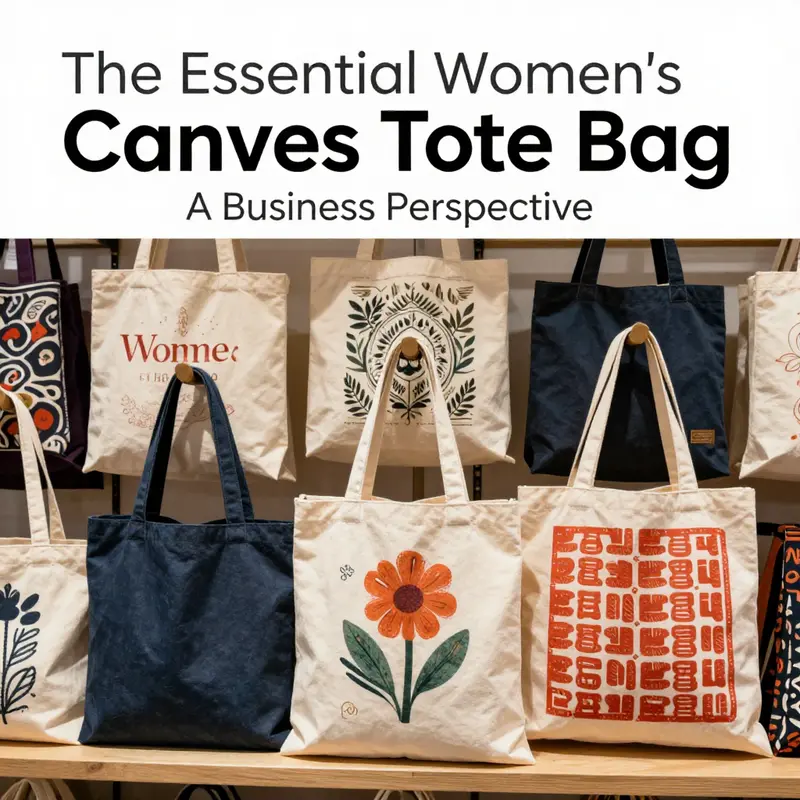
Design today favors restraint and intention. For women’s canvas tote bags, that means form and function unite through subtle cues. Rather than loud logos or fussy ornamentation, the most compelling totes show personality through proportion, texture, and carefully chosen details. This chapter explores that refined direction, looking at how negative space, typography, organic motifs, material choices, and structural decisions work together to create tote bags that feel both modern and timeless.
A defining attribute of contemporary canvas tote design is the embrace of negative space. Designers place short, meaningful text or a small graphic near the bag’s edge or corner instead of covering the entire face with a pattern. This measured use of space produces a feeling of calm. It also adds visual focus: a single word or a brief phrase becomes a quiet statement, readable yet discreet. When text is used, a two-typeface limit keeps the design coherent. A bold, geometric headline font paired with a light, humanist body face gives hierarchy without clutter. The result suits urban commuters and people who prefer accessories that complement outfits instead of overpowering them.
Alongside typography, nature-inspired illustration has gained ground. Hand-drawn botanicals, stylized leaves, and tender floral sketches impart softness while signaling environmental awareness. Such motifs are not window dressing; they connect to the idea of responsible materials and production. When a tote carries a delicate fern or a repeated leaf motif, it suggests a relationship to the natural world. Scale matters: oversized florals read as bold fashion, while small, repeat patterns feel artisanal. Designers often use a restrained palette for these illustrations—muted greens, warm terracottas, and stone grays—to keep the look unified and wearable across seasons.
Material choices tell much of the same story. The shift toward organic cotton canvas and recycled fibers emphasizes texture and handfeel. These textiles are chosen for their flexible drape and comfort on the shoulder. A tote that softens with use invites daily carrying. We now see canvases that are tightly woven for durability, yet finished to feel more like soft linen than stiff sailcloth. That tactile quality contributes to the bag’s visual tone. Natural dyes and low-impact finishing processes support the aesthetic too. A sunfaded beige or a mossy olive looks intentional, not accidental, because the dye chemistry and wash techniques are selected to create that lived-in look while adhering to sustainability standards.
Structure and functionality remain central. Contemporary tote silhouettes favor adaptability. They keep clean lines whether empty or filled, avoiding boxy rigidity. This is achieved through patterning and internal construction that let the bag hold shape at the top while folding gently at the base. Reinforced seams and boxed corners add strength without adding visual bulk. Handles are another critical design decision. Longer straps designed to sit comfortably on the shoulder pair with reinforced cross-stitching at the attachment points. Hardware is kept minimal—matte metal or horn-like toggles instead of shiny, conspicuous clasps—to maintain the understated aesthetic. Internal organization has improved too: discrete zip pockets for valuables, padded sleeves for small electronics, and shallow slip pockets for transit cards make the bag practical for daily life without compromising the clean exterior.
Print and production techniques influence the final impression as much as the artwork. Screen printing still gives vibrant, durable imagery. But digital printing allows for photo-realistic botanicals and soft gradients that blend into the canvas. Embroidery is being used sparingly as a tactile accent—think a small stitched signature at a corner instead of a wall of thread across the entire surface. Heat-transfer and water-based inks give a softer hand and a more integrated look, allowing motifs to sit within the fabric instead of on top of it. These choices affect how the bag ages; softer ink techniques will patina with use, which many consumers appreciate.
Color strategy in 2026 favors versatile neutrals with moments of accent. Core hues—natural canvas, charcoal, deep navy—serve as canvases for small splashes of color. Accent tones are chosen carefully: marigold for a confident pop, sage for a restful nod to nature, or a dusty rose that reads subtle rather than saccharine. Designers think about color in terms of wardrobe compatibility. A tote is meant to simplify daily decisions, so palettes lean toward combinations that pair well with denim, tailored pieces, and athleisure. Contrast stitching in a complementary hue is a quiet but effective detail. Edge binding in a deeper tone frames the bag without shouting, and it helps resist wear along the base and seams.
Luxury influences persist, but they are translated through restraint. High-end houses have shown how combining canvas with premium trim elevates everyday forms. The lesson many designers take is less about logos and more about material contrast and finish. A canvas body paired with a refined trim—smooth vegetable-tanned leather, a matte metal accent, or a hand-painted edge—signals thoughtfulness. Yet many contemporary designs avoid overt branding. Instead, hallmarks of quality appear in craftsmanship: neat topstitching, tight seam allowances, and hardware that closes smoothly. Consumers interpret those signals quickly; they trust tactile cues over printed names.
Sustainability is now a core design principle, not an optional extra. From sourcing to end-of-life, design choices are made to minimize impact. That affects which dyes are used, how waste is handled during cutting, and whether the bag can be repaired. Some producers incorporate replaceable straps or modular pockets so components can be refreshed without discarding the whole piece. Reusable packaging and repair guides included with the product extend its life and align with the minimalist visual language: a bag that lasts looks better when it ages gracefully. Labels that state fiber origins, wash recommendations, and repair instructions are often integrated inside pockets rather than displayed externally, maintaining the bag’s uncluttered exterior.
Size and proportion decisions are practical expressions of aesthetic intent. Contemporary large-capacity totes typically measure around the proportions many users find practical—wide at the top, tapered slightly at the base, tall enough to hold a laptop and a change of clothes. These proportions preserve the bag’s silhouette even when partially full. For city use, compact versions reduce height and increase depth to fit urban storage constraints while retaining a generous mouth for easy access. Handle lengths are calibrated so the bag carries at a comfortable balance point, neither slouching too low nor tugging at the shoulder. These physical dimensions shape perception: a well-proportioned tote reads as thoughtfully designed and effortless.
Customization and limited runs are part of the current aesthetic economy. Small-batch prints, artist collaborations, and regionally inspired motifs lend authenticity. When a tote carries a locally drawn pattern or a limited-edition color run, it becomes a small personal narrative rather than a mass-produced commodity. The aesthetic value here is in scarcity and story. Designers often include a discreet tag or card explaining the inspiration and production process. This information sits inside the bag, preserving the plain exterior while rewarding the owner with context.
Functionality and fashion co-evolve in commuter-focused features. For people who carry work equipment, a padded sleeve integrated into the lining keeps devices safe without forcing a bulky exterior. Zippered closures and internal key leashes add security. For weekend use, expandable gussets or hidden snap systems increase capacity when needed. Many designers approach these features as invisible engineering: they aim to make the added functionality seamless so the exterior remains uncluttered. A tote that manages both a laptop and a grocery run without looking disjointed is a hallmark of contemporary design success.
Surface finish and edge treatment are subtle yet critical. Raw cut edges feel casual; bound and painted edges feel deliberate. Raw hems speak to a rugged, lived-in aesthetic and work well with natural dyes and organic canvases. Painted or sealed edges lend refinement and resist fraying, which is useful for bags intended for heavier loads. The choice between these approaches depends on the intended user. A market tote designed for weekend errands might embrace raw edges and exposed seam work. A city tote aimed at professionals typically uses sealed edges and matched trim to create a more polished effect.
Networked design sensibilities appear in collaborations between designers and craftspeople. Workshops that specialize in traditional techniques contribute embroidery, block printing, and hand-stitching. These artisanal marks are not ostentatious; they act as punctuation. A single hand-blocked motif, an asymmetrical stitch, or an embroidered corner can transform a blank canvas into something personal. The minimalist framework ensures these gestures remain legible and meaningful.
When shoppers evaluate a tote, they rarely look at just one dimension. They assess proportion, texture, internal logic, and how the bag will integrate into daily routines. Aesthetic choices should answer real needs. A spare exterior suggests low maintenance. A warm, tactile canvas invites touch. A small printed phrase in the corner implies a discreet identity. Good design anticipates how people will interact with the bag over months and years.
For makers and buyers alike, the contemporary aesthetic is a design philosophy more than a trend. It favors restraint, durability, and considered charm. Whether a tote features a single embroidered seed or a tonal botanical print, the most successful pieces feel useful and composed. They let the wearer define their look, rather than declaring it for them. For a deeper look at the range of available options and practical sizing guidance, see this comprehensive resource on women’s canvas tote bags: https://alltotebags.com/womens-canvas-tote-bags/.
The visual language of canvas totes in 2026 keeps evolving. Yet the throughline is clear: simplicity, sustainability, and subtle storytelling. This combination yields accessories that fit multiple roles—professional, domestic, and recreational—without sacrificing personality. Designers who master this balance produce totes that are not only functional objects but also enduring style companions. For reference to how high-end houses translate these principles into finished pieces, explore this official product page: https://www.gucci.com/us/en/shop/tote-bags/.
Final thoughts
Women’s canvas tote bags represent more than just a practical accessory; they embody a commitment to versatility, sustainability, and stylish design. For business owners, incorporating these bags into product offerings or promotional campaigns can significantly boost brand visibility while aligning with eco-conscious consumer preferences. By understanding and leveraging the unique attributes of women’s canvas tote bags, businesses can not only enhance their product line but also resonate with their target audience on a deeper level.