
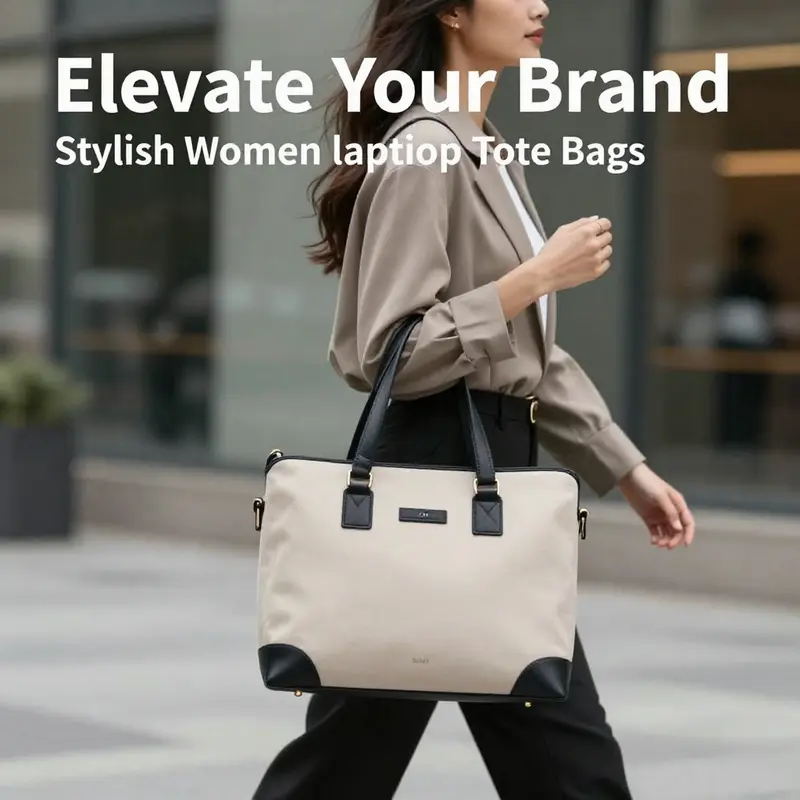
Women’s laptop tote bags have evolved from simple carriers to strategic branding tools for professionals. They balance durability, organization, and polish, helping business owners present a cohesive image. This guide explores the evolution, essential features, sustainability considerations, pricing dynamics, and practical styling tips to help you choose totes that support your brand and your daily workflow.
How the Women’s Laptop Tote Became a Style-Forward Workhorse

From Utility to Identity: The Quiet Reinvention of the Laptop Tote
What began as a plain protector for technology has quietly become a daily emblem of identity for many women. The early laptop totes focused on shielding devices. They were simple carriers with thick padding, boxy forms, and few frills. Over time, needs shifted. Women wanted protection for their computers, yes, but they also wanted bags that spoke to personal style and moved seamlessly between meetings, classes, and social moments. That dual demand—protection plus personality—sparked a reimagining of the laptop tote.
Designers started with structure and worked backward. The first redesigns refined the silhouette so a tote could carry a 13″ to 15.6″ laptop without appearing bulky. Thin, reinforced sleeves replaced loose compartments. Internal organizers were added to hold chargers, notebooks, and smaller essentials. Straps became ergonomic and balanced to reduce shoulder strain. These practical updates retained the core purpose—device safety—while making the bag more comfortable for long commutes.
Once the functional base was secured, aesthetic possibilities expanded. Materials evolved beyond heavy canvas and plain nylon. Lightweight woven fabrics, coated textiles, and premium faux leathers offered a smoother, more tailored appearance. Designers introduced subtle details: tonal stitching, discreet zippers, and polished hardware. Color palettes moved away from only neutral blacks and browns. Pastels, muted color blocks, and patterned linings created visual interest while remaining office-appropriate. Little accents such as tassels or minimalist charms added personality without compromising professionalism.
Technology influenced design as well. Padded laptop sleeves became standardized, often lined with soft microfiber or shock-absorbing foam. Some models integrated water-resistant coatings to guard electronics from sudden weather. As mobile work became more common, features like external charging ports and cable pass-throughs appeared. These additions kept the tote practical for modern routines while preserving its polished exterior.
The organization inside a tote grew more sophisticated. Multiple pockets, zippered compartments, and detachable pouches allowed users to carry everything in a single bag. A dedicated tech pocket, a pen sleeve, and a secure zip pocket for wallets and phones became expected. Those changes helped the tote become a one-bag solution for work and life, eliminating the need to juggle separate laptop bags and everyday purses.
Comfort and durability rose in priority. Shoulder straps were engineered with padding and optimized widths to distribute weight evenly. Reinforced stitching and high-performance fabrics improved longevity. These improvements matter for anyone who commutes by transit, cycles, or travels frequently. Quality construction ensures the tote maintains its shape and function under daily strain, which in turn supports sustainable consumption—longer-lasting bags mean fewer replacements.
The cultural context shaped the tote’s evolution too. As workplace dress codes relaxed, style became a vehicle for self-expression. The laptop tote moved from purely functional gear to a fashion accessory that supported a wide range of outfits and roles. It could be a structured leather tote carried into a boardroom, or a soft canvas companion for casual campus life. That flexibility is central to the tote’s appeal: it adapts to context rather than forcing a wardrobe change.
Price and accessibility also shifted. Where early professional laptop carriers were often costly and exclusive, the market now spans accessible price points. Affordable options use coated fabrics and streamlined manufacturing to lower costs. Simultaneously, premium lines focus on craftsmanship and long-term resilience. This range democratizes access to well-designed totes and lets buyers prioritize what matters most—price, materials, or features.
Sustainability and ethical production are more than buzzwords for many buyers. Recycled fabrics, vegetable-tanned leathers, and lower-impact coatings are increasingly common. Brands that share transparent manufacturing practices win trust. The expectation is no longer merely that a bag looks good and lasts. Buyers expect a product whose production aligns with their values. This trend will likely accelerate as materials science advances and regulatory pressures increase.
Function and fashion continue to influence each other. Decorative elements now solve practical problems: contrast panels can reinforce high-wear areas, and patterned interiors make it easier to find small items. Removable straps and convertible handles let a tote shift from shoulder bag to crossbody. These hybrid design choices let users mold a single bag to many purposes.
The future points toward greater integration of smart features and sustainable solutions. Built-in tracking modules, modular battery packs, and solar-charging panels are beginning to appear in concept stages. Meanwhile, durable upcycled materials and closed-loop production methods are becoming practical. These innovations will deepen the tote’s role as an everyday essential while responding to environmental concerns.
Choosing the right laptop tote today means balancing several factors. Look for a padded compartment sized for your device. Assess internal organization and pocket placement. Consider strap comfort, especially if you carry heavy loads. Evaluate materials for water resistance and long-term wear. If sustainability matters, check for recycled content or transparent production claims. Finally, consider how the bag will pair with your wardrobe and routines: a tote that complements many outfits offers a better return on investment.
Practical guidance and product narratives are available for those who want to compare models and features. For a focused overview on options designed specifically for women, consult this guide to laptop tote bag women for more detail.
Throughout its transformation, the laptop tote has retained a core purpose: protecting devices. Yet it has grown into something more. It now communicates taste, supports daily logistics, and adapts to shifting technologies. The tote’s design journey shows how thoughtful adjustments—smarter organization, better materials, and subtle style cues—can elevate a simple utility into a central piece of modern life.
See an example here: https://www.olasmilos.com/products/woven-tote-voyageur
Essential Features That Make a Women’s Laptop Tote Worth Carrying
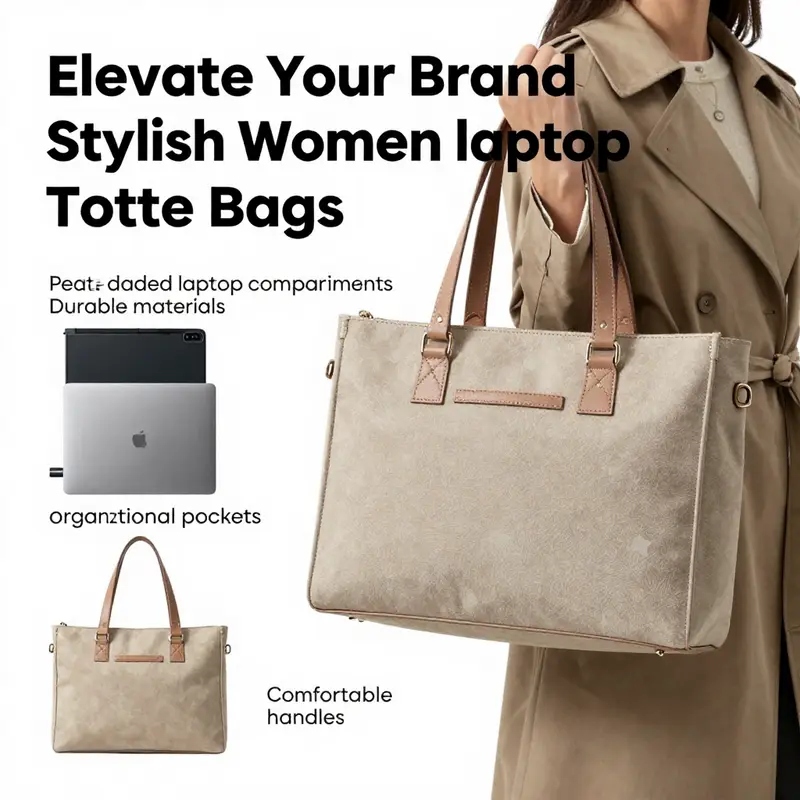
Key Features to Prioritize
Choosing the right laptop tote means balancing protection, organization, comfort, durability, and style. A well-designed tote preserves your laptop and streamlines your day. Start with the place your computer lives: a padded, dedicated laptop compartment. This pocket should hug the device, absorb shocks, and close securely. Zippers, magnetic snaps, or elastic straps all work, but the priority is a snug fit that prevents shifting. For most people, that means a sleeve sized for laptops up to 15.6 inches. If you own a smaller or larger laptop, match the sleeve dimensions to avoid wasted space or an insecure fit.
Beyond the laptop sleeve, internal organization shapes how you use the bag. Multiple pockets keep small items from disappearing into the void. A zippered pocket works for keys, wallet, and loose change. Slip pockets or elastic loops hold pens, a phone, or a small tablet within easy reach. Consider a hidden or zippered external pocket for transit essentials like a metro card or ID. The best totes arrange these pockets logically, so chargers, notebooks, and personal items each have their own place. That reduces the time you spend searching and keeps the silhouette clean.
Material choices influence longevity, maintenance, and the bag’s personality. Full-grain or top-grain leather ages with a refined patina and resists scuffs when cared for properly. Fabric options like nylon or polyester offer lightness and natural water resistance. They are ideal for heavy commutes and rainy days because they resist stains and are easy to wipe clean. Canvas, especially when waxed or coated, gives a durable, casual look and stands up to outdoor use. Eco-conscious shoppers can choose recycled polyester or plant-based leathers. These alternatives reduce environmental impact while maintaining structure and function. When evaluating materials, check stitching, seam reinforcement, and how handles attach to the body. Reinforced seams and bartack stitching at stress points dramatically extend a tote’s lifespan.
Comfort is non-negotiable when a bag carries more than a laptop. Look for well-padded shoulder straps and rounded handles that distribute weight evenly. Adjustable straps offer versatility for shoulder or crossbody wear. If you regularly carry heavier loads, ergonomic padding and wider straps minimize strap bite and shoulder strain. Subtle design choices matter: a strap that attaches to the bag at wider angles will sit more comfortably on the shoulder and prevent the bag from dragging against your hip.
Protection from the elements is another essential feature. Water-resistant fabrics and finishes protect electronics from light rain and accidental spills. Many high-quality totes combine a water-repellent exterior with a lined, padded interior. Some also include a base panel or feet that raise the bag off damp surfaces. These additions help prevent moisture and dirt from seeping into the bottom of the bag where chargers and documents sit.
Proportions and capacity determine whether a tote feels like an asset or a burden. The ideal width typically falls between 14 and 18 inches, with a height around 12 to 15 inches. This range accommodates a laptop, a slim folder, and a few daily essentials without creating a bulky profile. Depth matters too: 3 to 6 inches of gusset depth provides storage without turning the tote into a portable closet. If you prefer to carry a lunch, a water bottle, or a compact umbrella, check internal dimensions and pocket placements to ensure items fit without pressing against the laptop sleeve.
Versatility in design keeps a tote relevant across settings. Neutral tones like black, navy, or tan pair well with professional attire and casual clothes. A clean silhouette without excessive hardware can shift easily from office to weekend. Conversely, a tote with a detachable crossbody strap or removable inner organizer adapts to different routines. Subtle design accents—contrasting lining, minimal metal hardware, or a small logo—offer personality without overwhelming professionalism.
Functionality extends to small, thoughtful details. A top closure protects contents from prying eyes and the weather. A well-placed key leash prevents digging at the bag’s bottom. A dedicated charger pocket or cable pass-through keeps cords tidy. Some totes include an organizer insert so you can transfer your layout between bags. If you travel frequently, a luggage sleeve that slides over a rolling suitcase handle makes the tote airport-friendly.
Sustainability and ethical manufacturing are increasingly important features. Look for transparent supply chains, recycled materials, and certifications that indicate reduced environmental impact. Plant-based leathers and recycled textiles provide lower-carbon alternatives. Choosing a tote built for longevity reduces waste. Quality construction and repair-friendly design effectively extend the product’s usable life and reduce the need for frequent replacements.
Customization options add a personal touch without compromising function. Monograms, removable straps, or swappable accessories let you tailor the tote to your style. Keep customization subtle to preserve resale value. A small monogram or an interchangeable strap can refresh a bag’s look while keeping it versatile.
Practical care and maintenance keep a tote looking and functioning well for years. Leather benefits from periodic conditioning and should be kept away from prolonged moisture. Fabric totes typically tolerate spot cleaning or gentle machine washing, depending on construction. Always check care labels and follow manufacturer recommendations. Proper storage, such as stuffing the bag to retain shape, prevents creasing and sagging.
Finally, match features to lifestyle. Commuters should prioritize weather resistance, protective padding, and quick-access pockets. Students may prefer affordability, large interiors, and easy maintenance. Professionals often choose a polished material, structured silhouette, and refined internal organization. Teaching professionals might want a tote with space for books, markers, and a laptop while remaining comfortable to carry between classes.
A tote that balances protection, organization, and comfort becomes a daily partner, not a compromise. For readers who want a focused look at womens laptop tote designs and comparisons, explore the in-depth resource on laptop tote bags for women available here: https://alltotebags.com/laptop-tote-bags-women/. For a technical reference on material standards and design recommendations, consult this comprehensive guide: https://www.lenovo.com.sg/en-gb/laptop-tote-bag-for-women-a-comprehensive-guide
Eco-Innovations in Women’s Laptop Totes: Crafting Style, Durability, and a Lighter Footprint
In the evolving landscape of women’s accessories, the laptop tote has become more than a mere carrier for devices. It has transformed into a statement of responsibility and a practical ally for daily routines that blend professional demands with personal commitments. This chapter follows the thread of sustainability through the manufacturing choices that shape how these bags perform, endure, and resonate with values. The story is not only about what materials are used, but about how a product is conceived, produced, and disposed of, and how that lifecycle aligns with the expectations of a generation that prizes transparency, accountability, and ethics as much as aesthetics and function. In this sense, sustainability in laptop totes is a holistic discipline, linking design, supply chains, and consumer behavior in a loop that rewards innovation and conscientious practice alike. The result is a category that offers durability, organization, and weather resistance without sacrificing elegance or flexibility. It invites conversations about how a bag can be both a reliable daily tool and a responsible choice, and it invites designers to push boundaries with a clear eye on impact, not just image. When professionals, teachers, and students choose a tote, they are selecting more than a bag; they are selecting a story about how everyday items can reflect a commitment to a healthier planet while supporting a busy, on-the-go lifestyle. The shift toward sustainability is visible in the materials people choose, the suppliers and processes brands trust, and the way products are marketed and evaluated. Rather than focusing solely on price or prestige, shoppers now weigh the long arc of a bag’s life: its origin, its maintenance needs, its potential for repair, and its ultimate end-of-life. This broader view is reshaping expectations and encouraging a market in which eco-conscious choices do not compromise performance or style. Within this frame, a well-made women’s laptop tote becomes a practical extension of a professional identity—an accessory that communicates responsibility as well as competence. It is within this context that the most compelling innovations appear, weaving together recycled content, natural fibers, verification through respected standards, and production methods that minimize energy use and waste while maintaining the craftsmanship and polish that define modern workwear. The conversation begins with materials, but it quickly expands to the rhythms of production and the promises of certification, packaging, and aftercare, all of which contribute to a holistic narrative of sustainability that matters to users who carry their lives in a single, well-designed tote. In daily life, the tote’s sustainability is often felt most directly in its performance. A durable exterior that resists abrasion, a padded sleeve that cradles a laptop up to typical 15.6 inches, and thoughtfully organized interior pockets that keep documents, chargers, and toiletries in their assigned places—all while remaining lightweight and balanced—are the practical expressions of a greener choice. The tactile sense of quality becomes inseparable from the ethical one; a bag that ages gracefully and is easy to repair or recycle embodies a respect for resources and people that goes beyond fashion. When designers think about sustainability, they do not merely seek to reduce harm; they seek to create positive value. Materials are chosen not only for their look and feel but for how they were grown, processed, and assembled. They are evaluated for their capacity to withstand daily wear without shedding or losing shape, to resist moisture without becoming stiff, and to return to a useful state after occasional cleaning. The best options find harmony between form and function: a sleek silhouette that slides easily under an office chair, a interior layout that accommodates a charger, a notebook, and a tablet, and a protective sleeve that guards the device without adding bulk. This balance is often achieved through architectural thinking—channels and dividers that guide use, padding that cushions impact, and seams that reinforce durability without adding unnecessary weight. In the wider ecosystem of laptop totes, sustainability is improving the lifecycle story rather than simply the surface appearance. The growth of recycling programs and circular economy models has made it more feasible for bag makers to convert post-consumer waste into durable fabrics. A growing number of totes now incorporate recycled nylons or polyesters derived from plastic bottles, diverting waste from landfills and oceans while delivering water resistance and endurance. In practice, this approach means that a tote can tolerate rain or accidental spills without compromising its interior structure. It also means that a consumer can feel confident that a single purchase contributes to a broader effort to reduce plastic pollution, especially when the material’s origin and processing are documented through transparent labeling and third-party verification. The design teams behind these bags are increasingly focused on long-term value: the ability to replace worn components, the inclusion of modular pockets that can be rearranged, and the possibility of upgrading hardware or swapping out straps. These features extend the bag’s usable life, lowering the need for frequent replacements and minimizing waste. When a tote is designed with repairability in mind, it invites a culture of care. A user can resew a seam, replace a worn zipper, or swap a damaged strap without discarding the whole bag. This approach aligns with a growing understanding that sustainability is a daily practice rather than a one-time purchase. For shoppers, certifications play a crucial role in distinguishing genuine ethical commitments from greenwashing. Recognizable standards such as those that verify organic content, safe dyeing practices, and responsible labor conditions provide a reliable signal. They offer assurance that the materials were sourced and manufactured in ways that protect workers and ecosystems. Brands that seek transparency often publish supply chain disclosures, share factory audits, and invite independent verification, turning sustainability from marketing into measurable performance. On the production floor, energy efficiency and waste reduction are increasingly integrated into the fabric of manufacturing. Solar-powered facilities, lean production processes, and optimized logistics minimize carbon emissions and resource use. Zero-waste design principles are employed to cut fabric offcuts and repurpose scraps into linings, pockets, or accessories, aligning the manufacturing footprint with the bag’s functional elegance. Responsible packaging, using minimal materials and recyclable or compostable options, completes the lifecycle loop by reducing waste from the outset. In the market, these developments respond to a demand for products that reflect a broader set of values. Consumers want to know that their purchases support fair labor, environmental stewardship, and genuine material innovation. They appreciate the opportunity to select items that fit both their professional wants and their personal ideals. This shift is evident in how retailers curate options and in how brands narrate the story of their totes—moving away from purely aspirational messaging toward authentic demonstrations of care for people and the planet. For readers seeking to explore how sustainability intersects with everyday wardrobe choices, consideration of a bag’s fit into a broader lifestyle is essential. The tote should harmonize with professional attire and casual wear alike, offering versatility across meetings, commutes, classrooms, and travel. A well-considered internal layout helps this balance, with dedicated sleeves for laptops and tablets, separate zones for documents, and discreet pockets for essentials like keys and a charging cable. The design should also honor the user’s routines—whether a busy teacher moving between classrooms, a student shuttling between dorms and libraries, or a professional commuting through varied climates—by offering weather resistance, ergonomic comfort, and reliable organization without compromising style. For those who want to see practical demonstrations of these principles, a look at the broader range of laptop totes can be enlightening. See how these bags integrate form and function by exploring a curated selection that highlights specialty features such as reinforced corners, water-resistant linings, and adjustable straps that distribute weight evenly across the shoulder. And for readers curious about the broader conversation around sustainable materials and responsible manufacturing, a comprehensive external reference provides an authoritative overview of innovations in this area: https://www.beavake.com/sustainable-laptop-bags. For a direct look at how these concepts translate into everyday options within a specific retail landscape, a practical internal reference point discusses the compatibility of laptop totes with broader workwear and wardrobe planning at this resource: https://alltotebags.com/laptop-tote-bags-women/. In sum, sustainability in women’s laptop tote manufacturing is about more than eco-friendly fabrics or certifications; it is about building a coherent, enduring identity for the bag that respects its users, its workers, and the environment. The best designs communicate a quiet confidence, offering a resilient, organized, and stylish companion that travels well across a day’s many demands while leaving a lighter footprint on the world. The conversation continues as new materials emerge, new processes lower emissions, and new voices demand accountability—each contributing to a future in which a tote is not merely a carrier, but a responsible, integral part of a professional life that aspires to longevity, ethics, and elegance.
Balancing Value and Craft in the Women’s Laptop Tote Market
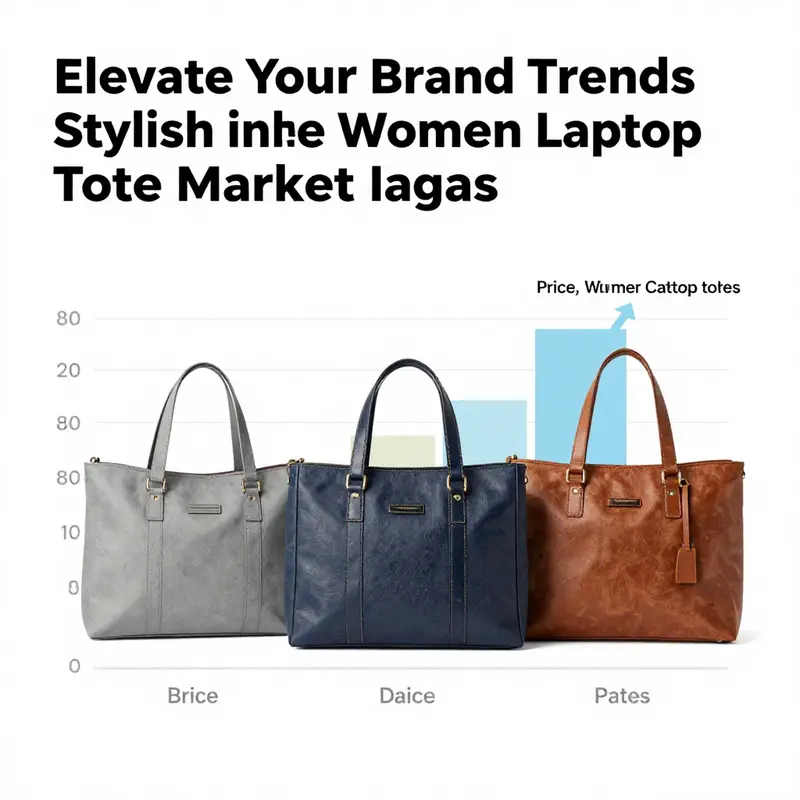
Across work and study, the women’s laptop tote market balances price, protection, and polish. Buyers want a bag that protects devices up to 15.6 inches, looks professional, and endures daily use without showing wear after weeks on the go. Brands respond with a spectrum: budget totes that emphasize light weight and clean silhouettes, and premium designs that emphasize durable materials, refined hardware, and organized interiors. Price signals quality in nuance, with higher tiers offering better stitching, reinforced straps, water resistance, and dedicated laptop compartments. Yet value is not only about materials; construction quality, warranty options, and ease of maintenance matter as much as aesthetics.
In the budget segment, lightweight fabrics like canvas or nylon and simpler closures keep costs low, but durability can be the trade-off. In the mid to high end, ballistic nylon, waxed canvas, and treated leather blends appear, with reinforced seams, padded laptop pockets, and thoughtfully arranged pockets for cords and documents. Functional elegance becomes a selling point: gliding zippers, ergonomic straps, and weather resistance that supports daily routines in commute, campus, or travel.
Ethical production and sustainability shape price perceptions; transparent sourcing and repair options can push a bag from affordable to valued. The overall message for shoppers is that longevity and reliability convert higher upfront costs into lower lifetime expense when cared for and used in real life scenarios. In short, the best totes align value with durability and purpose, becoming a portable workspace rather than a mere accessory.
Structure, Color, and Confidence: Crafting a Cohesive Wardrobe with the Modern Women’s Laptop Tote

The laptop tote has evolved from a purely practical carrier into a trusted ally for professional poise and everyday momentum. In crafting a cohesive wardrobe around this essential, the focus shifts from merely fitting a device to curating a first impression that remains consistent across meetings, classrooms, and spontaneous errands. A well-chosen tote does more than cradle a 15.6-inch laptop; it communicates organization, intention, and a sense of personal style that travels with you from the desk to the street. The art lies in balancing structure with flexibility, durability with finesse, and restraint with a hint of character. In that balance, the tote becomes a silent partner, shaping how you move through a day that can bend toward both formality and informality in the same hour.
First, structure is the backbone of a professional silhouette. A tote with a defined base and clean edges maintains its shape whether it’s half full or brimming with a notebook, charger, and a light jacket. The value of a sturdy bottom panel and reinforced seams is practical as well as aesthetic; it keeps the bag upright when placed on a table, prevents content misalignment after a busy commute, and preserves the clean lines that convey composure. Inside, a padded laptop pocket is not merely a cushion for electronics but a protective shield that reduces shifting as you walk, ride, or ladder from one meeting to the next. An organized interior—dividers for documents, a small pocket for keys, and a sleeve for a tablet—lets you retrieve what you need without exposing the entire contents to the day’s chaos. When the bag is balanced and tidy, your posture naturally follows suit. You stand taller, walk with steadier steps, and your appearance remains as controlled as your calendar.
Color and material selection are equally strategic. Neutral tones—black, navy, taupe, and deep brown—offer versatility that survives trend cycles and office color palettes. They serve as a dependable canvas for almost any outfit, from a tailored blazer to a casual midi dress. If a personal preference leans toward color, choose a shade that echoes a recurring tone in your wardrobe, creating instant cohesion across ensembles. Materials matter just as much as color. Water-resistant ballistic nylon, waxed canvas, and treated leather all offer practical advantages: resilience against rain, abrasion, and daily wear, with the right cleaning and care. The texture of the material can also subtly influence how the bag reads in a room—the smooth sheen of leather for a polished, formal moment; the matte depth of waxed canvas for a casual yet refined vibe. Regardless of the material, reinforced stitching at handles, the base, and stress points is a mark of longevity. This attention to craft signals to others that you value durability as much as design, a message that aligns with a professional identity built on reliability.
Fit is the third pillar in the styling equation. A medium-sized tote tends to deliver the best blend of capacity and manageability. It can accommodate a laptop, a tablet or notebook, a compact folder, a small water bottle, and perhaps a lightweight sweater or scarf for transit between air-conditioned spaces and outdoor temperatures. An oversized tote, while spacious, risks losing its crisp silhouette and can invite bulk that makes it harder to move through crowded corridors. An undersized bag pushes you toward cramming, a habit that can invite content damage or frustration when you need to reach for a charger or a spare notebook. Internal organizers—pockets for pens, a phone compartment, a hidden zipper pocket for valuables—keep essentials easily accessible and reduce the sense of rummaging that steals precious seconds from a busy day. Comfort is not incidental. Wide, well-padded straps that distribute weight evenly prevent shoulder fatigue, a small but meaningful ally for teachers marching between classrooms or professionals hopping between offices and trains. The goal is a tote that feels almost invisible in how smoothly it supports your day, letting you focus on conversations, decisions, and deadlines rather than the bag itself.
Occasion is a dynamic variable, but the rule remains: let the tote enhance the occasion rather than compete with it. For the office, a sleek, minimalist tote in a neutral hue with a restrained silhouette communicates focus and seriousness. In a casual meeting or weekend errand run, you can pair a robust tote with denim or a crisp blouse, letting the bag’s presence anchor the outfit while the rest of the look reads relaxed yet thoughtful. The versatility of a well-chosen tote also extends to travel. A medium-to-large tote that slides easily under an airplane seat or sits securely on a carry-on handle makes frequent trips feel lighter. In these moments, the internal pockets become less about novelty and more about strategy: a dedicated pocket for a passport or boarding pass, a tech sleeve for a charger, and a compact notebook that slides in neatly without bending the surrounding documents. The same principles apply whether you’re a teacher guiding a class, a professional negotiating a contract, or a student managing a day that includes lectures, study sessions, and social obligations. The tote becomes a portable workspace, a transitional ally that moves with you while preserving your sense of order.
Sustainability and ethical consideration weave into the stylistic narrative as well. The materials chosen, the manufacturing practices, and even the longevity of a bag influence how you project responsibility. Durable construction that withstands daily wear reduces the need for frequent replacements, aligning with a philosophy of mindful consumption. Customization options, such as monograms or subtle detailing, let you imprint a personal touch while retaining a professional appearance. Personalization can be a practical form of organization too. A discreet tag or color-coded interior can help you locate items quickly and reduce the impulse to buy a second bag for different roles. In a world where workwear often blends with campus life or home routines, having a single, thoughtfully chosen tote that can transition from a boardroom to a library to a coffee shop speaks to confidence without ostentation.
The practical implications of these stylistic choices extend beyond aesthetics. A tote that protects a device and keeps accessories organized reduces the risk of data exposure or device damage during transit. The structure supports better posture by encouraging a natural, balanced carrying position. The right materials offer weather resilience, which is essential for urban journeys that span trains, sidewalks, and doors. And a design that considers ease of use—easy access to keys, a quick-draw pocket for a phone, a secure zipper—translates into smoother days and calmer minds.
For readers seeking a straightforward path to exploring options, there is a resource that gathers a spectrum of women’s laptop tote options in one place. It can serve as a practical starting point for comparing capacity, structure, and finishes as you refine your own taste and needs. explore women’s laptop tote bag options to see how different silhouettes and interior layouts align with your daily rituals. This kind of browsing can illuminate what features you truly value, helping you move from impulse to intention in your next purchase.
As you integrate a tote into your daily uniform, remember that style is a form of communication. The bag you choose speaks about your priorities—organization, reliability, and a refined sense of detail. The goal is not to chase trends but to cultivate a dependable companion that respects your time, protects your technology, and complements the way you present yourself to the world. The more deliberately you select a tote, the more it will become an extension of your professional and personal self, quietly reinforcing your message with every movement.
For further inspiration and practical guidance on active style and everyday function, you might also explore broader insights into tote design and its role in modern wardrobes. Smart Tips For Choosing A Fashionable Womens Tote Bag That Matches Your Style And Needs offers a comprehensive perspective on balancing aesthetics with usability, reinforcing the idea that a bag should feel like a natural part of your routine rather than a distraction from it. This external resource provides a helpful context for considering how fabrics, hardware, and layouts contribute to longevity and ease of use, reinforcing the mindset that a thoughtful tote is an investment in time, comfort, and professional presence.
Final thoughts
Women’s laptop totes are more than accessories; they reflect a professional identity and contribute to brand perception. By understanding their evolution, selecting the right features, considering sustainability, evaluating pricing against quality, and applying thoughtful styling, business owners can elevate their brand image while keeping practical needs front and center.