
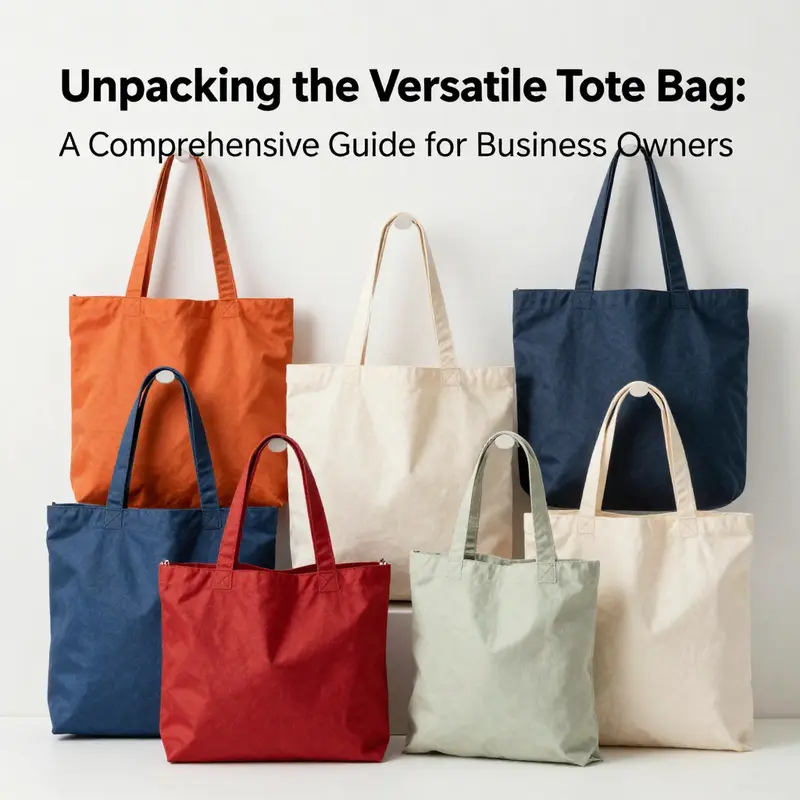
Tote bags have become ins integral part of both fashion and function, serving as stylish yet practical accessories for daily life. For business owners, understanding the versatility, materials, and sustainability of tote bags is crucial. This article delves into the rich history of tote bags, their construction and design, their role in daily activities, their impact on fashion identity, and their significance in the modern eco-friendly movement. By examining each of these aspects, business owners can better appreciate how to leverage tote bags for branding and customer engagement.
From Workhorse to Cultural Icon: The Long Read on What a Tote Bag Really Is
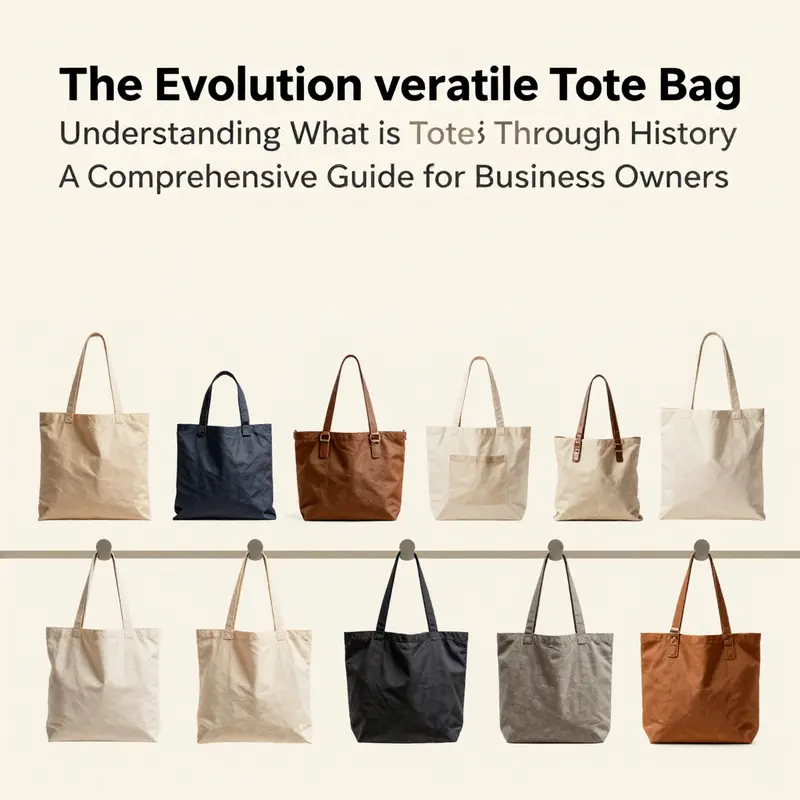
A tote bag might look like a simple tool—a large, open-top pocket you sling over your shoulder. Yet its history is a throughline through work, travel, design, and daily life. To understand what a tote bag is, you have to trace its evolution from rugged utility to a flexible symbol of personal style. The tote’s essence lies not in a single feature but in a loop of practicality, adaptability, and meaning that stretches across decades. It is a vessel for groceries and gear, a canvas for identity, and a glimpse into how everyday objects become integrated into culture. In that sense, the tote bag is less a single item than a story about how people carry their lives from place to place, moment to moment, season to season.
The word tote itself carries a straightforward promise: to carry. The term did not have a formal life as a branded label until around the turn of the twentieth century, but the concept—an oversized bag meant for transporting substantial loads—dates much further back. Early iterations were rooted in necessity. They prioritized capacity, durability, and ease of handling, the kind of features that workers and travelers prized when they needed to ferry tools, provisions, or purchases from one point to another. In some sense, the tote’s progeny can be traced to simple, functional designs that survived because they solved real problems: how to manage weight, how to distribute weight, and how to keep items accessible without fuss. The 17th century sketches of portable bags echo this lineage, carrying forward a principle that would eventually expand into a broader fashion and lifestyle language.
Within this lineage, certain functional predecessors gained notoriety for their sheer volume and robustness. A notable historical parallel is the concept of a large, all-purpose container used for transporting bulky goods. While we don’t dwell on specific models here, it’s clear that the tote’s DNA is rooted in durability and the ease of being able to “tote” whatever life hands you. This is what made the tote attractive beyond the workshop or the dock: its capacity did not come at the cost of mobility. The open-top design, a hallmark of the tote, invites spontaneity—you can reconcile a spontaneous impulse to add or drop items with the comfort of knowing you can reach them quickly. This immediate access is part of the tote’s charm and, over time, part of its identity—an ever-ready companion for errands, campus days, market trips, and weekend getaways.
The mid-20th century marks a decisive pivot in the tote’s story. A forward-thinking outdoor brand introduced a rugged, canvas-based model designed to carry fishing gear and travel supplies. The boat bag—crafted for outdoor life—emphasized rugged material, broad opening, reinforced handles, and practical seams. Its design spoke to a philosophy: a tote can be large without being unwieldy, and it can be used in rough environments without sacrificing function. The impact of that development was immediate. The bag found a second life beyond its initial user group. Its generous silhouette and forgiving material made it appealing to students, commuters, and shoppers who valued the ease of slinging a great deal of gear over the shoulder. The tote became less a specialized instrument and more a universal one.
As the decades advanced, the tote’s role shifted from tool to statement. In the 1960s, versatility began to mingle with identity. The natural, unstructured form of a canvas tote offered a blank slate for self-expression. People started matching their bags to moods, wardrobes, and life rhythms. The tote’s unbuttoned, open-top silhouette became a canvas for personalization: patches, logos, prints, and the subtleties of fabric texture. It was around this time that the tote began signaling something about its bearer, a quiet assertion that practicality and style could coexist in a single object. The idea of the tote as fashion noticed a widening audience—a recognition that utility could be chic, durable could be desirable, and everyday carry could be a lifestyle choice rather than a mere necessity.
The turn of the century saw designers and luxury brands re-imagining the tote for the modern era. The design language broadened to include more refined materials, tighter construction, and an emphasis on interior organization. The open silhouette persisted, but the interior started to feature pockets, sleeves for electronics, and soft dividers to create order within abundance. This evolution was not simply about making a bag more capable; it was about expanding how we think about what a bag should hold. The tote became a portable office, a travel companion, and a personal showroom—capable of carrying laptops, notebooks, and daily essentials with a sense of poise. In this transformed landscape, the tote’s function and form mirror a larger social shift: the blend of work, study, and leisure into a seamless daily cadence.
Even as luxury labels embraced the tote as a status symbol, the core appeal remained intact: the capacity to carry more with ease, the option to switch among carrying methods—from hand to shoulder to crossbody—and the adaptability to suit different settings. Premium iterations began to showcase materials that reflect a higher sense of craft—textiles with texture, leather in pared-back, durable forms, and hardware that balanced aesthetics with function. Yet designers often balanced refinement with the tote’s inherent informality. The most memorable designs of this era did not erase the tote’s practical roots. They amplified them—creating interiors with clever organizers, reinforced straps that bear weight comfortably, and subtle silhouettes that stay true to the bag’s raison d’être: simple, generous space for life on the move.
In cultural terms, tote bags have become more than accessories. They have become social signals and everyday archives. People collect them, display them, and use them to articulate certain loyalties to metropolitan life, campus culture, or outdoor pragmatism. Branded iterations—though not the focus here by name—enter conversations about lifestyle, regional identity, and even regional scarcity. A tote can become a telltale marker of one’s habits: a preference for reliability, a taste for minimalism, or a penchant for eclectic print. The tote, in its universal appeal, travels across geographies and demographics, its size and shape adjusting to the demands of modern life. The bag’s capacity aligns with contemporary needs: room for documents and electronics, spaces for water bottles and personal items, and the ever-present demand for comfort during long commutes or travel days. In every market segment—from campus to corporate life—the tote offers a flexible answer that looks less like a fashion statement and more like an everyday toolkit.
What makes a tote bag especially enduring is its ability to adapt without losing its core identity. A tote can be understated or expressive, depending on the materials and detailing. It can be minimalist in appearance, letting the user be the focus, or it can make a bold statement through color, print, or texture. The design’s innate openness invites personal interpretation, which is why so many people reach for a tote as their daily carrier. The bag’s geometry—its broad top, tapered sides at the base, and sturdy handles—creates a sense of balance that feels both generous and practical. In a world of ever-changing fashion, the tote remains a constant. It provides a flexible framework for carrying life. The result is a form that is as relevant to a student navigating a campus corridor as it is to a professional navigating a city commute or a traveler on a weekend escape.
Practical features continue to evolve to meet new needs. Modern iterations may include multiple compartments, reinforced handles that distribute weight evenly, and adjustable straps for comfort across different body types. Some versions incorporate eco-friendly materials and sustainable production practices, reflecting a broader shift toward responsibility and longevity in fashion. The tote’s interior design often mirrors its outward simplicity, offering organization without constraining spontaneity. A well-designed tote can fit a laptop, a notebook, and a few daily essentials, while still leaving room for a sweater, a water bottle, or a grocery run. This is the essence of the tote: a capable, forgiving space that adapts to the wearer’s day rather than forcing the wearer to adapt to the bag.
For modern readers, the tote’s story helps answer the question of what a tote bag is in a way that goes beyond a dictionary definition. It is a portable system for life—an open invitation to carry more with less effort, to organize without overthinking, and to move through urban space with a sense of ease. It is simultaneously practical and expressive, a work tool and a personal emblem. The tote’s integration into everyday life across generations and cultures makes it a rare kind of artifact: an object that remains useful, relevant, and beloved as needs shift and aesthetics evolve. This is not merely about a bag; it is about a philosophy of carrying—the art of selecting a single item that can hold everything that matters, for a day, a week, or a season.
For those curious about how this everyday object translates into specific choices today, the landscape offers a spectrum of options. The contemporary shopper can seek out a tote that emphasizes robust construction and simple elegance, or one that leans into the playfulness of texture and color. For practical purposes, many people gravitate toward options with generous interiors and thoughtful organization, ensuring a laptop fits alongside a notebook and a light jacket. And for those who prize sustainability, there are choices crafted from recycled fabrics and responsibly sourced materials that honor the tote’s legacy of durability and utility. The tote bag remains a compelling example of how an ordinary item can continually reinvent itself while staying true to its foundational promise: to carry life with ease, style, and confidence.
In exploring the broader narrative of what a tote bag is, one can also reflect on how the bag functions as a bridge between worlds. It connects the outdoor, the academic, the professional, and the casual. It travels from the farmer’s market to the office, from the bus stop to the airport gate, from a quiet suburban street to a bustling city avenue. It accommodates the unplanned purchase, the essential device, the spare layer for changing weather, and the mood that guides a day’s choices. In this sense, the tote bag is not just a fashion item or a utilitarian carrier. It is a moving, adaptable artifact that encodes a way of living: practical, flexible, and ready for whatever the next moment might require. That is the timeless truth of the tote—a simple instrument that, through time, has become an essential element of daily life, a small but enduring symbol of how people carry what matters most.
For further exploration of related tote options, you can explore a curated range that emphasizes everyday practicality and style: women’s canvas tote bags. This resource highlights how the tote’s fundamental design remains relevant across contexts, while materials and finishes offer new expressions of a familiar form.
External resource: for a broader market perspective on the role of totes and similar luxury handbags in contemporary fashion, see the external analysis at https://www.millioninsights.com/reports/luxury-handbag-market-analysis-2021-2028.
From Fiber to Form: How Materials and Design Shape the Tote Bag You Carry

The tote bag sits at the crossroads of utility and expression, a simple open pouch that carries more than items. Its form invites touch and use, and the choices of material and construction determine not only how it looks but how it behaves in daily life. When we select fabric, we set tone and resilience for the bag we will rely on in markets, on campuses, or during travel. The material affects weight, texture, breathability, and how the bag ages. It also frames how we care for it and how sustainable we want it to be. In this sense, tote design becomes a practical narrative about everyday life and the values we bring to our purchases.
Cotton and cotton blends anchor many classic totes with a soft, approachable feel. Organic cotton adds a small but meaningful edge for eco minded users who want a natural fiber with a slower footprint. Cotton totes are light and packable, suited to quick trips, farmers markets, and daily errands where comfort matters as much as capacity. Yet the very softness of cotton can mean some stretching or wear after heavy use, and care may require gentle washing and air drying to sustain shape. Its aging often wears in with character rather than eroding, a patina that many see as a sign of lived in use. In an era focused on sustainability, cotton remains a balanced choice that can be recycled or biodegraded depending on the finish and dyes used.
Canvas represents a step up in structure. Made from tightly woven cotton or cotton blends, canvas totes hold their shape under heavier loads and resist abrasion that can plague lighter fabrics. This makes canvas popular for school and work commutes, weekend trips, and everyday errands that demand sturdiness. The weave delivers a tactile depth that can feel rugged or refined, depending on finish and color. Canvas may be left as is to patina with dust and sun, or treated with coatings for water resistance. Design wise, canvas invites reinforced seams, stronger handles, and often a base panel or interior pockets to maintain form when loaded. All of these decisions translate into a bag that performs under stress yet remains approachable in daily wear.
Linen offers a brighter, textural option with a naturally crisp hand. Flax fibers give linen a cool touch and a refined look that dresses up casual outfits. Linen gains strength when damp and tends to relax over time, developing a softer feel and a subtle sheen that age can enhance. The design language for linen tends toward clean lines and restrained hardware to let the fabric speak. Finishing is important to prevent fraying and to preserve the fabric sense of luxury, especially if the bag is worn in more formal settings. Linen requires mindful care—gentle washing or spot cleaning helps preserve its natural texture and structural honesty without turning the surface brittle with harsh treatment.
Specialized needs push designers toward synthetics and coated surfaces. Materials like coated nylon or PVC blends provide moisture resistance and wipe clean interiors that are valuable for travel, rain, or busy urban life. Synthetics can be engineered for lighter weight, tougher abrasion, and easier maintenance, while coatings can balance water resistance with a smooth hand. The tradeoffs are tactile and visual: coated fabrics may feel stiffer and show wear differently from natural fibers, but they deliver predictable performance in challenging environments. When a bag must endure rain and mud, synthetic or coated options offer reliability that natural fibers alone may struggle to match.
Recycled materials have grown from a trend into a credible design family. Recycled PET from post consumer bottles, recycled fibers, and blended fabrics can deliver strong texture, modern appearance, and a reduced environmental footprint. The challenge lies in balancing recycled content with durability and feel, ensuring that the bag remains comfortable to carry and pleasant to touch. In practice, a recycled tote can be both practical and expressive, offering a contemporary look that aligns with responsible consumption without compromising everyday usability. End of life is a factor designers consider when choosing these materials, and thoughtful processing is essential to avoid trade offs that undermine recycled content.
All these materials share a core truth: the bag is more than a container. The handles, seams, base, and pockets respond to the fiber choice and the intended use. A cotton tote benefits from broad, sturdy handles to spread weight, while a heavy duty canvas version may feature a reinforced base to resist sag. Linen invites minimal hardware and crisp finishes that honor its natural texture. Synthetics and coatings often foreground water resistance and wipe friendly interiors, which can drive smooth linings and edge finishes that resist moisture. Recycled materials bring texture and tone variation that can feel contemporary and conscientious at once. The result is a tote that communicates a stance about how items are carried, how care is given, and how the bag evolves with the owner over time.
Looking ahead, careful material choice also shapes longevity and end of life. Natural fibers like cotton and linen are more readily recycled or biodegradable under appropriate facilities, while synthetics may extend usable life in wet or demanding contexts but can pose more complex end of life questions. Recycled materials provide a middle path by reducing reliance on virgin inputs while opening new design possibilities. The tote thus becomes a crafted statement about everyday life, a tangible link between what we own and how we treat the world around us. It is in this balance of comfort, durability, and responsibility that a tote achieves its fullest potential.
For readers seeking a practical lens on how these ideas translate into real world options, the central message remains clear: materials and design decisions steer how a bag behaves, wears, and ages over time. The chapters that follow will connect material life to tote construction in the context of work, travel, and personal expression, offering a fuller sense of how a simple carryall can embody both function and storytelling.
Carrying Versatility: How Tote Bags Weave Their Way Through Everyday Life
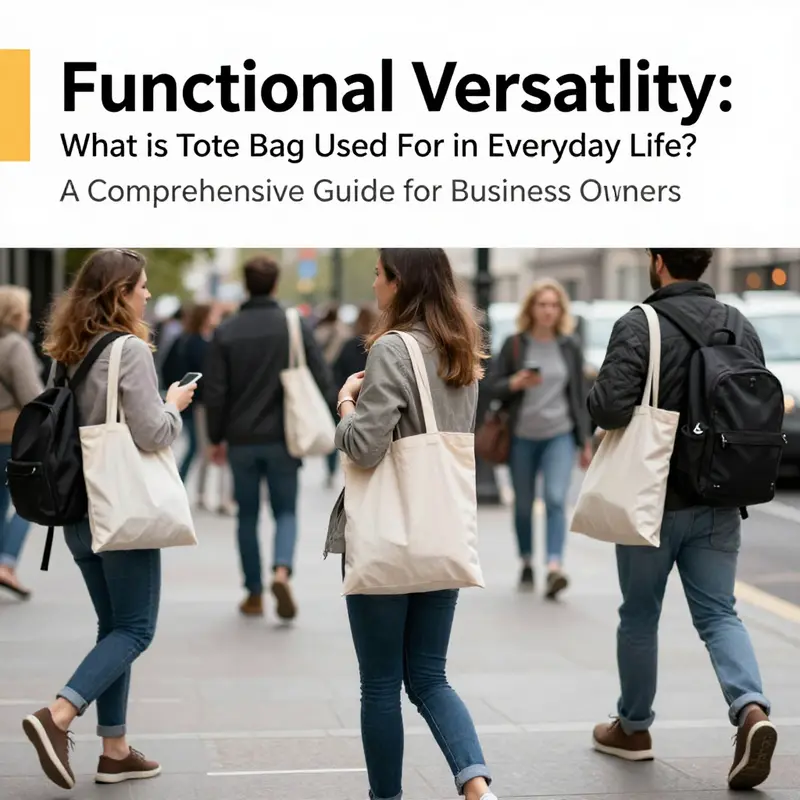
A tote bag is more than a container; it’s a portable philosophy of everyday movement. Its open, unstructured interior invites a spontaneous arrangement of items, and its sturdy construction invites confidence in how much you can carry. The term tote itself, drawn from the verb to tote—carry, lift, transport—points to a simple truth: a tote bag exists to move things from one place to another with ease. The form grew out of practical needs, first among sailors and workers who required a dependable carrier for tools, groceries, and personal belongings. Over time, that utilitarian seed sprouted into a widely adored fashion and lifestyle staple.
What makes a tote so enduring isn’t merely its capacity, though that alone is compelling; it’s the way the bag blends utility with everyday aesthetics, turning a practical object into a reliable companion for work, study, shopping, travel, and personal expression.
The design is a study in balance. At its best, a tote is crafted from durable materials—canvas, cotton, or other sturdy fabrics—that resist daily wear while remaining approachable and comfortable to carry. The lack of a rigid frame in traditional versions is a feature, not a flaw: it lets you tailor the interior to your needs, whether you’re loading notebooks, groceries, a gym outfit, or a small laptop. Yet many modern totes incorporate thoughtful enhancements—reinforced handles, multi-pocket interiors, and even removable pouches—that bring organization to the same space that invites freeform loading. The result is a bag that can be a blank canvas for personal style and a reliable workhorse at the same time.
In daily errands and shopping, the tote’s open design becomes a manifest of sustainability as much as convenience. When you can carry a week’s groceries, a few books, or a change of clothes without resorting to single-use plastic bags, you reduce waste with tangible simplicity. A tote’s reinforced handles distribute weight more evenly across the shoulder, making long shopping trips or trips to the market less taxing on the body. The practical capacity matters here: you can slip in a dozen items, a compact umbrella, perhaps a reusable bottle, and still have space left for a small purchase on the way home. The environmental impulse is increasingly part of the tote’s identity. People reach for reusable totes as a primed habit, a daily choice that aligns with broader values about consumption, recycling, and responsible design. The bag, in this sense, becomes a small, personal act of stewardship—an everyday tool with a conscience.
For commuters and professionals, a tote bag can substitute for a traditional briefcase or a more formal backpack while maintaining a certain understated elegance. Its minimalist silhouette can complement a wide range of workplaces, from creative studios to corporate environments, because it signals seriousness without shouting for attention. Inside, the bag’s capacity is less about surplus space and more about accessible organization: a notebook, a folder, documents, pens, and perhaps a slim laptop or tablet positioned for quick retrieval during a hurried morning. Some designs accommodate a laptop with a dedicated sleeve or slip pocket, a feature that has broadened the tote’s appeal for those who juggle work and on-the-go tasks. For people who value a streamlined, versatile look, this combination of space, accessibility, and low-profile style makes the tote a practical alternative to heavier, more compartmentalized bags.
Educational settings reveal another facet of the tote’s utility. Students move between classrooms, libraries, and dorms, carrying textbooks, notebooks, electronics, and personal items across sprawling campuses. A tote’s capacity supports this motion without forcing a single, rigid layout. The interior space accommodates large textbooks and bulky binders, while exterior pockets or interior dividers help keep cables, chargers, and small devices accessible. The weight distribution offered by sturdy shoulder straps reduces fatigue during long commutes between classes, and the bag’s easy access makes it practical for quick trips to the library or between study groups. The tote’s adaptability is especially welcome in environments where load variety is high: a day might require a laptop, a notebook for class, a water bottle, a gym kit, and perhaps a change of clothes for after-school activities. The tote’s simple, open form accommodates this mix without forcing the wearer into a more rigid system. And because the tote is an inherently social object—often chosen for its broad compatibility with different outfits and identities—it becomes a personal statement as much as a functional tool.
Travel and weekend getaways are a natural extension of the tote’s philosophy. On short trips, the bag can serve as a compact carry-on or a daily exploration bag, handily holding toiletries, a light change of clothes, camera gear, or a map and guidebook. Its light weight and easy maneuverability make it a preferred choice at airports, stations, or hotel lobbies where rapid access to essentials matters. The tote’s simple structure also reduces bulk, making it less intimidating to handle when navigating crowds or stepping into taxis and ride-share pickups. Some travelers opt for a tote with a removable pouch, helping to separate travel documents and valuables from everyday items during security checks or sightseeing excursions. The beauty of the tote in travel lies in its unpretentious, forgiving shape: you aren’t wrestling with a rigid case or trying to jam items into a small compartment; you’re guiding a flexible space that can adapt as plans shift, weather changes, or shopping opportunities arise along the way.
Beyond function, the tote has become a canvas for personal expression and identity. It can carry a message, a motif, or a brand emblem that speaks to the wearer’s tastes, values, or affiliations. This aspect of the tote—its ability to function as a personal billboard of style—adds a layer of meaning to everyday carry. The aesthetics are diverse, spanning natural fibers and earthy tones to refined leathers and bold prints. As people increasingly value durability and ethically produced goods, the tote’s appeal extends into the realm of sustainable fashion. The best totes balance form and function: they look appropriate in a professional setting, are comfortable for long days of use, and are resilient enough to endure repeated daily wear. The more a tote can do without needing frequent replacement, the more it resonates with those who seek practical, long-lasting items over disposable, trend-driven ones.
In the end, the tote bag’s versatility rests on a simple, enduring premise: a single carrier can support a broad spectrum of activities without demanding a rigid system. It is the kind of everyday tool that encourages a mindful approach to how we organize, transport, and present our essentials. It prompts a gentle reassessment of our habits—how much we actually need to carry, how we arrange it, and how we move through space with confidence. It invites creativity in how we shape the interior to suit different days and different moods, without losing sight of the bag’s core promise: accessibility, ease, and resilience. The tote is not merely a vehicle for belongings; it is a companion that travels with us, adapts to the flow of daily life, and quietly reinforces the idea that practical design can also be stylish, purposeful, and deeply personal. For those who want to explore this idea further, a broader historical perspective on tote bags can be found in collections that trace their evolution from maritime and work use to contemporary fashion statements.
Carrying Identity: How the Tote Bag Shapes Style, Function, and Personal Narrative
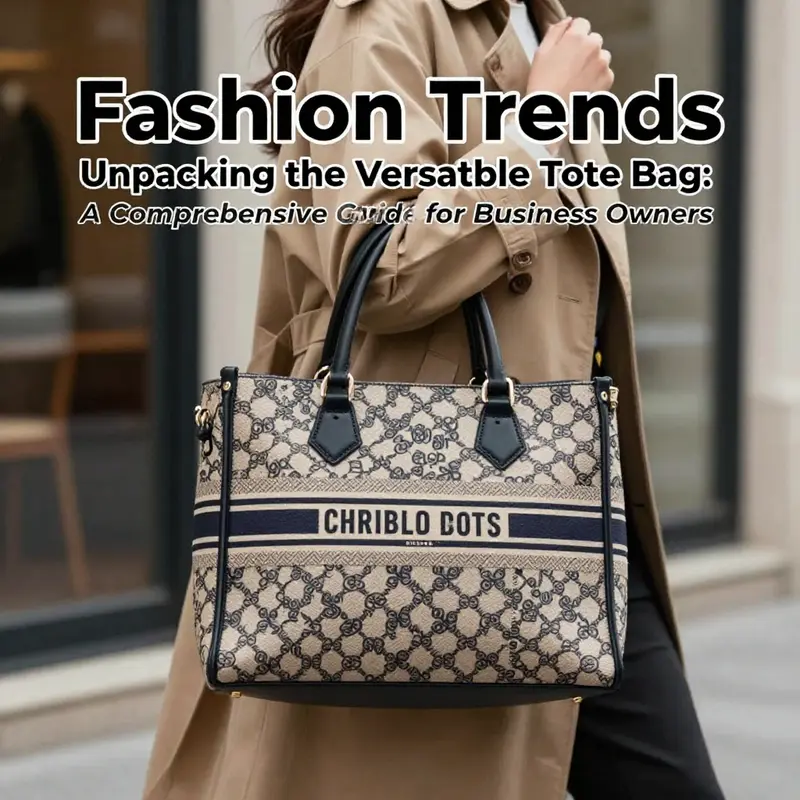
From the dockside to the city street, the tote bag has worn many faces, and each one reveals something about the person carrying it. Its open, unstructured silhouette invites a quick glance and a quick reach, a design that feels almost transparent in its usefulness. The tote’s origin is practical and modest—a sturdy vessel meant to haul goods from one task to the next. Yet that same straightforward geometry has proven remarkably flexible, capable of absorbing a wearer’s habits, moods, and ambitions. What began as a working tool has become a versatile instrument of daily life, a canvas that records the wearer’s routines in color, texture, and proportion. In contemporary fashion, the tote is not simply a bag to fill with items; it is a living extension of the self, a companion that travels through a busy life with both reliability and personality. The evolution is a reminder that utility and style need not compete, but rather coexist in a single, fluid gesture: to carry, to curate, to express.
Material choice matters as much as shape. Canvas and cotton remain stalwart options because they offer durability, breathability, and ease of maintenance. Leather adds a different weight to the narrative, delivering polish, structure, and a sense of timelessness that can elevate a workday look or a more formal setting. Eco-friendly fabrics and recycled textiles introduce a moral dimension to aesthetics, signaling commitments to sustainability without sacrificing tactility or comfort. Hardware—whether brushed nickel, brass, or matte black—acts as a quiet punctuation mark that can tilt the tone toward minimalism or toward a more tactile, tactilely rich finish. Together, these elements create a tote that is less a static object and more a material story that shifts with the wearer’s life. When color and texture align with intention, the bag speaks in a language of taste that is both universal and deeply personal. The tote becomes a portable archive of everyday choices, a small, visible record of what the wearer considers important in any given season.
In the realm of styling, the tote bag operates as a design tool rather than a mere container. It can anchor an outfit by offering a neutral base that steadies a bold print or, alternately, provide a vibrant counterpoint to a restrained wardrobe. The effect is not simply about matching; it is about rhythm and balance. A structured tote in a deep, complementary hue can ground a light, airy ensemble, while a bright, oversized tote can inject energy into a minimalist palette. The practical advantages—ample space, easy access, a broad opening—support a look that is deliberate in composition rather than accidental in execution. This is why the tote has earned its place as a staple piece in many wardrobes: it is a tool for composition as well as a carrier for belongings. The end result is style that reads as cohesive and purposeful, even in motion across a crowded street or a busy office corridor. If clothes tell a story in color and cut, the tote tells the story of how that story is carried through the day.
Identity in fashion has shifted toward coherence and intention rather than loud branding. A tote can quietly signal ecological awareness through its materials and its production narrative, or it can convey a taste for craft and attention to detail through stitching and finish. For many wearers, the bag is a stage on which personal values perform, a subtle declaration that their day-to-day choices are considered and responsible. This is not about conspicuous consumption; it is about a refined economy of detail that makes the wearer appear calm, organized, and purposeful. The tote thus becomes part of a larger vocabulary—one that includes footwear, outerwear, and the silhouettes that frame them—where each element reinforces the others to create a clear sense of identity. In this sense, the tote is less a trend to chase and more a tool for shaping a daily look that feels authentic across contexts.
The design details that populate modern totes matter for more than aesthetics. A robust shoulder or top-handle that distributes weight evenly, reinforced seams that endure repeated use, and an interior that organizes rather than merely holds all items are practical markers of quality. A padded laptop sleeve, a secure zip pocket, and thoughtfully placed compartments can turn a tote into a dependable work companion, a travel partner, or a reliable everyday carry. Yet good design remains mindful of proportion and comfort. A tote should not be so large that it becomes cumbersome, nor so small that it frustrates the user’s needs. The best designs achieve a balance: generous capacity without bulk, clear structure without rigidity, and a silhouette that feels appropriate for both a morning commute and a weekend excursion. In this way, the tote supports a lifestyle that is bustling, varied, and increasingly intentional about how possessions fit into daily routines.
People choose totes to narrate their lives in visual terms that go beyond words. An eco-conscious shopper might favor a canvas or recycled-fiber tote dyed with subtle, natural tones, signaling a preference for sustainable choices rather than flashy branding. A professional who values restraint may lean toward a sleek leather design with a quiet silhouette and a refined hardware profile, sending a message of understated sophistication. Weekend plans invite a larger tote that can accommodate a camera, a sweater, a water bottle, and a notebook, transforming a simple outing into a small, colorful vignette. The tote becomes a portable statement about how a person moves through the world—practical, stylish, and sure of what matters. It is no accident that the conversation around totes has shifted toward longevity, ethical sourcing, and thoughtful construction; these are the features that enable a tote to adapt over years, not months, of use.
Color and texture play a decisive role in the tote’s ability to transform an outfit. A neutral canvas or leather tote can ground a complex combination of patterns, helping the eye move smoothly from one element to another. Conversely, a vivid bag in a saturated hue can act as a focal point that elevates a subdued wardrobe into something memorable. Texture adds another layer of tactility and mood. Soft, pebbled leather or a slightly slubbed fabric can convey warmth and approachability, while a crisp, smooth finish may communicate a sense of precision and control. The tote’s surface becomes a conversation partner with the wearer’s clothing, shaping how the overall ensemble is perceived. In this sense, the bag is a mood conductor, translating a person’s current emotional posture into a visible, wearable sign.
Branding decisions around totes tend to favor coherence over conspicuousness. Some wearers prefer a minimalist, logo-free surface that recedes into the background, letting the silhouette, material, and color take center stage. Others may welcome a hint of craft or a restrained, tasteful emblem that signals a particular narrative without shouting. The crucial point is harmony: the bag should feel like an extension of the wearer rather than a separate prop. That harmony is what keeps the tote relevant across different ages and settings. It is why the tote endures as a versatile instrument, capable of shifting from weekend leisure to weekday professionalism while maintaining a consistent sense of who the wearer is.
Function and form converge most clearly when the tote responds to the realities of modern life. The integration of technology into daily work and travel makes a bag that can house a laptop, charger, tablet, notebook, and water bottle not simply convenient but essential. Thoughtful internal layouts, the location of pockets, and the ease with which devices can be inserted and removed contribute to a sense of preparedness and calm. This practical adaptability reflects a broader cultural shift: people want products that respect their time, protect their belongings, and simplify their routines without compromising style. The tote thereby becomes a trusted companion, a reliable partner in the ongoing choreography of daily movement—whether on a bus, in a café, or during a late-night flight.
The tote bag, in its many iterations, remains a remarkably resilient artifact of modern life. It carries not just objects but also intentions, values, and a sense of place. Its strength lies in its capacity to be both ordinary and meaningful at the same time: something you can reach for every day, yet something that tells a story about you in a subtle, compelling way. It anchors outfits with quiet confidence, organizes the tools of daily work and exploration, and gently travels with you from one moment to the next. The evolving identity of the tote is a reflection of how people live now—more mobile, more mindful, more expressive through the things they choose to carry. This is why the tote remains not simply a bag but a living companion that keeps pace with a life in motion.
For a broader snapshot of how tote bags are trending and shaping contemporary style, you can explore a concise overview in the tote-bags-trending resource. It captures the shift from basic utility to curated expression, illustrating how a single piece of everyday equipment can become a flexible instrument of personal narrative. In the end, the tote bag offers a practical promise: you can carry what you need while carrying a sense of yourself forward into each new moment. External resource: https://www.refinery29.com/en-us/tote-bag-fashion-identity-2026
Carrying Change: Tote Bags as Everyday Tools in the Eco-Friendly Movement
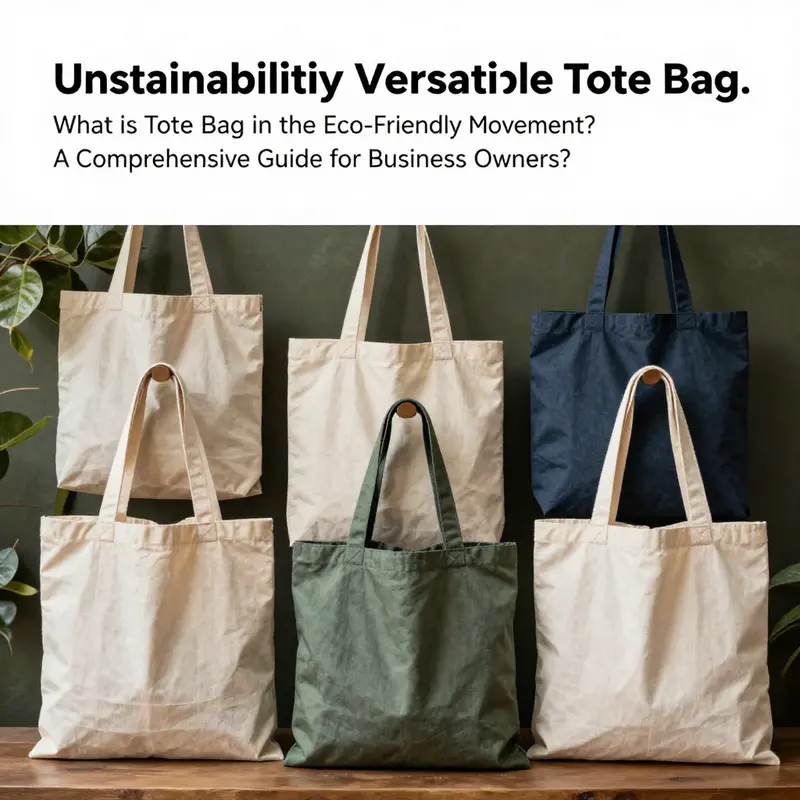
A tote bag may look like a simple object, but its everyday practicality has folded into a broader current of mindful consumption. In its simplest form, a tote is a large, open-top carrier designed to hold a variety of items with ease. Yet the conversation around tote bags has evolved beyond mere utility. They stand as everyday instruments of responsibility, a tangible alternative to wasteful packaging, and a quiet statement about how we choose to move through our days. The modern tote blends durability, simplicity, and style in a way that invites consistent use rather than disposable abandon. When you load your week’s groceries, gym gear, or work essentials into a single adaptable bag, you are participating in a small, repeatable act of stewardship. The tote’s value, then, rests not just in what it can carry, but in what it can replace and how long it can last, reinforcing the idea that sustainability begins with the daily choices we make in mundane moments.
To appreciate the tote’s place in the eco-conscious landscape, it helps to revisit its origins. Sailors and laborers used sturdy bags to transport goods and tools, a practice that rewarded reliability and capacity. Over time, the tote shed some of its purely utilitarian aura and found a foothold in fashion and lifestyle. It became a versatile companion for urban life, a handbag that could carry the day’s essentials while withstanding the rigors of work, travel, and errands. This evolution toward a product that remains functional across contexts while also speaking to an individual’s sense of personal and environmental responsibility captures the essence of the tote’s current moment. The open-top design is not a flaw but a feature: it invites quick access, easy loading, and a sense of openness that mirrors a lifestyle oriented toward simplicity and reuse.
The materials that define modern totes further anchor their sustainability narrative. Canvas and cotton, especially when organic or recycled, are widely used for their durability and low environmental footprint relative to many synthetics. A tote’s strength is in its construction: reinforced handles that withstand repeated use, flat bottoms that support heavier loads, and interiors that may include pockets or sleeves for organization. The choice of fabric matters not only for longevity but for how a tote ages with its owner. Natural fibers tend to develop a unique patina, signaling time and care rather than wear and wear-out. At the same time, innovations in material science have expanded possibilities. Recycled fabrics, hemp blends, and responsibly sourced cotton demonstrate a growing commitment to reducing upstream impacts while preserving the practical virtues that make totes appealing in the first place. Modern totes often strike a balance between rugged resilience and a refined, contemporary look, letting them serve as both a work tool and a personal accessory.
The breadth of design is not a contradiction to sustainability; it is an invitation to integrate eco values into everyday aesthetics. A spacious interior accommodates a wide range of needs, from notebooks and laptops to groceries and gym gear. Some designs include removable liners, which transform a simple tote into a transit-ready carrier for perishables, enabling a more zero-waste approach to shopping and meal prep. Such features demonstrate how a single product can adapt to shifting routines without discarding the item it takes with you. The emphasis on reusability over disposability aligns with a broader shift toward conscious consumerism, where the environmental cost of purchase is weighed alongside usefulness, durability, and potential for repurposing. In this sense, the tote is not merely a bag but a statement about how we evaluate value: durability built to outlast trends, with the flexibility to accommodate different roles as life evolves.
When we consider the tote’s role in daily life, its value widens beyond the act of carrying. It becomes a practical ally in reducing waste, a symbol of choosing reusable over disposable. The environmental argument is quantifiable as well as philosophical. A 2026 report from the Environmental Protection Agency notes that replacing just one plastic bag per week with a reusable tote can prevent more than fifty plastic bags from entering landfills each year. This statistic translates a macro-level ambition—reducing plastic waste—into a concrete habit: reach for a tote instead of a single-use bag, and you contribute to a cumulative decrease in landfill pressure. The significance of this small change grows when multiplied across households, communities, and workplaces. The tote becomes a logistical partner in the transition toward sustainability, offering a reliable means to curb waste while still meeting the practical demands of daily life.
In practice, the tote’s versatility is its strongest argument. For weekend errands, it opens wide enough to tuck in groceries, a light jacket, and a water bottle without fuss. For work or school, a tote can be a capable office companion, with enough space for documents, a tablet or a small laptop, and a notebook or planner. For travel, it doubles as a carry-on-friendly unit that can cluster smaller bags into one central, easy-to-manage container. The design’s openness invites flexible use, enabling carry configurations that can adapt to seasonal changes, shopping habits, or a shift in routines. Sizes vary widely; from compact 20×25 cm styles meant for light daily carry to roomy 35×40 cm options that can hold a substantial weekly load. This range ensures that there is a tote for almost every scenario, reinforcing the idea that sustainability does not demand a one-size-fits-all approach but rather a choice aligned with personal use and responsibility.
Aesthetics and ethics often travel together in the tote story. The trend toward customization and mindful production speaks to a desire for ownership—of style, of function, and of environmental impact. People are increasingly drawn to totes that reflect their values, whether through prints and textures that evoke natural simplicity or through branding that communicates a commitment to responsible sourcing. The capacity to customize and to promote eco-conscious messages on a bag that endures invites a form of practical activism: a durable canvas can carry groceries one day and a manifesto for sustainable practices the next. In this sense, a tote is less a disposable fashion accessory and more a durable platform for ongoing habits, a canvas on which visitors and workers alike can project their daily commitments to the planet.
The practical, everyday nature of totes dovetails with broader movements in sustainable fashion. A February 2026 article on sustainable fashion trends highlighted the growing demand for reusable totes as part of a shift toward durability and responsible production. Manufacturers have begun to adopt more eco-conscious methods, offering bulk options for organizations and communities seeking to standardize a reusable solution. This trend mirrors a larger cultural push toward circular design principles: items meant to last, be repaired, repurposed, and eventually recycled, rather than discarded as soon as they fall out of a passing fad. The tote’s appeal, then, is not only in what it carries but in what it represents—a consistent, low-waste approach to daily life that can scale from personal choices to collective practices.
As readers consider the practicalities and possibilities of tote bags, a glance at one practical detail helps ground the larger discussion. In many contemporary designs, women’s canvas tote bags stand out for their balance of space and weight, their resilience in daily use, and their ability to hold a surprising amount without looking strained. For those who want to explore further, one helpful example of the current landscape can be found in collections that emphasize fabric quality and practical features. The link points to women’s canvas tote bags, a resource that captures how this category has retained utility while inviting personal expression and eco-minded choices. The focus remains on the idea that a tote is not simply a wrapper for belongings but a platform for everyday responsibility.
Ultimately, the tote bag’s enduring relevance rests on its everyday adaptability. It is not defined by a single use or a fixed aesthetic but by its capacity to evolve with the person who carries it. A simple open-top bag can move between grocery aisles, transit hubs, offices, and gyms with ease, proving that sustainability, practicality, and style can coexist in one unassuming form. The tote becomes a quiet instrument of change, a practical reminder that the way we select our everyday items—how we transport, protect, and reuse them—accumulates into meaningful environmental impact. It embodies a philosophy that values longevity, intentionality, and the opportunity to align daily routines with a larger commitment to the world we share.
External resource: https://www.epa.gov/epa-2026-sustainability-report/reducing-plastic-bag-waste-through-reusable-totes
Final thoughts
Understanding the diverse attributes of tote bags allows business owners to harness their full potential. From serving as a practical solution for customers to acting as an impactful branding tool, tote bags bridge the gap between utility and style. Additionally, the shift towards sustainable practices presents an opportunity for businesses to align with eco-conscious consumers. By leveraging the unique characteristics of tote bags, companies can enhance customer satisfaction while contributing positively to the environment.