

Canvas tote bags have transcended their humble beginnings as simple carrying solutions to become vital accessories for businesses aiming to combine functionality with a strong sense of brand identity. Their versatility allows for diverse applications—from grocery shopping to high-end fashion, making them a popular choice among environmentally conscious consumers. This article will delve into the practical utility of canvas tote bags, their customization potential for personal branding, and their role as sustainable fashion statements as consumers increasingly seek eco-friendly products. Each chapter will provide business owners with insights into leveraging canvas totes as valuable assets in their marketing and branding strategies.
Unveiling the Multifunctional Charm of Canvas Tote Bags: A Gateway to Style and Sustainability

Canvas tote bags have long transcended their utilitarian beginnings to become emblematic of a lifestyle that values both practicality and aesthetic appeal. Crafted from durable, tightly woven canvas, these bags present a unique fusion of strength and elegance that resonates with a wide variety of users. Their robust construction is complemented by a design that effortlessly caters to diverse needs, from grocery runs and office commutes to leisurely days out on the town. A canvas tote bag’s inherent ability to stand up to the rigors of everyday use is mirrored in its eco-friendly appeal, a quality especially significant at a time when environmental responsibility is paramount. The material itself—a blend of cotton and sometimes polyester—is celebrated for its enduring nature. With proper care, a canvas tote can develop a distinctive patina over time, each crease and fold chronicling stories of countless journeys and experiences. This evolution, rather than diminishing the bag’s charm, only adds character, making every canvas tote uniquely personal.
The thoughtful design of many canvas tote bags reflects a careful balance between capacity and comfort. An important feature often highlighted by designers is the expanded bottom design, which not only amplifies the bag’s interior volume but also allows it to stand upright when filled. This structural innovation ensures that even when burdened with a mix of groceries, books, or even bulky items, the bag maintains stability, minimizing the risk of accidental spills. Complementing the expanded base are shoulder-length handles that guarantee ease of transportation, reducing strain and distributing weight evenly. Many users find the ergonomic design of these bags indispensable during long commutes or extended shopping trips. It is these mindful design choices that foster a sense of reliability in the everyday canvas tote bag. Whether it serves as a reliable companion during a hectic day at work or as a stylish accessory for a relaxed weekend outing, its functional attributes never waver. In fact, its simplicity is what makes customization possible. Some enthusiasts adorn these bags with hand-painted motifs, screen-printed slogans, or even embroidered designs. Each modification transforms a basic tote into a personal statement piece that speaks volumes about the user’s values and tastes.
The multifaceted nature of canvas tote bags is further underscored by their seamless transition from a purely practical mode of transportation to a curated fashion accessory. In urban environments, where versatility is highly prized, the canvas tote is equally at home carrying a laptop to the office, a set of freshly purchased groceries, or a beach towel on a sunny day. Its minimalist design has earned it a place in the wardrobe of those who embrace both slow fashion and mindful consumerism. Many modern users admire the integrity of a canvas tote bag not merely for its utility but for the subtle message it projects about sustainability. In a society increasingly concerned with the impact of plastic waste, choosing a canvas tote symbolizes an individual’s commitment to a greener planet. This sentiment is echoed across social media platforms, where countless posts celebrate the bag’s understated elegance and its ability to carry both personal belongings and personal beliefs. For instance, those seeking a deeper connection to sustainable fashion trends may be intrigued by options showcased on platforms such as women’s canvas tote bags, where design meets ethical responsibility.
Though renowned for their durability and practicality, canvas tote bags are not immune to the influence of modern design trends and technological innovations. Engineers and designers are continually refining features such as additional pockets, reinforced stitching, and even water-resistant finishes, thereby enhancing both performance and style. Some contemporary models incorporate subtle metallic accents or leather trims, which elevate their status from everyday carry-alls to coveted fashion statements. As trends evolve, there is a sustained effort to merge the traditional qualities of canvas—such as its breathability and natural aesthetic—with the conveniences demanded by today’s fast-paced lifestyle. In many ways, each incremental improvement pays homage to the bag’s storied past while also embracing future innovations. The expanded bottom, which some might consider a modest adaptation, plays a critical role in modern designs by not only improving capacity but also facilitating better organization. This is essential in a time when the on-the-go consumer demands efficiency and order. It is fascinating to note that as this humble canvas tote adapts to various lifestyle needs, it retains a certain purity in its design that harks back to simpler times. The aura of authenticity that accompanies a well-worn canvas tote is a testament to its resilient, enduring quality.
Further enriching the narrative of canvas tote bags is their deep-rooted connection to self-expression and individuality. Over the decades, these bags have metamorphosed into canvases for artistic expression, with countless individuals seizing the opportunity to personalize their tote with custom designs. The blank slate of a plain canvas invites creative exploits, whether through bold, graphic prints or subtle, hand-stitched embellishments. It is not uncommon to find a canvas tote bag that doubles as a walking gallery, mirroring the owner’s identity and creative spirit. In urban communities, artistic collectives, and even among eco-conscious influencers, the act of personalizing a canvas tote has almost become a rite of passage—a way to merge functionality with flair, to allow art to accompany daily errands and adventures. Every painted stroke or embroidered detail encapsulates an aspect of the wearer’s personality, making the bag a treasured accessory that is both utilitarian and deeply personal. The interplay between functionality and fashion is at the heart of these creations, as each customized tote encapsulates a unique story while serving as a practical tool in everyday life.
From a sustainability perspective, the significance of canvas tote bags cannot be overstated in today’s climate of environmental mindfulness. As communities around the globe strive to reduce reliance on single-use plastics, the canvas tote emerges as a reliable and attractive alternative. Its eco-friendly credentials are reinforced by the durability of canvas, as these bags are designed to last for years, thereby reducing waste. When compared to disposable shopping bags, the canvas tote is a champion of longevity and reusability. The broader environmental benefits are clear: by opting for a bag that withstands the test of time, consumers are contributing, in a small but meaningful way, to the reduction of plastic pollution and the conservation of natural resources. This sustainability narrative has only grown stronger as modern consumers become more cognizant of the ecological footprint associated with everyday items. The proactive choice of a canvas tote resonates on multiple levels: it is a practical solution for daily tasks, a fashion statement, and a conscious step toward environmental stewardship. Every time someone chooses a canvas tote over a disposable alternative, they reinforce a commitment to sustainable living—a testament to the bag’s role as a subtle yet powerful symbol of change. This intricate dance between utility, design, and eco-ethics gives canvas tote bags a timeless appeal that continues to captivate new generations of users.
In considering the broad appeal and extensive functionality of canvas tote bags, it is important to recognize their evolution as both a practical accessory and a symbol of modern lifestyle values. The decision to use a canvas tote is rarely a choice made solely on the basis of necessity; rather, it is informed by deeper considerations of durability, style, and environmental impact. Every seam, stitch, and handle is a reflection of meticulous craftsmanship that has been honed over decades. As the design language of these bags has evolved, so too has their role in daily life—morphing from a simple container to a multifaceted accessory that meets the demands of a modern, ever-changing world. The ease with which a canvas tote adapts to varied contexts is a key driver behind its sustained popularity. Whether utilized as an impromptu gym bag, a travel companion, or even as a casual accessory at a social event, its versatility is unwavering. The comfortable weight distribution and spacious interior ensure that even the most haphazardly organized collection of items finds a secure home within its confines, minimizing the frustration of rummaging through a cluttered bag. In embracing both form and function, the canvas tote bag has earned its place as an indispensable item in the arsenal of modern living.
Ultimately, the canvas tote bag stands as a beacon for those who value a blend of practicality, style, and sustainability. Its evolution from rudimentary origins to a sophisticated, customizable accessory is underpinned by the ceaseless innovation of designers and a growing societal emphasis on eco-friendly practices. Each canvas tote encapsulates a philosophy of mindful living, wherein everyday actions—such as choosing a reusable bag over a plastic one—contribute to a larger narrative of environmental responsibility. The bag’s simplistic charm lies in its ability to be both a reliable workhorse and an artistic statement, seamlessly integrating into virtually any aspect of daily life. As more individuals gravitate towards products that echo a commitment to ethical consumption, the canvas tote continues to thrive, reaffirming its status as more than just a bag. It is a testament to the enduring human spirit—a spirit that seeks to harmonize convenience with conscience. For those who wish to further explore the technical innovations and design philosophies behind these remarkable accessories, an in-depth resource is available at this detailed guide on canvas tote bag technical specifications. In every aspect, the canvas tote bag encapsulates a journey of continuous improvement, reflecting both our past achievements and our aspirations for a more sustainable future.
Artistry in Everyday Carry: Personalizing the Canvas Tote
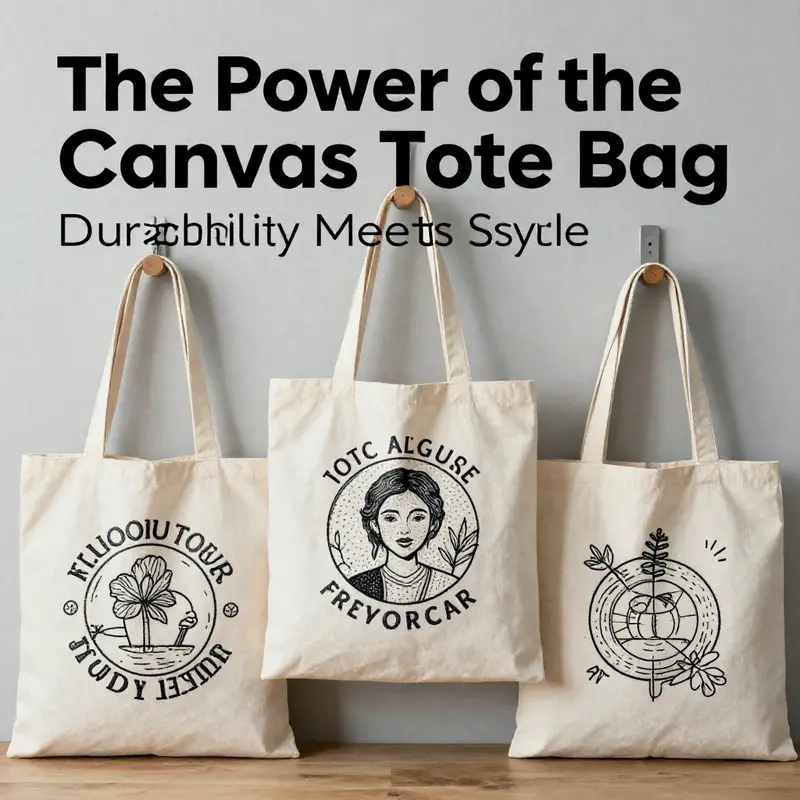
Canvas tote bags have transcended their simple utilitarian role to become dynamic canvases where form, function, and individual expression converge. The art of customization has transformed these bags from plain carriers into wearable pieces of art. Each brushstroke, printed logo, or embroidered design tells a story—a story of the wearer’s identity, beliefs, and aesthetic preferences. This evolution of the canvas tote bag is not merely a trend but a reflection of broader shifts in consumer habits, where sustainability and personal storytelling play pivotal roles.
Crafted from robust canvas, traditionally made from cotton or a cotton-polyester blend, these bags have long been celebrated for their durability and rugged appeal. However, their inherent simplicity and unadorned structure make them ideal blank canvases for creative expression. Whether decorated with vibrant hand-painted images, subtle screen-printed patterns, or intricate embroidered motifs, each customization transforms the tote bag into a unique declaration of its owner’s style. For many, personalization is not only about aesthetics but also about a commitment to values such as environmental consciousness and sustainable living. By choosing to invest in a customizable, reusable bag, individuals make a statement against the disposable culture of single-use plastics, aligning their everyday actions with broader ecological concerns.
The process of customization itself can be both an art and a statement. Many enthusiasts enjoy the freedom to experiment with different artistic techniques on canvas. Fabric paints with diverse finishes—ranging from matte and metallic to glitter and puff—offer a wide spectrum of possibilities for transforming a plain bag into a work of art. When applied skillfully, these paints bond with the fabric’s fibers, ensuring the design remains vibrant even after repeated use. This hands-on approach makes each bag a living testimony to the dedication and creativity of its maker, effectively linking art to daily utility. In many cases, the customization process is as much about the journey as it is about the finished product, as each design evolves uniquely with the individual’s experiences and artistic experimentation.
The personal touch often imbues a canvas tote bag with a narrative that goes beyond its visual appeal. Consider the student who transforms a mundane bag into a vivid expression of youthful exuberance using bold colors and dynamic sketches, or the professional who opts for subtle yet sophisticated monograms that exude a sense of identity and reliability. Even in corporate settings, customized tote bags serve dual purposes—acting as promotional tools while also conveying a company’s brand ethos. This blend of individuality and functionality turns the bag into a moving statement of both personal expression and professional identity.
Customization extends into realms that owe their roots to emerging digital printing technologies. Advanced printing techniques allow for precise replication of digital artworks, making it possible to produce intricate and highly detailed designs on a canvas tote. These techniques not only cater to individual artists but also open up avenues for brands to produce limited edition collections. The result is a product that is not only durable and cost-effective but also culturally resonant. In many cities and urban centers, encountering someone with a uniquely customised tote bag has become a visual shorthand for creativity and thoughtful consumption. The trend has a self-reinforcing quality; as more people embrace customization, the aesthetic language of canvas totes evolves, drawing inspiration from diverse cultural influences and artistic movements.
Apart from its appeal as a medium of artistic self-expression, the customizable canvas tote carries a strong environmental message. The shift towards reusable bags is part of a broader movement toward reducing waste and embracing sustainable practices. In this light, personalization is not solely about individual flair—it is a conscious choice aimed at promoting reuse and reducing the environmental impact of everyday items. By personalizing a canvas tote, users not only signal their preference for one-of-a-kind style but also their commitment to a more sustainable future. This interplay between art and activism underscores the evolving role of personal accessories in contemporary culture. Every brushstroke, printed element, or embroidered signature reinforces the idea that style and sustainability are not mutually exclusive but can be artfully interwoven.
For many, the appeal of a personalized canvas tote bag lies in its dual capacity as both a fashion accessory and a statement piece. In a world where disposable products dominate, the durability of a canvas tote signifies a commitment to longevity and thoughtful consumption. It is this commitment that has spurred innovation in customization techniques, encouraging both established artists and everyday hobbyists to experiment with design elements that are both aesthetically pleasing and functionally robust. The very process of designing and then physically imprinting one’s vision onto a tangible object invokes a sense of accomplishment that goes beyond mere consumerism. Instead, it becomes an act of creative engagement and self-affirmation.
Indeed, the rising popularity of customizable canvas totes is reinforced by their broad utility. From serving as everyday grocery bags to acting as carriers for books, work essentials, or art supplies, these totes are as versatile as they are attractive. Their minimalist design—typically characterized by a simple rectangular shape and two sturdy handles—provides a perfect platform for customization that does not overwhelm the bag’s functionality. In many cases, the design of the bag itself is kept deliberately simple so that the focus remains on the personalized embellishments added by the user. This deliberate restraint emphasizes the notion that less is more, where even a modest embellishment can speak volumes about one’s personality and values.
Many enthusiasts have turned the act of customizing their canvas tote into a ritual, an opportunity to reflect on what truly matters. For some, it is the embodiment of a personal motto or a declaration of support for a social cause. For others, it is a way to celebrate an important milestone or pay homage to a loved one. The ability to etch these personal narratives onto a functional item transforms the tote bag into a repository of memories and aspirations. In this way, the bag is elevated from a mere accessory to a cherished companion that records the milestones of life. The stories conveyed through these customized designs often spark conversation, allowing the bag to serve as a bridge between disparate social groups and artistic communities.
The cultural resonance of these personalized items cannot be overstated. With the rise of social media, platforms dedicated to lifestyle and fashion have normalized the display of personalized accessories. Photographs of uniquely designed canvas totes have become a common genre in outfit-of-the-day posts, where the accessory not only complements the ensemble but also serves as a conversation starter. The visual language of these bags—flourished by creative embellishments and meaningful motifs—has influenced broader fashion trends, nudging designers to integrate elements of customization into their collections. This has led to a creative feedback loop where the celebration of individuality in personal accessories drives the evolution of mass market products. Even established fashion houses, which once limited their canvas totes to minimalist designs, have begun incorporating bold, artistic statements into their offerings, blurring the lines between everyday use and high fashion.
In educational institutions and corporate environments alike, personalized canvas totes have found a natural niche. For educators and students, the bag can become an emblem of creativity and innovation, often serving as a platform to showcase school spirit or to promote environmentally conscious practices. Corporations, on the other hand, recognize the value of branded tote bags as they resonate with modern consumers who value authenticity and purpose. These bags are often distributed during marketing events, corporate picnics, or trade shows, where the custom designs function as effective tools for building brand recognition and loyalty. The practical appeal of a well-designed, personalized tote bag has even led some businesses to adopt them as part of their official corporate merchandise, further reinforcing the idea that personalization can drive both individual expression and professional identity.
The design possibilities extend beyond conventional customization methods. Modern techniques allow for the fusion of different materials, such as the combination of canvas with leather accents or decorative metal elements, thereby adding depth and complexity to the final product. These innovative approaches allow for textures and contrasts that enhance the overall aesthetic appeal while retaining the bag’s functional integrity. The interplay between different materials also introduces a tactile dimension to the design, making the bag not only visually appealing but also a pleasure to handle. This multi-sensory experience enriches the act of carrying a personalized canvas tote, making it a reflection of both visual taste and tactile satisfaction.
While the art of customization celebrates individuality, it also lays the groundwork for communal creativity. Local artisans and community groups often hold workshops where participants can learn various techniques to transform plain canvas totes into personalized masterpieces. Such events create opportunities for people from diverse backgrounds to come together, exchange ideas, and celebrate their collective creativity. It is not uncommon for these gatherings to give rise to styles that reflect local culture, traditions, and histories, thus embedding the personalized tote with a sense of cultural identity. The sharing of tools, techniques, and artistic visions contributes to a community spirit that extends well beyond the individual. In these settings, the canvas tote becomes far more than a bag—it is a symbol of unity and creative collaboration.
The economic dimension of canvas tote customization is also significant. As consumers increasingly seek products that align with their personal ethics and artistic sensibilities, demand has grown for customizable and eco-friendly alternatives. This trend has spurred manufacturers to prioritize sustainable practices and innovative design solutions, often tracked back to strict certifications ensuring the use of natural or recyclable materials. Suppliers that prioritize both functionality and customization features stand at the forefront of a shifting market dynamic that values authenticity and environmental responsibility. For businesses exploring sustainable merchandising, a well-executed, personalized canvas tote represents not only an attractive product but also a marketing asset that can foster a strong connection with consumers. This integration of aesthetics and ethics is proving to be a winning formula in contemporary consumer culture.
The rise in sophistication of customization methods can be partially attributed to digital advancements. High-quality digital printing now enables designers to replicate detailed artwork with exceptional fidelity. Artists and hobbyists alike benefit from this technology, which has democratized the process of personalizing everyday objects. The ability to transfer complex images and intricate patterns directly onto canvas has pushed the boundaries of what can be achieved, making each bag an intricate narrative of color, shape, and texture. The technological innovations in the field are driving what many see as a renaissance in personal design, where the once humble tote now competes with high-fashion accessories in terms of style and complexity.
One of the most compelling aspects of customizing canvas totes is its inherent inclusivity. The simplicity of the bag’s construction invites a wide range of creative approaches, making the art form accessible to novices and professionals alike. Beginners can start with basic fabric paints and stencils, gradually exploring more advanced techniques as their confidence and skill grow. Expert artists, on the other hand, might incorporate mixed media or even elements of interactive design that change appearance based on light or temperature. The endless array of options ensures that no two personalized canvas totes are ever identical, reinforcing the notion that individuality is not only celebrated but also inherently diverse. This accessibility means that nearly everyone can engage in the creative process and produce a piece that resonates with their own sense of identity. The shared journey of artistic refinement, irrespective of skill level, strengthens the bond between the creator and the customized object.
The narrative embedded within a customized canvas tote also plays an influential role in shaping social interactions. When a person chooses to display a piece of art on a bag, it invites questions and conversation. The personal story behind each design can break through social barriers, fostering dialogue about art, culture, and environmental issues. In this sense, the tote bag becomes a conversation starter, a subtle invitation to explore the passions and commitments of its owner. This phenomenon of narrative sharing has played a role in creating vibrant social networks centered around sustainable living and creative expression. It is not unusual for individuals to be drawn to a tote simply because its design resonates with their own life experiences or values, sparking connections that extend far beyond aesthetics.
A clear example of this cultural shift is visible in the online communities that have blossomed around canvas tote customization. Social media platforms are awash with images of uniquely designed totes, where every design is accompanied by a personal story or a creative explanation. These digital platforms serve as modern galleries, where creativity and environmental consciousness are celebrated in unison. The vibrant exchange of ideas in these communities inspires others to explore the world of personalization, further cementing the canvas tote’s position as a symbol of modern artistic expression. For those looking to explore even more options in personalized designs, resources such as the collection of assorted tote styles available on platforms like Women’s Canvas Tote Bags offer a peek into the creative potential that these bags embody.
Ultimately, the journey of customizing a canvas tote bag is a microcosm of a broader cultural movement—one that values sustainability, creativity, and the celebration of individuality. By personalizing a bag that has long served as a utilitarian object, individuals participate in a dialog between functionality and artistry. Their choices reflect a dedication to environmental stewardship and a desire to infuse everyday life with meaning and beauty. The evolution of the canvas tote underscores that personal expression can be seamlessly woven into the threads of practicality, crafting an accessory that is as much about ethos as it is about style.
For those curious to explore the technical aspects behind these innovative customization techniques, industry insights and cutting-edge production methods are detailed on the external information resource provided by Alibaba. This overview, available at Alibaba Customized Canvas Tote Bag, offers a deeper dive into the fusion of eco-friendly materials and modern digital printing technologies that make these versatile bags both beautiful and sustainable.
In conclusion, the art of customizing canvas tote bags embodies a seamless integration of aesthetic expression, environmental commitment, and practical functionality. The canvas tote has evolved into a space where creativity is celebrated and individuality is showcased, proving that even everyday items can be transformed into compelling carriers of personal narrative. Whether approached as a DIY project or commissioned through digital printing, the customized canvas tote reflects a spirit of innovation that continues to inspire and connect communities across the globe. Every bag tells a story—one painted in bold strokes of color, defined by individual passion, and underscored by a commitment to a more sustainable future. In this way, the canvas tote emerging as a medium of personalization stands as a testament to our collective desire to craft a world where personal style and environmental responsibility coalesce into a single, harmonious expression of identity.
From Practicality to Prestige: The Evolution of Canvas Tote Bags as Sustainable Fashion Icons
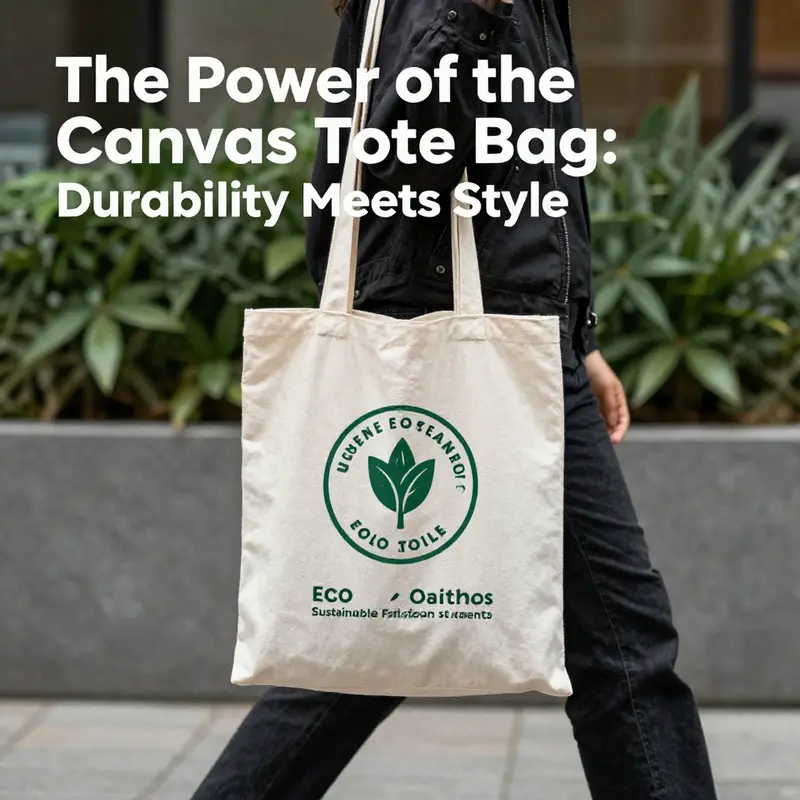
Canvas tote bags have transcended their humble beginnings to become one of the most intriguing symbols of sustainable fashion. Originally designed as simple, sturdy shopping carriers made from tightly woven canvas, these bags have evolved into a celebrated accessory that combines environmental consciousness with artistic expression and modern style. This transformation is not accidental but the result of a deep cultural shift towards valuing longevity, ethical production, and individual creativity.
The journey of the canvas tote bag begins with its material foundation. Canvas, a fabric known for its durability and timeless appeal, has been used for centuries in carpentry, military uniforms, and industrial applications. When early adopters of reusable bags first embraced canvas, they were drawn by its robustness and the reliability it provided as a sustainable alternative to flimsy single-use plastic bags. Over time, artisans and manufacturers discovered that the natural texture and minimalist aesthetic of canvas lent itself perfectly to personal customization. Today, the canvas tote is not merely a vessel for carrying goods—it is a blank slate for self-expression. Many individuals now embellish their bags with hand-painting, embroidery, or screen-printed designs that speak to their values, interests, or affiliations with social causes, especially those concerned with ecological balance.
As society increasingly prioritizes eco-friendly lifestyles, the canvas tote has gained further significance. In a world where environmental degradation and waste management have become pressing issues, choosing a reusable bag is a simple yet powerful statement of commitment to sustainability. This shift is visible not only in individual behavior but also in broader market trends. Manufacturers are opting for organic, recycled, or unbleached cotton variants and are implementing production protocols that reduce harmful chemicals. Ethically produced canvas totes, sometimes certified by internationally recognized eco-labels, are now a common sight in ethical retail outlets and sustainable fashion boutiques. The move towards responsible sourcing and manufacturing practices ensures that every canvas tote is a testament to the possibility of combining utility with a reduced environmental footprint.
At first glance, a canvas tote might seem like a basic accessory, but its design simplicity conceals a remarkable versatility. The straightforward rectangular shape, accompanied by two comfortable handles, is both ergonomic and aesthetically appealing, allowing it to seamlessly transition from a casual grocery bag to a chic fashion statement. This design has proven so influential that many contemporary fashion designers have incorporated canvas totes into their collections. High-end labels have experimented with variations of the classic design by fusing premium materials—such as leather trimmings, metal hardware, or signature prints—with the traditionally utilitarian fabric. Such innovations bridge the gap between practical everyday convenience and high-fashion appeal, demonstrating that ethical consumerism and luxury are not mutually exclusive.
A particularly notable trend in recent years is the rise of vibrant, eye-catching colors in canvas tote design. Among these, sunshine yellow has emerged as a favorite, symbolizing optimism and a joyful commitment to sustainable living. This color phenomenon is not isolated; it represents a broader movement in which bright hues and bold graphics are being embraced by a new generation of consumers who value both aesthetics and ethics. Market research indicates that colorful totes have captured nearly half of global reusable bag sales, with young consumers driving the evolution toward more expressive, artistic designs. These trends underscore a shifting paradigm where every accessory is not only a means of convenience but also a platform for personal narrative and social commentary.
Alongside their aesthetic appeal, canvas tote bags are celebrated for their longevity. Unlike disposable alternatives, a well-made canvas tote is designed to last. With proper maintenance—such as regular cleaning, mindful storage away from direct sunlight, and avoiding the excessive weight that could strain the handles—the durability of canvas assures that these bags remain functional and stylish over the years. This longevity further enhances their environmental credentials, as a bag that can be used repeatedly and for many years inherently reduces waste. Over time, the wear and character that develop on a canvas tote contribute to its individuality, giving it a patina that often endears it even more to its owner. It is this evolving character that sets the canvas tote apart from other accessories that may not age as gracefully or tell a story of their own.
There is also an interesting socioeconomic dimension to the canvas tote’s evolution. By transforming an everyday item into a statement piece, vendors and designers have democratized fashion in a way that allows consumers from various economic backgrounds to participate in a movement defined by sustainability and self-expression. Affordable yet stylish, these bags bridge the gap between high-end designer pieces and everyday practicality. Their wide availability means that whether one is picking up a bag for day-to-day errands or investing in a premium, designer edition, there is a canvas tote to suit every style and budget. For example, some online platforms present a range of options including collections of women’s canvas tote bags that not only cater to a variety of tastes but also champion the ideals of sustainability. This democratization underscores how the desire for environmentally responsible products transcends socioeconomic boundaries and brings communities together around common values.
Moreover, the production practices leading to these innovative canvas totes are as noteworthy as the finished product. In regions such as Bangladesh, which is known for its robust textile industry, manufacturers have refined processes that are environmentally friendly and economically sustainable. These processes often include energy-efficient production lines, water recycling methods, and fair labor practices. Emphasis on these ethical practices reassures consumers that their purchase is not supporting exploitative practices but contributing to a more sustainable global supply chain. By harnessing the inherent strength of canvas, factories have achieved a level of precision that minimizes waste at every stage of production. As global interest in sustainable fashion intensifies, such innovations are becoming benchmarks in responsible manufacturing.
The societal impact of canvas tote bags extends well beyond environmental and economic concerns. They represent a subtle form of activism—a way of embedding personal ethics into everyday objects. Many carry these bags as a quiet protest against the overuse of plastics and the resulting pollution that has plagued urban environments. In doing so, the canvas tote bag has taken on the dual role of being both a functional object and a symbol of conscientious consumerism. It communicates a message of personal responsibility and a willingness to make small changes that can lead to significant environmental benefits when adopted on a large scale. In communities around the world, conversations about resource conservation and minimalism often begin with a seemingly innocuous canvas tote bag, turning what might be considered a mundane accessory into an emblem of a larger, global zeitgeist.
It is also important to consider how innovation has influenced the design and usage of canvas tote bags. Designers have begun to incorporate practical enhancements such as additional compartments for organizational purposes, integrated computer sleeves, padded sections for delicate electronics, and even reflective materials for increased safety during evening commutes. These modifications illustrate a thoughtful integration of modern needs with traditional craftsmanship without sacrificing the organic appeal of the original design. The innovation is not only in the aesthetic details but also in the functionality, ensuring that the canvas tote remains relevant in a fast-evolving consumer landscape. The balance between form and function is delicately maintained, making the tote an ideal accessory for work, leisure, and everything in between. For instance, a well-designed canvas tote can effortlessly transition from a morning commute with a laptop and documents to an afternoon shopping trip or a casual evening outing. This versatility is a key factor in its widespread popularity and serves as a reminder that sustainable fashion does not have to be restrictive in style or functionality.
As the canvas tote continues to redefine its place in contemporary fashion and everyday utility, its influence is increasingly acknowledged in digital and social media spaces. Social platforms are rife with posts celebrating the distinctive charm of personalized canvas totes. Many users share images of their custom-designed bags, highlighting unique artwork or heartfelt messages printed on the often plain, unadorned fabric. This digital wave of customization not only reinforces the bag’s identity as a personal statement but also fuels a community of like-minded individuals committed to environmental stewardship. The canvas tote, in this context, becomes more than a practical accessory—it evolves into a conversation starter, a piece of wearable art that sparks dialogue about sustainability, individuality, and the future of fashion.
Education and awareness also play central roles in the canvas tote’s immersive narrative. Retailers, eco-bloggers, and sustainable fashion influencers emphasize the life cycle of these bags—from ethically sourced raw materials to mindful consumer care. Educational campaigns highlight how every stage of the canvas tote’s journey contributes positively to the environment. These narratives often detail how choosing a durable, reusable bag helps reduce the demand for disposable packaging, thus lowering the overall environmental impact. In many communities, workshops and DIY sessions are organized wherein individuals learn techniques to repair, embellish, or repurpose their canvas totes, ensuring that the bags retain their utility and beauty long after years of use. Through these initiatives, the canvas tote is celebrated not only as an accessory but also as a tool for promoting a more resilient and resource-conscious lifestyle.
In addition to its environmental benefits, the canvas tote bag has become a hallmark of minimalist and slow fashion movements. By emphasizing longevity over fleeting trends, these bags advocate for a shift away from the disposable consumer culture that has long dominated the apparel industry. Slow fashion encourages consumers to invest in pieces that are built to last both in terms of quality and design. The inherent durability of canvas, combined with its ability to be refreshed and updated over time through customization, embodies the very essence of slow fashion. Each canvas tote is a long-term companion that accumulates personal history and experiences, far removed from the impersonal, mass-produced items that clutter fast fashion’s supply chains.
At the same time, canvas tote bags invite us to rethink our relationship with everyday objects. They remind us that even the most mundane items—when thoughtfully produced and maintained—can hold significant symbolic value. The simplicity of the design belies a complex interplay between tradition and modernity. On one hand, canvas as a material has been used in countless utilitarian applications; on the other, its current renaissance in fashion circles marks a new chapter in which simplicity is celebrated as a form of elegance. This duality is central to the canvas tote’s appeal, as it encourages us to consider the stories behind the everyday items we often take for granted.
The emotional resonance of a well-worn canvas tote is something that many enthusiasts come to appreciate over time. Each crease and fade in the fabric can evoke memories of past adventures—be it a cherished trip to the local market, a spontaneous road trip, or even daily routines that have gradually become a part of one’s personal identity. Such small details imbue the tote bag with an almost sentimental quality, transforming an ordinary shopping bag into an artifact that tells a story. The narrative woven into its fibers is personal and collective at once, celebrating not only individual journeys but also a shared commitment to reducing waste and supporting sustainable practices.
This deep, emotional connection to canvas tote bags has led to the emergence of niche communities around the world that celebrate and share the evolution of this accessory. Enthusiasts often trade tips on proper maintenance, innovative uses, and creative customization ideas. They exchange stories about finding unique, vintage totes at local markets, and many online forums are dedicated entirely to appreciating the subtle artistry involved in customizing these bags. In fact, one can easily stumble upon articles detailing how to care for a canvas tote, prevent fabric degradation, or even repurpose an old bag into something new and innovative. For those passionate about sustainable fashion, the canvas tote resonates as a symbol of a future where environmental care and creativity exist hand in hand.
Equally important is the role of informed consumer choice in shaping the market for canvas tote bags. As public awareness about the effects of plastic waste and environmental degradation grows, more buyers are scrutinizing the origins of their purchases. They are increasingly seeking products that are not only functionally superior but are also procured through ethical means. This shift in consumer behavior has spurred innovation in production methods, product marketing, and overall design philosophy. Manufacturers now invest in eco-friendly dyes, non-toxic processing methods, and sustainable packaging to appeal to a demographic that values transparency and accountability. In addition, many brands are committed to giving back to the environment through collaborations with conservation projects and contributions to sustainability initiatives, adding another layer of ethical appeal to the simple canvas tote.
It is also remarkable how the canvas tote seamlessly bridges the gap between everyday practicality and specialized functionality. Modern iterations often incorporate features such as zippered pockets, adjustable straps, and even built-in compartments for electronic devices. These design enhancements are driven by the practical needs of today’s consumer lifestyle. For instance, professionals who rely on their canvas tote for carrying laptops, documents, and other work essentials benefit from designs that integrate padded sections and organized compartments. This thoughtful engineering ensures that the tote is not limited to leisure or fashion but serves as a reliable companion in both personal and professional contexts. The ability to adapt to various use cases without sacrificing style is part of what cements its status as a true icon of sustainable design.
The canvas tote bag has also become a powerful symbol in visual media. Its understated elegance and versatility have made it a popular prop in photo shoots, editorial spreads, and digital marketing campaigns. Many influencers and fashion enthusiasts proudly display their personalized totes on social media, reinforcing the idea that such an accessory is both a practical tool and a work of art. This visual storytelling has not only helped to elevate the status of the canvas tote but has also spurred a broader cultural appreciation of minimalist aesthetics. In a world saturated with fast fashion and fleeting trends, the canvas tote offers a refreshing counterpoint: a reminder that simplicity, durability, and authenticity are values worth preserving.
An important facet of this evolving narrative is the discussion around consumer empowerment. With access to detailed information about manufacturing practices, environmental standards, and ethical labor policies, consumers are now better equipped to make purchasing decisions that align with their personal values. This empowerment is not just about buying a product; it is about participating in a larger movement that values sustainability and social responsibility. Through smart consumer choices, one can contribute to a cycle of production and consumption that prioritizes the well-being of both the environment and global communities. The canvas tote, in this respect, becomes more than a bag—it becomes a statement against a culture of disposability. For those interested in exploring the wide variety of styles and options available, a visit to collections such as the offerings found on a page dedicated to women’s canvas tote bags provides an insight into how contemporary design meets enduring practicality.
It is equally illuminating to consider how the canvas tote bag occupies a special place in the overall narrative of sustainable living. Every choice, from the raw materials used to the care practices recommended for prolonging the bag’s life, reinforces the principle that sustainability is a layered, multifaceted concept. The emphasis on ethical sourcing, environmental stewardship, and personal expression converges to create a product that is as much about the ideology behind it as it is about its material form. This layered significance promotes a holistic understanding of what it means to be environmentally conscious: small, everyday decisions like choosing a canvas tote accumulate over time to produce a measurable impact.
Beyond the realm of fashion and prior to its influx into high style, the canvas tote has quietly revolutionized the concept of packaging and transportation in everyday life. Before the advent of reusable shopping alternatives, many people relied on flimsy plastic or paper bags that were neither durable nor environmentally sound. The introduction of canvas totes offered a practical solution to a singular problem: the wastefulness of disposable bags. However, as the bags found themselves at the intersection of utility and style, their role expanded. What was once a practical necessity became an emblem of environmental and cultural renewal. Today, each canvas tote is a living reminder that mindful choices in everyday life can contribute to a cleaner, better future.
This evolution is further enriched by the way canvas tote bags foster a sense of community and shared purpose. When individuals choose to carry these bags, they are often engaging in a silent dialogue with others who share similar ideals. The canvas tote, therefore, acts as a social connector—a visible marker of environmental commitment that invites conversation without the need for overt declaration. Whether encountered on bustling city streets or in quiet neighborhood markets, the bag creates an instant, unspoken bond among those who value durability, practicality, and artistic expression. It is this community spirit that transforms a simple accessory into a cultural phenomenon, bridging gaps between different social groups and ideologies.
In reflecting on the evolution of the canvas tote bag, it is clear that its transformation is emblematic of a larger cultural movement. It is a product borne out of a desire to reject the unsustainable practices of the past and a forward-looking commitment to responsible consumption. The canvas tote bag has come to symbolize an ideal where fashion does not have to come at the expense of the environment, where aesthetics and ethics can coexist harmoniously. Every stitch, dye, and design decision contributes to a rich tapestry of sustainable innovation—a narrative that is still being written with each passing day.
By accepting a canvas tote as part of one’s everyday wardrobe, individuals echo a collective yearning for quality over quantity, meaning over mass production, and sustainability over convenience. The bag’s understated design, coupled with a profound environmental statement, places it at the forefront of a new era in fashion where choices are made not just based on what looks appealing, but on what feels right for the planet. In a time when consumer habits are under intense scrutiny, a canvas tote is a silent yet resolute testament to the power of change.
For anyone seeking a comprehensive understanding of sustainable materials and consumer trends in the context of reusable accessories, further insights can be found via the external resource provided by the Sustainable Fashion Forum. Their detailed analysis on emerging trends in reusable tote bags underscores the significant strides made in this arena and serves as a robust reference for those interested in the interplay between innovation, ethics, and everyday fashion choices. Sustainable Fashion Forum – 2025 Trends in Reusable Tote Bags is an excellent resource for such insights.
In conclusion, the canvas tote bag stands as a multifaceted emblem of sustainable living, embodying the transformation from a practical, utilitarian object into a powerful medium for personal and social expression. It harmonizes the ideals of durability, ethical production, and modern design to create an accessory that is both timeless and timely. As the canvas tote continues to evolve, it reinforces a timeless message: that everyday choices matter, and even the simplest items in our lives can contribute to building a future that is as stylish as it is sustainable. Each canvas tote tells a story—a story of innovation, resilience, and the enduring human spirit dedicated to making a positive impact on the world.
Final thoughts
Canvas tote bags represent more than just utilitarian products; they embody the principles of versatility, personal expression, and sustainability that resonate with modern consumers. For business owners, understanding the multifaceted nature of these bags can lead to innovative branding and marketing strategies, allowing for unique customer engagement while advocating for eco-friendliness. By incorporating canvas tote bags into their offerings, businesses can align with consumer values, foster brand loyalty, and contribute positively to the environment, all while maintaining a stylish edge in a crowded marketplace.