
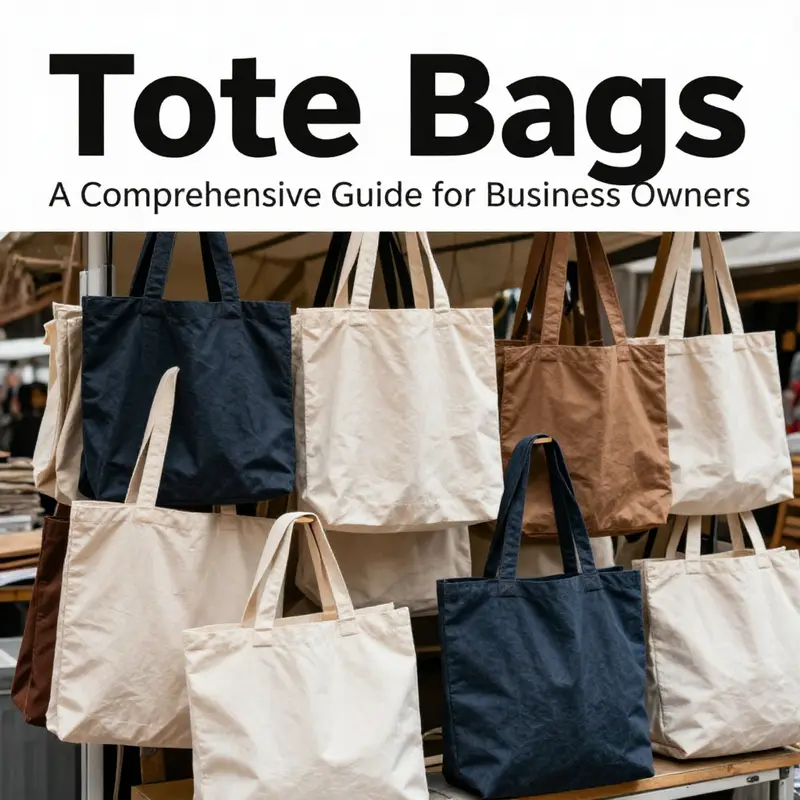
Tote bags have evolved beyond mere utility items; they are now versatile, fashionable, and crucial to sustainable habits. Understanding the various aspects of tote bags is essential for business owners looking to integrate them into their marketing strategies or product lines. This article delves into the functionality of tote bags, their materials, historical context, cultural significance, and their roles in sustainability, offering a complete picture of why tote bags are more than just accessories—they are meaningful tools in today’s world.
Tote Bags Uncovered: The Fusion of Practical Functionality, Fashion, and Sustainable Design

Tote bags have become an enduring symbol of both practicality and personal expression. Their design is a blend of serious utility and stylish appeal that has evolved over centuries. Originally conceived simply as a way to carry items, today’s tote bags cater to a broad audience by merging robust construction with an array of materials, including canvas, cotton, nylon, and even leather. These materials are thoughtfully selected not only for their durability but also for their ability to adapt to the user’s aesthetic needs. Imagine a bag that effortlessly transitions from a morning grocery run to an evening social outing. This duality in purpose is embedded in every stitch, where reinforced straps and spacious interiors demonstrate their function as daily carriers while also resonating with trends seen on catwalks and in artful expressions. Designed to endure heavy loads and daily wear, tote bags are constructed with high-quality components such as woven polyester or nylon webbing that provide superior strength and comfort during long hours of use. Their significance extends beyond mere utility; they represent an ongoing dialogue between form and function, simplicity and sophistication.
Modern tote bags reflect the ideals of an environmentally aware and practically oriented lifestyle. They have carved out a unique niche amid the rising trend of sustainable consumerism. Brown linen totes, for example, are reimagined with a nod to natural textures and eco-friendly production practices. This shift toward sustainable materials resonates with consumers who are making conscientious decisions everyday. At the same time, the evolution of tote bags has not been without leaps in design that speak to higher-end markets. Luxury designers have taken this decades-old accessory and elevated it beyond purely utilitarian purposes. High-end models, meticulously crafted from heritage materials, reflect a blend of classic artistry and modern innovation. Whether a tote is used to carry afternoon essentials or as a statement accessory for a business meeting, its design is an invitation to the wearer to enjoy the balance between responsible living and aesthetic allure.
The functionality of tote bags is particularly evident in the way they provide a solution for everyday challenges. With an emphasis on spaciousness, these bags typically feature roomy interiors capable of accommodating everything from books and laptops to gym wear and shopping finds. This inherent versatility makes them popular among students, professionals, and those engaged in creative pursuits. Many modern designs include additional compartments or even padded sleeves for electronic devices, ensuring a perfect blend of form and function. Durability is often the prime focus during their design process, with many bags boasting reinforced stitching and extra layers of fabric in high-wear areas. This engineering ingenuity translates into everyday reliability, making tote bags a particularly favored choice among urban dwellers and eco-conscious consumers. In settings such as farmers’ markets or city streets, tote bags not only serve as a reliable transportation medium but also communicate a subtle commitment to sustainability and thoughtful design. For those interested in exploring versatile options, you might enjoy browsing through a selection of women’s canvas tote bags, which highlight this blend of utility and style.
When it comes to the aesthetic appeal, tote bags have come to embody a seamless interaction between simple design and bold expression. They have grown in popularity as a canvas for personal statement, cultural commentary, and even political activism. Designers employ vibrant prints, classic patterns, or minimalist styles to appeal to a range of tastes. In a world where personalization is celebrated, tote bags stand out as an accessible means to showcase individuality. Even luxury variants pay tribute to this adaptable canvas, merging everyday functionality with an unmistakable sense of style. The use of premium materials along with subtle design accents elevates these bags to a status where they are as much an accessory as they are a serviceable product. This is seen in how luxury houses incorporate iconic elements—certain logos or patterns often serve as beacons of status while reinforcing the bag’s purpose. The thoughtful balance of design and practicality is further illustrated by the careful choice of colors and textures that evolve over time, often gaining character with use. The end result is a product that is as dynamic as its user, echoing a philosophy of informed simplicity that is both timeless and progressive.
Beyond their role as a symbol of modern fashion, tote bags are engineered with a clear purpose: to serve the diverse demands of contemporary lifestyles. Whether used by professionals seeking a reliable, stylish carryall or by those who value an accessory that aligns with sustainable living, the versatility of the tote bag is indisputable. Its construction is a true reflection of the user’s needs, incorporating design elements that promote comfort without sacrificing visual appeal. Often lightweight and easy to maneuver, tote bags are engineered to minimize strain during extended use, ensuring that even when laden with heavier items, they offer a balanced and comfortable carrying experience. This makes them ideal for a variety of settings—from a bustling city commute to a relaxed day at the park. In recreational contexts, their capacity and durability are appreciated for casual excursions, beach days, or even impromptu picnics in the park. From a purely functional standpoint, these bags present a harmonious blend of utility and aesthetics, where every design choice is aimed at maximizing user satisfaction and day-to-day efficiency.
Sustainability, as an increasingly critical factor in consumer decisions, is another vital dimension where tote bags excel. They serve as a prominent example of how everyday items can align with green values. By prioritizing reusable materials over single-use plastics and emphasizing long-lasting construction, tote bags contribute to a reduction in environmental waste. Beyond material choices, they embody an ethos of mindful consumption where durability and versatility minimize the need for continual replacement. This sustainable narrative is a crucial element in broadening the appeal of tote bags, making them popular not only as a style statement but also as a conscientious decision toward reducing the ecological footprint. As custodians of both fashion and function, tote bags represent a union of modern design and environmental responsibility. The careful construction of these carriers, from the selection of natural fibers in brown linen bags to the advanced protective details found in technologically enhanced styles, underscores their capacity to serve multiple purposes while resonating with values of conservation and longevity.
This rich convergence of utility, design innovation, and sustainability has redefined the role of tote bags in everyday life. They are an artifact of fashion history, a practical tool for modern-day challenges, and a sustainable alternative to disposable packaging. From their humble beginnings rooted in the simple act of carrying objects, tote bags have been transformed into versatile companions that mirror our evolving priorities in a dynamic world. Every design element, from reinforced handles ensuring comfort to the explosion of eye-catching patterns and colors, is a deliberate nod to contemporary lifestyles where functionality coexists with personal style. The continuing evolution of the tote bag is a testament to its ability to innovate and adapt, reimagining itself to meet the changing needs of its users. For those curious about a landmark example of this evolution in luxury and design, a closer look at the Louis Vuitton Neverfull Tote offers valuable insights into how high fashion and practicality can intersect harmoniously.
Thus, the journey of the tote bag from a simple carrier to a statement piece reflects the ingenuity of modern design and the timeless need for reliable, stylish utility. Its versatile design accommodates everything from heavy daily usage to leisurely outings, making it an indispensable accessory for diverse lifestyles. Understanding the many dimensions of tote bags provides a glimpse into how a single, well-designed accessory is capable of combining efficiency, style, and environmental consciousness. This heralds a paradigm where everyday objects become a testament to human creativity, serving as vehicles not only for material items but for ideas and values that shape our world. Every tote bag encapsulates the essence of practicality and personal narrative, holding items and stories alike, and steadily securing its place in the fabric of modern life.
The Fabric of Modern Utility: A Deep Dive into the Materials That Shape Tote Bags

Tote bags are more than just a convenient accessory; they are a study in the evolution and adaptability of materials, a reflection of changing lifestyles and environmental values. As simple yet indispensable carriers, the materials used in tote bags tell their own story about durability, sustainability, and creativity. When we explore the array of resources that give tote bags their character, we begin to understand how a basic design can evolve into a statement of practicality and personal style.
At the heart of many tote bags lies canvas, a material with a long tradition that combines strength with a timeless aesthetic. Canvas, typically woven from cotton or cotton blends, has been used for centuries in various applications, from sails to tents. Its tightly woven fibers provide remarkable durability while maintaining a lightness that makes it ideal for everyday use. The texture of canvas carries an inherent charm; it ages gracefully, developing a unique patina that adds character to each bag over time. This quality has made canvas particularly popular among those who favor a blend of utilitarian reliability and understated elegance. For many, a canvas tote bag is an extension of a lifestyle that appreciates resilience and functionality without sacrificing style.
The story of tote bag materials does not stop at canvas. In recent years, there has been a significant shift towards using organic cotton. This eco-friendly alternative is cultivated without the use of synthetic pesticides or fertilizers, representing a commitment to environmental sustainability. Organic cotton not only provides the same robustness as regular canvas but also appeals to consumers who actively seek products that minimize environmental impact. Tote bags made from organic cotton have found favor in diverse settings—from office meetings and formal events to casual outings—offering a versatile option that aligns with the ideals of a green lifestyle. They serve as a visual reminder that practical items can also be champions of environmental responsibility.
Beyond cotton, natural fibers like jute and hemp have emerged as leading contenders in the design of modern tote bags. Both materials offer unique benefits that extend from their renewable nature to their biodegradability. Jute, with its coarse texture and earthy appearance, has a rustic appeal that resonates with those drawn to nature and sustainability. Hemp, known for its strength and durability, provides a similar eco-conscious edge while offering a refined texture and aesthetic. Tote bags crafted from these materials not only embody sustainability but also support the movement towards a circular economy where materials are renewable and have minimal long-term environmental impact. Their natural hues and tactile qualities lend a distinctive look to bags that are intended for myriad uses, ranging from shopping trips to outdoor adventures.
Modern technology has also found its way into the production of tote bags, especially with the introduction of recycled materials such as recycled polyester (rPET). This innovation transforms post-consumer plastic bottles into durable, water-resistant tote bags that perform well in everyday scenarios. The use of recycled plastics highlights an important narrative in today’s consumer culture: the drive to reduce waste and repurpose materials that might otherwise end up in landfills or oceans. By choosing recycled materials, designers and consumers are taking an active stance against environmental degradation, merging the practicality of tote bags with a compelling story of transformation and regeneration. These bags not only meet the demands of durability and resistance to the elements but also represent a commitment to environmental stewardship.
While the aforementioned materials are celebrated for their many advantages, tote bags also harness synthetic polymers such as PVC (polyvinyl chloride) and PU (polyurethane). PVC, with its flexibility and ease of production, has been widely used for budget-friendly tote bags. However, PVC is increasingly scrutinized because of its environmental footprint; the chemicals released during production and degradation pose challenges to long-term sustainability. Over time, the integrity of PVC can suffer as it becomes brittle with the loss of plasticizers. On the other hand, PU offers many of the same benefits as PVC with improved resistance to cracking, yet it too faces controversies surrounding recyclability and environmental impact. These synthetic options often serve as a reminder of the balancing act between cost, convenience, and environmental ethics in modern manufacturing.
For those who cherish eco-conscious living, materials like organic cotton, jute, hemp, and recycled plastics are not just options, they are statements. Each material brings with it a set of intrinsic properties that transcend mere functionality. They offer stories of origins—from farm fields and recycling plants to innovative laboratories—each narrating a journey from raw resource to refined product. For instance, organic cotton tote bags not only represent a sustainable choice but also symbolize the integration of traditional craftsmanship with modern eco-friendly practices. Similarly, jute and hemp totes borrow their appeal from ancient uses in trade and agriculture, reinvigorated now with modern design sensibilities that emphasize sustainability and durability.
The choice of material in a tote bag also reflects broader cultural trends and economic shifts. In an era where fast fashion is giving way to responsible consumption, consumers are increasingly discerning about the origins of their belongings. This attentiveness has fueled a demand for products that are ethically sourced and manufactured, and tote bags are no exception. The shift towards sustainable materials is intertwined with a deeper, more thoughtful consideration of the resources we use daily. By opting for bags made from recycled materials or natural fibers, individuals align their purchasing decisions with values of conservation and responsible resource management.
The production process itself is a blend of artistry and science. Crafting a tote bag requires careful selection of materials, understanding the properties of each component, and merging them into a cohesive whole that is both functional and aesthetically appealing. Manufacturers often test multiple materials to determine how they perform under various conditions—whether it’s carrying books on a rainy day or holding groceries during a bustling market run. The tactile feel, weight, and durability all contribute to the final product, ensuring that each tote bag meets the rigorous demands of everyday use. This meticulous attention to detail can be seen in quality items such as canvas tote bags, which provide an optimal balance between ruggedness and style. In fact, those interested in exploring the practical elegance of such designs might find more insights by looking into the range of options offered at platforms that specialize in women’s canvas tote bags.
An integrated view of tote bag materials reveals more than just a fabric selection; it presents a microcosm of innovation and tradition. On one hand, the enduring charm of canvas and natural fibers nods to a rich history of textile production. On the other hand, the incorporation of recycled plastics and synthetic materials signals a forward-thinking approach to resource management and technological advancement. This synthesis of old and new is a hallmark of modern tote bags, bridging the gap between heritage and contemporary needs.
The environmental implications are particularly significant when considering the life cycle of these bags. Natural fibers like organic cotton, jute, and hemp are biodegradable and offer a low environmental footprint when disposed of properly. Furthermore, recycled materials give a second life to what would otherwise contribute to plastic waste. However, synthetic options such as PVC and PU present a more complex picture. While they offer benefits in terms of durability and cost, their long-term environmental impact remains a cause for concern. This duality in material properties encourages both designers and consumers to make mindful choices, weighing the practical demands against sustainability goals.
Innovation in material science continues to pave the way for improved performance and reduced environmental impact. Advances in fabric treatments and alternative production methods are gradually enhancing the qualities of both natural and synthetic materials. Researchers are exploring new ways to combine durability with eco-friendliness—ensuring that even synthetic options can be developed with more sustainable processes. This ongoing evolution is a testament to the dynamic nature of the tote bag market, where economic viability and environmental responsibility are continuously balanced.
Looking ahead, the trend towards sustainability is expected to accelerate further. With increasing consumer awareness and regulatory pressures, the market is steadily shifting towards materials that support both practicality and environmental conservation. Designers are now challenged to create products that not only meet the rigorous demands of daily use but also contribute to a healthier planet. This shift is more than just a trend; it signifies a fundamental change in how products, such as tote bags, are conceived and produced.
The story of tote bag materials is one of adaptation and thoughtful craftsmanship. It is a narrative that spans centuries—from the traditional canvas of earlier eras to the cutting-edge recycled polymers of today. Each material plays a distinct role in shaping the functionality and appeal of the final product, ensuring that tote bags remain a staple for individuals on the go. As we continue to innovate and embrace sustainability, the evolution of these materials will likely shape the future of everyday accessories in profound ways.
For those interested in delving even deeper into the technical aspects of tote bag composition and performance, detailed guidelines and resources are available. One particularly insightful resource that covers the composition, structure, and performance characteristics is available on the official guide from China Wholesale Tote Bags Guide: Composition, Structure, and Performance for Engineers. This guide provides an in-depth look at how different fibers and synthetic materials behave under various conditions, offering valuable perspectives that inform both design and consumer choices.
Embedded within the history and modern innovations of tote bag materials is an enduring commitment to merging style, practicality, and sustainability. As consumers increasingly prioritize products that mirror their values, the materials used in these bags have become a focal point for discussions about ethical manufacturing and environmental impact. This discussion is not merely academic; it speaks to everyday choices and the visible impact of those choices on our surroundings. Whether it is the tactile allure of canvas or the robust efficiency of recycled plastics, each material encapsulates a piece of the larger narrative that makes tote bags an enduring favorite for so many.
In summary, the evolution of tote bag materials is a journey that mirrors the broader shifts in consumer behavior and manufacturing practices over time. By integrating materials that are both time-honored and innovative, the modern tote bag embodies versatility, durability, and a commitment to sustainability. This synthesis of tradition and technology offers a fascinating glimpse into how everyday objects can evolve, ultimately transforming from simple carriers to icons of modern utility and environmental responsibility.
From Carriage to Canvas: Tracing the Storied Journey of Tote Bags

Tote bags have come a long way from simple carriers of goods to symbols of cultural expression and mindful consumption. Their evolution spans centuries, reflecting both practical needs and aesthetic aspirations. The journey of the tote bag begins with ancient methods of carrying and ends with a modern icon of sustainability and style. In its earliest incarnations, the concept of using a large, open-handled bag to transport items was a solution to everyday challenges. Whether in bustling medieval markets or rural settings where practicality was paramount, people fashioned bags out of available materials to carry everything from food and tools to personal belongings. These primitive designs laid the groundwork for what would eventually emerge as the tote bag.
The very word “tote” is a linguistic nod to the bag’s utilitarian origins. Derived from a term that means “to carry,” it captures the essence of the bag’s purpose. Over time, as people in different societies grappled with similar needs, the idea of a robust, carrier bag took on localized flavors. In areas of Europe, Asia, and Africa, artisans handcrafted durable sacks using natural fibers, demonstrating ingenuity in everyday design. This spontaneous invention of carrying devices underscores a basic human trait: the drive to create convenient solutions out of necessity.
By the early 20th century, the term “tote” gained a more specific and recognizable connotation. It began to describe bags that were not only functional but also capable of handling significant weight. In the United States, during the 1930s and beyond, the tote bag evolved further. Manufacturers and consumers alike recognized that a sturdy, multi用途 container was an indispensable accessory for daily life. Bags made of thick cotton or canvas proved to be essential for transporting groceries, tools, and other items, and the design began to incorporate features like reinforced handles to ensure durability. It was the perfect blend of form and function.
A pivotal moment in the modern evolution of the tote bag occurred when brands and designers started to see beyond the bag’s mere utility. During the mid-20th century, the tote bag began to resonate with a wider audience, notably in the United States and Western Europe. As economic and social patterns shifted, so too did consumer expectations. With the rise of suburban living and an increased focus on convenience, the tote bag became a commonplace companion. During this era, the bags were not just useful but started to symbolically represent modernity and the democratization of everyday style. The straightforward, unpretentious design of the tote bag made it a blank canvas—a space for expression, personalization, and even branding.
The transformation of the tote bag into a cultural phenomenon cannot be separated from the environmental movement that gained momentum in the 1960s and 1970s. As concerns over pollution and waste grew, many began seeking alternatives to single-use plastics and flimsy paper bags. Tote bags made from natural materials such as cotton emerged as a practical and symbolic choice for environmentally conscious consumers. They were embraced by those who desired not only to reduce waste but also to carry a statement of sustainability. The bag’s durability and capacity made it an ideal solution in an age where material responsibility became a societal benchmark. Over time, the tote bag became intimately associated with the call for a more sustainable lifestyle, standing as a testament to the idea that practical design and environmental consciousness can go hand in hand.
Art and branding soon found fertile ground on the expansive surface of the tote bag. Designers saw an opportunity to transform what was once a purely utilitarian object into a medium for artistic expression. Bold prints and striking logos adorned bags, creating a fusion between low-key utility and high-end fashion. This transformation was spurred by the democratization of art and the need for everyday objects to reflect personal identity. The bag no longer served just as a carrier of daily essentials; it grew into an accessory that could signal one’s tastes, political leanings, or ethical commitments. The artistic embellishments also allowed companies to use tote bags as vehicles for brand promotion, making them popular at events and campaigns. In many urban settings, it became common to see tote bags featuring vibrant designs or catchy slogans—a moving testament to a culture increasingly centered on self-expression and mindful consumerism.
In today’s world, the tote bag is a ubiquitous presence across various walks of life. They are used by students, professionals, shoppers, and travelers alike, reflecting a versatility that is deeply woven into their history. Whether made of minimalist linen or luxurious leather, modern tote bags have managed to retain the spirit of their practical ancestors while embracing the demands of contemporary living. The very design of the tote bag, with its spacious interior and robust handles, speaks of an ancient function that has been modernized through clever design and quality materials. Its evolution over time is a reminder that while technology and lifestyles change, certain needs and design principles persist across generations.
What makes the tote bag particularly fascinating is its ability to bridge the gap between usage and ideology. On one hand, the bag is an essential tool for carrying everyday items; on the other, it has grown into an artifact loaded with cultural significance. For many, owning a tote bag is part of a broader lifestyle choice—one that emphasizes simplicity, functionality, and an environmentally responsible way of living. Today, many retail establishments, educational institutions, and even art galleries distribute tote bags that blend practicality with a message of sustainability. The impression is clear: in choosing a tote bag, one supports not just convenience but an evolving philosophy of responsible consumption.
The continuous innovations in materials and design further highlight the tote bag’s journey. With advancements in fabric technology, newer tote bags are lighter, stronger, and often more affordable than their older counterparts. Manufacturers draw inspiration from both tradition and modern technology. They experiment with recycled materials, water-resistant coatings, and ergonomic design elements that make the bag even more adaptable to modern needs. For instance, many newer tote bags now feature compartments designed specifically for gadgets and personal devices, seamlessly merging the needs of digital life with timeless design. The synergy of old and new makes the tote bag a true reflection of human ingenuity—a tool that adapts as our lifestyles become more complex and our values evolve.
Apart from its intrinsic practicality, the tote bag’s role in retail and promotional spaces adds another fascinating layer to its legacy. In a notable instance of cross-cultural exchange, an iconic American outdoor brand once introduced a canvas bag designed primarily for carrying bulky items like ice blocks, which later became a precursor to the modern tote bag. This moment encapsulated the transformation of the tote bag—from a rugged working accessory to an item capable of conveying style and status. Today, similar transitions can be seen when various organizations and corporations choose the tote bag as a promotional item. It is not just about carrying items; it is about carrying a message. The ease with which the bag can be customized makes it a popular medium for some enterprises to establish their identity, turning everyday objects into moving billboards for quality, reliability, and environmental awareness.
The broader cultural impact of the tote bag is further reflected in its seamless adoption by diverse communities. In academic corridors, students use tote bags as a practical way to carry books and notes, while in creative hubs, artists and designers view the bag as both a canvas and a muse. This multifaceted appeal is partly responsible for the bag’s widespread popularity and enduring presence in our daily lives. One only has to glance at a busy street or an urban coffee shop to see a rich tapestry of tote bags—ranging from basic, functional designs to fashion-forward, artistic interpretations. This diversity is a silent narrative of evolution, one that tells of countless personal stories and cultural shifts. For those interested in exploring the range of modern designs and functional innovations, one can find more information about various styles including the ever-popular women’s canvas tote bags. Each bag, in its own right, holds a fragment of the larger story of an object that has been continuously reimagined by generations.
Through its extensive history, the tote bag has evolved alongside the societies it has served. It is a story of adaptation and reinvention, of materials and messages merging to create something that is much more than a container. Its transformation highlights a fundamental truth about design: that beauty and functionality are not mutually exclusive. The evolution of the tote bag exemplifies how everyday objects can be elevated to iconic status through thoughtful design and cultural relevance. More than just a carrier, it is an emblem of practicality, a medium of self-expression, and, in many cases, a statement about the values of its owner.
As we trace the tote bag’s path from simple, ancient pouches to today’s sophisticated canvases, we are reminded of the interplay between necessity and innovation. Its design showcases enduring human creativity, rooted in the need to solve everyday problems while continually offering opportunities for aesthetic expression and cultural commentary. The tote bag has borne witness to history, seamlessly blending function with form, tradition with modernity, and personal need with global social movements.
In many respects, the humble tote bag encapsulates a broader narrative of human adaptation. While its form has evolved to meet the changing demands of society—from carrying groceries and books to serving as a promotional canvas—it has always remained true to its core purpose: to carry and to communicate. The integration of sustainable practices in production today reinforces its long-standing legacy as a reliable, ever-adapting artifact. It serves as a reminder that when functionality meets thoughtful design, even the simplest objects can transform into powerful symbols.
For those captivated by the rich history and ongoing evolution of the tote bag, delving deeper into its origins provides not only a sense of historical context but also inspiration for future innovations. Each time you pick up a tote bag, whether at a local market or a design boutique, you are holding an object steeped in centuries of innovation, culture, and personal expression. The tote bag is more than just a carrier of objects; it is a carrier of history and a harbinger of future trends. To continue exploring its storied journey and appreciate its multifaceted role in both everyday life and contemporary culture, consider visiting the British Museum Tote Bag Collection for an in-depth look at its historical legacy.
Tote Transformation: From Functional Carriers to Icons of Sustainable Fashion
Historically, tote bags originated as simple, utilitarian carriers designed to meet everyday needs. With a spacious interior and two sturdy handles, they were created to carry groceries, books, and personal items with minimal fuss. Over time, however, the concept of a tote bag evolved dramatically. What once was an unassuming container has now transformed into a powerful icon of style, sustainability, and cultural identity. The evolution of the tote bag is a compelling story that mirrors changes in consumer habits, artistic sensibilities, and ethical values.
In earlier times, the design of tote bags focused solely on practicality. Their uncomplicated construction, often featuring robust canvas or cotton, was perfectly suited to the demands of daily life. People appreciated the simplicity of a bag that was easy to hold and sturdy enough to handle heavy loads. Innovators in the field gradually recognized that altering designs and experimenting with fabrics could offer not only durability but also a touch of elegance. The use of materials such as durable cotton, nylon, or leather helped elevate the bag from a mere utility item to an accessory with character.
As society advanced, so too did the ideals incorporated within everyday objects. Amid increasing environmental concerns, consumers began to look for alternatives that both served their needs and aligned with their personal ethics. This growing eco-conscious movement sparked the transformation of the tote bag. Designers shifted their focus towards sustainability, sourcing organic cotton, recycled polyester, and even innovative plant-based fibers. This deliberate choice of sustainably produced materials not only reduced the environmental footprint but also redefined the tote bag as a statement of responsible consumerism. In this way, the bag came to represent an ethical alternative to disposable options and plastic waste.
The story of the tote bag is also one of artistry and cultural expression. Modern tote bags often serve as movable canvases onto which bold graphics, minimalist logos, and intricate prints are applied. These creative embellishments transform a simple accessory into a work of art that communicates personality, values, and social engagement. Artists and designers imbue their work with meaning that resonates with individuals seeking to express their uniqueness. Each design is carefully crafted to reflect personal style and align with the wearer’s broader ethical stance, turning the tote bag into both a functional tool and a symbol of creative identity.
The rise of social media has accelerated this cultural impact, thrusting the humble tote bag into the spotlight. Celebrities, influencers, and everyday users alike share images of their fashionable totes, making the bag a staple of online style narratives. These digital channels have amplified the bag’s visibility and helped foster a community built around shared values. In many ways, the tote bag has become a visual shorthand for trends in eco-consciousness and modern design. Its ubiquity online reinforces the idea that everyday objects can carry layers of meaning and that fashion does not have to sacrifice practicality for style.
Retailers and independent designers have responded to this surge in popularity by curating collections that cater to diverse tastes and lifestyles. Innovative designs now incorporate practical details such as extra compartments or padded sleeves while still maintaining an emphasis on aesthetics. For example, collections showcasing chic and functional designs have emerged, compelling those who appreciate both form and function to invest in quality accessories. One need look no further than the impressive range available in collections of women’s canvas tote bags, where each piece is a blend of durability, practical design, and artistic expression.
Beyond the realm of daily utility and fashion, the tote bag has increasingly taken on a role in social activism. Nonprofit organizations and activist groups often distribute branded tote bags at events to communicate messages of environmental responsibility and social unity. In this context, the bag becomes a tool for advocacy. It symbolizes more than just personal style; it represents a commitment to meaningful causes like reducing plastic use and promoting ethical consumer practices. The act of carrying a tote bag can be seen as a small, everyday protest—a stand against wasteful habits and a pledge to support sustainable alternatives.
This cultural shift towards sustainability is not accidental. The widespread acceptance of tote bags as eco-friendly alternatives has a clear, positive influence on consumer behavior. As countless shoppers embrace these reusable bags, they contribute to a broader movement toward reducing environmental impact. This evolution reflects a thoughtful response to global challenges and a desire to make choices that contribute to the common good. The tote bag’s journey from a basic carrier to an emblem of eco-consciousness emphasizes how objects we use daily can embody significant cultural and ethical values.
Continual innovation fuels the evolution of the tote bag. Advances in textile technology have inspired designers to experiment with light but robust fabrics, intricate stitching techniques, and multifunctional design features. Some modern totes incorporate specialized compartments to safely carry electronic devices or to organize personal belongings more effectively. Such innovations satisfy the practical demands of a busy lifestyle while maintaining the bag’s signature simplicity. As a result, tote bags are reinvented time and again, each iteration a blend of technical ingenuity and artistic vision.
The cultural impact of tote bags is evident on city streets and in creative circles alike. In bustling urban areas, the tote bag is seen as an essential accessory, accompanying students, professionals, and activists everywhere. Whether seen in coffee shops, libraries, or creative workspaces, the bag speaks to a community of people who value both aesthetic appeal and functional reliability. Its adaptability makes it equally at home among casual settings and more sophisticated environments. This widespread usage underscores the bag’s ability to meet the needs of a diverse population, uniting different lifestyles under one practical accessory.
Furthermore, the tote bag has become a subtle reflection of individual identity. Its appearance can be tailored to express personal moods, styles, and even political leanings. For some, the bag’s design might feature vibrant colors and playful patterns, signaling an adventurous spirit. For others, a more subdued, minimalist aesthetic may speak to their commitment to environmental causes. In both cases, the bag serves as a medium for storytelling. Through its style and design, the tote bag tells a personal narrative that is both unique and reflective of broader cultural trends.
Ethical production practices add another layer of appeal to the modern tote bag. Many companies have embraced fair trade principles and ethical labor standards in the manufacturing of these accessories. This commitment to responsible production not only enhances the bag’s quality but also deepens its cultural resonance. Consumers who are aware of these ethical practices can feel proud of their purchase, knowing that it supports fair working conditions and sustainable business models. The bag, in this sense, becomes a bridge between global manufacturing communities and individual consumers, fostering a sense of shared responsibility for a better world.
The aesthetic dimension of the tote bag is as dynamic as its functional purpose. Contemporary designs often blend traditional motifs with modern trends to create pieces that are both timeless and current. Whether opting for bold graphics that command attention or understated designs that exude sophistication, consumers have an array of choices that reflect personal style preferences. This versatility makes the tote bag not only a practical accessory but also a prized fashion item. It is this interplay of form and function that has pushed the tote bag to the forefront of modern fashion.
Practicality remains at the heart of the tote bag’s enduring appeal. Its straightforward design accommodates the needs of a wide range of users, from busy professionals to casual shoppers. By providing ample space and robust construction, the tote bag meets the demands of daily life without compromising on style. In locations where urban transit and public spaces dictate a brisk pace, the bag offers an accessible, reliable solution for carrying essential items. Its simplicity is its greatest strength, ensuring that it remains an indispensable part of the modern wardrobe.
The influence of the tote bag in retail and lifestyle markets is a testament to its transformative journey. Shoppers now seek not only products that fulfill their everyday requirements but also items that signify a conscious choice aligned with ethical values. The tote bag has responded to this demand by evolving from a humble accessory to one that also champions environmental stewardship and creative innovation. Its presence in high street boutiques and fashion runways alike confirms its dual role as both a practical implement and a symbol of contemporary consumer culture.
Looking back, the history of the tote bag is a narrative of constant reinvention. Originating as a simple means to transport goods, the bag has absorbed the influences of cultural, ethical, and technological changes over the centuries. Today, it is a product that is as much about personal identity and social responsibility as it is about carrying everyday items. Every recycled fiber and ethically sourced material contributes to the rich tapestry of the tote bag’s evolution, linking its past to a future defined by conscious design and sustainable practices.
In the end, the journey of the tote bag teaches us that even the most ordinary objects can carry extraordinary meanings. It embodies the fusion of function and fashion, proving that everyday items have the power to evolve into cultural icons. As people navigate modern life, they increasingly seek products that reflect their values as well as their stylistic choices. In doing so, they give new life to the tote bag, transforming it into a symbol of responsibility, creativity, and enduring quality.
For further insights into how tote bags continue to set trends, explore this detailed overview from Vogue: Tote Bag Fashion Trends.
Eco-Elegance: Harnessing Tote Bags for a Sustainable Future
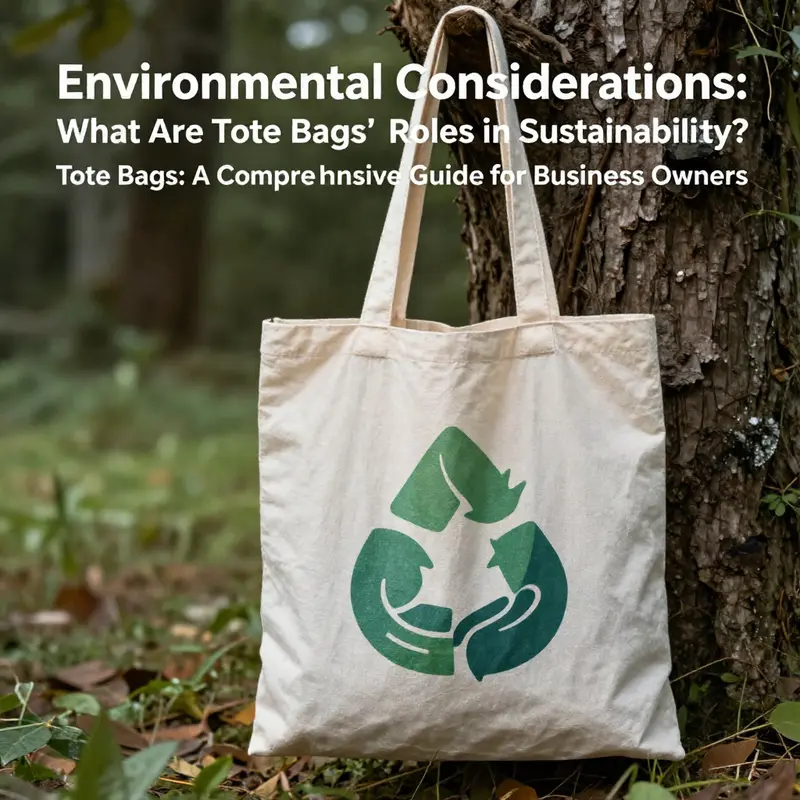
Tote bags have long been admired for their versatility and practicality, but beneath their utilitarian charm lies an environmental narrative that is both compelling and essential for our times. As our society shifts its focus towards sustainable living and responsible consumption, these simple yet ingenious accessories have evolved from mere carriers into symbols of environmental stewardship. The very essence of a tote bag—designed to carry and transport everyday items—mirrors the broader goals of sustainability by emphasizing durability, reusability, and mindful material selection.
The journey of the tote bag into the realm of sustainable living is intertwined with its development through time. Originating from a term that simply meant “to carry,” tote bags have been repurposed to meet modern challenges, including reducing single-use plastic consumption. In an era where disposable bags have dominated the consumer market, tote bags offer a much-needed alternative. Their robust construction, whether made from canvas, cotton, recycled polyester, or even repurposed plastic bottles, paves the way for a lifestyle that minimizes waste and champions the idea of products built for repeated use. This design philosophy not only lowers the immediate environmental footprint but also encourages a shift in how we view products—from short-lived conveniences to long-term investments in sustainability.
At the heart of their eco-friendliness lies the choice of material. Tote bags crafted from organic cotton are celebrated for being biodegradable and for having a lower carbon footprint during their production compared to many synthetic fibers. However, it is important to acknowledge that conventional cotton farming consumes significant amounts of water and land, sometimes offsetting the environmental benefits. Innovations in the field have consequently steered designers towards using recycled materials. For instance, tote bags made from 100% recycled plastic bottles (rPET) not only repurpose waste that might otherwise end up in landfills or oceans but also require less energy to produce than new synthetic materials. The energy savings, coupled with reduced resource extraction, makes these recycled totes a promising avenue for environmentally aware consumers.
The impact of a tote bag’s sustainability truly hinges on its reusability. A well-constructed tote bag must be utilized time and again to justify its environmental footprint during production. Studies have indicated that a single high-quality tote bag needs to be used upwards of 131 times to outperform the life cycle impact of a single-use plastic bag. This statistic serves as a powerful reminder that the environmental advantage of tote bags does not merely lie in their initial manufacture, but rather in their long-lasting, repeat usability. When consumers choose quality over quantity, they embrace an ethos where environmental responsibility is embedded in everyday actions. Each reuse not only diminishes the reliance on disposable alternatives but also contributes to a societal shift toward products designed with longevity in mind.
Yet, the story of tote bags in sustainability is not without its challenges and trade-offs. Not all tote bags offer the same level of environmental performance. Some variants, particularly those that incorporate materials like PVC for insulation or waterproofing, tend to suffer from issues such as brittleness and degradation over time. Materials such as PVC, with their unstable plasticizers, do not maintain longevity and eventually contribute to waste if discarded prematurely. Moreover, while innovative printing techniques can transform a plain tote into an artistic statement, the environmental cost associated with high-quality printing—such as the use of eco-unfriendly inks and additional energy consumption—must be carefully managed. Designers and manufacturers must, therefore, weigh aesthetics against environmental impact, ensuring that sustainable practices do not remain confined to material selection alone but extend through the entire production process.
The broader environmental benefits provided by tote bags are also heavily influenced by consumer behavior. A tote bag that languishes in a closet does little to improve sustainability, regardless of its eco-friendly credentials. On the other hand, a bag that accompanies its owner on countless shopping trips, commutes, or weekend outings becomes a powerful tool in the fight against waste. The act of choosing a tote bag is often a deliberate statement, reflecting the owner’s commitment to reducing their reliance on single-use plastics and contributing to a circular economy. This consumer mindfulness not only supports sustainable practices but also encourages manufacturers to innovate further in pursuit of greener materials and more efficient production methods.
Environmental considerations stretch beyond the physical attributes of the tote bag itself. The manufacturing process, including the energy used in production and the methods employed to reduce waste, plays a critical role in determining the overall sustainability of the product. New technologies and processes are emerging to lower energy consumption during manufacturing, and companies are increasingly adopting responsible sourcing strategies. When a tote bag is produced using renewable energy and sustainable practices, its entire life cycle—from creation to end-of-life disposal—becomes more aligned with green principles. This holistic approach is what ultimately differentiates a truly sustainable tote bag from one that only offers surface-level eco-friendliness.
Fashion has also played a significant role in promoting the environmental potential of tote bags. Today’s tote is not just a utility item; it is a canvas for self-expression and an emblem of eco-conscious living. Designers and brands alike are reimagining the tote bag by combining style with sustainability, turning it into a fashion statement that resonates with a broad audience. The visual appeal of a well-designed tote bag, as seen in trendy options like canvas totes for women, invites consumers to embrace sustainability without compromising on aesthetic value. In this way, tote bags become a bridge between practical use and environmental responsibility, reinforcing the notion that eco-friendly products can also be expressions of personal style.
This intersection of sustainability and style is perhaps most evident in the growing trend of branding and messaging on tote bags. Many consumers use these bags as platforms to communicate values, support environmental campaigns, or showcase local art. The messaging often reinforces the importance of sustainability and encourages others to opt for reusable products, thereby amplifying the bag’s environmental impact well beyond its material composition. Indeed, the cultural shift towards sustainability is being mirrored in how tote bags are perceived, moving them from the realm of mundane shopping aids to respected symbols in the fight against environmental degradation. For those interested in exploring more stylish and eco-friendly options, a look at a collection of curated designs can be found in resources such as the insights offered by a selection of stylish canvas totes available online.
Underpinning all of these developments is the idea that sustainability is a long-term commitment. The environmental advantage of tote bags is realized only when consumers integrate these products into their daily lives, eschewing disposable alternatives habitually. This commitment requires an understanding that even products labeled as eco-friendly must be used responsibly. Every time a quality tote bag is chosen over a plastic alternative, it not only serves a functional purpose but also sets a precedent for future environmental choices. This cumulative effect illustrates that sustainability is not about a single purchase, but rather about the consistent behavior and mindset that defines everyday life.
Manufacturers, too, are rising to the challenge by rethinking every stage of the tote bag’s life cycle. Emphasizing durability and versatility, producers are now investing in research that explores the use of low-impact dyes, water-saving processing techniques, and recycled materials that extend the life of their products. These innovations are gradually transforming what might have once been a standard item into a high-performance product that aligns with contemporary environmental values. Additionally, by adopting certifications that verify a product’s environmental claims, companies can build greater trust with consumers who are keenly interested in authenticity and sustainable practices. The evolution of the tote bag reflects a broader narrative—one where environmental integrity is no longer an optional add-on but a central pillar of product design and consumer experience.
The transformative potential of tote bags extends beyond the realm of environmental impact and into the domain of societal change. Every reusable tote bag in circulation serves as a small protest against waste, a tangible reminder that everyday choices can combine style, practicality, and responsibility. These bags prompt discussions about what sustainability truly means in the modern age. As more consumers rally behind eco-friendly alternatives, the demand for sustainably produced goods is likely to spur further innovation in the industry. This virtuous cycle, where consumer choices drive better manufacturing practices, ensures that the benefits of sustainability ripple outward, influencing broader market trends and even local economies.
In practical terms, adopting a tote bag as a go-to accessory translates to embracing a mindset of mindful consumption. When individuals take the time to consider the materials, production methods, and lifecycle of the products they use, they contribute to a larger ecosystem of accountability and environmental respect. Each outing with a sturdy tote becomes a testament to the possibility of harmonizing daily life with ecological responsibility. It subtly reinforces the idea that small, individual changes, when multiplied across millions of people, can result in significant environmental benefits over time. This collective behavior is at the core of the sustainability movement, where every reusable tote bag plays its part in mitigating the harmful effects of wasteful consumption.
As we reflect on the environmental role of tote bags, it is clear that these products encapsulate a broader philosophy that merges function and sustainability. They are no longer seen solely as carriers but as integral components of a lifestyle that values longevity, resilience, and ecological balance. The challenges of climate change and resource depletion make sustainable habits not merely desirable but necessary, and tote bags illustrate that even simple design choices can have profound impacts. The decision to use a tote bag is a deliberate act of environmental advocacy—a small step that, when adopted by many, becomes a formidable force for change.
For those who are looking to explore the practical steps one can take in this journey towards sustainable living, detailed guides on environmentally conscious products, including a range of options such as women’s canvas tote bags, offer valuable insights and inspiration. In a world rife with disposable options, every effort to choose products that stand the test of time is a step towards preserving our planet for future generations. It is through these everyday decisions that we can foster a culture in which sustainability is not an afterthought, but a foundation on which we build our lives.
For further insight into material standards and industry performance, please refer to the comprehensive analysis provided by this external resource: China Tote Bags: Types, Technical Standards, and Practical Applications in Industry.
Final thoughts
Tote bags exemplify practicality, versatility, and style, making them invaluable for both everyday use and specialized business needs. Their materials and historical evolution reflect a blend of functionality and cultural significance, while their role in sustainability makes them even more relevant today. As businesses look towards integrating tote bags into their offerings or branding efforts, understanding these elements can help create a meaningful impact. Embrace the potential of tote bags not only as products but as tools that resonate with your brand’s mission and values.