
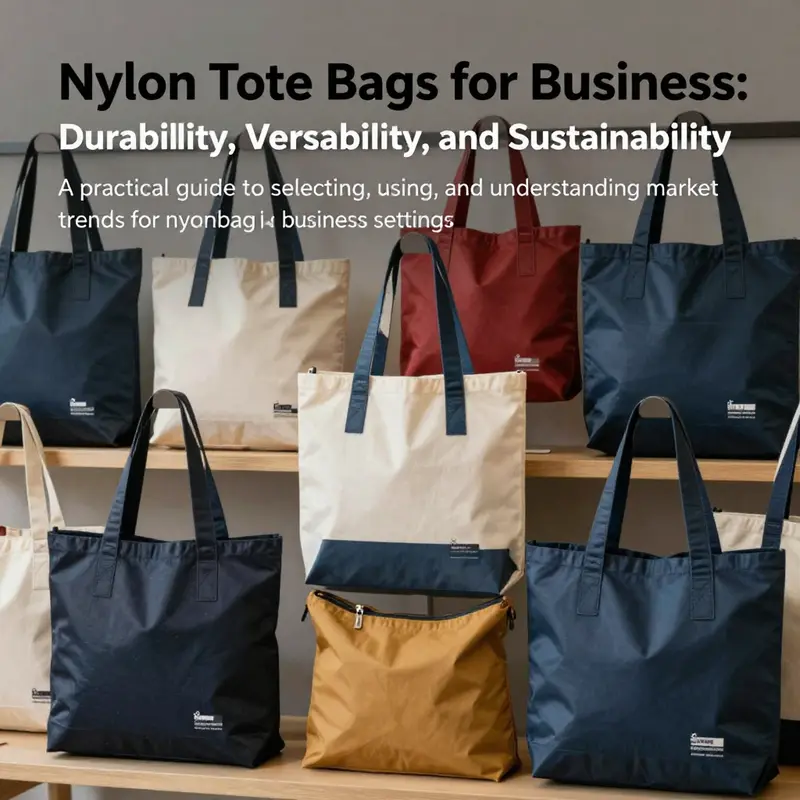
Nylon tote bags have emerged as a powerful asset for modern businesses, combining rugged durability with lightweight practicality. Their weather resistance, versatility, and professional aesthetics make them suitable for everyday operations—from corporate events to retail environments. This guide explores the core advantages of nylon tote bags, essential features to consider when selecting them, practical usage scenarios, evolving market trends, and environmental considerations to help businesses align with sustainable practices.
Resilient by Design: The Core Strengths of Nylon Totes—Durability and Environmental Readiness
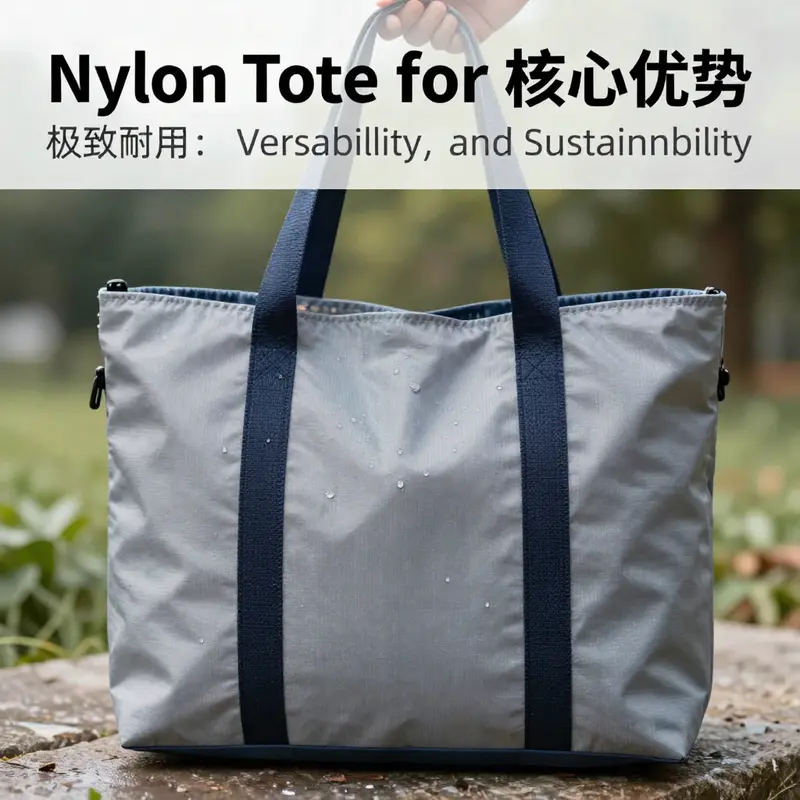
Nylon tote bags embody a pragmatic philosophy of everyday carry: materials and construction that stay reliable as conditions shift. From the outset, their appeal lies in a practical marriage of strength and lightness. The material itself carries a history of performance born in demand-heavy sectors like military and aviation textiles. Modern nylon keeps that DNA intact while translating it into urban utility. At the heart of this resilience is a combination of high-strength fibers, smart weaving, and thoughtful protection that together resist the two most common tests of daily life: wear and weather.
Water is rarely a concern with nylon totes. The fabric’s natural tendency is to shed moisture rather than absorb it. Rain beads on the surface and slides away, helping to keep contents dry without the need for a bulky waterproof layer. This non-absorbent behavior is a crucial advantage over natural fibers that soak up water, gain weight, and invite mildew in damp environments. When a bag dries quickly, it reduces the risk of trapped moisture that can degrade fabrics or damage sensitive items inside. The ability to repel or shed moisture also normalizes rapid transitions—from a misty street to a crowded train—without compromising the bag’s shape or comfort.
Durability in nylon totes shows up in several concrete ways. Denier, the unit that measures fabric density, offers a quick shorthand for strength: mid-range fabrics around 420D–600D are well suited for daily errands and light commuting, delivering a balanced blend of weight and toughness. For heavier loads—laptops, textbooks, or travel gear—a 1000D or higher construction becomes the focus. This higher density translates into higher tear resistance and improved weight distribution, so a bag can carry heavier gear without the material thinning or giving way at stress points. Beyond sheer density, the weave matters. Ripstop patterns interlace fibers with a grid-like reinforcement that slows the progression of small cuts. Should a puncture occur, the grid helps prevent it from widening into a larger tear. Ballistic or reinforced weaves push durability further, offering additional protection against sharp edges and rough handling that are common in everyday use.
But strength alone does not define a bag’s life. The environmental resilience of nylon totes is often enhanced by coatings and finishes that address both water exposure and surface wear. Polyurethane or silicone coatings can elevate water resistance, extend the fabric’s life under sun exposure, and improve abrasion resistance. These finishes also help keep the fabric’s surface looking newer longer, as dirt and grime are easier to wipe away. A practical, honest tote balances these coatings with breathability and hand feel; quality fabrics should still feel substantial to the touch—thick enough to convey solidity, yet with a comfort that won’t set a heavy burden on the shoulder after hours of use.
A properly designed nylon tote also foregrounds robust construction details. The most critical areas—handles, bottom panels, and zipper or fastening lines—benefit from reinforced stitching. Double or even triple stitching at stress points helps distribute strain across a broader seam, reducing the chance of a seam failure when the bag is fully loaded. Bar-tack reinforcement, a bar-shaped stitch pattern, anchors key points so that daily friction won’t slowly loosen the bag’s grip on its contents. Hardware matters too: metal rivets and sturdy zippers resist rust and fatigue in damp environments. While brand names can signal quality, the essence lies in the execution—tight, even stitches, dense thread, and components chosen to withstand a rough commute or a long trip.
Care routines reinforce durability without demanding constant maintenance. Nylon cleans easily; most stains lift with a damp cloth and a mild detergent. The surface resists dirt and, crucially, does not hold onto moisture, which reduces the risk of lingering odors after a spill. For urban wear and tear, a quick wipe-down is often enough to refresh a bag’s appearance. The long-term payoff is a tote that remains reassuringly structured and legible in its use, even after months or years of daily service.
In real-world terms, nylon totes excel as companions for the city dweller, the student, and the traveler alike. The material’s resistance to abrasion means it stands up to the daily friction of subway handrails and crowded platforms. The lightness of nylon translates into a bag that feels easy to carry, even when it’s loaded with heavy gear. The combination of water resistance, quick drying, and straightforward cleaning makes nylon totes practical across weather conditions and seasons. A commuter who navigates rain, heat, and long walks gains a quiet assurance: the bag protects its contents without demanding constant care. A student or professional with thick stacks of books or a laptop benefits from the same durability, with the added advantage of a lighter load and less fatigue. Travelers discover nylon’s convenience in airport security lines and hotel hallways, where a bag’s strength matters just as much as its flexibility in packing. The environmental argument remains compelling, too: one well-made tote replaces multiple disposable bags over time, reducing waste and supporting a more intentional approach to shopping and travel.
For readers who crave a sense of design direction, the evolving language of tote aesthetics often aligns with these practical strengths. Clean lines, engineered panels, and restrained hardware keep the focus on function while still offering a modern edge. The best nylon totes balance form and function so that the bag remains unobtrusive in professional settings and adaptable in casual moments. As the design language matures, designers test new textures and colorways, but the core materials and construction logic endure: resilience through density, reinforcement at stress points, protective coatings, and an insistence on ease of maintenance.
If you’re curious about the broader landscape of tote design, a quick look at current design directions provides useful context. See the latest roundup of trending tote styles to see how durability and weather readiness translate into everyday silhouettes. tote bags trending This reference offers a sense of how form factors evolve without compromising the core strength that nylon totes bring to the table.
From a buying perspective, the chapter’s core message remains: durability hinges on more than the fabric alone. It is the sum of dense material, protective finishes, and attentive construction. When you examine a bag, consider not only the denier and weave but also how seams are stitched, whether the bottom is reinforced, and how hardware is attached. Feel matters, too. A high-quality nylon tote should feel substantial in the hand—without being stiff or sharp to the touch. The fabric may carry a slight texture, a sign of a well-executed weave, and the surface should resist snagging and pilling over time. These cues, taken together, point toward a bag designed to resist the rigors of modern life and still look right after heavy use.
Ultimately, the durability and environmental readiness of nylon totes translate into a reliable partner for the rhythms of contemporary living. They are not merely containers; they are nearly invisible enablers of daily routines—keeping items safe, dry, and easy to access as the day unfolds. The objective is not to chase novelty but to achieve a balance where performance, ease, and longevity converge. In that balance lies the practical virtue of nylon totes: they meet the needs of frequent travelers, busy students, and urban workers with a calm, enduring confidence that time’s tests will be met with resilience rather than retreat.
External reference for a technical perspective on nylon materials and performance can be found here: Adidas nylon technology overview. https://www.adidas.com/us/tech/nylon
The Quiet Power of Nylon: Decoding Durability in Everyday Tote Bags
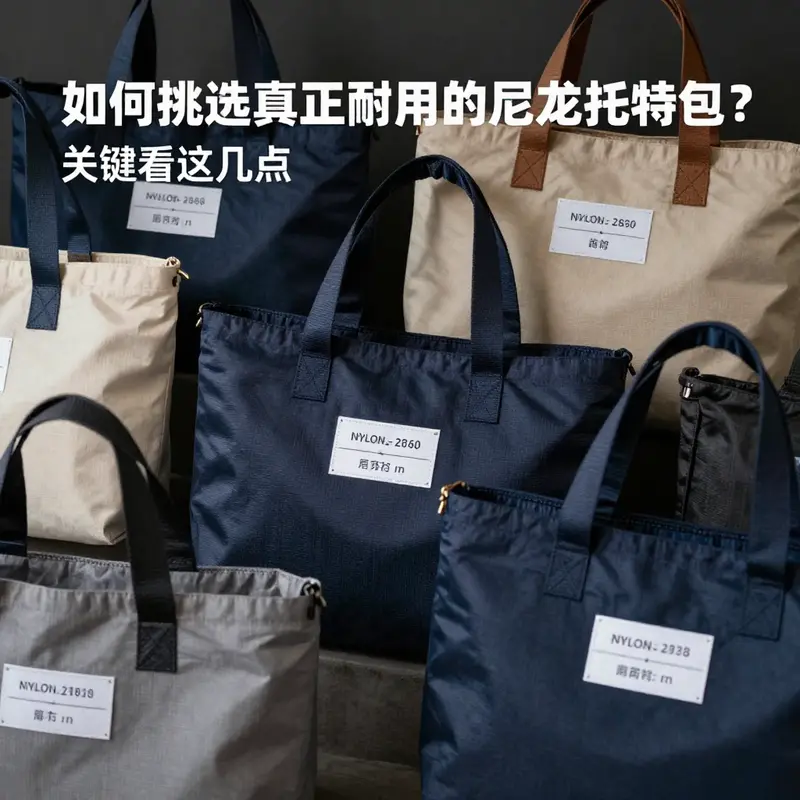
The quiet power of a nylon tote lies not in flash or fashion alone, but in a disciplined blend of materials, construction, and design that keeps pace with daily life. In an age of rapid rhythms and frequent weather shifts, a well-made nylon tote becomes less a statement and more a reliable partner. It carries the day, from work documents and gym gear to groceries and gadgets, while shedding the worry of rain, rough handling, and the occasional urban scramble. The allure rests in a material that resists moisture, tears, and dries quickly enough to be ready for the next commute before the coffee cools. But not all nylon is created equal. The true test of durability comes from understanding how the fabric density, its weave, and its finishes interact with the bag structure and hardware, so the bag can endure the demands of modern life without becoming a constant maintenance project.
Core material quality is the foundation. High-density nylon fabrics provide stiffness and resistance. When you hear manufacturers mention denier figures, you are hearing a shorthand for how much fiber is packed into a given area. A fabric in the 420D to 600D range generally balances light weight with everyday resilience, making it well suited for students and urban commuters who want something that won’t weigh them down. Move up to 1000D and beyond, and you begin to feel the shift toward heavier duty, designed to carry laptops, books, and other demanding loads with less risk of fabric fatigue. Beyond density, special weaves and fibers matter. Ripstop nylon uses a grid pattern that acts like a net when a tear appears, slowing its spread and preserving the bag’s integrity. Ballistic or reinforced nylons, sometimes marketed as ballistic nylon or similar, apply a tougher face to stress points, where rubbing and snagging are most likely. Cordura nylon stands as a benchmark in durability, its reputation built on substantial abrasion resistance and proven performance in military and outdoor gear. In practice, this mix translates to a bag that resists scuffs, keeps its shape, and respects the items inside through repeated cycles of stuffing and carrying, even when gravity and gravity’s tenants keep tugging at the seams.
Finish and protection play a pivotal role as well. The best nylon totes often receive a protective layer such as a PU coating or a silicone-based treatment that boosts water resistance without sacrificing breathability or flexibility. The distinction between water resistance and waterproofing matters here. A bag might shed rain and splashes well, yet still require care after a prolonged downpour or submersion. The coatings also contribute to durability by reducing surface abrasion and UV damage, which can degrade fabric color and strength over time. In environments with sun exposure or harsh weather, these finishes help preserve the tote’s look and function, ensuring color stays true and fabric remains buoyant rather than brittle.
Durability extends inward through thoughtful internal architecture. A well designed tote uses more than a single main pocket. It includes a structured layout with a dedicated laptop or tablet sleeve, a few zippered compartments for small items, and strategically placed side pockets for quick access. Internal organization reduces the wear that comes from rummaging through a single cavernous space, which in turn protects seams and zippers from unnecessary strain. A reinforced bottom matters too. Hard-wearing materials, sometimes a thin plastic or metal insert, prevent the base from sagging under heavy loads and help the bag retain its shape. At stress points, the seam work matters most. Double or triple stitching lines, tight and even, minimize the chance of a seam giving way under pressure. Bar-tacks at critical junctures anchor the carry handles and straps, turning the bag into a reliable workhorse rather than a fragile accessory. In the realm of hardware, the choice of zippers and metal fittings is equally telling. Brands that insist on tested, durable zippers and corrosion-resistant metal rings tend to offer bags that survive years of daily use rather than months of novelty wear.
There is also a tactile language to quality that you learn to read with experience. The hand feel of premium nylon is thick enough to convey strength, yet not so stiff that movement becomes awkward. It should hold its shape without feeling plasticky, and it should respond to bending and stuffing with a calm resilience. The physical cues — firm edges, neat seams, a controlled sheen rather than an over-polished gloss — signal that the bag was built with a clear intent: to carry, protect, and endure. When you test a bag in a shop or in your own hands, the weight distribution should feel balanced. The handles or straps should sit evenly and feel comfortable at both the shoulder and the hand. These cues, subtle as they are, distinguish a bag that is designed to last from one that will disappoint after a few months of use.
From the perspective of a daily user, durability is not merely about surviving a storm but about resisting the small, cumulative effects of wear. A truly durable nylon tote supports a steady routine. It protects a laptop without pressure points that could distort its shape. It keeps a notebook clean and a charger accessible. It resists the friction at the zipper and strap junctions that can create little snags or frayed edges. It dries quickly after a rain shower, so it does not stay damp against the body or against a backpack, and it does not become a magnet for mildew in a damp hallway. For students and professionals who shuffle between classrooms, offices, and cafes, such dependable performance translates into fewer bag swaps and less waste as a result of broken hardware or torn fabric.
Choosing a truly durable nylon tote often comes down to balancing expectations against intended use. If the bag is a daily companion for light commuting and occasional shopping, a mid-density fabric with a modest weight and reliable stitching may suffice. If you regularly haul dense books or a protected laptop, a higher denier, reinforced seams, and resistant hardware should be non-negotiable. It helps to read the manufacturer’s notes about fabric density, weave type, and coatings, and to verify the stitching quality by inspecting a few key points: the base of the bag, the handle connections, and any corner or edge where wear begins. A practical tip is to feel the fabric against the skin; quality nylon should exude thickness and a measured resistance. This tactile sense often aligns with the observed durability in field testing and real-world use.
Beyond materials and build, the ecological and economic logic of nylon totes matters. A bag designed to endure years of daily use reduces the cycle of replacement and disposal, aligning with a broader preference for sustainable choices in a world of throwaway fashion. Durability, in this sense, becomes a form of resource efficiency. The initial investment in a well-made nylon tote may be higher, but it pays off through longevity, repairability, and less frequent replacement. In everyday life, that translates to fewer trips to the store for a replacement bag, fewer bags in landfills, and more reliable performance when it matters most.
For those who want to explore design details that support durability in real terms, a closer look at robust zipper systems can be enlightening. Consider the bag’s opening mechanisms and how they handle repeated cycles of use. For a closer look at robust zipper systems that preserve access under pressure, explore tote bags with zippers. The link offers practical examples of how zippers and their surrounding fabric are integrated to withstand daily handling without snagging or failing. It is tempting to assume that durability lives mainly in material, but the interplay between fabric, seams, and hardware is where the magic happens.
Ultimately, the true measure of a nylon tote’s durability is the alignment between expectation and experience. A well-chosen bag should not require constant babysitting, nor should it demand special maintenance routines. It should weather rain, friction, and the occasional bump without shedding its form or compromising its contents. The most enduring totes become part of a personal rhythm — they carry work and life with calm confidence, ready for the next day’s routine. In that sense, nylon’s practicality is not a compromise but a sophisticated solution to the needs of a modern, mobile lifestyle. It is not merely a container; it is a dependable participant in a daily choreography that honors efficiency, resilience, and responsible consumption.
Further reading on the fabric science behind these claims points to industry standards and tested materials. For a deeper dive into Cordura nylon and its wear resistance, visit https://www.cordura.com/.
从日常通勤到周末探险:尼龙托特包在多场景中的耐用性与适配力
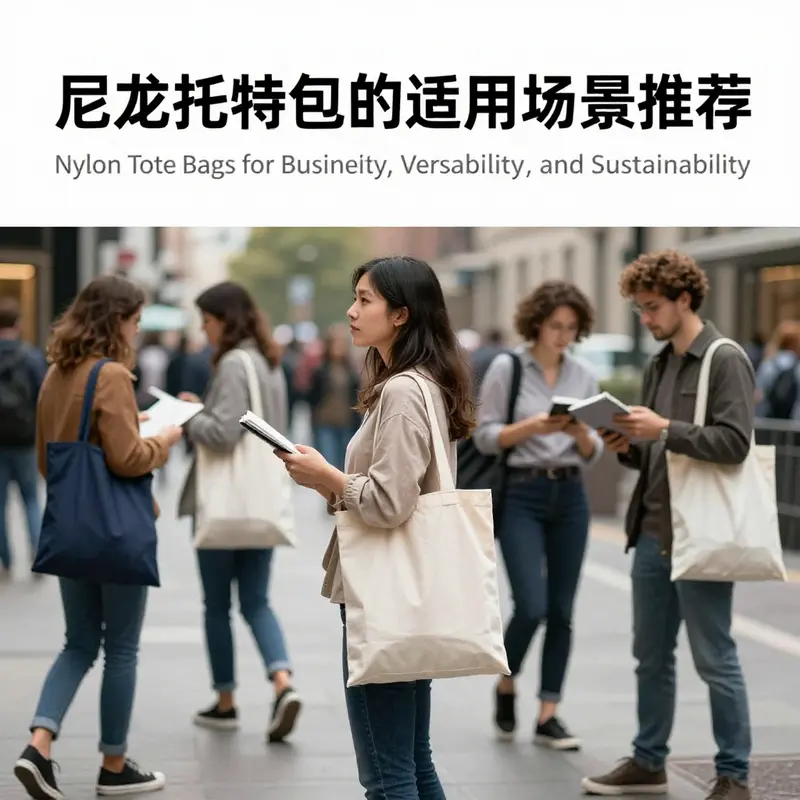
尼龙托特包在现代生活中扮演的角色远比一个简单的携物工具更为丰富。它以耐久、轻量和对环境的适应力著称,尤其在多变的日常场景中,像一位随时准备出发的伙伴。其核心优势并非只在于容量的多少,更在于在不同场景下的实用性与耐用性如何协同工作。尼龙材料本身的特征使得包体在雨天、地铁的拥挤和日常摩擦中都能保持较低的维护成本,这也让它成为一件“可持续、可依赖”的随身装备。尼龙几乎不吸水,雨水会在表面滚落,内部物品得以保持干燥。这种属性在通勤、校园和短途旅行中尤其显著,因为日常环境的湿润、偶发暴雨与日常清晨的露水都可能成为考验。与棉质帆布相比较,尼龙的重量更轻,干燥速度更快,减少了阴雨天后返潮的困扰,也降低了霉菌风险。正因为如此,尼龙托特包更易成为从早到晚、从工作日到周末的“第一选择”。
在评估一款耐用的尼龙托特包时,材质等级与工艺是决定性因素。常见的面料密度从420D到600D,日常通勤与购物场景通常能满足。若需要承载更重的笔记本、书籍或旅行用品,1000D及以上的面料能提供更佳的抗拉强度与耐磨性。与此同时,特殊织法与涂层也会带来更强的防水性与耐久性。Ripstop防撕裂尼龙采用网格状结构,能有效阻止小裂口扩展;聚氨酯或硅胶涂层能进一步提升防水能力、耐磨性与抗紫外线性能。缝制工艺同样关键,重点关注手柄、包底和拉链处的双线或三线缝合,针脚要紧密均匀,通常建议8–12针/英寸。强化金属铆钉或巴塔克缝线在受力点的应用,有助于防止长时间使用中的裂口与断线。五金配件方面,选择耐用、经久不锈的组件比追逐花哨的外观更为实用。总体而言,真正的耐用性来自材料等级、织造工艺、缝制质量与设计逻辑这几方面的合力,而不是单一的材质或花样。
这些综合属性在日常场景中的表现尤为直观。对于城市通勤者,一只具备良好防水性和轻量化的托特包能在日暮前往地铁站的路上承载笔记本、文件夹与日常用品,同时抵御早晚的骤雨与地铁摩擦造成的磨损。包的内部结构若包含独立隔层和看似微小却关键的拉链小兜,便于将钥匙、公交卡、手机等小物件分类安置,不必在包内翻找浪费时间。对于学生群体,托特包的大容量和底部的定型结构让教科书、平板、运动装备等物品能够整齐放置,内部的分区设计避免了物品相互挤压造成损伤。日常需要在校园与课程之间迅速转换时,扩展带或可折叠购物袋的设计更显实用,允许包内容量在不牺牲整体造型的情况下灵活扩展。
周末的休闲时光则更强调“休闲感与容量的平衡”。某些设计追求更随性的一体感,单肩背负时能营造出慵懒又随性的韩系风格,同时保留容量充足的状态。两侧扩展带的松开设计可瞬间提升容量,方便携带相机、野餐用品、折叠购物袋等出行装备。对追求摄影、拍照或短途逛街的人群来说,这种可变形的容量特性使托特包不仅是一个容器,更是一个可以随场景调整的生活伴侣。购物和日常采购场景是对耐用性和便捷性的另一种验证。早晨将健身服装等日常用品塞入包内,前往公司或学校,午后在超市采购时又能通过简单的收纳设计迅速将物品分类整理,下班后再通过扩展带的调整实现从职场到生活空间的无缝切换。这样的多场景适用性正是尼龙托特包的独特魅力:它不只是一个以容量为核心的工具,而是在不同场合下保持功能性与美观的平衡点。
对学生和职场人而言,耐用性的意义并不仅仅在于抵御雨水或承受背负的重量,更在于它能在长期使用中保持外观与结构的稳定性。定型底部、加固缝口以及耐久的背负系统共同塑造出“越用越可靠”的体验。材料的厚度与织法的选择决定了在日常摩擦中的形变与抗撕裂能力,这就是为什么在选购时,许多人会关注面料的Denier等级、涂层组合以及缝线密度等细节。通过对这些要素的理解,消费者可以更自信地判断一款尼龙托特包是否真正具备随身性、耐用性与时尚性的综合表现。
在场景之外,尼龙托特包的绿色属性也逐渐成为消费者考虑的重点。许多高质量的尼龙包在设计阶段就强调可持续性,强调“越用越少的浪费”的理念。它们的耐用性让使用年限拉长,减少了更换频率,从而降低资源消耗。对于追求高效、低维护和长期回报的现代生活方式而言,尼龙托特包不仅是容器,更是体现个人风格与生活态度的一个重要载体。正是在这样的理念驱动下,尼龙托特包作为多场景适用的代表,逐渐成为都市人群日常装备的一部分。
在引导购买的过程中,理解场景与需求之间的匹配至关重要。若你的日常涉及高强度的通勤与频繁的地面摩擦,优先考虑高密度面料与强化缝制的版本。若你更看重灵活性与轻便,具备可扩展容量和易于日常整理的结构设计会更合适。无论选择哪种配置,锚定的核心始终是材料的耐久、结构的稳固以及设计对生活节奏的贴合。对于想探索更多关于带拉链的托特袋设计的读者,可以参考以下链接,了解拉链与内袋如何在日常使用中实现更高效的分类与保护:带拉链的托特袋设计(https://alltotebags.com/tote-bags-with-zippers/)。
在跨越工作日与休闲日的切换中,尼龙托特包以其独特的组合能力成为现代生活方式的一部分。它既能像一位可靠的同伴,在风雨中安然无恙地携带重要物品,也能在短途出行或周末购物时扮演灵活的容量扩展者。通过对面料等级、织法、涂层、缝制工艺与五金件的综合考量,消费者能够找到那款最契合自己生活节奏的包。它不是追求极致华丽的配件,而是坚持功能主义的实用选择。正因为如此,尼龙托特包在我们的日常与探索之间提供了一种稳健的解决方案——一个随时准备出发的、在风雨与人流中都能保持整洁与从容的伙伴。
外部参考资源: https://www.suweiya.com/product/d2879
null
null
Durable by Design: Rethinking Nylon Tote Bags in a World of Sustainability
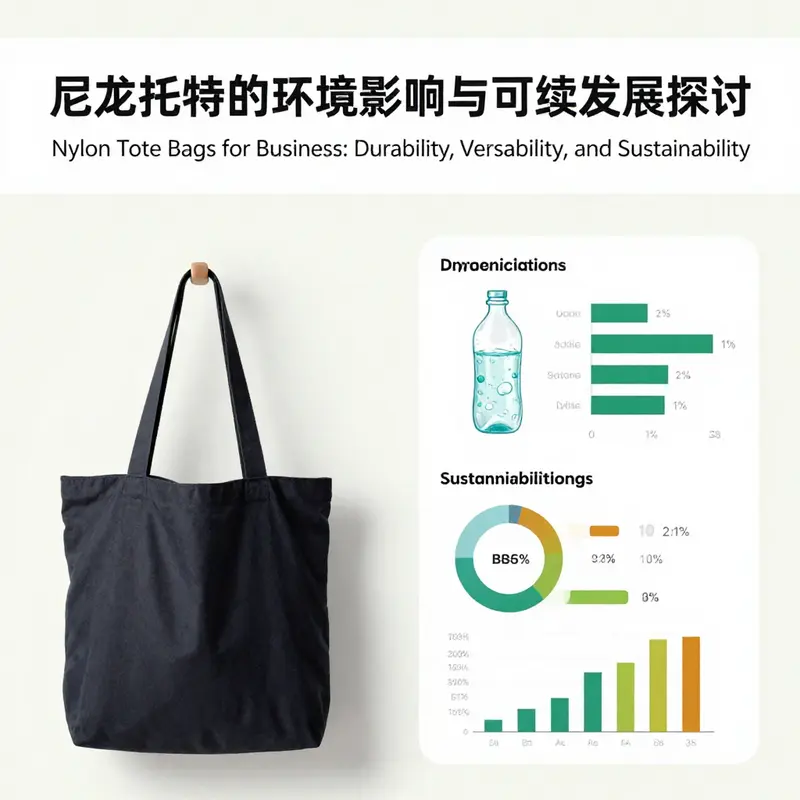
A nylon tote bag is more than a simple container; it is a design philosophy that prioritizes longevity, repairability, and thoughtful use over disposable convenience.
When we talk about durability, the focus shifts from a bag’s water resistance or lightness to how long it will perform under real-world use. Nylon’s natural strengths—high tensile strength, abrasion resistance, and the ability to hold shape—translate into products that can carry heavy loads, daily commutes, and damp weather without succumbing to early wear. Good construction matters as much as fabric: reinforced handles, a sturdy base, and seams that use double or triple stitching at stress points, all of which reduce fraying and early replacement.
From a sustainability perspective, durability is the lever that amplifies environmental performance. A bag designed to last for years, used daily and cared for with simple maintenance, can amortize its embodied energy over a long life. End-of-life options—recyclability of nylon, use of recycled fibers, or designs that simplify disassembly—are increasingly important. Companies and designers are exploring blends of recycled content, coatings that don’t hinder recycling, and manufacturing choices that minimize waste.
Yet durability alone is not enough. A well-made nylon tote benefits from thoughtful usage patterns: choosing the right size for the load, protecting the base with a compatible insert, and performing minor repairs when stitches begin to loosen. When a zipper or buckle wears, a replacement part can extend the bag’s life and keep durable design in play rather than leading to early discard.
Comparisons with traditional materials, such as cotton, remind us that environmental impact depends on use. Cotton bags can require substantial water and land during cultivation and processing, so the environmental advantage of a reusable bag hinges on how often it is used. A nylon tote that remains in service for years and is repaired and recycled at end of life can offer a favorable lifecycle profile, particularly when produced with recycled or responsibly sourced materials.
In practice, the most promising designs marry durability with end-of-life consideration: a bag that can isolate electronics with a built-in sleeve, or that can be recycled with minimal process changes. The goal is to keep the benefits—weather resistance, light weight, strength—while reducing waste and easing recycling at the end of its journey.
Overall, durable nylon tote bags are not just about material choice; they embody a philosophy of use that values lasting performance, careful maintenance, and responsible disposal, aligning everyday practicality with long-term environmental stewardship.
Final thoughts
Nylon tote bags have transcended their function as mere carriers to become strategic ambassadors of a brand’s values, particularly in sustainability and practicality. Their durability, versatility, and adaptability make them an ideal solution for modern business needs. For business owners, investing in high-quality nylon totes can elevate brand image, support eco-conscious practices, and resonate with consumers who value both performance and sustainability. By embracing tote nylon bags, businesses can enhance operational efficiency while contributing positively to the environment.