
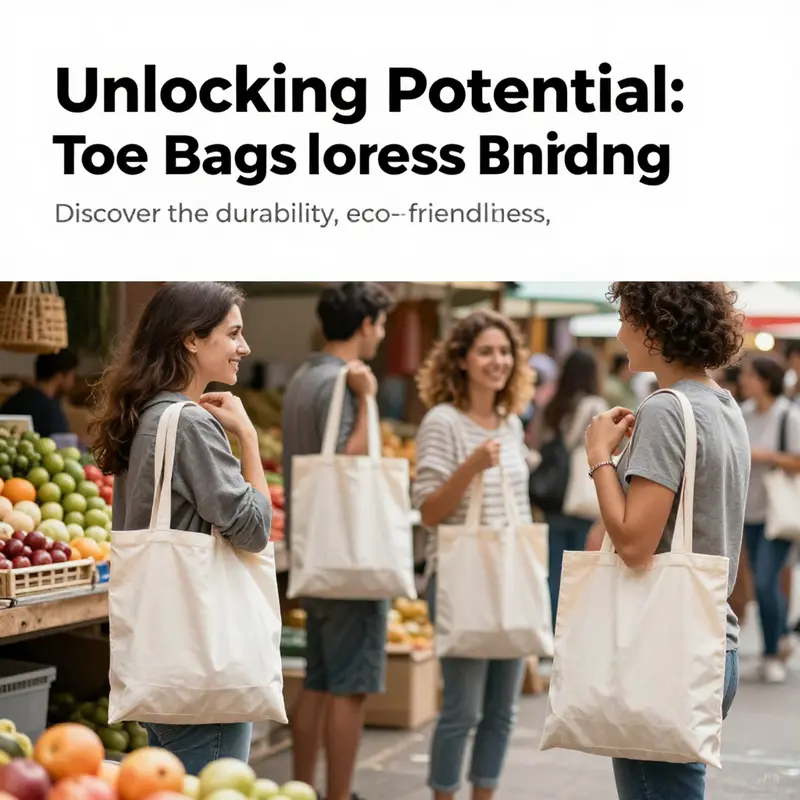
Cotton tote bags have emerged as a staple in the retail and promotional landscape, offering businesses a unique opportunity to blend functionality with branding. With a focus on durability and versatility, these bags deliver not only reusable options for customers but also showcase a brand’s commitment to sustainability. As the demand for eco-friendly products rises, understanding the nuances of cotton tote bags—from their materials to their customization options—can provide significant advantages for business owners. In the sections that follow, we will delve into the durability and versatility of cotton tote bags, explore the eco-friendliness and organic cotton options, and finally, discuss the styles and customization options that can enhance your brand identity.
Built to Carry: How Cotton Tote Bags Blend Strength, Style, and Everyday Flexibility
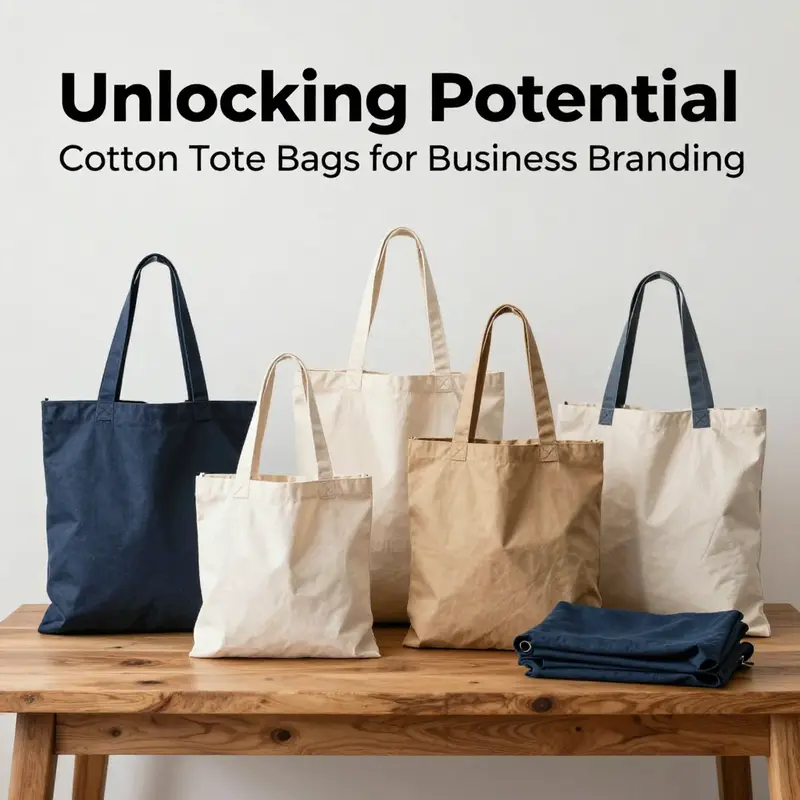
Cotton tote bags occupy a rare place in everyday gear. They feel familiar in farmers’ markets and boardrooms alike. Their appeal rests on a balanced combination of material strength, practical design, and aesthetic simplicity. This chapter traces how fabric choices, construction details, and thoughtful features transform a yard of cotton into a reliable, long-lived carryall. It highlights why brands and individuals choose cotton for both one-off fashion statements and sustained promotional programs, and it explains what to look for when durability and versatility matter most.
High-quality cotton begins the story. Not all cotton is equal, and the weave and weight determine the bag’s performance. Light cotton offers a soft drape and easy printing. Heavier cotton, woven into canvas or twill, provides far greater tensile strength. Canvas, especially when woven tightly and made from double- or triple-ply yarns, resists abrasion and stretching. These attributes let the bag bear heavier loads without deforming. When you compare a thin, rectangular tote with a 10-ounce canvas shopper, the difference is apparent in both hand feel and longevity.
Construction matters as much as material. A dense weave can only do so much if seams are weak. Reinforced stitching at the handles and stress points extends service life. Boxed corners or gussets distribute weight more evenly. Handles sewn through the bag body, or anchored with bar tacks and bartack stitching, reduce the chance of a torn grip. For heavy, repeated use—commuting, groceries, or event kits—these details are decisive. A modest increase in production cost for reinforced stitching pays back many times over in reduced returns and longer brand exposure.
Versatility shows up in form as well as function. The same cotton fabric can support a simple flat tote, a gusseted shopper, or a zip-top bag for travel. The fabric’s natural breathability keeps contents fresh. Cotton adapts to different printing and finishing methods, which makes it ideal for branding. Screen printing, digital printing, and embroidery all work well on cotton surfaces. That means the bag can carry a message as clearly as it carries a load. For promotional runs, cotton’s amenability to customization turns each bag into a mobile billboard.
Design choices tune a cotton tote to specific uses. A plain rectangular tote keeps costs down and maximizes print area. This style fits retail giveaways and event handouts. Gusseted formats add volume so the bag stands upright and carries bulkier items. A zip-top model closes securely, protecting documents or electronics in transit. Internal pockets, padded laptop sleeves, and webbing reinforcements convert an ordinary tote into a practical work companion. When specifying a tote for employees, customers, or retail packaging, think beyond color and logo. Consider capacity, closure, and handle length to make the bag genuinely useful.
Durability and everyday care form a partnership. Cotton withstands wear but needs sensible handling. Avoid persistent overloading and sharp, abrasive contents that can strain seams. Exposure to moisture accelerates fiber degradation, especially if the bag is left damp and folded for long periods. Spot-cleaning with mild detergent and cold water resolves most stains while protecting dyes. Avoid bleach, which weakens fibers. Air-dry away from direct sunlight to maintain fabric integrity and color. With proper care, a well-built cotton tote serves for years. Neglect, by contrast, quickly reduces even sturdy canvas to a frayed accessory.
Sustainability informs both material choice and consumer perception. Cotton is biodegradable under appropriate conditions, giving it an edge over many synthetic alternatives at end of life. However, conventional cotton cultivation can involve high water use and pesticide application. As a result, many brands and buyers opt for organic cotton, grown without synthetic chemicals and often under stricter soil management practices. Organic cotton commands a premium, but it appeals to consumers who prioritize supply chain ethics. For high-end retail or limited-edition lines, organic cotton tote bags convey a commitment to sustainability.
Weight and weave remain central to how a tote performs. Lightweight cotton, often under 6 ounces per square yard, suits short-term uses and fashion applications. Midweight cotton, around 6 to 10 ounces, balances softness with strength. Heavy duck canvas, typically 10 to 12 ounces, offers the best durability for heavy loads and long service life. When selecting fabric, consider the intended use case. A promotional giveaway meant to be fashionable and disposable can rely on lighter materials. Corporate gifts, employee kits, and retail bags that should survive months of use justify heavier canvas and reinforced detailing.
Beyond raw strength, cotton lends itself to surface treatments that enhance functionality. Water-repellent finishes protect contents from light rain and spills. Wax coatings increase abrasion resistance and give the bag a rugged, tactile finish. These treatments, applied thoughtfully, can prolong the bag’s usefulness without undermining biodegradability too severely. For more protective needs, consider adding a laminated interior or a removable waterproof liner. These options preserve the cotton exterior’s look while shielding sensitive items.
A cotton tote’s visual simplicity supports wide appeal. The fabric accepts dye well, producing rich, even colors. Natural tones and undyed cotton suit minimalist branding and premium markets. Bright, bold colors draw attention in crowded settings like markets or trade shows. The same neutrality allows tote bags to pair with varied wardrobes and occasions. For businesses, that neutrality extends usable life and increases impressions—the more a bag is used, the more your brand is seen.
Function-driven detailing improves everyday life. Interior pockets prevent items from getting lost. An added key clip or small zip pocket secures essentials. Padded sleeves protect electronics. Wide, flat handles distribute weight and reduce shoulder strain. Long handles enable shoulder carry, while shorter grips suit hand carries. For multi-use demands, a compromise handle length and reinforced attachments offer the best combination. Thoughtful design reduces the friction between choosing a tote and actually using it day after day.
Batch production and sourcing also affect a tote’s practical value. Buying in bulk typically reduces unit cost and makes customization more affordable. Manufacturers often offer choices in cotton weight, handle type, and printing method. Selecting a supplier who documents fabric weight, weave type, and stitch specifications helps avoid surprises. For global sourcing, confirm lead times, minimum order quantities, and quality control measures. A reliable production process ensures your tote arrives as designed and performs as expected.
Tote bags play multiple roles within retail ecosystems. They act as packaging and as a lasting promotional tool. A quality cotton bag gifted at point of sale reinforces customer perception of brand value. For events and conferences, a sturdy canvas tote becomes a recurring reminder long after the event ends. Choosing heavier canvas for such applications yields higher visibility over a longer time frame. Instead of a disposable wrapper, the bag becomes a functional reminder of the brand’s permanence.
Customization can emphasize durability as well as identity. Embroidery adds texture and elevates perceived quality. Screen printing offers cost-effective, bold graphics for large runs. Digital printing enables complex, photo-quality images. When printing on thicker canvases, ensure appropriate inks and curing methods are used to avoid cracking or washout. The right production technique preserves both image quality and fabric strength.
A final, practical consideration is repairability. Cotton is easy to mend compared with many synthetics. Simple rips at seams can be restitched. Patches blend function with design, turning damage into a stylistic statement. This repair-friendly nature extends total product life and supports circularity. Brands that encourage repair provide care instructions and offer repair services strengthen customer loyalty and reduce waste.
For consumers choosing a cotton tote, prioritize function first. Ask about fabric weight and weave. Check stitching and handle attachment. Look for reinforcements and consider whether you need a gusset or closure. If sustainability is a priority, inquire about organic certification and supplier practices. For businesses, invest in samples to evaluate print behavior and real-world performance. A modest increase in fabric weight or stitch quality often pays dividends in product longevity and brand exposure.
Cotton tote bags are not a single monolithic product. They range from lightweight fashion pieces to rugged, cargo-ready carriers. The difference lies in how fabric, construction, and finishing choices come together. When these elements align, you get a bag that is comfortable, functional, and long-lived. When they do not, the result can be a short-lived item that tarnishes experience and reputation.
Practical life cycle thinking further clarifies choices. A heavier, longer-lived cotton tote can outperform many lighter alternatives in overall environmental impact when used repeatedly. The number of uses required to offset higher production impacts varies by material and context. For brands and buyers committed to sustainability, transparent sourcing and clear usage guidelines support responsible decisions. Encouraging repeat use, offering care advice, and designing for repairability all improve environmental outcomes.
The everyday reality remains simple. A well-made cotton tote holds groceries, carries books, protects a laptop, or displays a logo with dignity. Its strengths—natural fibers, adaptable weave, and amenability to customization—make it a versatile tool. Its limitations—water sensitivity and potential for wear—are manageable with design choices and sensible care.
For readers who want to examine material performance and construction best practices in depth, a thorough analysis is available from Sustainable Textiles Journal: https://www.sustainabletextilesjournal.com/cotton-tote-bag-durability-analysis
For a close look at how canvas choices affect fit and everyday use, see this practical guide to women’s canvas tote bags at All Tote Bags: women’s canvas tote bags.
Taken together, these perspectives clarify why cotton remains a top choice for both everyday carry and strategic brand promotion. The right cotton tote combines meaningful durability with versatile utility. It endures through seasons of use and keeps your message visible for years. Thoughtful selection and care turn a simple bag into a reliable, sustainable companion.
Weaving a Greener Path: The Promise and Limits of Organic Cotton Tote Bags
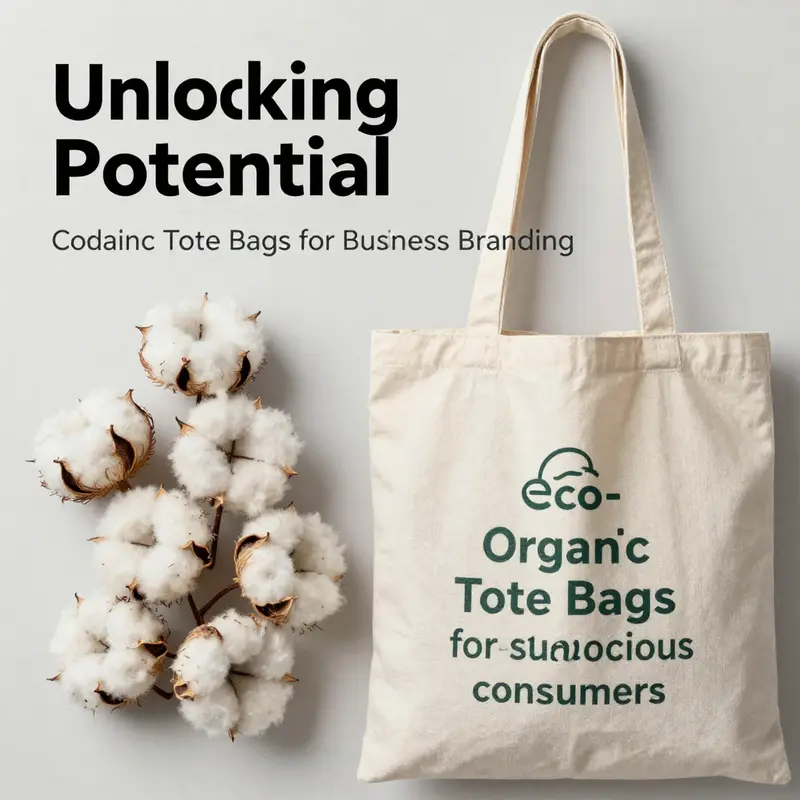
Organic cotton tote bags often stand at the crossroads of everyday practicality and environmental ideals. They promise a cleaner, more ethical supply chain by avoiding synthetic pesticides and fertilizers, and by aligning with farming practices that emphasize soil health, biodiversity, and long-term stewardship of land. Yet the question of true eco-friendliness is not a slogan to be repeated at every checkout. It is a complex story that unfolds across farming fields, spinning and weaving mills, dye houses, and the waste streams that arrive long after a tote bag leaves a store. When we examine organic cotton tote bags as a product class, it helps to hold two threads in tension at once: the potential for meaningful environmental benefits when the bag is used repeatedly, and the tangible energy and land demands embedded in its life cycle. This chapter follows those threads through a weaving of evidence, intention, and everyday practice, offering a grounded view that respects both aspiration and constraint.
The heart of the organic cotton narrative rests on a simple, important distinction. Organic cotton eliminates or markedly reduces the use of synthetic pesticides and fertilizers, aiming to protect farm workers and nearby ecosystems while fostering healthier soils through crop rotation and organic matter inputs. For a consumer, that translates into a tote bag that carries the same everyday cargo as a conventional cotton bag but does so with a narrative of reduced chemical exposure and a smaller, if not zero, synthetic agrochemical footprint. In practice, this advantage depends on global farming patterns, certification rigor, and the degree to which organic farming is actually prioritized in a given supply chain. The savings are not automatic. They emerge when organic practices are truly sustained across multiple seasons, when farmers rotate crops to maintain soil structure, and when inputs are carefully chosen to minimize environmental trade-offs. The result can be a bag whose origin story appeals to eco-conscious shoppers who want product choices that reflect a care for people and planet as much as for price and color.
Beyond cultivation, the life of an organic cotton tote bag travels through a network of processes—spinning, weaving, dyeing, finishing, and stitching—that are energy intensive in their own right. Even when the raw material comes from fields grown with organic methods, the factory floor may negate some environmental gains if powered by fossil fuels or if the processes require heavy chemical finishing. Water used in dyeing and finishing can be substantial, and the footprint of these stages depends on the efficiency of production facilities, the quality of water management, and the systems in place to treat effluents. In short, organic cotton is not a magical shield against all environmental impact; it is a foundation for a potentially more sustainable product when pursued with attention to energy stewardship, water management, and waste reduction throughout the supply chain. This is why lifecycle thinking matters more than any single attribute. A tote bag’s true eco-profile is a composite score that rises with durable design, responsible production, and careful end-of-life considerations.
A key, widely cited point in the sustainability discourse is water. Organic cotton can use up to 91 percent less water than conventional cotton when rain-fed, a statistic that captures the close link between farming methods and resource stress. In many contexts, this reduction is achieved by avoiding irrigation in environments where rain can supply the crop. In other places, however, organic farming still depends on irrigation to meet yield targets, especially in climates with irregular rainfall patterns or during dry seasons. The water story, then, is not a universal panacea; it is a nuanced mosaic that changes with geography, climate, and farming practices. What remains consistent, though, is that organic cotton’s water footprint is generally lower when rain-fed practices are feasible and properly managed. The allocation of water is not merely a farm-level concern, either. It ripples through the entire product chain, affecting dye houses, finishing plants, and packaging decisions, because the water used upstream can influence energy needs and waste treatment at downstream stages.
Land use enters the conversation with a similar mix of promise and complexity. Organic cotton tends to require significant land because it often relies on diverse crop rotations and cover crops to sustain soil health. This can imply greater land occupancy than a single crop system that uses synthetic fertilizers to push higher yields per hectare. In fertile regions, that expansion may be offset by longer-term soil vitality, better pest resilience, and the potential for diversified farm livelihoods. In water-stressed or arid regions, land management choices become even more consequential, as farmers may need to allocate land and water resources to sustain crops under challenging conditions. The land-use dimension matters because it intersects with food security, habitat preservation, and rural economies. Responsible sourcing, therefore, means more than selecting organic certification; it means supporting farming practices that balance yield with ecological resilience, and that recognize the trade-offs between land area, water availability, and livelihoods.
The energy story is another layer of the eco-profile. Spinning, weaving, dyeing, and finishing are energy-intensive operations, and the sources of that energy shape a tote bag’s climate impact. If factories run on fossil fuels, the emissions associated with producing organic cotton goods can be substantial, even when the raw fiber is grown with fewer agrochemical inputs. If, conversely, mills deploy renewable electricity, heat recovery, and efficient water reuse, the same organic fiber can yield a much lower overall footprint. This is not always visible at the point of sale. The consumer sees a product that is soft to the touch, prints well, and wears nicely; the unseen energy history, however, sits in the background, colored by plant-based inputs and the cleanliness of manufacturing facilities. The net effect is that the environmental performance of organic cotton totes depends on a chain of choices—from seed to seam—that reward transparency, certification, and continuous improvement.
Meanwhile, the aesthetics and durability of organic cotton totes contribute to their environmental value in practical ways. A tote designed for repeated use—not as a fashionable one-off, but as a sturdy carrier for groceries, books, or everyday gear—can displace thousands of disposable bags over its lifetime. Durability in organic cotton bags often correlates with heavier weights and tighter weaves, which resist abrasion and stretching and can stand up to heavier loads. The safer assumption is that a well-constructed bag will outlast many cheaper, less durable alternatives, thereby reducing the frequency of replacements. In a real-world sense, durability translates not just to physical resilience but to behavioral durability: a shopper who carries a robust tote to the market week after week, who refuses one-time plastic, and who repairs a seam instead of discarding a bag, contributes meaningfully to a circular usage model. But longevity is only as good as the care it receives. Gentle washing, air drying, and avoiding harsh chemical cleaners extend a bag’s life and preserve the integrity of dyes and fibers. In other words, durability is a function of both material quality and daily habit.
Within this broader frame, organic cotton totes are often used by brands and retailers that aim to signal a commitment to sustainability without sacrificing performance or affordability. These bags offer a receptive surface for branding through screen printing, embroidery, and digital printing, allowing logos or messages to travel with the consumer through dozens of outings without relying on disposable packaging. The branding potential is not merely decorative; it aligns with marketing narratives that emphasize ethical sourcing, worker welfare, and environmental stewardship. Yet a responsible marketing narrative must pair with tangible actions: verified organic sourcing, traceable supply chains, and insistence on factories that adhere to high environmental and labor standards. In that sense, organic cotton tote bags can serve as both practical tools and communications platforms for sustainability when the underlying supply chain supports the stated commitments.
To ground these considerations in market realities, it helps to consider the ongoing trend toward eco-conscious tote options. Consumers increasingly favor items that reflect a broader care for the environment, and the marketplace responds with a spectrum of choices that blend organic farming with thoughtful design. A practical reminder for buyers is that the eco-benefit of an organic cotton tote is maximized when the bag is used repeatedly and for a broad range of purposes. In a sense, the bag earns its green credentials through a long, repeated life rather than a single purchase. This is where the lifecycle logic becomes most relevant: the longer an organic cotton tote remains in use, the more climate benefits accrue, and the more the material’s advantages compare favorably with single-use plastics or synthetic carriers. To keep pace with evolving consumer expectations and to communicate genuine environmental intent, brands often highlight this lifecycle emphasis in their product stories, inviting shoppers to view the tote as an instrument of daily action rather than a one-time purchase.
Alongside the organic pathway, there is an ongoing conversation about alternatives that may offer lower footprints in certain aspects. Recycled polyester or recycled nylon, for example, can reduce fossil fuel consumption and divert waste from landfills. However, they come with concerns such as microplastic shedding during washing and a different set of environmental trade-offs. In many cases, the choice between organic cotton and recycled synthetics becomes a balancing act that reflects a brand’s values, geographic supply realities, and the specific use case of the bag. A grocery tote might benefit from the abrasion resistance and washability of a canvas-like cotton, while a travel tote for electronics may prioritize a tight weave and interior organization. Each choice contributes to a broader matrix of sustainability where material selection, production efficiency, and consumer behavior intersect.
End-of-life considerations round out the lifecycle story. Cotton is naturally biodegradable under appropriate conditions, but real-world disposal is complicated by dyes, finishes, and any coatings used to improve water resistance or durability. The question becomes how to design for circularity: can the tote be returned, repaired, or recycled at the end of its useful life? Can the seams and finishes be chosen to facilitate recycling rather than disposal? The industry often encounters practical barriers to recycling textile waste, including the limited availability of post-consumer textile recycling streams and the economic viability of fiber reclamation. Nevertheless, thoughtful design choices—such as avoiding excessive coatings, selecting non-toxic dyes, and prioritizing repairability—help tilt the balance toward a more circular outcome. The lifecycle narrative thus invites a holistic approach that treats the bag not as a disposable convenience but as a long-lived, revisable component of a customer’s wardrobe and a brand’s sustainability program.
In this sense, the organic cotton tote bag becomes more than a product; it becomes a storytelling device that reflects a public commitment to sustainability while recognizing the practical constraints of production, transport, and daily use. The most compelling cases merge clear sourcing, robust construction, and a willingness to engage consumers in responsible usage. This approach can foster a sense of shared responsibility—between farmers, manufacturers, retailers, and shoppers—where every tote is a small, ongoing experiment in practice and consequences. The result is a product that invites not just purchase, but ongoing participation in a greener routine. If the goal is a truly eco-conscious household or organization, the organic cotton tote bag can serve as a focal point around which other sustainable habits cohere: reduced reliance on disposable bags, careful selection of groceries, mindful packaging decisions, and a culture of reuse that extends beyond a single season or campaign.
For readers seeking a snapshot of current market dynamics, the tote bag category continues to diversify in response to consumer demand for ethics as well as aesthetics. The fashion and promotional segments often converge in the organic cotton tote niche, with brands leveraging the material’s natural texture and printability to create items that look and feel responsible. In this context, it is important to recognize that sustainability labeling and certifications carry weight, but only when they are transparent and verifiable. Consumers should ask questions about organic certification bodies, farming practices, processing energy sources, and the end-of-life plan for each bag. The most credible offerings articulate a traceable story—from seed to seam to closing cycle—that makes the environmental claims tangible rather than rhetorical.
To acknowledge ongoing public interest and to connect with readers who are curious about how trends translate into everyday choices, consider exploring a digest of current tote-bag conversations in the market. See the evolving landscape of tote bag trends at tote-bags-trending. While trends change, the core decision remains the same: opt for a bag that aligns with your values, use it more, and are willing to invest in quality that lasts. In the long run, those choices ripple outward, guiding producers toward more efficient processes and inspiring shoppers to adopt routines that reduce waste. And when shoppers demand products that genuinely reflect sustainability, brands respond with clarity, accountability, and a willingness to share the deeper life-cycle story behind each item.
The Danish Environmental Protection Agency’s life cycle assessment of cotton tote bags provides a sobering reminder that even well-intentioned materials carry environmental costs. The takeaway is not to abandon cotton altogether, but to pursue a more conscientious use pattern: select high-quality, durable organic options; design for longevity and repair; and emphasize reuse over replacement. The long-term climate benefit emerges most clearly when a bag is used dozens, hundreds, or thousands of times before retirement. It is here that consumer behavior becomes as influential as material choice, because every act of reuse compounds the tote’s environmental dividend. If we accept that premise, organic cotton tote bags can reinforce a culture of mindful consumption, where the act of carrying goods becomes a daily demonstration of environmental responsibility rather than a token gesture. The path toward deeper sustainability is not a single switch but a continuum of decisions that begin with thoughtful material selection and extend through durable construction, sustainable production, and durable, repeatable use.
In closing, organic cotton tote bags embody a nuanced approach to sustainability. They offer tangible benefits in terms of reduced agrochemical exposure and lower water use when rain-fed conditions are feasible, while also presenting real challenges in land use, energy consumption, and end-of-life management. Their true eco-friendliness rests on a combination of factors: robust design that enables long life, transparent supply chains that verify organic practices, efficient processing that minimizes energy use, and consumer habits that favor reuse. For brands and retailers, that means communicating a credible sustainability story that is anchored in verifiable practices and an actionable plan for repair and recycling. For shoppers, it means choosing bags that are built to last, treated with care, and used with discipline, so that the ecological promise behind organic cotton can unfold over years rather than moments. The ultimate takeaway is pragmatic: sustainable success arises not from a single material choice but from a coherent approach that respects the complexity of production, champions durability, and encourages a circular mindset that transforms every tote into a dependable ally in the journey toward a more sustainable everyday economy. External factors—market dynamics, regional water stress, and evolving certifications—will continue to shape which organic cotton totes rise to the top of responsible consumer choices, but the core idea remains enduring: long use, thoughtful design, and transparent sourcing are the strongest levers for real environmental impact reduction. For researchers, practitioners, and curious readers alike, the conversation around organic cotton totes invites ongoing attention to life-cycle realities, continual improvement, and a shared commitment to moving beyond slogans toward measurable, meaningful outcomes. External resource: https://www.mst.dk/~/media/mst/temaer/klima/rapporter/2018/2018-06-lca-cotton-tote-bag.pdf
Weaving Identity: Styles, Durability, and Personalization in Cotton Tote Bags
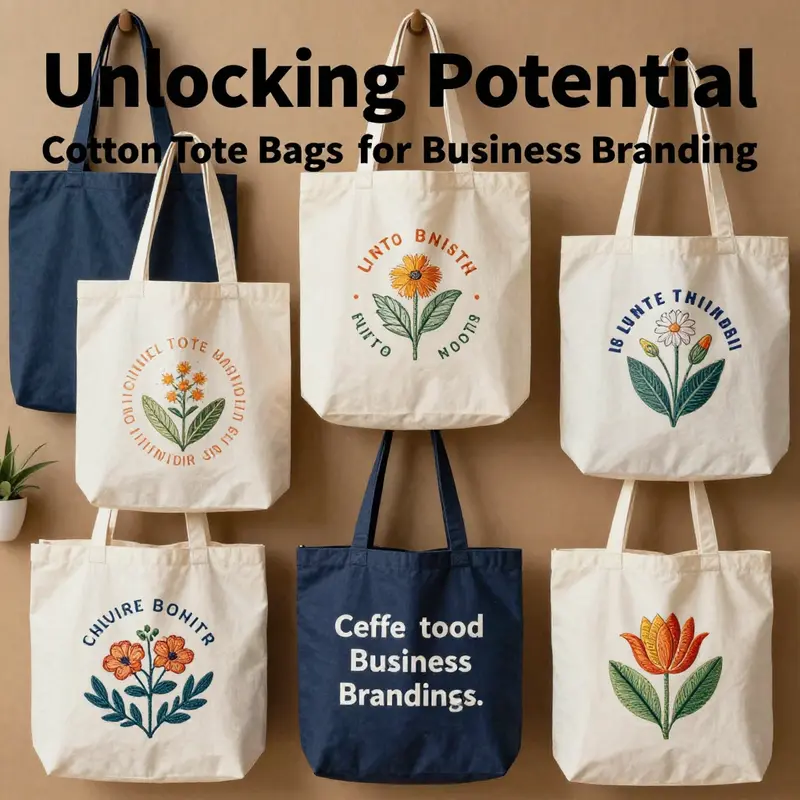
Cotton tote bags have long lived at the intersection of practicality and possibility. They are more than simple carriers; they are blank canvases that tell a moment in time—what a person values, what a brand hopes to convey, and how durable an everyday object can be when built from natural fibers. In the broad landscape of tote bags, cotton remains a versatile choice because it can scale from lightweight, easy-to-print options to robust, heavy-weight carriers designed to endure daily wear and tear. The journey from a modest cotton tote to a branded workhorse involves choices about weight, weave, and construction, all of which influence how the bag performs in real life. These choices also determine how well a bag aligns with sustainability goals, a factor that has grown increasingly important for both retailers and consumers who want products that echo environmental responsibility without sacrificing function or visual appeal.
At the core, cotton tote bags come in a spectrum of weights and constructions. Lightweight to medium-weight totes, often made from 6 to 10 ounces of cotton, feel soft in hand and serve as accessible surfaces for logos and bold graphics. Their materials tend to print crisply, allowing for striking color work and clear branding in bulk orders or promotional campaigns. When a project calls for greater strength—such as daily commuting with laptops, sport equipment, or bulk purchases that will be stacked and carried repeatedly—companies gravitate toward canvas versions. True canvas around 10 to 12 ounces, woven from tightly packed yarns, yields enhanced tensile strength, abrasion resistance, and shape retention. The result is a professional-looking bag that can shoulder heavier loads without sagging or wearing thin at the corners, making it a reliable choice for corporate gifts, employee kits, and long-running promotional programs.
The material conversation naturally extends to the broader trend toward organic cotton. Organic cotton is grown without synthetic pesticides, chemical fertilizers, or GMOs, and it often carries a premium that signals environmental stewardship. For brands seeking to communicate a values-driven story, organic cotton tote bags offer a way to pair practical use with an ethical narrative. In practice, these bags tend to be marketed toward eco-conscious audiences and are frequently found in high-end retail spaces, boutique shops, or sustainable product lines where the emphasis lies as much on sourcing as on appearance. The organic variant does not merely alter a bag’s fiber content; it influences consumer perception—perceived quality, ethical sourcing, and long-term durability—all of which can translate into higher perceived value for the product and the campaigns it supports.
As for form and function, the catalog of styles is surprisingly rich, even within the umbrella of cotton. Plain rectangular totes remain the most straightforward and economical option. Their unassuming silhouette makes them a flexible surface for screen printing, embroidery, or digital printing, enabling brands to achieve clean, bold visuals or intricate, multi-color designs without overwhelming the bag’s lines. The simple geometry is not a limitation but a design constraint that invites clever use of color blocks, negative space, and typography. Then there are gusseted totes, which add expandable side panels or a bottom depth that allows these bags to fill more efficiently while maintaining a slim profile when empty. They are especially valued at farmers markets, gift shops, and seasonal events where customers appreciate the extra capacity and the bag’s ability to stand upright when set down. A gusseted construction also provides a practical platform for internal organization; though not a hard rule, many organizers pair gusseted totes with interior pockets or small zippered compartments to help separate items without adding bulk.
Zippered or cinched closures introduce another layer of security and versatility. A zip-top tote protects contents from the elements and from prying hands, a feature particularly appealing when the bag doubles as a carry-on or a workday companion. The closure type is more than a detail; it affects how customers interact with the bag in different contexts—from commuting through unpredictable weather to transporting sensitive equipment during travel. The handle configuration, too, matters for comfort and durability. Reinforced handles, often triple-stitch reinforced, distribute weight more evenly and reduce wear on the strap seams when bags are filled to capacity. The length and width of handles determine usability whether the bag is carried by hand, over the shoulder, or slung across the body. In a thoughtful design, these handle choices are matched with the bag’s overall geometry to maintain balance as the bag fills.
Within this landscape, fashion-forward offerings exist in more refined textiles and silhouettes. These totes may employ coated canvas finishes, softened by interior linings, or use a more structured approach that gives the bag a crisp shape. In some designs, subtle texture plays a crucial role, with smooth cotton making a counterpoint to a lightly textured exterior for visual interest. These bags are not purely about outer aesthetics; they are designed to be props in daily life. The wearer can switch from a casual shopping trip to a work meeting without swapping bags, thanks to well-considered compartments, accessible pockets, and dependable closures. Importantly, the fashion-forward category does not require exotic materials to achieve impact. Instead, it leans on proportion, finishing, and the interplay of color and texture—elements that transform a functional tote into a personal or brand statement.
The customization landscape for cotton totes is equally expansive and practical. Screen printing remains a workhorse method for logos, slogans, or bold graphic statements. It excels when the goal is high color saturation and durable ink adhesion that survives multiple washings. Embroidery offers a different kind of impact—a tactile, premium finish that elevates the bag’s perceived value. It can convey sophistication and longevity, especially when a brand wants to project a handmade or artisanal feel. Digital printing has grown in importance for full-color graphics, gradients, and photographic imagery. This method opens the door to complex branding campaigns and multi-design runs without sacrificing detail.
Designers and merchandisers often treat customization as a dialogue between form, function, and brand storytelling. The bag’s dimensions, color palette, and material weight create a baseline for the final look. Then, the details—handle style, whether reinforced; the presence and placement of internal pockets or a zipper; the possibility of a dedicated laptop sleeve; and the inclusion of gusseted panels—all become part of a cohesive design language. The ability to tailor these features means a tote can be tuned to the user’s context: a campus bookstore might favor lighter totes with ample interior space; a corporate event might require more formal styling, stronger handles, and a secure closure; a farmers market booth could benefit from a gusseted design that stands upright while remaining cost-effective for bulk orders. In short, customization translates into practical outcomes as much as visual ones.
The practical considerations of choosing a cotton tote for wholesale or corporate use cannot be overstated. Weight and weave influence not only strength but also washability, colorfastness, and the bag’s hanging profile in a display. Lighter options are easier to fold, store, and ship in bulk, which can lower logistics costs and simplify fulfillment. Heavier options demand more careful handling but pay dividends in longevity and the perception of value. Color options are not merely a matter of preference; they have strategic implications. A well-chosen color palette can align with seasonal campaigns, office aesthetics, or the emotional resonance of a brand story. When planning a bulk order, buyers weigh the cost per unit against the bag’s lifespan, reusability, and the opportunity to tell a consistent story across multiple touchpoints—retail packaging, employee gifts, event swag, and educational programs alike.
The versatility of cotton totes also extends to the contexts in which they’re used. In retail, they function as cost-effective, durable packaging that doubles as a marketing surface. In hospitality and education, they can serve as welcome bags or course materials carriers that attendees will reuse long after an event. In corporate environments, a sturdy canvas tote often doubles as a personal work tool, holding notebooks, documents, and a laptop or tablet with room to spare. For those who value organization, totes with interior pockets, zipper compartments, and protective linings are especially appealing. The right combination of pockets and closures protects valuables and keeps essentials within easy reach. A thoughtful design can reduce the friction of daily routines and turn a simple tote into a trusted companion for countless trips to and from work, school, or the gym.
The conversation around cotton totes would be incomplete without acknowledging the way design and function intersect with sustainability and consumer expectations. As the market evolves, more buyers seek transparency around sourcing and manufacturing. The appeal of organic cotton grows as brands look to demonstrate accountability and reduce ecological footprints. Yet even with organic materials, the goods must prove their durability and practical value. A bag that wears quickly or fails to carry the intended load can undermine a sustainability narrative by creating waste rather than reducing it. The implicit promise of a cotton tote—versatility over time, stylized yet functional aesthetics, and a gentle footprint on the planet—depends on careful material selection, robust construction, and honest communication about what the bag can and cannot do.
For those intrigued by the specific functional options available in current products, there is a pragmatic path to blending style with utility. Consider a tote with a dedicated computer sleeve. This feature signals a clear alignment with modern work and study lifestyles, offering a padded or reinforced space for a laptop or tablet while preserving the bag’s clean exterior. A tote with a sleeve can be designed to slide open and closed easily, provide quick access to devices, and still accommodate books, accessories, and personal items. If your goal is to optimize a bulk order for a corporate audience or a campus program, you may find that balancing the sleeve with a simple interior organizer and reinforced handles yields the most versatile and widely appreciated outcome. You can explore options that emphasize subtlety and practicality by examining products that place the sleeve’s protection within a larger, unassuming silhouette—the kind of tote that feels as comfortable in a meeting room as it does at a grocery counter. For a concrete example of such a solution, you can refer to a reference that highlights a tote bag with computer sleeve features here: tote bag with computer sleeve.
In this ongoing dialogue between form and function, it is essential to remember that customization is a conversation, not a one-size-fits-all prescription. Every order benefits from a dose of pragmatism: choosing appropriate dimensions to balance capacity with portability; selecting a color palette that aligns with brand guidelines or seasonal themes; evaluating whether reinforced handles are worth the added cost for the expected load; and deciding if an interior pocket or zipper elevates usability without compromising the bag’s clean lines. The most successful cotton totes are those that feel timeless in their design while still offering fresh possibilities through customization. They invite repeated use, a sense of pride in ownership, and a sense of belonging to a larger story—whether that story is a school program, a company initiative, a retail display, or a community outreach campaign.
As this chapter navigates the styles and customization possibilities of cotton tote bags, it becomes clear that the appeal lies not only in the fiber’s natural advantages but in the way a bag is conceived and executed. The cotton tote is a platform for behavior, a reflection of how people live and work, and a vehicle for brands to express values without excess or ornamentation. The materials inform the potential, but it is the thoughtful combination of weight, weave, closure, handles, pockets, and print method that elevates a tote from tool to statement. In every tote that carries a story, there is a careful balance—a balance between carrying capacity and form, between ease of use and durability, between aesthetic clarity and the complexity of branding. The result is a durable, reusable object that earns its keep in everyday life while quietly reinforcing the messages that matter to the user and to the creators behind the bag.
For readers seeking deeper technical guidance on wholesale and production specifics, a comprehensive guide to tote cotton bags in India offers extensive specifications, types, and customization techniques that can inform decisions in global procurement and local manufacturing contexts. External resources like this can provide practical details about bulk production, colorfastness standards, and the logistics of large orders, complementing the design-focused perspective offered here. See https://www.indiamart.com/proddetail/tote-cotton-bags-india-1823590475.html for a detailed exploration of wholesale options and technical considerations.
Final thoughts
Cotton tote bags represent more than just a functional accessory; they embody a lifestyle choice that aligns businesses with sustainability and practical branding. Selecting durable cotton materials ensures reliability, while organic options cater to an eco-conscious audience that values ethical choices. With diverse styles and customization options, cotton tote bags can effectively elevate a brand’s visual identity and outreach efforts. As businesses continue to shift towards more sustainable practices, incorporating cotton tote bags can enhance your marketing strategy while resonating with key consumer values. Embrace the versatility and execute your brand’s vision through these timeless and effective promotional tools.