
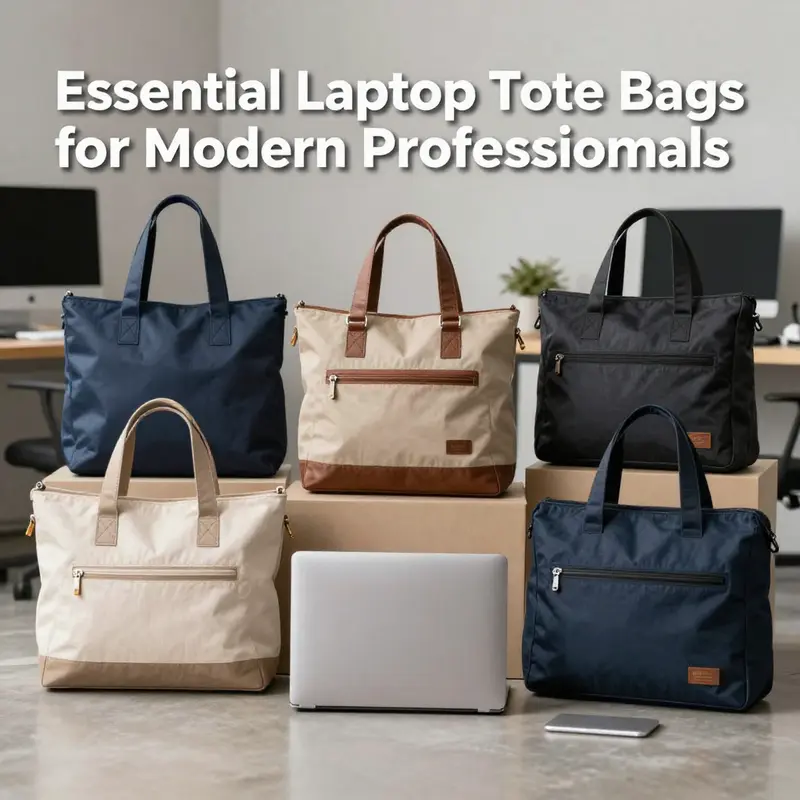
In the landscape of professional accessories, a well-designed laptop tote bag has become essential for business owners and their teams. This article delves into various aspects of these tote bags, shedding light on their durability, functionality, design trends, and ergonomic features. Each chapter provides insights into how these elements enhance the user experience and meet the evolving demands of modern work environments. Moreover, as sustainability becomes increasingly pivotal in purchasing decisions, we’ll explore the market demand for eco-friendly options in laptop tote bags, ensuring that your choice aligns with both functionality and environmental responsibility.
Durability by Design: The Materials and Craft Behind Laptop Totes
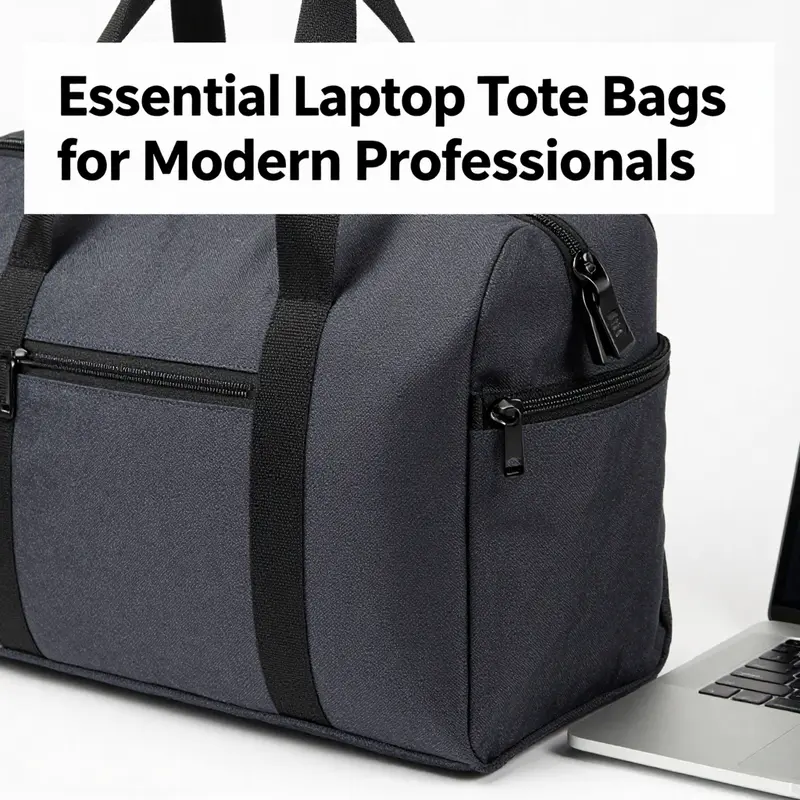
Durability is the quiet backbone of a laptop tote. It isn’t only about a strong look; it determines how well the bag guards a laptop, cables, and notebooks as you move from home to office to a crowded train or bustling airport. This chapter traces the materials that make that protection possible and the construction details that keep a tote reliable year after year. The core idea is simple: when you choose a bag with a laptop compartment, you are choosing a promise about everyday life – one that blends resilience with practicality so you can focus on work rather than worry about the bag you carry between meetings, classes, or terminals. We’ll explore how fabrics balance strength and weight, how water resistance adds a layer of defense, and how stitching, zippers, and handles transform a fashion silhouette into a dependable companion for a busy schedule. The true value of durability emerges not from a single feature but from an integrated approach where material choice, form, and craft work together to protect tech and personal gear alike.
The materials commonly used in laptop totes are chosen for strength, abrasion resistance, and moisture management. High-density polyester leads the field with a favorable strength-to-weight ratio; it resists stretching and helps interior sleeves stay snug around a laptop even as the bag is moved. Ripstop nylon offers tear resistance through its interwoven reinforcement threads, so small snags don’t turn into rips. Canvas provides a traditional tactile feel and a rugged look that ages well, developing a patina valued by many users. Recycled fabrics have become common too, delivering strength while aligning with sustainability goals. Each material carries a different character: polyester is light and smooth, nylon can be slick or matte and highly resilient, canvas reads as sturdy texture, and recycled textiles bring blended textures and tones. The right choice depends on a bag’s intended use and the expected weight over time.
Water resistance is a practical virtue. The weather may be unpredictable, and a laptop needs shelter from rain or a splash. Materials are often treated with a water-repellent coating or woven with tighter weaves that resist moisture penetration. The goal isn’t a fully sealed fortress but a buffer that buys time while you seek shelter or dry a sleeve. The padding inside the sleeve adds another layer of defense, cushioning against bumps but not replacing a dedicated case. A well-padded interior helps distribute pressure and keeps the laptop secure when the bag is jostled.
Construction quality is where durability becomes tangible day to day. Reinforced stitching at stress points, heavy-duty zippers that glide smoothly, and padded handles with durable attachment help a bag withstand repeated use. In higher-end options, ballistic nylon adds puncture resistance and shape retention but may increase cost and weight. The interior design matters too: a securely anchored padded sleeve stays put during transit, while lighter padding can cushion without crowding. The smartest designs balance padding with space and combine exterior protection with a clean silhouette.
Durability also has a broader horizon. Brands increasingly commit to sustainable manufacturing practices, using recycled materials and responsible sourcing without compromising strength. A well-made tote can outlast cheaper options, reducing replacement cycles and environmental impact. Over time, the fabric may soften and hardware may acquire a patina, while core protective features remain intact. This longevity translates into real value: a bag that protects a laptop and essentials for years, even as it travels through airports and around daily routines.
When choosing a laptop tote, consider device size, interior geometry, weight distribution, and how the bag will be used across professional and casual contexts. A sleeve that fits snugly, padding that cushions without crowding, and a handle that distributes weight comfortably all contribute to lasting performance. Neutral colors and clean lines help a bag transition from office to travel with ease.
Anatomy of a Laptop Tote: How Functionality Shapes Modern Mobility

In a world where daily life spills across desks, trains, and coffee-shop tables, the laptop tote with storage has emerged as a practical compromise between the tidy science of a dedicated case and the everyday durability of a tote. This type of bag is designed not merely to transport a device but to cradle a workflow: to make a few essential items easy to reach, to protect a sensitive screen from the knocks of bustle, and to ride quietly in the background of a busy day. The result is a bag that looks uncomplicated but is built with a careful balance of materials, structure, and intent. When you glance at a tote that carries a laptop, you’re seeing a modular toolkit rather than a single compartment with a pocket.
One of the core pieces of this toolkit is the padded laptop sleeve. The sleeve is not an afterthought but a feature engineered to absorb minor bumps that come with daily life—sidings brushing a subway pole, a bag sliding across a luggage rack, or a table corner in a crowded café. Most designs aim to fit devices up to about 15 inches, a sweet spot that covers many common laptops and ultrabooks without turning the bag into a sweeping, overbuilt silhouette. Yet the reality of size is not a fixed rule; many totes embrace a broader fit, accommodating 13- to 17-inch models with generous interior margins. The protection offered by this padding is not the same as a purpose-built laptop bag that stacks layers of shock absorption; it’s a practical buffer that delays the onset of dents and scuffs, preserving the screen and chassis through routine transitions from desk to door. For users who carry more than a laptop—chargers, notebooks, planners, and a tablet—the padded sleeve sits within a broader interior that keeps the device stable rather than sliding to the bottom.
Inside the bag, organization follows a similarly thoughtful logic. Designers weave a network of pockets and sleeves that feel almost invisible until you need them. A zippered interior pocket can secure small items such as cards, keys, or a phone, reducing the headlong search across the bottom of a tote. A dedicated tablet sleeve may sit alongside the laptop compartment, offering a safe perch for a smaller screen or a note-taking device. A separate document holder helps keep sheets flat and free from creases, an assistant for professionals who still value the feel of a printed agenda or a presentation handout. This internal choreography is not merely about neatness; it is about accessibility. When a bag opens, the user experiences a calm ease rather than a scramble through clutter. The design anticipates the moments when a client’s name card is needed or a resume must be handed to a supervisor, and it responds with a simple, tactile logic.
Durability anchors the design in the realities of daily travel. The materials chosen—canvas, waxed cotton, recycled polyester, or other sturdy blends—speak to a requirement that the bag resist tears, weather, and the abrasion that comes from being hauled through an office corridor or a crowded airport terminal. Water resistance matters as well, because a tote that withstands light rain or a spilled coffee will outperform a fragile, fashion-forward bag that looks pristine but falters when the weather changes. The selection of fabrics is more than a fashion choice; it is a promise of longevity and low maintenance. In addition to resisting wear, these materials often reflect a consciousness about sustainability. Recycled fibers and responsibly sourced fabrics are common in contemporary totes, aligning with a broader cultural shift toward durability and reuse.
Carrying comfort is the hinge that makes or breaks a long day with a laptop in hand. The reinforced handles and straps on many totes are the visible sign of a careful engineering approach. Double-stitched seams and reinforced connectors reduce the risk of wear tearing the fabric or the straps pulling away under a heavy load. Padded handles offer relief to hands and wrists when the bag is carried by hand, particularly during quick hops between meetings or when you want to avert the shoulder fatigue that comes from an unsupportive strap. Some designs also include removable crossbody straps that attach to sturdy anchor points, enabling a more balanced distribution of weight across the body. This versatility matters as work rhythms shift: a crossbody option can spare a shoulder when the bag carries more than just a laptop and a charger, and it can also free up the hands for carrying a coffee, a package, or a tote of files.
Aesthetics enter this conversation as a quiet force rather than a loud statement. The clean, minimalist lines of many laptop totes position them as suitable for business casual environments as well as more formal settings. The color palette tends toward neutral blacks, grays, navies, and creams that pair easily with both professional attire and casual outfits. The emphasis is on a silhouette that remains calm in appearance while the interior holds the energy of a well-considered layout. The effect is a bag that blends into the day rather than shouting for attention, a feature that many users appreciate when their surroundings require discretion as part of professional presence. At the same time, the design must resist looking plain, and so these totes often employ subtle texture, a hint of sheen, or a precisely placed seam that signals craftsmanship. The goal is to offer a product that feels trustworthy, not flashy; a tool that supports momentum rather than becoming a distraction.
It is useful to acknowledge the limits of this design. Tote bags with dedicated laptop sleeves deliver everyday convenience and an instant upgrade to transportability, yes, but they typically do not offer the comprehensive, multi-layer shock protection found in purpose-built laptop bags meant for frequent travel or rougher conditions. The padded sleeve matters, but it is only one piece of a broader protective strategy. For travelers who face long flights, jostling baggage carousels, or rough transfers from plane to hotel lobby, a bag that integrates more robust padding, reinforced corners, or modular inserts may be better suited to shielding a device from the knocks of transit. The tradeoff is a bag that is lighter and leaner, easier to carry through a cityscape or between lecture halls, and a structure that respects the lines of professional dress while still offering practical storage. This is a deliberate balance: the tote as a daily instrument of mobility, not a rugged travel case built to survive every possible drop.
The practical ecology of these bags extends beyond the device and its compartments. The organization built into the interior often scales with the way people live and work. Some users favor a dedicated sleeve for a tablet and separate pockets for documents, notebooks, and slim folders, while others want more flexible spaces for charging cables and adapters. The ergonomic goal is to minimize the time spent fumbling for cables and adapters, which means thoughtful features like interior loops for securing a charging cable or a small pocket designed to hold a USB-C or lightning cable securely. Because devices and workflows vary, the best totes offer a modular sense of order rather than a rigid, one-size-fits-all approach. Flexibility becomes a feature in itself, letting the user adjust the interior layout to match changing days—client meetings, remote work sessions, or trips that require a spare outfit and a simple laptop.
The social and professional promise of a laptop tote rests in how well it supports the user’s daily rituals. The bag must be ready to accompany morning commutes, midday library stops, and evening return trips without demanding constant attention. It should be light enough to carry upright over a long desk line but sturdy enough to endure repeated slinging and re-slinging. In practice, this translates into a bag that feels engineered for real life rather than a theoretical ideal. It should sit comfortably against the body when worn as a crossbody, yet also present a clean profile when carried by hand. The balance between form and function is not merely a matter of taste; it has tangible consequences for how people move through space, how they manage their time, and how they present themselves in a professional encounter. In that sense, the tote becomes part of a personal workflow, a silent partner that adapts to the rhythm of a day.
As remote work and digital lifestyles broaden the need for portable gear, the market responds with variations that emphasize protective inserts, water resistance, and sustainable materials without sacrificing the light touch of a tote. The appeal lies in a bag that holds a laptop securely while still feeling like a natural extension of daily life. For those who want to peek at concrete design directions focused on computer sleeves and a seamless interior, there are models that illustrate how the design language translates into real-world practice. You can explore a representative example of this category by looking at products that emphasize the tote’s function over flair. Learn more about tote bags designed with computer sleeves and a dedicated laptop compartment here: tote bag with computer sleeve.
In the end, the decision to choose a laptop tote hinges on a simple equation: size, protection, and practicality must align with how you move through your day. The best options feel effortless to carry, provide a sensible and accessible arrangement for essentials, and offer a modest sense of durability that resists the bumps and spills of real life. They are not merely carriers of devices but enablers of productivity, capable of turning a mundane commute into a smoother, more deliberate journey. If your work demands a quiet, capable companion that can shoulder both the laptop and the routine of a modern schedule, this category offers a refined blend of protection, organization, and style that can travel as far as your ambitions do. For readers who want a broader view of how these bags fit into different lifestyles—whether for a student, a professional, or a traveler—the next sections will explore how size choices and material decisions translate into daily experience and long-term value. When you plan what to carry, the right tote is not just a container but a partner.
External resource: https://www.lenovo.com/us/en/p/laptop-tote-bag-for-women/24697830
Carrying Intelligence: The Evolution of Laptop-Compatible Tote Bags in a Mobile World

The tote bag designed to cradle a laptop has quietly become one of the most consequential accessories in professional and student life. It is no longer enough to offer a padded sleeve and a clean silhouette; the modern laptop tote must orchestrate a careful balance between functional rigor and everyday elegance. In 2026, the design language of these bags reflects a deliberate shift away from spectacle toward what we can call functional sophistication with minimalist poise. The result is a category that looks calm and restrained from the outside, yet reveals a rich inner logic when you open it. The capacity question, once a matter of sheer volume, is now answered with a smarter sense of proportion. A bag can look lean and still offer expansive internal volume, expanding to accommodate not just a laptop but the entire day’s essentials—clothes, shoes, notebooks, chargers, and a few quick-draw tools—without tipping into bulkiness. It is this modular confidence that marks the current ethos: you gain space when you need it, but you never pay in terms of silhouette.
Aesthetics follow function, and in this space, minimalist design is not about scarcity of features but about scarcity of appearance. The most compelling totes present a structured silhouette in pure, restrained color palettes—black, navy, gray, and other neutral tones—that pair with almost any outfit and setting. The exterior speaks softly while the interior speaks in clearly defined terms. The internal layout has matured into a choreography of pockets, sleeves, and dividers that invite organization rather than chaos. A padded laptop compartment remains the anchor, but the surrounding zones are what make the bag truly adaptable. There are dedicated sleeves for chargers, cables, and a notebook or tablet. Removable or expandable side pockets can accommodate a water bottle or a compact umbrella. A dry/wet separation zone—while not universal—addresses everyday life beyond the desk, allowing gym wear or damp items to be stowed without mingling with electronics. In this sense, the tote becomes less a fashion statement and more a dependable workstation on the go, a prior arrangement of your day before it begins.
Material choices underpin this evolution. Durable fabrics like canvas, nylon, or polyester continue to anchor the bag’s durability, but designers are increasingly pairing those materials with thoughtful construction details that preserve a premium feel under frequent use. The surface finishes are often matte and tactile, exuding a sense of calm professionalism rather than flash. Stitching is reinforced in high-stress zones, and hardware—zippers, tabs, and clasps—tends to be understated and well-integrated. Water resistance is a common spec, not a gimmick, offering reassurance in sudden showers or during transit through humid environments. The color stories tend to stay within professional palettes, yet subtle texture and hue variations keep the line fresh without shouting for attention. In the best executions, durability and aesthetics do not compete; they cooperate, each elevating the other to achieve a look that feels both timeless and contemporary.
In practice, the intelligent design language of laptop totes extends beyond how a bag looks to how it behaves. The best bags are mindful of real-world travel and daily rhythms. They anticipate the moments when you need to slide a laptop from the sleeve to a TSA checkpoint or to a conference table, and they respond with intuitive features that streamline those moments. For instance, a well-considered interior map can guide items to their homes, so the moment you unzip, you recover exactly what you need. The padded laptop compartment is engineered not only to protect against bumps and drops but to cradle the device in a way that minimizes stress on the hinges and ports. The padding itself is often precisely contoured to provide shock absorption where the device is most vulnerable, yet slim enough to keep the bag from feeling overly bulky when the laptop is removed. Some bags extend the concept with slim, integrated protective dividers that can be reconfigured to fit different device sizes—an acknowledgement that laptops range from compact 13 inches to demanding 17 inches, and that the bag should not force compromises on either side.
This sophistication also speaks to how a bag carries information security into the daily routine. In a world where personal data travels with us in signatures and credentials, RFID-blocking fabrics and discreet compartments are not mere add-ons but practical safeguards. While these features may look modest to the casual observer, they represent a responsible approach to personal information in transit. The combination of secure pockets with a clean external profile reinforces the professional aesthetic while delivering practical peace of mind.
Another consequential development is the way bags adapt to multiple life scenes. Today’s tote must handle commuting, office, travel, and even gym sessions without bending out of shape or losing its sense of purpose. The most versatile designs embrace a hybrid philosophy: a tote can be carried by hand for a morning commute, slipped over the shoulder for a long day of meetings, or converted into a lighter crossbody for a quick trip to the gym. The versatility is not just about fit; it is about preserving a sense of balance across contexts. Padded laptop compartments are often sized to accommodate midrange devices, but many totes are intentionally flexible. Features such as removable dividers, expandability from a compact to a larger footprint, and protective sleeves that fit a 14.1-inch display reflect a response to the practical realities of contemporary devices and an awareness that users’ needs can shift with the season or project.
The sustainability thread has grown from a niche preference into a clear design directive. More bags rely on recycled materials or responsibly sourced fabrics, and manufacturers emphasize durability as a core selling point, not a marketing afterthought. The logic is simple: a tote that lasts longer reduces waste and, over time, proves more economical. This philosophy aligns with the broader shift toward mindful consumption, where the purchase of a single bag becomes a long-term commitment to a daily carrier that can withstand daily wear, washings, and the rigors of travel. The result is a category where function and form reinforce a sense of responsibility toward both the user and the environment.
Sizing considerations remain essential, and the contemporary tote acknowledges a broad spectrum of devices. The standard range of 13- to 17-inch laptops continues to guide design constraints, but the most thoughtful bags implement a universal approach: a snug, secure fit for a common middle ground while offering adjustable partitions that can adapt to different devices and payloads. This is why the interior architecture matters as much as the exterior. The bag must protect the device while giving you immediate access to the tools that keep your work flowing—charging cables, notebooks, pens, and a small tablet. In a world where work and life blend more seamlessly, a tote that can cushion the fragile tech while serving as the everyday organizer becomes indispensable.
As the category evolves, the brand language increasingly values a calm, professional presence that can blend with diverse settings. A sleek, minimalist tote does not ask you to choose between style and function. Instead, it reinforces your personal workflow by providing a reliable, well-proportioned home for your technology and your day-to-day essentials. The design conversation has shifted from “how can we make this bag more impressive at first glance?” to “how can we make this bag more reliable and more usable across contexts?” This shift matters because it reframes the tote not as a single-purpose accessory but as a core component of a mobile lifestyle. The bag becomes the quiet backbone of a daily routine, enabling you to move from a coffee shop to a conference room to an airport lounge with confidence and ease.
For readers exploring this landscape, a practical touchstone is the evolving laptop work tote category, which captures the essence of current trends while offering tangible cues for discerning buyers. The best modern totes disclose their intelligence through clean lines and careful attention to interior logic. They invite you to test their features in real life—from the sequence of unzipping to the way the padding cushions your device during a hurried dash between phases of the day. The goal is not merely to protect a device but to support the user’s entire workflow: the charger tucked neatly into its own well, the notebook resting in a protected sleeve, the phone within quick reach, and the bag itself carrying a presence that remains composed under pressure.
In sum, the 2026 design trends for laptop-compatible tote bags converge on a shared ideal: elegant, spacious, and smartly engineered solutions that honor both the professional world and the impromptu moments that define modern life. The bag is no longer a passive vessel; it is a designed partner in movement. It respects the user’s time, preserves the device’s safety, and still looks appropriate in a meeting room or an airline cabin. When you encounter a tote that embodies these principles, you are witnessing a materialization of a deeper understanding—that mobility, organization, and style can coexist without compromise. For a concrete example of how this philosophy translates into the marketplace, explore the laptop work tote collection and see how a well-designed interior can transform everyday tasks into seamless routines. laptop work tote.
External resource: https://www.core77.com
Carrying Lightness: Ergonomics, Comfort, and the Laptop Tote
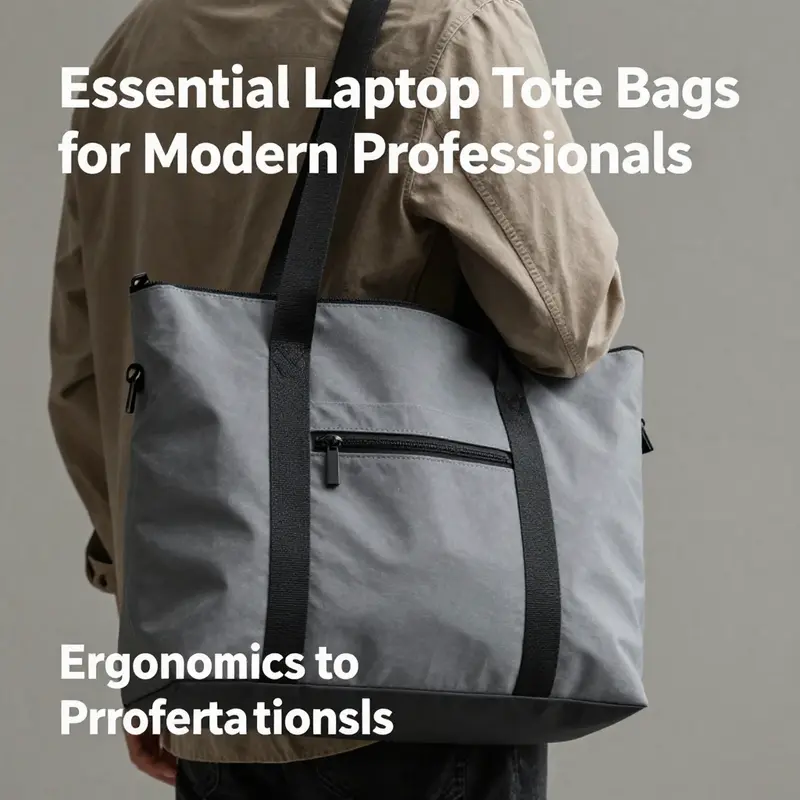
A laptop tote is a tempting blend of polish and practicality. It promises quick access, a touch of elegance, and the flexibility to slip through doors without the visual heft of a backpack. Yet when the device inside grows heavier and the ride to work grows longer, the seemingly simple act of carrying a bag becomes a test of balance, posture, and stamina. The ergonomic question is not merely about padding or fabric; it is about how weight is distributed and how the body adapts to that weight over time. In many urban routines, professionals slide a laptop into a tote, lift the single handle, and set off for meetings, coffee runs, or transit hubs. The outcome is a spectrum: from a light, comfortable carry on a short stroll to a tension-filled shift that lingers in the neck and shoulder well after the workday ends. The contrast between these experiences is not accidental. It rests on the physics of load and the anatomy of support, two forces that often pull in opposite directions when a bag is carried on one shoulder for hours at a stretch.
The most striking ergonomic challenge lies in the tote’s single-strap design. Unlike backpacks, which distribute weight across both shoulders, totes channel the entire mass onto one side of the body. This asymmetry can trigger a cascade of muscular responses: the spinal column tilts away from the load, the pelvic alignment shifts to compensate, and the neck may tilt toward the weight as the upper body seeks a new center of gravity. Dr. Lena Torres, a physical therapist who specializes in repetitive strain injuries, emphasizes the consequence of such asymmetrical loads: “Asymmetrical loads from tote bags create muscle imbalances. Over weeks or months, this can lead to chronic postural issues, especially in people who commute more than five days a week.” The observation is not merely clinical. It maps onto everyday life: the tilt of a shoulder when entering a stairwell, the slight twist of the torso during a long walk, the fatigue that accumulates in the upper back after a commute that stretches beyond a few blocks. The fear isn’t that a tote bag will cause disaster in a single outing; it is that the cumulative stress can quietly reshape posture over time.
A further complication arises from the bag’s design. Most totes offer padded compartments for laptops and perhaps a few interior pockets for cables, notebooks, or a compact charger. Yet padding alone cannot neutralize the mechanical mismatch created by a single strap. Without supportive features like a padded back panel, a chest strap, or a lumbar-friendly contour, the body bears the weight with reduced structural support. The absence of these stabilizers becomes most evident during longer walks, steep stairs, or when the bag is packed with heavier devices or multiple accessories. In comparison, backpacks are engineered with anatomical fit in mind. They feature balanced load zones that spread weight across both shoulders, ventilated back panels to reduce heat buildup, and stabilizing straps that keep the load close to the spine. The difference is not merely comfort but long-term musculoskeletal health. When daily life requires frequent movement through crowded sidewalks or transit corridors, the advantages of a symmetrical, supportive load become more than a convenience; they become a preventative strategy for fatigue and strain.
These observations don’t condemn the laptop tote as a poor choice for every scenario. They recognize that many people rely on totes for quick trips, meetings near campus or offices, and short commutes. For such use, a tote can be perfectly functional if certain guardrails are respected. First, the total load matters more than the bag’s padding. A deliberate cap on contents—ideally under 10 pounds—helps keep the load manageable during repeated trips across urban terrain. Second, the strap design and length play a pivotal role. A longer, adjustable strap that allows the bag to rest closer to the hip or across the body when possible can help dampen the swing that occurs with each step. Third, ergonomic features matter. Padded, contoured handles that reduce pressure on the hand and forearm, plus contents organized so that the heaviest items sit closest to the torso, can lessen the sensation of bulk and improve balance during transit. The absence of these features, however, does not doom a tote to discomfort; it simply raises the bar for responsible usage and thoughtful packing.
For those who must carry a laptop regularly in a tote, one practical approach is to prioritize models that blend function with ergonomics. A bag that includes a well-padded laptop sleeve is essential, but that is only part of the solution. Inside pockets and dividers can keep cables, power adapters, and a notebook organized, reducing the time spent rummaging and the duration of awkward side-to-side movements that misalign the spine. The padding should extend beyond the laptop compartment to the bottom of the bag to cushion the base against sudden bumps during doorways or stair climbs. If the design includes an optional or built-in chest strap or a sternum strap, use it to help stabilize the bag’s position and prevent the bag from pulling away from the body with each step. A back panel, even lightly padded, can offer a subtle barrier against moisture, sweat, and heat build-up on longer walks, helping to maintain comfort as the day wears on.
In practice, the best choice depends on context. Short, routine trips across a university campus or downtown corridor can be quite workable with a thoughtfully designed tote that uses a padded laptop sleeve, structured interior, and comfortable handles. For longer commutes or days that require a heavier payload, the cost-benefit calculation shifts toward a backpack or a hybrid carry. A backpack’s symmetrical distribution makes a substantial difference for durable, daily wear; it can reduce neck tension and lower back fatigue by limiting the number of times a person has to compensate for an imbalanced load. If a tote remains the preferred option for style or accessibility, consider pairing it with a strategic load out: only the essentials, a lighter laptop or tablet, and perhaps a removable crossbody strap to distribute some weight across the torso. In such cases, the bag becomes a versatile accessory rather than a source of persistent discomfort.
Even when a tote does not perfectly align with ergonomic ideals, clever design details can elevate the experience. For instance, the materials chosen can influence how comfortable a bag feels during a long day. Lightweight, durable fabrics like canvas, nylon, or polyester offer a balance between resilience and carry comfort, especially when combined with reinforced stitching and well-designed, padded compartments. A water-resistant exterior protects the contents during unpredictable weather, reducing the need to hold extra items that could increase bulk. Additionally, RFID-blocking technology offers data protection for personal credentials and cards, a consideration that becomes more relevant in crowded urban environments. These features contribute to a tote that not only looks professional but also behaves responsibly under the pressures of daily life. When paired with ergonomic touches—such as a contoured handle, a long strap that allows a cross-body carry, and internal organization—a laptop tote can support a dignified, efficient routine, even if it cannot offer the same level of load distribution as a backpack.
The decision to choose a tote over a backpack, or to rely on a tote with supplemental straps, often hinges on a broader conversation about work style and mobility. A chapter on design choices must acknowledge that some people work mostly within a single building or a small cluster of offices where quick access and easy retrieval trump long-range comfort. For those who move through sidewalks and stations daily, the ergonomic argument for backpacks or hybrid designs becomes stronger. The literature on carrying ergonomics supports these insights with a practical imperative: reduce sustained asymmetrical loads, distribute weight, and provide stabilizing features that guard against cumulative strain. This is the core message that threads through every decision about a laptop tote’s construction and use. If a tote remains on the desk more than on the body, the risk is minimal; if it travels with the person through most of the day, deliberate design choices and mindful packing become essential.
For readers seeking concrete ways to evaluate a tote’s ergonomic potential, the guidance is straightforward: look beyond surface aesthetics to how the bag sits and moves when loaded. Check how the strap length interacts with your height and walking pace. Test whether you can switch to a cross-body carry when the distance grows or terrain becomes uneven. Inspect where the laptop sleeve sits in relation to your center of gravity; ideally, the heaviest part should be closest to the torso and near the spine, not swinging away from the body with each step. Finally, consider how the bag behaves when you climb stairs or navigate through crowds—does it pull you forward, or does it stay compact and secure against your torso? These are not merely preferences; they are practical indicators of how a tote will affect daily comfort and long-term posture.
If you want an example of how a tote can incorporate laptop-focused design while offering functional versatility, explore models that integrate a specific laptop sleeve with a broader range of compartments and a secure strap system. For instance, some designs pair a padded laptop sleeve with a dedicated cable pocket and a cross-body option that helps distribute weight more evenly. This combination provides a compromise between the ease of a tote and the stability of a more ergonomic carry. To learn more about such configurations, you can review resources focused on totes that emphasize computer-sleeve arrangements, such as the tote-bag-with-computer-sleeve resource. It highlights how internal organization and protective padding contribute to overall usability without sacrificing style.
In the end, the best laptop tote is the one that aligns with the user’s routine while respecting the body’s limits. It is possible to balance aesthetics with care by choosing a design that offers padding, thoughtful organization, and optional stabilization features. It is also wise to complement such a bag with smart packing practices: keep the load light, segment heavier items toward the torso, and minimize unnecessary accessories. When these steps are taken, a tote bag with a laptop can remain a beloved companion for city life, campus culture, and business travel alike, delivering both polish and practicality without demanding a physical toll that lasts beyond the commute.
External resource: https://www.acatoday.org/ergonomics/commuting-solutions
Internal resource: tote-bag-with-computer-sleeve
null
null
Final thoughts
In conclusion, as you navigate the choices in laptop tote bags, understanding their durability, functionality, contemporary design trends, and ergonomic aspects will empower you to make a well-informed decision. Business owners should prioritize not only the aesthetic appeal and practicality of these bags but also consider the sustainability of the materials used. The evolving market trends indicate a growing preference for eco-friendly options that resonate with conscientious consumers. By selecting the right laptop tote bag, you invest in an accessory that enhances productivity and reflects your commitment to quality and responsibility in your professional endeavors.