
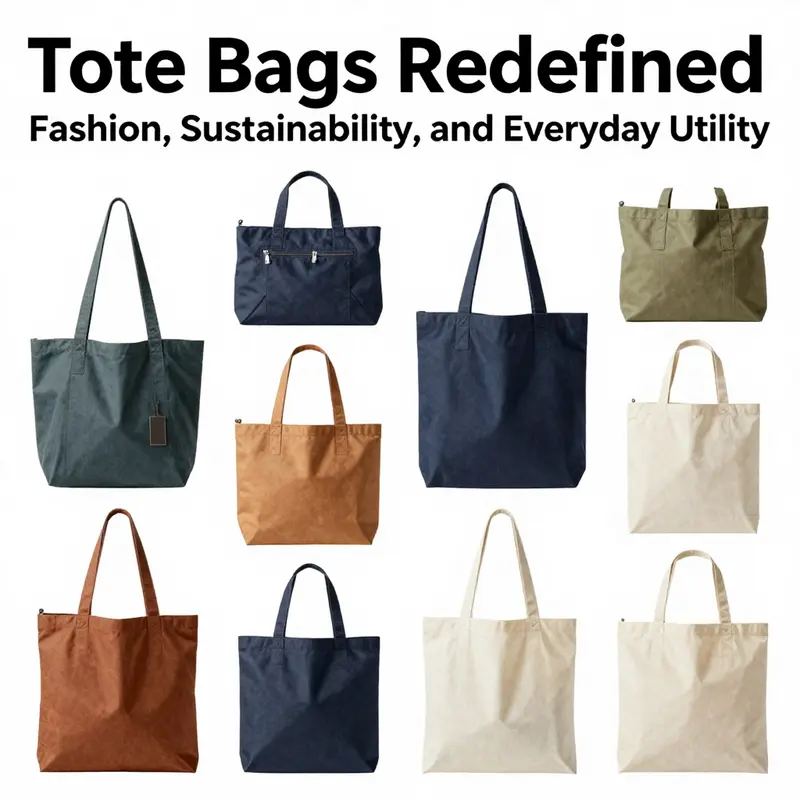
The tote bag has evolved from a simple carryall into a versatile fashion statement. Brands now balance aesthetics with ethics, incorporating sustainable materials, thoughtful functionality, and expressive design. This guide outlines four core trends shaping the tote bag market and offers practical guidance for brands navigating this space.
From Utility to Identity: The Tote Bag’s Quiet Rise as a Fashion Manifesto
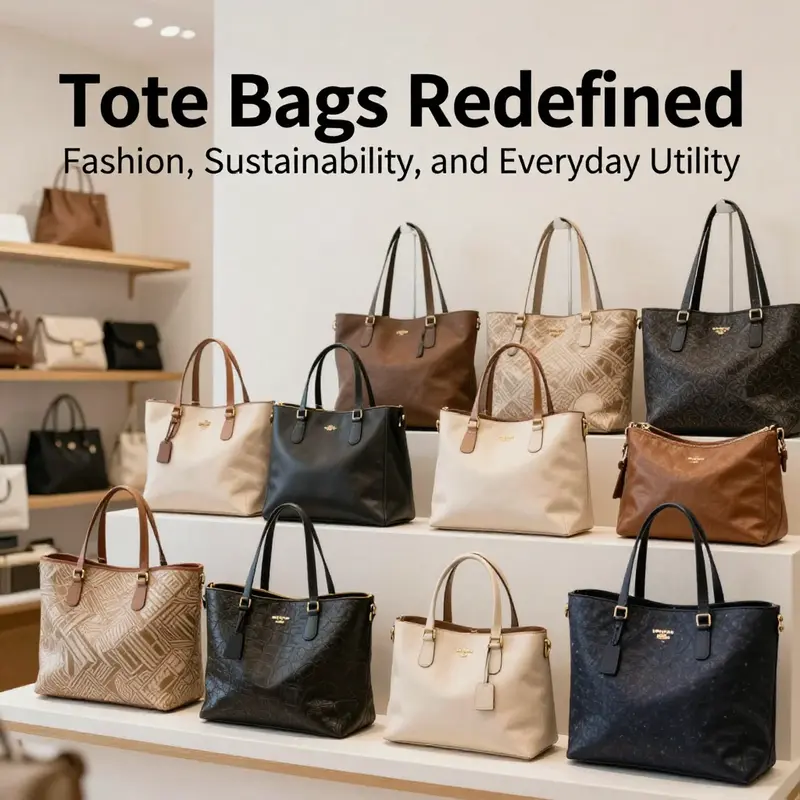
The tote bag has moved beyond its original purpose as a simple utility carrier to become a nuanced signifier of modern life. It now embodies a convergence of efficiency, emotion, and aesthetic philosophy that mirrors how people navigate cities, work, and personal expression in a world that prizes both function and meaning. The evolution is not a single leap but a steady redefinition, where a capacious silhouette becomes a canvas for taste, values, and identity. In the conversations of designers, retailers, and everyday users, the tote is no longer judged by how much it can hold but by what its shape and touch reveal about the person who carries it. The journey from a practical tool to a fashion statement is thus inseparably linked to broader cultural shifts: hybrid work routines, a desire for privacy amid ubiquitous visibility, and a growing appetite for materials that respect the planet as much as the pocketbook.
Historically, the tote started as a straightforward design: a large, open-top bag with parallel handles, optimized for carrying a variety of goods. Its success lay in its adaptability. It could anchor a commute, a market run, or a weekend escape, all without demanding attention. Over time, the tote became a staple in wardrobes across different contexts, a reliable foundation that could be dressed up or down. Yet as urban rhythms grew more complex, the tote’s utility began to reveal a parallel potential: it could carry not only objects but also messages about how someone chooses to live. The 2025 to 2026 landscape captures this shift with remarkable clarity. The market embraces not just size but style, not just durability but a statement about values. In this space, the tote functions as a flexible instrument for daily life and a personal manifesto that can be shared, or kept private, depending on the moment.
The transformation is particularly evident in how functionality is framed. The rise of remote and hybrid work has reframed the tote from a mere laptop container into a sophisticated carryall that accommodates daily rituals. People need space: room for a laptop, notebooks, a water bottle, a lunch, perhaps a change of clothes. But they also require organization. The newest iterations pair generous capacity with meticulous internal zoning. Pockets, sleeves, and detachable pouches become not just features but rituals of order that help a wearer transition from home to office, from weekday focus to weekend leisure, with a sense of ease. This practical reimagining is not a compromise but a deliberate balance: you gain capacity without surrendering elegance, and you gain structure without sacrificing spontaneity.
As images of these new totes circulate on screens and in real life, a broader aesthetic conversation unfolds. Oversized shapes become a stage for personal styling, where clean lines and neutral tones offer a neutral foundation for distinctive details. In this new vocabulary, size carries meaning but is not a symbol of noise. Rather, it signals readiness and intentionality. Oversized does not translate to loud branding; instead, it supports a more nuanced language—one that values craft, texture, and silhouette over conspicuous logos. This is the essence of the stealth wealth approach in tote design: a quiet luxury that speaks through material quality and architectural restraint rather than through obvious insignia. Clean edges, matte textures, and restrained hardware create a tactile impression of refinement that can coexist with a crowded urban scene. The result is a tote that feels current, versatile, and enduring—an anchor for an outfit that can shift seamlessly from daytime practicality to evening ease.
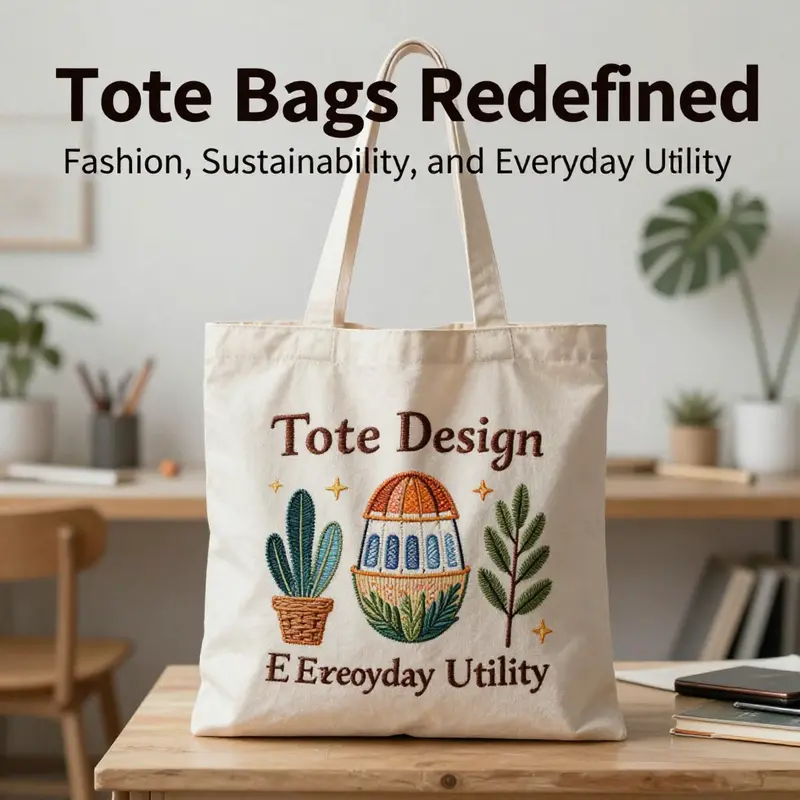
Yet alongside this understated luxury, a more intimate set of meanings has emerged. The tote has become a carrier for personal moods, memories, and sentiments. The rise of what designers describe as poetic totes marks a shift toward emotional value as a design driver. Lyrics or phrases, embedded through embroidery or woven labels, act as quiet tattoos on fabric. They are not loud slogans but intimate messages that users may choose to reveal or conceal depending on context. This trend aligns with broader cultural tendencies toward privacy and self-expression. In a world saturated with shared data and public personas, the tote offers a discreet space in which a person can carry a piece of private feeling into a shared space. It becomes a wearable extension of mood, a portable diary that others only glimpse if the owner chooses to share.
The environmental dimension of the tote trend cannot be ignored. Sustainability moves from a niche concern to a core expectation for the category. Brands are increasingly turning to renewable and biodegradable materials, while remaining mindful of durability and tactile pleasure. Organic cotton, recycled polyester, and certified repurposed leather are adopted not as marketing gimmicks but as practical commitments to a lifestyle that blends convenience with responsibility. The tote becomes an artifact of sustainable living, chosen not only for its look and feel but for its lifecycle and impact. This shift resonates with a growing audience that seeks products aligned with a broader ethical framework. The tote, in this sense, carries more than belongings; it carries a set of choices about how to live one’s days and how to influence the days of others through responsible consumption.
Within the same timeframe, the silhouette itself has evolved into a durable, enduring symbol in urban wardrobes. The horizontal, elongated form—easy to recognize in street photography and on transit—has transformed into a statement of mobility and efficiency. It is the versatile backbone of many outfits, capable of supporting a commute, a meeting, or a spontaneous gallery visit without sacrificing comfort. The continuation of this silhouette in 2026 signals a design stability that still allows for material and textural experimentation. Textures range from soft, matte leather to rugged canvas, with a spectrum of finishes that invite tactile exploration. The silhouette’s flexibility invites a broad interpretation of style—from minimal to tactile maximalism—without ever losing its core identity as a practical everyday companion.
Embedded in these discussions is a practical design principle that ties all trends together: the tote is increasingly understood as a foundational piece that anchors a lifestyle rather than a single outfit. It functions like a neutral base upon which personality can be layered. Consumers accessorize with scarves, charms, or small hardware accents, but these touches remain carefully chosen, never overwhelming the bag’s core form. This approach aligns with the broader idea of fashion as an attitude rather than a mere adornment. In practice, it means selecting a tote that can serve across contexts—work, travel, social events, and quiet days at home—without requiring a complete wardrobe overhaul. The tote, in this sense, becomes a confluence point for practicality, aesthetics, and personal meaning.
The conversation surrounding tote design in the 2025–2026 window also invites readers to consider internal storytelling embedded in the piece itself. The blend of function and emotion creates a new idiom of ownership. A bag can hold a laptop and a lunch, but it also holds a moment of reflection, a lyric scanned into fabric, or a promise of privacy within a busy world. Designers, worried about the friction between visibility and privacy, respond by crafting silhouettes with interior security features and discreet pockets that keep personal items tucked away yet readily accessible. The result is a tote that respects both social interaction and intimate space. In this way, the tote becomes an anchor for a balanced daily life, a companion that helps maintain momentum while safeguarding what is private.
To understand how these threads are woven together, it helps to consider the broader ecosystem of consumer expectations. The tote must be versatile enough to harmonize with various wardrobe choices, from tailored workwear to casual weekend looks. It should offer a sense of longevity, resisting the pull of fleeting trends while still feeling contemporary. Designers achieve this by pursuing high-quality materials, precise construction, and deliberate detailing. The emphasis on craftsmanship becomes part of the narrative itself, signaling a philosophy of durability and care. Consumers respond by treating their totes as long-term investments, pieces to be repaired, reimagined, or repurposed over time. In turn, retailers acknowledge that a bag’s value is measured not solely by its price tag but by its ability to integrate into a sustainable lifestyle and a dynamic social life.
The chapter’s themes dovetail with the way digital culture reframes what counts as stylish. Large tote images populate feeds and storefronts alike, often used to demonstrate a sense of calm amid confusion. The idea of a neutral foundation—a bag that provides a serene backdrop for personal expression—becomes central. In other words, the bag’s size, color, and texture become a stage on which wearers project mood and identity. This is why the tote’s evolution feels less like a fashion gimmick and more like a cultural practice. It reflects how people manage time, space, and meaning in a crowded world. The tote is thus not merely a product; it is a daily ritual that supports people as they move through work, travel, and leisure.
Within this evolving landscape, one can still trace a throughline: the tension between conspicuous practicality and understated elegance. The former tempted some consumers with bold logos and obvious signaling, while the latter promises a more enduring, adaptable form. The current moment tilts toward quiet confidence. It favors lines and textures that reward close inspection—the feel of the leather, the nuance of stitching, the precision of the interior layout—over external shouting. Yet the quiet is never dull. It contains a vibrant vocabulary of materials, finishes, and subtle details that invite touch and closer examination. This nuanced balance allows a tote to remain relevant as cities, work cultures, and social habits evolve, ensuring that the bag remains a reliable companion across seasons and geographies.
For readers curious about how these trends translate into practice, the conversation extends beyond the runway and into daily life. It becomes a guide for selecting a bag that aligns with one’s values and routines. When choosing a tote in this climate, think about what you want to carry, how you want to carry it, and what your choice signals about your approach to time and space. If you prefer a calm, adaptable base that can accommodate evolving needs, a silhouette with generous capacity and restrained detailing may serve you best. If you want a touch of personal poetry, a tote with delicate embroidery or woven text can offer privacy without retreat. If sustainability matters most, seek out materials with transparent lifecycle stories and verified certifications. And if you want a piece that can anchor diverse outfits—from weekday professional wear to weekend casuals—a timeless East-West-inspired shape offers both familiarity and room for future experimentation. In each case, the tote is not simply a bag but a partner in daily decision-making, a tangible reminder that style can be a reliable, personal, even intimate, ally.
As this chapter moves toward the next phase of the discussion, it is useful to remember that the tote, over the last decade, has become a repository of social meaning as much as a repository of belongings. Its evolution encapsulates a broader cultural shift: people are seeking items that support efficiency, privacy, and self-definition without forcing a heavy-handed display of identity. The tote offers a flexible stage for the interplay between public life and private sentiment. It is at once a work tool, a travel companion, a personal gallery, and a statement about responsible consumption. In this way, the tote’s rise mirrors how many individuals balance contemporary pressures with the desire to remain themselves. The ongoing story invites readers to watch not only what bags look like but how they function in real life—how their dimensions, textures, and hidden details shape habits, moods, and choices. For those who want to see where this narrative leads next, the evolution suggests a continued refinement of form, an expanding palette of sustainable materials, and an ever more nuanced conversation about what it means to carry one’s life in a single, well-considered accessory.
To connect this evolving narrative with practical reading and additional context, readers can explore a broader discussion of tote bag trends in current coverage online. For a concise overview that captures the direction of travel in tote design, you can refer to an accessible compilation of trends at tote-bags-trending. This resource highlights how oversized shapes, quiet luxury, and adaptive functionality have become standard expectations rather than exceptions in contemporary design. It also helps explain why designers keep returning to a few enduring silhouettes—the East-West form, the multi-pocket configuration, and the clean, unembellished surfaces—while continuously reinterpreting them through new materials and finishes. The result is a dynamic ecosystem where form follows lifestyle, and lifestyle, in turn, informs form.
External references keep this conversation grounded in real-world observations. A thoughtful compilation from a leading fashion and business outlet emphasizes the tension between practicality and fashion in the era of oversized totes. It catalogues how the question of practicality vs. style has shifted from a trade-off to a synthesis, with the tote serving as a platform for both utility and emotion. The article argues that oversized totes have moved beyond mere practicality to become deliberate statements about time management, mobility, and privacy in public spaces. While not a mandate for any single interpretation, the piece helps frame the tote as a barometer of cultural values—one that measures how people want to live, work, and show themselves in a world of constant movement. For readers who want to dive deeper, the external link provides a broader lens on the trends discussed here and situates the tote within ongoing conversations about design, sustainability, and personal expression.
Material Ethics in Motion: How Sustainable Totes Shape the 2025–26 Trend
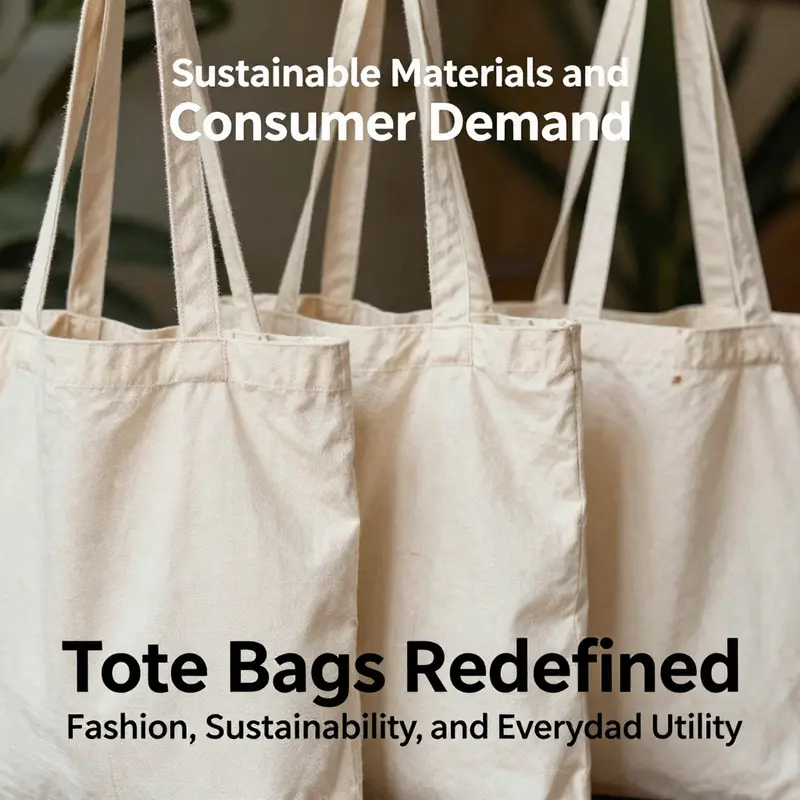
Across 2025 and into 2026, the tote bag has transcended its role as a practical carrier to become a reflection of values, a portable statement about both personal taste and planetary stewardship. The trend landscape around tote bags has shifted from simple utility to a nuanced conversation about ethics, durability, and design clarity. Consumers now expect transparency about how a bag is made, what materials it relies on, and how its life story ends. In this context, sustainability is not a niche concern but a central axis around which aesthetics, function, and aspiration revolve. The result is a market that embraces both restrained luxury and responsible innovation, where the choice of material is inseparable from the experience of using and reusing a bag over time. To understand this moment, it helps to follow how two core material families have come to define the category’s environmental footprint: recycled plastic fibers and organic cotton, and how their respective strengths and limits recalibrate design decisions, lifecycle thinking, and consumer expectations.
Recycled plastic fibers, notably those derived from post-consumer waste, have become a visible part of the tote bag vocabulary because they offer a route to divert plastics from landfills and oceans. The appeal rests in the potential to reduce reliance on virgin petroleum-based plastics and to lower some climate impacts associated with producing new plastics. Yet these fibers carry a complex environmental profile that demands careful consideration. Recycling processes can reduce raw material extraction and emissions, but they do not remove all downstream risks. Microplastic shedding during washing is a well-documented concern for many synthetic fibers, and non-biodegradability means the end of life becomes a long-standing challenge unless a robust take-back or recycling pathway is in place. In practice, the best outcomes from rPET arise when the material is used in sturdy, well-constructed totes with durable hardware and thoughtful fastening systems, and when end-of-life plans are integrated into product design from the outset. The emphasis shifts from “how green is this fiber” to “how long will this bag last, and what happens when it reaches its second life.”
Organic cotton presents a contrasting set of advantages and trade-offs. Its appeal lies in renewability and biodegradability, traits that align with circular economy ideals and with consumer appetites for natural materials. When grown with regenerative farming practices, organic cotton can contribute to healthier soils, reduced pesticide exposure, and potentially lower water footprints in certain contexts. Yet cotton agriculture, even in its organic form, can be water-intensive. The environmental story here is not absolute; it is contingent on farming methods, regional climate, and the total lifecycle of the finished bag. A high-quality organic cotton tote designed for longevity and paired with recycled hardware can yield a favorable balance over many years of use. The key, again, is durability: a well-made tote that stands up to daily commutes, grocery runs, and travel, day after day, tends to dilute its environmental impact over time relative to quicker-wearing alternatives.
What elevates sustainability from a material choice to a holistic strategy is the recognition that the product’s lifecycle matters as much as its fabric. A comprehensive lifecycle assessment (LCA) reveals that neither material is perfect on its own. The true question becomes one of system design—how to maximize longevity, how to enable repair and upgrade, and how to ensure end-of-life disposal aligns with environmental goals. In many conversations across the industry, durability emerges as a design feature just as important as surface texture or color. A tote built with reinforced seams, high-quality stitching, and load-bearing handles invites years of use rather than months of wear. Even the choice of lining matters: a durable, repairable interior material with a clean disassembly path can significantly affect how a bag’s useful life is extended and how easily it can be recycled or repurposed at the end of its first life.
Designers are increasingly embedding smart features that reinforce sustainability without compromising style. Water-resistant coatings, while protecting fabric from daily spills, also extend a bag’s life in wet urban environments. Modular compartments and removable accessories can adapt a single bag to different uses, reducing the need for multiple bags and encouraging longer product lifespans. Ergonomic straps and balanced weight distribution ease daily carry tasks, supporting longer service lives by reducing wear and tear on the fabric and seams. These features illustrate a broader shift: sustainability is becoming an integrated layer of usability and comfort, not a separate add-on. The most successful sustainable totes blend minimalism with practical ingenuity—an aesthetic that speaks to the “stealth wealth” sensibility by focusing on craftsmanship and materiality rather than loud branding, while also satisfying the growing demand for ethical clarity. This convergence is not accidental; it mirrors a cultural pivot where people seek both quiet luxury and responsible consumption.
The market’s demand for eco-conscious, durable, and stylish options has catalyzed a wave of material innovation and process improvement across manufacturers. Companies are exploring coatings and finishes that resist moisture and abrasion while staying easy to repair or replace. They are also testing inks, stitching threads, and lining materials that minimize toxicity and maximize recyclability. Transparency across the supply chain—traceable input sources, verifiable certifications, and clear communication about end-of-life options—has become a competitive differentiator. In this environment, a tote bag is more than a single product; it is a link in a longer story about how fashion can align with ecological stewardship and social responsibility.
Understanding consumer demand in this era requires listening to what shoppers value beyond the surface. For many, the decision to purchase a sustainable tote is tied to a narrative of accountability: a brand should demonstrate honest sourcing, responsible production, and a plan for end-of-life management. Shoppers increasingly look for bags that can be used in multiple contexts—commuting, shopping, travel—without succumbing to quick fashion cycles. They favor neutral palettes and natural textures that pair easily with diverse wardrobes, extending the bag’s relevance across seasons and outfits. The aesthetic preference for understated, timeless silhouettes aligns with sustainability in two meaningful ways: it reduces the pressure to replace bags with fleeting trends, and it keeps repair and reuse at the foreground of user behavior. A timeless silhouette, crafted from durable materials, can become a long-term companion, extending the life of both the bag and the consumer’s wardrobe.
Cultural signals around sustainability are also shifting. The rise of emotional value in fashion—the idea that a bag can carry personal meaning through interior embroidery or intimate design details—interacts with environmental concerns in important ways. A tote that bears a lyric or a personal phrase woven or embroidered into the lining can feel both private and expressive. This emotional layer encourages careful ownership, mindful use, and a sense of pride in maintaining a bag over time rather than discarding it after a season. When such expressive details are applied with durable, repair-friendly construction in mind, they reinforce a long-term relationship between user and bag instead of a short-lived, disposable encounter.
The broader industry trend toward sustainability also reflects a pragmatic market reality: the global reusable bag category is expanding at significant pace, driven by a renewed consumer appetite for long-lasting, multifunctional products. The growth of demand for sturdy, ethically sourced totes has implications for how brands price, market, and design their lines. Rather than chasing speed-to-market or capitalizing on passing colorways, the sector is moving toward building trust through longevity, repairability, and thoughtful end-of-life options. This shift embodies a larger cultural move: fashion that aligns with a sustainable lifestyle and a practical, quality-driven mindset.
For readers who want to trace how these design and material choices translate into everyday products, a look at current trends can provide a useful reference point. See how consumer interest maps onto what’s available by exploring the tote bags trending collection, which highlights how retailers are interpreting the moment in real time. tote bags trending This link points to a broader landscape of options that balance sustainability, durability, and style, offering a snapshot of how the market negotiates material choice, form, and function in daily life.
Ultimately, true sustainability in the tote bag arena is more than the sum of its materials. It encompasses sourcing integrity, manufacturing responsibility, durable design, and a thoughtful approach to end-of-life management. It requires brands to be candid about where their inputs come from, how those inputs are processed, and what happens when the bag reaches the end of its usable life. Consumers, in turn, are increasingly inclined to reward products that demonstrate longevity and a real environmental benefit, rather than those that offer only a green label. The challenge and opportunity lie in creating totes that deliver on both frontiers: enduring aesthetics and enduring ethics. In practice, this means prioritizing resilient construction, modular components that can be repaired or upgraded, and materials that perform well over time without accumulating waste that cannot be managed responsibly. It means integrating the lifecycle narrative into product development—from design sketches to production planning to post-use recycling programs—so that the bag’s environmental footprint is minimized not just at the factory, but across every stage of its journey.
The social dimension of this shift should not be overlooked. Transparent supply chains build trust and empower consumers to make informed choices. When brands share information about farming practices, fiber processing, and manufacturing conditions, they invite scrutiny and conversation. This openness supports a market where better choices become easier for shoppers who want to align their purchases with their values. It also invites collaboration across the supply chain, from farmers to recyclers, to build systems that reflect a shared commitment to environmental stewardship and social responsibility. In such ecosystems, the tote bag becomes a vehicle for gradual, collective progress rather than a single act of personal consumption.
For researchers and industry observers alike, the evidence suggests a middle path: materials like recycled and organic fibers will continue to grow in prominence, but only when paired with durable design, repairability, and clear end-of-life pathways. The best outcomes emerge when sustainability is woven into every decision—from fiber choice and fabric finish to hardware selection and packaging, to the instructions that guide post-use recycling or repurposing. As consumer awareness rises and supply chains become more transparent, brands that treat sustainability as a core competency—rather than as an add-on—are likely to outlast fashionable cycles and earn enduring loyalty. The tote bag, in this sense, holds a mirror to consumer values: a chic, practical accessory that also communicates care for people and the planet.
External reference: https://www.alibaba.com/showroom/sustainable-tote-bag.html. This external source captures ongoing industry analyses of chic, sustainable tote designs and contextualizes how design, function, and ethics converge in 2025–2026. For a broader sense of how the market interprets trend data and consumer sentiment, the linked Alibaba analysis provides a useful, up-to-date backdrop to the discussion above.
null
null
Carrying the Future: Practicality-Driven Design Innovations in the Tote Bag Trend
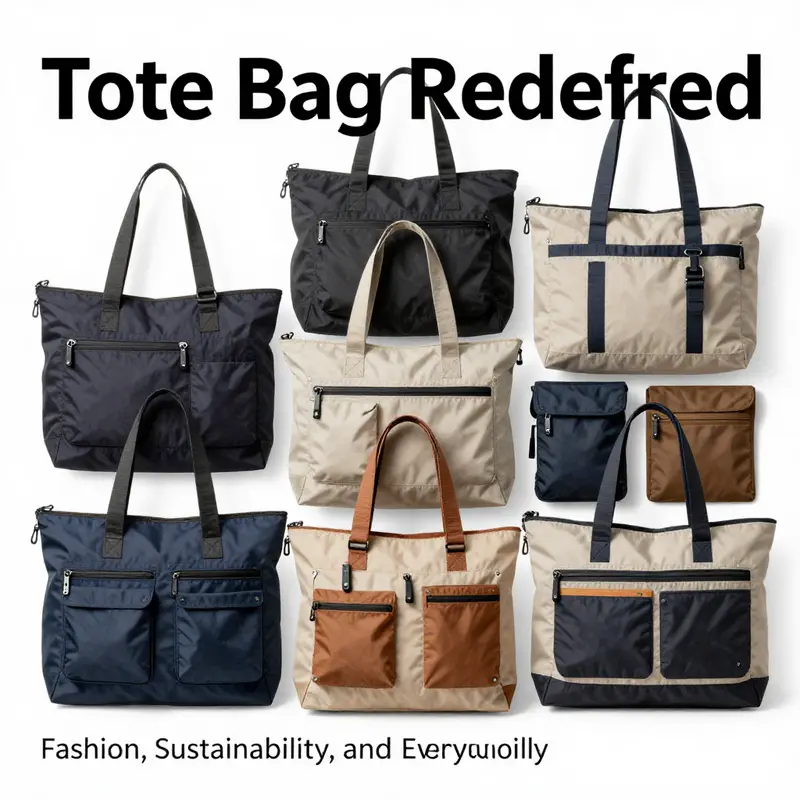
Across recent seasons the tote bag has shifted from a simple everyday container to a thoughtfully engineered everyday tool. Practicality and subtle design fuse to create a bag that can travel from desk to gym to weekend escape without shouting its presence. This moment in tote design values durability, organization, and ease of use as core features, while still inviting personal expression through material choices and quiet detail.
A modern tote embraces a sharper silhouette without sacrificing comfort. It is sized to fit a laptop, a planner, and a few daily essentials, but also approachable enough to pair with a casual or professional wardrobe. Features like reinforced bases, wide openings, and well placed interior pockets translate into real world benefits: contents stay organized, access is quick, and wear remains comfortable from morning to night.
Technology enters the bag in a way that feels natural rather than gimmicky. Built in USB ports turn a tote into a mobile charging station, RFID blocking pockets protect sensitive data, and discreet trackers or app alerts help locate a misplaced bag. The hardware is integrated with care so the bag keeps its silhouette while delivering practical functionality.
Materials and construction reflect a strong sustainability mindset. Recycled fabrics, responsibly sourced leather, and renewable fibers meet durable construction to extend product life. Double stitching at stress points, reinforced handles, and thoughtful linings encourage repair and upgrade rather than discard. The result is a bag that can endure daily use and still look refined after years of service.
The silhouette evolves with user routines. The East-West layout, flat bottoms, and expansive top openings support quick access and stable rest, whether on a subway seat or cafe table. A workwear inspired multi pocket tote adds blueprint level organization with external tool pockets and interior maps that make locating items fast. For families, a parent friendly tote offers ample capacity and stroller friendly design while maintaining a polished exterior.
Finally, the sensory language of a tote matters as much as its specs. The feel of durable fabrics, the weight of a sturdy zipper, and the glow of well finished hardware contribute to a sense of reliability. Neutral color palettes and restrained textures reinforce calm, confident style that can anchor an outfit rather than compete with it. When practical design and quiet elegance work in harmony, the tote ceases to be a single accessory and becomes a trusted companion for daily journeys.
Final thoughts
The tote bag trend reflects a broader shift toward responsible consumption and design-led practicality. By prioritizing sustainable materials, expressive aesthetics, and intelligent functionality, brands can meet evolving consumer expectations while maintaining commercial viability.