

As consumer preferences increasingly lean towards sustainability and versatility, medium tote bags have become essential tools for businesses. Offering a balance of practicality and aesthetic appeal, they are favored by both consumers and businesses alike. This article delves into the significance of medium tote bags, discussing their standard sizes, practicality for various occasions, user feedback, and key recommendations for selection. Through this exploration, business owners will gain insights on how to effectively utilize medium tote bags to enhance their brand presence and provide valuable customer experiences.
Sizing the Everyday Carry: The Standard Dimensions and Practical Balance of the Medium Tote Bag
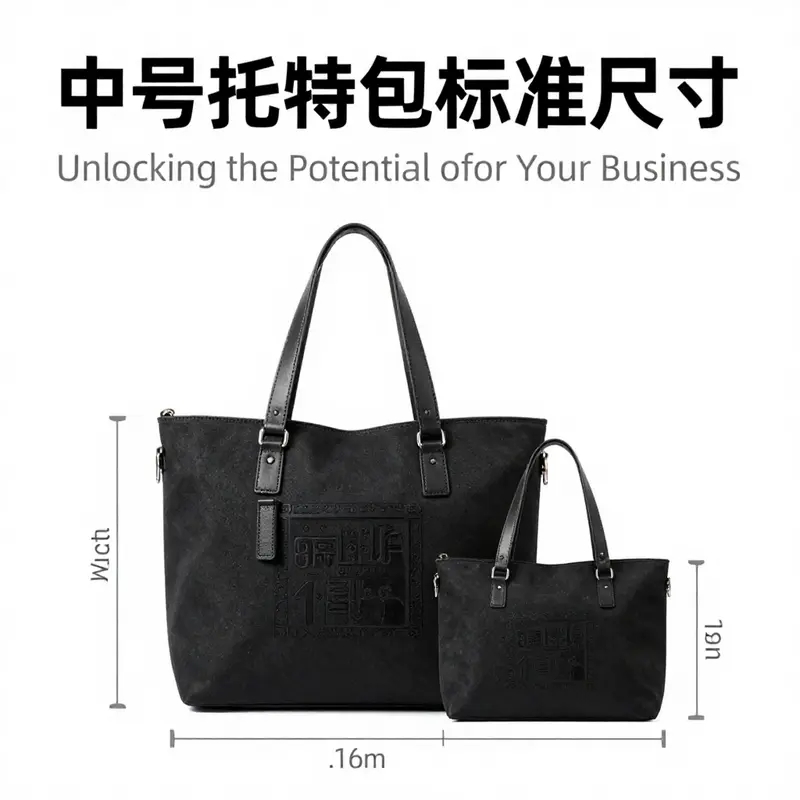
The medium tote bag sits at a deliberate crossroads: it aims to carry enough for daily life without demanding the stamina of a full-size tote. When we talk about the standard dimensions of this everyday companion, a clear picture emerges. Across the market, the most common width sits between 12 and 14 inches, roughly 30.5 to 35.6 centimeters. The height typically stretches from 10 to 12 inches, about 25.4 to 30.5 centimeters, while the depth rests around 4 to 5 inches, or 10.2 to 12.7 centimeters. These figures describe a broad, practical envelope—the size sweet spot that balances capacity with portability. It’s a range that accommodates a tablet or slim laptop, a notebook or two, a water bottle, a wallet, and a few daily essentials, yet remains light enough to shoulder comfortably for a whole day of errands, meetings, or travel between venues.
Beyond the base numbers, the true character of a medium tote is shaped by a gallery of subtle, brand-tinged variations. A cross-section of recent premium offerings shows a spectrum that, while not identical, stays anchored in the same middle ground. One design may present a length of 31 centimeters paired with a height of 17 centimeters, producing a modest, elongated silhouette. Another Commonwealth-inspired layout might measure about 35 centimeters in length, 27 in width, and 14 in height, offering a flatter profile that begs lighter packing and quicker reach for items on the go. A third option could tilt a bit larger still—38 centimeters long, about 29 centimeters tall, and 15 centimeters in depth—giving a touch more volume and an even more deliberate sense of durability for daily use. A fourth well-regarded configuration might be 36 by 27.5 by 16.5 centimeters, a balance leaning toward a roomy interior while keeping the overall frame compact. Finally, there are compact medium designs around 27 by 24 by 11 centimeters, which skew toward a sleeker, more refined form that still holds essential items with ease.
What these numbers translate to in real life is a question of personal habit and daily ritual. If you routinely commute with a laptop up to 13 inches and a handful of files or a notebook, you’ll likely favor the 31–38 cm long family with a height around 24–29 cm. The depth, hovering in the 11–17 cm zone, matters too. A deeper profile supports a broader assortment of objects—an umbrella, a small gym outfit, a portable charger, and perhaps a light sweater—without bending or distorting the bag’s shape. Conversely, a shallower tote is quicker to access and generally lighter, which can be a meaningful advantage when you’re dashing between buses, trains, or elevator banks.
Inside this family of sizes, the opening width becomes a practical fulcrum for everyday efficiency. A bag with a wider mouth invites easier loading and unloading, reduces the time you spend fishing through the interior for keys or a charger, and helps you see everything at a glance. In one recent guideline round, the emphasis on opening width was highlighted as a key determinant of day-to-day usefulness. When shopping, it’s worth paying attention to how the top edge behaves when you pull apart the sides—the presence of gussets, pleats, or a soft fold can dramatically alter the effective reach of your hand into the bag.
To think more concretely about the interior, imagine a typical day’s kit: a tablet or slim laptop, a notebook or two, a compact pouch with toiletries, a water bottle, a light sweater, a wallet, a phone, and perhaps a small umbrella. A well-designed medium tote should cradle those items with room to spare, while not transforming into a weighty workload by the late afternoon. The question becomes not only whether your items fit, but how they sit inside—their arrangement, accessibility, and the ease with which you can retrieve one thing without disturbing the others. In practice, many mid-size totes feature a single, spacious main compartment with fewer internal dividers, which helps maximize usable space. Some include a small inner pocket or a zippered section that keeps valuables secure without complicating the open interior.
The material and construction also weigh into the sizing equation, because weight and stiffening elements interact with dimensions to create a bag that feels either gracious or bulky in your hands. Leather totes, for instance, tend to keep their shape and maintain a confident edge even when a little loaded. They may also feel heavier at the outset, so the functional load of a given size becomes noticeable more quickly. Canvas and fabric totes offer lighter initial heft and sometimes a softer, more flexible interior. The choice of material shapes not just how much you can carry, but how that carrying experience actually feels—the difference between a bag that drapes like a fabric curtain and one that stands with a crisp, defined profile.
In the landscape of size options, the variability across brands is a constant reminder that the “medium” label carries different meanings depending on the design intent. A few representative dimensions illustrate how a single category can accommodate a broad spectrum of needs. For a bag that leans toward formal or refined daily wear, a 27 to 29 centimeter height with a narrow lower footprint might contribute elegance and ease of carriage. For a more lifestyle-oriented tote intended to slip into a carry-on or to serve as a personal travel companion, you might see deeper measurements—up to 11 to 17 centimeters in depth—and longer lengths that emphasize capacity. Whether you’re aligning with a fashion-forward silhouette or prioritizing practical load-bearing, the essential takeaway remains steady: the medium tote is designed to balance capacity with manageability.
One important practical consideration is the notion of “body dimensions” versus overall external size. In practice, brands often publish not just the exterior measurements but the actual usable interior space after accounting for seams, lining, and any interior padding. This distinction matters because seemingly generous numbers can be offset by bulky stitching or thick lining that eats into the interior envelope. A conscientious shopper will zoom in on the body dimensions, and where available, compare them to the precise measurements provided in product listings. The trend toward more precise sizing information, including explicit interior dimensions and the presence of pleated or folded panels, helps shoppers gauge how a bag will perform with their routine load.
To anchor these ideas in a more tangible sense, consider a cross-section of typical mid-size totes described in recent guidance. One configuration emphasizes a longer, flatter interior footprint with a length around 31 centimeters and a height near 17 centimeters, creating a rectangular interior that can accommodate a standard tablet or a few notebooks side by side. A second approach leans toward slightly larger profiles, offering a length around 35 centimeters and a height near 14 centimeters; this shape tends to spread contents more horizontally, which can be advantageous for packing a document folder or a compact laptop sleeve along with daily accessories. A third example brings a more substantial frame into play, measuring about 38 centimeters in length, 29 centimeters in height, and 15 centimeters in depth, producing a sturdy, roomy interior that excels when weekend shopping or short trips add extra items to your routine. A fourth variant, approximately 36 by 27.5 by 16.5 centimeters, places emphasis on the balance between interior capacity and a lighter feel, while a fifth compact style around 27 by 24 by 11 centimeters leans toward a sleek, refined silhouette while still holding essential items with efficacy.
Within this spectrum, the practical decision often comes down to daily habits and the kinds of items you consistently carry. If your work or study routine includes a laptop or tablet, you’ll want to align the bag’s interior length with the largest device you typically carry, taking care to leave a small margin for a charger or notebook. If you’re more likely to slip in a change of clothes for an overnight stay or a compact gym kit, a deeper profile can be a decisive advantage. Those who travel lightly, who tend to carry a water bottle, keys, a wallet, and a cosmetic pouch, may prefer an opening width and a silhouette that emphasizes quick access and tidy organization rather than maximal interior volume.
This is also where the role of product listings becomes essential. Even when two bags share the same nominal size, the actual usable space can vary due to the construction of the gusseting, the thickness of the lining, and the extent to which the interior is padded or compartmentalized. A bag described as 31 x 24 x 17 cm might feel more spacious than another labeled 35 x 27 x 14 cm if the former employs a flatter base and a broader top opening. Conversely, a deeper bag with more rigid sides may appear larger on paper but feel heavier to handle in daily use because the interior is not as easy to maneuver around.
For readers seeking a consolidated overview of mid-size tote dimensions across common designs, the tote-medium-bag page provides a succinct reference. It collects the essentials of typical measurements without getting lost in brand-by-brand minutiae, allowing you to compare core metrics at a glance. tote-medium-bag
As you navigate the nuanced terrain of sizing, it’s helpful to think about your daily companions and how they fit into a potential bag’s interior geometry. A standard set of items can serve as a practical yardstick: a tablet or compact laptop up to about 13–15 inches, a notebook or two, a small pouch for toiletries, a water bottle, a lightweight cardigan or scarf, a wallet, and a phone. Depending on the bag’s depth and the width of the opening, you may be able to stack these items in a manner that preserves a clean silhouette while still maintaining easy reach. If the items spill into one another or you feel you’re fishing for the essentials, you may benefit from a model with a slightly more expansive depth or a wider mouth.
An important caveat is the one-inch-to-two-inch variance you encounter when shopping across brands. Industry data from recent years show that mid-size totes can differ by roughly one inch in diameter due to design choices in seams, pleats, and pocketing. Translating that into centimeters, a difference of 2.5 centimeters is not uncommon. That conversion matters when you’re choosing between two sizes that seem nearly identical on the page. In practice, you’ll want to compare the exact body dimensions (the interior endpoints when the bag is laid flat) and verify whether any listed numbers include or exclude the bulky elements like a thick strap or a reinforced base. It’s these small nuances that separate a bag you adore from one you merely like.
For readers who are building a mental map of the medium tote category, a simple rule of thumb helps: if you reach for a 13–14 inch laptop regularly, aim for a bag with a body length in the mid-30s of centimeters and a depth that sits around 14–16 centimeters. If your day is dominated by a smaller device or by bulky daily paraphernalia like a large water bottle and a compact jacket, you may prefer the longer, leaner profile at the 31–35 centimeter range with a depth closer to 12–14 centimeters. The opening width remains a companion to this sizing choice; a wider opening translates into unfettered access to contents even as the bag sits atop a crowded desk or in a busy coat closet.
In the end, the medium tote bag’s size is not a fixed number but a practical stance—an equilibrium between what you carry and how you carry it. The dimensions you choose should harmonize with your daylight rhythm: the commute, the cafe stop, the quick weekend getaway, and the moment when the bag must slip into a tote or overhead bin without drama. It is in this balance that the medium tote earns its place as a true workhorse of everyday life. For readers who want to explore more precisely defined, brand-neutral references that summarize typical mid-size dimensions, the internal link above provides a compact, navigable overview to guide ongoing research and shopping decisions. And for those who want to dive deeper into actual product measurements and real-world fit tests across widely used designs, a carefully curated external resource offers a granular look at how these dimensions translate into everyday use: https://www.amazon.com/dp/B0BZQXJ8K6.
The Everyday Carry Reconsidered: Why the Medium-Sized Tote Strikes the Right Balance of Space and Simplicity
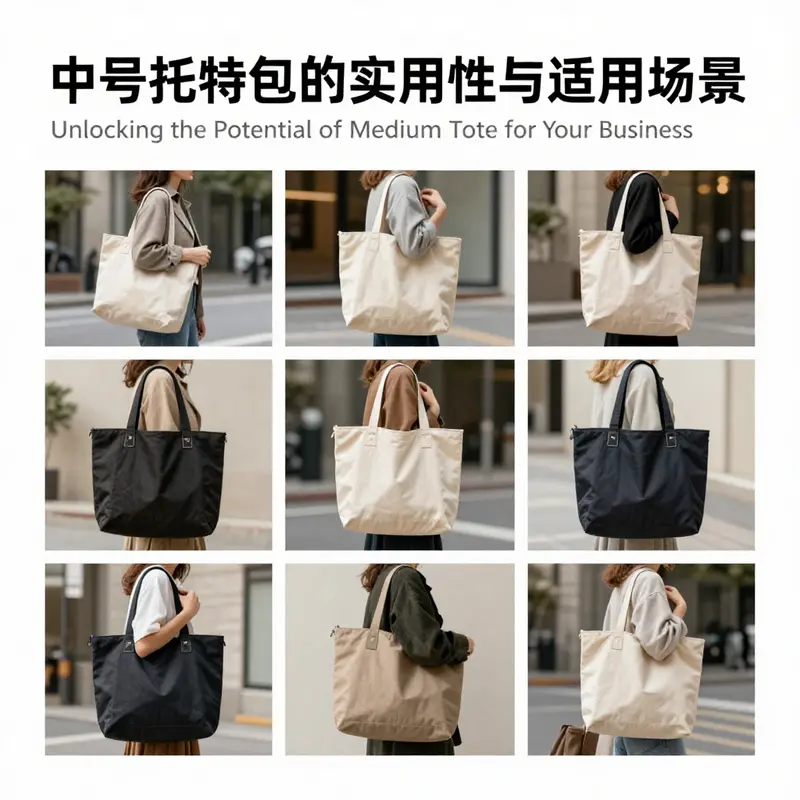
In the rhythm of city life, the medium sized tote bag represents a practical balance between space and ease. It is not a luxury or a fashion only item. It is a simple system that carries work items, personal items, and daily layers of life. This chapter shows why this size has become a steady choice for daily use, how the measurements translate into real world usefulness, and what features lift a tote from a bag to a reliable daily partner.
Typical dimensions place the tote around 12 to 14 inches wide, 10 to 12 inches tall, and 4 to 5 inches deep. These numbers guide space for a tablet, a notebook, a water bottle, and a light layer. A wide opening helps with dropping in a charger, a wallet, or a scarf. A tall shape supports larger items, and a deep profile delivers practical capacity without extra bulk. Brand shapes vary, so check exact measurements and account for seams and openings.
Internal layout matters. A good interior keeps large items from distorting the bag shape. A zipper pocket or a dedicated sleeve keeps a card or badge accessible. Slip pockets hold a notebook or a pen. A spacious main area holds the daily kit, a charger, a bottle, an umbrella, and perhaps a small tablet. A light liner can help maintain a neat look without adding much weight. This is the quiet support that makes daily routines easy.
Material choices such as coated canvas, rugged nylon, and tightly woven cotton offer weather resistance. Durable hardware and reinforced seams improve longevity. A sturdy base helps the bag keep its shape when loaded.
Practical use shows the tote as a commuter bag, a shopper bag, or a small travel companion. In a typical day, it can hold a tablet or small laptop, a water bottle, a notebook, and a light lunch, with room for a sweater or scarf. On a weekend run, it can pack a change of clothes and a few small items without becoming bulky.
Online discussions note that small differences in interior space can matter. Always compare dimensions and consider how you plan to pack your gear. If you want to translate numbers into real life, imagine a 13 inch laptop sleeve, a notebook, a compact umbrella, and a reusable bottle. If these items fit with room to spare, the bag is likely capable of more than it first seems.
Care and maintenance are part of the purchase. Empty the bag regularly to remove debris, brush the exterior, and wipe the lining to prevent residue. If the fabric is water resistant, a quick wipe after moisture helps keep the look. For bags with a flexible frame, subtle reshaping with a lightweight insert helps preserve a crisp silhouette. If a spill occurs, address it promptly with a mild cleaner suited to the fabric.
The thread of this chapter is simple. The medium tote offers a responsive balance between space and ease. It is not the largest bag, nor the smallest, but a dependable partner for daily life. It supports routine work, errands, and casual outings with calm efficiency and understated style.
External reference: https://www.amazon.com/dp/B0BZQXJ8K6
从反馈到体验:中号托特包在日常使用中的真实声音
在市场上,评价像风向标,指引着潜在买家穿过信息海洋,抵达对产品真正有用的认知层面。尤其是中号托特包,这种介于容量与轻便之间的尺寸,往往成为日常生活的“第一选择”或“次选权衡”。然而,任何一个尺寸的优点都可能在不同人群、不同场景下化为不同的体验。于是,用户的评价与实际体验便成为揭示这类包袋真实面貌的关键窗口。它们不仅呈现容量、耐用性、做工等客观维度,还折射出人们在日常生活中的细腻需求与偏好。这一章节以多渠道的真实反馈为线索,试图把“中号托特包的使用真相”讲清楚:它到底在通勤、周末购物以及短途出行中扮演怎样的角色,哪些细节会决定你是否愿意把它带走,哪些潜在差异又需要在购买前被认真核对。我们将避免泛化和空泛的叙述,聚焦消费者最直接的感受与判断,以及品牌与市场如何通过这些反馈来改进设计与服务。 在具体讨论之前,先把尺寸放在一个清晰的框架内。一个典型的中号托特包,其宽度通常落在12至14英寸之间,高度约10至12英寸,深度约4至5英寸。这样的体量,既能容纳笔记本、文件、日常用品、甚至小量衣物,又不过于臃肿,便于日常携带与穿梭在人流密集的通勤场景。对于许多使用者而言,最直接的感受往往来自开口宽度的实际表现。开口越宽,物件的插入与取出就越顺畅,尤其是在需要快速找回手机、钥匙或护照等常用物品时,宽大开口的价值就会放大。这些看似微小的设计差异,会在你每天匆忙的脚步中,决定你是否愿意重复使用这一个包在不同日子的搭配。 评价的多样性来自于消费者的不同需求与期望。某些用户看重容量,认为“这个袋子能装下很多东西”,包括电脑、文件、杯子、钱包、书籍和水瓶等;而其他人则更关注结构是否“稳固”、缝线是否扎实,以及是否有明确的内袋、拉链口袋等分区设计,以帮助物品归类。通过对来自不同渠道的评价进行归纳,可以发现一个共同的趋势:容量与结构的平衡始终是核心诉求,但具体表现形式因人而异。对于需要频繁中途整理物品的通勤族,内部分区和易取的口袋格局显得尤为重要;而偏好简单外观的使用者则更关注材料的观感、光泽度以及整体重量。 这一平衡在实际体验中往往呈现出认知上的“错位”与“对齐”。当消费者的购买预期与实际使用不一致时,往往会产生一定的心理落差,甚至影响品牌信任。相反,当使用体验与预期相符,甚至超出预期,便会形成强烈的正向反馈,促使用户愿意重复购买并向朋友推荐。社会心理层面的这一现象,与最近的研究一致:真实、可信的评价能显著增强消费者对产品的信任,并在购买路径中发挥关键导向作用。对于中号托特包而言,这一点尤为明显。用户会在多个渠道中对比:官方信息页的尺寸标注、第三方平台的实拍照片、社交媒体中的使用场景、以及独立评测与博客的细致描述。每一个信息源都在输入一个片段,但只有当多源信息汇聚时,消费者才会形成可操作的认知图景。在多渠道评价的维度中,功能实用性与易用性常成为最基本的评价维度。无论是学生、上班族、还是自由职业者,都会问自己:这只包能否支撑我的日常需求?笔记本电脑、平板、文件夹、午餐盒,甚至雨伞与水杯,是否能被整齐地安放?又是否容易拿放?这类问题的答案,直接关系到“日常搬运的效率”这一隐性成本。与此同时,内容分发与流量效果也在被讨论。使用者往往会把包的容量与分隔区域的实际体验,与自己在不同场景中的“动线逐项完成”的满意度联系起来。若开口宽度能更好地与主物品的取用节奏匹配,使用者往往会给出更高的满意度评分,即使同一个尺寸的包在外观、材料或重量上略有差异。 品牌层面的反馈机制也在演进。越来越多的品牌开始在产品页提供更为明确的“身体尺寸(body dimensions)”和实物图,对褶皱、缝线和边角处理给予清晰说明。这种透明度不仅帮助潜在买家缩小选择范围,也为回头客提供了再购买的自我审视标准。在这方面,用户的评价也在持续推动改进。比如,若多名消费者反映某一批次的容量似乎略低于标注,厂商往后生产中会调整缝线强度或边界处理,以确保真实容量更接近宣传数据。正是在这样的循环中,反馈转化为改进,最终回到消费者手中,形成更为可靠的用户体验。 对理解这些反馈最有效的一种方式,是把它们视为信息的碎片,而非单一故事。一个看似简单的评论,如“容量很大,但开口不够宽”背后,可能揭示的是材料厚度、边缘设计、以及内部结构布局之间的权衡。读者在解码时,应关注以下几个方面:具体的“身体尺寸”标注是否与实物照片一致;开口宽度是否真的足以让手臂穿过,并且对日常取放物品的节奏是否友好;内部口袋、拉链袋与底部垫层是否有助于稳定重物,尤其是当包被当作随身旅行包使用时。这些细节往往比简单的“好看/不好看”更能揭示一个中号托特包的真实潜力。 在讨论购买前的解码法时,应该强调一个简单但常被忽略的点:尺寸的差异并非绝对一致。行业资料显示,尽管存在通用的尺寸范围,但不同品牌、不同材质之间往往存在约一英寸的差异。因为这一点,最稳妥的做法是查看具体产品页面的“body dimensions”,并尽量结合实物图片来判断实际容量。若可能,选择那些在描述中明确标注褶皱或缝线设计对容量的影响的型号。这些信息让买家能在不试背的情况下对比“纸上数据”与“实际使用感”的差距,降低购买后的不确定性。 在这个框架下,一个值得关注的做法,是把“Medium-Size Tote”的系列目录作为对照基准,对比不同材料、结构和边角处理所带来的实际体验差异。通过对比,消费者能够更清晰地识别自己真正需要的特性,例如是否偏向耐水性、是否需要更强的提手承载力、或是希望有更多的内部隔层以便分区放置。此时,品牌对尺寸的透明披露与对物理使用情境的描述,就成为决定性因素。为便于读者在后续的选购中直达相关信息,可以参考 Medium-Size Tote 的专门目录,以快速对照不同款式的尺寸与容量:Medium-Size Tote。这一链接并非仅是入口,更是一种“对照表”,帮助你在海量选项中快速锁定符合自己日常需求的那一个。 在总结这一章节的要点时,必须强调:用户评价不是对产品的最终判断,而是对产品在真实世界中的表现与适用性的校准。它们揭示了尺寸、开口、材质、做工、重量以及价格之间的复杂互动。对于中号托特包而言,这些反馈共同塑造了一个更清晰的购买逻辑:先明确自己的日常工作线与出行情境,再对比具体型号的尺寸与开口,最后结合真实的使用感与社会证据做出选择。正因为有这些来自多源的真实声音,消费者在海量信息中得以找到最符合自身需求的那一个,而品牌在倾听中不断迭代,试图让下一次的购买体验更接近“现有消费者的真实期待”。 外部参考与进一步阅读可以帮助读者从一个更宏观的角度理解用户反馈在消费行为中的作用。Forrester 的研究显示,用户评价对消费者信任与购买决策具有显著影响,尤其是在多渠道信息并存的现代环境中。通过系统性地分析评价的来源、情境与情感维度,企业能够更精准地把握用户痛点,形成持续改进的闭环。这一研究在本章的讨论中提供了一个国际视角,帮助读者把本地化的购买经验放置在全球化的消费者信任框架之内,以便在未来的选购与评估中,做出更为理性的判断。 外部资源(示范性阅读):How User Reviews Impact Consumer Trust and Purchase Decisions
中号托特包:在容量与便携之间实现日常平衡的艺术
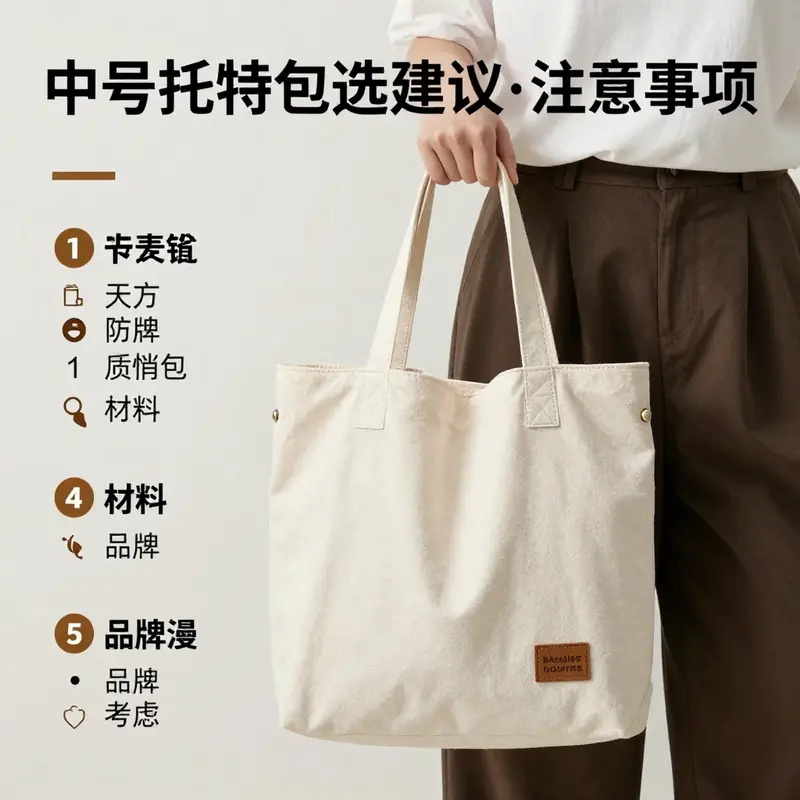
在许多人的日常装载中,托特包的魅力往往来自它的“恰到好处”——不是要像背包那样承载整座行李箱,也不是要小到仅能塞进零钱和钥匙。中号托特包正是在这份微妙的平衡里脱颖而出。它的尺寸不是随意的折中,而是经过市场、用户需求与物理容量共同筛选出的结果。典型的中号托特包,宽度通常落在12至14英寸之间,高度在10至12英寸,深度则在4至5英寸。这一组数据让包身既有足够的容纳力来装下日常必需品,又不会因为体积庞大而失去灵活性。换算成日常用语,就是你能把笔记本电脑、笔记本夹、日常用品、一个水杯甚至一些随身的购物收获全部带走,却不会在拥挤的地铁里成为他人肩头的负担。对于需要把工作与生活快速切换的人来说,这种尺寸带来的便捷感,往往比任何时尚标记都更具说服力。通过对市场的观察与用户的反馈,这种中等尺寸在通勤、周末购物到短途出行等场景中,表现出极高的适用性。换句话说,它不是一味追求容量的最大化,而是在日常能源、重量感与易取放之间做出更聪明的折衷。
在实际使用时,开口宽度成为一个不可忽视的细节。较宽的开口使得物件的放进与取出更直观、快速,尤其是在你需要频繁地从包内拿出水杯、钥匙、手机或笔记本时。相比之下,过窄的开口往往会降低物品的易达性,甚至引发袋口变形。因此,选购时不仅要关注体积,还要关注包的“口径”与开口结构是否能在日常操作中带来高效性。为了让你在日常使用中真正感受到容量与可取性之间的良性互动,以下几个方面的考量尤为关键。
当你走进商店或翻阅电商详情时,最好将几件常用物品作为参照物。一个典型的中号托特包应能轻松容纳13–14英寸的笔记本电脑,以及日常所需的手账本、笔、化妆包、雨伞或水杯等。若你经常携带相机或笔记本、平板和日用品的组合,你也会发现这样的尺寸恰好在“足够大”和“便于携带”之间维持着理性的张力。与此同时,容量并非越大越好。在品牌和材质的差异之外,边角缝线、衬里、底座的结构也会对实际容量产生明显影响。某些设计会在包体内部增加多功能分区、内置口袋和拉链隔层,这些设计不仅提升取物效率,还帮助你把“乱象”变成“秩序”,避免物品相互挤压造成的磨损。
为了帮助你把抽象的尺寸转化为触手可及的判断,关注两点尤为重要。第一,尺寸的实际测量数据往往比标签上的“外观尺寸”更能反映真实容量。不同品牌即使标注同样的数字,也可能因为边缝、褶皱、底部结构等因素而略有差异。第二,开口宽度和包内分隔对“日常快速取物”有直接影响。对那些需要频繁从包内拿出文件、手机或水杯的人来说,一个带有明确分区、可拉开的内袋和可拆卸隔层的中号托特包,能显著提升使用效率。
在挑选材料时,材质不仅影响手感和外观,还决定了包的耐用性和维护成本。典型的中号托特包可选用弹道尼龙、头层牛皮或防水帆布等材料。弹道尼龙以其防水、耐撕和易清洁著称,适合快节奏与雨天频繁出入的情境;头层牛皮则在时间的洗礼下愈发光泽、手感温润,偏爱更成熟或正式的风格的人会被它的质感所吸引;防水帆布则是城市日常的可靠伙伴,兼具朴实与耐用。不同材料带来的重量差、维护难度和价格差亦应被纳入考虑之中。无论你偏好哪种材质,避免选择易起球、易褪色或低耐久性的合成材料是 prudent 的做法。除了材质,包的结构也值得重点关注。一个“立得住、撑得开”的中号托特包,应该有一定的硬挺边缘、可承托的底座,以及对内部结构的合理分层。柔软但无支撑的包体,虽然轻盈,但在日常装载时容易塌陷,扔在桌角就会失去端庄的轮廓。相对的,带有内拉链袋、手机袋和卡位的分区设计,则能让日常杂物分门别类,减少在日常使用中的“翻找时间”。
颜色选择方面,基础色仍然是稳妥且实用的选择。黑、棕、米白、驼色等中性色往往比花哨色更耐看、更易搭配,也更不容易在季节变换中显得突兀。若你偏爱更具个性的一面,可以在细节处寻求平衡,例如在金属件、拉链、缝线的色泽上与鞋类、腰带保持呼应,而非追逐大面积的视觉冲击。将颜色作为“搭配的桥梁”,而不是“整身的主角”,往往能让中号托特包在不同场景中都显得恰到好处。
在选购时,身材与比例也是一个不可忽视的维度。对于身高在155–168厘米之间的女性来说,中号托特包通常能和腰胯线保持良好比例,达到“包在中段、视线自然平衡”的效果。对于身高较高的人,若追求更强的存在感,某些大号款式也许更贴合。相反,身高偏矮的人应尽量避免过宽的包体与过高的包身,以免破坏整体比例的和谐。这样的判断并非仅凭主观审美,而是基于体型比例与包袋本身的体量对视觉线条的影响。提到实际使用,还要考虑你的日常场景:若以通勤为主,且需要携带笔记本、文件夹和水杯,中号托特包往往是最平衡的选择;若以周末购物为主,且你需要容纳更大量的衣物或日用品,可能需要以更大容量为目标;如果你经常外出短途旅行,托特包仍然具备作为随身物品携带的灵活性,但在需要更多分区和专门设备承载的情境下,可能会被更大号或专用的旅行包替代。总之,真正的“黄金法则”在于理解你自己的日常载荷、出行场景与身形比例,并以此来挑选那一个既能满足容量需求、又能保持体型平衡的中号托特包。
对于保养与 longevity,品牌官方常给出谨慎而实用的建议。尽管不同品牌和材质的细节有所不同,有几个通用的原则可以帮助你维持包的形状与质感。避免超载与超重,是保护肩带和缝线的最直接手段。保持干燥、避免阳光直射和潮湿环境,能防止材质褪色、发硬或变形。化学物质、香水、酒精、油脂等也应尽量远离包面,以免渗透或损伤表层。日常清洁以软布擦拭为宜,切勿浸泡或使用强力清洁剂。使用后若不带,最好填充纸张或专用填充物,帮助包型恢复并防止长期压痕。这些细节会在多年使用中体现出“耐看”与“耐用”的双重收益。你可以把中号托特包视为一件随时间产生回响的投资:它的美在于日常的沉淀,而非一时的惊艳。
若你希望获得更多关于具体尺寸和样张的对比资料,可以浏览专门的尺寸信息页面,这类页面通常会以清晰的参数展示来帮助你进行对比。具体尺寸信息页面提供了“Body dimensions”与实际测量的对比,有助于你判断某一款包在你身上走起来的视觉比例。为便于查阅,以下是一个便捷入口,但请在购买前核对该页面的最新数据与实物图片,以确保尺寸与预期一致:medium-size tote。如果你希望在同一主题下进一步扩展的阅读,我也建议关注同一站点关于“tote bag”类别的其它条目,以获得从材质到结构的更全面概览。
在日常搭配方面,中号托特包的作用并非仅限于容纳物品。它其实也是一种对日常风格和职业形象的表达。它的尺寸让它在正式场合与休闲场景之间更容易过渡,既能搭配西装与正装,也能与牛仔裤和针织衫搭配出不费力的时髦感。核心在于选择一款结构感良好、线条干净的包体,并且与日常使用的物品类别相匹配。将笔记本、文件夹等工作要素稳定地装载其中,同时保留一个清晰、易于访问的开口,是维持专业与日常兼容性的关键。与此同时,内胆包、可拆卸小袋或分区收纳的加入,能让你在不同场景之间切换时保持整洁和高效。这些细节的综合作用,最终塑造出一个在繁忙日程中仍能从容不迫的个人形象。
在总结层面,中号托特包之所以成为许多人的首选,正是因为它在容量、重量、易用性和美学之间找到了一个稳定的中点。它既能承载日常工作所需,又不会在日常出行中成为负担。它的尺寸让人们更容易把物品组织起来,减少“随手塞进包内的无序感”,从而提升整个出行过程的效率与舒适度。对那些正在为第一只托特包而做选择的人而言,中号托特包往往提供了一个低风险、较高回报的选项。它具备不错的保值潜力、易于维护,且在二手市场的流动性也相对可观。你不需要一次性投入大量资金,也能获得一个能伴随你多年的日常伙伴。
如需进一步对比,你也可以参考专门的尺寸信息页,以帮助你做出更精确的选择。最终,真正意义上的“中号”并非一个固定的数字,而是一种体验:既能容纳日常所需,又不显得笨重,更能让你在通勤、购物和短途旅程中都保持自信的步伐。若你愿意,从现在开始就以你最常携带的物件作为基准,挑选一款在日常中能自然居中的中号托特包。与此同时,别忘了关注口径与结构设计,因为它们往往在你真正需要时显现出远比单纯容量更重要的价值。外部资源与尺寸对照资料会在你的购买决策中扮演辅助角色,而你对自己日常需求的清晰认知,才是最终的导航灯。外部参考也可帮助你理解不同品牌在同一尺寸区间内的差异,从而更好地对比与选择。
外部资源提示:关于托特包使用与维护的官方说明,可以参考以下外部资源以获得进一步的细节和建议:https://www.michaelkors.com.cn
Final thoughts
In conclusion, medium tote bags stand out as invaluable assets for businesses aiming to enhance customer experience and brand visibility. Their adaptable size, coupled with a variety of styles, caters to the diverse needs of consumers. By choosing the right medium tote bags and leveraging user feedback, businesses can significantly improve their operational efficiency and customer engagement. Embracing this trend not only aligns with sustainable practices but also boosts brand loyalty. Employing medium tote bags is a strategic move towards a more customer-centric approach that resonates in today’s market.