
Introduction
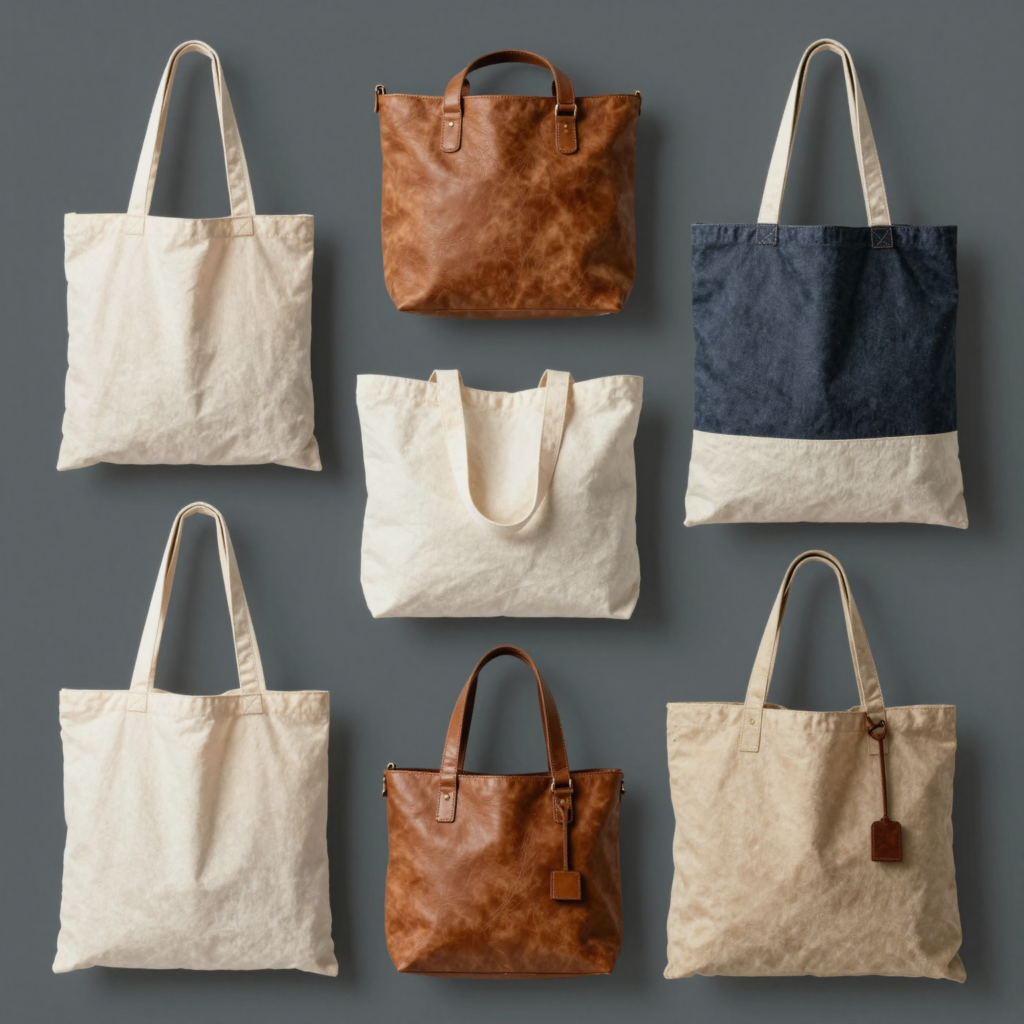
Understanding the composition of tote bags is essential for business owners in the retail sector. As these versatile bags become increasingly popular among consumers, knowing what materials they are made from can influence purchasing decisions and brand perceptions. Tote bags, whether crafted from eco-friendly cotton, durable canvas, or luxurious leather, are more than mere carriers; they represent a brand’s commitment to quality and sustainability. Moreover, with the variety of designs available-from simple styles to canvas tote bags for women to designer options-it is crucial for retailers to align their product offering with consumer preferences. Delving into the specifics of what these bags are made from allows business owners to make informed choices that can elevate their brand image and improve their market competitiveness.
Different Materials Used in Tote Bags
Tote bags are popular versatile accessories, crafted from various materials, each with its unique properties and advantages. Here’s a look at some of the most common materials used in tote bag production:
1. Cotton
- Sustainability: Cotton is a natural fiber, making it biodegradable and a more sustainable choice compared to synthetic materials.
- Durability: High-quality cotton is robust and can withstand regular wear and tear.
- Breathability: Cotton allows airflow, making it ideal for carrying groceries or other items without trapping moisture.
2. Canvas
- Strength: Canvas, typically made from cotton or heavy cotton blends, is known for its durability and ability to hold heavy items without tearing.
- Eco-friendly: Most canvas bags are made from organic or recycled cotton, reducing environmental impact. Learn more about canvas tote bags here.
- Easy to Print: Canvas provides an excellent surface for printing designs, making it popular for promotional purposes.
3. Polyester
- Water-resistance: Polyester is not only strong but also has water-resistant properties, making it suitable for various weather conditions.
- Lightweight: Polyester bags are generally lighter than cotton or jute, enhancing portability.
- Quick-drying: Ideal for beach trips or any scenario that may involve wet items.
4. Jute
- Sustainability: Jute is a natural fiber, often referred to as the “golden fiber” for its sustainability and biodegradability.
- Durability: Jute is exceptionally strong, allowing it to handle heavy loads.
- Aesthetic Appeal: The rustic look of jute makes it aesthetically pleasing for eco-conscious consumers. Bags made from jute often project a natural, eco-friendly image.
Using these materials in tote bags not only promotes sustainability but also ensures durability, appealing to environmentally aware customers.
What Are Tote Bags Made Of?
Tote bags are versatile and a popular choice for various business needs, especially for branding and promotions. Understanding the materials used in tote bags is crucial for making the right choice.
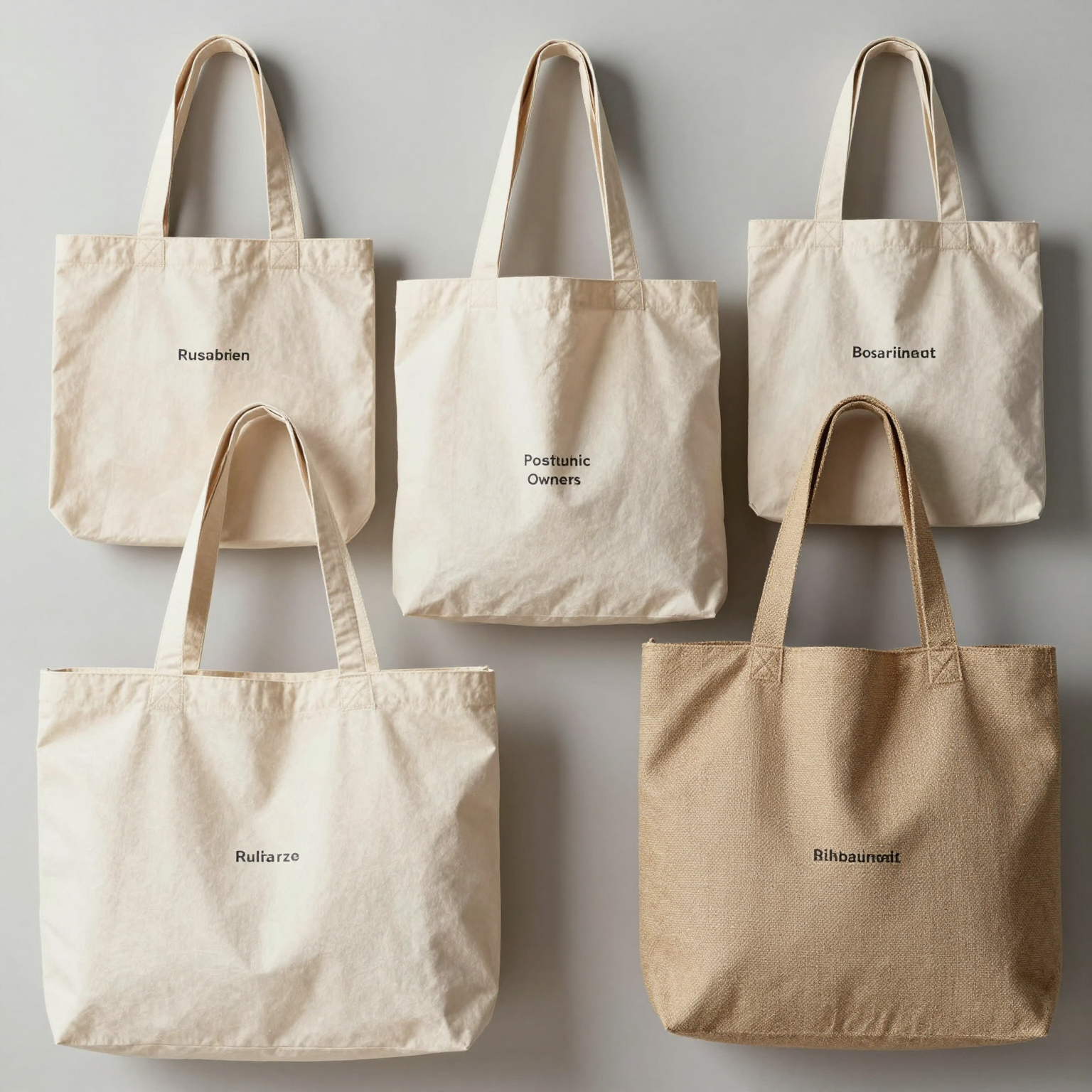
Common Tote Bag Materials:
- Cotton: A soft and breathable fabric that’s eco-friendly and durable.
- Canvas: Known for its sturdiness, this material is perfect for heavy-duty use.
- Polyester: A synthetic fabric that’s water-resistant and easy to clean.
- Jute: A biodegradable option that offers a rustic look and great strength.
Here’s an insightful visual representation of these materials:
Choosing the right material can enhance your brand’s image. Learn more about tote bags and their applications!
Environmental Impact of Tote Bag Materials
Tote bags have gained popularity as more sustainable alternatives to single-use plastic bags. However, the environmental implications of their materials are crucial to consider for business owners integrating these products into their operations. Here are some of the key materials used in tote bags and their sustainability factors:
1. Cotton
Organic cotton is regarded as an eco-friendly choice, primarily because it is grown without synthetic pesticides and fertilizers. While the cultivation of cotton requires significant water, organic farming practices reduce water usage over time and enhance soil health. Businesses opting for tote bags made from organic cotton not only appeal to environmentally conscious consumers but also support sustainable agriculture practices. For more on women’s canvas tote bags, check out this resource.
2. Jute
Jute is a biodegradable and renewable resource that comes from the jute plant. It requires minimal chemical inputs and can grow in poor soil conditions, making it a low-impact choice for tote bags. Jute bags are durable and versatile, serving multiple uses beyond shopping. Therefore, adopting jute tote bags can significantly lower a company’s overall environmental footprint.
3. Recycled Materials
Using recycled polyester (rPET) from plastic bottles or post-consumer waste can reduce landfill contributions while saving virgin resources. Research suggests that bags made from recycled materials typically use less water and energy during production compared to their non-recycled counterparts. The article linked discusses the durability and eco-impact of reusable tote bags extensively (read more here).
Business Practices and Sustainability
Adopting sustainable materials for tote bags also aligns with corporate social responsibility (CSR) goals. Businesses can highlight their commitment to sustainability by choosing eco-friendly materials, reducing packaging waste, and providing transparency in sourcing practices. This not only attracts eco-conscious consumers but can also enhance brand loyalty.
Additionally, sustainable practices in the production of tote bags, such as using non-toxic dyes and ensuring recyclability at end-of-life, can further enhance their environmental performance. As noted in many industry analyses, investing in sustainable materials and ethical business practices can yield long-term savings and a positive market positioning.
Importance of Material Choices in Tote Bags
Tote bags are not just practical; they embody a significant choice for sustainability in consumer behavior. The materials used in creating these bags can drastically affect their environmental footprint. As Dr. Elena Ramirez, a Senior Environmental Analyst at the Global EcoDesign Institute, states:
“True sustainability isn’t just about natural materials-it’s about lifecycle impact, durability, and end-of-life management.”
This highlights the importance of considering how materials are sourced, produced, and disposed of when selecting tote bags for business use.
Common materials include cotton, recycled polyester, and high-density nylon, each having its pros and cons. Cotton is biodegradable, but its disposal often leads to methane emissions in landfills, while recycled polyester has a lower environmental impact when managed correctly. For business owners, understanding these distinctions can empower better purchasing decisions that align with sustainable practices. To explore various high-quality options, check out our selection of women’s canvas tote bags and laptop tote bags for women.
Case Studies of Businesses Using Tote Bags
Tote bags have emerged as versatile tools in branding strategies for various businesses. They not only serve to promote products but also align with environmental values that resonate with today’s consumers. Here are some compelling case studies showcasing their successful implementation:
1. Patagonia
Patagonia, a well-known outdoor clothing brand, has made its mark by utilizing eco-friendly, high-quality canvas tote bags. These bags are adorned with bold environmental messages that reinforce the company’s commitment to sustainability. According to a 2025 Forbes article, this strategy not only enhances brand loyalty but also significantly increases store traffic during promotional events.
2. Target
In a similar vein, Target launched a limited-edition series of branded tote bags featuring artist collaborations. This initiative not only drove customer engagement but also created a social media buzz, resulting in a noticeable uptick in sales. The uniqueness of the designs attracted attention and brought more foot traffic into the stores.
3. EcoWear
A mid-sized sustainable fashion brand called EcoWear has also effectively implemented branded tote bags into its marketing strategy. By using low-MOQ custom totes made from recycled materials, EcoWear maintained brand consistency while promoting sustainability. This initiative led to a 35% increase in repeat customers and a 20% rise in social media mentions, indicating strong consumer engagement.
4. Microsoft and Salesforce
Tech giants like Microsoft and Salesforce have utilized branded tote bags during green events and conferences as part of their corporate sustainability campaigns. These bags were not only practical for employees but also served as mobile advertisements, promoting the companies’ environmental goals to over a million attendees at public events, as noted in a 2025 GreenBiz report.
Benefits of Using Eco-Friendly Materials
The choice of materials in tote bags plays a significant role in branding. Eco-friendly options such as recycled cotton, PP non-woven, and biodegradable fabrics allow brands to align themselves with consumer values. A GreenBiz article indicates that 78% of consumers prefer brands that demonstrate environmental responsibility. The durability and reusability of these bags not only increase their lifespan but also their effectiveness as mobile advertisements, amplifying brand visibility.
Comparing Tote Bag Materials
Tote bags come in a variety of materials, each with its own set of advantages and disadvantages regarding durability, cost, and environmental impact. Understanding these can assist business owners in making informed decisions when selecting tote bags for retail or promotional purposes.
| Material | Durability (Years of Use) | Cost (Estimated Price Range) | Environmental Impact (Relative Impact) |
|---|---|---|---|
| Cotton Canvas | 3-7 years | $15-$40 | Moderate to High – Requires significant water and land for cultivation; non-organic versions involve high pesticide use. Biodegradable but has a large carbon footprint if not sustainably sourced. |
| Organic Cotton | 4-8 years | $20-$50 | Low to Moderate – Grown without synthetic pesticides or fertilizers, reduces soil degradation. Lower chemical impact. |
| Nylon | 5-10 years | $25-$60 | High – Made from fossil fuels; energy-intensive production. Not biodegradable; microplastic shedding during washing is a concern. |
| Recycled Polyester (rPET) | 5-10+ years | $20-$55 | Low – Made from post-consumer plastic bottles, reducing landfill waste and virgin resource use. Overall significantly better than virgin materials. |
Conclusion
In summary, while all tote bag materials have unique benefits, cotton canvas and organic cotton may appeal more for eco-conscious brands due to their biodegradability. Meanwhile, nylon and recycled polyester provide durability at the cost of higher environmental impact concerns. As a business owner, aligning your brand values with sustainable practices is crucial. For more insights into specific brands, you can learn more about Coach handbags and explore Michael Kors tote bags.
Current Trends in Tote Bag Production
Tote bags have surged in popularity due to their versatility, convenience, and style. In 2023, the production and design of tote bags are trending in innovative directions, influenced heavily by consumer demands for both functionality and aesthetic appeal.
Oversized Designs
One of the most prominent trends is the emergence of oversized tote bags. High-profile brands such as Saint Laurent, Prada, and Gucci have introduced large totes that cater to the needs of the modern consumer, providing ample space for various uses, from commuting to travel. These bags combine practicality with elegance, employing luxurious materials like soft lambskin and glossy leather, making them coveted fashion items while still offering functionality (Vogue Italia).
Sustainable Materials
Another significant trend is the use of sustainable materials in tote bag production. Brands are increasingly opting for recycled leathers and organic cotton, which not only cater to the eco-conscious consumer but also add unique textures and qualities to the designs. This shift reflects a growing commitment to sustainability within the fashion industry (Fashionista).
Innovative Features
Designers are also incorporating functional features into tote bags, such as adjustable shoulder straps and multiple compartments. This shift towards practical, well-designed products is essential in meeting customer demands for both style and utility. The blending of luxurious elements with practical designs positions these totes as “IT Bags” in the fashion world.
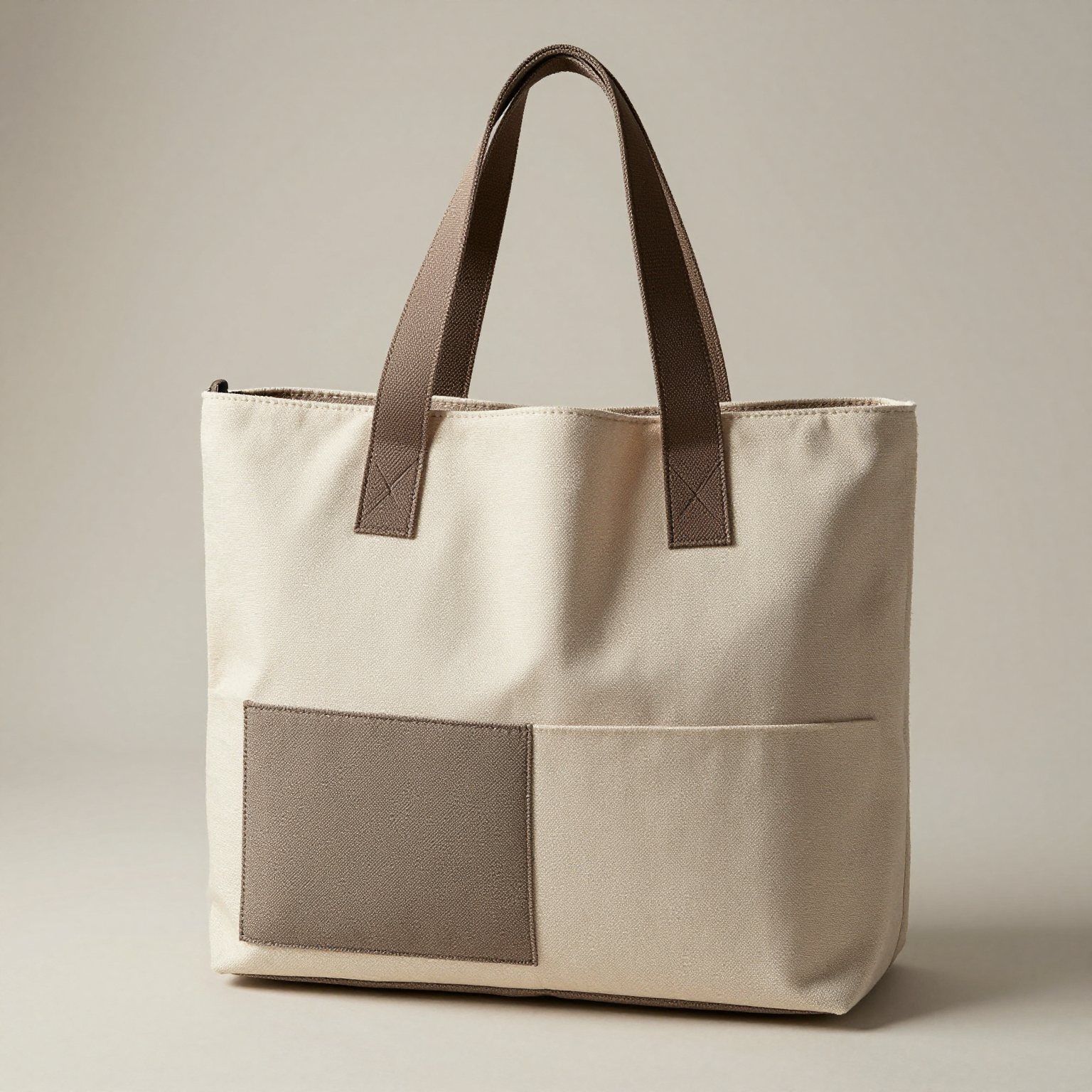
Innovative tote bag showcasing modern design trends.
Embracing these trends in tote bag production not only satisfies current consumer desires but ensures longevity and relevance in the ever-evolving fashion landscape.
Conclusion
In conclusion, the material choices for tote bags significantly impact not only the environment but also the perception of your brand. As we have discussed, various materials-ranging from eco-friendly canvas to luxurious leather-offer distinct advantages that can align with your business values and customer preferences. By opting for sustainable materials, you not only contribute to environmental preservation but also appeal to increasingly conscious consumers who prioritize quality and sustainability.
As business owners, it’s essential to consider these material choices thoughtfully. High-quality materials enhance durability and style, reflecting positively on your brand and ensuring customer satisfaction. Investing in quality means your tote bags can serve as long-lasting promotional items, ultimately supporting your business goals.
Now is the time to evaluate your current offerings and explore options that boast both style and sustainability. Consider browsing through our collection of stylish tote options or premium brands that exemplify quality and eco-consciousness. Make the choice today that aligns your business with the values that will resonate with your customers tomorrow.
The Business Benefits of Tote Bags
Tote bags are not merely accessories but powerful tools for business owners, especially for brands like pizza trucks looking to enhance their visibility. Crafted from durable materials like cotton, canvas, and recycled plastics, they offer a sustainable solution while promoting your brand. The ability to customize these bags with logos allows businesses to transform them into mobile advertisements, effectively increasing brand awareness among customers.
Furthermore, tote bags can be multi-functional-ideal for carrying merchandise, promotional materials, or even serving as giveaways at events. As they are reusable, they also contribute to your brand’s eco-friendly efforts, resonating well with environmentally conscious consumers. With their practicality and branding potential, investing in tote bags can significantly contribute to your marketing strategy.
Call to Action
If you’re an aspiring pizza truck owner, we understand how essential quality merchandise is to your journey. Visit truckpizza.net for personalized, durable tote bags and more that will help you promote your brand effectively and carry your business forward. Don’t miss out on this opportunity to showcase your pizza truck while providing functional accessories to your customers!