
Introduction to Tote Bags in Business
Tote bags have evolved from simple carry-alls into versatile, functional, and fashionable essentials for both everyday use and business purposes. As a business owner, understanding the value of incorporating tote bags into your branding strategy is crucial. Not only do these bags offer practical utility for customers, but they also present an excellent opportunity to communicate your brand’s message.
Made from various materials such as cotton, canvas, and polyester, tote bags come in numerous styles and sizes, making them suitable for a range of applications-from shopping sprees to corporate events. Their durability and spacious design allow for easy transport of goods, making them popular for customers on the go. The versatility of tote bags lies not just in their usage but also in how they can serve as a powerful marketing tool.
In today’s eco-conscious market, sustainability is more than a buzzword; it’s a pivotal aspect of consumer choice. With many businesses prioritizing ethical practices, sourcing eco-friendly materials for tote bags not only aligns with sustainable values but also resonates with customers who seek to support responsible brands. By opting for sustainable tote bags, you signal to clients that your business is forward-thinking and committed to making a positive impact.
As we delve into the specifics of what tote bags are made of, we will explore material options available in the market and how those choices can enhance your brand’s appeal. This article aims to provide you with insights into the effective use of tote bags in business, guiding you towards making informed decisions to promote your offerings. Learn more about the variety of tote bags available and how they can reflect your brand’s identity and values.
What is a Tote Bag Made Of?
Tote bags, popular for their utility and style, can be crafted from a variety of materials, each with distinct characteristics, benefits, and drawbacks. Understanding these materials is crucial for business owners when selecting the best options for their branding and operational needs. Below, we explore four common tote bag materials: cotton, canvas, polyester, and jute.
Cotton
Attributes: Soft, breathable, and environmentally friendly if sourced sustainably. Cotton offers a clean, minimalist aesthetic, making it a popular choice for businesses seeking a natural look.
Benefits: Ideal for lightweight use, cotton bags are fantastic for branding and promotional events. They are also machine washable, which makes them easy to maintain.
Downsides: Cotton has lower tensile strength compared to other materials like canvas, meaning it may not withstand heavy loads over time. Businesses required to transport heavier items may need to reconsider cotton as the primary material.
Example: Many boutiques use cotton tote bags for eco-friendly promotions, particularly during farmers’ markets or outdoor events, showcasing their commitment to sustainability.
Canvas
Attributes: Made from tightly woven cotton or synthetic fibers, canvas is renowned for being sturdy and resilient. It typically has a weightier feel, providing a sense of durability.
Benefits: Canvas offers excellent load-bearing capacity, making it suitable for shopping or travel bags. Its durability ensures longevity and repeated usage, making it a cost-effective investment for businesses that require reliable, sturdy bags.
Downsides: On the flip side, canvas can have a higher environmental impact if the cotton isn’t sourced responsibly. Additionally, new canvas bags may feel stiff until broken in, which can be an initial turn-off for some users.
Example: High-end fashion brands often use canvas for their designer tote bags, appealing to customers looking for a stylish yet resilient option. For instance, Tory Burch utilizes canvas in their tote designs, balancing style and functionality.
Polyester
Attributes: Lightweight, water-resistant, and resistant to tears, polyester is a synthetic fabric commonly used for various types of tote bags.
Benefits: Its durability means that polyester bags can handle tearing and abrasions, making them ideal for outdoor activities or gym use. Maintenance is also straightforward, as these bags typically only require spot cleaning.
Downsides: However, the environmental concerns associated with the production of polyester cannot be ignored. It is also less biodegradable than natural fibers, presenting sustainability issues for ecologically-conscious businesses.
Example: Many gym franchises integrate polyester tote bags into their merchandise, promoting fitness while ensuring durability, often seen in bags that also offer water-resistant compartments.
Jute
Attributes: Jute is a natural, biodegradable fiber that is gaining popularity for environmentally-friendly tote bags.
Benefits: Its low environmental impact and excellent strength make jute an excellent choice for sustainable businesses. These bags can carry substantial weight without compromising on integrity, making them practical for both retail and promotional purposes.
Downsides: The texture of jute tends to be coarser, and color options are generally limited compared to synthetic materials. This may restrict design versatility for some businesses.
Example: Eco-focused brands often choose jute for their promotional bags, demonstrating their commitment to sustainability and appealing to environmentally conscious shoppers.
Conclusion
Choosing the right material for tote bags is essential for aligning with your brand’s values and the practical needs of your consumers. By understanding the unique attributes and applications of each material, businesses can select tote bags that effectively meet their objectives.
| Material | Durability | Cost | Eco-Friendliness | Typical Use Cases |
|---|---|---|---|---|
| Cotton Canvas | High | Moderate | Biodegradable, reusable | Grocery bags, farmers markets |
| Jute | High | Moderate | Biodegradable, eco-friendly | Retail branding, promotional items |
| Recycled PET | Moderate-High | Low to Moderate | High, uses plastic waste | General tote bags, eco-conscious use |
| Woven Polypropylene | Moderate | Low | Limited biodegradability | Personal use, crafting |
| Leather | High | High | Natural, but resource-intensive | Fashion, durable everyday bags |
| PVC (Plastic) | Very High | Moderate-High | Not eco-friendly | Industrial packing, moisture protection |
This table summarizes the key differences in materials used for tote bags, allowing business owners to make informed decisions about their production and marketing strategies. For more insights on tote bags, you can learn more about different brands and styles or explore durable tote options.
Sustainable Materials for Tote Bags
When considering what makes an ideal tote bag, sustainability has emerged as a key factor in both consumer choices and business strategies. With growing environmental concerns, businesses that adopt sustainable materials for their tote bags can not only contribute positively to the planet but also attract a vibrant customer base that values eco-friendliness.
Importance of Sustainability in Tote Bags
In recent years, materials like organic cotton and recycled polyester have gained popularity as sustainable alternatives to traditional fabrics. Organic cotton, for instance, is cultivated without harmful pesticides and using less water-up to 91% less than conventional cotton, making it a eco-conscious choice (Green Business Journal). Additionally, the use of recycled materials, such as rPET (recycled polyethylene terephthalate), helps to divert plastic waste from landfills while significantly reducing carbon emissions associated with plastic production by nearly 50%.
Businesses can benefit from integrating these sustainable materials into their product offerings. Not only do sustainable tote bags enhance brand image and support corporate social responsibility initiatives, but they also resonate with environmentally-conscious consumers who are increasingly willing to pay a premium for products reflecting their values. Approximately 79% of consumers consider sustainability as a key factor in their purchasing decisions, with many actively avoiding brands that engage in greenwashing (DHL). This shift indicates a significant opportunity for businesses to improve their market appeal by aligning with the principles of sustainability.
The Benefits of Offering Sustainable Tote Bags
By offering tote bags made from organic cotton or recycled materials, businesses can:
- Enhance Customer Loyalty: Eco-friendly products can increase customer loyalty as consumers become more attached to brands that reflect their values.
- Position Themselves Ahead of Competition: As consumer demand for sustainable products grows, being an early adopter allows brands to differentiate themselves in a crowded market.
- Create Marketing Opportunities: Sustainable tote bags serve as effective marketing tools. For example, they can be branded with company logos and promotional messages, thus increasing visibility while demonstrating a commitment to sustainability.
Moreover, manufacturers can achieve cost savings through bulk purchasing of sustainable materials and better supply chain efficiency. With eco-conscious consumers on the rise, adopting sustainable strategies is not just an ethical choice; it’s a strategic business decision for long-term profitability. If you’re interested in seeing a range of sustainable options, check out our collection of women’s canvas tote bags to get inspired!
Manufacturing Process of Tote Bags
The manufacturing process of tote bags involves several key stages, beginning with material selection and ending with finishing touches. Each stage is crucial for ensuring quality and meeting the specific needs of business owners looking to source these products. Here’s a detailed look at the general manufacturing process of tote bags:
1. Material Selection
The first step in manufacturing tote bags involves choosing the appropriate material. Tote bags can be made from a variety of fabrics, each impacting the final product’s durability, appearance, and cost. Common materials include:
- Canvas: Durable and available in cotton or hemp, perfect for everyday use.
- Polyester: Lightweight and moisture-resistant, offering a range of colors and designs.
- Nylon: Strong and abrasion-resistant, ideal for high-demand usage.
- Recycled Fabrics: Sourced from post-consumer waste, promoting sustainability.
- Non-Woven Polypropylene: Cost-effective and often used for promotional bags.
Understanding the properties of these materials helps business owners select the right fabric for their target market’s needs. For example, canvas offers a classic look for upscale retailers, while recycled fabrics appeal to eco-conscious customers. Learn more about different tote bag styles here.
2. Cutting
Once the material is selected, the next step is cutting the fabric into appropriate shapes and sizes. This stage usually involves:
- Using cutting machines or hand-cutting methods for smaller batches.
- Laser cutting for precision and intricate designs, especially in high-volume production.
The cutting process is critical as it influences both the material cost and the overall aesthetics of the tote bag.
3. Stitching
Stitching is a fundamental stage where cut pieces are sewn together to form the tote bag. Depending on the design and material, the stitching process may vary:
- Straight Stitching: Common for most tote bags, providing a simple, clean finish.
- Reinforced Stitching: Used for handles and stressed areas to enhance durability.
- Decorative Stitching: Adds visual appeal, especially for fashion-focused brands.
High-quality stitching ensures that the bag can withstand everyday wear and tear, making it appealing for consumers. Business owners should inquire about the quality control measures manufacturers undertake during stitching. Explore popular tote selections here.
4. Printing/Finishing
After the bag is stitched together, additional finishing techniques may be applied, such as:
- Screen Printing or Digital Printing: Adding logos, designs, or patterns.
- Trimming: Removing excess threads and ensuring clean edges.
- Quality Checks: Inspecting the final product for defects or inconsistencies before packaging.
This finishing stage can significantly enhance the bag’s marketability and visual appeal. For business owners, understanding the printing process is crucial for ensuring that your brand’s image is accurately represented.
Conclusion
Understanding the manufacturing process of tote bags enables business owners to make informed decisions when selecting suppliers and managing production. By knowing the key stages of production, from material selection to finishing, businesses can ensure that they deliver high-quality products that meet consumer expectations.
Tips for Choosing the Right Tote Bag Material for Your Business Needs
Selecting the ideal material for your tote bags is crucial for meeting your business objectives and catering to your customers’ preferences. Here are some concise tips to guide you:
-
Assess Your Budget: Weigh the cost of different materials against the quality you desire. Canvas is often budget-friendly and durable, while leather offers a premium look at a higher price point.
-
Consider Usage Scenarios: Think about how the bags will be used. For everyday shopping, opt for sturdy canvas; for beach outings, consider water-resistant polyester. Learn more about tote materials here.
-
Prioritize Durability: High-quality materials like nylon and leather tend to last longer, making them ideal if customers will put significant wear on them. This can be important for business settings.
-
Match Your Branding: Ensure the material aligns with your brand image. Eco-friendly options like recycled polyester can attract environmentally conscious consumers, while luxurious leathers offer an upscale appeal.
-
Gather Customer Feedback: Engage your audience to understand their preferences. They may favor specific textures or colors, influencing your choice.
-
Evaluate Maintenance Needs: Some materials like nylon are easy to clean, while leather may require special care. Choose based on how much maintenance you and your customers are willing to handle.
By considering these factors, you can make informed decisions that enhance your brand’s appeal and meet your customers’ needs
.
Trends in Tote Bag Material Usage
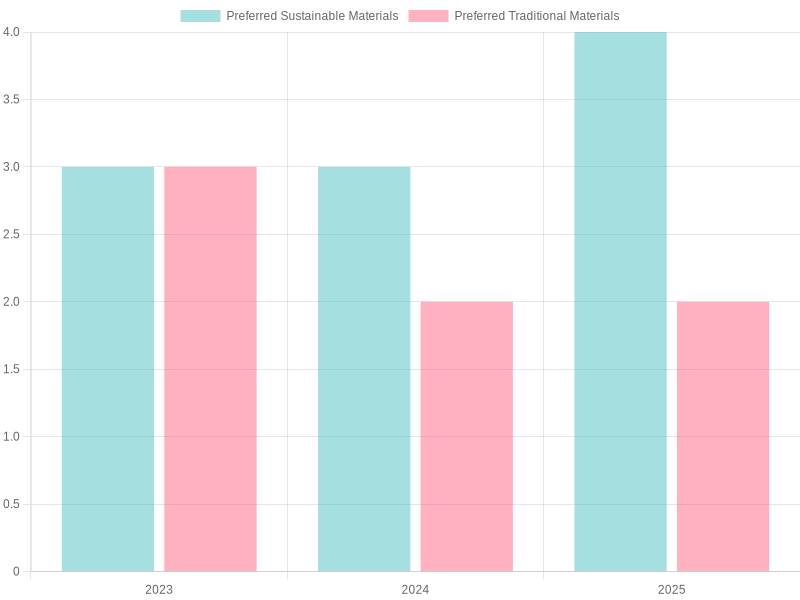
In recent years, the tote bag market has witnessed a significant shift in material preferences among consumers. As sustainability becomes increasingly important, many buyers are opting for eco-friendly materials such as recycled fabrics, organic cotton, and jute. Here are some key points regarding these trends:
- Preferred Sustainable Materials: The rise in popularity of sustainable materials like recycled polyester and organic cotton has made them top choices for tote bags.
- Market Drivers: Environmental concerns and a growing awareness of sustainable practices are driving consumer choices. In fact, statistics show that 67% of consumers prioritize sustainability in their purchase decisions.
This visual representation of the trends (as shown in the chart above) highlights the increasing preference for sustainable tote bag materials compared to traditional options from 2023 to 2025.
For more insights on specific tote bags you might consider, check out Tote Bags Trending and details about various tote styles and brands.
Conclusion
Throughout this article, we delved into the various materials that make up tote bags and their significance for business owners. The choice of materials-whether it be durable cotton, eco-friendly jute, or innovative synthetic blends-directly impacts not only the practicality of the bags but also the underlying brand messaging. High-quality materials enhance product longevity and promote sustainability, which resonates with modern consumers. According to a study, 73% of consumers are more inclined to support businesses that leverage sustainable materials in their products, thereby establishing a direct link between material choice and brand loyalty.
By opting for materials that signal environmental responsibility and durability, business owners can elevate their brand’s perception. Premium materials are not just about aesthetics; they play a crucial role in how consumers engage with the brand. Whether through a tactile experience or visual appeal, the choice of tote bag material serves as a medium through which brands communicate their values and foster emotional connections with customers.
Business owners are invited to highly consider the implications of their material choices. Every tote bag distributed can act as a walking advertisement, cultivating customer engagement and loyalty through practical and aesthetic appeal. As we reflect on these considerations, let us remind ourselves of our responsibility-to create not just a product, but an experience that resonates with our customers.
For further exploration on creative avenues for business, consider the culinary delights offered by pizza trucks at truckpizza.net. Discover how mobility, quality, and convenience can integrate into your business model!
In the realm of sustainable fashion, the choice of materials is paramount. Renowned designer Stella McCartney emphasizes this necessity, stating, “I believe that fashion can be beautiful and responsible. We must use sustainable materials to protect our planet.” This quote beautifully captures the essence of sustainable practices in fashion, urging businesses to rethink their material choices, particularly regarding products like tote bags which have become a staple in everyday life.
When business owners source tote bags, it’s crucial to understand that materials such as organic cotton, recycled polyester, and even bio-fabricated textiles not only reduce environmental impact but also resonate with today’s eco-conscious consumers. McCartney’s call to action aligns perfectly with current market trends, where the demand for eco-friendly products is on the rise. By prioritizing sustainable materials, businesses can contribute to a healthier planet while enhancing their brand image and appeal.
For more insights on tote bags made from various materials, check out our guides on women’s canvas tote bags and laptop tote bags.
This discussion underlines the vital role that material selection plays in product success and sustainability.