

Introduction
In recent years, acrylic painting on tote bags has surged in popularity, becoming a creative outlet for many artists and enthusiasts. This art form not only allows for individual expression but also provides a unique way for business owners to customize their merchandise and promotional gear. However, to ensure that these beautifully designed tote bags stand the test of time, it is crucial to learn how to seal acrylic paint on tote bags effectively. Sealing the paint not only enhances durability but also protects against wear and tear during everyday use. For business owners looking to offer distinct and customized products, sealing the paint correctly can make a significant difference in customer satisfaction and overall product lifespan. Explore the importance of sealing techniques to keep your designs vibrant and appealing, thus making your tote bags a standout in a competitive market. To delve deeper into selecting the right tote bag for your needs, check out our guide on women’s canvas tote bags and laptop tote bags for women.

Benefits of Sealing Acrylic Paint on Tote Bags
Sealing acrylic paint on tote bags provides business owners with several vital advantages that enhance product durability and visual appeal. Here’s a look at some of the key benefits:
-
Increased Durability: Sealing provides an additional protective layer to the painted surface. This extra barrier helps to resist scuffs, scratches, and overall wear and tear, especially during regular use. This is crucial for branding items that will see a lot of action, ensuring they stay looking fresh and professional longer.
-
Weather Resistance: A sealed bag is more resistant to various weather conditions. Sealing helps prevent water from seeping into the paint, which can cause it to run or smudge. This is particularly important for tote bags that may be used in outdoor settings or during unexpected rains.
-
Extended Lifespan of Artwork: By sealing the acrylic paint, the vibrant colors remain intact longer, resisting fading caused by sunlight exposure or regular washing. This ensures that your brand’s artwork continues to make a strong impression over time.
-
Ease of Cleaning: A sealed tote bag is often easier to clean since the sealant helps repel dirt and stains. This trait is favorable for business owners who want to maintain the cleanliness and presentation of their products without frequent maintenance.
-
Enhanced Aesthetics: Different types of sealants can give a glossy finish or a matte effect, enhancing the visual quality of the artwork. This versatility allows brands to tailor the look of their tote bags according to their brand identity.
For more insights on choosing the right tote bags for your business, check out women’s canvas tote bags or explore various options at laptop tote bags.
By understanding and utilizing these benefits, business owners can ensure their promotional tote bags are not just functional, but also durable and visually appealing for their customers.
Materials Needed for Sealing Acrylic Paint on Tote Bags
When sealing acrylic paint on tote bags, choosing the right materials is crucial to ensure durability and longevity. Below is a detailed list of materials that business owners can consider, covering both affordable and premium options.
1. Types of Sealants
- Fabric Medium: Integrates with acrylic paint, allowing for flexibility and preventing cracking. Affordable option: Liquitex Fabric Medium. Premium option: Golden Soft Gel Gloss.
- Clear Acrylic Sealer Spray: Provides a protective layer and can make the paint water-resistant. Affordable option: Rust-Oleum Clear Matte Spray. Premium option: Krylon Clear Finish.
- Heat Setting Option: Using heat from an iron after painting to seal the paint into the fabric fibers is an effective method. You’ll need parchment paper for this.
2. Brushes and Application Tools
- Paint Brushes: Use flat or angle brushes for larger areas and fine detail brushes for intricate designs. Affordable option: Craft Smart Paint Brushes. Premium option: Princeton Select Artiste Brushes.
- Spray Gun: For applying sealer evenly, consider using a spray gun for a professional finish. Affordable option: HomeRight Finish Max. Premium option: Graco TrueCoat Pro II.
3. Additional Tools
- Parchment Paper: Useful for heat setting the painted areas.
- Sponge or Rag: To blot sealer for a textured look.
- Palette Knives: Great for mixing paint and medium thoroughly.
4. Safety Gear
- Mask: If using spray sealants, ensure proper ventilation with a mask.
- Gloves: Protect hands from paint and sealants.
By having the right materials on hand, you can ensure high-quality results when sealing acrylic paint on your tote bags. For more tips on choosing tote bags, learn more about designer tote options and their functionality for personal or business use.
| Sealant Type | Price Range ($) | Effectiveness | Drying Time | Recommended Uses |
|---|---|---|---|---|
| Acrylic Sealant | 5 – 15 | High adhesion, water-resistant | 1 – 2 hours | Indoor applications; quick projects |
| Polyurethane Sealant | 15 – 30 | Excellent flexibility and durability | 2 – 4 hours | Outdoor use; high moisture areas |
| Silicone Sealant | 10 – 25 | Good waterproofing but poor adhesion | 12 – 24 hours | Used when moisture resistance is crucial |
Summary of Sealants for Acrylic Paint
-
Acrylic Sealants: Best for adhesion and flexibility, suitable for indoor and outdoor use. They work effectively with acrylic paint, preventing water damage and preserving the paint’s appearance.
-
Polyurethane Sealants: Excellent for both flexibility and durability, often used for outdoor projects. They offer better long-term durability, especially in high-wear areas.
-
Silicone Sealants: Good for waterproofing but may not adhere well to some surfaces. Best suited for situations where moisture resistance is critical.
For more ideas on tote bag styles and their applications, refer to our article on women’s canvas tote bags.
Step-by-Step Guide on Sealing Acrylic Paint on Fabric Tote Bags
For business owners looking to create custom designs on tote bags, sealing acrylic paint is crucial for durability and vibrancy. Here’s a detailed guide on how to effectively seal acrylic paint on tote bags:
1. Choose the Right Paint
Use acrylic fabric paint, as it is specifically designed for textiles and adheres better than regular acrylic paint. This is essential for ensuring that your designs remain intact through washings and wear.
2. Prepare the Fabric
- Clean the Tote Bag: Start with a clean tote bag. If it’s new, wash it to remove any sizing or chemicals that might interfere with paint adhesion.
- Dry Completely: Allow the fabric to dry completely before painting to get the best results.
3. Apply Acrylic Paint
- Use a brush or sponge to apply the paint to the tote bag. Make sure to work in a well-ventilated area and wear gloves to protect your hands.
- Layering: Apply multiple thin layers rather than one thick layer; this technique allows for better drying and avoids cracking. Allow each layer to dry before applying the next.
4. Setting the Paint
- Once the final layer of paint has dried, place a piece of parchment paper or cloth over the painted area.
- Heat Setting: Using an iron set to low heat (without steam), press the iron over the covered area. This helps to heat-set the paint, making it more durable. Make sure to avoid direct contact between the iron and the paint.
5. Use a Fabric Sealant (Optional)
- For extra protection, a fabric sealant can be sprayed over the painted fabric after it has dried and been heat-set. Ensure that the sealant is compatible with both fabric and acrylic paints. Products like Mod Podge Fabric are great options to consider.
6. Care Instructions
- Hand wash the tote bag gently or machine wash it on a delicate cycle in cold water.
- Hang it to dry to preserve the paint and prevent any fading or degrading of the design.
By following these steps, business owners can effectively seal acrylic paint on fabric tote bags, ensuring their custom designs are vibrant and durable. For more options on styles and trends in tote bags, consider exploring women’s canvas tote bags or laptop tote bags.
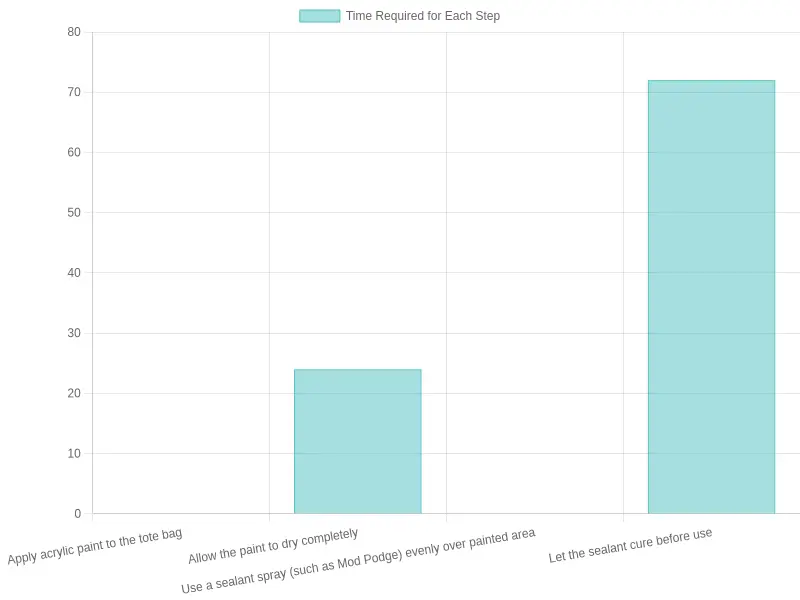
In this image, you can see a visual representation of the steps involved in sealing acrylic paint on a tote bag. Each step is detailed to enhance your understanding of the entire process, ensuring your designs remain vibrant and intact.
- Step 1: Apply acrylic paint to the tote bag.
- Step 2: Allow the paint to dry completely; this typically takes approximately 24 hours.
- Step 3: Use a sealant spray (like Mod Podge) and apply it evenly over the painted area.
- Step 4: Let the sealant cure for at least 72 hours before using the tote bag.
To explore various types of tote bags where this technique can be applied, check out our women’s canvas tote bags or laptop tote bags for women.
Importance of Sealing Acrylic Paint for Business Owners
Sealing acrylic paint is a crucial step for artists and business owners, significantly impacting the durability, appearance, and customer satisfaction of their products. Testimonials and insights from experts in the art community emphasize the benefits of this practice.
According to various sources, artists believe that sealing their work not only preserves the integrity of the art but also enhances its visual appeal:
“Sealing a painting is like putting a protective layer of armor on your artwork.”
– Anonymous Artist
This metaphor vividly illustrates the protective nature of sealants against dust, UV rays, and other environmental factors that can degrade the paint over time. Business owners also recognize that sealed acrylic paintings are more appealing to potential customers and collectors, as they maintain vibrancy and longevity.
Furthermore, an anonymous artist emphasizes the importance of this step in the creative process:
“I always seal my acrylic paintings to ensure they last for years without fading or getting damaged-a protective measure that every artist should prioritize.”
– Anonymous Artist
These insights reflect a consensus in the art community that sealing acrylic paint is not just an optional addition but a necessary step for ensuring quality and customer satisfaction in products. For business owners, this practice can enhance branding, as well-prepared products are likely to attract more positive attention and build customer loyalty.
By adopting effective sealing methods, artists and business owners can create a positive impact on their branding and ultimately enhance customer satisfaction. If you’re looking for more insights on enhancing your tote bags with designs, consider exploring our range of women’s canvas tote bags and how they can be customized with acrylic paints.
In conclusion, sealing acrylic paint is not merely a precaution; it is an essential strategy for anyone looking to enhance durability and reinforce their branding. By applying a protective seal, you ensure that your artistic creations on tote bags withstand the test of time. The sealing process shields your artwork from moisture, UV exposure, and wear, preventing unsightly peeling and fading that can detract from your brand’s image.
For businesses, this means achieving a beautifully finished product that reflects professionalism and attention to quality. A well-sealed tote not only lasts longer but also embodies the very essence of your brand, showcasing vibrant colors and a polished appearance that attracts customers. Plus, sealed surfaces are generally easier to maintain-saving you time and resources in the long run.
So don’t overlook the importance of sealing your acrylic paint. Take action now to protect your investment and elevate your branding. Explore the range of sealing products available at truckpizza.net to find the perfect solutions tailored for your needs. With the right materials, you can ensure that your designs remain striking and durable, helping your business stand out in a crowded market.
Understanding Sealant Longevity for Acrylic Paints
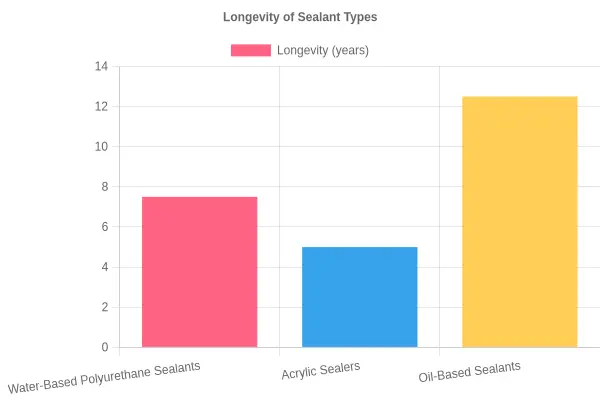
Selecting the right sealant for acrylic paints is crucial for maintaining the longevity and appearance of your projects. Below is a chart that illustrates the longevity of various types of sealants:
Sealant Longevity Chart
| Sealant Type | Longevity (years) |
|---|---|
| Water-Based Polyurethane Sealants | 5-10 |
| Acrylic Sealers | 3-7 |
| Oil-Based Sealants | 10-15 |
Insights for Business Owners
- Water-Based Polyurethane Sealants: These offer a good balance between durability and ease of application, lasting around 5-10 years.
- Acrylic Sealers: These are user-friendly but may last only 3-7 years, making them a less durable option under harsh conditions.
- Oil-Based Sealants: These are the toughest option with a lifespan of about 10-15 years, although they can take longer to dry.
Choosing the right sealant involves considering not just longevity but also how each type performs in your specific environment. For more detailed discussions about tote bags and their care, you can visit Women’s Canvas Tote Bags or explore options like Laptop Tote Bags.