
In an age where sustainability and consumer awareness are at the forefront of business strategies, reusable tote bags have emerged as more than just shopping accessories. They represent a commitment to environmental responsibility while enhancing brand visibility and customer loyalty. The significance of these bags goes beyond their functionality; they are powerful tools for business promotion and customer engagement. This article delves into the quality and sustainability of reusable tote bags, exploring their economic impact on retail, cultural perceptions surrounding their use, promotional opportunities in marketing, and industry trends that shape their future. Each chapter presents insights that will help you understand the value of incorporating reusable tote bags into your business model effectively.
Durability, Materials, and True Sustainability of Reusable Tote Bags
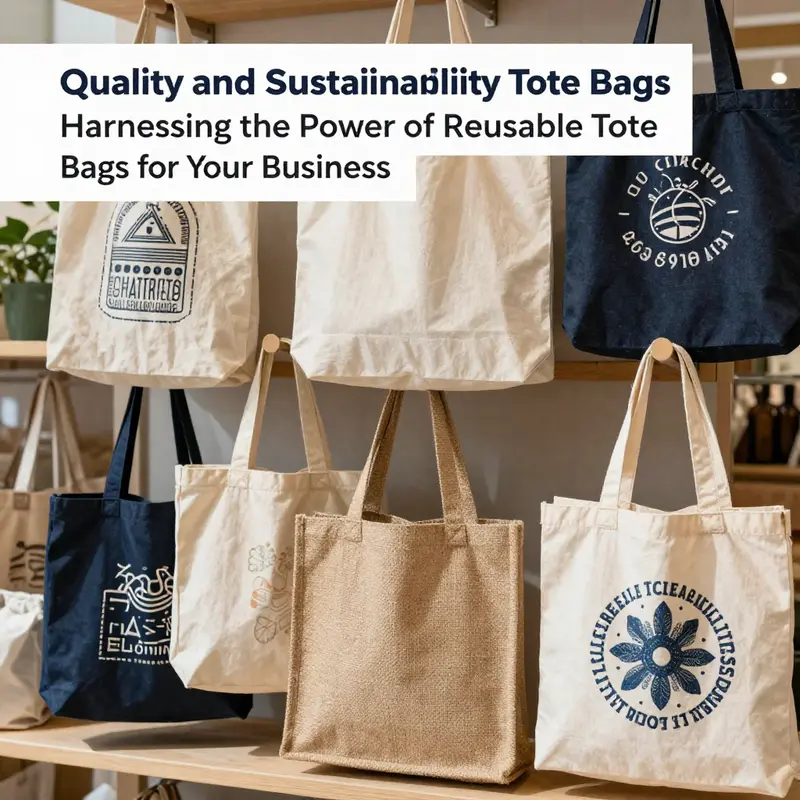
Choosing a tote that lasts is the most direct way to reduce waste. Quality and sustainability are linked. A well-made bag used hundreds of times delivers far greater environmental benefit than a flimsy alternative that is discarded after a few trips. To understand why, you need to look past labels and examine three factors together: the materials used, how the bag is treated over its lifetime, and how it is disposed of when it finally wears out.
Natural fibers like cotton feel familiar and have clear benefits. They are biodegradable and lend themselves to simple, minimalist design. Yet cotton’s sustainability is not automatic. Conventional cotton cultivation uses a lot of water and land, and can involve intensive chemical inputs. Lightweight cotton totes are pleasant to carry, but they tear more easily than heavier fabrics. If a cotton bag is used once and then tossed, its production footprint can eclipse that of many single-use plastic bags. Conversely, heavier woven cotton or canvas holds up for years. That increased lifespan is what changes the environmental math.
Canvas occupies a sweet spot for many users. It is usually a densely woven cotton or cotton blend. That weave adds tensile strength and longevity. Canvas tolerates heavy grocery loads and frequent washing. It resists stretching and keeps shape. For urban errands, work commutes, or promotional giveaways meant to last, canvas often performs best. If you want a practical example of how canvas is applied to everyday styles, see the article on women’s canvas tote bags for inspiration and design hints.
Synthetics, like polyester and polypropylene, bring other advantages. They are lightweight, foldable, and often water-resistant. When made from recycled feedstocks, their overall footprint improves. They also accept vibrant printing and mass customization, which suits large campaigns. But synthetics do not biodegrade in natural settings. If littered or landfilled improperly, they persist for decades. They can also absorb and retain odors, which reduces the frequency of reuse if the bag becomes unpleasant to carry. That is why, for many consumers, a hybrid approach makes sense: a durable, washable natural-fiber bag for heavy loads and a compact recycled-synthetic bag for occasional errands.
How many uses are needed to justify a reusable tote depends on the material and how a consumer cares for it. Researchers have shown that a flimsy cotton bag used once can have a higher carbon footprint than many single-use plastic bags. A stronger canvas bag that is used and washed dozens or hundreds of times will pay back that initial impact. In short, the key metric is uses per lifetime, not the material alone. If your goal is reduced environmental impact, prioritize a bag that you will actually carry every week for years.
Maintenance and hygiene play important roles in both durability and safety. Reusable bags are exposed to food particles, moisture, and repeated handling. Studies have found notable bacterial contamination rates when bags are left unwashed for long periods. Regular cleaning prevents odors and bacterial buildup. Natural fibers tolerate warm-water wash cycles and air drying, though some may shrink if not pre-washed. Synthetic bags often wipe clean or can be machine-washed on gentle cycles. Cleaning extends useful life and encourages continued reuse, which enhances sustainability.
Design choices also affect longevity. Reinforced seams, boxed bottoms, double-stitched handles, and riveted points of stress matter more than fashion trends. Lightweight handles can dig into shoulders when the bag is fully loaded, which reduces comfort and the bag’s practical use. A bag that is comfortable under heavy weight will be used for larger shopping trips, reducing the need for multiple bags. Small features, such as internal pockets or a zip closure, can increase daily utility and the chance that a bag will become a true everyday item.
End-of-life options are often overlooked. Natural fibers will break down under composting conditions over a few years. Synthetics require proper recycling streams to avoid long-term persistence. Look for bags made from recycled fibers, or those that carry certifications demonstrating lower-impact production. If repair is possible, choose it over replacement. Sewing a torn seam or replacing a handle can add months or years to a bag’s life. Recycling or upcycling should be the final step when the bag can no longer serve its purpose.
For organizations ordering bags in bulk for events or promotions, the impulse to minimize unit cost can be strong. But the cheapest option often fails quickly. If the aim is brand visibility and environmental responsibility, investing in higher-quality materials pays off. A durable tote returns value through repeated impressions over time. It also avoids the reputational risk that comes with distributing disposable-looking items that are discarded quickly.
Practical guidance for shoppers centers on three priorities. First, choose a durable construction appropriate to your typical loads. Second, commit to regular care: wash or wipe the bag as needed and repair when possible. Third, plan for the end of life by selecting materials that can be composted, repaired, or recycled locally. Those steps maximize the real-world sustainability of a tote.
True sustainability is behavioral as much as technical. A perfectly sourced bag still fails its promise if it sits unused in a closet. Conversely, a simple, sturdy bag used daily for years reduces single-use waste dramatically. By weighing material trade-offs, attending to care and repair, and choosing disposal paths that match the material, consumers can make informed choices that align with environmental goals. For further detail on lifecycle analysis and recommendations, consult the research from the Green Futures Institute at https://www.greenfuturesinstitute.org/research/eco-tote-sustainability-2026.
Tote Economics: How Reusable Bags Reshape Retail Costs, Marketing, and Market Growth
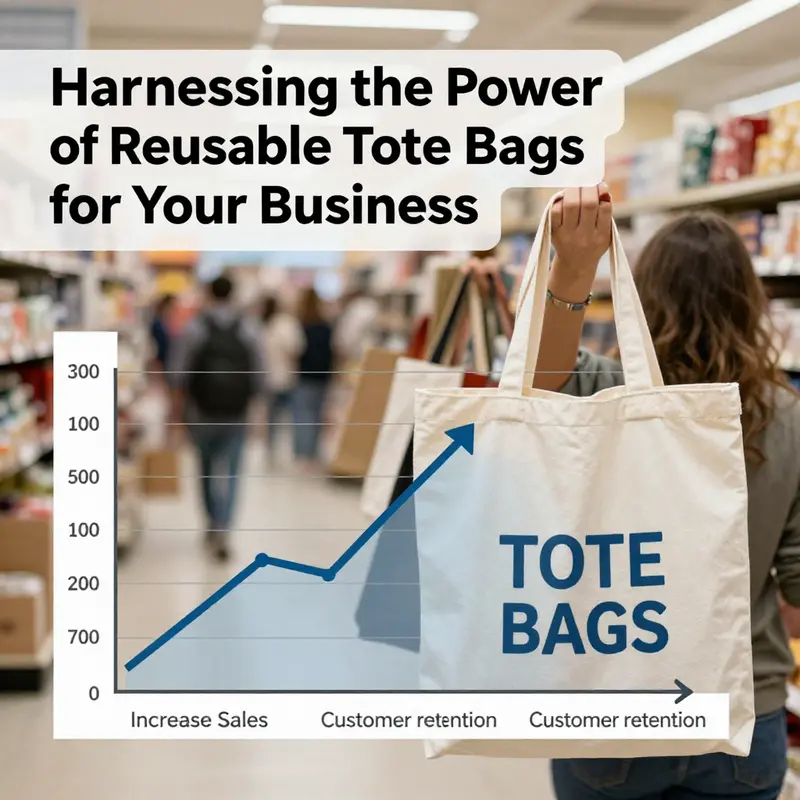
Reusable tote bags have evolved from a simple convenience into a strategic economic lever for retailers. As consumer habits shift and regulations tighten, these bags influence store-level costs, brand exposure, sourcing choices, and long-term profitability. The effect is neither trivial nor one-dimensional; it spans capital outlay, operating expense, customer acquisition, and even municipal waste budgets. This chapter weaves those threads together to show how a seemingly small product can ripple across retail economics.
At the most visible level, reusable totes alter the direct cost picture for retailers. Single-use plastic bag programs often carry explicit and implicit expenses. Where bans or fees exist, retailers pay for alternative packaging or manage compliance costs. Reusable bags require an upfront investment in inventory. Prices range from low-cost non-woven options to sturdier fabrics. A basic bag may cost a retailer a few cents in bulk, while a premium canvas option runs several dollars. The crucial economic question is not the price tag alone but the lifecycle math: how many uses, how much avoided spending on disposables, and what value the bag returns through marketing and loyalty.
Lifecycle analysis favors reuse in many scenarios. A retailer that offers a durable canvas bag can amortize that cost across hundreds of customer interactions. Each reuse reduces the marginal cost of packaging for subsequent purchases. If a customer uses the bag repeatedly, the store saves on the recurring purchase or handling of cheaper alternatives. Furthermore, folding durable bags into loyalty strategies—discounts for bringing a bag, points for sustainable behavior—converts a product cost into an engagement tool. That shift turns an expense into a recurring revenue driver.
Beyond direct savings, reusable bags generate measurable marketing returns. A well-designed tote is mobile advertising. Every carry becomes a passive brand impression in neighborhoods, transit hubs, and workplaces. The effectiveness of this exposure is tied to bag aesthetics, quality, and perceived value. High-quality materials and attractive design increase usage frequency. When a bag functions as a reliable daily accessory, it provides sustained impressions and reinforces brand recognition. Retailers can tailor design choices to target segments, using color, messaging, and co-branding to align with seasonal campaigns or loyalty tiers.
Promotional distribution multiplies the marketing impact. Strategic giveaways—bundled with memberships, rewards, or limited-time offers—reward loyalty and incentivize larger basket sizes. When a bag becomes a collectible or a symbol of membership, it raises perceived value and encourages repeat visits. Retailers that integrate reusable bags into larger promotional ecosystems see a twofold effect: immediate transaction uplift and longer-term customer retention.
Operational dynamics also change. Stocking, storing, and handling reusable totes require different logistics than single-use sacks. Bulk ordering reduces unit cost, but it increases inventory carrying costs. Shelf space and display strategies must balance promotional visibility with day-to-day accessibility. Some retailers adopt foldable designs and point-of-sale compactors to minimize footprint. Others position premium bags near registers as impulse buys. Each choice affects labor, inventory turnover, and sales economics.
Supply chain considerations matter. Sourcing decisions about material and origin affect unit cost, lead times, and quality consistency. Natural fibers command higher unit prices but deliver brand prestige and durability. Recycled materials align with sustainability commitments and can unlock subsidies or tax benefits in certain jurisdictions. Importantly, the supplier ecosystem is expanding. Bulk-priced non-woven options are available at very low unit costs for large orders, while specialty manufacturers offer customization for smaller runs. Retailers that optimize supplier mixes can balance margin pressure with brand objectives.
Pricing strategies for reusable bags vary widely. Some stores subsidize cost to lower consumer friction and increase adoption. Others position bags as premium items that support environmental causes. Hybrid approaches are common: a basic freebie for loyalty members and an up-sell premium for design-conscious shoppers. When paired with clear messaging about environmental impact, even modest price points can seem like investments customers are willing to make. The net economic effect is a blend of immediate revenue from bag sales and softer gains from retained customers and improved brand perception.
On a macro level, market growth amplifies retailer choices. The reusable tote segment has expanded rapidly, driven by consumer awareness and policy shifts. As demand grows, economies of scale reduce unit costs and broaden design options. This trend benefits retailers able to buy at scale and adapt offerings quickly. It also invites competition from private-label collections, limited collaborations, and seasonal runs that keep offerings fresh and commercially interesting.
Public policy shapes the landscape too. Fees, bans, and incentives push consumers and retailers toward reuse. In many regions, regulatory measures reduce the availability of single-use plastics. These policies raise the implicit cost of doing nothing and make investment in reusable solutions more attractive. For retailers, aligning with policy reduces compliance risk and positions them as partners in municipal sustainability efforts. That alignment can also translate into cost avoidance—lower waste disposal fees and fewer regulatory penalties.
The social and environmental returns create secondary economic benefits. Reduced plastic consumption lowers municipal waste management costs over time. Healthier urban environments and cleaner waterways reduce indirect public expenses. Retailers that proactively champion reusable bags can claim part of this narrative. That claim resonates with consumers who weigh corporate responsibility in purchasing decisions, and it can justify price premiums in some segments.
There are strategic pitfalls to avoid. Over-investing in expensive inventory without clear customer demand ties up capital. Underestimating the need for variety and quality can yield promotional failures. Retailers must track usage patterns, customer feedback, and lifecycle metrics. Testing multiple price points and materials allows optimization without heavy upfront risk. Clear communication about bag benefits, combined with incentives for reuse, encourages adoption and reduces wasteful returns.
For retailers plotting next steps, practical moves include bundling reusable bags with loyalty sign-ups, offering tiered designs aligned with customer segments, and integrating wardrobe-quality options into lifestyle assortments. Partnering with local suppliers can reduce lead times and support community narratives. Digital marketing can amplify in-store messaging, linking bag ownership to rewards and social sharing. Measured experimentation yields data that improves future sourcing and promotional choices.
Ultimately, reusable tote bags are more than a replacement for disposable packaging. They are a strategic asset that combines cost management, marketing amplification, and sustainability alignment. The economic landscape favors retailers that treat these products as investments in customer relationships and brand equity, rather than as mere commodities.
Source: https://www.marketsandmarkets.com/Market-Reports/reusable-grocery-tote-bags-market-1039.html
For a practical look at canvas options suitable for retail assortments, see this overview of women’s canvas tote bags: https://alltotebags.com/womens-canvas-tote-bags/
Cultural Currents in the Adoption of Reusable Tote Bags: Aligning Norms, Habits, and Policy
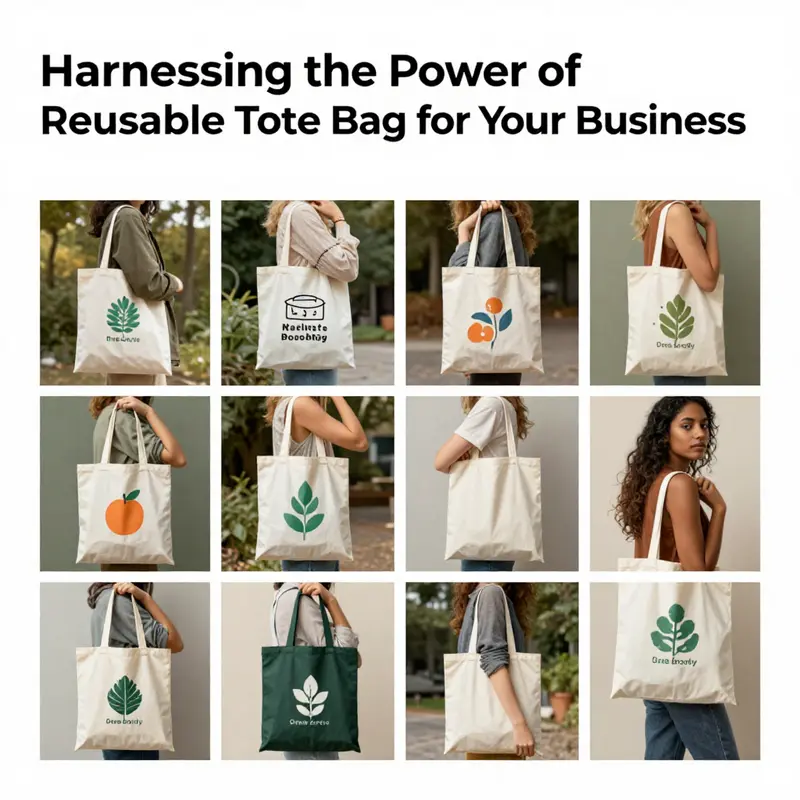
Across markets and households, the adoption of reusable tote bags unfolds as a social theater where values, convenience, and policy intersect. In many places, the act of carrying a bag becomes a signal about responsibility, a small daily ritual that echoes broader commitments to the environment and community. This chapter steps into how cultural perception shapes when, why, and how people embrace reusable totes, and why a single approach cannot fit every context. It invites readers to look beyond product features and toward the social fabric that makes reuse feel like the natural choice rather than an optional add-on.
In Japan, a clear pattern emerges: sustainability is woven into everyday life. In urban centers, more than sixty percent of households prefer using reusable bags when shopping. This preference is not simply a matter of convenience; it reflects long-standing societal values around cleanliness, efficiency, and collective responsibility. A policy environment that curbs single-use bags reinforces this shift. When plastic is constrained at the point of sale, the behavioral payoff of reuse becomes visible and predictable. The bag becomes almost a civic artifact, accompanying countless small transactions with a quiet certainty that stewardship is the normal path. The cultural script here elevates reuse from a good idea to a practical standard, reducing the friction that often accompanies behavior change. People are not only adopting a bag; they are participating in a routine that mirrors a broader commitment to efficient, tidy living and to the idea that personal choices accumulate into public well-being. The result is a culture where being prepared with a sturdy tote aligns with the pace of urban life and the rhythms of daily errands, from groceries to transit-ready outings.
Across Indonesia, the calculus shifts toward a balance between opportunity and constraint. Economic considerations frequently shape decisions about whether a reusable option makes sense in daily practice. Here, non-monetary interventions become a critical lever. Community education campaigns, peer modeling, and messaging that emphasizes local identity and mutual aid can align eco-friendly behaviors with cherished cultural values such as gotong royong, or collective cooperation. In this environment, adopting a reusable bag is less about a trendy habit and more about participating in a shared project—keeping markets cleaner, reducing waste in neighborhoods, and signaling care for family and neighbors. The adoption pathway often runs through social networks: village gatherings, market days, and local schools where trusted figures demonstrate how to carry and care for a bag, how to store it, and how to make reuse a simple, reliable part of daily routines. When the value of reuse resonates with local stories of reciprocity and communal welfare, the act of bringing a tote to the market becomes a small but meaningful act of belonging.
If one looks beyond regional specifics, a more general behavioral insight emerges: a gap often exists between intention and behavior. People may express strong support for environmental protection or for reducing plastic waste, yet actual use of reusable bags can lag behind. Research in psychology highlights that convenience, habit formation, and perceived social norms heavily influence daily choices. Reusable totes must compete with the convenience of disposable options, and the speed of modern life often rewards immediacy over deliberation. The path from intention to habit is accelerated when reuse is the default, not the exception. Simple cues—bags placed in visible, easy-to-reach spots at home, bags ready by the door, or a quick, at-a-glance reminder at checkout—can convert a momentary intention into a routine. Design matters here too: bags that are durable, easy to fold or store, and comfortable to carry become reliable tools rather than burdensome add-ons. When a bag feels like a natural extension of one’s lifestyle, the cultural script shifts from “I should” to “I do.”
Beyond utility, the aesthetic and symbolic resonance of tote bags can reinforce adoption. In many contexts, a bag doubles as a personal statement, a reflection of taste, and an expression of environmental identity. Designers and retailers who honor this social layer by offering durable options, ergonomic handles, and versatile sizes help integrate reuse into everyday life without sacrificing style. Such attention to meaning matters because cultural perception is not merely about knowing the benefits of reuse; it is about seeing oneself as someone who belongs to a community that values waste reduction as part of a shared everyday practice. The challenge for policymakers and brands is to craft messages and products that acknowledge and weave these meanings into practical steps—ensuring the bag remains a trusted ally in daily routines rather than a peripheral accessory.
For readers curious about how bag usage and adoption trends evolve across cultures, the landscape is continually shifting. A look at current trends in tote bag styles and use can illuminate how fashion, function, and cultural norms interact to shape behavior. See the latest developments in tote bags trending.
As the conversation expands, the imperative for culturally tailored strategies becomes clear. A universal blueprint—no matter how well intentioned—will likely underperform in diverse settings. In Japan, reinforcing norms through policy and high-efficiency routines sustains adoption. In Indonesia, aligning reuse with local identity and social networks can turn a practical choice into a shared practice that travels through families and markets. In other regions, the same logic applies in different idioms: meeting people where they are, framing reuse within valued traditions, and reducing effort so that sustainable choices require less willpower and more habit. Retailers and public authorities alike benefit from keeping the door open to regional nuance while maintaining a clear message about the environmental and social benefits of reusing totes. A one-size-fits-all strategy risks missing the subtle but powerful cues that make reuse meaningful to everyday life, cues that are rooted in language, family structure, community norms, and accessible infrastructure.
The practical implication is not merely to sell a bag but to cultivate a social practice. Programs that pair education with free or subsidized distribution, those that place reusable options in convenient locations, and those that celebrate local successes can shorten the path from awareness to action. When communities see peers and leaders model reuse, and when the social environment reinforces that choice through visible norms, the adoption curve rises more quickly and remains durable over time. In short, the cultural perception of reusable totes matters as much as their physical design because perception drives practice, practice reinforces perception, and both together sustain a cleaner, more connected everyday life. External forces—policy, education, community leadership—align with personal meaning to transform a simple accessory into a daily commitment to stewardship.
External reference: https://www.frontiersin.org/articles/10.3389/fpsyg.2022.945123/full
Branding That Carries: Using Reusable Tote Bags to Amplify Marketing and Values
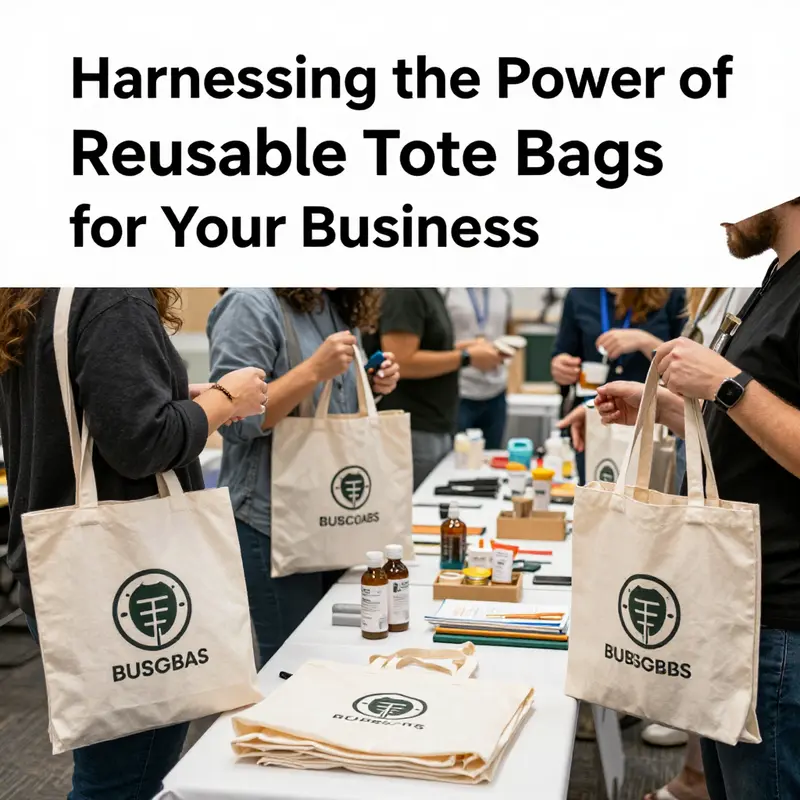
Designs that work and messages that travel
Reusable tote bags are not merely giveaways. They function as mobile billboards, loyalty tokens, and tangible proof of a brand’s values. When planned deliberately, a tote campaign extends far beyond a single event or transaction. The physicality of the bag invites repeated use. Each outing sends the brand into neighborhoods, markets, and offices. This repeated visibility deepens recognition and can shift perception from transactional to trusted.
A successful tote strategy begins with understanding purpose. Is the objective to increase foot traffic, reward repeat customers, or underline sustainability commitments? The answer guides choices about material, size, printing method, and distribution channel. For instance, a compact foldable bag suits urban commuters and event swag. A larger, reinforced tote better serves grocery shoppers and trade-show attendees. Matching the bag’s function to the target user ensures it will be kept and reused.
Material matters in both message and durability. Consumers decode quality quickly. A bag that tears after one use erodes goodwill and wastes marketing spend. Conversely, durable cloth options communicate care and longevity. Choose materials that align with brand promises: certified organic textiles or recycled fibers signal environmental seriousness. Natural fibers offer texture that enhances perceived value. Lightweight synthetics can be practical for promotional drops where volume and cost are primary concerns. Whatever the choice, insist on consistent quality control so every printed logo appears crisp and every seam holds.
Production partners shape the overall campaign more than many marketers realize. Reliable suppliers offer more than low unit costs. They provide consistent color matching, proofing for artwork, and dependable lead times. For seasonal launches or short-window events, choose manufacturers with rapid prototyping and scalable capacity. Evaluate suppliers on production speed, quality consistency, and any sustainability certifications they hold. A partner that helps with compliance and documentation simplifies both procurement and corporate reporting.
Design should be bold and intentional. The available real estate on a tote is valuable, but subtlety often wins. A single, well-placed logo with a clear tagline commands attention without overwhelming. Consider back-of-bag artwork that tells a short story, or an inside label with care instructions plus a QR code. QR codes link back to campaigns, discounts, or sustainability reports. They transform a static promotional item into an interactive touchpoint. Use color contrast for readability and ensure typography is legible at a distance.
Customization increases perceived value. Embroidery, spot UV, and textured inks add tactile interest. These finishes elevate cheaper materials and reward recipients with a sense of exclusivity. When distributing in bulk for large-scale marketing, reserve higher-end finishes for VIP tiers or loyalty rewards. This layered approach protects margins while still creating aspirational items for top customers.
Distribution strategy determines who carries the brand forward. In-store swaps—offer a tote for a small purchase—drive immediate sales and create a ritual around the brand. Event handouts put the brand into the hands of potential advocates. Corporate gifting packages with branded totes position a company as thoughtful and professional. Partnerships with complementary businesses amplify reach. For example, co-branded tote partnerships with lifestyle retailers target engaged audiences and split costs. Retail tie-ins can be tailored to specific customer segments, and targeted distribution boosts relevance and retention.
Measuring impact moves a tote program from feel-good to strategic. Track simple metrics like redemption rates for in-bag coupons, scan rates for QR codes, and traffic uplift in tagged store locations. For broader visibility, estimate impressions by mapping typical reuse contexts—commutes, grocery runs, and campus use. Combine these estimates with survey feedback to measure shifts in brand favorability. Calculate ROI by comparing the lifetime exposure of each bag against the campaign cost. Because totes persist, their value compounds over months or years.
Sustainability should be credible. Labels and marketing statements must reflect real sourcing and lifecycle thinking. Provide care instructions to extend the bag’s life and reduce disposable replacements. Share transparency about materials and production processes to avoid skepticism. When environmental claims are supported with certifications or verifiable supplier data, the promotional item becomes a reflection of corporate integrity.
Creative activations increase both use and storytelling. Run a photo contest encouraging customers to share images of the tote in action. Use unique hashtags and repurpose user-generated content in newsletters and social channels. Implement a refill program where customers trade in single-use items for a discount and a branded tote. Seasonal designs refresh interest and create collectible appeal. Limited-edition prints for special events turn a practical item into an object of desire.
Logistics and packaging complete the experience. A tote that arrives crushed or misprinted becomes a PR problem. Work with suppliers to ensure proper folding, tagging, and protective packing. Branded swing tags with a brief sustainability blurb and a care tip transform packaging into an extension of messaging. Where possible, reduce excess packaging to align physical product sustainability with marketing claims.
Legal and regulatory awareness prevents missteps. Avoid unsupported environmental claims. Ensure labeling meets local requirements for fiber content and care. If using trademarks or co-branding, secure clearance early to prevent delays. Contracts with manufacturers should specify print tolerances, color matching, and remedies for defects.
Finally, treat the tote as a long-term brand asset rather than a disposable expense. Track reuse, gather testimonials, and iterate. Small changes in material, print method, or distribution channel can significantly increase the item’s lifespan and effectiveness. Over time, a consistent tote program builds cumulative recognition. That recognition converts to trust and, ultimately, loyalty.
For an example of supplier options and sample offers that support bulk promotional needs, see this external resource: https://www.alibaba.com/product-detail/Free-Tote-Bag-Samples-Get-Yours-Today_1600483795526.html
For ideas on canvas styles and user preferences, explore this practical guide to women’s canvas tote bags: women’s canvas tote bags.
From Everyday Utility to Sustainable Identity: The Industry Trends Shaping the Future of Reusable Tote Bags
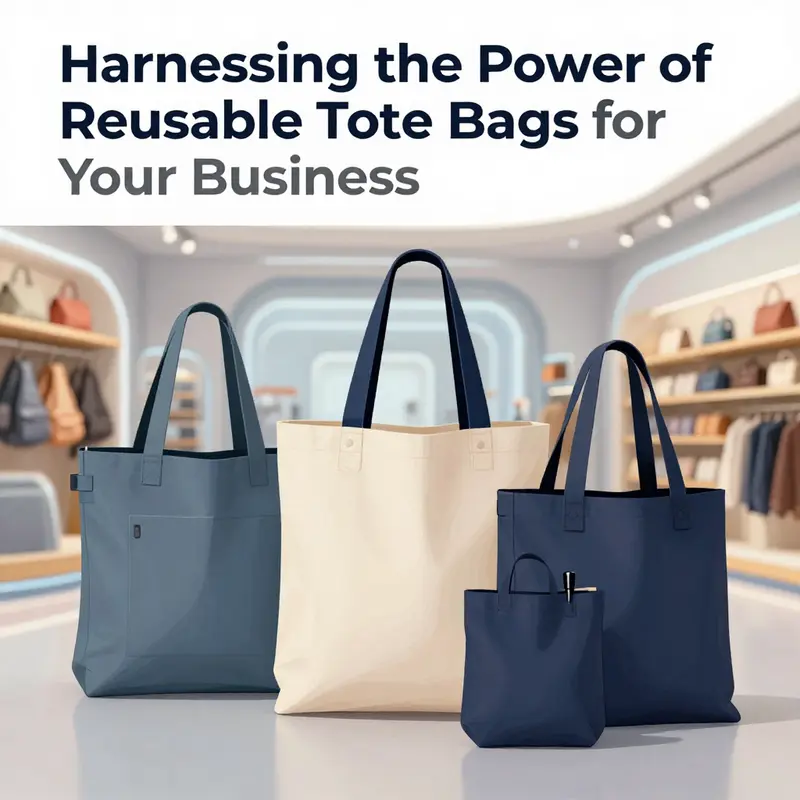
Across many markets, the humble tote bag has moved beyond its original function as a simple shopping companion. It has become a lens through which people view waste, value, and personal identity. The industry is currently in a transformative phase, propelled by a growing conviction that everyday objects should reflect responsibility as much as practicality. Regulatory pressures in diverse regions push both retailers and consumers toward durable, reusable solutions, while heightened environmental awareness sharpens the standard for what counts as responsible production. In this context, the tote bag is not merely a carrier; it is a portable statement about how we choose to live, consume, and contribute to a more circular economy. The market response has been robust, with forecasts calling for sustained expansion from 2026 through the mid-2030s. As more households and organizations adopt reusable options, what we see is less a trend and more a structural shift in how goods are designed, marketed, and valued. For readers tracking the latest developments, a quick dive into the broader landscape of tote bags is available at tote bags trending, an accessible snapshot of what consumers and brands are embracing today while signaling where momentum is headed tomorrow. tote bags trending.
The current wave of growth rests on a few core dynamics. First, consumer values have shifted decisively toward sustainability as a baseline expectation, not a fringe preference. People are increasingly attuned to the lifecycle of the products they buy, and they want goods that endure. This renewed appetite for longevity aligns with minimalist aesthetics that emphasize function over florid branding. By 2025, the market is seeing a move away from loud, maximalist designs toward understated, versatile silhouettes. Durable canvases and recycled fabrics form the backbone of many new designs, favored for their ability to withstand daily wear while remaining visually timeless. This minimalist approach pairs well with the practical realities of modern life—commuting, errand-running, weekend trips—where a single bag can serve multiple roles across different settings. The result is a shift in what counts as value: longevity, adaptability, and a level of understated elegance that resists quick obsolescence. It is precisely this harmonization of durability and discretion that helps explain why the canvas tote, in particular, is positioned to capture a sizable share of the market over the next decade and beyond, reinforcing the idea that a tote can be both capacious and cultivated in its look.
Second, the materials story has evolved into a narrative of responsibility and transparency. Sustainable fashion labels are increasingly exploring biodegradable options, upcycled components, and low-impact production methods that reduce water use, emissions, and waste. A growing segment of the market is pursuing high-quality, low-environmental-footprint options without compromising on tactile appeal or functional performance. In this framework, canvas remains a standout material because of its durability, repairability, and wide range of finishes. The projection that canvas tote design will command a substantial market share—nearly a quarter of the total by 2035—speaks to its enduring appeal. Consumers recognize that a well-made canvas tote can be a daily staple, capable of absorbing groceries, gym wear, books, and bulky purchases while aging gracefully rather than becoming disposable after a season. This durability dovetails with a broader philosophy: investing in fewer, better items that carry personal and cultural meaning rather than chasing fast-fashion turnover.
Third, the industry is intensifying its focus on sourcing, production ethics, and traceability. As brands seek to demonstrate accountability, they increasingly publish information about material origins, factory conditions, and end-of-life options. Consumers respond to these signals with greater trust and willingness to invest in products that align with their values. The result is a virtuous cycle: clearer supply chains encourage better practices, which in turn attract a broader, more conscious customer base. Within this environment, tote bags evolve from mere carriers to hybrid objects—utilitarian but also capable of signaling personal commitments to sustainable living. They become a communications tool as much as a utility item, carried not just for function but to communicate values in a visible, everyday way.
The future of reusable tote bags is also tied to how value is generated in the circular economy. Beyond the initial purchase, brands and retailers are exploring programs that extend the life of a bag through repair services, modular components, or take-back schemes that repurpose old totes into new products. These models address the reality that even durable items wear out or fall out of favor, and a thoughtful end-of-life pathway can preserve value rather than generate waste. In practice, this means more tote bags designed with replaceable parts, easier refurbishment, and the possibility for customers to reimagine a single bag’s use across years rather than discarding it. The practical upshot is a more resilient category, where consumers feel confident that their purchase will not quickly become obsolete.
From a branding perspective, the tote bag’s evolution mirrors broader shifts in how brands communicate responsibility and personality. Promotional totes, non-woven options, and foldable designs have long served corporate campaigns, events, and retail strategies. In a world where the line between product and messaging continues to blur, these items carry a dual purpose: they meet practical needs while broadcasting a brand’s commitment to sustainability. The feasibility of bulk orders at competitive prices makes tote bags appealing for organizations seeking to reinforce their identity while reducing environmental impact. Yet the market is changing in subtler ways as well. Consumers increasingly expect transparency about how a bag is made, what it contains, and how it will be disposed of after use. This expectation pushes suppliers to offer clearer material disclosures, repair guidance, and clear recycling paths, turning a simple carrier into a platform for conversation about ecological integrity and social responsibility.
The cultural dimension of these shifts should not be underestimated. Tote bags are becoming a form of wearable infrastructure, a daily instrument through which people arrange, protect, and present their belongings. This elevates the bag from a mere vessel to a personal asset that can reflect taste, ethics, and lived experience. The minimalist design impulse supports this redefinition by ensuring that the bag remains versatile across contexts—from a quick grocery run to a weekend excursion—so its wearer can rely on it as a steady companion rather than a transient fashion statement. In this sense, the tote bag transcends its original remit and enters the realm of everyday sustainability storytelling. It is no longer enough to claim eco-friendliness; the bag must prove its durability, offer responsible material choices, and align with a transparent supply chain. The market rewards brands that meet these expectations with loyalty, versatility, and a sense of shared purpose.
Looking ahead, the anticipated trajectory of the reusable tote bag market is as much about design philosophy as it is about factory floors. Designers and manufacturers will continue to experiment with textures, weight, and capacity to expand the bag’s comfort and utility without compromising durability. The canvas tote’s projected leadership signals confidence that a simple shape, executed with care, can remain relevant as trends rise and fall. Meanwhile, innovations in recycled or upcycled materials will broaden the palette, enabling bags that feel contemporary without sacrificing the timeless appeal that makes a tote a reliable daily companion. This convergence of style, function, and ethics suggests that future totes will be less about chasing newness and more about refining a durable, responsible, and aesthetically restrained approach to everyday carry.
For readers seeking further evidence of these dynamic forces, the Global tote bags market outlook provides a broad context for how consumer behavior, regulation, and industry innovation interact to shape growth over the next decade and beyond. External perspectives from market research illuminate how the category travels across regions, how price and sustainability incentives influence demand, and how advances in materials and production techniques translate into real-world adoption. In short, the tote bag is evolving into a microcosm of contemporary consumption—a simple object that carries complex ideas about what we value and how we choose to live. To stay connected with the ongoing conversation and to observe the latest shifts in tote bag design and usage, explore current discussions at tote bags trending. You’ll find a living representation of the forces described here: tote bags trending.
External reference: For a broader market perspective on the tote bag category, see the market outlook published by Grand View Research, which analyzes growth drivers, regional dynamics, and long-term projections across 2026–2034: https://www.grandviewresearch.com/industry-analysis/tote-bags-market
Final thoughts
Reusable tote bags are far more than a simple substitute for single-use plastic bags; they embody a growing movement towards sustainability, consumer awareness, and effective marketing strategies. By understanding their quality, economic effects, cultural significance, promotional potential, and industry trends, you can leverage reusable tote bags to not only elevate your brand but also contribute to a healthier planet. The integration of these bags into your business practices can foster customer loyalty, enhance your marketing efforts, and position your brand as a leader in the sustainability movement. As you consider introducing reusable tote bags into your operations, remember that they symbolize your commitment to both your customers and the environment – a powerful combination for any business.