
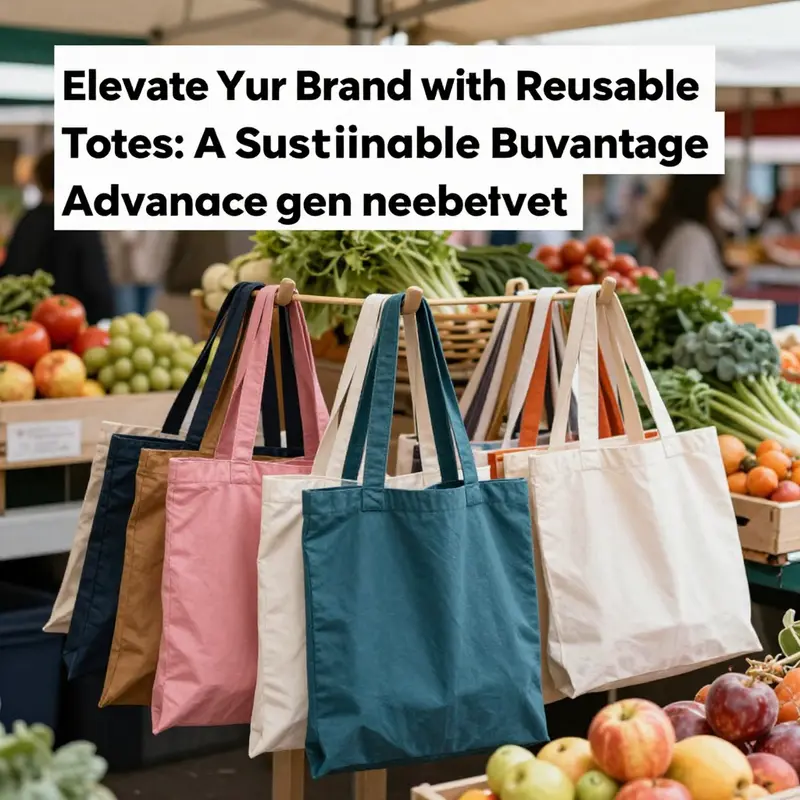
As consumer demand for responsible options grows, reusable totes have become essential tools for brands aiming to showcase sustainability without compromising style or practicality. These bags offer durability, versatility, and opportunities for customization, making them a valuable asset for any business. This article explores why reusable totes are a smart strategic fit and how to maximize their impact across your brand touchpoints.
Built to Last and Ready for Anything: The Durability and Versatility of Reusable Totes

Durability and Design That Fits Everyday Life
A reusable tote earns its place in daily routines when it combines dependable construction with flexible design. Durability matters because a bag that fails quickly becomes waste. Versatility matters because a bag that only fits one task will often be left behind. Together, these qualities determine whether a reusable tote reduces single-use waste or becomes another short-lived accessory. This chapter examines how material choices, construction details, ergonomic design, and intentional maintenance shape a tote’s lifespan and usefulness across daily roles.
Material selection is the foundation. Heavy-weight canvas and oxford cloth often appear at the top of lists because of their woven structure and resistance to tearing. Canvas uses tightly woven fibers that spread loads across many threads. That structure resists punctures and keeps seams from quietly unraveling under strain. Oxford cloth, with its basket-weave pattern, adds water resistance and a degree of abrasion tolerance. Both fabrics balance strength and pliability, which helps them conform to irregular loads without overstressing one spot. Polyester-based fabrics, when densely woven or treated, can match some cotton-based options in tear resistance while adding lighter weight and water repellence. Recycled and repurposed textiles introduce further choices. Jersey knit made from old T-shirts, for example, offers surprising stretch-resistance and softness. It performs well under moderate loads, is machine-washable, and suits casual carry. Yet knit fabrics and some lightweight synthetics can sag under heavy weight and fray at cut edges unless reinforced.
Construction details turn raw materials into reliable gear. Reinforced stitching at the handles and at the bag’s base prevents the most common failure modes. Double-stitching and bartacks at high-stress junctions are small investments that vastly increase usable life. A reinforced base panel distributes weight and keeps corners from wearing thin. Gussets—extra fabric sewn into the sides or bottom—expand capacity and reduce strain on seams by distributing content across more material. Interior reinforcements, like a sewn-in lining or a puckered seam, can prevent thin fabrics from bulging and can protect contents from abrasion. Water-repellent coatings and taped seams raise performance in wet weather, but they can also change how a bag folds and breathes. A coated fabric may resist staining and moisture, but it may also trap odor and limit machine washing. Those trade-offs matter when users expect both durability and low-maintenance care.
Handles and carrying interfaces deserve careful attention. Thin straps concentrate force into narrow lines across the shoulder. That design increases the perceived weight and can dig into skin when a tote carries grocery items. Wide, soft handles distribute load and improve comfort during longer carries. Padded handles or strap sleeves reduce pressure further and protect both the user and the bag’s attachment points. Removable or adjustable straps add versatility by enabling crossbody carry or shoulder carry, shifting weight across larger muscle groups. A well-designed strap system can transform a simple shopper into a commuter bag or a light travel companion. Equally important is the way handles are attached: a long, inset strap that runs down the inside of the bag disperses tension better than a short tab stitched only at the top edge.
Versatile interiors allow one tote to do many jobs. Compartmentalized interiors with zippered pockets or small slip pockets help separate fragile items, keys, and electronics from grocery goods. Ventilated sections or mesh panels are useful for damp gym clothes or produce, letting air escape and reducing odor buildup. A padded sleeve sized for a laptop or tablet turns a casual shopper into a work-ready bag without compromising grocery duty. When choosing between a large open interior and multiple compartments, consider the bag’s primary role and how often you switch tasks. A compromise design, with a roomy main compartment plus a few dedicated pockets, usually gives the best balance for everyday use.
Foldability and packability are essential to real-world adoption. A tote that can be folded into a pocket-sized pouch is more likely to be carried consistently. Thin, tightly woven polyester or nylon often folds small and resists water, making it ideal for backup bags kept in a handbag or car. Conversely, thicker canvas and leather-like panels give structure but take more space when stored. Some designs use removable panels or collapsible frames that maintain shape while allowing compact storage. The trade-off is one of convenience: a highly packable bag is ready when needed, but a structured bag often protects contents better and looks more polished.
Upcycled and DIY options add a sustainability edge while demonstrating that durability is not exclusive to new industrial products. Repurposing old T-shirts into totes leverages the jersey knit’s resilience. Their stretch-resistance, while less than woven canvas, allows them to hold books, light groceries, or daily essentials without immediate failure. DIY construction highlights the importance of finished edges: hemming raw knit fabric, adding interfacing to a base, or reinforcing handles with extra fabric strips can multiply durability. Machine-washable fabrics encourage long-term use because they make maintenance easier. Cleanable totes are more likely to be used again and again, which lowers carbon and resource cost per use.
Long-term durability also depends on how people treat their totes. Regular cleaning, timely repairs, and mindful loading extend life. A few simple habits protect a tote: avoid overloading beyond recommended weight, rinse out residue like oil or sticky substances promptly, and repair a loose seam before it becomes a tear. Small repairs are often simple: a few stitches across a weakened seam, a patch over an abraded corner, or a reinforced handle attachment. Learning a handful of basic sewing techniques converts many potential throwaways into long-serving favorites. For non-sew repairs, heavy-duty fabric glue and iron-on patches serve as temporary fixes that hold until a more permanent repair is possible.
Ergonomics and health intersect with design. Carrying heavy loads in narrow-strapped totes shifts stress onto shoulder and neck muscles. Over time, this can influence posture and contribute to discomfort. For groceries that regularly exceed comfortable carrying weight, wheeled alternatives or shoulder-style bags with long straps can be healthier options. Wider straps and crossbody configurations move weight to larger muscle groups and reduce localized pressure. Thoughtful designers also consider handle length and attachment height; a bag that sits correctly on the carrier’s hip is easier to manage and less likely to pull the body out of alignment.
Performance under environmental stress is part of any durability conversation. Sunlight degrades many fibers over time, so UV exposure can weaken straps and fade fabric. Rain and moisture increase the chance of mildew if a bag cannot dry properly. Abrasion from rough surfaces erodes fabric and finishes. High-quality materials and protective finishes mitigate these effects, but usage habits matter as much as the fabric choice. Storing totes out of direct sunlight, drying them after wet use, and rotating bags to avoid constant exposure will keep them functional longer.
Design decisions introduce trade-offs between longevity and other priorities. A heavy canvas tote might last longer but is bulkier when stored. A light ripstop nylon bag may fold into a thumb-sized pouch but sag under heavy loads. Coated fabrics shed water and stains but may be less breathable. Choosing the right compromise depends on how a bag will be used most often. If grocery runs and carrying produce are the primary tasks, prioritize structured bases and reinforced seams. If commuting and spontaneous shopping trips are common, pick a packable design that fits into an everyday bag.
Aesthetics and customization affect whether a tote continues to be used. People keep and reuse items they enjoy using. A tote that can be personalized—through printing, painting, embroidery, or patches—can become a valued item rather than a disposable commodity. However, customization requires compatible materials. Thick canvas and stable woven fabrics take paint and embroidery well. Lightweight knits and slick synthetics may not accept dye evenly or can fray during stitching. Choosing a fabric that matches both the intended customization methods and durability needs helps produce a bag that lasts and stays loved.
The environmental calculus of a tote’s impact hinges on use. A robust bag that sees frequent reuse spreads its production footprint over many trips. Conversely, a high-impact material used infrequently may have a greater environmental cost per use than short-lived single-use options. The most sustainable outcome emerges from a bag that fits daily habits and remains serviceable over years. Durable design, repairability, and ease of cleaning all support that outcome. When a bag becomes repairable rather than disposable, it shifts the consumption pattern toward longevity.
From a design perspective, the most successful reusable totes combine a few consistent elements: a sturdy base, reinforced handle attachments, a manageable balance between structure and packability, and at least minimal organizational features. A small pocket for keys and a secure closure for valuables raise everyday usefulness without complicating the bag. Added features—removable inner panels, ventilated pockets, padded sleeves—broaden the tote’s scope, enabling owners to use the same bag for groceries, gym gear, school supplies, or commuting.
Maintenance considerations close the loop between durability and versatility. Many durable fabrics tolerate machine washing, yet repeated cycles may soften fibers and fade colors. For heavier materials, spot cleaning and gentle hand washing often preserve fiber strength longer. When washing is necessary, using mild detergents and avoiding high heat drying prevents shrinkage and fiber breakdown. For coated or treated fabrics, follow the manufacturer’s guidance to avoid stripping protective finishes. Regular inspection of stress points, like handle bases and corners, highlights wear before catastrophic failure. Simple stocking of repair supplies—thread, a needle, patch material—encourages prompt mending and prolongs service life.
Ultimately, a reusable tote’s value rests in how well it integrates into routine. Durable materials and careful construction make a bag capable. Thoughtful design choices make it adaptable. Repairability and easy maintenance keep it active. A tote that folds into a pocket but can also support a heavy library run, that offers a ventilated pocket for damp clothes and a padded sleeve for a device, becomes a constant companion. Such a bag displaces many single-use alternatives and supports a more circular approach to belongings. Its real success is measured not in marketing claims but in the repeated choices of its owner: reaching for it first, mending it when needed, and using it until it can no longer be repaired.
For practical guidance on selecting sturdy woven options tailored to everyday carry, see this resource on women’s canvas tote bags. For further reading on repurposing textiles into durable, washable weekend bags, the following article provides a useful perspective: https://www.reuters.com/business/sustainability/repurposing-old-t-shirts-reusable-tote-bags-2025-12-10/
Design Principles That Make Reusable Totes Practical and Sustainable

Design Principles That Make Reusable Totes Practical and Sustainable
Designing a reusable tote that people actually carry means blending engineering, material science, ergonomics, and human behavior into a single object. A tote that looks good but fails at the grocery store, or a rugged canvas bag that never leaves the closet, does nothing to reduce plastic waste. The most effective designs solve real use problems and make reuse effortless. This chapter walks through the design choices that matter most, explains why they matter, and shows how small trade-offs create big gains in longevity, comfort, and environmental performance.
Start with materials. Material choice drives durability, end-of-life options, and user perception. Organic cotton and recycled polyester are the most defensible options for mainstream reusable totes. Organic cotton offers low-toxicity processing and compostability when certified and untreated. Recycled polyester diverts plastic waste and reduces reliance on virgin feedstocks. Avoid conventional non-woven polypropylene when the goal is long-term sustainability, unless it is part of a closed-loop take-back and recycling program. Select fabrics that tolerate machine washing and maintain shape across repeated cycles. For customization or printing, prefer tightly woven canvas or stable twills; they accept inks and dyes cleanly and resist fraying. Lightweight jersey or repurposed T-shirt fabrics have stretch and personality, but they require reinforcement at seams and handles to meet high load needs.
Structural durability must be engineered into the silhouette. Everyday shoppers often carry heavy, irregular loads. A bag that fails at the bottom seam or gives way at the handle creates frustration and waste. Reinforced handles are non-negotiable: wide straps, at least 5 cm across, distribute pressure and prevent cutting into shoulders. Design straps with double or triple stitching at stress points and consider a bar-tack or box-stitch pattern at the handle base. Engineering targets are useful: straps and attachments should tolerate tensile forces around 200 N to provide a comfortable safety margin. Bottom reinforcement matters as much as handles. A double-layered base or an insertable panel preserves shape and spreads weight across the bag. An “S”-shaped stitch pattern or a boxed, double-stitched bottom increases load distribution and helps a tote safely carry up to about 15 kg without strain.
Seam construction dictates longevity. Regular machine wash cycles, wet loads, and repeated folding stress seams. Adopt three-layer stitching—with an inner seam tape or binding at key joints—to prevent seam failure. Use durable thread such as bonded polyester or recycled polyester thread, which resists abrasion and wet breakage. Simple design decisions, like extending seam allowances and hiding raw edges, reduce fray and prolong useful life. Test prototypes through 50-plus machine wash cycles and tensile tests; a bag that endures domestic care is far more likely to remain in circulation for years.
Dimensions and capacity must fit typical errands while avoiding overbuilt bulk. A widely effective size is roughly 45 cm wide, 35 cm high, and 15 cm deep, which yields around 24.5 liters. That volume comfortably holds a week’s groceries for a single person or everyday items for commuters. Aim for a useful load target of 10–15 kg in everyday configurations. Larger weekend totes and market bags can expand dimensions, but keep handles and reinforcements proportionate to the intended load. Avoid excessively long straps that encourage one-shoulder carry when heavy; instead, offer a mid-length strap for hand or shoulder carry and an adjustable longer strap for crossbody use when needed.
Portability and compact storage directly influence whether the bag gets used. Even the most durable tote fails to reduce plastic waste if it’s left at home. Integrate a compact storage solution into the design. A built-in folding pouch, a snap-secured roll, or a zippered pocket that converts into a pouch reduces folded volume to something like 8 x 8 cm. That small size fits in a purse or pocket and removes the friction of remembering the bag. Encourage habitual carriage through simple triggers: a loop that attaches to a keyring, a magnetic closure that clicks when folded, or a bright internal pocket that doubles as a reminder to bring the bag.
Manufacturing choices affect both the environment and customer experience. Avoid solvent-based inks and finishes that emit VOCs. Water-based and plant-based inks deliver rich color with lower toxic loads. Natural dyeing methods, such as botanical pigments, reduce chemical runoff and produce attractive, subtle tones. When adding prints or eco-messaging, select processes that do not compromise recyclability; avoid plastic-backed labels or multi-material patches that impede composting or recycling.
User-centric features drive daily adoption and satisfaction. Small conveniences add up. Adjustable shoulder straps with a quick-release snap let users adapt the bag to different body types and activities. Interior pockets, including a zippered pocket for keys and wallet, keep essentials organized and reduce rummaging. Mesh side pockets for water bottles or produce bags help separate damp items from dry groceries. Consider adding a discreet loop or clip inside to secure reusable produce bags or a small fold-out mat for placing damp items. Clear, bold messages printed on the exterior can reinforce sustainable behavior. Well-crafted, positive messaging—phrases that invite rather than scold—helps build identity around reuse and can tip habits toward regular use.
Ergonomics matters beyond comfort. Thin, narrow handles concentrate pressure and can lead to shoulder discomfort and poor posture when bags exceed about 10–15 pounds. Wide, padded or woven straps are kinder to soft tissue and encourage two-shoulder carrying. If the tote is intended for heavy grocery loads, suggest pairing it with a secondary device, such as a wheeled shopper or a collapsible cart, to move heavier weights without strain. When designing for fitness or gym uses, include ventilated compartments and odor-resistant linings to keep sweaty items separate and manageable.
Customization and craftability influence the bag’s lifespan. Bags that owners can personalize tend to be treasured and retained. Choose fabrics that accept painting, screen printing, embroidery, or patchwork without rapid degradation. High-quality canvas and twill are excellent substrates for customization. Avoid fabrics that fray uncontrollably or that absorb dye in blotchy ways. If offering a DIY-friendly model, finish the interior seams cleanly to prevent unraveling when embroidered or appliquéd.
Lifecycle thinking must guide every design decision. A truly sustainable tote reduces plastic consumption only when it is used repeatedly. Durability targets—like reuse over 200 times—create a useful benchmark. High-quality models can reasonably last years of regular use, replacing hundreds of single-use plastic bags. Designers should estimate a break-even reuse count that considers material footprints and processing emissions. Communicate this information on labels or tags to help users understand the environmental value of consistent use.
End-of-life planning is often overlooked. Design with disassembly in mind. Use single-material components where possible. Where mixed materials are necessary, make them easy to separate. Avoid lamination or bonded layers that defeat recycling. For natural-fiber bags, provide composting guidance and encourage return to industrial compost facilities where available. For bags that incorporate recycled polyester, include clear instructions about local textile recycling streams and any take-back programs. Labels should use simple icons and concise instructions to guide responsible disposal.
Cost considerations influence adoption. Higher upfront production costs for organic fibers or recycled content can be offset by long-term value. Although initial manufacturing costs may exceed those of inexpensive non-woven bags by around 30%, the total cost per use drops sharply as reuse accumulates. Programs that subsidize distribution, such as employer initiatives or municipal giveaways, increase early adoption and the probability of habit formation. For designers and brands, offering repair kits or replacement parts—such as strap patches or base panels—adds measurable lifespan to the product.
Quality control and testing reduce returns and waste. Establish protocols for wash-fastness, seam strength, strap pull tests, and colorfastness. Simulated use testing—repeated loading and washing cycles—reveals weak points before production. Track failure modes across batches and feed that data into iterative design improvements. Small changes to stitch type, seam allowance, or reinforcement location often solve recurring issues without major cost increases.
Aesthetics and messaging are not frivolous. The visual and tactile appeal of a tote influences whether people carry it. Textured weaves, balanced proportions, and subtle color palettes support a wide range of wardrobe choices. Bold graphic statements can also strengthen social signaling, prompting conversations and reinforcing community norms around reuse. Use typography and imagery that align with sustainable values and avoid greenwashing. Honesty about materials and care instructions builds trust and encourages correct use, which in turn prolongs the bag’s life.
Supply chain transparency and certifications earn trust. When claiming organic or recycled content, secure credible certifications and provide batch-level traceability where possible. Certifications help users and procurement programs make informed decisions. They also provide guardrails for sourcing, ensuring that claimed benefits, such as lower chemical use or responsible water management, are real.
Finally, design for behavior change. A usable tote becomes a habit when it fits into daily routines with minimal friction. Small design choices—an easy-to-find folded pouch, a keyring loop, a sleeve that slides over a bike handle—reduce the steps between intention and action. Reinforcement through messaging and community programs helps convert early trials into durable habits. The environmental benefit relies less on which fiber was chosen and more on whether the bag is used, repaired, and kept in circulation.
Adopting these design principles results in totes that are resilient, comfortable, and genuinely sustainable. When materials, structure, ergonomics, and lifecycle planning align, a reusable tote becomes more than a shopping accessory. It becomes a daily tool for reducing waste and a tangible expression of circular design thinking.
For practical sourcing and supplier options, explore verified wholesale listings for reusable tote production to compare materials and manufacturing capabilities: https://www.alibaba.com/showroom/reusable-tote-bags.html
For inspiration on sturdy, craft-friendly fabrics and styles for regular use, see this resource on women’s canvas tote bags: women’s canvas tote bags.
Habit as Hardware: Turning Reusable Totes into Everyday Sustainability

A tote bag is more than a thread and fabric assembled into a carrying container. It can become a partner in daily life, a stubbornly quiet instrument for sustainability, and a reliable reminder that small choices, repeated, accumulate into meaningful change. Picture a city commuter who reaches for a bag before leaving home, a student who slides a tote into a backpack, a shopper who tucks a lightweight, foldable version into the glove box of a car. The recurring act of carrying a bag—not the material it is made from, not the color, not the branding—defines the environmental payoff. In several lifecycle assessments, researchers have shown that the true environmental victory of reusable totes hinges on how often they are used. The numbers matter, and they matter profoundly. Across different materials and designs, reusable bags must be used a substantial number of times before their overall environmental footprint becomes smaller than that of single-use alternatives such as paper or plastic bags. A range often cited in studies extends from eleven to forty-two uses, depending on the material and the system surrounding reuse. This is not a trivial threshold; it sits at the heart of why a tote is valued not for its novelty, but for its ability to be a dependable practice, a habit worth maintaining day in and day out.
The environmental work of tote bags flows from a simple but powerful idea: sustainability is not about swapping one material for another; it is about changing behavior in a way that reduces waste and resource extraction over time. This distinction is crucial, because the early stages of a tote’s life—how it is produced, the energy that goes into making it, and the resources consumed during manufacture—can be costly. Yet, if that initial cost is spread across hundreds of uses, the per-use impact drops, and the bag’s life becomes a net positive for the environment. This is the perspective emphasized by researchers who study sustainable materials and consumer behavior. Dr. Amara Wilson, a Sustainable Materials Researcher at the University of British Columbia, underscores a core truth: “single-use alternatives shift the burden from waste to resource extraction.” What this means in practice is that the benefit of reusable options accrues not merely from owning the bag but from embracing a pattern of reuse that minimizes the demand for new resources over time. The environmental story, then, is not just about the bag itself—it is about the daily rituals that surround it, the way it is carried, stored, and remembered in everyday life.
This is where the numbers from lifecycle analyses offer a grounded compass. When considering materials like cotton or polypropylene, the math becomes a guiding framework for decisions that feel personal and practical rather than abstract. A cotton tote, for example, has a high upfront environmental cost in terms of energy and resources. However, its long-run value is unlocked only through sustained use; it needs to be reused approximately 131 times to achieve parity with a single-use plastic bag in terms of environmental performance. Polypropylene totes, by contrast, show a much more favorable threshold—needing roughly 11 uses to realize comparable benefits. These figures are not merely statistical curiosities; they translate into real choices about how people integrate totes into their lives. If a cotton tote is used dozens of times and then discarded, its environmental cost per use remains high. If that same tote becomes a daily companion for years, its footprint per use can drop well below that of disposable bags. The balance between cost, durability, and habitual use thus becomes a practical calculation that shoppers can make without requiring perfect memory or flawless efficiency.
The health and usability dimensions of tote design also shape daily adoption. A tote with extremely thin handles may save fabric weight, but it can impose discomfort when the bag carries heavier loads. When a bag weighs down the shoulders—especially beyond ten to fifteen pounds—a cascade of ergonomic concerns can emerge, from shoulder strain to suboptimal posture that, over time, translates into back and neck discomfort. In some contexts, people might shift toward alternatives that reduce muscular effort, such as foldable grocery carts with wheels and extendable handles. These designs employ mechanical advantages that help maintain a neutral spine and lessen strain on the lower back, particularly when groceries or books accumulate. Yet the most sustainable option remains the one that a person actually carries—and keeps carrying—into every trip. The better a tote fits into a person’s routine, the more likely it is to be used regularly, and the more likely it is to deliver the intended environmental benefit.
The daily practice of reuse rests on a set of simple, repeatable habits. The first is familiarity: carrying a tote should be as automatic as grabbing keys or a phone before leaving the house. People who build the habit of bringing a bag with them—by tucking one into a purse, a jacket pocket, or a backpack—dramatically increase the odds that the bag will be used on every shopping trip or library run. The second habit is accessibility: a bag that is easy to locate, easy to unfold, and easy to stash back away after use is a bag that will be used again and again. This logic often leads to practical recommendations: store a tote in a ready-to-grab location, such as a car door pocket, a backpack’s outer sleeve, or a kitchen hook near the door. The small act of having the bag near the door reduces the cognitive load of remembering it. The third habit concerns habit adoption itself: people are more likely to reuse a bag if they perceive a clear purpose for it on a daily basis. When a tote feels useful for groceries, books, gym clothes, or beach gear, it earns a permanent place in the routine rather than a casual, occasional role.
For those who want to curate a tote’s identity and extend its lifespan through customization, material choice matters as much as daily practice. Not every fabric responds well to painting or stitching, and some may absorb dye unevenly or fray over time. The art of selection lies in choosing a high-quality canvas or a sturdy fabric that can endure repeated washing, bending, and loading. A well-chosen canvas tote, for instance, not only withstands heavy loads but also holds color and stitch integrity after multiple launderings. The aesthetic dimension matters, too. A tote that looks and feels sturdy communicates durability, which in turn reinforces the belief that it is worth using again and again. When people invest time in customizing a bag—a tote that reflects personal style, values, or community identity—the tote becomes more than a utilitarian object. It becomes a personal symbol of a commitment to reuse, a small but meaningful reminder of a broader goal.
A consistent reuse pattern also hinges on the social and infrastructural environment surrounding the tote. Community norms, incentives, and even policy measures can influence how often people reach for their bag. When reuse is encouraged through convenient access, social support, and tangible rewards, the likelihood of repeated use increases. In such contexts, the tote becomes part of a larger system of sustainable behavior, a habit that is reinforced by everyday cues and reinforced by institutions that value waste reduction. This is not a theoretical dream; it translates into practical steps: carrying totes regularly, storing them in vehicles or backpacks for easy access, and encouraging broader community engagement through neighborhood challenges, school programs, or local incentives that reward consistent reuse. The message is simple but powerful: when the bag is part of the flow of daily life, it contributes to change in a way that is both measurable and enduring.
To illustrate how these ideas take shape in everyday settings, consider the ways a community might celebrate tote reuse without requiring people to become perfect recyclers overnight. The path of greater sustainability is a relay, not a sprint. Individuals pass the baton to each other as they share tips on where to keep bags, how to fold a tote into a purse or a laptop sleeve, and how to wash and maintain fabrics so they last longer. The goal is to remove barriers to reuse rather than to broker a perfect system overnight. In practice, this means giving people simple tools: a tote that folds into a compact shape for pockets or purses, a robust bag that can carry books and groceries, and a design that resists wear so it continues to feel reliable after repeated use. It also means acknowledging that the initial cost and complexity of choosing durable materials can be offset by the long-term benefits when a bag is used consistently over months and years. In this light, the tote becomes part of a personal and communal program of mindful consumption, a practical embodiment of sustainability that is accessible, repeatable, and empowering.
This is where the broader landscape of reuse meets the everyday realities of shopping, learning, and commuting. The tote must be more than an object on a shelf; it must be a companion that people remember to bring, even on the busiest days. It should be lightweight enough to carry without fatigue but sturdy enough to withstand repeated trips to the grocery store, the library, or the farmers market. It should offer enough versatility to replace several single-use items without surrendering the convenience that makes daily use feasible. And it should be designed in a way that invites personalization and care, so the bag feels less like a disposable tool and more like a durable partner in the journey toward lower waste and more mindful consumption. When these elements align, the environmental benefits become a natural outcome of everyday routines rather than a separate, add-on calculation.
The research landscape continues to evolve alongside consumer behavior and material science. Innovations in durable, lightweight, and recyclable materials hold promise for further improving the sustainability profile of reusable totes. At the same time, the concept of reusable packaging is gaining traction as a broader strategy for reducing waste, provided that the systems for return, cleaning, and redistribution are well designed. In practical terms, this means investments in simple, scalable methods for keeping totes clean and ready for reuse, as well as community and business models that support ongoing circulation rather than single-use disposal. If the goal is to maximize reuse, then the entire lifecycle—from production to end-of-life management—must be oriented toward facilitating repeated use. This is a shared challenge across producers, retailers, policymakers, and consumers, and it requires aligned incentives, clear expectations, and reliable mechanisms that keep totes in rotation rather than relegating them to the back of a closet or a landfill.
For readers who want to connect these ideas to concrete examples within a broader ecosystem, the conversation around reusable totes can be enriched by exploring how a community of tote enthusiasts frames the practical realities of daily reuse. The conversation is not about achieving perfection but about building a culture of reuse that fits into real lives. The tote, in its many forms and textures, can become a cultural artifact of practical sustainability—an everyday object that carries not only groceries or books but a collective intention to reduce waste and conserve resources. As people experience the benefits of reuse firsthand, they are more likely to carry their totes with them as a routine part of daily life, creating a ripple effect that touches households, schools, workplaces, and local economies. In this sense, the tote is not merely a bag; it is a portable platform for change, a small but resilient instrument that supports a larger shift toward mindful consumption.
Recognizing this potential, some communities and educational settings have encouraged the use of reusable totes through practical prompts and community challenges. The idea is to make reusable bags a visible and valued element of everyday life, something that people notice in themselves and in others. When a tote becomes a familiar sight on the bus, in a classroom, or at a farmers market, it reinforces a shared message: reuse is possible, and it is worth prioritizing. The social dimension of reuse—seeing others practice it, sharing tips, and recognizing the benefits—strengthens individual motivation and helps normalize the habit. With time, the practice of bringing a tote becomes less of a choice and more of a standard, a natural part of the routine that reduces waste with every trip. In this way, sustainability moves from an abstract principle into a practical competence—an everyday skill that people can master just by remembering a bag.
From a design perspective, this chapter’s synthesis points toward a simple truth: the most effective reusable tote is the one you actually use. Durability, comfort, and aesthetic appeal matter, but their value is realized only when people put them to work repeatedly. The path to higher reuse rates is built on three pillars: ease of use, accessibility, and social reinforcement. If a bag folds neatly into a pocket or a glove compartment, can be carried comfortably under heavy loads, and carries a sense of personal or community meaning, it becomes more than a tool—it becomes a habit. The habit then acts as the hardware for sustainability, turning abstract environmental benefits into tangible outcomes through consistent practice. When people feel that reuse is convenient, practical, and personally meaningful, the environmental impact of their daily choices becomes measurably positive.
One striking takeaway from the body of research is the importance of viewing a tote as part of a system rather than as a stand-alone product. The system includes the ways bags are stored, washed, and rotated through families or communities; the incentives offered by organizations or governments to encourage regular use; and the broader design of shopping and urban life that either supports or hinders reuse. A system oriented toward reuse recognizes that a single bag can serve multiple roles—a grocery carrier, a school book tote, a gym bag—without becoming a burden or a liability. In such a system, people do not need to choose between convenience and sustainability; they can have both, because the bag’s design aligns with the rhythms of daily life and the realities of work and school schedules. The result is not a grand revolution but a quiet, sustained improvement: less waste, fewer raw materials consumed, and a culture that values mindful consumption as a reliable everyday practice.
The chapter closes not with a grand proclamation but with a practical invitation. If you are considering a tote for long-term sustainability, start by mapping out how you move through a typical week: which trips could be better served by a reusable bag, how often you forget to bring one, and where a bag could live so that it is easy to grab on the way out the door. Test a few materials and designs to see which feel most comfortable in your routine. Consider customizing a bag in a way that invites pride and personal attachment. And most importantly, cultivate a habit that makes reuse a natural part of your day rather than an extra step. The science supports this approach: reuse frequency drives environmental outcomes. The everyday act of carrying a tote becomes the lever that lowers your ecological footprint, one bag at a time.
For readers seeking to connect with a broader community of tote enthusiasts and to explore practical examples of how people integrate reusable bags into their lives, a related source of interest can be found at the dedicated community pages about women’s canvas tote bags. By exploring how others balance durability, style, and function, readers can gain fresh ideas for their own reuse routines and perhaps discover new ways to personalize a tote while keeping it in steady rotation. The potential for change is real when design, habit, and community reinforce one another, turning a simple bag into a durable ally in the pursuit of sustainability.
External reading can further illuminate the environmental tradeoffs involved in bag use and the broader debate about greener grocery options. For a detailed lifecycle comparison of reusable versus single-use bags, see the external resource: https://www.sciencedirect.com/science/article/pii/S095605422300123X
Final thoughts
Reusable totes offer more than an eco-friendly option; they reinforce your brand identity, improve customer experience, and support sustainable growth when used consistently. By selecting durable materials and thoughtful designs, you create lasting value for both customers and the planet.