

As eco-conscious consumerism grows, reusable tote bags have emerged not only as essential shopping companions but also as powerful branding tools. Designed for durability and repeated use, these bags come in a multitude of materials and styles, perfectly aligning with sustainable and economic values. For business owners, understanding the multifaceted impact of reusable tote bags—from material science to promotional uses—can enhance both environmental responsibility and customer loyalty. This exploration will delve into the material composition, economic impact, promotional benefits, cultural significance, and environmental advantages of reusable tote bags.
Material Science of Reusable Tote Bags
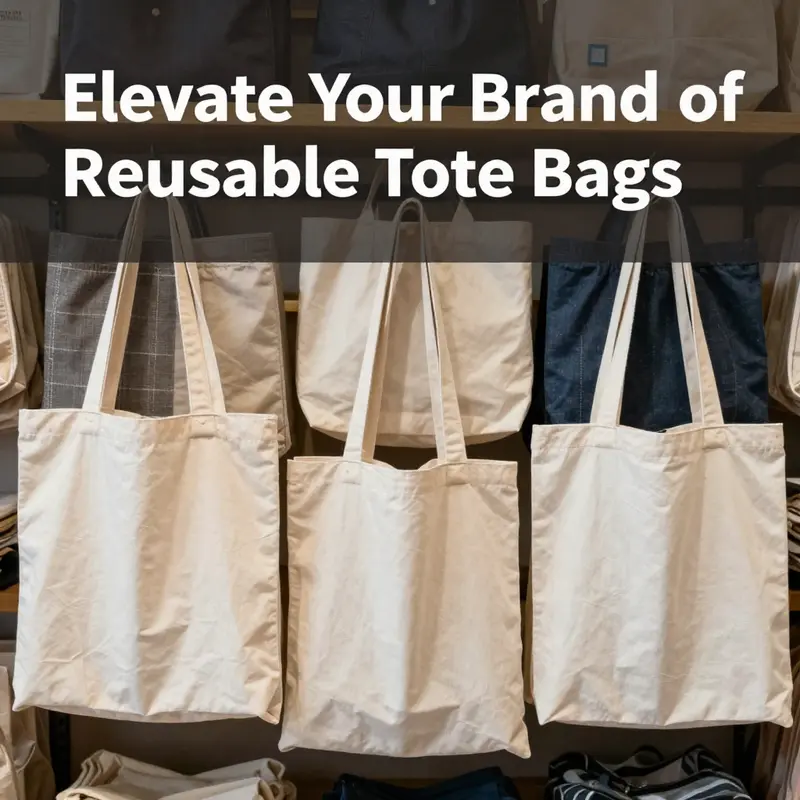
Reusable tote bags sit at the intersection of design, resource use, and lifecycle thinking. The material choice shapes energy and water use from production through daily use and eventual end of life. There is rarely a single winner; instead a spectrum of trade offs that depend on how a bag is made, used, washed, and retired.
Cotton canvas is a familiar option. It is a natural fiber with good strength and a classic feel, and it can be grown without synthetic inputs in some systems. Its biodegradability is a plus, but conventional cotton can demand substantial water and chemical inputs, and even organic cotton still consumes land and irrigation. The sustainability of a cotton tote therefore hinges on how many uses it earns and how it is cared for; with repeated use and proper washing, its footprint can be favorable compared with single-use plastics, but low usage can offset those benefits.
Jute offers biodegradability and a lighter production footprint in some regions. Its natural fiber provides a warm texture and a reasonable strength for everyday tasks. However, like cotton, the overall environmental impact depends on cultivation practices, processing energy, and the number of uses. A jute bag that lasts many cycles can be advantageous, while early replacement reduces those gains.
Recycled polyester, or rPET, diverts post-consumer plastic from landfills and can lower dependence on virgin fossil fuels. It provides good strength and colorfastness, but it is still a synthetic fiber. The lifecycle involves energy use and greenhouse gas emissions tied to fiber production and transport, and microplastic release during washing is a consideration for long-term use and disposal. When the bag is kept in circulation for years and washed repeatedly, rPET can offer strong longevity with a lower climate burden than many virgin plastics.
Non-woven polypropylene, or PP, is lightweight and inexpensive, useful for promotional or short-term uses. Its synthetic origin means its end-of-life fate is not always favorable in traditional recycling streams, and the material’s durability varies with thickness and construction. The environmental case for PP improves with high reuse rates and careful design, but it often requires more conscious end-of-life planning to avoid disposal.
Organic cotton reduces some farming inputs by avoiding synthetic pesticides, but it can still demand meaningful water and land resources. Durability in daily use often matches conventional cotton when well constructed, and long lifetimes can offset higher production inputs. The story, again, comes back to usage patterns, maintenance, and end-of-life choices.
Construction details matter as much as fabric type. Weight capacity, seams, handles, and stress distribution influence real-world performance. A bag with reinforced handles and double stitching may carry heavier loads for longer, while a lighter build may wear out sooner and encourage replacement. The sustainability of any bag improves when design for repair, refurbishment, and end-of-life options are part of the initial plan.
From a lifecycle perspective, the overall environmental impact depends on how a bag is used. A high-quality bag that replaces many single-use items over its life will usually outperform a cheap bag that is discarded after a few uses. Transparent information about energy use, water consumption, durability, repair options, and end-of-life disposal helps consumers and brands make better choices. Clear lifecycle thinking also supports durable design for branding campaigns or everyday errands, aligning material performance with user behavior.
Ultimately, the material science of reusable tote bags shows that sustainability is contextual. The best option depends on real-world use patterns, care practices, and end-of-life routes. The strongest approach blends thoughtful material selection with robust construction, durability, and a clear plan for reuse and end-of-life, so that the bag remains a reliable tool rather than a discarded object.
Everyday Value, Big Impacts: The Economic Footprint of Reusable Tote Bags in Modern Retail

The story of reusable tote bags in retail is as much about money and choices as it is about materials and design. They sit at the intersection of consumer habit, corporate strategy, and policy shifts, quietly reshaping how value is created, measured, and perceived in ordinary shopping trips. Alongside environmental benefits, the economic narrative reveals a chain of effects that travels from the storefront to the factory floor, through consumer wallets, and into brand-building strategies that expand beyond a single purchase. In this chapter, the emphasis is on the financial and strategic ramifications—how a simple bag can influence budgeting, pricing, promotions, and market dynamics across a broad swath of the retail ecosystem.
Market signals over the past decade have underscored a robust, sustained shift toward reusable tote bags. The global market for reusable grocery tote bags was valued at about US$2,100.7 million in 2024 and is projected to climb to roughly US$3,400.3 million by 2035. These figures reflect more than consumer preference; they echo regulatory pressures, retailer policies, and the ongoing redefinition of packaging economics. Retailers and supermarkets account for about 55% of the market share, a position that reinforces the idea that bag policies are not just a courtesy to shoppers but a strategic lever for brand alignment, pricing structure, and store operations. In many regions, the push toward durable, reusable options has become a visible part of a broader move to align cost structures with sustainability goals, while still delivering service quality to customers who expect convenience and reliability.
From a consumer economics standpoint, the initial price tag of a reusable tote is often pointed to as a hurdle. Basic polypropylene models may retail around $0.50, while more premium cotton or insulated versions can range from $5 to $15. That setup invites a straightforward math exercise when households compare ongoing bag expenses. A family that spends about $12 on four bags at $3 each may feel they are laying out a larger initial cost than the “free” single-use plastic option. Yet the true economic math reveals layers beyond simple price-per-bag. If such a family uses the four bags for a year, or two, or several years, they begin to discount the upfront cost against the persistent price of disposable bags and the occasional store-imposed bag fee. A commonly cited scenario illustrates this shift: avoiding the purchase of hundreds of single-use bags over time, and thus carving out savings that accumulate with repeated use. While a single short-term calculation might show a marginal or even negative return, the real value emerges in longevity, resilience, and the absence of ongoing disposal costs. This is the heart of household economics when it comes to reusable totes—the cost is front-loaded, but the savings accrue with durable use and continued adoption, often multiplied by additional household purchases and the convenience of more spacious, organized bags for shopping, travel, and storage.
The economic implications extend beyond the tally on a receipt. Usage patterns matter as much as sticker prices. If a consumer buys four sturdy bags, then uses them repeatedly, the per-use cost drops dramatically as the bags accumulate cycles of load-bearing stress, washing, and daily handling. Retailers respond to this reality by investing in education and design that emphasize longevity, ease of use, and repairability. When bags are designed to endure, they reduce the need for frequent replacements, lowering overall material costs for households and suppliers alike. This durability also translates into logistical advantages for retailers: fewer bag-related returns due to wear, a predictable demand pattern for replacements, and alignment with waste-reduction initiatives that can lower disposal or recycling costs at the store level. In short, durability is a core economic asset, magnifying the value proposition of reusable totes beyond a one-time purchase.
At the same time, the rise of custom, brand-aligned tote designs has opened new pathways for market differentiation and revenue generation. Businesses increasingly turn to reusables not only as a sustainable convenience for customers but as a channel for branding and wholesale opportunities. The market has seen diversification into functional variations—non-woven or canvas, foldable, laptop-friendly, or insulated—designed to attract specific consumer segments and to support in-store campaigns and promotional logistics. Such customization enables brands to extend their identity into the shopper’s daily life, deepening recognition and loyalty while generating new streams of revenue through wholesale and promotional sales. The financial payoff is twofold: stronger customer affinity and greater marketing reach, both of which can translate into higher basket sizes and repeat visits. This evolution also reframes how retailers view packaging as a form of value-added inventory rather than a simple cost of doing business.
The conversation shifts when considering the role of reusable totes in emerging economies, where plastic waste and disposal infrastructure can pose heightened challenges. Reusables offer an economically sensible alternative that can reduce plastic production and waste-management costs while creating local manufacturing and distribution opportunities. In many markets, the move toward reusable bags supports job creation in fabricating, printing, and distributing these items. It also introduces a platform for financially accessible branding, enabling small and medium-sized enterprises to participate in promotional campaigns at scale without the heavy price tag of traditional packaging. The broader economic impact thus extends beyond households to include supply chains, local economies, and the development of sustainable business practices that can scale across sectors.
All of these dynamics—market growth, consumer economics, durability, brand differentiation, and emerging-market impact—come together to shape the strategic decisions retailers must navigate. The path to profitability for tote bags rests on a balance of upfront affordability, long-term durability, and the ability to translate everyday use into tangible business benefits. When a bag is designed to last and intended to be part of a shopper’s routine, it becomes a vehicle for reducing ongoing packaging costs, encouraging sustainable purchases, and strengthening retailer-consumer relationships in a market increasingly attuned to social responsibility.
The economic narrative also includes the subtler but powerful influence of consumer education. When shoppers understand the lifetime cost of a bag versus the recurring expense of disposable options, they become partners in the economics of sustainable shopping. Stores that invest in clear messaging about durability, repair options, and long-term savings tend to foster higher engagement, more consistent usage, and a perception of value that extends beyond the initial price tag. This is a subtle but critical aspect of the business case: the bag is not merely a container but a tool for behavioral change that aligns personal budgeting with a broader commitment to resource stewardship. As demand patterns evolve, retailers can respond with a mix of pricing strategies, promotions for multi-bag purchases, and incentives for customers who bring their own totes, all of which contribute to steadier revenue streams and more predictable inventory planning.
In this evolving landscape, a small, readable truth remains central: the economic impact of reusable tote bags is a function of use. The most successful initiatives marry cost-effectiveness with practical design and effective education, transforming a basic shopping accessory into a reliable, reusable asset. The result is a retail environment where sustainability and profitability reinforce each other, and where the tote bag becomes a quiet but potent catalyst for change—softly reshaping costs, demand, and branding in a way that benefits shoppers, retailers, and the planet alike. For a glance into how the category is trending and to see how design and function intersect in current offerings, explore the overview of tote-bags-trending.
Internal link: tote-bags-trending
For a wider view of market dynamics and the scale of opportunity, external research highlights a broader economic context. The Markets and Markets report provides a comprehensive outlook on how reusable tote bags fit into the evolving retail packaging landscape and underscores the long-term potential for cost savings, innovation, and sustainability-driven growth across regions. This external resource can help frame the strategic considerations described above within a global market trajectory: Markets and Markets report.
Carrying Campaigns: The Promotional Power of Reusable Tote Bags

Promotional uses of reusable tote bags have evolved from a simple give-away to a deliberate, multi-channel strategy that blends utility, aesthetics, and sustainability into a single carrier. The tote’s everyday function makes it a durable, high-visibility canvas for brands seeking to extend the life of a marketing message beyond a single event or purchase. Unlike many promotional items that fade quickly from memory, a well-designed tote can accompany a customer on errands, trips, and daily routines, turning ordinary moments into repeated brand exposures. This continuity is part of what makes tote bags so appealing to marketers who want to keep their message in view without appearing intrusive. The surface area on a tote—its front and back panels, plus perhaps the gusset and handles—provides ample space for logos, color stories, taglines, and even QR codes or URLs, all printed with stable inks or embroidery that resist wear and washing. The result is a moveable billboard that travels far beyond the confines of any single storefront or event venue, a subtle reminder that supports awareness long after the initial interaction. For retailers considering the best balance of durability and style, women’s canvas tote bags offer a compelling option that aligns rustic charm with practical durability, highlighting how material choice can influence perceived value and ease of marketing integration.
The promotional landscape for tote bags blends two enduring forces: practicality and branding. The practicality comes from the tote’s core function—carrying items with confidence, whether groceries, books, gym gear, or beach essentials. That utility translates into long lifespans. A sturdy tote is carried week after week, earning multiple impressions from a single design. When the bag is used in public spaces—on sidewalks, subway platforms, farmers’ markets, and office corridors—it creates a chain of micro-exposures that accumulate as familiarity builds. The branding opportunity rests on the print’s clarity, the bag’s color story, and the material’s texture. A bold, legible logo paired with a restrained color palette tends to resonate more deeply than a crowded graphic. The choice of material matters as well: non-woven polypropylene, cotton canvas, and recycled fabrics each carry different connotations of quality, sustainability, and price, which in turn influence how customers perceive the brand behind the bag.
From a practical standpoint, the surface design of a tote matters as much as its fabric. A high-contrast logo printed large on the front panel captures attention quickly in crowded trade-show halls and busy streets. A secondary message—like a website URL or a short mission statement—can be placed along the lower edge or along the side gussets for discovery during casual handling. The handle design is not merely a comfort feature; it’s a branding element. Thick, reinforced handles offer a tactile cue of reliability, while color-matched or contrasting stitching can echo the brand’s color story. Some campaigns opt for premium touches—canvas textures, water-resistant linings, or top-zip closures—to elevate the perceived value of the bag and, by extension, the brand itself. These details can influence a recipient’s willingness to reuse the bag frequently, reinforcing the promotional message with every reuse rather than a one-off impression.
Beyond the aesthetics and materials, the logistics of tote-based promotions matter. Bulk purchasing for events or campaigns can unlock economies of scale that make a lasting marketing impact feasible for organizations of varying sizes. When orders run into thousands or tens of thousands, suppliers often offer bulk discounts and quicker production timelines, enabling campaigns to launch in sync with product launches, conferences, or seasonal promotions. The ability to customize across large volumes is a key driver of tote bags’ popularity in branding programs. The same merchandise-grade durability that supports daily use also means the bag can serve as a reliable packaging substitute for gifts or post-purchase incentives, extending the campaign’s footprint through the customer journey. In practice, the tote becomes more than a vessel; it becomes a platform for brand storytelling, a walking exhibit of color, form, and promise that users carry with them as they move through daily life.
The most successful tote-based campaigns also recognize the social value of promoting sustainability. Reusable bags align with growing consumer expectations for responsible business practices. When a brand chooses a bag made from durable, recyclable, or recycled materials, the messaging naturally echoes a commitment to reducing waste. The tote’s utility reinforces this ethos: if a customer uses the bag weekly, the brand earns ongoing visibility while contributing to a smaller environmental footprint. This synergy between usefulness and responsibility often yields higher engagement rates, with recipients feeling part of a story bigger than a single purchase. In this context, the bag becomes a tangible symbol of a brand’s values, not just a promotional gimmick. The combination of utility, style, and sustainability is a powerful alignment that supports loyalty, advocacy, and trust over time.
The audience for tote-based promotions is broad and diverse, spanning corporate clients, retailers, schools, nonprofits, and event organizers. Each segment leverages the tote’s flexibility in slightly different ways. A corporate program might integrate tote bags into onboarding kits, conference swag, or client gifts, recognizing the long-term value of a usable, branded item that travels beyond the event itself. Retailers may include tote bags with purchases during holiday weekends or loyalty promotions, turning a simple transaction into a multi-touch experience that encourages repeat visits. Educational institutions and nonprofits frequently use branded totes for fundraising and outreach; a well-designed tote can carry manuals, flyers, or event materials while subtly broadcasting a sustainability message. In sports and fitness contexts, tote bags serve as practical carry-alls for gym gear, water bottles, and towels, extending event sponsorships into daily routines. In every case, the tote’s everyday utility reduces waste while amplifying message retention, creating a win–win equation for both brand and consumer.
To maximize impact, thoughtful design and production choices matter. Color coordination with existing brand palettes ensures cohesion across touchpoints, while typography choices that prioritize legibility at various distances help messages pop in busy environments. Printing techniques—whether screen printing, heat transfer, or embroidery—offer different textures and levels of durability, allowing campaigns to balance cost with longevity. For campaigns that demand a more premium feel, bag construction details—such as reinforced seams, longer straps for shoulder wear, or internal pockets for organization—add perceived value and practical utility. The result is a promotional tool that is not only seen but used, cherished, and shared. As people carry these bags from shopping aisles to social events, the brand’s presence becomes embedded in everyday life, a subtle but consistent reminder that the company stands for something tangible and useful.
The strategic takeaway is clear: reusable tote bags offer more than a momentary touchpoint. They function as multi-use canvases that can be tailored to fit a campaign’s goals, audience preferences, and budget realities. Their portability, visibility, and sustainability credentials create an opportunity to build familiarity without overwhelming the consumer with overt advertising. When integrated thoughtfully into a broader marketing plan, totes can bridge online and offline channels, complementing digital campaigns with a physical reminder that travels with the customer. The result is a harmonious blend of material culture and marketing practice, where a simple bag becomes a conduit for conversation, loyalty, and shared values. As campaigns evolve, tote bags stand as a reliable constant—an enduring, adaptable tool that keeps brands present in the lives of customers in a way that feels natural, not intrusive.
For deeper context on the technical standards and quality benchmarks that can guide promotional tote bag decisions, see the external resource linked below. This resource complements the practical insights discussed here by focusing on engineering considerations and physical properties that influence performance across use cases.
External resource: External standards guide
Carrying Culture Forward: The Significance of Reusable Tote Bags in Tradition, Identity, and Sustainability

Reusable tote bags have shifted from simple carriers to cultural artifacts that travel with people through daily rituals and communal moments. Each bag becomes a small stage where tradition and modern life perform together, a canvas that carries not only groceries but also memory, hope, and sometimes quiet protest. The patterns printed or woven into these bags—be they symbols of luck, fertility, or ancestral artistry—speak to a broader conversation about how we choose to live, what we value, and how we want to be seen in public spaces. In this sense, the bag is not just a tool but a social artifact that holds a mirror to the communities that use it and the individuals who select its design. The everyday act of choosing and carrying a tote connects private lives to wider cultural conversations, turning errands into moments of meaning and shared responsibility for the world we inhabit. As materials evolve from sturdy canvas to resilient recycled textiles and resilient synthetics, the bag becomes a living document of how communities adapt to constraints while maintaining a sense of beauty and purpose in daily practice. The result is a quiet revolution in which sustainability, aesthetics, and belonging reinforce one another every time a shopper heads to the market or a student strolls across campus with a dependable bag in hand.
Within Chinese cultural contexts, the reusable tote often carries a layered grammar of symbolism that transcends mere utility. Traditional motifs such as peaches and pomegranates appear alongside vivid reds, golds, and deep blues. These colors and images are not decoration alone; they encode wishes for health, longevity, and protection against misfortune. When a family carries a tote adorned with these elements during seasonal family gatherings, the bag becomes a portable vessel of blessing, a means for elders to share well‑being across generations while inviting younger members into the ritual of care. The act of selecting such a design is in itself an initiation into a lineage of memory and hope. The bag travels with the family to markets and celebrations, returning filaments of luck and good fortune into the home through every transaction and shared meal that follows. The intersection of color, motif, and material thus crafts a narrative about safety, prosperity, and intergenerational continuity, a narrative that moves from vendor stalls to kitchen tables and back again via everyday use. In this way, a practical object becomes a communal talisman, a tangible reminder that sustainable living can be inseparable from cultural fidelity and family continuity.
Ethnic‑inspired tote bags extend this conversation beyond a single tradition and into a broader landscape of cultural storytelling. Canvas totes that echo African weaving patterns, Indian block prints, or Indigenous designs carry histories, spiritual beliefs, and artistic expression into daily life. They function as portable archives, translating distant histories into familiar, usable forms. Their durability makes them ideal for regular use, while the motifs invite dialogue about origin, technique, and meaning. In cultural events, gifts, and casual exchanges, these bags serve as tangible carriers of pride and memory, sparking conversations about craft, lineage, and the hands that keep these practices alive. For collectors and everyday users alike, the appeal lies not only in texture and color but in the sense of connection a design can foster across communities. When someone reaches for one of these totes, they participate in a larger project of cross‑cultural appreciation, a project that respects while it celebrates difference and shared creativity. The bag thus becomes a bridge that invites respectful exchange and mutual learning, transforming a routine purchase into an act of cultural hospitality and education.
A Cultural Tapestry on Everyday Fabric
Meanwhile, contemporary popular culture has produced another dynamic layer of significance through anime and other narrative genres. Anime themed tote bags—featuring iconic characters and scenes—function as modern identifiers within youth culture. They operate as visual declarations of fandom and as daily reminders of resilience, transformation, and the aspirational values that many stories dramatize. This is not merely consumer activity; it is participation in a living narrative. The tote becomes a portable badge of belonging, a way to signal affiliation with a community that shares values such as perseverance, teamwork, and imaginative exploration. Friends often exchange designs, attend events together, and share stories about the characters they carry, turning ordinary shopping trips into micro‑rituals of social bonding. In this sense, the bag converts into a stage where collective memory is rehearsed and renewed in public spaces, a spontaneous exhibition of identity that is both personal and communal. The canvas becomes a forum for dialogue about taste, loyalty, and the ways media shapes everyday life. The result is a palpable sense of belonging that travels with the wearer, inviting others into conversation rather than imposing a barrier between groups. This participatory culture underscores how a simple object can become a catalyst for shared experience and mutual recognition across generations and genres.
Beyond aesthetics, the rise of these bags mirrors a broader ethical shift toward sustainable living. The cultural significance of reusable totes now rests on their capacity to translate climate concerns into concrete, actionable everyday behavior. The decision to opt for a durable bag rather than single‑use alternatives signals care for resources, a commitment that extends beyond the individual to broader communities. People look for structures that endure, not merely products that look stylish. The tote thus functions as a portable manifesto, a statement that small, consistent choices accumulate into meaningful environmental impact over time. This transformation is reinforced when design and production emphasize responsibility—choices about materials, labor, and end‑of‑life disposal influence how the bag is perceived and used. The cultural weight attached to these bags grows as more people shape their rituals around repair, reuse, and mindful consumption, turning a simple purchase into a contribution to a collective ethos. As awareness expands, tote bags become instruments of ethical living that people trust in the long run, daily reminders to balance style, function, and responsibility.
In this evolving landscape, the tote bag remains dynamic because it serves multiple audiences with different aims. Designers draw on ancestral patterns, contemporary aesthetics, and practical needs to craft artifacts that resonate with diverse publics. Mass production ensures accessibility, yet careful attention to cultural respect keeps the designs meaningful rather than appropriative. This balance between scale and sensitivity is crucial as communities negotiate the meaning of symbols and motifs in a global marketplace. A tote can therefore carry local pride into global circulation, becoming a microcosm of how modern societies negotiate tradition with innovation. The result is an object that does not simply fill a bagan empties space; it fills it with shared intent. It invites people to consider where a design comes from, who made it, and what it stands for in a world where everyday objects increasingly serve as mediums for dialogue and action. The cultural significance of reusable totes then emerges not only from their durability or cost but from their capacity to crystallize values, to narrate collective memory, and to empower individuals to participate in a more conscious, connected form of living.
For readers seeking a deeper sense of how these trends play out in real time, a quick glance at current tote bag trends can illuminate the practical side of this cultural phenomenon. See the tote bags trending page for a glimpse of how color, motif, and form align with evolving social moods and aspirational identities. The page offers a snapshot of what people are choosing and why, reinforcing the idea that a bag is a portable stage for culture, rather than a passive container. This growing interplay between design, culture, and personal choice suggests that the tote will continue to mirror and shape the values we hold dear in the years ahead, carrying both tradition and innovation forward in a single reliable fabric. tote-bags-trending
External resource for further reading: for a broader analysis of how reusable tote bags become modern essentials and how they influence consumer behavior in sustainability, see the external article on sustainability impact of reusable tote bags. External resource: How Reusable Tote Bags Became Modern Essentials
Beyond the Bag: Real-World Environmental Benefits of Reusable Tote Bags
A tote bag is more than a simple carrier: it is a small, everyday instrument in the larger project of sustainable living. Its environmental impact sits at the intersection of design, material choice, and daily habit. When people talk about reusable tote bags, the real question is not only what they are made of or how long they last, but how consistently and thoughtfully they are used. The dialogue shifts from a binary choice—plastic versus reusable—to a dynamic calculation that weighs production impact against the frequency of use. In this sense, a tote bag becomes a living part of a person’s footprint, a device whose true value is earned only through repeated trips to the store, the market, or the curbside pickup. The environmental story of reusable totes hinges on how often they replace disposable bags, how they are cared for, and what materials underpin their durability. When those questions are answered with care, the bags contribute meaningfully to waste reduction and carbon stewardship without demanding heroic behavior from every shopper.
The central idea guiding this chapter is often summarized as the reusability frequency of a bag—the number of times it must be used to surpass the climate and resource impacts of a single-use plastic bag. This figure varies dramatically by material, a fact graphically illustrated by a European environmental study. A cotton tote bag, beloved for its softness and perceived sturdiness, must be used thousands of times before its climate footprint is lower than that of a disposable bag. Specifically, the study found that a cotton tote needs roughly 7,100 uses to reach parity. In contrast, a non-woven polypropylene bag—a sturdy, lighter alternative commonly chosen for its resilience and lower initial cost—requires just 11 to 14 uses to achieve similar global warming potential to a disposable bag. These numbers carry a simple but powerful implication: if a person intends to use a tote bag only on rare occasions, the environmental benefits may be small or even negative. Yet when reuse becomes habitual—when a bag travels along on dozens of shopping trips each week—the collective impact grows meaningful. The math is not just about a single trip; it is about an ongoing routine that replaces many single-use bags with a single durable companion.
This nuance matters because it reframes the conversation around sustainable shopping. It invites consumers to adopt a more intentional norm: keep a tote bag ready and willing for every trip, and treat it with care so that it lasts. Even modest changes in routine—keeping a bag in the car, stashing an extra one in a backpack, or placing a compact tote in a purse for spontaneous errands—can shift the balance from marginal to meaningful. If a household averages two or three grocery runs per week, a durable non-woven tote can quickly accumulate hundreds of uses in a year, years before reaching its end of life. The broader environmental benefit, then, is a function of time and consistency, not merely the initial acquisition. The same logic applies to other uses of totes beyond groceries: carrying personal items, transporting gifts, or organizing a travel kit. Each successful substitution of a single-use bag chips away at the cumulative waste that accumulates in landfills and oceans.
Beyond the carbon tally, several ancillary environmental factors deserve attention. Cotton, while natural, is notably resource-intensive in cultivation. Producing a single cotton tote can require as much as 20,000 liters of water, a statistic that challenges the common assumption that natural materials are automatically superior for the planet. This water footprint does not negate cotton’s value in terms of durability and feel, but it does complicate the decision matrix, especially for consumers in water-scarce regions or those mindful of agricultural sustainability. Conversely, the issue of plastic waste persists even with reusable options. Single-use plastic bags are notorious for their longevity in the environment, where they can persist for centuries and fragment into microplastics that harm wildlife. The Ellen MacArthur Foundation’s recent synthesis highlights that global recycling rates remain disappointingly low, with only a small fraction of plastic ever produced finding its way back into a closed loop. When the lifecycle of a tote is weighed against these realities, the quest for a more sustainable approach becomes less about a single product and more about a system of responsible use and end-of-life choices.
The lifecycle choices that maximize benefit are practical and accessible. First, durability matters: a bag built to endure hundreds, if not thousands, of uses should be chosen where possible. Second, usage matters as much as manufacture. Consumers are encouraged to wash totes sparingly and with cold water, letting them air dry, to minimize energy consumption and preserve fabric integrity. Third, the material choice should reflect a balance between environmental impact and practical use. Polypropylene and recycled polyester blends often offer strong performance with a lower environmental cost per use compared to virgin cotton, especially when the cotton option would be used only sporadically. This is not a blanket prescription against cotton; it is a reminder that the best choice depends on how a bag will be used. For households seeking versatile, everyday options that can keep up with busy lives, durable fabric totes can be a reliable ally, while keeping in mind that longevity and careful maintenance ultimately drive the environmental payoff.
As a practical illustration of how material design informs daily use, consider the wide spectrum of tote options that exist in the market. A thoughtful choice can translate into real-life savings, both economically and ecologically. For instance, a well-constructed non-woven tote with reinforced handles is less prone to tearing under heavy loads, reducing the chance that a bag will be discarded prematurely due to damage. The aesthetic side—colors, prints, and textures—plays a role in encouraging regular use, since people often form attachments to bags that align with their personal style. The balance between form and function is not mere decoration; it helps sustain behavior that keeps disposable bags out of the waste stream.
For readers who want a clearer sense of how material choices translate into everyday practicality, explore options such as fabric tote bags for women, which illustrate how design and textiles impact longevity and daily practicality. fabric tote bags for women offers a window into how varying fabrics, stitch quality, and construction techniques influence the bag’s ability to endure repeated use without failing. This kind of real-world example is invaluable for shoppers who want to invest in a tote that will serve them well across seasons and years. The goal is not merely to own a bag, but to own one that remains useful and visually appealing after long-term use, thereby reinforcing a sustainable habit rather than an impulsive purchase.
The environmental calculus also implies a broader behavioral shift. When reusable totes become the normalized option for nearly every shopping or haul, the cumulative effect extends beyond individual households. Small businesses and organizations that promote tote use—whether for groceries, bookstore purchases, or promotional events—play a crucial role in reinforcing a culture of reuse. The messaging should emphasize durability, practical design, and end-of-life responsibility. Bags that last longer and are easier to recycle at the end of their life cycle contribute to a more circular economy, one in which fewer resources are expended on constant replacement. In this sense, the tote bag is not merely a consumer good; it is a small platform for behavioral change, a tangible step toward reducing the daily generation of plastic waste.
Ultimately, the environmental story of reusable tote bags is one of balance, patience, and deliberate use. The initial ecological cost of producing a bag is only the first chapter in a long narrative. If the bag becomes a constant companion across hundreds of trips, its cumulative impact grows in a favorable direction. If it remains a rarely used novelty, its advantage over single-use plastics may never materialize. The takeaway is straightforward: to harvest the environmental benefits, integrate the tote into regular routines, care for it, choose durable materials when possible, and dispose of it responsibly when it finally reaches the end of its usable life. For a sense of how the material and design choices we make today influence the practicality of reuse tomorrow, the broader field of lifecycle thinking provides a compass that points toward more sustainable everyday choices.
External resource: https://www.mst.dk/en/publications/reusable-shopping-bags/
Final thoughts
Incorporating reusable tote bags into your business model not only illustrates a commitment to sustainability but also enhances your brand image and customer engagement. As consumers become increasingly aware of their choices, businesses that adopt eco-friendly practices will stand out in the competitive retail landscape. By understanding the material science, economic impact, promotional potential, cultural relevance, and environmental benefits of these bags, business owners can make informed decisions that align with both their values and market demands.