
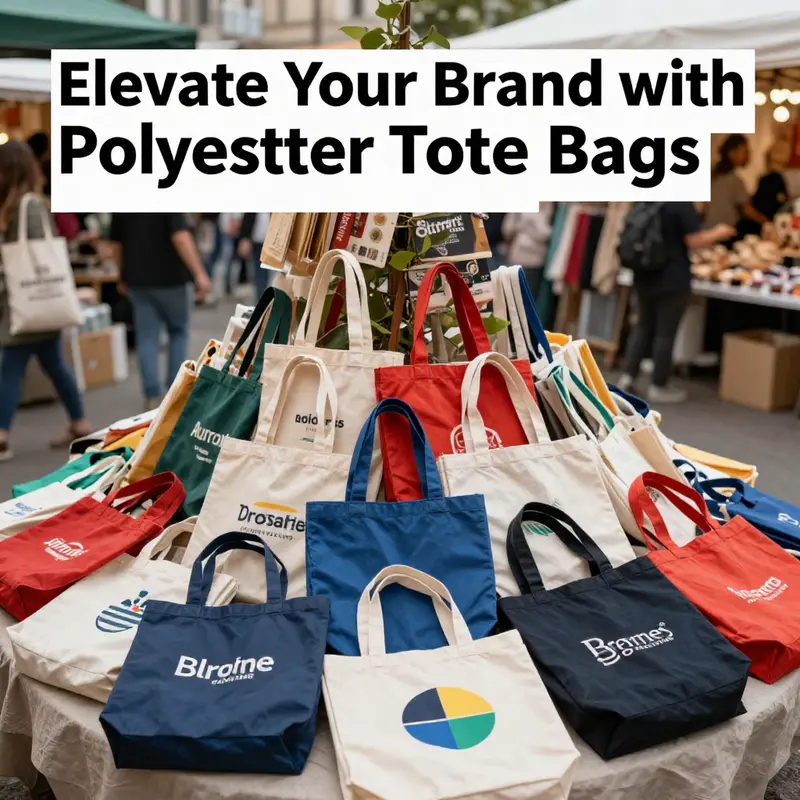
Polyester tote bags have emerged as a staple in both retail and promotional sectors. Their durability, lightweight nature, and customizability make them an appealing choice for businesses looking to enhance brand visibility while also providing a practical solution for customers. In this exploration, we’ll uncover the robustness and versatility of these bags, their economic significance in driving retail and promotional effectiveness, and the societal implications surrounding their environmental impact. Each section will build on the insights of the previous one, creating an in-depth narrative that highlights why polyester tote bags are a key choice for business owners today.
Durability, Design, and Dialogue: The Enduring Craft of Polyester Tote Bags
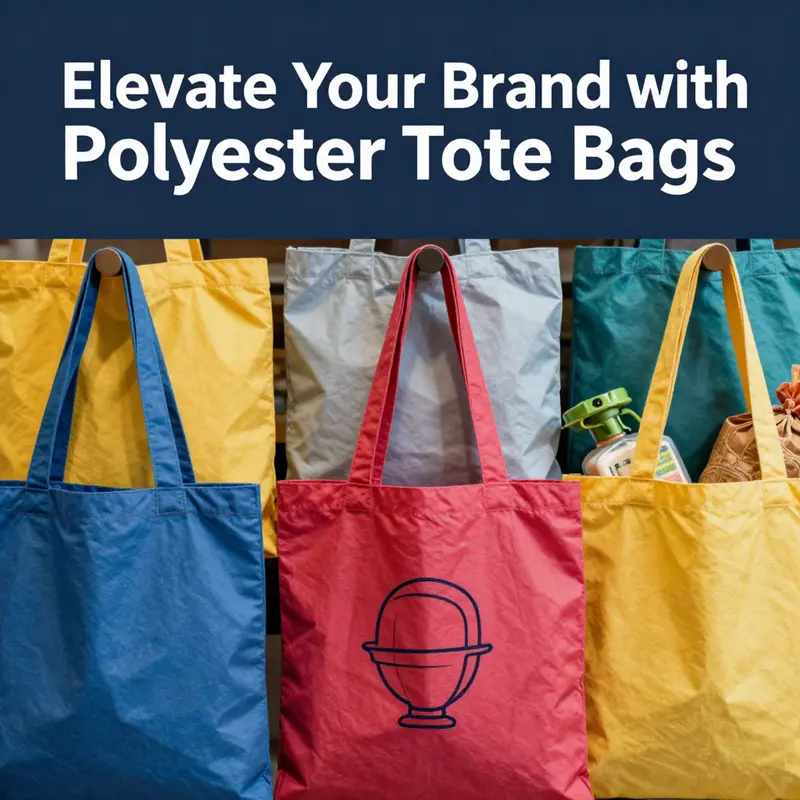
Durability and customization are the twin pillars that define polyester tote bags in today’s markets. They are the workhorse carriers of promotions, everyday errands, and campus or workplace logistics, continuo usly proving their value through practical use and resilient aesthetics. The way these bags endure daily life—how they hold their shape, resist the wear of frequent washing, and carry heavy loads with surprising ease—speaks to a design language that blends engineering with branding. In many accounts, the typical tote offers a generous capacity around ten liters, with comfortable, long handles that enable shoulder carry and steady balance when the bag is loaded with groceries, books, or tools. Aesthetically, the surface of a brandable polyester bag—especially when crafted from 300 denier fabric—reads as smooth and robust, a perfect substrate for vibrant, full-color prints that stay vivid even after repeated exposure to sun and rain. In this landscape, customization is less about decoration and more about dialogue: a bag becomes a portable billboard, a daily companion, and a durable asset bundled with practical features like reinforced bottoms, pockets, and zippers that transform it into a work-ready staple rather than a disposable novelty.
Durability in polyester tote bags is rooted in the chemistry of synthetic fibers. The material’s inherent strength arises from its tightly woven, resilient polymer chains, which resist stretching, abrasion, and moisture far more effectively than natural fibers such as cotton. This resilience becomes evident in real-world testing and in everyday use. Independent laboratory studies have shown that polyester-based bags retain substantial tensile strength after repeated laundering. In a comparative finding, polyester retained around ninety percent of its original tensile strength after fifty wash cycles, a performance that significantly outpaced cotton, which retained roughly sixty percent under the same conditions. This stark difference highlights why many businesses and volunteers choose polyester for items that must survive repeated handling and washing without losing shape, color, and load-bearing capability.
What makes the durability story even more compelling is the option to use recycled polyester, or rPET, in tote construction. rPET is produced from post-consumer plastic bottles, and its use reduces landfill waste while obviating the ongoing need for virgin petroleum to create new fibers. Crucially, rPET can maintain the same mechanical integrity as virgin polyester, so the performance advantages are preserved while the environmental footprint is softened. The adoption of recycled content is a practical step toward a circular economy model for promotional goods and everyday use items. While poly fabrics carry a reputation for being less eco-friendly than some natural fibers, the shift to recycled inputs and closed-loop production processes is reshaping that perception by delivering a product with strong durability, reliable printability, and a diminished guilt factor for sustainability-minded buyers. In the longer arc of product lifecycle, a tote built from durable polyester, especially with recycled content, can outlast several iterations of a less robust bag, making it a favorable option for bulk orders and repeated distribution.
When we turn to customization, the conversation becomes as much about longevity as it is about appearance. Polyester’s fiber structure and its affinity for dye-sublimation printing make it an exceptionally versatile canvas. Sublimation bonds ink directly into the fabric, producing designs that are rich, saturated, and highly resistant to fading, cracking, or peeling through normal use. This durability is not merely a function of pigment adherence; it reflects a deep integration of color into the fabric that holds up under sun exposure and repeated washing. The result is a tote that looks as fresh after ten cycles as it did on day one, preserving brand colors and graphic details with fidelity. This capability is particularly valuable for promotional campaigns where a clear, lasting impression matters as much as the bag’s functional qualities. The enhanced print quality also supports multi-panel designs across the front and back, enabling more complex branding narratives or artwork without sacrificing legibility or color integrity. A common design philosophy in durable, customizable totes is to balance function and form: reinforced bottoms to handle heavy loads, sturdy stitching to resist seam failure, and interior or exterior pockets that organize items without distorting the bag’s silhouette. Such features ensure that the bag remains visually appealing and structurally sound even when loaded with groceries, books, or tools—items that repeatedly test a tote’s limits.
But durability is not merely a matter of strength; it is also about stability under typical environmental stressors. Polyester is notably resistant to a range of stressors that can degrade natural fibers: ultraviolet light, humidity, and mold growth. UV resistance helps prevent fading and material breakdown when a bag spends time outdoors or in bright display environments. Humidity and mold resistance preserve the bag’s integrity and odor profile, which is especially important for bags used in busy daily settings such as groceries, schools, or trade events. These properties translate into lower replacement rates and lower lifecycle costs for organizations that deploy large numbers of promotional bags. The practical upshot is a product that remains usable, legible, and visually compelling for a longer period, which is a core reason why polyester totes frequently appear in bulk purchases for retail packaging, promotional giveaways, and event merchandising.
From a design perspective, the material’s surface quality—its smooth, uniform texture—also supports high-quality, full-color graphics on both sides of the bag. The front-and-back print capability is not incidental; it expands branding opportunities and allows for more complex storytelling around a campaign or institution. While the fabric’s weight and density influence print crispness, the 300 denier thickness offers a robust, smooth surface where colors can load deeply into the textile. The result is a print that remains clear and vibrant after exposure to washing and outdoor conditions. Such attributes are particularly appealing for educational institutions, community programs, and retailers seeking a durable, reusable alternative to disposable bags. In practical terms, this means a tote that can function as a reliable daily carry while simultaneously serving as a long-term brand ambassador.
Of course no material story is complete without noting its constraints. Polyester totes are not biodegradable, and while recycling programs are improving, the environmental profile is not identical to natural fibers. Odor retention can occur, especially if a bag is used to carry aromatic items or is stored in damp spaces. These limitations are not fatal, however; they point to considerations in lifecycle planning and usage practices. Effective solutions often include regular washing with appropriate detergents, air drying away from direct heat, and mindful storage to minimize odor buildup between uses. Recycled-content options partly mitigate environmental concerns by reducing reliance on virgin materials, yet buyers should still weigh end-of-life options when evaluating sustainability trade-offs. The trade-off is clear: outstanding durability and customization potential versus the reality that polyester blends or blends with other fibers may offer different environmental footprints. The evolving landscape of manufacturing and materials science continues to push the balance toward better recycling, lower emissions, and more responsible disposal practices, helping polyester remains a practical option for many organizations seeking reliability alongside branding flexibility.
From a business perspective, the value proposition of polyester tote bags is anchored in scale. For those pursuing bulk customization, the preparation work—design alignment, color management, and material selection—can be streamlined through standardized templates and production workflows. The ability to offer on-demand printing with dye-sublimation services makes it possible to produce small runs with high customization without the cost penalties typically associated with bespoke manufacturing. In practical terms, a brand or organization can plan campaigns that require unique designs for different regions or events while maintaining consistent quality across thousands of units. This capability aligns well with campaign logistics and inventory planning, reducing waste and improving the speed of deployment. The logistics of bulk production are supported by global sourcing platforms that connect buyers with suppliers who can produce polyester tote bags in the required quantities and colorways, ensuring that branding remains consistent from purchase to distribution. Though the formal names of specific services are not the focus here, the underlying principle remains: the blend of durable construction and flexible printing makes polyester totes a reliable backbone for marketing and everyday utility alike.
In aligning product design with marketing strategy, brands frequently seek to integrate functional features that resonate with users’ daily routines. Reinforced bottoms, for instance, are a practical answer to the risk of bag deformation under heavy loads. Such design choices help the bag maintain its shape and support stable carrying even when filled with bulky or sharp-edged items. The inclusion of pockets and zippers can further elevate usability by organizing smaller items and preventing belongings from shifting during transit. These features, paired with the ability to sustain bright, permanent prints, craft a tote that does more than carry goods; it carries a message, a promise of reliability, and a tangible extension of a brand’s identity. In this sense, polyester totes function as both utilitarian tools and canvases for storytelling, enabling campaigns that communicate consistency, quality, and sustainability through every encounter.
Within the broader ecosystem of materials and production, the conversation about sustainability must acknowledge competing fibers and lifecycle realities. Natural fibers can offer ecological advantages in some contexts, particularly when sourced from managed ecosystems or when biodegradability is a priority. However, polyester’s durability and printability create a favorable case for long-term reuse and reduced waste when used repeatedly. The evolving emphasis on circular economy principles has encouraged innovations in recycled content and better end-of-life pathways, helping to shift the environmental calculus in favor of recycled polyester in many use cases. This shift does not eradicate concerns about resource use or end-of-life disposal; it reframes them within a broader strategy of reducing waste, extending product life, and encouraging responsible consumption. For organizations that distribute tens or hundreds of thousands of totes, durability becomes not only a performance metric but also a lever to drive down replacement frequency, packaging waste, and associated costs over the long run.
The practical implications for purchasers and designers are straightforward: choosing a polyester tote that balances strength, printability, and durability with thoughtful design choices yields a product capable of performing across many roles. A bag that combines a robust fabric with reinforced construction, a clean print surface, and features like reinforced bottoms, pockets, and zippers is better prepared to endure repeated use in busy commercial settings. This translates into improved return on investment, less frequent replacement cycles, and more consistent brand expression across multiple campaigns or daily operations. While the fabric remains a synthetic option, its durability and customization potential—especially when recycled content is involved—create a compelling case for polyester totes as a practical, scalable solution for businesses and individuals who value reliability, aesthetics, and brand visibility. The story of these totes is less about a single feature and more about an integrated approach: a single material platform that supports a range of uses, aesthetics, and messages while standing up to the rigors of daily life.
For readers seeking concrete pathways to experience these properties firsthand, a straightforward approach is to explore options that emphasize both durability and customization. When evaluating bags, consider the capacity and handle length to ensure ergonomic use across different user groups. Look for fabric weights around 300 denier for a balance of smooth texture and robust surface. Prioritize models with reinforced bottoms for heavy-load scenarios, and check whether the design supports full-color sublimation on both sides. In practice, such bags perform well as promotional gifts, retail packaging, or everyday carry-alls in schools, offices, and community settings. The combination of long-term resilience and high-visibility branding is what turns a simple tote into a reusable asset rather than a disposable accessory. The more a bag can withstand repeated washing, sun exposure, and heavy loads, the more it reinforces a message of quality and sustainability to users who encounter it in daily life.
To connect this discussion to the broader ecosystem of tote design and consumer use, it helps to consider how these bags function across different environments and cultures. A tote that travels from a grocery aisle to a trade show to a classroom must support a variety of loads, terrains, and handling styles. The semi-industrial character of polyester, along with the possibility of using recycled inputs, makes it well-suited to the demands of repeated use in diverse contexts. The design ethos then becomes one of modular reliability: a base fabric with optional features—like reinforced bottoms, inner pockets, and external zippers—that can be tailored to the specific needs of a campaign or audience. This modular approach underlines how durability and customization co-evolve, enabling brands and individuals to deploy a single bag type across multiple roles without compromising performance or aesthetics.
For those who want to learn more about practical examples of design options and the practicalities of production, there are extensive catalogs and supplier resources that detail the variations in bag construction and finish. From reinforced bottom designs that prevent deformities to front-and-back sublimated prints that deliver bold color without cracking, the repertoire of options demonstrates how polyester totes can be tailored to fit precise use cases. The ongoing challenge for designers and procurement teams is to balance the need for durability with the desire for distinctive branding ideas that remain legible and true after repeated usage and washing. In this way, the tote becomes a canvas, a pack, and a conversation piece—truly a multipurpose instrument for communication and utility alike. By embracing both the technical strengths of polyester and the creative potential of sublimation printing, brands can craft tote solutions that endure, evolve, and continue to resonate long after the initial distribution.
For readers who want to explore related topics and examples, further reading and context can provide additional nuance to these themes. An internal reference to practical product features can deepen understanding of how designs translate into everyday performance; for instance, an exploration of bags with zippers showcases how functional closures contribute to usability and perceived value, while maintaining overall durability. If you are seeking a tangible entry point into this broader conversation, consider reviewing catalogs of tote designs that emphasize zippers, pockets, and reinforced bottoms to see how durability and convenience coalesce in real products. This is where the theory of material science meets the craft of product design, and where the promise of a durable, customizable bag becomes a practical reality you can touch and use daily. For readers curious about commercial procurement and bulk customization options, a representative example of bulk customization options can be found here: external resource.
From an editorial perspective, weaving together durability metrics, printability, and user-centric design helps illuminate why polyester tote bags have become a mainstay in the promotional and retail ecosystems. The durability data provides a credible backbone, while the customization capabilities explain why these bags remain attractive to marketers who want a durable, eye-catching vehicle for their message. The design features—like reinforced bottoms and functional pockets—reassure buyers that the bag will perform under real-world conditions, not just in theory. This integrated narrative supports a broader understanding of how material choice, manufacturing practices, and design decisions intersect to produce a tote bag that is more than a carrier: it is a durable, customizable platform for growth, visibility, and sustained use across a spectrum of environments.
Internal link reference: For a practical look at design options that enhance usability, see the discussion of bags with zippers and other functional features in this collection: tote bags with zippers. By examining how closures and organization features contribute to everyday practicality, readers can appreciate the subtle engineering behind a tote that remains comfortable and reliable even after months of daily use. The broader takeaway is a simple one: when durability and customization are aligned, polyester tote bags emerge as versatile assets for brands, retailers, and individuals who value both performance and personality in their everyday carry.
Economies in Motion: The Economic Impact of Polyester Tote Bags in Retail and Promotions
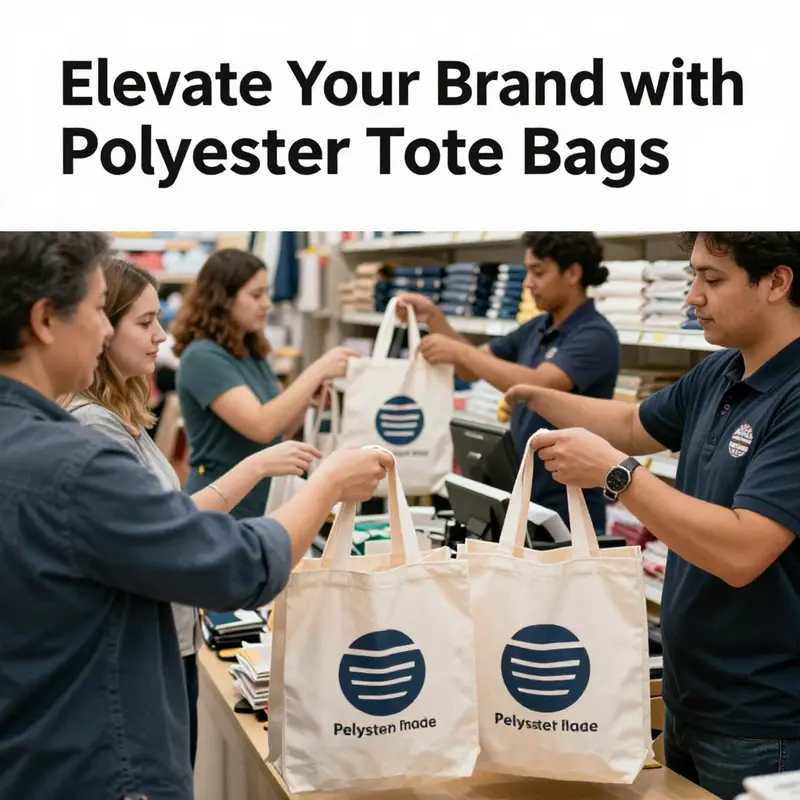
In the quiet mathematics of everyday shopping, a simple bag can carry more than groceries or books; it can carry brands, messages, and a measurable share of a company’s bottom line. Polyester tote bags have emerged as both workhorse and canvas for brand narratives, blending durability with design flexibility in a way that translates directly into economic value for retailers, manufacturers, and promotional strategists. They are not merely containers but tangible marketing assets that extend a campaign beyond the checkout and into the daily lives of customers. Their appeal rests on a confluence of practical performance and accessible customization. Made from synthetic polyester, whether recycled or virgin, these bags resist the wear of frequent use and outdoor exposure, while maintaining a surface that welcomes vibrant prints. The material’s water resistance and easy cleaning make them practical for daily errands, campus life, or event attendance. The result is an asset that not only serves functional needs but also supports a chain of value creation that stretches from production lines to point-of-sale displays and onward into repeat use by consumers who have become walking advertisements for the brands that gifted them. The economic impact of polyester tote bags, then, is best understood through the lens of longevity, customization potential, and the downstream effects that arise when a promotional item becomes a staple in daily routines.
Durability sits at the heart of the bag’s economic case. A tote built to withstand repeated loading—whether groceries, textbooks, or tools—reduces the need for frequent replacements. This durability translates into lower per-use costs for brands that rely on such bags for long-running campaigns. In a world where single-use plastics are increasingly scrutinized, the ability of a reusable bag to persist through countless cycles of washing and outdoor use becomes a compelling financial argument for retailers and sponsors alike. The upside is not merely waste reduction but a reduction in the total cost of ownership over the campaign lifecycle. When a bag remains usable across seasons, the initial investment is amortized across a broader spectrum of customer touchpoints, improving the return on marketing spend. The capacity and structural design—typicalities like a 10-liter capacity and comfortable, durable handles around 67 centimeters in length—offer practical limits that align with real-world usage. They ensure that the bag can carry a meaningful payload without compromising comfort or handling, reducing the likelihood of product returns tied to damaged bags or dissatisfied customers. These design features, while technical, have direct economic implications. They influence consumer satisfaction, repeat use, and, ultimately, the brand’s perceived reliability and value proposition.
From a production economics standpoint, the cost per unit and the flexibility of manufacturing processes shape the overall profitability of polyester tote campaigns. Polyester can be produced at cost points that lend themselves to bulk orders and long production runs, creating economies of scale that many brands find attractive for wholesale promotions or retail packaging. The fabric’s 300 denier variant offers a smooth, robust surface that is well suited to high-quality full-color prints on both the front and back. For campaigns that require vibrant branding or intricate artwork, this surface quality helps ensure fidelity and colorfastness across numerous wash cycles and exposure conditions. Durable printability reduces waste from misprints and reprints, which in turn lowers the unit cost of branded bags when produced at scale. The ability to maintain print quality through repeated washing is not simply a cosmetic advantage; it is a material factor in sustaining brand visibility over time. A bag that shows crisp logos and legible messages after multiple uses preserves brand integrity and reduces the need for frequent replacements that would otherwise erode margins. In promotional contexts—trade shows, fundraisers, or campus initiatives—the visual impact of a well-printed bag can amplify recognition, attracting attention at a low marginal cost per impression when compared with other promotional media.
The customization dimension adds another layer to the economic equation. Polyester tote bags are highly amenable to personalization, whether through dye sublimation, screen printing, or heat-transfer techniques. These methods enable brand-specific colors, multi-color graphics, and personalized messages at scale. The ability to tailor each bag or batch of bags to a particular audience segment aligns with modern marketing strategies that optimize gain from targeted communications. For retailers, the customization capability opens a spectrum of revenue possibilities: from branded shopper bags in flagship stores to event-specific giveaways that reinforce partnerships or sponsorships. When a brand can deliver on-demand customization with relatively quick turnaround times, it reduces the risk associated with overproduction and inventory surpluses. The economics of on-demand or near-on-demand production means campaigns can be tested with limited initial runs and then expanded if response metrics indicate strong uptake. In practical terms, this translates to better cash flow management, lower upfront capital requirements for promotional stock, and the flexibility to respond rapidly to changing market signals.
The market’s interest in polyester tote bags is not purely a function of print quality and durability; it reflects a broader shift toward sustainable, reusable consumer goods as part of corporate social responsibility (CSR) narratives. Consumers increasingly reward brands that demonstrate tangible commitment to environmental stewardship. Polyester options that incorporate recycled content or that are designed for long service life align with this growing consumer expectation, enhancing brand equity and, by extension, the long-term value of promotional campaigns. The reusability aspect—bags that can accompany a customer on multiple shopping trips, campus commutes, or weekend excursions—helps reduce waste management costs for businesses and, in some cases, aligns with regulatory expectations around packaging and waste reduction. While polyester is not biodegradable and thus carries environmental considerations that differ from natural fibers, innovations in recycled materials and more efficient manufacturing processes are steadily improving the environmental profile of these bags. For companies evaluating the trade-offs between cost, performance, and sustainability, polyester tote bags present a middle path that balances practical performance with responsible attributes that resonate with a broad consumer base.
Economically, polyester tote bags contribute to a diversified revenue landscape beyond the initial sale or giveaway. In retail environments, these bags serve as value-added packaging or as fashionable accessories, expanding the product’s appeal and encouraging consumer interaction with the brand beyond the checkout line. The promotional function of these bags translates into deeper customer engagement, captured through increased footfall, longer dwell times, and higher likelihood of repeat visits. For stores and merchandising teams, the bag becomes a vehicle for cross-selling opportunities—imprinted with seasonal messages, loyalty program graphics, or store layouts and promotions that guide future purchases. The result is a feedback loop: the bag provides ongoing exposure, which reinforces brand recognition and drives customer retention, while the continued use of the bag sustains a steady stream of impressions without the recurring costs associated with other forms of advertising. This dynamic helps explain why many sectors, including fashion retail, campus stores, and event merchandising, view polyester tote bags as strategic investments rather than simple promotional freebies. The bags function as long-lived emblems of brand identity, turning a single collateral item into a multipurpose platform for storytelling and value transfer across consumer journeys.
Market trends underscore the growing centrality of these bags in corporate strategy. The global promotional tote bag segment, which includes polyester variants, is forecast to expand as CSR initiatives and consumer preference for sustainable shopping gain traction. The revenue opportunities associated with customized totes are expanding as brands seek to differentiate products and communicate commitments to environmental responsibility. In practice, this means a rising demand for bags that can be tailored to reflect a brand’s color palette, narrative, and values while delivering reliable performance at scale. For practitioners, that translates into a business case that favors longer product lifecycles, consistent print quality, and efficient production cycles. It also implies a shift in how campaigns are planned and evaluated. Rather than viewing tote bags as a one-off expense, savvy teams incorporate them into broader marketing calendars, measuring outcomes in terms of impressions, recall, and the durability of brand association over time. The economic picture thus becomes a story of extended utility: a tote bag’s value compounds as it travels through different contexts, gathering associations and reinforcing messages with every use.
This pragmatic orientation toward value requires careful material and process choices. The polyester substrate must support both the load-bearing demands of everyday use and the aesthetic expectations of promotional campaigns. The balance between cost, durability, and printability is delicate. A bag must withstand frequent washing without color fading or fabric degradation. In environments like grocery stores, libraries, or campus facilities, where bags pass through countless hands and washing cycles, the design must anticipate real-world stressors. The reinforcing bottoms, stitched handles, and reinforced seams are not mere features; they are the structural guarantees that underwrite the economic logic of durability. When a bag fails prematurely, it triggers not only replacement costs but also a potential erosion of consumer trust. Conversely, durable bags that keep their form and print through time contribute to positive brand associations, which in turn support higher perceived value and more favorable repeat purchase behavior. The math is straightforward in spirit: invest in durability and print quality, and you reap more uses, more impressions, and lower per-impression cost over the campaign’s life.
The practicalities of supply and demand also shape the economic landscape. Polyester tote bags respond well to bulk procurement, which suits mass promotions and retailer packaging programs. Where on-demand models exist, they offer a flexible alternative that mitigates risk and allows for iterations in design or messaging. In either case, the cost structure includes raw materials, labor, production overhead, and distribution. The distribution network must deliver bags quickly enough to meet event deadlines, promotional windows, or seasonal campaigns, while maintaining consistent quality. This tight coordination between production and distribution reinforces the strategic value of polyester totes within retail operations. As a tool for branding that travels with the consumer, the bag generates a persistent stream of brand exposure, which translates into a long-tail marketing effect—ongoing exposure with relatively modest incremental cost per impression compared to other channels. Retailers who integrate tote campaigns into their promotional framework often observe improvements in customer perception, a boost in store ambiance, and extended dwell times that encourage supplementary purchases, all of which contribute to an overall lift in basket size and loyalty metrics.
The literature and industry analyses point to a clear takeaway for decision-makers: polyester tote bags offer a compelling blend of durability, versatility, and cost efficiency that supports both immediate sales objectives and longer-term brand-building aims. Their ability to act as long-lived ambassadors of a brand reinforces their value proposition in crowded marketplaces. They enable a spectrum of marketing strategies—from simple, practical giveaways that reward loyalty to sophisticated packaging and fashion-forward retail exclusives—while maintaining a predictable cost framework that can be scaled or adjusted as campaigns evolve. For companies navigating a marketplace that increasingly prizes sustainability alongside performance, the thoughtful use of recycled-content options and responsible disposal framing can further enhance the business case by aligning with consumer expectations and regulatory trends. In this sense, polyester tote bags embody a pragmatic intersection of economic rationality and brand storytelling, a combination that helps businesses stand out in a crowded retail environment while supporting responsible consumption patterns.
To readers seeking concrete context for how these dynamics play out in practice, consider the broader ecosystem of tote bag usage and the pathways by which a promotional item can evolve into a staple of everyday life. The story is not simply about creating a stylish bag; it is about designing a device that travels with customers, carries value across moments, and echoes a brand’s commitments across multiple touchpoints. It is about recognizing that a bag’s value is not exhausted at the moment of purchase but compounds as it becomes a familiar companion in daily routines. As campaigns mature, the bag’s print surface acts as a rolling billboard, while its functional reliability keeps it in circulation and in use, extending the reach of brand messages at a low, steady cost. In retail settings, that translates into steadier demand for prints, more predictable production runs, and greater confidence in forecasting promotional spend. It also invites further experimentation with design and messaging, as incremental improvements in print quality, durability, or customization options can yield outsized gains in perceived value and consumer engagement over time. The economic logic is thus cumulative: durable design, high-quality prints, scalable customization, and a distribution network that can respond to changing demands all reinforce a successful tote-based strategy that multiplies value across the lifecycle of a campaign.
For stakeholders who want to explore the trajectory of these trends further, a concise snapshot of current content and conversations on tote bag evolution can be found in discussions about trending tote designs and usage patterns online. This resource offers a lens into how consumer expectations evolve and how brands respond with color, form, and messaging that resonates across diverse audiences. To read more on evolving tote bag trends, see the linked overview titled tote-bags-trending. As the market adapts to shifting preferences and sustainability considerations, polyester remains a practical material choice that supports scalable, cost-conscious, and visually compelling campaigns, while still inviting ongoing innovation in materials, printing processes, and lifecycle thinking.
In sum, the economic impact of polyester tote bags in retail and promotions emerges from a simple but powerful equation: durability reduces replacement costs and waste, customization expands the potential for targeted marketing and revenue streams, and the long-lived exposure of a well-printed bag translates into measurable impressions and customer loyalty. When these factors converge, the tote bag becomes more than a promotional accessory; it becomes a strategic asset that strengthens brand conversations, supports sustainable shopping narratives, and contributes to a healthier, more resilient business model for retailers and promotional programs alike. The bag’s journey—from fabric to fidelity, from print to persistence—illustrates how a well-designed, well-executed tote can weave itself into the fabric of consumer life while delivering tangible economic benefits to the brands that invest in it. For readers chasing practical guidance, the takeaway is not merely about choosing a bag with the best surface or the strongest handles but about balancing durability, printability, and lifecycle value to craft a tote strategy that delivers consistent returns across the spectrum of retail and promotional activity. And in that balance lies the core of polyester tote bags’ enduring economic appeal: a versatile, cost-efficient, and highly visible means of extending a brand’s presence in the real world, one everyday carry at a time.
null

null
Final thoughts
Polyester tote bags not only provide robust practicality and versatility for consumers but also serve as a powerful tool for branding and promotional efforts for businesses. Their economic impact is palpable across retail and promotional strategies, while ongoing discussions about environmental sustainability underscore the importance of responsible sourcing and use. As innovations in material design improve their ecological profile, polyester tote bags are positioned to remain a relevant player in the ever-evolving landscape of consumer preferences. Business owners should take heed of their potential in enhancing brand visibility while addressing modern environmental standards.