
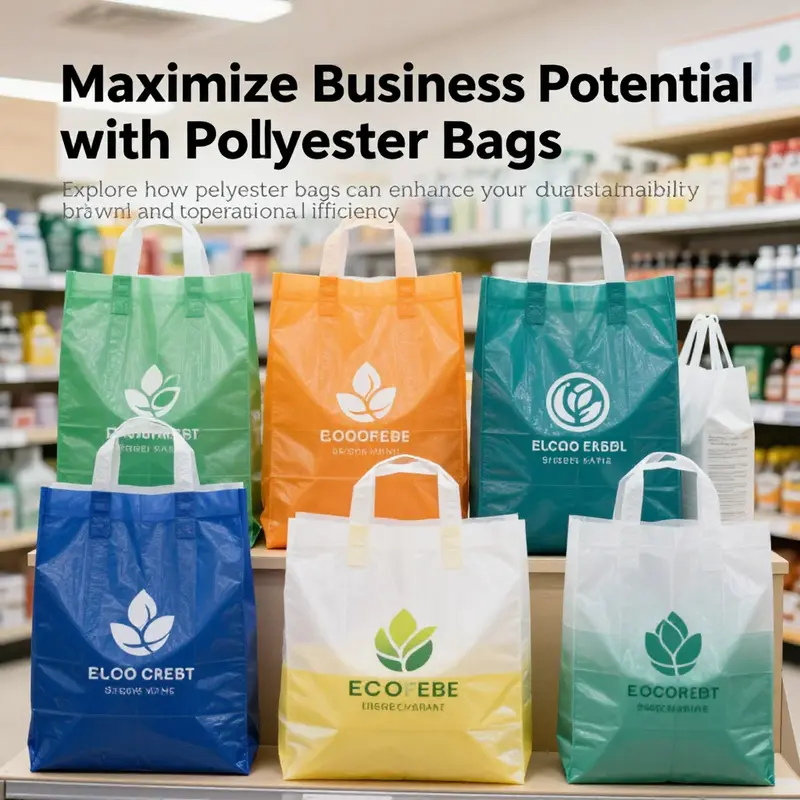
Polyester bags have gained significant traction in various industries due to their durability and versatility. As businesses evolve, understanding the multifaceted benefits of these bags becomes crucial. This article dives into the types of polyester bags—woven and non-woven—as well as their applications in commercial use. Further, it will address the environmental impact of switching from traditional plastic to polyester bags, highlighting their benefits. Finally, we will explore the market dynamics and the economic aspects driving the polyester bag industry, equipping business owners with valuable insights to make informed decisions.
Weave, Weight, and Worth: A Thorough Look at Woven and Non-Woven Polyester Bags in Everyday Use
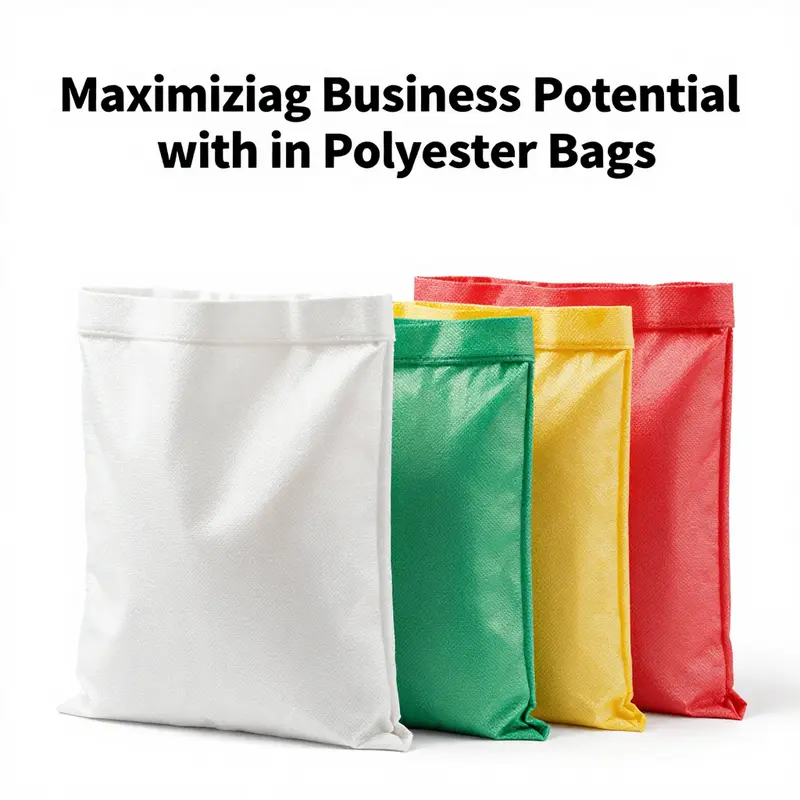
In the world of everyday carry and brand communication, the polyester bag stands as a quiet pillar. It is not merely a container but a flexible tool that shapes how goods move, how people travel, and how a message travels as well. Polyester bags come in two broad families that meet different demands with a shared material base: woven and non-woven. Each type arises from a distinct production philosophy, yields different tactile experiences, and serves different priorities in terms of strength, weight, printability, and cost. Across industries and markets, these bags act as workhorses and ambassadors, capable of enduring the rigors of daily use while conveying a brand or a purpose through design, color, and form. A deeper look at the two main types helps illuminate why retailers, event organizers, and everyday consumers alike select one path over the other, and how this choice translates into practical outcomes from storage and transport to promotion and sustainability.
Woven polyester bags derive their character from a fabric that is created by interlacing polyester fibers into a tight, grid-like structure. The construction matters twice over: it gives the fabric strength and it governs its drape, its feel, and its ability to carry weight over time. The tensile strength of woven polyester is high, as the threads lock into a robust matrix that distributes stress evenly across the surface. This makes woven bags especially well-suited to heavy-duty tasks. They can bear substantial loads without sagging, making them reliable partners for transporting goods, boxes, or equipment in logistics contexts or during long-bound weekend trips that require more capacity than a typical tote can offer. In the fashion and lifestyle segments, woven polyester morphs into sturdy tote bags, travel totes, and gym bags that carry everything from groceries to garments with a confidence that cheap single-use plastics cannot match. The same fabric that reinforces a practical bag also invites a degree of sophistication. Designers have found that woven polyester can be molded into cylindrical shapes or more structured silhouettes, allowing for comfortable shoulder straps, reinforced stitching, and curves that fit naturally against the body during carry. A common feature in these durable designs is reinforced stitching at stress points and seams, where a user might repeatedly exert force. These features are not merely cosmetic; they translate into longer life and more predictable performance in real-world use. The result is a bag that can function as a dependable, everyday solution for weekend getaways, sports activities, or daily commutes that demand more than a light, flimsy sack could bear.
Yet even among sturdy, long-wearing options, woven polyester presents trade-offs. The very strength that makes it attractive can lead to bulk when the bag is empty or not in use. The fabric’s density contributes to weight, so a fully loaded woven bag will tend to be heavier than a similar capacity non-woven bag. And while the woven approach yields excellent durability, it can fall short on internal organization. Without a suite of pockets or compartments by default, users may find it lacks the tidy segments that help separate items on the move. Designers respond to this challenge with thoughtful planning: adding internal sleeves, modular pouches, or external straps to balance load distribution and keep items easily accessible. Even so, the inherent structural emphasis of woven polyester tends to favor large storage capacity and rugged endurance over lightness or instant, simple organization. The flexible but concentrated strength of the fabric is precisely what makes it attractive for applications ranging from transportation and storage to more premium lifestyle uses where the bag is both a practical tool and a visible encounter with a brand or a personal style.
Non-woven polyester bags, by contrast, begin life with a different philosophy. They are created by bonding polyester fibers together through heat, pressure, or chemical means, rather than weaving fibers into a fabric. This bonding produces a material that is lighter in weight and typically less expensive to produce, while still offering greater durability and resilience than traditional plastic bags. The non-woven process yields a fabric with a soft, matte surface that is pleasant to hold and easy to printer on, which makes these bags particularly popular for promotional purposes and branded merchandise. The appearance and texture of non-woven bags often communicate a modern, eco-conscious image that aligns with many corporate and retail campaigns seeking to project sustainability without the complexity of durable, high-cost woven fabrics. Although not as tear-resistant as their woven counterparts under certain heavy-load conditions, non-woven polyester bags excel in contexts where cost efficiency, light weight, and presentable aesthetics trump maximum load-bearing capacity.
A key distinction in their manufacturing is worth emphasizing because it explains much of the user experience and the price dynamics. The bonding techniques used to create non-woven polyester result in a fabric that is, by design, less dense and often more pliable than woven fabric. This pliability can be an ally when the bag is used for short trips, events, or promotional campaigns where a lightweight, easily portable solution is valued. It can also be an opportunity for creative customization: the surface of non-woven bags readily accepts prints, screen-prints, and other branding modalities with clear, sharp results that catch the eye in a retail or event setting. The cost advantage arises not merely from raw material savings but from the simplicity of the manufacturing steps that produce non-woven fabrics, which translates into a lower price point per bag. The hand feel is different as well; many users appreciate the softer touch of non-woven surfaces, which can invite a more intimate, consumer-friendly association with a brand initiative or a campaign message. In retail and corporate contexts, non-woven bags have grown popular precisely because they can project an image of practicality and responsibility while remaining accessible to a broad range of customers and audiences.
When it comes to actual usage, the two types diverge in ways that matter for decision-making. Woven polyester bags are known for their capacity to hold weight and their durability under repeated use. They are commonly chosen for environments where bags shoulder heavy items—like tools, equipment, or bulk goods—over extended periods. In fashion and lifestyle markets, woven tote designs can be both utilitarian and stylish, blending robustness with a certain degree of refinement in the cut, stitching, and hardware choices. The design language of woven bags often emphasizes form that can withstand daily abrasion, rain, and hustle, making them dependable companions for travelers, students, and professionals who demand longevity along with visual appeal. Non-woven polyester bags, meanwhile, occupy a different niche with emphasis on accessibility, quick production cycles, and broad reach. They shine in promotional campaigns and event giveaways where mass distribution and brand recall matter most, and where a clean, modern look aligns with contemporary aesthetics. The surface is an inviting palette for branding; it holds color well and accepts logos with vibrancy, helping campaigns communicate messages vividly as bags move through crowds and into daily routines.
From a material viewpoint, both woven and non-woven polyester share resistance to water and moisture, a practical trait that helps protect contents during travel or shopping in varied climates. Yet this resistance does not translate uniformly into care requirements. Woven bags, because of their dense construction and stitching, may demand gentler handling to preserve seams and avoid stress-induced fraying. They can tolerate a good deal of weight but can be bulkier when not in use, which influences how users store them at home or in a vehicle. Non-woven bags tend to be easier to wash and quick to dry, though their fabrics may show wear or creasing with repeated folding and unfolding. For brands seeking easy reuse across campaigns, non-woven bags offer a pragmatic blend of functionality and reusability. Still, when the goal is to convey a sense of durability, longevity, and a premium touch, woven bags often win out because they feel more substantial and can be produced with more exacting finishing, such as reinforced handles and triple-stitch seams that matter in high-use settings.
As with any carry solution, the choice between woven and non-woven polyester bags is not a binary verdict but a design conversation about goals, use cycles, and cost. If a project calls for a robust carrier that will see repeated use over months or years, and where the bag may carry heavy loads or withstand rough handling, woven polyester is typically the more appropriate choice. If the objective centers on broad outreach, quick production, and a visually bright, lightweight carrier for events or promotional distributions, non-woven polyester provides a compelling path to scale and impact. Designers and planners often balance these considerations with practical ways to integrate branding, such as pockets, compartments, external panels for logos, or the strategic placement of handles that align with how users will carry items in real life.
The practical implications of choosing one type over the other extend into the realm of customization and brand storytelling. Printing on woven fabrics can yield high-definition visuals with a premium feel, though it may require more planning and investment to ensure color fidelity across multiple runs and fabric batches. Non-woven surfaces offer exceptional print clarity and color pop at a lower price point, making them attractive for campaigns that prioritize mass visibility and rapid turnover. Aesthetics aside, the material’s surface can influence user perception. The soft, matte look of non-woven bags can lend a contemporary and eco-conscious vibe, while the structured sheen of woven bags can signal durability and sophistication. The decision, then, becomes a question of what message is to be conveyed, how the bag will be used, and what the long-term expectations are for reuse and disposal. In real-world contexts, this is rarely about choosing one type to the exclusion of all else; it is about selecting the right tool for the job and, when appropriate, combining elements from both families to craft a hybrid solution that meets a specific set of performance and aesthetic goals.
For readers who want a tangible sense of how these design choices play out in day-to-day use, consider the scenario of a bag intended for laptops and digital accessories. A woven design can be adapted to include a rigid internal sleeve and a padded compartment that keeps devices protected during transit, while a non-woven version can be optimized with a branded exterior panel and external pockets for quick access to cables and notebooks. The decision to feature a particular internal organization or external branding often hinges on the intended user and the frequency of use. A bag that is expected to travel often, carry heavy loads, or withstand casual to moderate abuse will benefit from the reinforcement and structure of woven fabric. A bag that is distributed at events or used as a low-cost customer gift may prioritize ease, printability, and broad reach, aligning with non-woven construction. In practice, designers sometimes blend these approaches, employing a woven core with non-woven overlays or using mixed materials to exploit the strengths of both families while mitigating their weaknesses. This nuanced approach shows how polyester bags are not static products but evolving tools tailored to evolving consumer needs, market conditions, and sustainability expectations.
The narrative of polyester bags also intersects with broader concerns about reuse and environmental impact. Reusability is a core value in modern packaging and merchandising strategies, and both woven and non-woven polyester bags can serve as long-lived carriers when cared for properly. The durable, reusable nature of woven bags aligns well with high-use contexts such as travel, groceries, and workplace carry, where a single bag can replace multiple disposable options over time. Non-woven bags, meanwhile, frequently position themselves as introductory or promotional tools—cost-effective, easy to distribute, and capable of promoting a message far beyond the bag’s immediate use. In this sense, non-woven polyester acts as a flexible front line for campaigns designed to reach large audiences quickly and repeatedly, reinforcing a brand’s visible presence as the bag circulates through crowds, offices, and households. Both paths offer a credible route toward reduced single-use plastic reliance, as reusable bags become embedded in daily routines and habitual shopping or commuting practices.
If the discussion moves toward practical success stories and how these bags are deployed in real-world settings, the conversation naturally returns to the design details that enable or constrain performance. A strong shoulder strap, reinforced stitching, and carefully chosen thread counts can transform a bag from a simple carrier into a trusted companion that withstands daily miles and weathering. The material choice—woven or non-woven—governs the bulk, the feel, and the impression a user takes away. A robust woven tote may carry heavier loads with grace, yet a sleek non-woven promotional bag can communicate a modern ethos and a sense of accessibility that resonates with a broad audience. The contrast is not simply about which is stronger or cheaper; it is about how structure, texture, and surface treatment influence the bag’s life story—from first use to repeated ownership and eventual repurposing. Across contexts—from engineering and logistics to fashion and marketing—these bags reveal the flexible logic of polyester as a material. It is a story of two design philosophies working in concert to meet a spectrum of needs, from the most utilitarian to the most expressive.
For readers seeking concrete examples of how these differences translate into consumer choices and product offerings, it helps to look at how bags are marketed and used in everyday commerce. Promotional campaigns leverage non-woven bags for their mass reach and printability, while specialty or premium lines lean into woven constructions to deliver lasting performance and a premium feel. The decision is never purely about price; it is about how the bag aligns with the user’s needs, how long it is intended to last, and how it will be carried, stored, and looked at when in use. In this sense, the choice between woven and non-woven polyester bags becomes a microcosm of broader production and consumption patterns: a balance among strength, weight, cost, aesthetics, and environmental impact that reflects the values and constraints of a given project.
As a closing thread that ties this discussion into the broader article on polyester bags, consider the practical implications of these material differences for everyday shoppers and business buyers alike. A shopper might prefer a woven bag for its longevity and the sense of quality it conveys during a shopping trip or a weekend away. A brand manager might favor a non-woven option when a quick, high-volume distribution is key and the surface can carry a bold, attention-grabbing graphic. And in workplaces or classrooms, a hybrid approach can deliver both durability and accessibility, providing a reliable carrier that also communicates a message of sustainability and efficiency. The two types, woven and non-woven, thus complement each other in a dynamic ecosystem of carry solutions—each responding to distinct use cases while collectively expanding the range of possibilities for how people move goods, ideas, and identities through daily life.
For readers who want to explore related discussions about bag design and function, a practical example can be found in materials that discuss tote bag construction and use in a broader context of everyday carry. A related resource explores how shoulder-friendly designs, internal organization, and printed branding come together to produce a bag that is not only functional but also expressive of a user’s preferences and a brand’s narrative. In this same vein, the merchandising and promotional aspects of bags—especially in the context of campaigns and giveaways—highlight the importance of surface treatment, colorfastness, and durability over repeated handling. The literature on promotional bags often emphasizes how the blend of economy and image can be optimized through careful material selection, finishing techniques, and strategic design decisions that balance cost with impact. In short, woven and non-woven polyester bags illuminate a spectrum of possibilities that extends far beyond the bag itself, shaping how people carry belongings and how brands communicate with everyday life.
To connect this broader discussion with practical exploration and further reading, you can examine a resource that catalogs promotional bag options in real-world contexts. This external reference provides a glimpse into how bags are presented and marketed for brand promotion, travel, and everyday use. External reference: https://www.alibaba.com/product-detail/Best-for-Branded-Promotional-Bags-Travel_1600482975538.html
Additionally, for readers seeking related content on bag design, styles, and use in everyday life, one convenient internal link into the broader blog network can serve as a helpful guide to complementary topics, including tote designs with laptop compatibility and other everyday carry solutions. You might find it useful to browse a related example: tote bag with computer sleeve, which presents practical considerations for organizing devices and accessories within a bag, and highlights how structural choices influence protection and usability. This internal reference helps illustrate how the same design principles discussed here can manifest in different product categories and configurations, reinforcing the idea that bag construction is a blend of function, form, and user behavior. The broader conversation about polyester bags thus moves forward by linking these ideas to tangible products and everyday routines, offering a view into how woven and non-woven fabrics perform under real-world conditions and how designers translate material properties into meaningful carry solutions.
How Polyester Bags Drive Commercial Utility and Promotional Impact
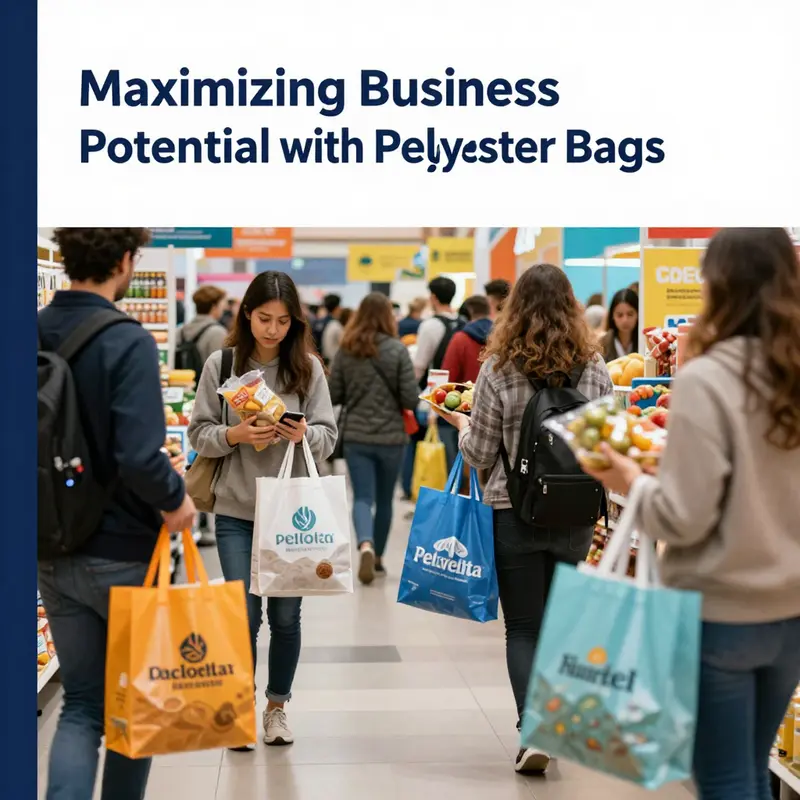
Polyester bags bridge practicality and promotion with a rare clarity. Durable, lightweight, and highly adaptable, they move goods, carry brand stories, and replace fragile single-use options. In commercial settings, they solve everyday logistics problems. In promotional contexts, they act as walking billboards. This chapter explains how polyester bags perform across both roles, and why designers, marketers, and operations teams choose them so often.
The commercial strength of polyester begins with its fiber structure. Woven polyester construction creates a tight fabric that tolerates repeated loading. Stitching, reinforced seams, and thoughtful hardware turn flat textile into a resilient carrier. Retailers rely on that resilience for point-of-sale packaging. Customers want a bag that holds purchases without deforming. Polyester delivers on that expectation. The fabric resists abrasion and dries quickly if wet. It also accepts a range of finishes, from matte to glossy, which helps match store aesthetics.
Different commercial formats emphasize different strengths. Simple tote shapes emphasize usable internal volume and easy storage. Cylindrical duffel styles prioritize capacity and portability for travel and sports. Padded compartments support electronics and fragile items. Meanwhile, industrial-grade woven constructions can handle heavier loads, making polyester suitable for repetitive transport tasks in warehouses and on the shop floor. The same raw material adapts to a large design spectrum, from minimalist shopping carriers to multi-compartment work bags.
Beyond load-bearing, polyester excels at customization. Advertisers value the fabric because it accepts clear, vibrant printing. Screen printing, dye sublimation, and embroidered logos all read well on polyester surfaces. That printability turns a utilitarian object into an effective marketing channel. When a shopper walks out of a store carrying a branded polyester bag, the brand reaches dozens of potential customers with a single item. Compared to paper or thin plastic, polyester sustains visibility for longer. The bag remains useful, and thus present, in public spaces.
Event marketing leverages that stay-in-use advantage. At trade shows, conferences, and community events, polyester bags combine perceived value with brand exposure. Attendees keep promotional bags because they work for daily use. Multiple compartments, zippered closures, and reinforced straps make a giveaway feel worth keeping. Colors and patterns can be matched to event themes or campaign visuals, creating a coherent physical presence across venues. A well-designed polyester bag becomes a practical memento and a durable extension of campaign messaging.
Cost considerations also favor polyester. Bulk production scales efficiently, and suppliers offer a wide range of standard sizes and constructions. For promotional campaigns, that keeps unit costs manageable while permitting customization. For retail, the lifespan of a polyester bag often amortizes its initial cost against repeated use. This economic durability supports sustainability narratives. When brands present polyester bags as reusable alternatives to disposable packaging, they reinforce responsible messaging while delivering a functional product.
Sustainability is a complex but important part of the polyester story. The material is derived from petrochemicals, which raises concerns about environmental impact. Yet the long usable life of a polyester bag can reduce single-use waste when it replaces disposable plastic. Additionally, many manufacturers now offer recycled polyester options. Reclaimed polyester reduces reliance on virgin feedstocks. It also provides a visible signal to consumers that a brand is paying attention to material sourcing. When letters, hangtags, or packaging explain that a promotional bag is made from recycled polyester, the bag becomes part of the brand’s environmental narrative.
Design teams need to balance features, production method, and message. For retail packaging, simple construction with a large print area often works best. For travel and sports uses, designers must consider ergonomics, durability, and compartmentalization. For giveaways, perceived value matters more than minimal cost. Adding details like contrast piping, reinforced bottoms, or metal fittings elevates the object. These choices influence how long recipients keep the bag, which in turn affects how long the brand message stays visible.
Logistics and storage also factor into the practical appeal of polyester. Lightweight rolls and foldable designs reduce warehouse space and shipping weight. Many polyester styles compress well, which makes them ideal for retailers who reorder seasonally or run promotional campaigns. Because polyester is dimensionally stable, it returns to shape after folding. This preserves brand presentation even for bags stored for months before distribution.
Care and longevity are straightforward. Polyester resists stains and dries quickly. Most bags tolerate gentle machine washing or spot cleaning. That ease of maintenance extends usable life and reinforces the notion that the bag is a long-term accessory. For brands, it reduces complaints and supports a positive ownership experience. For recipients, it makes the bag suitable for daily errands, travel, and repeated professional use.
Material choice also shapes how promotional text and graphics are applied. Dye sublimation penetrates fibers for rich, fade-resistant imagery. Screen printing sits atop the fabric for bold, solid colors and crisp logos. Embroidery adds texture and perceived quality. Each method has cost implications and impacts durability. Campaign planners should match print technique to audience expectations: high-end corporate gifts will justify embroidery, whereas mass event giveaways might call for dye sublimation or economical screen printing.
Use cases illustrate the breadth of polyester bag utility. Retailers use medium and large bags for clothing and home goods. Cafes and specialty shops supply small, branded pouches for takeout or gifts. Fitness centers provide duffel-style bags to members, which strengthens loyalty. Trade shows supply exhibitor kits in custom tote bags. Hotels offer polyester travel pouches to guests. Each instance uses tailoring: size, strap design, and internal organization vary to meet functional needs while maintaining visual consistency.
Polyester bags also support multi-channel strategies. A retailer might sell a branded tote in-store, include a smaller branded pouch online, and hand out larger event bags at pop-ups. The visual consistency across these touchpoints reinforces brand recognition. Because polyester allows accurate color reproduction, designers can maintain consistent palettes and typography across different bag types. That uniformity helps brands stitch together campaigns that feel coherent across both commerce and promotion.
Quality control matters more than most marketers expect. Poor finishing, weak seams, and low-quality printing undermine the perceived value of a bag. A giveaway that falls apart in weeks damages a brand more than no giveaway at all. Procurement should specify fabric weight, seam construction, and print method. Samples and pre-production checks prevent surprises. When done properly, polyester bags become durable brand ambassadors rather than short-lived promotional items.
Finally, polyester integrates well with supply chain realities. Manufacturers can produce to order, handle large runs, and apply custom branding at scale. Variations in thickness, weave, and finish allow precise tailoring to budget and use-case. Recycled content options help meet corporate sustainability goals without sacrificing performance. For many organizations, polyester hits the sweet spot between cost, durability, and promotional effectiveness.
In short, polyester bags perform dual roles with equal competence. They carry goods reliably in retail, travel, and industrial contexts. They amplify brand messages in promotional and event settings. Their printability, cost efficiency, and adaptability make them a strategic choice. When designers and procurement teams align around clear functional goals and quality standards, polyester bags become measurable assets. They reduce disposable waste, extend brand reach, and provide real utility to users. For organizations planning campaigns, stocking retail outlets, or outfitting teams, polyester remains a practical and persuasive option.
For an in-depth look at specifications, production techniques, and real-world applications, see this detailed guide: https://www.example.com/oem-polyester-shopping-bag-guide
For design inspiration on everyday bag formats, consider how common tote styles balance form and function, such as those explored in this discussion of women’s canvas tote bags: https://alltotebags.com/womens-canvas-tote-bags/
Weaving Responsibility: Unraveling the Environmental Footprint of Polyester Bags as Plastic Alternatives
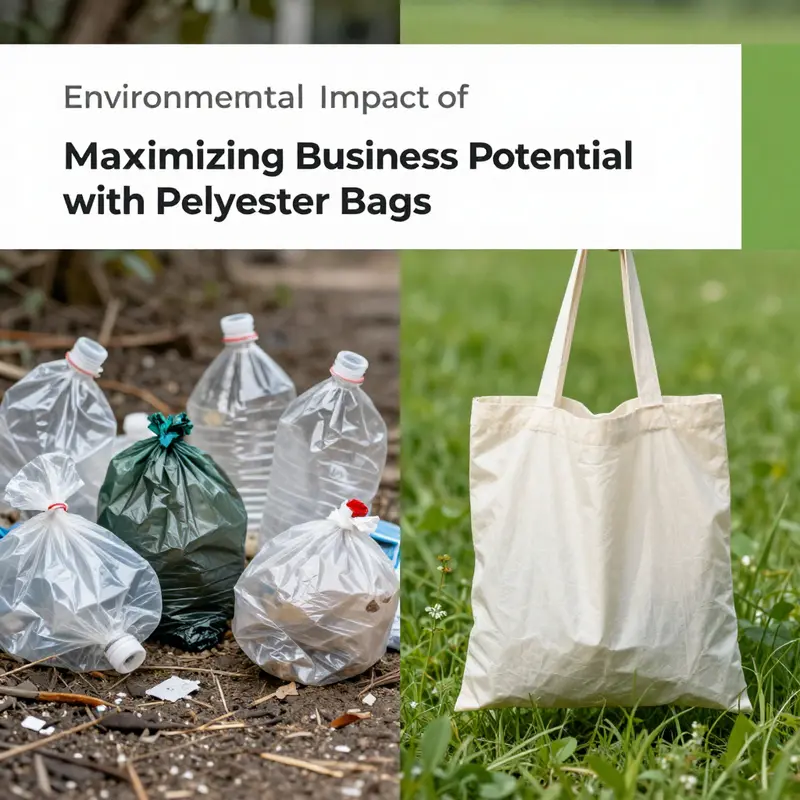
Polyester bags have become a familiar sight in baskets, on checkout counters, and on campus because they promise durability and reuse. They are usually made from PET, the same polymer used to bottle beverages, which gives these bags a known chemistry and proven performance. The appeal rests on two practical advantages: strength and longevity. Woven polyester bags, with dense, stitched fibers, can shoulder heavy loads and resist fraying after many uses. Non-woven variants, produced by bonding fibers, tend to be lighter and cheaper, making them attractive for promotions and everyday errands. Taken together, these forms offer a credible alternative to single-use plastics and help reduce the stream of disposable bags. Yet the environmental story behind polyester bags is more nuanced than a simple durability claim. Each bag embodies a footprint that starts with raw materials, runs through manufacturing, remains in use for years, and ends in disposal or recycling streams. Understanding this footprint requires looking at the entire lifecycle, not just the moment of purchase.
From raw materials to finished fabric, polyester bags trace a long supply chain. PET production consumes energy and relies on fossil fuels, and the conversion of oil into the monomers for PET is energy-intensive. The manufacturing stage also involves processes that affect air and water quality and may require chemical finishing to improve strength, water resistance, or printed graphics. The energy mix of a region matters: in grids powered by coal or oil, the same bag can carry a heavier climate burden than in regions with cleaner electricity. Even with improvements in equipment and efficiency, the bag’s upfront carbon and resource demands stay embedded in the product’s identity. This production footprint is not an abstract concern; it directly shapes emissions, resource depletion, and waste generation long before the bag is used by a single shopper.
Reuse alters the math, but it does not erase it. If a polyester bag replaces dozens or hundreds of cheap plastic bags, its use-phase value rises, potentially reducing waste. The math, however, depends on how long the bag lasts and how many times it is cleaned. The durability that makes polyester bags attractive also means they remain in circulation for several years, sometimes longer. Over that span, cumulative energy and material use from production can offset the savings from fewer disposables, especially if the bag is rarely used or quickly retired. The takeaway is that the environmental benefit hinges on consistent, long-term use and careful maintenance. When a bag finally reaches end of life, the question becomes whether it can be recycled or repurposed rather than sent to landfill. This lifecycle perspective explains why a durable bag is not automatically a green product; it must be used, cared for, and recycled within efficient systems.
An additional complexity comes from microplastic pollution. Polyester is a synthetic polymer that can shed microscopic fibers during washing and handling. These microfibers can escape wastewater treatment and accumulate in rivers and oceans, where they persist for years. Wildlife can ingest or become entangled with microplastics, and researchers worry about potential chain effects that reach higher trophic levels and even humans through seafood and other exposures. While the magnitude of microfiber release varies with garment construction and wash practices, the trend is clear: everyday polyester products contribute to a diffuse but real form of pollution. Addressing this requires a combination of design choices, washing practices, and wastewater treatment improvements. Reducing shedding might involve fiber blends, surface finishes, or laundering technologies that minimize release, but these solutions must be evaluated in a full lifecycle context to avoid simply shifting the burden elsewhere.
End-of-life management is another critical piece. Polyester recycling is technically feasible and already practiced at scale, but it depends on infrastructure, collection, and sorting. Post-consumer PET fibers can be reprocessed into new fibers or other products, yet the pathways vary by region and are not always accessible or economically viable. Contamination with coatings, dyes, or blends can hinder recyclers, and some bag designs include finishes that complicate processing. Even when recycling is possible, it requires a reliable market for the recycled content to sustain the loop. In many places, the absence of widespread, closed-loop systems means polyester bags may be recycled only sporadically, or not at all, diverting them to landfills or incineration. This reality underscores a broader truth: a material’s recyclability is inseparable from the social and economic structures that collect and process waste. If those systems are underfunded or fragmented, the theoretical benefits of recycling do not materialize for most consumers.
Placed side by side with other options, polyester bags reveal a spectrum of trade-offs. Immediate burden arguments can favor thin single-use plastics when reuse rates are low and disposal options are simple. But in settings where shoppers reuse a single bag for years, polyester can displace many disposables and reduce waste per use. The final verdict depends on context: the energy mix fueling production, the durability and repairability of the bag, the frequency of washing, and the strength of end-of-life systems. Because the same material can be a source of both savings and emissions, the responsible choice becomes a function of how a society handles waste, how manufacturers design for longevity, and how consumers adopt use patterns that maximize life and minimize shedding. In that sense, polyester bags occupy a middle ground. They can offer advantages when used conscientiously, but they do not automatically solve environmental problems unless accompanying practices—such as maintenance, repair, and robust recycling—are in place.
Seeking sustainable paths does not demand a simple switch away from polyester. Options that pair durability with lower impacts exist, including materials engineered for recyclability, and fabrics that reduce water or energy use in production. Fully recyclable options, with transparent supply chains, can empower buyers to weigh trade-offs more realistically. Yet no material is perfect. Organic cotton, for instance, can demand more water and land if grown at scale, though certain farming methods minimize those impacts. The common thread across choices is lifecycle thinking: design for long use, maximize repair and reuse, and provide clear take-back routes at end of life. Industry can contribute by adopting standardized labeling, improving recyclability, and investing in collection programs that enable closed-loop recycling. Consumers can extend the life of their bags through sturdy construction, thoughtful care, and supporting brands that commit to transparent environmental reporting. When used in this way, polyester bags can form part of a broader strategy that links performance to responsibility rather than merely marketing claims.
To show how versatile tote bags can be in real life, consider designs that integrate technology-ready compartments and ergonomic features. The way a bag distributes weight, protects a device, and remains comfortable after a long day matters as much as the material it is made from. For readers curious about a concrete example of a tote with a dedicated laptop sleeve and multiple pockets that promote balanced load, here is a practical reference: tote-bag-with-computer-sleeve. This link points to a specific design mindset that favors durability, organization, and everyday utility, illustrating how thoughtful features can extend a bag’s usefulness and, by extension, its environmental performance.
In the end, the environmental footprint of polyester bags underscores the broader responsibility of making materials choices within a system. The goal is not simply to replace one plastic with another, but to create a circular economy where products are designed for long life, repair, and efficient recycling. This means aligning consumer behavior with stronger industrial infrastructure, from cleaner energy used in manufacturing to more effective collection and recycling facilities. The journey toward lower impact is incremental and shared, requiring attention to material science, manufacturing practices, and consumer habits. When those pieces come together, polyester bags can play a constructive role in reducing disposable plastic pollution without introducing unforeseen burdens elsewhere. As the dialogue around plastics evolves, the smart path is not absolute prohibition or blind adoption but a careful weighing of trade-offs, guided by lifecycle analyses and transparent reporting.
Further reading: For a comprehensive analysis of polyester and plastic pollution, see the World Resources Institute’s overview, which places polyester in the wider plastics conversation and clarifies why lifecycle thinking matters when evaluating substitution strategies for single-use plastics. https://www.wri.org/research/polyester-and-plastic-pollution
Markets in Motion: Dynamics, Costs, and the Sustainable Rise of the Polyester Bag Industry
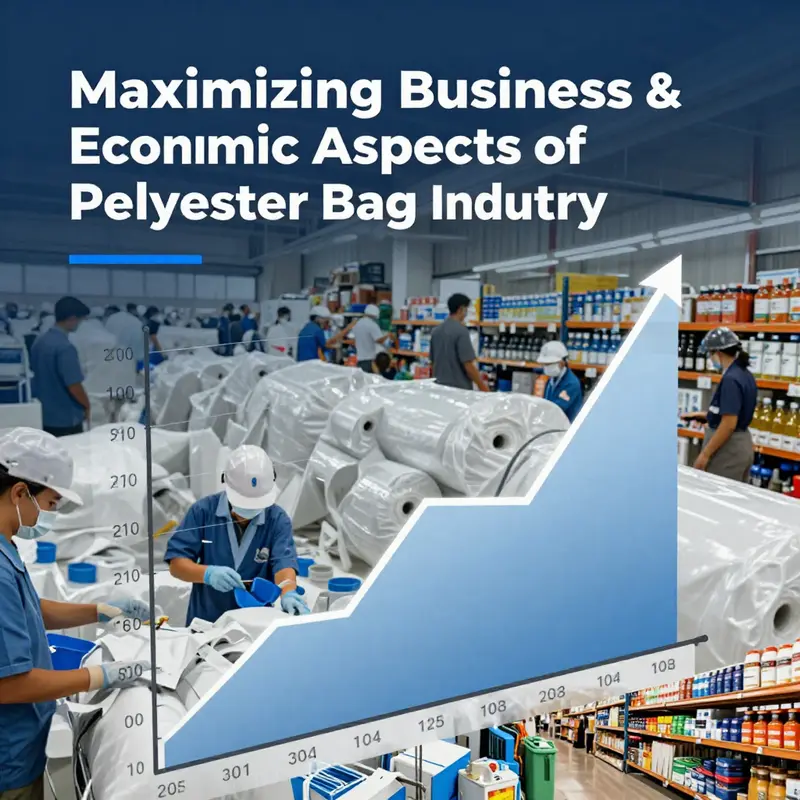
The polyester bag emerges not merely as a container but as a mirror of how modern manufacturing, trade, and consumer culture intersect. Across woven and non-woven forms, these bags adapt to a spectrum of needs—from heavy-duty packaging and industrial logistics to lightweight promotional items and everyday travel. In woven variants, the strength and durability stand out; in non-woven forms, lightness and flexibility open doors for quick branding and temporary storage. What makes the current moment distinctive is not just the variety of applications but the way market forces, material economics, and sustainability ambitions fuse to drive demand, shape supply chains, and push for smarter production. The story of polyester bags thus threads through input markets, manufacturing tech, and shifting consumer expectations, all while wrestling with the realities of raw material pricing, regulatory pressures, and the push to prove that durable alternatives can outperform single-use plastics over time.
A careful look at market dynamics shows that growth is broad-based and multi-faceted. Within industrial packaging, Polyester FIBC Bags are a standout segment, expected to grow at a robust pace as companies migrate towards safer, more efficient bulk handling. The projection of about a 9.4% annual growth rate from 2026 to 2033 signals sustained interest in high-capacity, durable solutions for chemicals, fertilizers, and foodstuffs. Then there is the niche yet rapidly expanding Polyester Dust Bag market, driven by demand for filtration and environmental controls in manufacturing facilities. A forecast around a 10.1% CAGR over the same period reflects how pollution control and workplace safety have elevated the relevance of engineered polyester solutions beyond traditional uses. These trajectories converge with a travel bag market that, while consumer-oriented, echoes broader trends toward durable, lightweight, and dependable accessories. Valued at approximately USD 1.5 billion in 2024, this segment could approach USD 2.7 billion by 2033, translating into a 7.5% CAGR as travelers seek practical, resilient companions for a world in motion. The resilience of travel-related demand, in turn, reinforces the sense that polyester bags are evolving from simple carry items into vital, long-lasting investments for individuals and institutions alike.
To understand the economics behind this dynamic, one must consider the upstream inputs that shape margins and price stability. The feedstocks that power polyester production—paraxylene (PX) and purified terephthalic acid (PTA)—are central. In recent years, PX pricing has faced downward pressure as new capacity came online from multiple producers, with prices susceptible to shifts in supply that can outpace a volatile energy landscape. At the same time, PTA has experienced oversupply and softer demand, establishing a price floor that pressures downward on the cost side of polyester fibers and films. These upstream conditions leave downstream producers navigating a delicate balance: they must manage input volatility while still delivering a product that meets the performance expectations of packaging engineers, brand owners, and retailers alike. In practical terms, this means manufacturers are continually calibrating production plans, hedging strategies, and inventory levels to maintain throughput without sacrificing quality or reliability. The result is a market where cost discipline and supply chain transparency become as important as raw material quality, and where the ability to respond quickly to shifting feedstock economics can determine a supplier’s competitive footing.
The structural shifts underway amplify these commercial pressures in ways that can be both challenging and opportunity-rich. Sustainability has moved from a peripheral topic to a core determinant of strategy. Chemical recycling technologies, for instance, are increasingly viewed not just as a green option but as essential capacity for meeting long-term supply and waste-management goals. The push toward circularity aligns with broader “double carbon” objectives and pushes manufacturers to design bags that are easier to recycle, easier to repurpose, and easier to re-enter the value chain as high-grade inputs. The benefit is twofold: it reduces environmental impact and creates new streams of value through recovered polyester, thus softening the traditional vulnerability to feedstock price swings. Beyond recycling, smart manufacturing is taking hold in the form of digitalization that touches every stage of the value chain. AI-driven process optimization, IoT-enabled monitoring, and digital twin simulations are becoming standard tools for reducing energy use, improving yield, and ensuring consistent product performance at scale. The precision that digitalization affords is particularly valuable in the context of customized orders—where customers seek specific weave densities, coating finishes, or barrier properties—and in markets that demand tight tolerances for moisture resistance, UV durability, or chemical resistance.
Vertical integration is another strategic trend reshaping the competitive landscape. Leading players are intensifying control over key raw materials, seeking closer alignment with PTA and MEG suppliers, and expanding into end-use markets like apparel and industrial textiles. This approach reduces exposure to price volatility and supply disruption, while enabling greater leverage in product development and timing. For a company operating in this space, the advantage lies not only in securing material inputs but in weaving together the entire chain—from resin procurement to finished bag—into a streamlined operation that can speed delivery, enhance quality, and offer more reliable customization options. The result is a stronger defense against the kind of shocks that can ripple through commodity cycles, such as sudden shifts in feedstock pricing or geopolitical disruption. In this environment, the backbone of success is a carefully curated network of suppliers, partners, and internal capabilities designed to deliver predictable performance.
That emphasis on reliability and customization underscores the value of strategic sourcing. In today’s polyester bag ecosystem, suppliers are judged not merely on price but on a constellation of capabilities: technical prowess, consistent manufacturing reliability, and the agility to tailor products to evolving customer demands. Companies that can couple in-house finishing and branding capabilities with core textile processing typically emerge with less dependence on third parties, greater control over quality, and shorter cycle times. An illustrative example of this is a supplier equipped with in-house dyeing, coating, and digital printing, which can significantly reduce the number of touchpoints in the supply chain and lower the risk of miscommunication or mis-timing. Such capabilities translate into measurable benefits: more consistent color fidelity, tighter control over barrier properties, and the ability to respond quickly to design changes in a manner that supports brand campaigns and promotional initiatives.
These market and economic patterns reverberate across industry discussions about future opportunities. On one hand, the demand for bulk packaging and industrial textiles suggests a continued expansion of woven polyester offerings designed for strength and durability. On the other hand, non-woven polyester solutions will likely hold their share in segments where weight, cost, and branding flexibility are paramount. The duality of continued growth in diverse channels highlights a central truth: polyester bags compete not with one another but with a portfolio of packaging and carrying solutions, each with distinct performance profiles. In practical terms, manufacturers are increasingly required to balance rigidity and flexibility, resistance and breathability, moisture barriers and printability. The most successful teams will be those that can translate this balance into products that meet precise customer specifications, while also delivering the sustainability and performance expected in a modern, environmentally conscious economy.
The broader market context also brings into focus the role of information and analysis. Stakeholders routinely consult industry reports to triangulate demand, price trajectories, and competitive dynamics. For a global view of related categories and applications, researchers point to comprehensive market assessments that dissect applications, consumer behavior, and potential gaps ripe for growth. At the same time, readers can observe how consumer trends in everyday products—such as the way promotional and branding materials are designed and deployed—mirror the innovations occurring in industrial packaging. For instance, branding strategies that rely on durable, high-quality surfaces and resilient finishes share a lineage with the performance requirements of bulk packaging and filtration bags. This cross-pollination of insights helps explain why the polyester bag sector continues to attract investment and talent across design, materials science, and supply chain management.
To connect these dynamics with tangible market cues, consider the ongoing evolution of consumer bag trends that influence broader supply decisions. The trajectory of tote bag design, branding, and mass customization offers a useful proxy for how polyester bag manufacturers might align product capabilities with brand and consumer expectations. For a sense of this, a practical reference point is the ongoing discourse around tote bags trending within consumer markets, which you can explore here: tote bags trending.
Returning to the industry’s longer horizon, the path forward hinges on balancing three pillars: economic efficiency, sustainability, and ongoing innovation. Efficiency means lean manufacturing, robust sourcing, and dependable delivery schedules that minimize downtime and waste. Sustainability means designing for circularity, reducing energy intensity, and investing in recycling technologies that turn post-consumer polyester streams back into high-value inputs. Innovation means embracing digital tools that raise product consistency and customization, enabling better forecasting, adaptive production, and smarter quality control. In combination, these pillars help convert volatility into value, turning feedstock price fluctuations into managed risks and turning sustainability commitments into competitive differentiators. The result is a more resilient portfolio of polyester bag offerings capable of serving a widening array of applications—from industrial packaging and filtration to promotional items and travel accessories—without losing sight of the environmental responsibilities that increasingly govern corporate strategy.
For readers seeking a global, in-depth frame of reference on how these market dynamics play out across different regions and applications, industry analyses offer a detailed map of opportunities and constraints. An external resource that synthesizes this broader landscape is a comprehensive market report on polyester FIBC bags, which provides deeper context on applications, supply chains, and demand drivers across industries. You can access that external perspective here: https://www.mordorintelligence.com/industry-reports/polyester-fibc-bags-market
Final thoughts
In conclusion, polyester bags present a promising alternative for businesses looking to boost sustainability and operational efficiency. Their diverse types and applications cater to a wide array of commercial needs, while their positive environmental impact positions them favorably against traditional plastic bags. Understanding the market trends and economic benefits of polyester bags can empower business owners to make informed choices that not only enhance their brand’s image but also contribute to a greener planet. Please consider integrating high-quality polyester bags into your business operations for a sustainable future.