
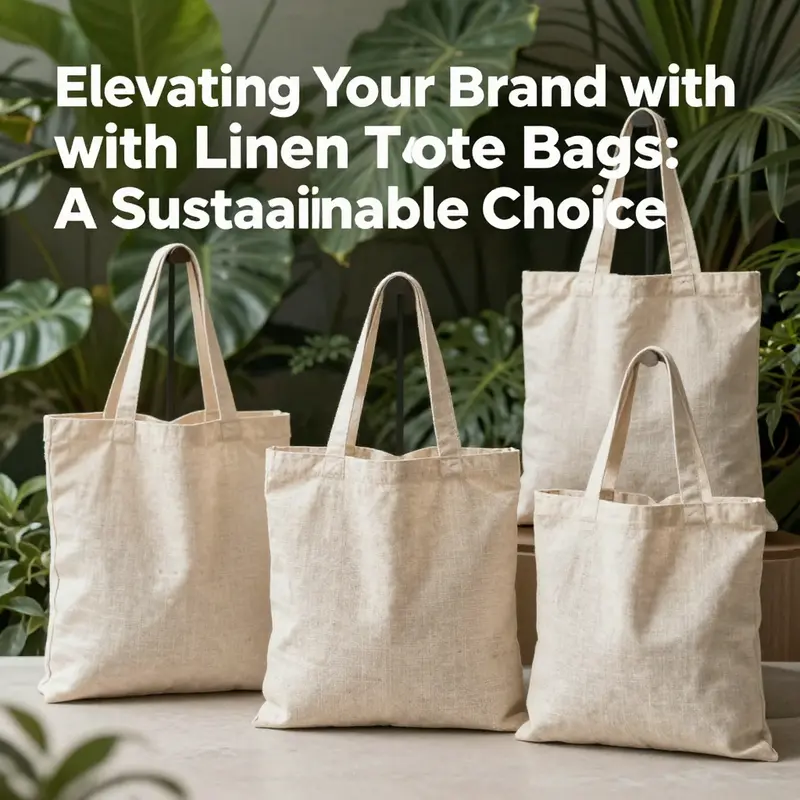
In a marketplace increasingly crowded with synthetic products, linen tote bags stand out as a sustainable and stylish alternative. Composed of naturally breathable flax fibers, these bags cater to eco-conscious consumers while also allowing businesses to showcase their commitment to sustainability. This article delves into three critical aspects of linen tote bags: their durability and performance, how they compare environmentally to other materials, and their inherent design and aesthetic appeal. By understanding these elements, business owners can make informed decisions on incorporating linen tote bags into their branding and offerings, striking the perfect balance between style, functionality, and ecological responsibility.
Linen Tote Bags Under Load: Performance, Durability, and the Everyday Balance of Style
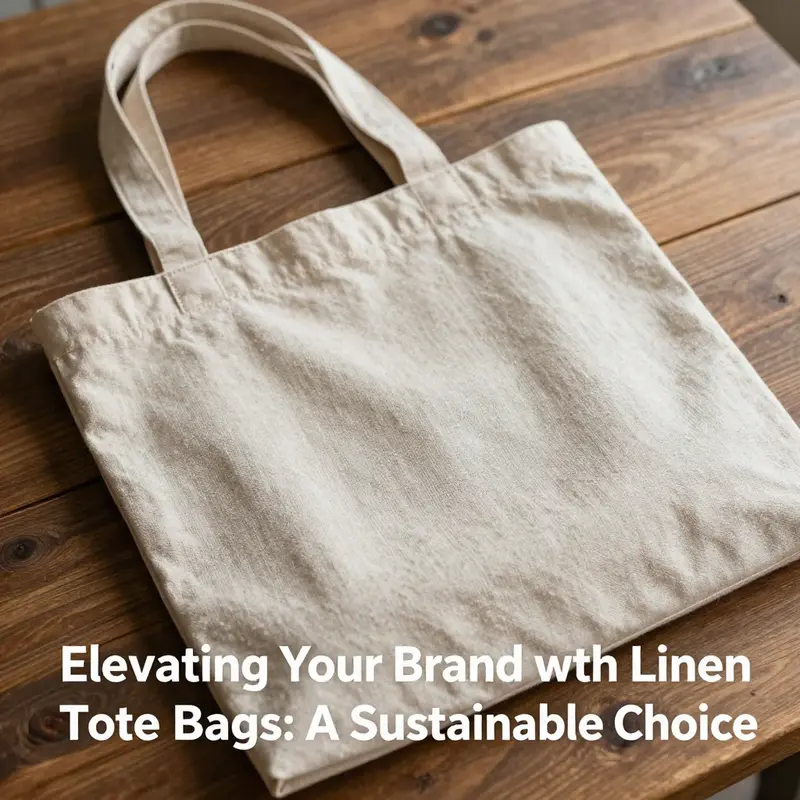
Linen tote bags have long held a fascination for shoppers who want a natural, breathable alternative to heavier synthetics. Their appeal lies as much in the way they feel as in how they look: a soft, flattering drape, an understated sheen, and a texture that seems to improve with age. Woven from flax fibers, linen carries a whisper of history—the fabric that has dressed linen closets and market stalls for centuries. In warmer climates, its light touch and airy hand make it feel essential, almost inevitable, when sunlit streets and open-air markets are part of the daily rhythm. Yet durability is not an ornament to linen’s charm; it is the practical measure by which a linen tote bag proves itself in everyday life. The challenge, as many users discover, is balancing the fabric’s generous softness with the demands of daily errands, a task that becomes clearer when we examine the fiber, the weave, and the construction choices designers use to translate linen’s natural advantages into real-world resilience.
What makes linen so appealing begins with its fiber. Flax fibers are strong and have high tensile strength when dry, a characteristic that gives linen its reputation for sturdiness. When you pick up a linen tote, you might notice how the fabric resists wrinkling less than some cottons, how it folds with a quiet ease, and how the surface catches light with a subtle, cultivated glow. These are not accidents of fashion; they are the outcome of a fiber that can endure, given the right weave and the right stitching. The apparent strength of flax fibers translates into a tote that feels substantial without being stiff, a bag that accepts a light load with a gentle response rather than a harsh, mechanical snap. For daily use—carrying groceries, a water bottle, a book, a wallet, and a couple of small personal items—the linen tote offers a comfortable, almost carefree carrying experience that can be a joy in warm weather.
But the very qualities that make linen so pleasant for light and moderate loads also illuminate its limitations. Linen’s typical plain or balanced weave tends to be looser than canvas, which is often chosen for its tight, dense structure. A looser weave improves breathability and drape but reduces the bag’s ability to hold its shape under weight. When you load a linen tote with groceries or other heavier items, the fabric can stretch noticeably at stress points such as the handles, the bottom corners, and the seam lines. Over time, this can lead to sagging or a less crisp silhouette, which detracts from linen’s classic look and feeling. Linen’s lack of elasticity compounds the challenge. Unlike fabrics that stretch and return to form, linen tends to hold a new shape after loading and folding, with limited rebound if the load repeatedly compresses a given area. This means that over many cycles of use, heavy loads can contribute to a gradual loss of original form, especially where the bag hinges on its most stressed zones.
The performance story becomes more nuanced when moisture enters the picture. Linen is known for its moisture management properties, which help keep hands cooler in warm conditions. Yet flax fibers respond to water in a way that reduces tensile strength. The literature and practical testing around linen indicate a notable decline in strength when the fabric is wet—often cited as a reduction in tensile strength of around 20% for flax-based textiles in damp conditions. The swelling of fibers when saturated can cause the weave to deform, which in turn can magnify creasing, sagging, and seam stress. A tote that spends time in damp corners, or one that encounters a rain shower on a routine errand, may experience more pronounced deformation or quicker fatigue in areas of high friction, like the top edge around the handles or the base where weight concentrates.
Where canvas offers a more predictable, stiff, and shape-holding experience, linen invites a different kind of use. Canvas, with its dense thread count and tighter weaving, tends to resist abrasion and maintain form even when loaded heavily, and many designers pair those properties with water resistance or wax finishes to improve weather performance. Linen, by contrast, excels for lighter, more aesthetic-driven tasks: a trip to the farmers’ market, a post-yoga outing, a day at the library, or a seaside stroll where the bag’s casual charm and breathable comfort are in themselves part of the appeal. The question becomes one of intention. If a shopper’s routine involves frequent heavy loads, or if weather exposure and repeated washing are part of the use cycle, linen’s long-term performance will often rely on careful handling and deliberate construction choices that compensate for its natural tendencies.
In practice, high-quality linen totes can still deliver impressive longevity for moderate, everyday use when designers implement thoughtful reinforcement. Double or even triple stitching at the most stressed seams, reinforced handles, and internal supports can markedly improve a bag’s ability to carry more without compromising the fabric’s integrity. Some linen totes employ interior linings or small protective panels that help distribute weight away from the raw linen surface, easing wear along the front and back faces. Others stage a careful balance between structure and softness, using slightly stiffer interfacings at the top edge or near the handles to preserve a clean outline without sacrificing the tactile appeal that linen lovers prize.
The design conversation around linen is ultimately about trade-offs. The bag that prioritizes a rigid silhouette and high load capacity will inevitably lean toward denser weaves, more substantial hardware, and reinforced stitching—qualities that may dampen linen’s signature softness and drape. Conversely, a bag designed to celebrate linen’s natural fall and airy feel may keep the weave more open and rely on judicious stitch patterns and panel layout to maintain shape. In either case, the intended use shapes the most critical decisions. For a yoga studio or a daily beach stroll, a linen tote with reinforced handles and a bottom panel can deliver durable performance without sacrificing the fabric’s renowned lightness. For a weekly grocery run, where the bag might take on heavier items, a linen tote still can be a viable option if its designers anticipate wear and preempt fatigue with cross-stitching, bartacks at stress points, and a carefully chosen seam allowance.
Careful handling remains essential. A linen tote will not automatically resist creasing or fatigue simply because it is elegant. Cleaning routines that respect the fabric’s natural fiber help extend life. Gentle washing, or even hand washing, followed by air drying, preserves the integrity of the weave and minimizes the risk of fiber fatigue from thermal or machine agitation. When it comes to creasing, a towel, a plain cotton cloth, or a light ironing while the fabric is slightly damp can smooth the surface without risking fiber damage. The interior care is also important: a soft lining or a padded sleeve helps distribute weight away from fragile areas, while a small, flat-bottomed insert can maintain a tidy silhouette during transit. For those who must carry heavier or sharper objects, the added protection of a small internal sleeve or a padded insert can prevent wear along the corners and edges that are most vulnerable to abrasion.
Yet even with these precautions, linen’s strength is best appreciated in the right contexts. Linen excels in warmth and style, and those advantages should not be undervalued. For users who value a bag that pairs with light, airy wardrobes, or who want a sustainable option that ages gracefully, linen tote bags offer a compelling blend of form and function. They carry a gentle message about a slower, more thoughtful approach to shopping and fashion—one that prioritizes natural fibers, minimal waste, and a timeless look that remains steady across seasons. In that sense, linen totes are less about brute strength and more about a certain daily grace: a bag that invites careful use, rewards gentle handling, and grows more characterful as it develops creases and softens with wear. This makes them ideal for light errands, casual commutes, and occasions where style counts as much as practicality.
From a materials perspective, the best linen totes often combine the fiber’s inherent beauty with construction details that acknowledge its limits. A bag built for everyday errands might feature a slightly denser single- or double-weave around stress points to reduce sagging, while still maintaining the linen’s breathability elsewhere. A roomy interior can accommodate a wallet, a water bottle, a book, and a reusable shopping bag, all without forcing the fabric to stretch beyond its comfortable operating range. Moreover, responsible design often extends to the bag’s environment. Linen is biodegradable and, when produced with sustainable farming practices and responsible manufacturing, can offer a compelling environmental profile. This aligns with the broader buyer motivation behind linen: to choose a material that is gentle on the earth while delivering a refined, understated aesthetic. The degree to which a linen tote aligns with those values will depend on where the flax is grown, how the fibers are processed, and how the bag is constructed to minimize waste and maximize longevity.
For readers who want to reflect on alternatives that emphasize durability under heavier use, exploring fabric tote bags for women can be instructive. The broader category helps reveal how different fabrics respond to similar stressors, and it clarifies why linen excels in some contexts while canvas remains the practical workhorse for others. You can consider the potential of combinations as well, such as linen panels paired with a sturdier bottom or reinforced side panels that preserve linen’s appearance while providing a more robust load-bearing capability. This kind of hybrid approach underscores a central idea: you don’t have to abandon linen to gain durability. You can design a linen bag that embraces its unique attributes—softness, breathability, and a natural luster—while listening to the demands of daily life and responding with targeted reinforcements.
The takeaway is nuanced but clear. Linen tote bags deserve a place in a thoughtful wardrobe, especially for lighter duties, social occasions, and warm-weather use. For heavy groceries, repeated full-day errands, or environments that expose bags to moisture and abrasion, canvas or other sturdy weaves often provide better long-term resilience. And yet the space between these two poles—where linen meets careful construction—offers a compelling middle ground. A linen tote with well-chosen stitching, reinforced handles, and a clean, stable bottom can perform remarkably well for a substantial portion of daily routines. The fabric’s elegance remains intact even after many cycles of folding and unfolding, and its natural fibers remember the wearer’s scent of sun and sea, which many users treasure as part of linen’s evolving identity. In this light, durability becomes not a single attribute but a balance—a balance between aesthetics, comfort, weather response, and the rhythm of daily life. A well-made linen tote stands as a quiet testament to the idea that sustainability and style do not have to be costly compromises; they can be paired with practical performance, too.
If you are evaluating linen totes as part of a broader shopping plan, keep in mind the practical checklists that often separate the long-lived from the short-lived. Look for double stitching at the handles, a reinforced base, and interior seams that are neatly finished rather than left exposed to friction. Consider whether the bag’s weight distribution is designed to reduce stress on any single point. Finally, reflect on how often you plan to wash or re-pack the bag, and whether you will be carrying items that might expose the fabric to sharp edges, moisture, or heavy pressure. These considerations are not about turning linen into a canvas substitute; they are about respecting linen’s strengths while engineering around its natural constraints to keep the bag looking and feeling like linen for seasons to come. In the end, the decision rests on an honest assessment of what you carry, where you carry it, and how you want to feel while carrying it. Linen is not just fabric; it is a lifestyle preference embedded in every fold, crease, and polish of the tote you choose.
To readers who are curious about how linen compares to other fabrics, a broader exploration of fabric performance can provide helpful context. For instance, a detailed comparison of linen and canvas tote bags highlights the ways each material serves different priorities—breathability and elegance versus stability and ruggedness. Such a comparison helps illuminate the value proposition of linen: its ability to elevate daily routines with a touch of natural luxury, even as it reminds us to respect the limits that come with a fiber that is both resilient and delicate in certain conditions. In the end, linen tote bags can be among the most rewarding choices for those who seek a sustainable, stylish companion for light to moderate loads. They invite a thoughtful approach to shopping and lifestyle, one that appreciates how a well-cared-for bag can endure the ups and downs of daily life while bringing a quiet, timeless charm to every outing.
For readers seeking a broader sense of the market and to explore related bag types, you might also consider fabrics that balance aesthetics with durability. A well-chosen fabric tote bag with an interior lining and reinforced structures can deliver a complementary option to linen, offering more predictable performance under heavier loads while keeping an eye on environmental impact. The conversation about linen is part of a larger narrative about responsible design, sustainable materials, and how small choices—like opting for a linen tote for light errands rather than daily heavy hauling—contribute to a more mindful consumption pattern. If your routine includes frequent trips to the market, the library, or weekend outings, a linen tote can become a trusted companion that ages gracefully and carries a story in every crease. It is this story—the blend of history, craft, and everyday practicality—that makes linen remain relevant in a world where fashion often moves quickly but values durability and character just as much.
External resource: https://www.alibaba.com/product-detail/Linen-Yoga-Mat-Carrying-Tote-Bag-Personalized_1600538976465.html
Weaving Change: The Eco-Elegance of Linen Tote Bags in a World of Materials
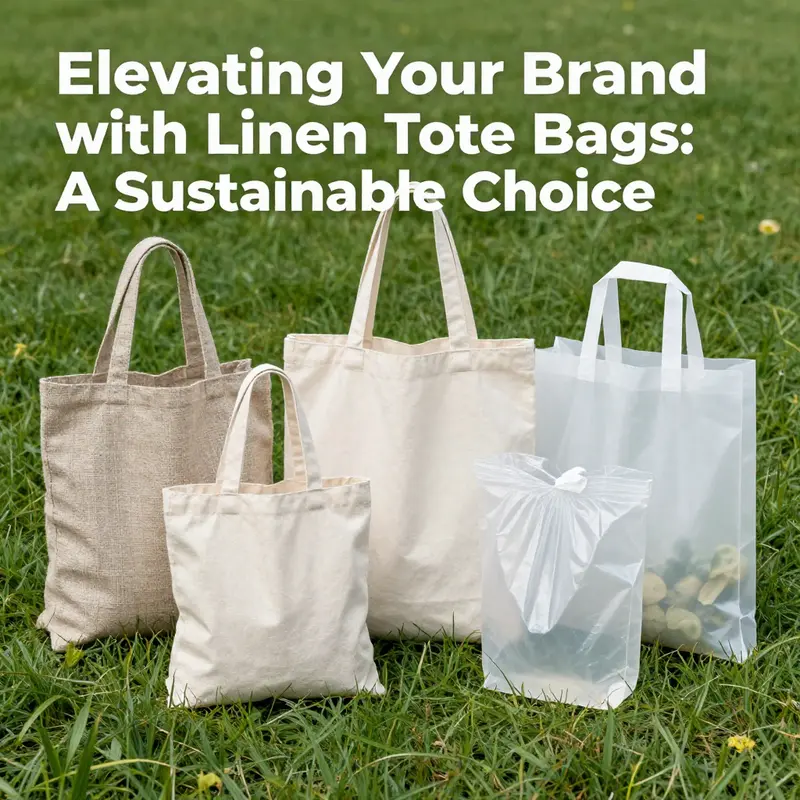
Every tote bag carries a responsibility beyond style, a small statement about how we interact with resources, waste, and the rhythms of daily life. Linen tote bags have become a favorite voice in that conversation. They bring a quiet elegance that feels appropriate for everyday errands and casual outings, yet they also whisper about a different set of choices—choices rooted in the way flax is grown, processed, and finally allowed to return to nature. This chapter isn’t a simple verdict on linen versus other fabrics; it’s a deeper look at how linen tote bags perform as eco-choices and how that performance is shaped by the materials that surround them. When you hold a linen tote, you’re touching more than a piece of fabric—you’re feeling a lineage that begins in a field, travels through a mill, and ends in a life spent carrying groceries, books, or a beloved sundress-and-sandals day out. The question is not only what linen can do, but what it does when we use it with care.
Linen’s story starts with flax, a plant celebrated for its resilience and its modest demands on land and water. Compared to cotton, flax often requires less water to grow and fewer pesticides to keep the crop productive. This difference might seem small at a casual glance, but it is meaningful across millions of acres and across decades of production. Flax’s cultivation has a way of supporting sustainable practices because its crop can thrive with fewer chemical inputs, and because the stalks left after processing can enrich soils rather than deplete them. The ecological arithmetic is not about a single bag or a single season; it is about the broader cycle of farming, textile manufacture, and consumer use, where flax’s reputation for frugal resource use becomes a quiet but consequential advantage.
Biodegradability is another cornerstone of linen’s environmental profile. When linen eventually leaves the home—whether in a landfill or a composting stream—it breaks down more readily than synthetics. That is not to say linen is a magic bullet; it is simply a natural fiber that aligns with a circular approach to materials. In contrast, synthetic polymers such as nylon, even when recycled, carry a durability that is double-edged: it means road-tested resilience, yes, but also a persistence in the environment that can outlive several generations. The flax plant’s life ends in a way that helps close the loop: linen fibers decompose, releasing nutrients rather than leaving microplastics behind. This is a practical difference that matters to someone who thinks about the long arc of a bag’s life, from purchase to end of use. It is also a reminder that eco-friendliness is not a single attribute; it is a confluence of renewable sourcing, biodegradability, and the energy and resources expended along the supply chain.
The tactile appeal of linen—its breathability, its gentle softness that develops with use, and its natural drape—makes linen tote bags particularly well-suited to warm climates and casual, everyday use. Breathability is more than a comfort feature; it is a signal of how a fabric interacts with moisture and heat. Linen fibers wick away moisture, helping hands stay cooler when the bag is carried over long stretches or used for a light to moderate load. This is especially true in hot cities or summer markets, where the last thing a shopper wants is a bag that clings or becomes clammy. The same openness of weave that gives linen its signature airiness also gives it character: a bag that looks refined yet reads as approachable, with a texture that invites touch and a color that ages gracefully. Those sensory details are not cosmetic; they influence how often a bag is used and how long it remains a constant companion rather than a pale imitation of a momentary trend.
But no material exists in a vacuum, and linen’s practical strengths arrive with trade-offs. Linen’s inherent strength at the fiber level does not automatically translate into the same performance when the yarns are woven in a loose or medium weave. To preserve airiness and a soft hand, designers often accept a certain amount of stretch and sag under weight. Over time, repeated strain on seams and at the handles can lead to fraying or even tearing if the construction isn’t reinforced. This is not a fatal flaw but a reminder that the durable, long-haul performance of a bag is as much about structural design as it is about the fabric itself. A linen tote intended for heavy groceries, for example, benefits from reinforced stitching, double-stitched stress points, and thoughtfully designed handles that distribute weight more evenly. In other words, linen can be exceptionally durable for the right tasks, especially when the build is tuned to its natural tendencies, and when the expectations about weight and frequency of use are aligned with what linen does best.
In conversations about eco-friendliness, it is important to place linen alongside canvas and other natural fibers, not as a direct replacement for every situation but as part of a spectrum of choices. Canvas, typically a tightly woven cotton, offers a different equation: higher tensile strength, greater abrasion resistance, and a structure that tends to resist sagging under heavy loads. This makes canvas a preferred option for those who regularly carry heavy groceries, books, or bulky items. Yet, water usage and chemical inputs associated with some cotton production can be higher than flax, depending on the cultivation methods and processing routes. The story then becomes less about a binary preference and more about a decision framework: what is the feedstock’s footprint in the growing phase, how does the fabric’s weave and construction respond to real-world use, and how is the bag cared for to extend its life? Linen shines in the contexts where lightness, air, and a sense of everyday elegance are valued, while canvas answers the call for greater strength when the bag must shoulder heavier loads on a more frequent basis. The nuanced balance between these materials is a reflection of consumer needs as much as it is of fiber properties.
Careful consumers recognize that the eco-advantage of linen is often maximized when linen is not pushed beyond its design envelope. To maximize longevity, one should avoid overloading linen totes, particularly beyond what their weave and stitching can comfortably support. Handling practices matter, too: stuffing a linen bag to its breaking point, dragging it by the handles, or exposing it to rough surfaces can accelerate wear. Instead, treat linen as a fabric that ages gracefully under moderate use, where creases become part of its character rather than a sign of fatigue. Storing bags flat to reduce creasing helps preserve the fibers and minimizes fatigue, particularly for bags made with lighter or looser weaves. A gentle approach to washing, using mild detergents and air drying, can keep the color and texture from fading while avoiding the more aggressive mechanical actions that sometimes accompany machine washing. These small rituals—care, restraint in loading, and mindful storage—are not merely maintenance tips; they are a philosophy of stewardship that complements linen’s natural storytelling.
The conversation about eco-friendliness would be incomplete without acknowledging the broader context of synthetic materials. Nylon, a synthetic polymer born in mid-20th century industrial chemistry, represents a different type of resilience—one built on fossil fuel foundations and energy-intensive processing. Even when recycled, nylon’s lifecycle tends to emphasize durability at the expense of end-of-life degradability. In contrast, linen’s natural origin invites a more cyclical perspective: the possibility that the bag returns to the earth with minimal residue, and the option to reintroduce linen fibers into compost or soil life. This distinction resonates with the goals of many environmentally minded shoppers who want products that align with a circular narrative—materials that can re-enter the ecosystem rather than persist in landfills for centuries. The broader takeaway is not to vilify synthetic options, but to recognize that their ecological footprint often involves trade-offs across energy use, resource intensity, and long-term persistence, whereas linen tends to offer a more transparent end-of-life pathway for those who plan with the next phase in mind.
It is also valuable to consider linen in the larger family of natural fibers, including cotton, hemp, and other plant-based options. Canvas—often made from cotton—remains a strong, durable choice for many daily tasks, and it can be produced in ways that reduce water use and environmental impact through careful cultivation and processing. Yet flax, the source of linen, typically demonstrates a different balance of water usage and input requirements than cotton, which can tilt the overall ecological equation in linen’s favor. Organic cotton and hemp present their own sets of advantages and challenges, with organic farming reducing certain chemical inputs and hemp offering rapid growth cycles and robust fiber properties. When choosing between these natural fibers, the decision often hinges on local conditions, farming practices, and the end-user’s values around compostability, durability, and the embodied energy of transport and processing. Linen’s place in this spectrum is a nuanced one: it stands out for its low-input appeal in many growing regions, its natural aesthetic, and its potential to support a more circular approach to fashion and household goods without sacrificing daily usability.
For shoppers who want to align their purchases with a broader commitment to environmental stewardship, there are practical steps that extend beyond selecting linen. Look for ethically sourced flax that is grown with soil health and biodiversity in mind. Consider how the bag is dyed and finished: non-toxic dyes and minimal finishing steps can reduce chemical loads and lower environmental impact. Evaluate the production chain for transparency—knowing where the fabric comes from and how it is made adds a layer of confidence to the purchase. Finally, consider the total lifecycle of the bag, from manufacturing to washing, use, and end-of-life options. Linen’s true eco-footprint is not determined by a single trait but by a constellation of practices that, together, determine whether the bag proves to be a long-term, gentle companion rather than a disposable accessory. This broader approach helps consumers move beyond hype and toward choices that reflect a genuine commitment to environmental responsibility.
As you weave this story into your own shopping habits, you may want to explore the range of fabric options that exist for everyday totes. For a broader sense of how different fabrics stack up in real-world use, you can explore resources that discuss fabric choices for bags and other carry items. A concise guide to fabric options and their trade-offs provides a useful framework for evaluating linen alongside alternatives such as canvas and synthetics. For a quick reference, see this accessible overview on fabric tote bags for women, which highlights how different materials influence look, feel, and longevity: fabric tote bags for women. This link offers a broad context and helps readers connect the ecological conversation to everyday decision-making in a practical, purchase-oriented way without getting lost in technical minutiae. It’s a helpful companion as you weigh aesthetics, durability, and ecological considerations in a single, cohesive decision.
The narrative of linen is not only about the present moment but about future possibilities as well. The choice to reach for linen when a bag is needed can be part of a broader shift toward materials that are renewable, biodegradable, and less energy-intensive in production. It invites questions about how products are designed: can a bag be built for easy repair, with reinforced stitching and simple components that can be replaced rather than discarded? Can natural fibers be paired with protective linings or dyes that preserve both appearance and integrity without compromising compostability? These are not trivial concerns, but rather practical design questions that influence longevity and user satisfaction. Linen may require a gentler hand than some synthetics, and it may not be the strongest option when loaded far beyond its capacity. Yet its elegance, lightness, and environmental compatibility offer a compelling combination for daily use when the bar is set at what linen can responsibly deliver.
In closing, linen tote bags embody a particular philosophy of everyday life: that beauty and responsibility can coexist in simple, practical objects. They invite us to slow down a little, to consider how our choices ripple through soil, water, and air, and to recognize that our bags are not merely carriers but everyday actors in a broader conversation about sustainability. When we select linen, we acknowledge the labor of flax farmers, the efficiency of fiber processing, and the artistry of weaving that gives each bag its character. We accept that linen’s performance is strongest in roles that match its strengths—light to moderate loads, regular use, and a lifestyle oriented toward minimal waste and mindful consumption. The result is a tote that is not only a fashion moment or a shopping tool but also a quiet ally in the daily practice of living with less waste. If you carry linen with intention, you contribute to a narrative that values the journey of a fiber from field to bag to future soil, and you participate in a longer, gentler arc of material culture that holds the potential to endure with dignity and grace. The next time you reach for a tote, consider whether linen might fit the moment—whether you are seeking airiness, texture, and a sense of living lightly on the land, or whether your needs align better with a tougher, higher-capacity option. Either way, understanding the eco-story behind the fabric helps you make a choice that feels coherent with your values and your daily rhythms. And in that coherence, linen tote bags offer more than practicality; they offer a small, enduring contribution to a more mindful, more sustainable way of carrying the things we need.
Weaving Subtle Luxury: The Design and Aesthetic Allure of Linen Tote Bags
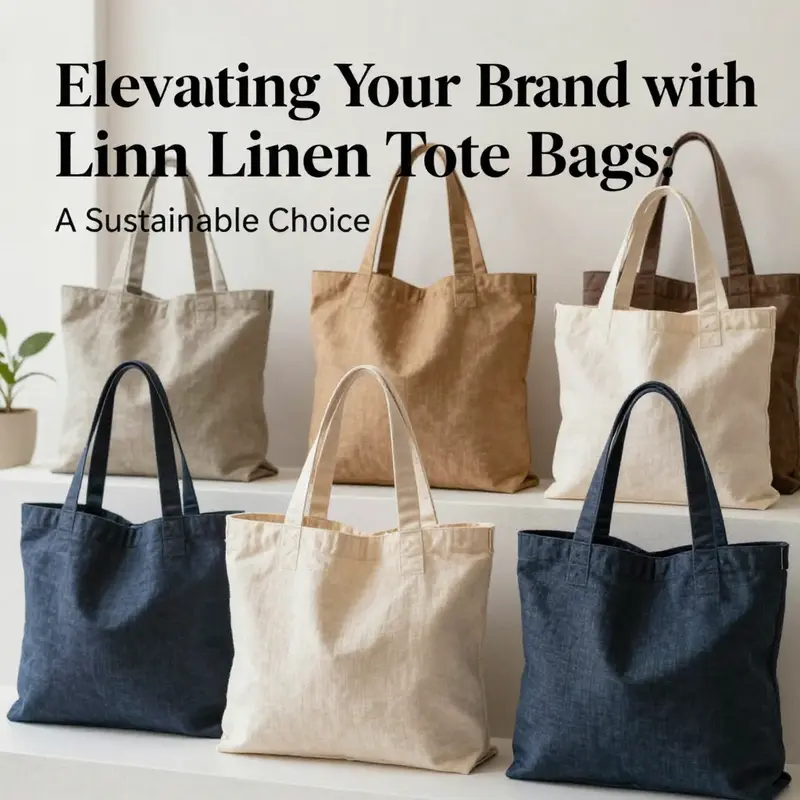
Linen tote bags stand at a quiet intersection of nature and city life, where the grain of a plant fiber translates into a texture you can see and feel, and where everyday errands become a small ceremony of style. The very act of reaching for a linen tote in the morning carries with it a lineage of craft, a nod to flax’s long history, and a sense that form and function can walk hand in hand without shouting. The fabric itself, derived from the flax plant, offers a tactile experience that is at once earthy and refined. Its slightly rough, organic feel gives depth to the surface, creating a visual interest that does more than simply carry a load. Each bag bears a telltale fingerprint of its origin—the natural slubs, the irregularities that remind us that linen is not a factory-perfect material but a living fiber with character that matures over time. This is the quiet luxury of linen: not flashy, but enduring, evolving with use, and beautifully suited to a life that moves between sunlit streets and shaded rooms.
The silhouette linen tote bags project is uncomplicated yet intentional. They favor clean, structured lines that hold their form through a day’s modest activity, while their inherent softness ensures the bag remains approachable and easy to handle. Linen’s lightweight durability supports a sense of ease; the fabric breathes, its fibers pattering softly as hands slip in and out, and the bag’s drape falls with a natural, unforced grace. This subtle drape is part of linen’s charm. It signals that a bag does not have to boast industrial toughness to feel substantial. Instead, the fabric communicates a restrained confidence: a tote that looks at home beside a linen shirt on a warm afternoon or slung casually over a chair in a sunlit café. The interplay between structure and ease is where linen finds its visual poetry, an aesthetic that complements casual wear as deftly as it can anchor a more refined, minimalist wardrobe.
Color, like texture, plays a pivotal role in the linen tote’s appeal. Its natural palette runs from crisp whites and warm ivories to soft beiges and earthy greys, with occasional dyed accents that preserve the fabric’s understated elegance. These neutrals act as a quiet canvas, enabling the bag to harmonize with a wide range of outfits—from a breezy summer dress to a tailored blazer and cropped trousers. The color story of linen tote bags is less about making a bold statement and more about ensuring the bag remains versatile across seasons and settings. A white or ivory tote reads as pristine and modern, while a beige or stone shade brings warmth that pairs effortlessly with wood tones, denim, or linen textures in clothing. In a market saturated with saturated hues and flashy patterns, linen’s restrained color approach is a conscious choice for longevity. It invites layering and pairing rather than competing for attention, and in doing so, it reinforces linen’s reputation as a timeless staple rather than a transient trend.
Texture and grain are inseparable from the linen experience. The fabric’s surface carries the unique fingerprint of its weave, and that texture can shift with every washing and wear. The visible grains and occasional slubs are not flaws but features that tell a bag’s story. They suggest a product born from natural fibers rather than a synthetic, machine-perfect replica of a shape. In a practical sense, this texture contributes to grip and tactility. A linen tote’s surface invites touch, encouraging a user to run their fingers along the fabric as they search for car keys or receipts. This tactile quality also catches light in a way that makes the bag shimmer subtly, imparting a sheen that feels approachable rather than glossy. The soft glow of linen under daylight underscores its natural origins and elevates its presence in both casual and semi-formal settings, giving an air of effortless sophistication without requiring excessive embellishment. The grain’s irregularity, rather than diminishing uniformity, adds character that pairings with modern silhouettes can only enhance. In a wardrobe dominated by solid neutrals, linen’s texture becomes a quiet protagonist, guiding how ensembles are perceived without shouting for attention.
From a design perspective, the beauty of linen lies in its capacity to communicate restraint and authenticity. The fabric’s inherent softness develops over time, a process that mirrors how style can mature with wear. A tote that begins with a crisp, almost architectural look can soften gracefully as it’s carried, folded, and stored. The softening does not erase the bag’s structure but rather enhances its usability and personality. This maturation is appealing to those who value items that age with dignity, gathering a patina that feels earned through daily use. The notion of aging gracefully aligns with linen’s sustainability narrative: a bag that becomes more cherished as it gains character rather than losing form or becoming disposable.
Another design thread worth noting is the balance between lightweight construction and durability. Linen is, by its nature, breathable and strong in individual fibers, but its overall performance in a bag is shaped by weave density and construction choices. A loosely woven linen presents an airy, elegant look but can sag or stretch under heavy weight, and it may experience some elongation at stress points such as handles. This is not a flaw of linen so much as a reminder that, in tote design, the balance between aesthetics and practicality matters. The most successful linen totes employ thoughtful construction: reinforced seams, durable stitching at stress points, and carefully chosen handle dimensions that distribute weight without digging into the skin or shoulders. When these elements are in place, linen becomes a capable daily companion for light to moderate loads—groceries, fruit, a book, a laptop charger, a wallet, a water bottle—items that define everyday life more than a weekend packing list could ever capture.
Care considerations are part of the aesthetic equation. Linen rewards gentle handling. Repeated strain at the corners and along the top edge can contribute to creasing and fatigue over time. To preserve its shape and extend longevity, storing the bag flat can reduce creasing and fiber fatigue. If the bag gains creases, a light steaming can relax the fabric without damaging it, and a careful washing regimen—cold water, mild detergent, and air drying—helps maintain its texture and color. Unlike some synthetic fibers that bounce back instantly after washing, linen’s memory is more about accepting that slight change, embracing the bag’s story rather than fighting it. Caring for linen is an act of preserving the bag’s natural beauty and environmental promise. When treated with a respectful eye toward weight limits and gentle maintenance, linen tote bags stay faithful to their creed of simplicity and durability, aging with intention rather than becoming a brittle or discarded object.
Inspirations for design vary widely, but a shared thread runs through most linen totes: a preference for form that respects function. The shape is often a calm, rectangular outline with room for daily essentials, sometimes accented with small pockets or a single interior division that keeps items organized without visually cluttering the exterior. Hardware, if used, tends to be restrained, favoring subtle metal accents or natural materials that echo the fabric’s organic roots. The result is a bag that adapts to a spectrum of contexts—from a lazy beach stroll to a busy workday—without demanding a specific mood or dress code. A linen tote’s versatility is its stealth strength: it can align with bohemian textures and artisanal details as easily as with clean lines and modern minimalism. This adaptability makes linen tote bags particularly compelling in a world where wardrobes seek sustainability, longevity, and a quiet sense of taste rather than fast-fashion urgency.
For designers and styling enthusiasts seeking ideas beyond the basics, the textile’s natural elegance invites experimentation without sacrificing the linen’s intrinsic charm. Pinterest, as a resource, offers a flourishing array of ideas that illustrate how simple shapes and thoughtful detailing can yield a bag that feels both practical and expressive. The fascination with patterns, shapes, and functional features demonstrates how linen’s understated fabric can be a canvas for personal expression, letting texture, color, and silhouette carry the message rather than overt branding. If you’re exploring this space for inspiration, a quick search can reveal a spectrum of interpretations—from versatile, pared-down bags that pair with tailored looks to more relaxed, organic shapes that complement coastal and bohemian wardrobes. In any case, the design journey remains anchored in the linen’s spirit: unforced elegance, tactile richness, and a sense that the bag is a natural extension of the wearer’s daily rituals.
Beyond the immediate sphere of design, linen’s aesthetic also speaks to broader values surrounding material choices and sustainability. Linen’s biodegradability and the relatively low environmental footprint of flax cultivation contribute to a narrative in which beauty and responsibility coexist. The aging process—where the bag becomes softer and its texture more pronounced—serves as a reminder that sustainability can be a lived experience. A linen tote is not merely a product to purchase; it is a companion that evolves with you, bearing witness to your routines and your seasonal shifts. This enduring quality helps explain why linen totes endure in a crowded marketplace. They are not just accessories; they are trust signals—markers that a life can be carried with grace while remaining aligned with ethical and ecological sensibilities. When a bag’s beauty is inseparable from its purpose, it becomes a meaningful piece in a daily uniform, one that can be cherished for years and passed down with pride.
To connect these ideas with practical choices, consider how a linen tote’s aesthetics interact with different environments. In the summer sun, linen’s light colorways and breathable weave help keep the bag feeling cool to the touch, even when carried with a moderate load. In a cityscape where space is at a premium, the bag’s clean silhouette and memory of weight lend it to be compact enough to tuck under a desk or into a small locker, yet roomy enough to swallow a reusable water bottle, a light cardigan, and a few market purchases. The neutral tones act as an equalizer, letting the user switch between casual and semi-formal outfits without mismatching. In more intimate settings, the bag’s texture becomes a tactile cue that invites closer attention, a way to notice the difference between a purely functional item and a thoughtful, well-considered accessory. The design logic is simple, almost timeless: linen tote bags work best when they honor material honesty, celebrate natural texture, and avoid forceful branding or excessive ornamentation. The result is an accessory that feels as if it emerged from craft rather than from a glossy assembly line, and that sense of craft resonates with people who value longevity over novelty.
In short, the design and aesthetic appeal of linen tote bags rests on a balance between restraint and touchable richness. The fabric’s texture, weight, and color options offer visual depth and tactility that are hard to replicate with more uniform synthetics. The silhouette preserves a quiet formality without stiff rigidity, letting the bag transition through daily routines with grace. The aging process adds character rather than diminishing function, and the care requirements—while specific—are straightforward enough to keep the bag vibrant for years. For individuals seeking a natural, stylish, and practical everyday bag, linen offers a compelling answer: a tote that wears its beauty lightly, grows more comfortable with use, and remains respectful of the world it travels through.
For readers wanting to explore fabric options that align with linen’s aesthetic while widening practical choices, a broader perspective on fabric totes can be helpful. See Fabric tote bags for women for a complementary approach that highlights how different textures and weaves can harmonize with linen’s natural charm, providing a bridge between simplicity and variety. This consideration reinforces the idea that the right tote is not just about how it looks in a showroom, but how it sits with you in daily life—how it feels when you grab it in the morning, how it ages with your routines, and how it carries your essentials with a calm confidence that never shouts but always speaks clearly of quality.
As you move to the next stage of your exploration, you’ll find that the conversation around linen totes broadens into conversations about performance and durability. The balance between aesthetics and practicality remains central, guiding decisions about weave density, stitching integrity, and load-bearing design. In that sense, linen totes embody a philosophy: beauty rooted in honest materials, executed with care, meant to accompany a life lived with intention rather than a life spent chasing trend momentum. This philosophy, in turn, invites ongoing curiosity about how a simple bag can carry not just groceries or books, but a broader sense of identity—a quiet statement that style and sustainability can be one and the same.
External perspective can enrich this understanding as well. For a broader comparison of linen with canvas—the other popular natural option in tote design—there is a comprehensive guide that delves into how each material behaves under weight, how they wear over time, and what practical considerations come into play when choosing between them. The guide offers a balanced view of texture, durability, and everyday usability, helping readers make informed choices that align with their values and their routines. If you’re curious, you can explore that resource to deepen your appreciation of how fabric choices shape not just the bag’s appearance but its long-term performance as well.
External resource: The Spruce Crafts: linen vs canvas tote bags
Final thoughts
Linen tote bags are more than just a trendy accessory; they represent a sustainable and stylish choice for consumers and businesses alike. Their durability makes them suitable for numerous everyday tasks, while their eco-friendliness sets them apart from synthetic options, aligning perfectly with the growing demand for sustainable products. Moreover, their elegant designs can enhance brand identity, allowing businesses to stand out in an increasingly competitive market. By embracing linen tote bags, you are not just adopting a product, but also promoting a lifestyle that values sustainability and aesthetic appeal. Encourage your customers to choose wisely and make a difference—one tote at a time.