
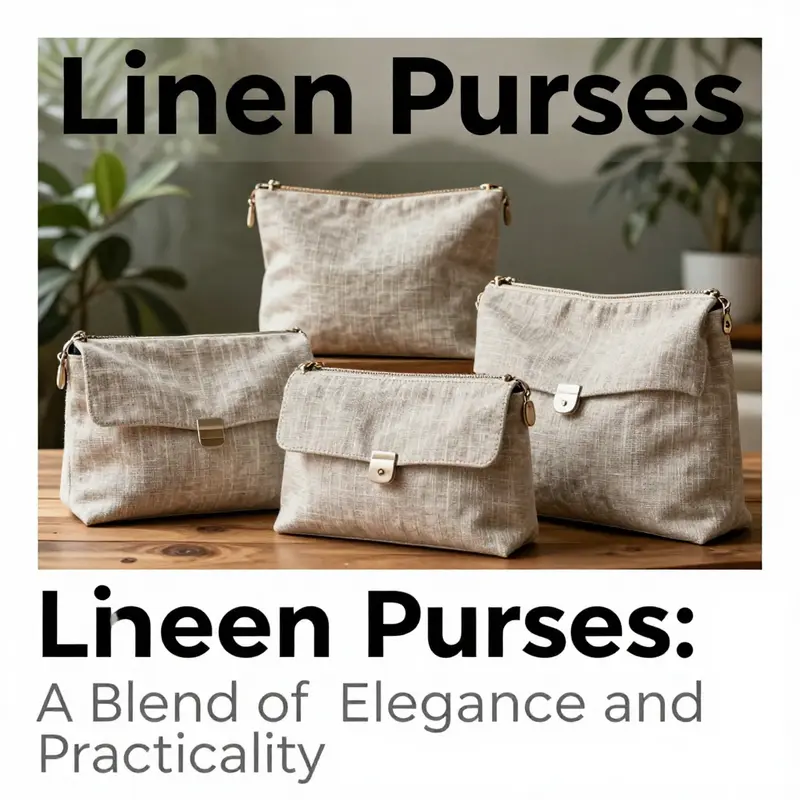
Linen purses are increasingly gaining traction among fashion-forward consumers seeking natural elegance and breathability. Business owners can benefit from understanding how to leverage this popularity amongst their clientele. This article delves into the characteristics and care of linen purses, highlighting their stylish and functional features. Furthermore, we will compare linen with other materials frequently used in bag production, arming you with insights to guide procurement and inventory decisions. The subsequent chapters will provide a comprehensive overview of linen purses to enhance your business strategy.
Linen Purses: How Their Natural Character Shapes Care and Longevity
Linen purses carry a quiet confidence. Their textured surface, soft sheen, and breathable feel create a look that reads both casual and refined. This chapter explores what gives linen purses their distinctive character, and explains practical care choices that help them remain beautiful for years. The emphasis is on understanding the material, balancing aesthetics with durability, and adopting routines that fit everyday life.
Linen begins with flax, a plant fiber with a long textile tradition. Compared with many fibers, linen is unusually strong for its weight. The weave of linen threads forms a tactile surface that catches light and shows depth. That texture contributes to the purse’s visual appeal and to how it wears over time. Linen’s breathability and natural coolness make it especially suited to warm climates. Items stored in a linen purse breathe, lowering the risk of trapped odors. The fiber’s resistance to odor and ability to stay cool against the skin are practical benefits as well as sensory features.
At the same time, linen has tradeoffs. It wrinkles easily. That tendency is not a flaw, but an intrinsic quality of the fiber. Wrinkles can become part of a linen purse’s lived-in patina, adding character rather than detracting from it. However, if you prefer a crisp silhouette, linen requires more frequent smoothing. The fabric also accepts dyes differently than fibers like cotton or synthetic blends. Colors tend to sit on the surface of the weave, lending a soft saturation that can fade if exposed to strong sunlight for long periods.
Abrasion-resistance is another area where linen differs from heavier materials. Canvas and tightly woven synthetic textiles generally withstand constant rubbing and scuffing better. Linen’s weave, especially when loose or slubbed for texture, can show wear more quickly on high-friction points like corners, strap bases, and zipper lines. Many linen purses address this through design: adding reinforced bases, leather or synthetic trim at high-wear points, and robust internal linings. When evaluating a purse, look beyond the outer fabric. Interior construction, the weight of the thread, and the reinforcement details determine whether the piece will stand up to daily use.
Because linen is plant-based and often produced with fewer inputs than heavily processed synthetics, it has an eco-friendly appeal. Flax typically requires less water and fewer pesticides than some other crops, and the fiber is biodegradable. For shoppers who prioritize sustainability, linen offers a sensible compromise between natural texture and environmental impact. Still, sustainable intentions only translate to long-term benefits when the item is cared for properly. A linen purse that falls apart quickly negates the environmental advantage. Durable construction and intentional maintenance keep the purse in circulation for years.
Practical care starts with realistic expectations. Reserve linen purses for the contexts where their strengths shine: warm months, casual to smart-casual ensembles, light daily loads, and occasions where their breathable nature is an asset. Avoid using a linen purse as a heavy, all-purpose bag. Carrying heavy tools, books, or sharp objects will stress seams and accelerate abrasion. If you need a bag for work that holds a laptop and heavy accessories, consider options built from sturdier fabrics. For lightweight daily essentials, though, a linen purse delivers comfort and style.
Cleaning and stain management are central to good upkeep. When dirt or marks appear, respond promptly. Fresh stains are easier to remove than set ones. For light soiling, a gentle hand wash in cold water with mild detergent often suffices. Agitate lightly and avoid wringing, which deforms the weave. When machine washing is necessary, choose a delicate cycle and use a protective laundry bag. Machine agitation increases friction, so keep cycles short and avoid heavy spin speeds. Always skip bleach and harsh chemical cleaners; they break down the fiber and strip color.
Drying requires the same restraint. Linen tolerates water well but not high heat. Air-dry the purse flat or supported on a form that keeps its shape. Direct sunlight accelerates fading and can dry fibers to a brittle finish. If the purse has a structured base or leather trim, remove detachable parts before washing. Reshape gently while the fabric is damp to restore the intended silhouette. Never leave a damp linen purse in a closed, warm place. Poor air circulation breeds mildew and permanent odor.
Wrinkle control is straightforward once you adopt a simple routine. Iron linen on a low to moderate setting while the fabric remains slightly damp. Use a pressing cloth to protect embellishments or delicate trims. For frequent freshening, a handheld steamer works well. Steam relaxes fibers without crushing texture. Steam also preserves the linen’s natural slub and subdued sheen, avoiding the overly pressed look that removes character.
Storage choices influence how a linen purse ages. Store in a cool, dry place away from direct light. Avoid plastic bags, which trap moisture and invite mildew. Use breathable cotton bags or pillowcases instead. If the purse is lightweight and unstructured, store it with tissue or soft padding to maintain shape. For purses with stiff frames, hang them by their handles if the straps are reinforced. Preventing sharp folds reduces deep creases that are difficult to remove later.
Protecting edges and high-friction areas increases useful life. Consider retrofitting a purse with a removable insert or base to reduce internal abrasion. Small fabric pads under hardware points, or corner protectors, help diffuse wear. Rotate your purses. Regularly alternating between several bags prevents any single piece from suffering constant use. If a linen purse has leather handles or trim, condition the leather periodically. Avoid getting leather conditioners on the linen body; test carefully and apply with precision.
Stain removal has nuances. For oil-based stains, sprinkle a gentle absorbent like cornstarch, and let it sit to draw the oil out before brushing away. For water-based stains, a mild soap solution and a soft cloth often work. Work from the outside of the stain inward to avoid spreading. Treat stains promptly, and after any spot cleaning, rinse thoroughly and air-dry flat. For complex or delicate finishes, consider professional cleaning. A specialist can remove stubborn marks and service linings without compromising the weave.
Repairs and reinforcement keep a linen purse usable longer. Small rips and seam stress points respond well to timely mending. Use thread that matches the original in weight and color. Reinforce the interior at stress points with a discreet patch. Professional repairs may be warranted for complex interiors, zipped compartments, or decorative stitching. Replacing worn linings preserves the exterior fabric and restores function. When a purse’s hardware loosens, address it quickly; loose rivets or screws cause misalignment and stress on the surrounding textile.
Weather considerations matter. Linen fares best in dry conditions. Rain exposure is manageable when brief, but repeated moisture and the dirt it carries wear down fibers. If a linen purse gets wet, blot excess water with a soft towel and air-dry promptly away from heat. For travel in wet climates, consider a protective, lightweight cover kept in another bag. If you expect heavy rain or snow, a different bag is a safer option.
Design choices play a role in longevity as much as fabric properties. A tight, even weave generally resists abrasion better than an open, slubbed texture. Consider the intended use when selecting weave density. Linings made from durable cotton or a poly blend add structure and abrasion resistance. Hardware placed to minimize direct rubbing against the body of the bag reduces scuffing. Look for reinforced stitching at handles and strap attachment points. These details often predict how long the purse will withstand daily routines.
For those who want linen aesthetics but increased resilience, blends offer a good compromise. Blending linen with cotton or a small percentage of synthetic fibers can reduce wrinkling and increase abrasion resistance while retaining much of linen’s tactile charm. Another approach is pairing a linen exterior with a protective inner sleeve. This keeps the outside looking fresh while shielding the interior from spills.
Everyday habits preserve linen’s best qualities. Empty the purse daily of crumbs and debris. Keep makeup and pens in individual pouches to avoid accidental staining. Store damp items in separate waterproof pouches. Avoid overloading the bag. Heavy contents strain seams and distort shape. These small rituals make a significant difference over time.
When shopping for a linen purse, examine stitching quality, seam allowance, and reinforcement details. Check the lining and zipper quality, and test handles for play. Consider whether trim materials are compatible with your lifestyle. If you commute, look for a reinforced base and secure closures. If you need a bag for evenings, lightweight designs with delicate finishes may be more appropriate.
A linen purse that is cared for properly rewards its owner with a relaxed, lived-in elegance. Wrinkles and softening fabric can enhance the bag’s personality if you allow them to. With regular attention to cleaning, drying, and storage, the material retains its integrity. For those who prefer an ultra-structured look, linen may require more upkeep than alternatives. But if you value natural texture, temperature comfort, and a lower environmental footprint, linen repays careful stewardship.
For readers considering linen among other fabric options, further guidance on how woven fabrics perform over time is available in a comprehensive textile resource. It explains identifying durable weaves and comparing materials for long-lasting purses: https://www.fashionencyclopedia.com/Textiles-and-Fabrics/Weaving-Techniques/Linen.html
If you want to explore similar fabric choices for casual daily wear, consider reviewing comparisons of different fabric tote options, especially those that examine weight, structure, and suitability for daily loads. A useful internal resource on fabric options is an overview of fabric tote bags for women: https://alltotebags.com/fabric-tote-bags-for-women/
Adopt these habits, and a linen purse will remain a reliable, elegant companion. Small interventions — prompt stain treatment, gentle washing, mindful drying, and timely repairs — extend lifespan dramatically. Linen’s natural character rewards hands-on care with a comfortable, attractive accessory that feels entirely at home in summer wardrobes and light daily routines.
Natural Elegance, Practical Design: How Linen Purses Balance Style and Everyday Use
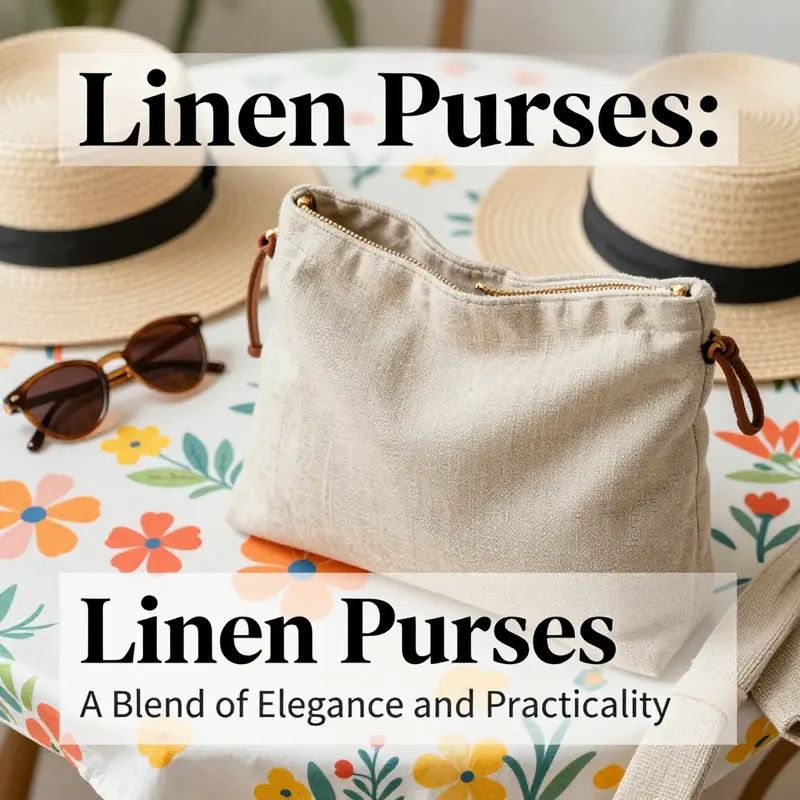
Linen purses occupy a special place in wardrobes where natural texture and restrained style matter. They carry an effortless look that pairs easily with denim, linen trousers, or a summer dress. Yet beneath that calm surface lies a set of practical realities and design choices that determine whether a linen purse will remain a favorite for months or years. This chapter explores the balance between the aesthetic appeal of linen and the functional decisions—construction, hardware, lining, and care—that make a linen purse genuinely useful day to day.
Linen’s appeal begins with its look and feel. The fabric’s visible weave, subtle slubs, and matte finish communicate a quiet sophistication. Designers exploit these qualities to create shapes that read as minimalist and refined without feeling sterile. A small crossbody, a roomy shoulder bag, or a casual pouch all benefit from linen’s tactile dimension; it softens sharp silhouettes while lending organic texture to structured forms. That versatility is why linen purses transition easily from daytime errands to relaxed evening outings. A neutral-hued linen purse complements patterned dresses and bold accessories alike, while colored linens can anchor an outfit without competing for attention.
But style alone is not enough. The practical success of a linen purse depends on how the raw fabric is adapted to real life. Linen is inherently strong; its fibers resist tensile stress better than many expect. That strength supports durability when the purse is well made. However, linen also wrinkles and abrades more readily than heavier woven materials. Designers aware of these traits make deliberate choices. They use reinforced stitching at stress points, such as strap attachments and bag openings. They add internal or external panels of sturdier fabrics at the base to prevent wear where the bag contacts surfaces. They specify high-quality linings to protect the outer linen from spills and to provide structure that linen alone often lacks.
Breathability is one of linen’s functional advantages. The fabric allows air to circulate, which reduces trapped odors and helps prevent mildew when a bag is stored correctly. This feature makes linen particularly attractive for warm-weather accessories and beach-ready styles. A breathable purse feels lighter on the shoulder and keeps interior contents from developing the stale smell that can build in denser synthetics. For those who frequently carry items like produce, damp swimwear, or gym clothes, linen’s airflow can be a small but meaningful comfort.
Functionality also hinges on interior design. Spacious compartments, practical pockets, and secure closures turn a pretty purse into a reliable daily companion. Linen designs that prioritize functionality often include a main compartment with a zip or magnetic closure, a zippered inner pocket for valuables, and slip pockets for a phone or keys. Some makers incorporate removable pouches that can be used separately for quick outings. Thoughtful strap design matters as well: adjustable straps allow a single bag to be worn as a shoulder bag or crossbody. Reinforced strap anchors and a modest strap width help distribute weight and reduce strain on the linen fabric.
Structure is another key consideration. Pure linen, especially in lightweight weaves, may not hold its form when loaded. Many designers therefore pair linen with a stabilizing lining or an internal frame. Cotton canvas or a thin synthetic backing can provide the rigidity needed for a tote or messenger-style purse while letting linen take center stage visually. For slimmer, more sculpted bags, internal stiffeners or interfacing keep edges crisp. These additions ensure the bag retains its intended silhouette, improves load-bearing capacity, and protects seams from premature wear.
Hardware and trim choices can elevate both style and resilience. Metal zippers, solid snap closures, and riveted strap attachments increase longevity. Leather or faux-leather corner guards and bases reduce abrasion in high-contact areas. While minimalist aesthetics might favor hidden hardware, visible, well-finished metalwork can reinforce the bag’s structure and add a design focal point. Choosing corrosion-resistant metals and durable finishes prevents tarnish and maintains the purse’s refined appearance through daily use.
Sustainability plays a large role in linen’s contemporary appeal. Linen is biodegradable and derived from flax plants that require relatively low water and pesticides compared to some other crops. For consumers who prioritize lower-impact materials, a linen purse is a conscious choice. Many makers emphasize ethical production, small-batch dyeing, and natural or low-impact finishes. This artisanal dimension often produces unique color variations and hand-finished details that add to a linen purse’s charm. When buying, look for information about fiber sourcing, dye processes, and manufacturing transparency; these factors influence both the environmental footprint and the long-term value of the bag.
Still, linen demands care. Its modest abrasion resistance means heavy, sharp, or abrasive contents can create wear points. Carrying rigid items without protection—say, a metal water bottle or a bulky charger—can stress the fabric and seams. Many linen purses therefore include internal compartments or protective sleeves for electronics and rigid contents. If structure is a priority, consider designs that combine linen with a leather or canvas base to resist scuffing.
Staining is another common concern. Linen tends to absorb liquids quickly. Prompt action reduces the chance of permanent marks. Simple preventative measures, like interior liners, zippered pockets, and treat-when-new fabric protectors, make a difference. For spills, blotting gently and using mild cleaning solutions suited to natural fibers often restores appearance. For deeper cleaning, hand washing or gentle cycles are safer than machine agitation for many linen purses; however, always follow the maker’s care instructions. Removing hardware where possible and air-drying the bag in shape prevents distortion and corrosion of metal components.
Wrinkling is intrinsic to linen’s character. Some wearers embrace the lived-in creases as part of the bag’s personality. Others prefer a smoother look and opt for heavier weaves, blended linens, or design elements that maintain structure. Blends that combine linen with cotton or the addition of a stable lining reduce visible creasing. For those who want crispness, gentle steaming reshapes linen without damaging fibers. Avoid high-temperature ironing against the fabric without a protective cloth, as heat can stress fibers and finishes.
A well-designed linen purse considers seasonality and context. For warm months, a lightweight linen tote with open-top access and internal pockets suits farmers’ markets, picnics, or beach days. For cooler months, a lined, structured linen crossbody with secure closures keeps essentials safe while complementing fall layers. Color choices can define seasonal appeal: natural beiges and soft neutrals feel timeless, while deeper dyes and saturated hues make linen a year-round statement. Because linen dyes differently than synthetics, expect slight variations between batches; these variations often contribute to a handcrafted sensibility.
Customization and small design details differentiate linen purses. Contrast edging, piping, embroidered logos, or hand-stitched straps lend an artisanal feel. A detachable strap or interior organizer can change a purse’s utility dramatically. For instance, a removable inner pouch transforms a roomy tote into a clutch for evenings out. Many makers also include features like key clips, RFID-blocking pockets, or convertible hardware that allow the same bag to adapt to different tasks without sacrificing the linen aesthetic.
Buying with longevity in mind means examining construction up close. Inspect seams for even stitching and reinforced stress points. Check how straps are attached and whether base panels are present. Evaluate the lining fabric and whether it is sewn in securely. Consider hardware weight and finish; heavier, well-machined zippers and clasps tend to last longer and feel more reliable. If the bag includes a mix of materials, ensure junctions are carefully finished to prevent fraying where fabrics meet.
Practical use also benefits from intentional packing habits. Given linen’s tendency to crease, avoid overstuffing. Place rigid items in protective sleeves or at the bag’s base where a reinforced panel exists. Use pouches to separate potentially staining items such as makeup, pens, or food. Rotate your linen purse with other bags to reduce continual wear in one spot. For travel, consider packing soft items that won’t scratch the linen and placing the purse in a breathable storage bag when not in use.
Ultimately, a linen purse is most successful when its design respects the fabric’s strengths and mitigates its weaknesses. Thoughtful reinforcement, quality hardware, practical interiors, and clear care guidance transform a beautiful textile into a dependable accessory. For shoppers, the goal is to find pieces that align with lifestyle needs: a light, airy bag for weekend outings; a lined, structured purse for daily commutes; or an artisanal pouch for evenings. When these elements align, the result is a purse that feels both luxurious and lived-in, combining natural charm with reliable function.
If you want to explore similar fabric-focused options that combine style with daily practicality, consider reading more about fabric tote bags for women and how different materials compare when it comes to structure and maintenance: https://alltotebags.com/fabric-tote-bags-for-women/.
For a broader sense of market offerings and seasonal trends in linen purses, curated collections highlight how designers balance aesthetics with reinforcement and practical features (see marketplace selections for summer-ready and minimalist linen purses). One such collection shows a range of summer-ready linen options and minimalist designs that blend aesthetic appeal with practical features suited to varied lifestyles: https://www.alibaba.com/showroom/linen-purses.html
Linen vs. the Field: Choosing a Purse That Balances Elegance and Practicality
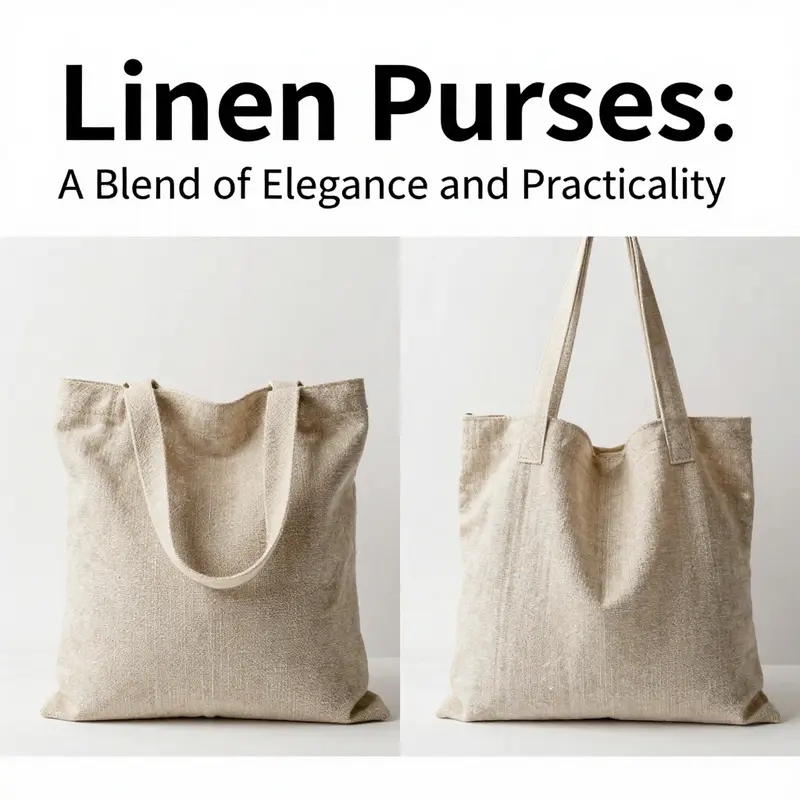
Weighing Style, Longevity, and Practicality
A linen purse often arrives as a quiet statement: natural texture, muted sheen, and a casual elegance that blends with both relaxed and refined outfits. That charm comes from flax fibers that are spun and woven into cloth with character. Linen is naturally strong and breathes well, so a purse made from it is lightweight and comfortable to carry in warm weather. Yet this same textile personality means you must weigh aesthetic appeal against performance needs. In this chapter, the comparison is practical. We will consider how linen performs beside vegan leather, cotton, canvas, and modern synthetics, and we will explore what construction choices, care habits, and lifestyle priorities should guide your selection.
Linen’s strengths are clear in sensory and environmental terms. It feels crisp to the touch and softens with use. The weave sits visibly on the surface, offering depth in color and pattern. Linen wicks moisture and allows air to circulate, which helps prevent odors and keeps contents dry in humid conditions. It also develops a lived-in patina; subtle softening and slight slubbing become part of its appeal. For someone who values natural materials and understated style, a linen purse can be a long-loved piece.
But linen also makes practical demands. It wrinkles readily, and abrasion resistance is lower than that of tightly woven cotton canvas or coated synthetics. That means a linen bag can show wear sooner when used roughly or packed tightly with hard objects. If durability is your primary need, look at linen as part of a system rather than the whole story: reinforced stitching, strong linings, and strategically placed hardware will improve longevity. A linen exterior paired with a robust internal lining or leather-reinforced stress points gives you much of linen’s look, while solving for friction and load-bearing.
When compared with vegan leather, the differences are functional and aesthetic. Vegan leather offers a smooth, uniform finish and resists scuffs better than untreated linen. It is easier to wipe clean, and synthetic coatings can repel moisture. For users who need low-maintenance gear or who expect heavy daily use, vegan leather generally outperforms linen at resisting visible damage. However, the two materials age differently. Linen softens and develops texture; many find that appealing. Vegan leather can retain its original look longer, but lower-quality variants may crack or peel over time. Choosing a higher-quality, well-constructed vegan-leather purse can yield durability and a consistent profile, while linen rewards careful handling and occasional refinement.
Cotton offers a more familiar comparison because both cotton and linen are natural fibers. Cotton typically feels softer to start and can be more forgiving with daily folding. Yet linen is woven from longer, stronger fibers and keeps shape and structural integrity better over repeated use. Cotton may pill or stretch after repeated washing and heavy loads, whereas linen tends to resist permanent distortion. If you want a casual bag that conforms and feels immediately soft, cotton is attractive. If you prefer a crisp silhouette that improves with age, linen is preferable.
Canvas is worth mentioning even if it is technically a form of cotton or blended fabric. Heavy canvas is the hardworking sibling of linen. It tolerates abrasion, resists tearing, and is commonly treated to improve water resistance. For commuters, travelers, or anyone who tosses a bag into a trunk or under a seat, canvas or duck cotton often outlasts linen. But canvas lacks linen’s breathable, cool feel. Design choices also matter: a linen purse with a waxed or treated canvas base can combine softness and resilience, giving you a hybrid that suits varied demands.
Synthetics like nylon and polyurethane deliver performance extremes. They are highly water-resistant, lightweight, and often engineered for abrasion resistance. Travelers who prioritize protection from rain and rough surfaces will lean toward these materials. Yet synthetics typically lack the tactile nuance of linen. They also have a higher environmental footprint in production and in end-of-life disposal. For mindful shoppers, the decision is often about balancing lifecycle impacts against practical benefits. A linen purse may require more careful maintenance but can be composted or recycled more easily than many synthetic counterparts, depending on construction.
Beyond material comparisons, consider the purse’s construction. Linen’s intrinsic limitations become manageable when designers respect its behavior. Reinforced seams, taped or double-stitched stress points, and a sturdy lining reduce friction where it counts. A structured insert or a semi-rigid base helps distribute load and prevents the linen from sagging or abrading against internal contents. Hardware placement matters: rivets or studs at strap anchors move fasteners away from raw linen, protecting the weave. Interior compartments keep heavy objects from shifting and stressing fabric at single points. In short, pay attention to structural measures. They transform linen from a delicate choice into a dependable daily companion.
Care and maintenance are the practical side of material choice. Linen will show creases, and heat or moisture can refresh its flatness. Spot cleaning and gentle hand washing preserve texture better than harsh machine cycles. If a linen purse includes metal hardware, treat those parts with periodic checks and gentle polish to avoid corrosion marks. Lining fabrics make a big difference: smooth, tightly woven linings shield linen from friction generated by keys, pens, and small hardware. For heavy-use scenarios, choose bags with removable or replaceable linings so you can extend the life of the exterior by refreshing interior components.
Aging is another dimension where materials tell different stories. Linen’s narrative is gradual. It softens at contact points and may fade evenly under sunlight. Many owners welcome this quiet evolution. Other materials age by resisting change and showing abrupt failures—cracking, peeling, or seam failure. That contrast defines expectations. When selecting a purse, ask whether you prefer an object that grows more character with age, or one that aims to keep its initial appearance until eventual failure. There is no universal right answer; personal taste and ownership habits dictate the choice.
Sustainability considerations often guide modern shoppers. Linen, derived from the flax plant, uses fewer pesticides and less water than some other fiber crops, and it is biodegradable. Synthetic materials, while durable, carry a heavier environmental cost in production and end-of-life disposal. Yet sustainability is nuanced. A long-lived synthetic bag used daily for years can outperform a frequently replaced linen bag on a lifecycle basis. Thoughtful purchasing—selecting durable construction and matching the bag to intended use—often yields better environmental outcomes than choosing by fiber alone.
Functionality and context define which material suits you best. A linen purse performs beautifully for light-to-moderate daily use, weekend strolls, and warm climates. It is breathable and comfortable on the shoulder. For commuting, rain-prone environments, or heavy packing, consider materials that resist moisture and abrasion more effectively, or choose linen designs with protective treatments or hybrid construction. Evaluate strap design and closure systems too: broader straps distribute weight and reduce strain on linen, and secure closures keep contents from rubbing the fabric unnecessarily.
Design language also plays a role. Linen communicates a lifestyle: artisan, eco-aware, relaxed refinement. It pairs well with minimalist hardware and muted palettes. Synthetic finishes and vegan leather, by contrast, lend themselves to sleek or highly structured silhouettes. Your wardrobe and the situations in which you use the purse will determine whether the message fits. A wardrobe heavy on tailored, structured pieces may favor more rigid materials. If your style skews toward soft linens, linens, and natural textures, a linen purse will harmonize effortlessly.
Finally, think about versatility. Linen can be dressed up or down, but not indefinitely. It tends to read casual-chic rather than formal evening. If you need a single bag for diverse social settings, consider carrying solutions that include removable elements: detachable straps, snap-on decorative panels, or an inner pouch that can act as the formal face when needed. These small design features let linen participate across occasions while protecting it when formality requires a sleeker surface.
Choosing between linen and alternatives is not a matter of better or worse. It is a matter of aligning material properties with expectations. Linen rewards owners who appreciate natural texture, breathability, and a living patina. If you want low-maintenance, extreme water resistance, or the highest abrasion tolerance, other materials will serve you better. Often the most satisfying solution is a considered compromise: linen for the exterior look, combined with robust linings, reinforced hardware, and thoughtful design. This lets you enjoy linen’s aesthetic while addressing the practical realities of daily use.
If you want to explore variants and care strategies for linen further, the technical and historical context of linen fibers helps inform practical choices. For a concise, authoritative overview of linen’s characteristics and performance, refer to this resource: https://www.fashionencyclopedia.com/Textiles-and-Fabrics/Weaving-Techniques/Linen.html.
For shoppers comparing fabric options in a broader tote and purse context, a good reference is a curated discussion on fabric tote bags that highlights construction and material choices; one helpful internal resource is the guide to fabric tote bags for women.
By matching expectations with material realities, you can select a linen purse that both pleases the eye and serves your daily needs. The right construction choices and maintenance routine make linen a viable, stylish option for many wardrobes.
Final thoughts
In conclusion, linen purses stand out due to their natural elegance and unique characteristics. By understanding their care requirements, stylish potential, and how they compare with other materials, business owners can cater to a discerning customer base that appreciates quality and aesthetics. Offering linen purses not only diversifies product lines but aligns with current trends towards sustainable and fashionable accessories. As you consider linen purses for your inventory, remember that their upkeep is essential for maintaining their charm, ensuring satisfied customers and repeat business.