

Large tote bags serve as critical accessories for business owners, marrying functionality with fashion. Understanding their capacity and usability is vital for effective daily operations. In this guide, we’ll explore how the right tote can elevate your professional image, fit your physique, and endure your workload. Whether you need tools for client meetings or essentials for travel, grasping the intricacies of large totes will help you make informed choices.
Carrying Confidence: Mastering Capacity and Usability in the Modern Large Tote

A large tote is more than a capsule of everyday items; it is a statement of balance. It promises space for laptops and gym wear, water bottles and notebooks, a sweater for chilly commutes, and perhaps a few personal treasures tucked away for good measure. Yet capacity alone rarely carries the day. The true test of a large tote is how smoothly it translates that space into manageable, accessible, and comfortable use across a busy day. This chapter looks at capacity and usability together, not as separate ideals but as a single, living equation that evolves with your body, your routine, and your sense of style.
When we talk about capacity, the most useful starting point is a practical definition that avoids the marketing gloss. A true large tote generally measures at least 14 inches in width, 12 inches in height, and 5 inches in depth. These dimensions set a floor for what counts as generous space. But space, standing alone, can be a mirage. Some bags feel cavernous but offer little help for organized living; others use clever design to maximize real, usable volume. Structure matters. A tote may spread wide and swallow a sweater with ease, yet if it slumps when placed on a surface, items slide toward the bottom or soar to the top, and accessibility deteriorates. A bag’s value becomes apparent only when its shape supports both load distribution and quick retrieval, which means internal architecture deserves as much attention as external size.
Usability hinges not just on how much you can legally fit inside but on how the contents are kept safe, balanced, and easy to reach. A large tote that overflows can become a chore to navigate. Packing strategies matter here. The most usable bags lean on intelligent organization: a few thoughtfully placed pockets, a zippered section to secure valuables, and compartments that guide the eye and the hand rather than confuse them. Packing cubes or clearly separated zip-top bags help group like items—work essentials, personal care, tech accessories, and snacks—so you can locate what you need without a long excavation. Heavier objects should sit at the bottom to anchor the bag, with lighter items layered on top. This simple rule reduces the tendency for the bag to tilt forward or pull on one shoulder, especially when you’re moving through crowds or stairs.
Consider the practical life of a tote in real settings. For a day at the beach or by the pool, durability and water resistance can distinguish a good bag from a great one. The ideal seaside tote withstands sun and spray, uses reinforced stitching, and features wide, comfortable straps that won’t dig into the shoulder when the bag is loaded with towels and sunscreen. Inside, a handful of pockets can corral sunscreen, snacks, and a compact towel, while a water-resistant lining helps protect electronics and fine fabrics from damp towels or sunscreen spills. A tote designed to stand upright when set down makes loading and unloading easier, particularly when the beach wind catches the bag or you’re shifting items in and out while managing a cooler or beach chairs. The ability to maintain form under load reduces the risk of snagging zippers or tearing seams where heavy objects press against delicate fabrics.
For daily commutes and travel alike, the equilibrium between weight, distribution, and accessibility becomes crucial. A tote that distributes weight evenly between both shoulders, or one that allows for a comfortable crossbody option, can dramatically improve posture and reduce fatigue over long days. In practice, this means selecting a bag that offers a well-balanced strap configuration and a gusseted base that helps the bag hold its shape. A structured but flexible design affords a professional silhouette without turning every outing into a fashion trial. The more predictable a bag’s silhouette, the easier it is to build looks around it—yet there is room for personality here, too. The large tote can serve as a neutral backbone for a work outfit, or it can become a canvas for a casual weekend vibe when paired with a textured textile or a softer silhouette.
The question of security is inseparable from usability. In public spaces, a well-designed tote helps you keep essential items secure without turning loading and unloading into a game of hide-and-seek. Lockable zipper mechanisms or sturdy zipper pulls that can be secured with a small padlock add a practical layer of protection for passports, wallets, and keys. Hidden interior pockets provide safe storage for valuables, tucked away from the main cavity where hands frequently explore. A thoughtful interior layout reduces the temptation to dump everything into one large, unstructured drawer of a bag. When organization is clearer, the bag feels more secure and more controllable, and you move through crowds with greater ease and confidence.
How you size a tote to your body matters as much as how you carry it. The visual balance of a large bag rests upon proportion: the bag’s bottom should land somewhere between your hips and mid-thigh when worn. If the bag hangs below the knee, it risks overwhelming your frame, creating a silhouette that reads heavier than it should and making balance awkward. For petites, a medium-to-large tote may actually read as a statement piece rather than a practical daily companion; for taller or broader-framed individuals, a larger bag can feel perfectly at home but still benefit from structured lines that keep the look from slipping into overwhelm. The right tote respects line and proportion, and it should feel as comfortable as it looks. A structured leather tote in a classic neutral can anchor a formal outfit, while a canvas version with a relaxed silhouette can suit casual weekend wear. The aim is a bag that integrates with your body’s lines rather than competing with them.
From a styling perspective, the capacity-versus-usability conversation translates into how you choose to present the tote within an ensemble. A sleek, medium-sized leather tote projects a sense of control and polish when paired with tailored trousers and a crisp button-down. It instead anchors a more relaxed, weekend look when paired with a soft, oversized sweater and dark jeans. The color story helps guide this exchange; neutrals—charcoal, navy, taupe, and black—offer versatility that won’t clash with the rest of your wardrobe, while a sole, well-chosen accent can carry a subtle personality without stealing the scene. For those who prefer a lighter touch, a textured canvas tote can read as casual luxury, adding tactile interest through weave and finish without compromising form. If you’re balancing multiple totes for different contexts, rotating between a more formal option for work and a casual one for leisure makes sense. This approach protects the bag’s structure and keeps the wardrobe cohesive over time, allowing one accessory to serve as a reliable anchor across many outfits.
To anchor these ideas in practical design features, consider how a tote’s internal layout supports your daily scripts. A well-thought-out interior typically includes a dedicated laptop sleeve or padded compartment, a few external or interior zip pockets for valuables, and a couple of open pockets for quick grabs like a phone, keys, or a lip balm. A water bottle sleeve or a discreet secondary pocket can be a helpful touch, enabling you to slide in a bottle with confidence without tipping the bag’s balance. Even a modest feature—a removable key leash, a lightweight wipe-clean lining, or a small clip for a tote tag—adds to the bag’s everyday usability, reducing the chance that you’ll dump your world into a single hollow space and then rummage through it in search of a coin purse or a charger.
A practical rule of thumb helps translate these ideas into action: prioritize organization over sheer size. The largest bag in the world is only as useful as its capacity to be navigated. If you can’t see the bottom of the bag without unloading several items, you’re likely dealing with a usability gap rather than a capacity edge. Conversely, a bag that holds a lot yet is organized around clear zones can feel almost light, even when it carries a full load. This is the essence of a usable large tote—to be generous in capacity, yet calm in operation, so your day remains anchored by ease rather than expanded by bulk.
In considering security and protection, one practical signal of a bag’s usability is how well it accommodates a traveler’s needs. For journeys that require locating a passport or boarding pass quickly, interior zip pockets that separate documents from general items can save time and reduce stress. The architecture should also protect fragile items. If a tote carries electronics or a delicate notebook, it benefits from a padded sleeve and a panel that keeps items from pressing into the zipper line or the bag’s edges. A balance between protection and accessibility is achieved when pockets are placed to be reached without fully opening the main compartment. The best large totes—while generous in volume—still feel intimate in use because they invite you to pause, locate what you need, and move on without digging, tugging, or rummaging.
From a material standpoint, durability and tactility play a central role in usability. A high-quality material—whether leather, canvas, or a technical fabric—should resist daily wear while maintaining its shape with regular use. The interior lining matters too; a smooth, tear-resistant lining reduces friction as items slide in and out, preserving both the bag and its contents. A bag that resists nicks, scratches, and staining will stay looking intentional longer, supporting a more sophisticated daily routine. The best choices balance weight against protection; a tote that is too heavy to begin with undermines usability the moment you lift it, while a bag that feels insubstantial will not safeguard your belongings when the content shifts during travel or transit.
The capacity-usability relationship becomes clearer when we reflect on the scenarios most people use large totes for. A tote meant for beach days should be built for damp days and sand. That means materials with water resistance, reinforced stitching where the most stress occurs, wide straps that distribute weight evenly, and interior pockets designed for sunscreen, towels, snacks, and wet swimwear. A tote meant for daily work should emphasize a professional silhouette, a laptop-friendly interior, and secure pockets for valuables, all while maintaining a comfortable weight when empty and an ergonomic carry when loaded. A tote that doubles as a travel bag needs to balance a spacious interior with durability and organization that makes airport navigation less daunting. In all these cases, the size is a starting point, not the endpoint. The bag must earn its place by enabling smooth movement through a world of tasks, transitions, and little, messy moments that fill a given day.
To bring these ideas into a practical recommendation, a large tote should be big enough to handle the essentials but not so large that it becomes a burden to carry when lightly loaded. A good test is to try the bag with a typical day’s items: a 13–15 inch laptop, a notebook, a water bottle, a light sweater, a small umbrella, and a few personal items. If the bag still feels balanced, accessible, and comfortable after you load it, you’ve found a usable large tote. If it starts to sag, pull, or strain toward one side, it may be too heavy for your frame or lack the right organizational features to maintain balance.
From the perspective of social and fashion considerations, the large tote offers a reliable anchor for outfits that range from formal to casual. The ideal tote remains a neutral backdrop for the day’s activities, with its own character emerging through color, texture, and subtle detailing rather than through loud branding. The objective is not to shout capacity but to convey competence in organization and a calm confidence in handling a busy schedule. When the tote works as a system rather than as a mere container, it becomes an extension of the wearer’s discipline—a tool that enhances rather than disrupts daily life.
In sum, the interplay of capacity and usability in large totes is a practical conversation about balance. It asks you to weigh size against structure, weight against control, and visibility against privacy. It invites you to consider not just how much you can carry, but how you will carry it: with ease, with organization, and with a silhouette that respects your body and your wardrobe. A truly usable large tote is generous enough to meet your needs while restrained enough to stay comfortable in motion. It is, in essence, a portable workspace and a personal cue that your daily routine can be both efficient and stylish—an integration of form and function that does not ask you to compromise.
Internal link: tote-bags-with-zippers
For those seeking a practical framework to refine their choice, consider how you use the bag in your day-to-day: does it stay upright when set down, does it keep a frequent contact item at your fingertips, and does it protect valuables without slowing you down? If you can answer these questions with confidence, you are moving toward a large tote that is not just capacious but actually usable. The goal is a bag that supports your workflow rather than dictating it, a companion that makes the everyday feel a little easier, a little more organized, and a lot more comfortable. In this light, capacity becomes a means to improve life’s routine, not just a metric to boast about.
External resource for further reading: https://www.thespruce.com/choosing-the-perfect-large-capacity-tote-bag-4879388
Style, Proportion, and the Large Tote: Crafting Balance Between Size, Silhouette, and Personal Rhythm

A large tote is more than a container; it is a visual instrument that can steady a silhouette or distort it depending on how its scale interacts with the wearer. The chapter ahead treats style and proportion not as decorative afterthoughts but as practical design choices that shape every daily moment a tote accompanies you. When you step into a room with a bag that dwarfs your frame, the eyes may fixate on the bag rather than on you. When the bag sits in harmony with your height and shoulder width, it becomes a quiet grounding element that supports your outfit rather than competing with it. This is the essence of proportion in tote choices: the goal is to create a line that feels intentional, cohesive, and comfortable from the first glance to the last sign of the day. The balance is not solely about what the bag can hold; it is about how that capacity sits on your body without pulling at the joints, tugging on your posture, or creating a sense of heaviness that travels with you through meetings, commutes, and weekends alike.
For a wearer of any height, the bottom of a large tote should rest somewhere between the hips and mid‑thigh when the bag is carried in a typical fashion. If the bottom hangs near or beyond the knee, the tote can overwhelm the frame, creating a visual mismatch that can feel awkward in motion. This rule of thumb is not a rigid decree but a practical compass. It helps you gauge whether a bag reads as stately and grounded or as a dramatic flourish that dominates your shape. Petite individuals, those under about five feet four inches, often benefit from selecting sizes that skim a touch above the hip rather than draping to the knee. The goal is a clean vertical line that flatters the torso without disguising it. Taller or broader-shouldered figures, by contrast, can embrace a larger canvas with more confidence. A larger bag can echo their natural presence and provide the proportional counterweight that keeps the overall silhouette balanced, especially when paired with tailored pieces that emphasize structure and line.
Structure matters as much as size. A large tote comes in a spectrum from rigid, architected forms to soft, unstructured drapes. The interaction between bag and garment is a dialogue. A structured tote in smooth leather or a crisp grain offers a crisp counterpoint to sharp tailoring—think a blazer with tailored trousers, a crisp shirt, and a loafers ensemble. The bag acts as a punctuation mark, a defined anchor that grounds the outfit without stealing its emphasis. In this pairing, the proportion of the bag is carefully calibrated to harmonize with the silhouette rather than overshadow it. The opposite pairing is equally compelling: a slouchy or softly structured tote can balance a flowing dress or a relaxed knit, introducing an easy, unforced vibe that feels intentionally laid-back rather than careless. In this scenario the bag mirrors the garment’s fluidity, producing a cohesive, cohesive rhythm across the ensemble.
Color and texture further shape proportion. The interaction of bag hue with skin tone and outerwear influences how a tote reads on the body. A neutral palette—think chocolate, charcoal, taupe, navy, or sand—tends to recede slightly, letting the human form take center stage while the bag supports rather than competes. A bag in a slightly richer or deeper shade can provide a grounded anchor that visually steadies the outfit without shouting for attention. Texture plays a parallel role. A structured leather tote has a tactile gravity that reinforces a formal, polished mood, especially when paired with minimalist tailoring. A slouchier canvas or a tactile textile tote, perhaps with a subtle weave or brushed finish, reinforces a relaxed mood that suits weekend errands or creative environments. The texture should complement the fabric weight and surface energy of the rest of the outfit. A heavy, rugged texture against delicate silks in a work setting could read as discordant; instead, seek a balance where the bag’s texture echoes your wardrobe’s overall mood.
To translate proportion into a cohesive look, consider the bag as a visual extension of your body’s line. A tote’s handle height, strap width, and overall silhouette contribute to how the bag sits in relation to your shoulders and torso. If a tote’s handles are short or the strap sits awkwardly on your shoulder, you may end up compensating with a stiff stance or uneven load distribution. A properly proportioned tote follows your natural lines rather than forcing a new posture. The weight distribution matters, too. When a bag carries a heavier load on one side, the body tends to lean or tilt to compensate, inviting niggles in the neck, shoulder, or lower back over time. A well‑designed tote minimizes this risk by offering a balanced interior layout and, ideally, multiple secure compartments that can help you distribute weight evenly. A thoughtful interior—dividers, sleeves, a padded laptop pocket, a small zippered pouch—keeps contents organized. Without internal organization, even a perfectly sized bag can feel unwieldy, as you stumble through pockets for packets, chargers, or notebooks. The practical scene matters as much as the visual one; form and function must advance together to achieve true proportion.
As this narrative unfolds, we encounter a practical fork in the road. For those who seek a modular, businesslike glow, a medium‑sized tote may offer the best balance of capacity and proportion. The medium size tends to sit at a pivot point: large enough to cradle a 13–15 inch laptop, a sweater, a water bottle, and perhaps a slim umbrella, yet compact enough to avoid excessive bulk when worn with structured workwear. For many readers, this size presents an elegant alternative that preserves polish while delivering practical daily capacity. To explore this option further within a broader selection, you can consider the medium‑size tote as a dependable point of reference and comparison against larger or smaller formats. medium-size tote.
The choice between a structured and a slouchy tote is rarely about good versus bad taste. It is about what your wardrobe already communicates and how the bag can either reinforce or soften that message. A tailored, work‑ready aesthetic thrives with a tote that holds its shape—clean lines, minimal hardware, and a restrained silhouette. This setup is versatile: it coexists with crisp shirts, pencil skirts, ankle boots, and a blazer that signals professional intent without shouting it. A disciplined, understated tote pairings helps the wearer appear poised and organized, which can translate into a sense of confidence as you move through a day full of meetings, notes, and deadlines. Conversely, a tote with a relaxed silhouette complements casual fabrics like knitwear, denim, or airy cottons. In this mode the bag invites a less rigid, more exploratory style of dressing. Here the tote becomes a collaborator in a relaxed mood, supporting the ease of movement that casual outfits demand while still serving practical needs.
Outerwear is a critical partner in how a tote reads on the body. Consider a coat with bold details—wide lapels, prominent buttons, or a pronounced silhouette. In such cases the tote should be simpler and more restrained to avoid visual clutter. A subdued bag acts as a counterweight, letting the coat’s architectural cues take center stage while the tote provides quiet support. On the other hand, when outerwear is streamlined and understated, a tote with artisanal stitching, rich texture, or a unique clasp can become a stylish focal point that elevates the overall look without competing with the garment’s lines. This relationship is a dynamic conversation: the more deliberate the pairing, the more the entire outfit reads as intentional and curated rather than accidental. The bag’s formality and texture should harmonize with the coat or jacket’s mood, ensuring cohesion across layers rather than a mismatched moment that breaks the line.
Functionality and comfort are not afterthoughts but central to good proportion. A tote that looks grand yet feels burdensome defeats the purpose of carrying it through a day of tasks. When you test a large tote, consider how much you can realistically lift without straining your back and shoulders. A bag that forces you to adopt an awkward stance or to flex uncomfortably forward to avoid dragging the bottom can undermine your posture and overall ease. Ergonomically minded designs often address this by offering padded straps, evenly weighted interiors, and a layout that allows you to anchor heavier items closer to the body. A thoughtful interior also reduces the time spent digging for items, which translates into fewer missteps and less time lost during busy mornings. The last mile of everyday efficiency is the moment when you realize a well proportioned tote saves more than space; it saves time, energy, and mental bandwidth.
In the broader arc of a wardrobe, the tote’s proportion should feel like a natural extension of your style language, not a rival to it. When the bag aligns with your height and shoulder width, when its silhouette echoes your clothes while maintaining its own distinct personality, you create a sense of unity that travels with you. This unity is what elevates everyday practicality into a signature look. It is also why a large tote, when chosen with consideration for proportion, can serve as a versatile anchor for both work and weekend; it can become the one constant that anchors a changing array of outfits, from a tailored office ensemble to a casually layered weekend look. If, however, comfort is a non negotiable priority and the frame simply cannot accommodate what the eye initially reads as a generous amount of space, it is perfectly reasonable to opt for a smaller or more refined tote. The goal is not to prove the bag’s grandeur but to ensure the bag is the right partner for you, season after season, event after event.
The practical takeaway is clear. When you walk into a store contemplating a large tote, you should first imagine the bag on your body as a line that will travel with you through your day. Does the bottom land where it should, mid‑thigh or between hip and thigh, or does it extend into the knee, creating a sudden departure from your natural proportions? Do the bag’s lines and textures complement the rest of your wardrobe, or do they create a friction you cannot easily resolve with a simple outfit swap? Is the interior layout a helper rather than a hindrance, shaping how you pack and locate your essentials without forcing you to overstuff or overthink? These questions are not merely about aesthetics; they are about comfort, efficiency, and the long arc of how a tote participates in everyday life.
As you weigh these considerations, it can be helpful to visualize a few careful pairings. A structured tote with clean lines can be a quiet, capable partner for a tailored wardrobe and formal settings, offering a crisp, professional aura that remains approachable. A soft, textured tote can blend with casual fabrics while still delivering a sense of polish, its surface inviting touch and movement. The key is to ensure that whatever your choice, the bag remains proportionate to your frame and your outfits, not because trend dictates it but because your own sense of balance dictates it. When the tote aligns with your silhouette, it acts like a well‑placed final note in a composition you have long practiced composing each morning before stepping into the day.
For readers exploring more nuanced sizing conversations and additional context on how to assess proportion in daily wear, a broader body‑type discussion provides further illumination. The discourse emphasizes how the same bag can read differently on different frames, and how a simple adjustment in size, shape, or texture can recalibrate a look from merely functional to quietly elevated. The aim is not to prescribe a single ideal but to offer a framework that helps you approach each tote decision with clarity. The best tote for you becomes the one that quietly respects your body’s proportions while honoring the mood and needs you bring to your wardrobe—whether you are sprinting between meetings, wandering through a weekend market, or settling into a cafe for a moment of quiet tasks.
In wrapping the thread of this chapter, remember that truly successful tote styling is less about chasing the largest bag or the softest fabric and more about building a coherent vocabulary of proportion. It is about recognizing when a silhouette will flatter your frame and when a fabric will interplay with your outerwear to create a seamless, intentional line. A large tote can be a cornerstone of a well‑proportioned look, providing capacity without chaos, structure without rigidity, and presence without dominance. And if you ever doubt whether size is the decisive factor, revisit the idea that the bottom of the bag should land between the hips and mid‑thigh, a simple criterion that keeps your outfit honest to your body and to your own sense of balance. The ultimate verdict, then, is not the sheer magnitude of the bag but the ease with which it integrates into your daily life, the way it complements your posture, and how naturally it becomes part of your personal style story.
For readers seeking a concise, practical guide to the medium size balance as a steady reference point in this ongoing exploration of large totes, you can explore the medium‑size tote option here as a helpful comparison against larger formats. medium-size tote.
External resource note: For a broader perspective on how tote size interacts with body type and silhouette, see the discussion in Vogue on tote size and body type dynamics. https://www.vogue.com/fashion/trends/2026/what-size-tote-bag-is-best-for-your-body-type
Built to Carry: The Durable Design Language of Large Totes
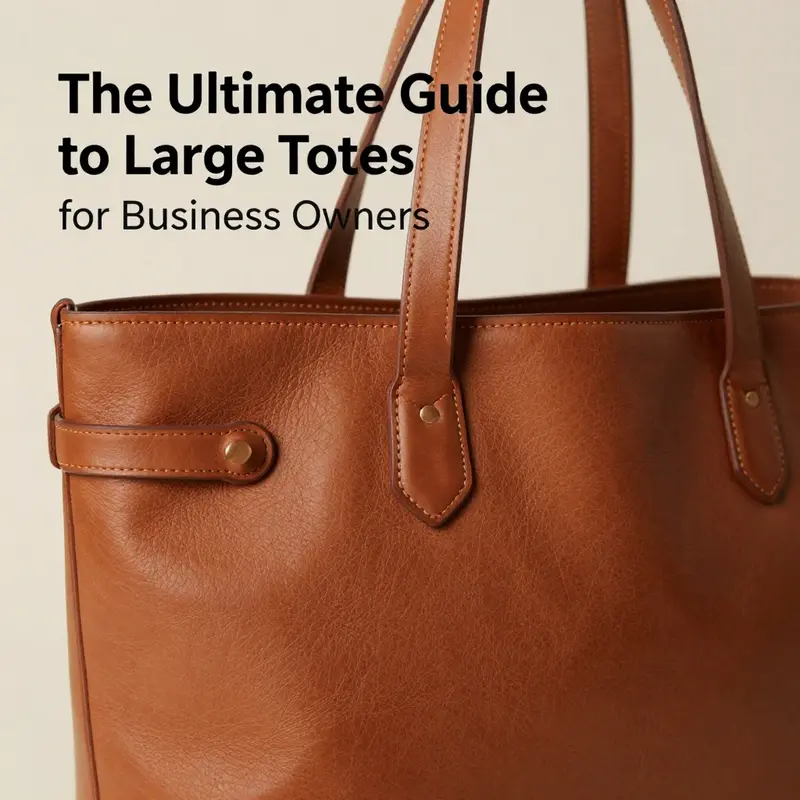
Durability is not a side note in a large tote; it is the backbone of its everyday promise. A tote that can swallow a laptop, a change of clothes, a water bottle, a notebook, and the odds and ends of a busy week without flinching—yet still feel light to carry and easy to organize—demands more than a stylish silhouette. It demands a carefully chosen material, reinforced construction, and a design sensibility that foregrounds both resilience and intention. In this light, the large tote becomes less about sheer capacity and more about a dependable partner for daily life. The decision to invest in a tote of substantial scale rests on a triad: how the bag behaves in real use, how it ages with time, and how its design units the user’s day into manageable moments rather than a single mass of belongings. Each choice—material, weave, seam, handle, and pocket—tells a story about strength, ease, and the ability to adapt to changing needs without sacrificing style.
Material selection is the first and most telling chapter of a tote’s durability. Cotton canvas, waxed fabric, and full-grain leather each offer a distinctive blend of structure and character. Cotton canvas delivers a timeless, breathable backbone. It holds its form with a soft rigidity that resists collapse when the bag is empty and returns to shape as items are loaded. Over time, canvas develops a subtle patina—a trace of every trip, spill, and wipe—that personalizes the bag without compromising its integrity. Waxed fabric compounds that lineage with a protective skin against moisture. The wax coating blocks light rain and splashes, while inviting owners to care for the surface with gentle attention—an occasional re-waxing ritual helps sustain its water resistance and keeps the fabric supple. Full-grain leather, when used in large totes, adds a high-velocity of durability. Its natural grain, if left untreated or minimally conditioned, softens with daily use, acquiring a richer texture and a distinctive luster that signals quality to the eye and comfort to the hand. Leather invites maintenance, too: regular conditioning to preserve suppleness and a careful drying routine after exposure to moisture. Each of these materials ages in a way that feels earned, carrying the life the bag has shared while continuing to perform.
In contrast, nylon totes offer a different kind of reliability. High-denier nylon, originally engineered for rugged outdoor and military contexts, is built for extreme conditions. It resists water, abrasion, mildew, and UV fading, and it carries heavy loads without flinching. For commuters facing unpredictable weather or those who habitually transport bulky items, a nylon tote provides a practical, nearly maintenance-free option. It wears a different face of durability: less patina, more resilience under heavy use. The choice between these materials is rarely about a single metric of strength; it is about the balance between structure and flexibility, about how a bag feels when loaded with the items that define a day. A high-denier nylon tote might read as more utilitarian, yet it can be engineered with interior sleeves, reinforced handles, and geometric seams that lend an undeniable composure even when full.
Design, however, is where durability reveals itself in practice. Structured totes, crafted from premium leather or reinforced synthetics, retain their shape when empty and project a sense of professionalism. Their architecture acts as a built-in organizer: a firm bottom panel, strategically placed dividers, and pockets that guide the flow of items rather than allowing chaos to take over. Structured designs tend to be favored for work settings where posture and visual impression matter. Slouchy or hobo totes, conversely, celebrate comfort. Their soft drape hugs the shoulder and conforms to the body as the day progresses, a quality that can reduce fatigue for long walks or commutes. Yet slouchy designs require thoughtful dimensioning and robust stitching at stress points to prevent the form from collapsing under load. Then there are shopper totes—the versatile, looped-for-everyday-errand archetype. They emphasize utility with reinforced handles and durable construction, making them practical for groceries, books, or travel essentials. The zipper closure, when included, protects contents in crowded spaces, and a well-placed interior zipper pocket can keep valuables secure without adding bulk.
Modern innovations have broadened what a large tote can be without compromising its durability. Smart compartments and organizational inserts now help keep contents in place, turning a once-mundane bag into a modular system. Ergonomic straps—padded or contoured—reduce shoulder strain and distribute weight more evenly, a feature particularly valuable when a bag carries a heavy laptop along with gym gear or a change of clothes. Lightweight materials paired with clever construction minimize fatigue while preserving capacity, a crucial balance for those who need to travel light yet maintain readiness for any routine. Eco-conscious designers are expanding the conversation further by integrating recycled fabrics and organic blends that maintain strength when tightly woven or coated. These materials offer a responsible approach to durability: the bag remains up to the task, but its environmental footprint is lighter. In such cases, the durability story shifts from a single lifetime of use to a lifecycle that respects resources, encourages repair, and supports responsible disposal when needed.
Within the realm of design, nuance matters. A structured tote can incorporate a padded laptop sleeve, a dedicated tablet pocket, and a spare pen loop—features that not only keep devices secure but also minimize shifting weight as the bag moves with the body. It is not merely about a sleeve but about how a sleeve integrates with the whole. A tote with a dedicated tech compartment avoids the temptation to overload the main cavity with cords, chargers, and papers, which would undermine the bag’s silhouette and hamper its balance. In designing for durability, the conversation around organization is inseparable from the conversation around comfort. A bag that encourages purposeful packing—where the heaviest items sit closest to the body and near the bag’s center of gravity—translates directly into easier handling, less strain on the back and shoulders, and a more enjoyable daily carry experience.
To speak of pockets and organization in the abstract is to miss a crucial point: the best large totes invite a steady rhythm of use. Consider the weight distribution when a full laptop sits at the bottom with a sweater and umbrella stacked above it. If the bottom panel lacks structure, the bag will sag, creating friction along the seams and increasing stress where the handles attach. This is where the reinforcement of stitching and the choice of thread material become invisible but essential. Double-stitched seams, bar-tacked joints at critical stress points, and reinforced handles are the quiet guardians of longevity. The most robust totes also introduce a level of external protection that does not shout for attention. A lightly padded leather trim around the top edge or a weatherproof coating on a fabric surface can act as a weather shield, extending the bag’s life in damp or windy conditions without changing the overall silhouette.
Maintenance is the practical counterpart to durability. Proper care can turn a tote into a long-lasting companion. For cotton canvas and waxed fabrics, routine cleaning with a soft brush to remove surface dust, followed by a gentle wipe with a damp cloth, keeps the surface honest and ready for daily use. Waxed fabrics require timely maintenance to sustain their water-repellent layer; a light re-waxing after several seasons can refresh the protective coating and maintain flexibility. Leather, while aging gracefully, demands conditioning to prevent drying and cracking, especially in arid climates or after exposure to heat. Leather care is a ritual rather than a quick fix: a clean, dry bag followed by a conditioning balm applied sparingly to your fingertips and massaged into the surface can preserve suppleness and deter creasing. Nylon, with its resilience, is the most forgiving in terms of daily maintenance, yet it benefits from occasional care to restore its surface sheen and remove embedded grime. A gentle wash with a mild detergent, air drying away from direct heat, can revive its look and extend its life.
A central thread in durable design is the relationship between form and function. A tote that looks substantial but feels slippery in the hand fails its purpose. Conversely, a bag that appears sturdy but lacks pockets or a secure closure invites frustration and disorganization, eroding the user’s satisfaction. This is why a balanced approach matters: the bag should be structured enough to hold its shape when empty but flexible enough to adapt to the user’s day. It should offer pockets that make sense for real-life routines—one for keys, one for a phone, a zipped section for valuables—while preserving a clear main compartment for larger items like a laptop, a sweater, or travel documents. The design should also consider loading patterns. A too-narrow strap or a single-strap configuration can tilt the load onto one shoulder, inviting asymmetry and strain over time. A multi-area strap arrangement or a crossbody option can help maintain posture and distribute weight more evenly, reducing the chance of fatigue after long hours of wear.
The interplay of durability and design reaches beyond practical use and into the realm of personal narrative. A large tote is a canvas for daily rituals, the evidence of a life in motion. Its patina, its wear marks, and even its small imperfections tell a story about the owners who carry it: where they go, what they value, and how they approach a crowded day. The material tells that story as well. Canvas grows more supple after seasons of use, leather deepens in color and gains a character that whispers about careless rainstorms and sunny commutes, while waxed fabrics reveal the beauty of a water bead that survives a weekend getaway. Nylon maintains a crisp, utilitarian presence, a reminder that durability can also be understated and practical. The real measure, however, lies not in the bag’s surface but in its ongoing relationship with the user: does it simplify the day, does it withstand the test of weather and workload, and does it do all this while remaining comfortably with you across your routines?
To illustrate how these ideas translate into real-world choices, imagine a tote designed for a weekday that blends structure with a touch of ease. It might feature a firm bottom panel to keep its shape when placed on a chair or a desk, a zipper closure to secure contents during crowded commutes, and internal pockets that align with a typical daily load—laptop, notebook, charger, water bottle, and a compact umbrella. It could rely on a leather trim for a refined look that wears beautifully over time, while body panels in waxed fabric offer weather resistance without bulk. A companion tote in nylon might shift emphasis toward lightweight resilience and water resistance, with reinforced stitching at the handle junctions and a tougher weave that resists abrasion from rough subway surfaces or sidewalks. The question often becomes: which combination of materials and design features aligns with the wearer’s environment and habits? For some, a fabric tote with a laptop sleeve is the right balance of breathability and protection; for others, a leather-structured model provides a timeless aura of professionalism. The answer rests on a clear-eyed assessment of daily needs, a willingness to maintain the bag, and a preference for how the bag feels when it’s in motion.
For those who want a practical example of a built-in solution without compromising aesthetic, consider a tote bag with computer sleeve. This configuration is a thoughtful addition to durability-minded design because it places the most delicate element—the laptop—within a stable, cushioned pocket that keeps the device from shifting. It reduces the stress points that typically occur when the bag is jostled or set down. If you are curious about such configurations, you can explore options that emphasize dedicated tech compartments and reinforced interiors; in particular, look for a design that positions the laptop close to the body so the load remains centered and balanced as you move. tote bag with computer sleeve guides you to models that prioritize this kind of arrangement while still presenting a coherent, stylish exterior. This kind of integration exemplifies how durability-focused design can translate into tangible daily benefits, ensuring that the bag remains a reliable ally rather than a burden as you navigate the week’s demands.
Ultimately, the choice of a large tote’s durability and design should reflect a balance between performance, comfort, and longevity. The best options are those that anticipate the unpredictability of daily life—rain, crowded transit, long days of travel, and the subtle wear that accrues from repeated use—without asking the user to compromise on form or function. It is possible to prioritize both a clean, professional silhouette and a practical, generous interior by selecting materials that offer both structure and flexibility, reinforced construction that withstands weight and motion, and a layout that makes organization intuitive rather than forced. A well-chosen tote becomes a reliable work companion and a trusted travel partner, capable of absorbing the shocks and rhythms of everyday life while aging with a quiet confidence that reflects the care given in its creation. The durable frame, the tactile satisfaction of the surface, the ease of access to essentials, and the smooth interaction of hardware and fabric—all of these elements contribute to a narrative of practicality seasoned with subtle sophistication. The result is a large tote that feels less like a transient fashion item and more like a durable instrument of daily rhythm, ready to adapt to new routines without demanding a sacrifice in comfort or clarity of purpose.
For readers seeking a broader lens on these ideas, a recent industry overview highlights how designers are reconciling durability with design aesthetics in the 2026 landscape. The piece argues that the most enduring totes strike a balance between robust materials, purposeful compartments, and ergonomic features, all while remaining adaptable to varied contexts—from professional settings to casual weekends. It also notes the growing importance of sustainable materials and repair-oriented design as part of a longer lifecycle strategy. This broader perspective aligns with the specifics discussed here: that the durability of a large tote is not just about its capacity but about how its structure, materials, and features collaborate to support a user’s day with confidence. For readers who want to dive deeper into trends and practical guidance, this external reference offers a well-curated overview of the field and serves as a useful counterpart to the hands-on considerations described above.
External resource: https://www.style.com/fashion-trends/large-tote-bags-2026-durability-design
Final thoughts
Selecting the right large tote can significantly impact a business owner’s efficiency and style. By understanding the balance of capacity and usability, aligning the style with body proportions, and opting for durable designs, you can choose the perfect tote that meets your daily needs while making a statement in your professional life. A well-selected tote not only holds your essentials but enhances your overall presence and organization.