

Laptop tote bags for women have become essential accessories for business professionals, merging style with functionality. As many women take on roles requiring mobility and efficiency, the significance of choosing the right tote cannot be overstated. This article delves into the top features that define these bags, offers curated recommendations, highlights market trends, and discusses material and sustainability considerations. Ultimately, understanding these aspects helps business owners make informed decisions that align with both personal style and professional needs.
Design That Carries You: The Stylish, Protective Laptop Tote for Women

Design That Carries You: The Stylish, Protective Laptop Tote for Women
A laptop tote for women should do more than hold a device. It must protect, organize, and complement a busy life. The best designs balance form and function. They offer secure, padded housing for a laptop while keeping everyday items accessible. They are built to endure daily use. They feel comfortable to carry, and they match a range of outfits and occasions.
Start with organization. A thoughtfully arranged interior reduces stress and saves time. A dedicated, padded laptop compartment sized for common laptops and tablets prevents shifting. The lining should be soft to avoid scratches. Around that core sleeve, pockets matter: zipper-secured pouches for valuables, open slip pockets for transit cards and phones, and long sleeves for notebooks or folders. Small compartments for pens and cables stop small items from tangling. A reinforced base keeps the tote upright. That prevents contents from crumpling and keeps the laptop flat and stable. For travelers, a trolley sleeve or luggage pass-through is a subtle feature that transforms the bag into a travel tool. Security features such as RFID-blocking pockets add peace of mind for passports and cards. Integrated charging ports are increasingly useful for remote work. These elements together create a bag that supports productivity rather than getting in the way.
Materials and construction decide how long a tote will serve. Water-resistant fabrics like treated canvas and ballistic nylon stand up to rain and spills. Full-grain or treated leather ages gracefully when cared for. Ripstop interior linings resist punctures and are easy to clean. Stitching at stress points tells you whether a bag is built to last; look for reinforcement where straps meet the body, and at the bag base. Metal hardware should feel solid and resist rust. A structured base, sometimes with small feet, reduces wear when the bag is set down and keeps the interior organized. Consider thickness and padding in the laptop compartment. A slim sleeve is convenient, but only deep padding provides real protection against drops and bumps.
Comfort is not optional. Even a light laptop becomes heavy over long commutes. Wide, padded shoulder straps distribute weight more evenly than thin straps. Adjustable straps allow you to position the bag correctly, reducing pressure on the shoulders. Handles should feel comfortable for hand-carrying, with enough grip to avoid slipping. When commuting by public transit, a bag that sits close to the body reduces awkward banging. Balance matters too. A tote that shifts weight forward or backward can cause strain and fatigue. Evaluate how the bag sits when loaded: it should remain balanced and not pull off the shoulder.
Style and versatility let a tote move from meeting to weekend with ease. Neutral palettes such as black, navy, or taupe remain work-appropriate and match many outfits. Yet subtle textures and contemporary silhouettes can keep the bag modern and personal. Structured shapes read as professional, while softer lines create a more relaxed look. Hardware choices—matte versus polished metal, leather trims, tonal stitching—alter the bag’s mood without changing its function. Patterned linings or a pop of color inside give a small dose of personality without compromising professional polish. A well-designed tote becomes part of a wardrobe strategy. It can be the finishing piece that elevates a simple outfit or the reliable staple that complements a tailored suit.
Practicality matters every day. A top closure that seals well reduces the risk of items falling out and provides privacy. Zippers, magnetic snaps, or secure flap closures each have benefits; choose by your routine. Water-resistant exteriors help during rainy commutes. Removable straps expand use cases—convert the tote to a shoulder bag, or tuck away the strap for hand carry. Interior panels that are removable or modular add flexibility for different loads. External pockets allow quick access to essentials like water bottles or umbrellas. For commuters who use the same bag daily, consider organization systems that allow quick cleaning and reorganization. Bags that can be wiped down or spot-cleaned save time and keep them looking new.
Choosing the right size means balancing capacity with portability. A bag too large invites clutter. Too small, and it won’t hold essentials. Measure your laptop first and account for a sleeve or case. A mid-size tote often offers the most versatility: it fits a 13″ to 16″ laptop and still leaves room for a planner, charger, and a small water bottle. If you carry larger documents or a camera, choose larger dimensions or a tote with expandable panels. For frequent flyers, weight matters. Lighter fabrics reduce strain, while sturdy bases and protective sleeves preserve the laptop during handling.
Maintenance extends the life of a tote. Clean based on fabric type. For canvas and nylon, a gentle wipe with soapy water often suffices. Leather benefits from periodic conditioning to prevent drying and cracking. Check stitching and hardware periodically and address loose threads early. If the bag gets wet inside, dry it open in a ventilated space. Avoid leaving electronics in a hot car or damp environment. Consider a small, removable organizer insert you can wash separately. This keeps the internal layout tidy and protects linings from spills.
Think about how the tote integrates with daily tools. Cables organized with small ties and stored in a zip pouch prevent fraying. A compact power bank fits neatly in a designated pocket, and a cable port keeps devices charged without opening the bag. For those who carry multiple devices, separate padded sleeves for a tablet and phone help keep screens from scratching. A key hook or secured ring prevents lost keys. Slip pockets sized specifically for transit passes save time when commuting.
A laptop tote becomes part of personal branding. Detail choices—like a tonal logo, minimal stitching, or distinctive hardware—can signal professionalism. Match the tote to common wardrobe colors for a cohesive look. Where style meets practicality, the tote becomes more than storage. It simplifies outfit planning by acting as a versatile accessory. Some wardrobes benefit from a bold accent bag; for others, a subdued leather tote is the classic choice. The right bag carries both your devices and your intent.
Finally, consider specialized needs. Frequent travelers benefit from luggage sleeves, durable corners, and secure zippers. Cyclists need a close-fitting design and reflective accents. Parents might want wipeable linings and extra pockets for snacks and small toys. Remote workers may prioritize integrated charging and pocketed storage for headsets and notebooks. Understanding how you use your tote shapes the features you need most.
Choosing a laptop tote for women is a deliberate act. Evaluate organization, materials, comfort, and style against your daily routine. Think about size, maintenance, and how the bag supports your tools. A well-chosen tote protects your laptop, organizes your day, reduces stress, and complements your wardrobe. For curated options and inspiration on designs that combine these features, explore collections focused on laptop tote bags for women at this resource: laptop tote bags for women.
For visual ideas and tested favorites, many curated boards showcase top picks and styling notes. See one collection of standout laptop tote designs and real-world reviews on Pinterest: https://www.pinterest.com/.
The Modern Woman’s Laptop Tote: Balancing Style, Security, and Everyday Mobility

A laptop tote is more than a carrying case; it is a carefully engineered extension of a professional wardrobe. For women who juggle meetings, client calls, quick trips to the office, and the occasional work session in a café, a tote that can protect a laptop while organizing everyday essentials is not a luxury but a daily necessity. The best designs recognize that style and practicality are not mutually exclusive. They embrace a silhouette that flatters a professional silhouette without sacrificing durability, and they pair a clean, intentional exterior with an interior that anticipates how a woman moves through a day—between conference rooms, between trains, between the kitchen and the desk. In this landscape, the tote becomes a portable workstation, a personal organizer, and a travel companion all in one. It is where technology meets tactility, where a padded laptop sleeve sits beside thoughtfully placed pockets for notes, chargers, earbuds, and a compact umbrella, all within reach when needed and tucked away when not.
Design principles guide how a tote accommodates a laptop while remaining versatile enough to double as a daily bag. A dedicated padded compartment is essential, offering shock-absorption for screens and drives and a snug fit that minimizes movement during transit. The size is critical: most women’s work laptops fall in the 13 to 15.6 inch range, and a tote should accommodate that spectrum with ease while leaving room for a tablet, a notebook, and a few personal items without tipping the bag into a bulky silhouette. Beyond the laptop sleeve, a well-planned interior includes smaller organizers for pens, business cards, and cables, plus a safe pocket for a wallet and keys. A simple yet deliberate exterior pocket can hold a phone or transit pass for quick access without exposing the interior contents. These features reflect a shift from mere capacity to curated organization—where every item has a home and every home has a purpose.
The material choices reinforce the tote’s reliability and longevity. Water resistance matters when a commute involves rain, coffee shops, or damp sidewalks. The most durable options often combine tough fibers with reinforced stitching, so a bag can resist wear at the corners and endure daily use without looking tired after a few months. Breathable, light interiors prevent dampness from small spills seeping into fabric, while easy-to-clean surfaces help with quick maintenance between adventures. Color and texture choices offer another layer of expression: a dark, matte finish communicates seriousness and professionalism, while a lighter tone or a subtle texture can soften the look for a client meeting that feels more creative or approachable. The balance between resilience and refinement is key; a tote should look polished in a boardroom but not feel fragile on a crowded train platform.
Ergonomics is a thread that runs through every smart tote. A comfortable shoulder strap that distributes weight evenly reduces shoulder strain, especially when the bag carries a laptop, a power adapter, a notebook, and perhaps a light outer layer. An adjustable strap length allows the bag to sit at the correct height, whether the wearer is standing to present or seated on a long flight. A tote with a well-designed top opening makes it easier to access the main compartment in a hurry, an everyday benefit when a meeting runs late or a coffee run interrupts the workflow. At the same time, exterior handles can offer a quick grab for moments when the tote needs to be lifted with one hand while the other carries a coffee cup or a briefcase. The best totes anticipate moments of rush—security checks, crowded elevators, or a sudden downpour—and still feel balanced and secure when placed on a desk or sat under a seat during travel.
Travel-ready features elevate the tote from everyday carry to a trusted companion for business trips and weekend getaways. A built-in trolley sleeve, slim enough to slide over luggage handles, can transform a potential tangle of items into a single, stable bundle. This feature is especially valued by commuters who ride trains or buses and by travelers who want to reduce the burden of dragging a separate carry-on alongside a laptop bag. The sleeve should be accessible yet protected so it doesn’t catch on rails or interfere with the bag’s shape when not in use. A tote that offers both a secure main compartment and an external, quick-access pocket creates a practical rhythm for travel: retrieve a passport or boarding pass without exposing the laptop, while still keeping the interior organized for in-flight work. And for those who appreciate subtle signals of quality, details like reinforced zippers, smooth glide pulls, and tightly sewn seams contribute to the sense that the bag is built to withstand repeated use without losing its crisp appearance.
Aesthetics and versatility also play a central role in tailoring a tote to a woman’s wardrobe. The silhouettes vary—from sleek, structured shapes that read formal enough for a boardroom to softer, more relaxed lines that pair well with smart-casual outfits. The exterior design can be restrained, offering a timeless look that won’t look dated after a season, while the interior can accommodate a stylistic flourish or a practical arrangement that speaks to the wearer’s daily rituals. The color palette often mirrors the realities of a modern work life: tones that pair easily with a suit, a blazer, or denim for a late coffee run. Fashion and function align when a tote can hold a water bottle, a compact umbrella, a charging brick, and a notebook, all while harmonizing with jewelry, shoes, and outerwear choices. In practice, the tote becomes a widely applicable accessory rather than a single-purpose tool, enabling a seamless transition from desk to commute to a client meeting.
The market’s breadth reflects a diverse set of preferences and professional settings. Some totes emphasize rugged durability and businesslike poise, designed for heavy daily use and long hours of wear. Others lean toward a more refined aesthetic with smoother exteriors and softer edges, offering a lighter touch for environments that prize appearance as much as practicality. A few designs lean into unisex or gender-neutral styling, useful for shared workspaces, students, or professionals who favor minimalist lines. In all cases, the emphasis remains on safeguarding technology while ensuring the bag remains easy to carry, organize, and access. It is possible to find a tote that feels as comfortable on a short city break as it does on a day filled with meetings, interludes with clients, and timed sprints between appointments.
For readers who want guidance drawn from a broad spectrum of opinions, popular guides and social curations offer a starting point that complements practical testing. A widely circulated pin highlighted a range of laptop totes for women, drawing attention to styles that balance professionalism with modern aesthetics, with emphasis on materials, ergonomic design, and thoughtful pockets. While inspiration is valuable, proper selection comes from evaluating how a bag fits into one’s actual routines: the commute, the office layout, and the pattern of travel. To translate inspiration into a practical choice, consider the everyday ritual: how often must the bag be opened and closed, how easily you can reach your phone or transit card, and how much space you need for a notebook or planner alongside the laptop. The right tote becomes not just a container but a partner in productivity, a way to maintain momentum through a day that moves at a brisk, unpredictable pace.
From a business perspective, wholesale and procurement contexts reveal how these bags are categorized and valued. In wholesale channels, women’s laptop bags are often sorted by type—structured totes, more casual crossbody alternatives, or hybrid backpacks—along with material standards such as canvas, polyester, or vegan leather. Buyers consider not only the bag’s protective capabilities but also its branding opportunities, weight, and the ease with which staff can stock and distribute them. Industrial contexts—from corporate gifting programs to office-supply stock for resellers—seek products that can endure frequent handling while preserving a professional appearance. In this frame, the tote is not merely a personal accessory; it is a tool that supports a corporate or personal brand, signaling reliability and attention to detail. The practical lesson for readers is to focus on features that endure: a sturdy laptop sleeve, durable hardware, and a layout that remains intuitive after repeated use.
In selecting the right bag, value is not limited to price alone. It encompasses how well the bag integrates with daily life, how efficiently it protects technology, and how confidently it can travel from a morning commuter routine to a late-evening client meeting. Budget-conscious options that offer generous capacity, water-resistant fabrics, and well-planned interiors provide reliable performance without compromising a professional look. Even as options broaden, the core philosophy remains consistent: the ideal laptop tote for women should blend security, organization, comfort, and style into a single, practical silhouette. It should feel like a thoughtful extension of the wearer’s routine, not a burden or afterthought.
For readers seeking hands-on exploration, a curated range can serve as a launching point to compare fit, feel, and function. When evaluating options, look for a dedicated laptop compartment with adequate padding, a comfortable shoulder strap, a trolley sleeve for travel, and internal pockets that can keep cables and pens from tangling with a notebook. The interior layout should be adaptable to different workdays, from a high-pressure morning to a relaxed afternoon at a coffee shop. Above all, the bag should support the wearer’s sense of ease and efficiency, enabling focus on the work that matters rather than on adjusting a bag’s balance or rummaging through a crowded interior. For readers who want to explore a broader range while staying anchored to practical choices, a helpful resource can be found at the following link: laptop tote bags for women.
As you consider your next purchase, keep in mind how the tote will live with you. Think about your commute, your travel patterns, and the way you organize your day. Reflect on whether a trolley sleeve would simplify your transit, whether a water-resistant exterior would shield your devices during unexpected weather, and whether the interior arrangement would enable you to reach essentials without disrupting the workspace around you. A well-chosen tote becomes a quiet ally, supporting professional presence and personal comfort alike. It is the subtle confidence of a bag that holds its own—protecting, organizing, and presenting you at your best, from morning meetings to late-evening return trips. And in a market that continues to evolve, the right balance of protection, organization, and style remains the north star for anyone seeking a tote that honors both the laptop and the life it supports.
For readers who want to explore a curated range while grounding their search in practical features, the journey can be anchored by a resource focused on laptop tote bags for women. This starting point offers a spectrum of silhouettes, materials, and organizational layouts to compare side by side, helping you identify which elements matter most in your daily routine. Access to such a catalog can transform shopping from guesswork into a purposeful, efficient process that respects both budget and lifestyle. In the end, the choice is less about chasing trends and more about selecting a tote that remains reliable, versatile, and stylish through every season of work and travel. If you wish to learn more about how these options align with your life, the topic of laptop tote bags for women provides a practical gateway to a smarter, more confident carry.
How the Women’s Laptop Tote Market Is Shifting: Design, Materials, and Digital Demand
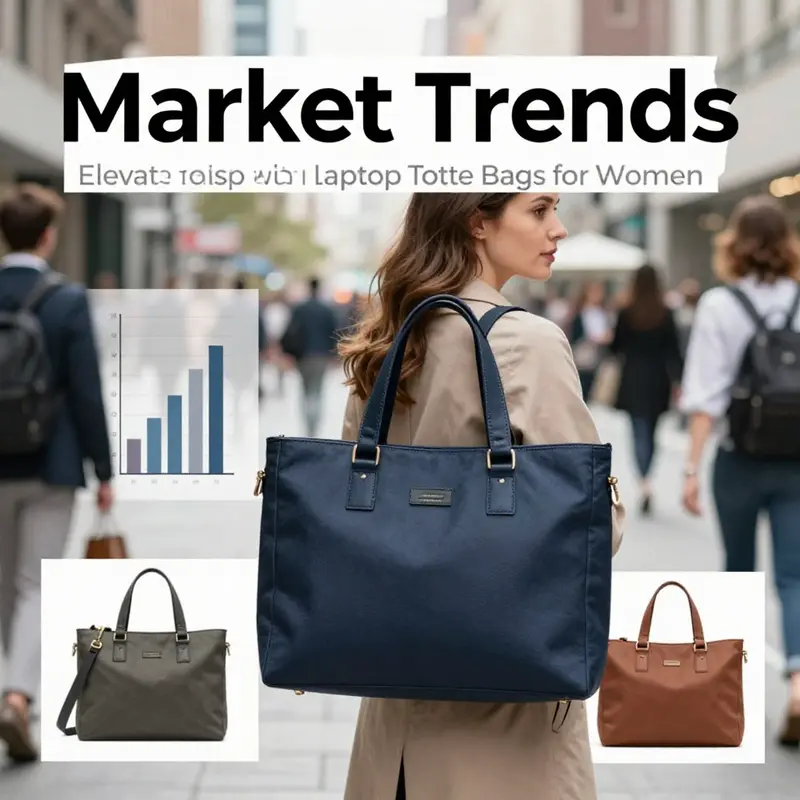
Market momentum and customer expectations are reshaping women’s laptop tote design. What consumers want now is more than a laptop sleeve in a bag. They want a single carryall that adapts to a full day of meetings, a quick overnight, a gym stop, and an evening out. This chapter follows that evolution and explains the forces guiding product choices, material innovations, and go-to-market tactics for sellers and designers.
A strong theme driving choices is multifunctionality. Buyers prefer totes that perform across contexts. They need a padded compartment that secures a laptop while leaving room for a charger, notebook, and personal items. They expect interior organization that prevents a tangled mess. They also look for exterior features that support mobility—slip pockets for phones, quick-access side pockets, and a trolley sleeve for travel. Function pairs with form. Tote silhouettes now balance roomy interiors with refined lines. Designers respond with bags that feel professional yet relaxed. This approach suits commuters and remote professionals equally.
The balance between structure and softness has become decisive. Consumers no longer choose between a rigid briefcase and a slouchy shopper. Instead, they seek the “just right” compromise. Materials that hold their shape while retaining a lightweight hand are in demand. Canvas-PU blends, for example, emulate natural textures while resisting stains and moisture. These hybrid textiles offer durability without heavy weight. The aesthetic is calm and polished, while being forgiving in real-life use. This dualism also extends to handles and straps. Reinforced top handles deliver a briefcase feel. Removable adjustable straps offer shoulder carry comfort. These choices increase the bag’s usefulness and appeal.
Sustainability is now a baseline factor, not a niche selling point. Shoppers want evidence that the product reduces environmental harm. They respond to recycled and low-impact fabrics, to reduced water-use production, and to transparent supply chains. Brands that communicate cradle-to-gate improvements win trust. Certifications and clear material claims help justify premium pricing. The environmental story also influences color and finishing choices. Natural dye alternatives and matte finishes often pair better with recycled textiles than high-gloss coatings. Practical sustainability matters too: durable materials that extend a product’s life reduce replacement rates. This message resonates particularly with buyers who value responsible consumption.
Color and personalization influence purchase decisions more than before. A wave of vibrant yet wearable shades has replaced the default black and brown options. Warm oranges, deep emeralds, muted florals, and contemporary neutrals appear alongside classic choices. Consumers want bags that express individual taste and coordinate with wardrobes. Limited-release colorways and small-run patterns perform well in digital marketplaces. Customization options—monogramming, interchangeable straps, and detachable pouches—encourage emotional attachment. These features also support higher margins and repeat purchases. Retailers and brands are testing custom configurators on product pages with measurable uplift in conversion rates.
Digital-first commerce is dictating how styles rise and fall. Short-form video and lifestyle content accelerate discovery and purchase. Clips that show a tote used in varied settings spark ideas about versatility. Social commerce tools shorten the path from inspiration to checkout. Influencer demonstrations, user-generated content, and targeted live sessions create rapid demand spikes. Because of this, speed-to-market and agile inventory strategies have become crucial. Brands that can refresh colorways and small features quickly enjoy better visibility and sales momentum. Real-time analytics guide SKU decisions and marketing spends.
Wholesale and retail channels are also adapting. Buyers from corporate procurement to boutique retailers expect flexible minimums and reliable lead times. Corporate clients value branding options and consistent quality for bulk orders. Boutique buyers prefer curated assortments and exclusive finishes. Manufacturers are responding with modular production runs that allow for small batch customization. This approach reduces waste and helps retailers offer differentiated assortments. For wholesalers, standardized protective features—padded laptop compartments, reinforced stitching, and secure closures—remain core requirements. These features become baseline standards when negotiating contracts.
Designers and product managers focus now on details that make daily life easier. Interior layouts emphasizing quick organization keep essentials accessible. Waterproof or water-resistant linings protect electronics. RFID-blocking pockets add a layer of security for cards. Hardware choices—smooth zippers, robust clips, and corrosion-resistant buckles—must endure repeated use. Comfort elements, like wide shoulder straps and balanced weight distribution, prevent strain. Practical add-ons, such as detachable key leashes and fold-out stands for tablets, raise perceived value. Thoughtful touches generate positive user reviews and repeat buyers.
Packaging and aftercare services influence customer satisfaction and lifetime value. Recyclable and minimal packaging aligns with sustainability claims. Instruction cards that show cleaning tips extend product life. Warranty programs and repair services increase consumer confidence. Post-purchase engagement—care reminders and style guides—strengthen brand relationships. Brands that invest in customer education reduce returns and cultivate advocates. This in turn supports word-of-mouth growth in niche communities, such as remote workers and frequent travelers.
Pricing strategies have also shifted. The market supports a wider range of price points when value is evident. Entry-level totes emphasize functional materials and clean design. Mid-tier offerings add sustainability credentials and premium hardware. Premium models highlight artisanal details and luxurious finishes. Clear communication about what a customer receives at each price tier improves conversion. Bundled offerings—like including a small organizer pouch or a protective sleeve—can increase average order value. Subscription-based updates for seasonal accessories help maintain recurring revenue.
For brands aiming to win, data-driven design is essential. Real-world usage data, combined with trend insights, informs iterative product updates. Customer feedback loops help prioritize improvements. Early-adopter reviews reveal pain points and opportunities for refinement. Fast prototyping and limited releases test market appetite for new materials and colors. Retail partners that share sell-through data help refine assortments. This tight feedback loop reduces the risk of overproduction.
Finally, the role of storytelling cannot be overstated. Buyers purchase both a product and a narrative. Clear messaging that links material choices to real benefits resonates strongly. Practical stories that show how a tote transitions from work to weekend are persuasive. Visual content that demonstrates actual capacity and organization helps manage expectations. Brands that align their product narratives with customer lifestyles increase perceived relevance.
A practical next step for those exploring product choices and buying options is to review curated collections focused on laptop totes. One useful resource on available styles and features is the laptop tote bags for women guide. For further industry context and the original fashion week analysis that influenced recent seasonal shifts, see the spring/summer trend write-up here: https://www.poptrend.com/2026-spring-summer-fashion-trends-women-laptop-totes
Durable Style with a Conscience: Sustainable Materials for Women’s Laptop Totes
Material choice sits at the crossroads of function, fashion, and responsibility when we talk about laptop tote bags for women. These bags must cradle a delicate electronic companion, carry a day’s essentials, and project a polished professional image. The material that threads through all of these expectations is more than a surface choice; it is a statement about durability, care for the environment, and the ethics of production. In a market that prizes both performance and appearance, the conversation about materials is a conversation about long-term value. When a bag is built to endure, it reduces the cycle of replacement, which in turn lowers waste and resource use. This is the practical core of sustainability in everyday accessories, and it ripples through every panel, seam, and pocket of a design intended for women who move through offices, cafes, airports, and co-working spaces with equal fluency.
In choosing fabrics and finishes, durability is the baseline. Materials like high-quality nylon blends, canvas, and responsibly sourced leather have long been favored for their abrasion resistance, shape retention, and ease of care. Yet the chapter on sustainability invites us to look beyond these traditional strengths and toward materials that minimize environmental impact without compromising protection. Recycled nylon, for instance, repurposes discarded fibers into sturdy, nearly indestructible fabrics that resist tears and moisture. These fibers often exhibit excellent abrasion resistance and a clean, sleek look that suits professional settings. Similarly, organic cotton remains a strong option for softer, more casual aesthetics, especially when engineered into tightly woven canvases that resist pilling and wear while feeling breathable and lightweight. The idea is not to choose one exclusive material but to understand how each material’s lifecycle aligns with responsible consumption.
For those who prefer the tactile presence of leather, sustainably sourced options offer a compromise between luxury and ethics. Leather that comes from certified suppliers who practice regenerative grazing or responsible tanning reduces the environmental footprint compared to conventional processes. When properly treated, leather can display a timeless patina, strengthening the bag’s sense of durability without forcing designers to rely on cheaper, less enduring synthetics. The key here is transparency: brands that provide clear traceability of their raw materials and the conditions under which they are produced give consumers confidence that longevity and ethics go hand in hand.
A modern laptop tote for women can also benefit from performance-oriented fabrics that blend materials to optimize both protection and sustainability. For example, some bags deploy a laminated system that pairs a recycled outer shell with a water-repellent inner lining. The outer shell resists scuffs and rain, while the lining protects electronics from spills and daily moisture. In such designs, the choice of zipper tapes, thread fibers, and seam finishes matters as much as the visible fabric. Durability is a function of many tiny decisions—how sturdy the stitching is, whether reinforced corners absorb impact, and how well the bag maintains its shape after repeated loading and unloading. Each detail contributes to a product that lasts longer, reducing the need for frequent replacements and the associated waste.
Sustainability in materials is inseparable from the manufacturing footprint. Today’s brands increasingly pursue production practices that minimize environmental harm: low-impact dyes that reduce water pollution, textile waste reduction through lean manufacturing, and processes that conserve energy. A fabric that looks pristine at purchase can still carry a heavy environmental cost if its production drains resources or uses toxic chemicals. The supply chain’s transparency matters here. When brands publish information about where materials come from and how they’re processed, consumers gain insight into a product’s overall footprint. This transparency builds trust and helps buyers align their purchases with values that extend beyond personal style.
The story of material selection also intersects with care, repair, and end-of-life considerations. A tote that is easy to clean, resistant to stains, and simple to repair remains in service longer. Removable linings, reinforced straps, and modular interior padding enable easier refurbishment rather than disposal. These design choices reflect a philosophy of durability that is not merely about resisting wear but about enabling ongoing use. The longer a bag can function as a reliable carrier for laptops and daily items, the less often a new bag needs to be produced, transported, and sold. In a world where resources are finite, durability translates to a practical form of sustainability.
Consumer expectations are shifting toward materials that support a sustainable narrative without sacrificing style. People want fabrics with a tactile feel that still perform under everyday stress—water resistance for rain, denim-inflected textures for a smart-casual look, and colorfast finishes that retain their hue through seasons of use. At the same time, shoppers want assurances that the environment has not paid a hidden price for the product’s longevity. Ethical sourcing, responsible dyeing, and minimal waste manufacturing are becoming standard benchmarks rather than optional add-ons. This shift is evident in the growing emphasis on supply chain visibility, third-party certifications, and clear labeling that communicates not just care instructions but the story of origin.
For readers exploring options, a helpful lens is to consider how material choices translate into daily reality. A bag may appear polished in a showroom or storefront, but its true test lies in weeks of commuting, conferences, and travel. The right material should be forgiving of daily use: it should resist scuffs from office doors and coffee shop counters, repel light rain, and maintain its silhouette when pockets are packed with chargers, tablets, and notebooks. It should also age gracefully; a patina or subtle texture change can signal a bag that has earned its keep rather than one that looks worn out prematurely. The best designs weave these practical concerns with aesthetic versatility, so the bag can transition from a business meeting to an evening out without looking dated.
Understanding sustainability in this context also means looking at the broader ecosystem of options available to shoppers. The market now offers curated lines that emphasize responsible materials and ethical production. For readers seeking a quick orientation, a mental map of materials can be a helpful starting point: recycled nylon for rugged resilience and weather resistance, organic cotton for lighter, eco-friendly casuals, and responsibly sourced leather for a more refined, durable option. Each material has its place, and the optimal choice depends on how the bag will be used, the climate, and the wearer’s style. Some designs blend multiple materials to balance protection with a lighter weight and a more sustainable footprint, while others pursue a singular material that embodies a specific aesthetic or performance profile. In every case, the objective remains consistent: deliver protection for electronic devices, support daily routines, and reflect a commitment to responsible design.
To connect these considerations to the broader article on laptop tote bags for women, a quick glimpse at the landscape of choices helps illuminate how form and function converge with ethics. The materials that shape a tote do more than guard a laptop; they shape a user’s daily rituals. The shoulder strap’s padding, the way the bag sits on the shoulder, and the internal organization all interact with material properties to create comfort and efficiency during long commutes. The trolley sleeve, a feature often praised by travelers, gains practical value when paired with fabrics that resist abrasion and maintain a smooth glide over luggage handles. These tangible attributes—comfort, protection, and ease of use—are inseparable from the material decisions that make them possible. In this sense, material science and design philosophy work hand in hand to deliver a product that is both stylish and sustainable.
As readers weigh what to buy, it helps to consult a broader context about how the market in professional women’s accessories is evolving. A consumer’s decision is increasingly informed by not only the appearance and price but also the ethical footprint of the item. Brands that publish supply chain details, disclose sourcing locations, and demonstrate clean, low-impact dye processes tend to inspire greater trust. This is not merely an ethical preference; it is about ensuring that a bag will traverse many seasons without demanding a replacement cycle that strains natural resources. A bag built to last in design, constructed with resilient materials, and produced through responsible methods embodies a holistic approach to sustainability. It respects the wearer’s need for reliability while acknowledging the responsibilities that come with manufacturing and consumption.
From a practical standpoint, shoppers can translate these principles into actionable criteria. Look for indicators of material quality such as tensile strength, abrasion resistance ratings, and water repellence that do not rely solely on cosmetic finishes. Consider the weight of the bag relative to its protective capacity; heavy materials may offer durability but impact daily carry comfort. Evaluate the interior layout for how it accommodates laptops and accessories without overstuffing, which can cause premature wear at seams and stress points. Seek out details about dyeing processes, waste reduction programs, and whether a brand offers repair guidance or take-back options at the end of a product’s life. While these elements may seem technical, they inform a practical decision about value and responsibility, blending the aesthetic you want with the ethics you wish to support.
For readers who want to explore further, a concise way to connect these ideas with real-world choices is to examine the broader body of resources on laptop tote bags for women. This can provide a comparative sense of how different materials perform in daily scenarios and how various brands approach sustainability. A quick reference point is to examine a curated guide that surveys durable, aesthetically pleasing materials like leather, nylon, and canvas, while emphasizing comfort and everyday usability. Such guidance helps translate the concepts discussed here into concrete shopping decisions that align with both practical needs and environmental values. laptop tote bags for women.
The conversation about material and sustainability in women’s laptop totes is not merely theoretical. It influences the way products are designed, manufactured, and marketed. It shapes how designers balance the protection of electronics with the daily demands of professional life and how consumers understand the life cycle of their purchases. When we foreground durable materials and responsible production, we create a standard that benefits wearers and the environment alike. It is possible to enjoy a bag that looks refined, handles heavy daily use, and aligns with a sustainable mindset. The path forward invites designers to continue innovating with recycled and renewably sourced materials, to refine construction methods that reduce waste, and to communicate clearly with customers about the choices behind each bag. This is how a practical accessory becomes part of a broader commitment to a more thoughtful and resilient way of living.
External perspective can deepen this understanding. A leading technology and lifestyle guide emphasizes the importance of durable, aesthetically pleasing materials like leather, nylon, and canvas, and it highlights comfort and everyday usability as essential criteria when evaluating both performance and long-term sustainability in design. By examining such external resources, readers can broaden their awareness of how material strategies translate into real-world outcomes—from how a bag handles daily wear to how it ages gracefully in a wardrobe. This broader view reinforces the idea that sustainability is not a single feature but an integrated approach to design, manufacturing, and use. (External resource: https://www.lenovo.com/us/en/laptop-tote-bags-for-women.)
Final thoughts
Laptop tote bags for women are more than mere accessories; they are multifunctional tools that combine style with practicality. As business owners, understanding the diverse features, keeping up with market trends, and considering sustainability in design will not only enhance your personal brand but also align your choices with the values of your customers. Selecting the right tote can elevate your professional appearance and streamline your daily activities, making it a worthwhile investment.