
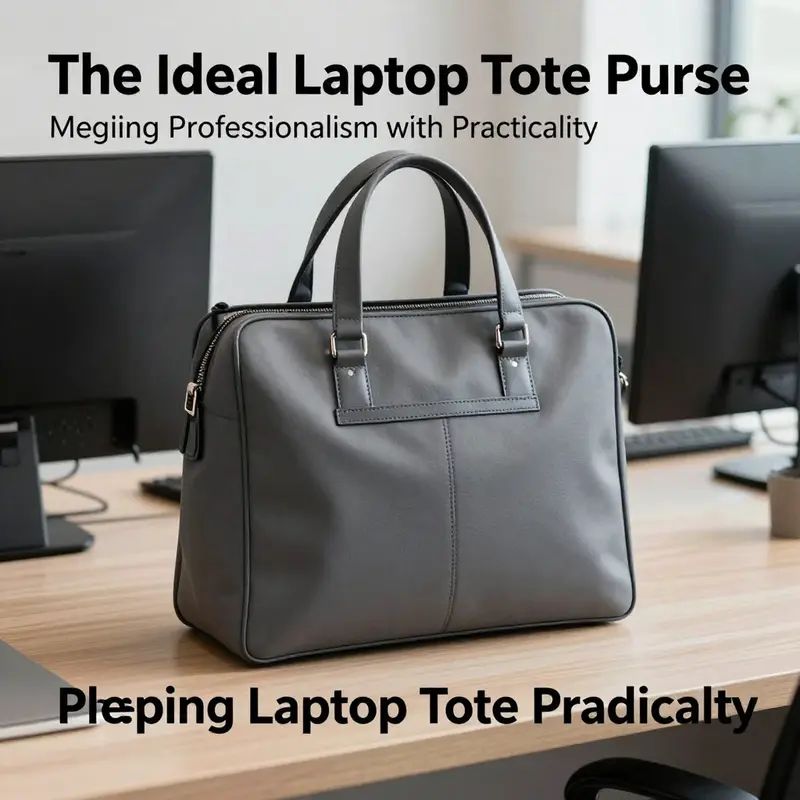
Laptop tote purses have become essential accessories for business owners who want to merge professional appearance with practicality. These hybrid bags not only carry the necessary tech gadgets but also reflect a polished sense of style that can appeal to clients and colleagues alike. By providing a dedicated compartment for laptops, a variety of organizational pockets, and options to carry the bag in multiple ways, laptop tote purses are versatile tools that adapt to various business environments. In this article, we’ll explore the versatility of these bags, their design features, size and capacity considerations, current market trends, and the ergonomics associated with their use. Each chapter will build upon the last, giving you a comprehensive understanding of how laptop tote purses can enhance your professional life.
The Everyday Chameleon: How Laptop Tote Purses Fuse Style with Smart Function
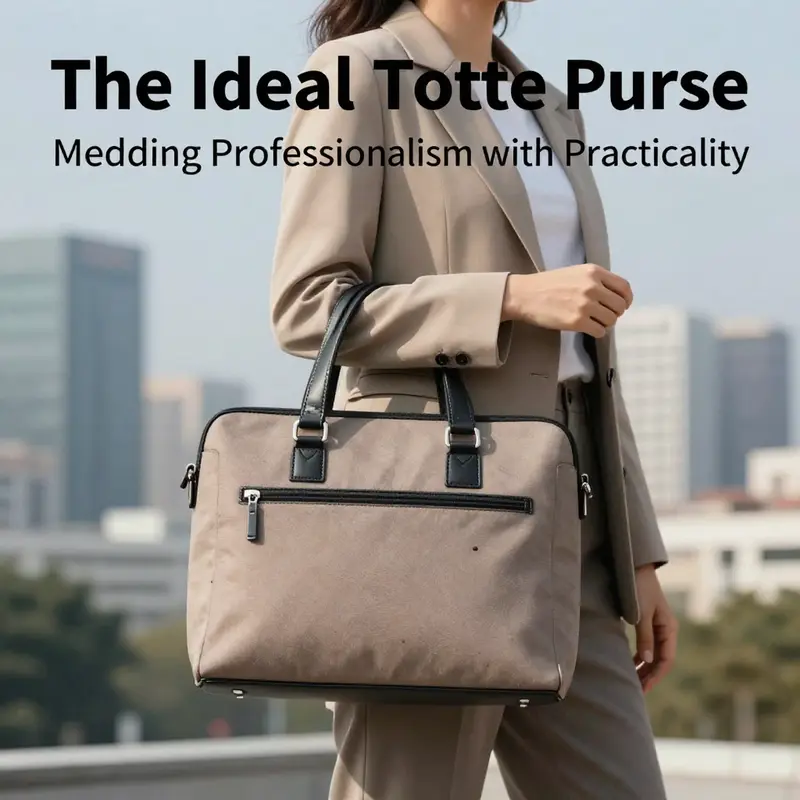
Versatility as a design principle guides the modern laptop tote purse. It is a bag built to hold a laptop, yes, but it is also a tool for managing time, space, and appearance. The balance between form and function is not accidental. Designers shape compartments, straps, and materials around real routines: a morning commute, a midday meeting, a gym stop, and an evening break with friends. The result is a single bag that can serve as a work briefcase, a casual handbag, and a travel companion without calling attention to any single role.
A defining feature is the dedicated padded laptop compartment. This pocket is typically sized for a 13-inch laptop and lined with cushioning that protects against knocks. But its value goes beyond protection. By isolating the laptop from other items, the compartment keeps chargers, notebooks, and personal items from rattling against the device. It also makes security checks faster; a laptop can be slid out cleanly during screenings. For many users, that single internal sleeve sets the tote apart from ordinary handbags.
Organization matters as much as protection. Thoughtful pocket layouts mean a phone, wallet, keys, pens, and earbuds each have a place. Internal zippered pockets secure smaller valuables. Slip pockets offer quick access to transit cards or receipts. The tactile logic of good organization reduces the time spent digging and the mental clutter of misplaced items. When a bag helps you stay organized, it changes the way you plan your day and how efficiently you move through it.
Material choices speak to both durability and appearance. High-density synthetics resist rain and abrasion. Genuine leather offers a refined look and ages with character. Both material types can be finished to resist stains and to shed water. Stitching, reinforced bases, and metal hardware extend lifespan. The materials also shape the bag’s silhouette. A softer leather folds and relaxes with use. A structured synthetic holds a more architectural shape. Selecting a material is therefore a decision about longevity and how you want the bag to present itself over time.
Comfort is a crucial but underrated element. Totes often have a single pair of shoulder straps, but the width and padding vary widely. Wider, padded straps distribute load more evenly across the shoulder. Adjustable straps allow the bag to be worn higher or lower on the torso. Some designs add a removable crossbody strap for hands-free wear. These options influence how the bag feels on long commutes and how much strain it places on the body. Given evidence that carrying heavy loads on a single strap can affect posture, choosing a tote with multiple carrying options supports both daily comfort and long-term well-being.
Sizing is another pragmatic concern. A tote’s open-top design often suggests substantial capacity. In reality, depth may be limited. Many models measure between five and six inches of internal depth. That can fit a laptop and a slim organizer, but it makes packing bulky items difficult. If you routinely carry gym clothes or a lunch box, a tote with a deeper profile or a convertible option may be wiser. Conversely, if your load is mainly electronics and documents, a shallower tote keeps everything compact and easy to access.
Convertible and crossbody styles expand a tote’s adaptability. A detachable strap transforms an office tote into a hands-free crossbody for commuting by bike or public transport. Convertible mechanisms that shift handles or alter strap positions let the same bag act as a shoulder bag for meetings and a crossbody for weekend errands. This flexibility reduces the need for multiple bags. Investing in a convertible tote can streamline your carry and maintain a consistent aesthetic across different activities.
The aesthetic vocabulary of laptop totes has also shifted toward inclusivity. Clean lines, neutral palettes, and minimalist branding make many designs suitable for a wide range of users. Function-led styling rejects dated gendered cues. Choosing a bag today is often less about fitting a label and more about matching lifestyle and taste. A neutral, well-crafted tote signals competence without sacrificing personal style.
Beyond function and looks, some features broaden a tote’s usefulness. Water-resistant interiors or zippered waterproof pockets allow separation of wet items or toiletries. Reinforced bottoms and metal feet protect the base when setting the bag down. Hidden external pockets offer quick phone access while maintaining security. These small details compound into meaningful convenience during daily routines.
A well-designed laptop tote also performs as a visual shorthand for modern professionalism. It communicates organization, preparedness, and taste. For many, the bag replaces a briefcase or a bulky backpack. The streamlined silhouette and thoughtful interior arrangement convey seriousness without appearing ostentatious. This subtle signal is one reason professionals favor totes for client meetings and presentations.
Choosing the right tote depends on several trade-offs. Prioritize protection and organization if you carry fragile electronics and documents. Seek deeper capacity and wider straps if you pack heavier loads or commute long distances. Opt for convertible styles if you want a single bag to serve many roles. Consider material and finish for longevity and care needs. Finally, evaluate the bag’s silhouette against your wardrobe to ensure it complements rather than competes with your look.
Practical care extends a tote’s lifespan. Clean spills promptly, condition leather when recommended, and avoid overloading the bag beyond its intended weight. Use internal pouches for liquids to prevent leaks from damaging electronics. Rotate use among bags when possible to reduce constant stress on any single strap or seam. These habits keep the tote functioning well and preserve its appearance for years.
The laptop tote purse thus functions on several levels. It is a protective enclosure for technology, a daily organizer, a comfort-engineered carry solution, and a style choice. Each of these roles affects how you interact with your surroundings. A tote that fits your needs reduces friction in your day. It enables smooth transitions between work, errands, and leisure without requiring you to change bags or sacrifice function for style.
For anyone evaluating a laptop tote purse, the key is to match features to routine. Think about what you carry each day and how you move between places. Look for padded compartments, sensible organization, comfortable carrying options, and durable materials. If you value flexibility, choose a convertible or crossbody-capable design. If you travel frequently or carry heavier loads, prioritize ergonomics and depth. The most successful totes are those that reconcile practical demands with the personal aesthetic you want to present.
If you want to explore options focused on tailored organization and everyday carry, check a curated selection of women’s laptop tote bags for design ideas and comparisons: women’s laptop tote bags. For further reading on professional communication and presentation, consult this resource on English learning and professional development: https://www.britishcouncil.org/learn-english
From Protection to Presence: The Design DNA and Everyday Uses of Laptop Tote Purses

A laptop tote purse embodies more than a storage container; it is a compact ecosystem that translates how work, study, and daily errands intersect with personal style. The design ethos behind these bags rests on a simple premise: protect a device that travels with you, organize the myriad little items that lubricate a busy day, and present an appearance that feels appropriate in a boardroom, a classroom, or a coffee shop. Over time, this promise has matured into a sophisticated balance of materials, structure, and ergonomics that respond to how people actually move through space—on crowded commutes, in variable weather, and during quick transitions from front desk to conference room to gym locker. The result is not a single feature but a coherent system that makes the tote feel purpose-built rather than merely clever in concept.
Size and capacity sit at the heart of that system. The standout capability of a modern laptop tote is its dedicated laptop compartment, designed to cradle a device securely while leaving room for the essentials that fill a workday. The most common laptop targets are 13-inch ultrabooks and standard 15-inch laptops, with some models stepping up to larger workstations. A well-designed tote provides a snug fit with a touch of cushioning—often about a half inch to an inch of extra space—to absorb shocks and keep the laptop from rattling in transit. Yet even as the compartment shows intent, the bag’s overall depth matters. Historically, many totes project generous openness, but the practical depth often hovers around 5–6 inches. This can create a tension between leaving enough space for a light spare outfit or gym clothes and maintaining a sleek silhouette. For anyone who carries more than the laptop—chargers, a tablet, a notebook, or a few personal items—this is where the tote’s internal zoning and padding really earn their keep. In those moments, the bag reveals its true value as a serviceable daily companion rather than a fashion prop.
Protective materials and construction are the next layer in this design story. The modern laptop tote purse leans into fabrics that stand up to real life: water-repellent or waterproof surfaces, durable yokes, and reinforced edges that tolerate repeated zips, pulls, and occasional overstuffing without flinching. High-density fabrics, such as polyester or nylon blends, are frequently treated with coatings that repel rain and splashes. The interior is where the device receives its main protection: plush linings—microfiber or soft fleece—surround a padded sleeve. The padding itself is often multi-layered, sometimes featuring a honeycomb pattern or shock-absorbing foam to dampen impact from knocks in transit. Corner and edge reinforcements protect the most vulnerable points where bags tend to fray first. Together, these materials and constructions do more than guard a laptop; they create a sense of reliability that changes how a user carries the bag. The effect is quiet confidence rather than bravado, a quality that helps a tote slip seamlessly into a professional wardrobe.
Interior organization turns protection into practicality. A well-arranged tote offers a dedicated laptop sleeve, plus a constellation of pockets for chargers, cables, pens, cards, and small devices. Some models provide hidden pockets lined with RFID-blocking material to safeguard sensitive items like passports or credit cards, a feature that becomes increasingly valuable as travel resumes to pre-pandemic rhythms. Zippered compartments and intelligent open pockets keep routines efficient—charge cords stay coiled and accessible, while a slim notebook and a tablet find their own quiet corners. A thoughtfully placed pocket for a water bottle or umbrella prevents a spill from cascading into teleconferences or printed documents. In the best designs, an integrated USB port and a pass-through sleeve for a suitcase add layers of convenience that show the bag’s purpose extends beyond mere space management. The combination of internal pockets with a streamlined exterior offers a calm sense of order, even when the day is full of back-to-back meetings or campus transitions. For users who want to explore versatility, the idea of wearing the bag as a crossbody or shoulder bag is often realized through adjustable straps and hidden trolleys, enabling ergonomic solutions across a wide range of body types and activities.
Carrying systems are where function and comfort meet fabric. The most successful laptop tote purses deliver ergonomic support without compromising style. Wide, padded shoulder straps with breathable backing distribute weight more evenly across the shoulders, reducing fatigue during long commutes. A sturdy top handle adds versatility when you need a lighter grip or a quick hand-carry in crowded spaces. Some models include a back panel with a luggage strap, a small but meaningful feature for travelers who want to weave through airports without juggling bags. Others incorporate a chest strap or load-sharing design to stabilize the bag during brisk walks or stairs. The carrying system is not just a matter of comfort; it also affects how your posture holds up over a day of work or study. When weight sits evenly across the torso, the risk of localized strain decreases, and the tote becomes a facilitator rather than a burden. This is why many designers emphasize the balance between structure and flexibility: the bag remains firm enough to protect a laptop but soft enough to contour to the user’s movements.
Aesthetic appeal rounds out the practical architecture with a language all its own. Tote purses are no longer defined solely by their practicality; they now speak to style in a language of clean lines, refined finishes, and adaptable color palettes. The exterior design ranges from minimalist, office-appropriate silhouettes to more expressive options that can pair with casual outfits or weekend gear. The finishes may be matte or subtly glossy, the hardware understated or textured, and the overall silhouette engineered to look proportional whether you’re in front of a conference table or at a campus quad. This balance between subdued professionalism and personal flair is a core reason these bags have grown beyond commuter accessories. They act as a first impression, a portable desk, and a carry-on companion—all at once. Within this spectrum of aesthetics, the tote manages to stay versatile enough to accompany a client meeting and casual enough to head to a gym bag later in the day. That adaptability matters because it reduces the need for multiple bags and supports a more intentional daily routine. For those seeking a practical option that still feels intentional, there is a maturation in design toward integrated, nearly invisible solutions: pockets sized to hold small but essential items, linings that minimize snagging on zippers, and subtle colorways that coordinate with a range of wardrobes rather than dictating a single look.
Practical applications reveal how these design choices translate into real-life benefits. For daily commuting, a laptop tote purse must guard against rain, bumps, and the inevitable crowd crush of transit hubs. A well-sealed exterior and a cushioned interior become a dependable shield, while the organizational pockets keep keys, phone, and a wallet within easy reach, avoiding the frantic rummaging that plagues cluttered bags. When traveling for business, the same features become travel-ready: a laptop sleeve that passes a quick health check of fit, a document pocket that keeps papers crease-free, and a luggage strap that frees a hand for boarding passes and coffee. On campus, the tote must carry not only a laptop but textbooks, notebooks, and perhaps a tablet, all while looking contemporary enough to align with student fashion. The inner compartments and the proportionate depth keep the load from pulling on the shoulder, even as long lecture days extend into late study sessions. In a home-office or café setting, the tote can serve as the nucleus of a workflow—charger, notebook, and device all in a predictable spot, enabling a swift transition from a project screen to a printed page or a phone call. For outdoor activities, weather-resistant materials and a waterproof-lined pocket for toiletries or a small change of clothes signal readiness for quick trips or a stray shower in a park setting. The practical value emerges not from any single feature but from the way these features cohere into a bag that behaves consistently across contexts.
For those who want a connected experience that blends style with utility, a laptop tote purse offers a compelling path. The design language emphasizes a dedicated, protected laptop compartment, reinforced structure, and a thoughtfully curated interior that supports organization without sacrificing elegance. The adjustable carrying system and exterior aesthetics empower users to adapt to evolving routines—whether that means a crossbody strap for a crowded train or a short carry when navigating a busy building. The importance of avoiding overloading a single strap is not merely a fashion concern; it is a practical health consideration. Ergonomic guidance reminds us that carrying too much weight on one shoulder increases the risk of musculoskeletal strain, especially when the bag’s depth limits how much can be stowed without spreading weight unevenly. Designers respond with balanced weight distribution, multiple carry options, and a blend of stiff and soft elements that protect the laptop while allowing the bag to breathe during long days. In this way, the tote becomes less about a fashion statement and more about a dependable everyday tool that respects both form and function. The end result is a versatile, durable companion that can move from the office to class to a weekend getaway without asking the wearer to compromise on appearance or ease of use. For readers seeking to explore further, a dedicated guide on laptop tote bags for women discusses the nuances of fit, capacity, and style in greater detail, linking practical features to daily needs. laptop tote bags for women
In the broader context of choosing a bag that marries aesthetics with ergonomics, the conversation moves beyond the obvious questions of color and brand to the more substantive ones: How does the structure protect the device under real-world conditions? How well does the interior arrangement support a stable workflow? How does the bag feel after a full day of use, and does it encourage a healthier posture rather than invite a heavy, one-shoulder habit? The answers lie in a few core decisions—the quality of the padding around the laptop, the reliability of the zipper mechanisms, the sophistication of the organizational schema, and the adaptability of the carry system. The best options feel integrated, not patched together, with each feature reinforcing another to create a cohesive, user-centered experience. As you consider these factors, you’re not just choosing a carrier for a laptop; you’re selecting a partner for daily life, a compact interface between the digital and the physical, between the schedule and the moment that interrupts it. The design language that emerges from this approach is one of quiet confidence, a bag that knows its job and does it well without shouting about it. To wrap this thread, the practical value of a laptop tote purse rests on its ability to transform routine tasks into smooth, predictable moments, even when the day throws a curveball. It invites a seamless choreography: slide the device into its sleeve, grab the essentials in a single sweep, and step into the next room with balance and poise. That is the essence of why these bags continue to evolve—from simple protective carriers to sophisticated, everyday partners in work, study, and life. External ergonomics guidance on bag weight and distribution can be found here: https://www.apta.org.
null

null
Carrying the Future: Market Trends, Design Ethos, and the Sustainable Evolution of Laptop Tote Purses
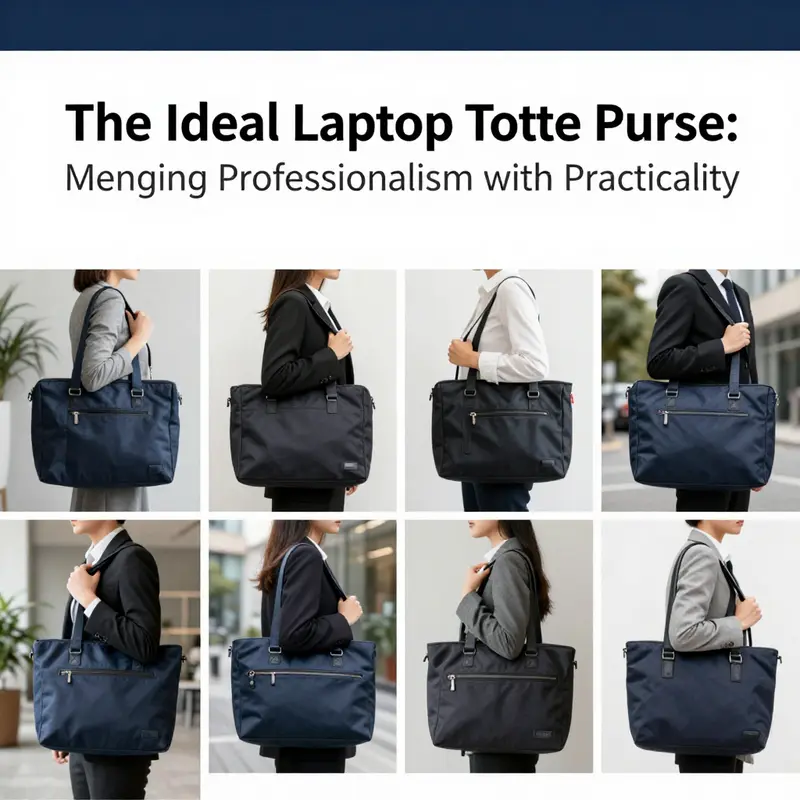
The laptop tote purse sits at an intriguing crossroads of fashion and function, a carryall that invites both aesthetic intention and daily practicality. In markets shaped by rapid digitization and shifting work rhythms, these hybrids have evolved beyond mere containers for a laptop. They now narrate a broader story about how people choose to present themselves while protecting fragile technology, how brands respond to evolving expectations, and how material science, logistics, and consumer desire converge to redefine what a bag can do. In the Chinese market analysis released in early 2026, the most telling pattern is not simply what people buy, but why they buy it. The core drivers center on a double helix: a young, design-conscious cohort and a sustainability mindset that is becoming a nonnegotiable part of purchasing decisions. This confluence is shaping a category that must balance brand voice with durability, elegance with capacity, and personal style with long-term value.
The portrait of the typical buyer begins with youth and energy. Gen Z and the newer generation of white-collar professionals are the dual engines propelling growth. A striking 67.3% of young consumers foreground brand tone and design when evaluating a bag, signaling that aesthetic identity and social signaling are not peripheral but central to decision making. Yet the same cohort shows a mature appreciation for responsible design: 61.2% are willing to pay more than 10% extra for products that are repairable and recyclable. In other words, the market rewards both visual appeal and longevity, and the best-performing bags are those that promise a longer lifecycle without sacrificing obvious daily usefulness. The typical scenarios of use—business travel, daily commuting, campus study, and even outdoor activities—require a versatile container that can transition across contexts without sacrificing protection for a laptop, organization for small devices, or ease of carry during long days.
From a product-innovation standpoint, the sector is entering an era where smart materials and modular thinking push the envelope beyond simple compartments. Designers are experimenting with self-healing coatings, temperature-sensing fabrics, and even built-in wireless charging to accompany the core padded laptop sleeve. The lure of modularity is particularly strong: removable dividers, attachable accessory panels, and scalable storage adapt to a user’s changing needs, extending the bag’s usefulness from a single season to several years of daily routines. Material choices follow the same logic. While nylon and polyester still account for the bulk of production, biobased and recycled materials are steadily increasing their share, driven by both environmental responsibility and consumer demand for authenticity in brand storytelling. There is a practical elegance in bags that can feel as good on the inside as they look on the outside, and the market rewards those that marry tactile quality with ecological intent.
Against this backdrop, the competitive landscape shows a striking blend of concentration and breakout energy. International brands continue to hold sway in terms of prestige and consistency, but agile, newer players are translating agility into strong market share through precise positioning and rapid iteration. The growth story is amplified by channel dynamics. Online retail already dominates at roughly two-thirds of sales, underscoring the power of content-driven discovery, social recommendations, and direct-to-consumer channels. Here, the role of marketing becomes as important as the product itself: experiential content, influencer-led narratives, and community-driven conversations turn a bag into a lifestyle choice. Offline experiences also retain significant value, as tactile testing—how the bag stands up to weight, how the strap feels after a long day, how the lining and pockets are organized—still matters deeply to consumers who want to trust their purchase before they commit.
The market outlook, as projected for 2026 and beyond, is both hopeful and instructive. The size of the professional laptop bag segment in China is forecast to rise from roughly 45.2 billion yuan in 2023 toward about 65.2 billion yuan in 2026, with a trajectory toward roughly 85 billion yuan by 2029. Within this expansion, the high-end, design-forward and game-oriented subsegments are expected to lead growth, propelled by a compound annual growth rate in the vicinity of 18.7%. What this means in practical terms is that buyers are not simply seeking a larger bag; they want a solution that conveys professional identity while delivering specialized performance. For brands, this translates into three strategic imperatives. First, invest in smart features that genuinely reduce friction in daily routines—responsiveness to power needs, protection for devices with varying dimensions, and integration with increasingly connected work ecosystems. Second, emphasize materials and construction that prove durable and repairable, with clear pathways for recycling or upgrading components. Third, craft a sense of exclusivity through customization and storytelling, ensuring that a bag feels unique to each user without compromising on reproducibility at scale.
This is not merely about designing for today’s needs but about anticipating a future where the bag becomes an extension of the user’s digital workflow. The importance of design language—how a bag communicates taste, values, and professional intent—cannot be overstated. Consumers are becoming more selective about how they are perceived in public spaces, and a bag that blends sophistication with practical protection offers a reliable way to project confidence. Yet the same consumer’s decision is anchored in tangible performance: capacity and organization remain crucial to everyday use. The storage architecture matters as much as the exterior finish. A well-thought-out layout—padded laptop compartments, secure zip pockets for small devices, and discreet spaces for cables, cards, and notes—reduces the cognitive load of daily routines and makes the bag a portable workstation.
Sustainability, one of the chapter’s recurring themes, appears not as a niche concern but as a baseline expectation. The willingness to pay a premium for repairable or recyclable design signals a broader shift toward ownership models that value longevity over disposability. This aligns with material trends that favor recycled and bio-based inputs, even if traditional synthetics still dominate. The interplay between these choices and consumer values reveals a market that rewards transparency. Brands that clearly communicate material sourcing, repair options, and end-of-life plans build trust and loyalty, especially among younger buyers who watch supply chains with a discerning eye. In turn, this transparency reinforces the premium some buyers place on brand tone and design, a synthesis that the Chinese market analysis identifies as central to ongoing success.
For readers interested in how these ideas translate into real-world shopping behavior, a practical touchpoint is the way products are positioned across channels. E-commerce remains the leading sales channel, but the most effective strategies are those that do not rely solely on price competition. Content-rich storytelling, user-generated demonstrations, and live engagement help translate features—like an expandable interior or a modular divider system—into meaningful benefits. Private-domain communities and IP collaborations can generate durable brand affection, but they require careful alignment with a brand’s core aesthetic and functional promises. Offline spaces still hold value as pressure-test environments: customers who can physically assess weight, balance, and the feel of carry experience are more likely to convert and to become repeat buyers.
In contemplating the future, brands should also consider the evolving ecosystem of work and study. As hybrid schedules persist, the need for a single bag that can function as a work accessory, a travel companion, and a personal organizer grows stronger. The best-tuned products will anticipate this multi-use demand by offering flexible configurations and crisp, protective interfaces for devices of varying sizes. They will also incorporate ergonomics-aware design choices to reduce fatigue when lugging heavier loads. The guidance emerging from expert analyses points to a balanced strategy: pursue innovation in smart materials and modular design while maintaining a timeless, adaptable silhouette that can carry across generations of fashion and technology. The reader should walk away with a sense that the laptop tote purse is not merely a trend but a durable archetype evolving to meet the demands of a connected, sustainability-minded audience.
From a consumer education perspective, the market’s emphasis on repairability and recyclability invites retailers and brands to rethink after-sales service as a core component of value. The cost of ownership can be reduced when repair options are straightforward and supported by clear guidance. This is especially important in a market where the bag may serve as a daily workstation for students and professionals alike. The promise of easy customization, extended lifecycles, and responsible manufacturing practices will likely become a differentiator that resonates with both younger buyers and discerning professionals seeking a future-proof purchase. The convergence of aesthetics, durability, and ethics is therefore not a marketing trope but a substantive framework guiding product development, sourcing decisions, and customer engagement.
Ultimately, the chapter’s connective thread is that a laptop tote purse embodies more than the sum of its pockets. It personifies a shifting standard in everyday carry: an expectation that form and function coexist without compromise, that beauty can be paired with resilience, and that a company’s design language can express a philosophy about how people work, travel, and live. To capture this, a brand must listen as attentively as it designs, honoring the user’s evolving rhythm while remaining steadfast in its commitments to quality, sustainability, and clarity of purpose.
null
null
Final thoughts
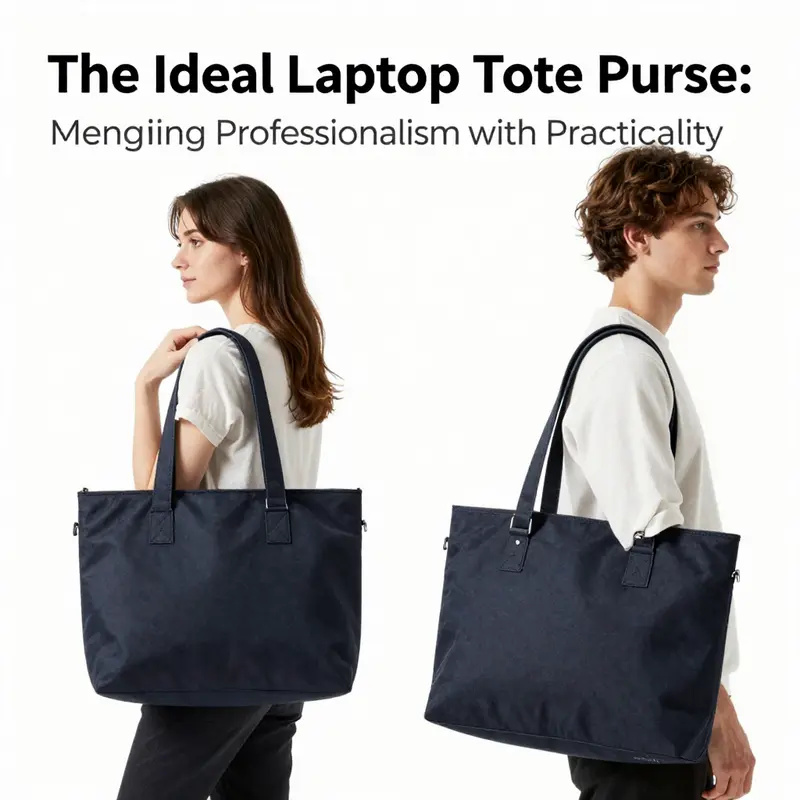
In conclusion, the laptop tote purse stands out as an invaluable accessory for business owners seeking an amalgamation of style, functionality, and ergonomics. With their versatile design, practical features, and capacity to maintain a polished image, these bags effectively meet the needs of today’s professionals. As market trends shift towards stylish yet functional accessories, businesses can benefit significantly from investing in high-quality laptop tote purses that align with their corporate aesthetic and promote organizational efficiency. By considering ergonomic implications, owners can further ensure that their professional choices support health and well-being.