
Introduction
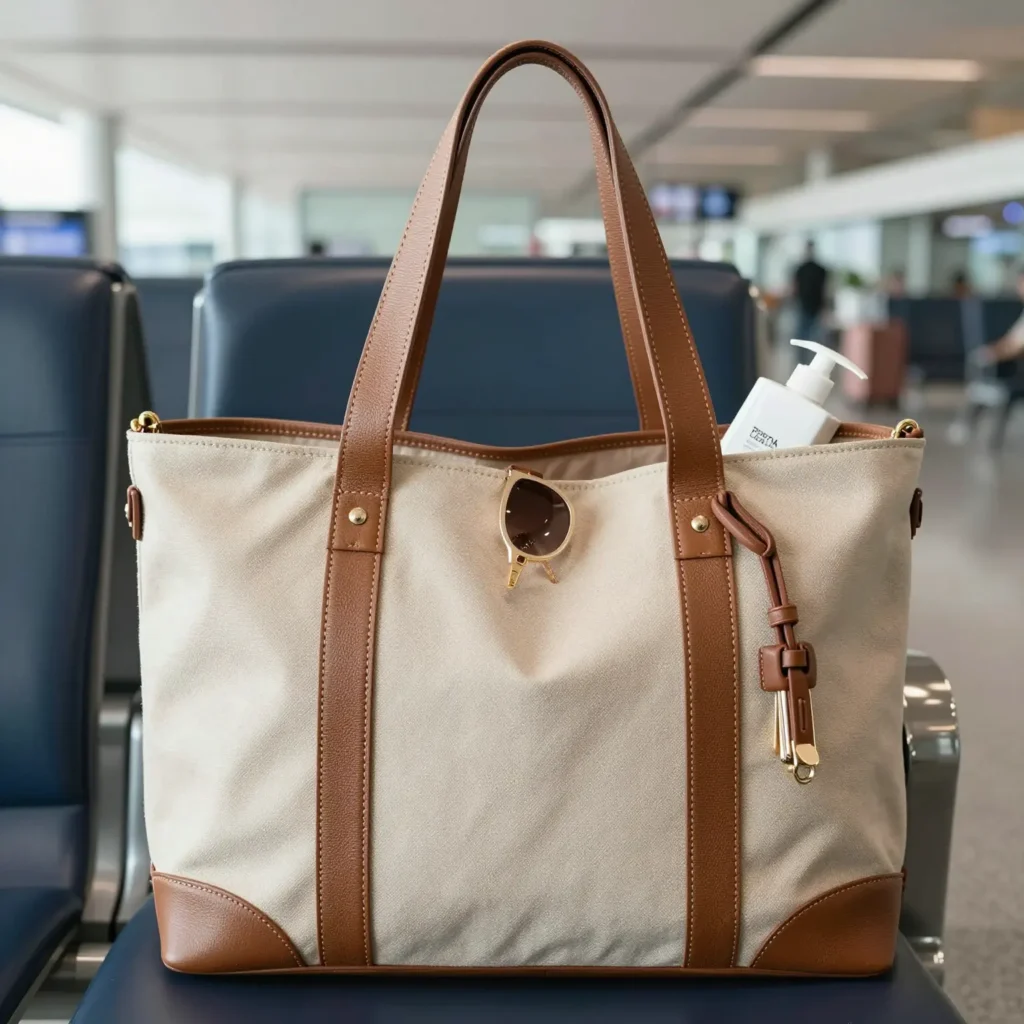
A common question that often looms over the shoulders of new business owners and frequent travelers alike is: “Is a tote bag considered a personal item?” In the bustling world of the mobile food industry, where every square inch and every item counts, understanding the nuances of personal items versus carry-on luggage can make a significant difference. A tote bag, with its practicality and versatility, serves as an ideal solution for entrepreneurs on the go. Whether you’re shuttling between food festivals or catering events, a tote bag allows you to carry essential items like notebooks, menus, and even small supplies while maintaining a professional appearance. Furthermore, determining whether you can classify your tote as a personal item could aid in navigating air travel regulations for your business trips. Dive deeper into the topic and get insights that matter for your business venture as you balance practicality with style. Explore more stylish options with tote bags and find the perfect tote for your needs.
The phrase “personal item” can refer to various items across different contexts, particularly in travel and legal terms. Understanding this term is crucial for business owners, especially when considering how products like tote bags fit into the definition.
General Definition of Personal Item
In general terms, a “personal item” is typically defined as a small bag or items that a traveler can carry on board an aircraft, in addition to their carry-on luggage. Airlines often specify what qualifies as a personal item, with guidelines that might differ between carriers:
- Size Regulations: Personal items must often fit under the seat in front of the passenger. For instance, many airlines, such as American Airlines, stipulate maximum dimensions of 18 x 14 x 8 inches for personal items. Exceptions may include diaper bags and breast pump bags.
- Item Types: Typical personal items include purses, small backpacks, laptop bags, or any small luggage that does not exceed the size limits set by the airline.
Legal Definition of Personal Item
From a legal perspective, “personal item” aligns closely with the concept of personal property. The legal framework defines it as movable and tangible items (also known as chattels) that can be physically possessed and are not permanently attached to real estate. This contrasts with real property, which encompasses land and structures. Personal property includes a wide range of items that can be owned and transferred, highlighting the contractual nature that often surrounds personal items.
Key Takeaways
- Versatile Uses: Personal items serve diverse functions-encompassing everything from travel convenience to individual ownership of goods.
- Relevance to Tote Bags: As tote bags can typically fall under the category of personal items due to their size and functionality, it’s vital for business owners to understand these definitions as they market their products. For example, tote bags designed for carrying laptops can be highlighted as essential personal items for travelers.
In conclusion, the definitions of “personal item” vary significantly between general use and legal contexts, but they share a common thread of mobility and individual ownership that is important for businesses in the tote bag market to consider.
Why Tote Bags are Popular Among Business Owners in the Food Industry
Tote bags have become a staple for many business owners, particularly in the food industry. Their growing popularity is attributed to various factors, including their practicality, convenience, and effectiveness as marketing tools.
Practicality and Convenience
One of the primary reasons business owners opt for tote bags is their durability and versatility. Tote bags are spacious and can easily accommodate a variety of items, from groceries and take-out containers to promotional materials. This makes them ideal for food-related businesses that often require transporting large or bulky items.
- Reusable and Eco-Friendly: The shift towards sustainability in the food industry highlights the advantages of tote bags. They are reusable alternatives to single-use plastic bags, which can help a business reduce its environmental footprint. This resonates well with eco-conscious consumers who prefer brands that align with their values.
- Durable Material: Most tote bags are made from sturdy materials that can withstand significant weight, making them reliable for carry everything from bakery goods to meal deliveries.
- Easy to Clean: In the food industry, hygiene is critical. Many tote bags can be easily wiped down or machine washed, allowing businesses to maintain cleanliness while promoting their brand.
Marketing Advantages
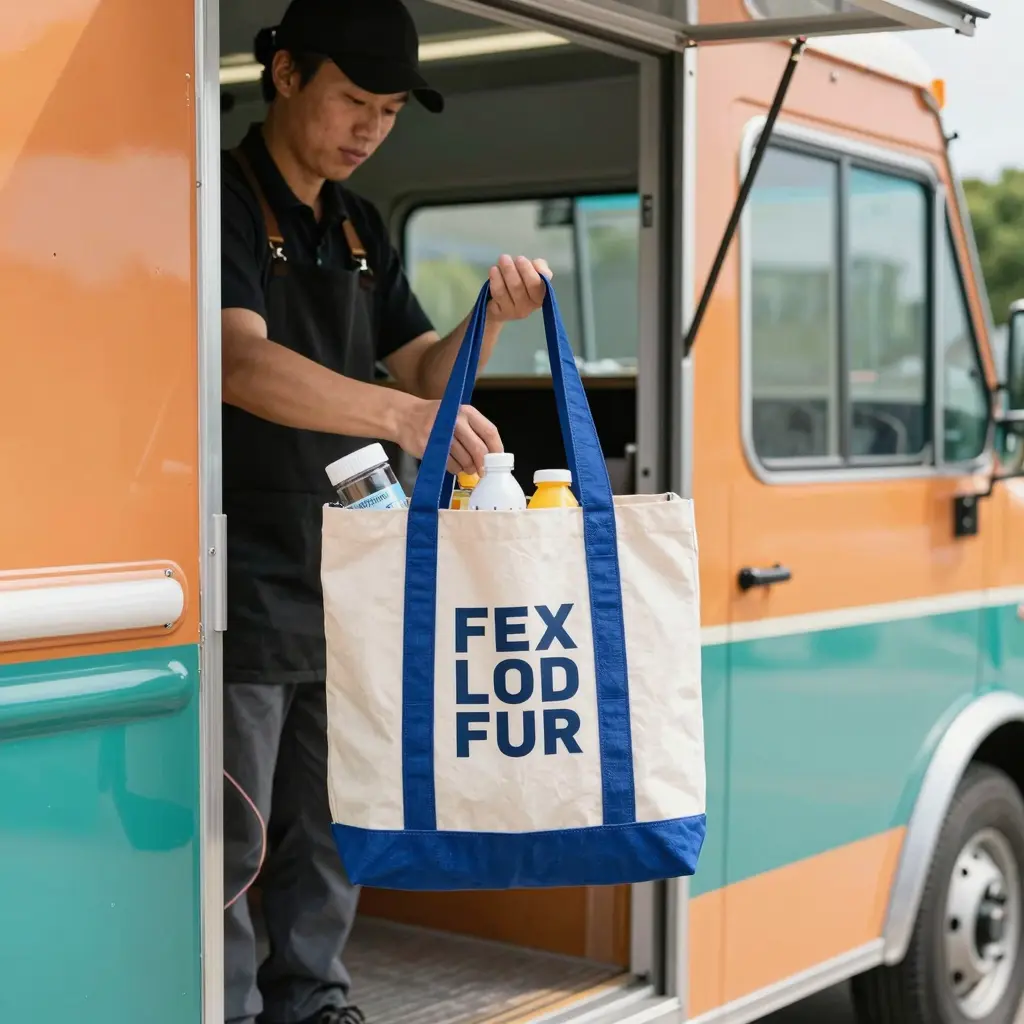
Tote bags serve as effective marketing tools. They act as walking billboards whenever a customer uses them in public. Their visibility makes them excellent for brand promotion:
- Brand Visibility: Customized tote bags with a company logo increase brand visibility. When customers use these bags, they inadvertently market the business to new potential clients. Promotional tote bags allow bulk purchases at a lower cost-making them accessible for small and large businesses alike. Learn more about how custom tote bags improve business.
- Customer Loyalty: Giving away tote bags at events or as part of special promotions can foster customer loyalty. When customers receive something useful, they are more likely to return to the business and utilize its services. This is particularly beneficial in the competitive food industry, where customer retention is crucial.
In conclusion, tote bags are not just a fashionable accessory; they embody practicality and serve as powerful promotional tools. In the food industry, their convenience and eco-friendly appeal make them a favored choice among business owners looking to enhance their brand presence and offer customers a reliable carrying solution.
Here is a table comparing tote bags to backpacks and duffle bags, focusing on their key features, advantages, and disadvantages for business use.
| Feature/Aspect | Tote Bags | Backpacks | Duffle Bags |
|---|---|---|---|
| Design | Open-top design, typically larger in size | Two straps for carrying on the back | Cylindrical shape, often with a single strap |
| Capacity | Generally spacious, holds a variety of items | Limited by design, may offer multiple compartments | Large capacity, ideal for bulkier items |
| Accessibility | Easy access due to open-top design | Requires removal to access contents more frequently | Zippered access, needs to be unzipped |
| Style | Versatile, often fashionable | Casual, sporty aesthetic | Sporty, practical in appearance |
| Comfort | Can be less comfortable when carrying heavy loads | Ergonomically designed for better weight distribution | Can be bulky, especially when full |
| Use Case in Business | Suitable for carrying documents, laptops, and personal items | Great for tech, documents, but less professional | Ideal for travel or carrying gym/sport items |
| Advantages | – Stylish and professional – Easily customizable – Good capacity for daily items |
– Comfort during travel – Organized compartments – Good for laptops and tech gear |
– Very spacious – Durable for travel – Easy to pack |
| Disadvantages | – Lacks structure – Can be cumbersome with heavy items |
– Limited space – Not as fashionable – Can strain back |
– Can be heavy when filled – Less organized than backpacks |
Summary
- Tote bags are increasingly popular in offices for their versatility and style, effectively replacing traditional business bags. They are exceptional for carrying personal items but may lack the robust ergonomic support of backpacks for long-distance carrying.
- Learn more about using tote bags in a professional setting and their versatility compared to other bag types like backpacks and duffle bags.
This comparison allows business owners to make better-informed decisions regarding which bag type best suits their particular needs in various professional contexts.
When assessing whether tote bags can legally be classified as personal items, it is crucial to consider various contexts, particularly within business settings. The legal implications surrounding personal belongings can vary widely based on local laws, workplace policies, and specific situational factors.
Classification as Personal Items
-
Business Context:
In many business environments, tote bags are often viewed as personal items due to their use for carrying personal belongings to and from work. Understanding this classification can impact various aspects of workplace policies, including insurance coverage and employee rights concerning personal property. For instance, according to Retail Insider, the classification of items as personal belongings can influence liability in case of loss or damage within a workplace. -
Insurance Implications:
Insurance policies in many businesses typically distinguish between “business property” and “personal property.” If a tote bag is deemed a personal item, any loss or damage may not be covered under a business’s insurance policy. This distinction highlights the importance of clear policies regarding personal belongings, which can, in some cases, cover the use of tote bags for personal items during work hours. -
Workplace Policies:
An employer’s handbook may outline specific rules regarding personal items, including tote bags. Some companies may have restrictions on the types of personal items employees can bring to work, particularly in tightly controlled environments such as manufacturing or secure facilities. On the other hand, many workplaces encourage the personal use of tote bags as a means to reduce waste, promoting sustainability. -
Consumer Protection Laws:
The legal classification of tote bags also interacts with consumer protection laws. If a tote bag is marketed for business use – such as those sold for carrying laptops or documents – it may garner different legal interpretations compared to those simply classified as personal carry bags. Additionally, the legality of sales practices involving tote bags may be scrutinized under regulations governing fair marketing.
Conclusion
In summary, the classification of tote bags as personal items within business settings encompasses a variety of legal considerations. It is pivotal for business owners to understand local laws and establish clear policies regarding personal items to mitigate liabilities and ensure compliance with regulatory frameworks. For more insights on tote bag styles that align with business practices, consider exploring our collection of laptop tote bags and personal tote options. This knowledge can assist business owners in making informed decisions regarding the use of tote bags in the workplace, thus navigating complex legal landscapes effectively.
Understanding Personal Items in a Business Context
When discussing whether a tote bag or similar accessory is considered a personal item, it’s essential to note the implications it has in a business environment.
“Personal items in a business setting can vary widely; however, they are often characterized by their use and ownership. For instance, items primarily used for personal purposes, even if brought into a business, may not be classified as company assets.” – [Legal Consultant]
As a business owner, recognizing the distinction between personal and business items is crucial for accounting, taxation, and asset management.
When considering tote bags, particularly those used for work or business purposes, they often straddle this line. For instance, a branded tote bag intended for client meetings could be deemed a business asset, while a generic tote used for carrying personal items would remain a personal possession.
For more insights into fashionable totes suitable for business and beyond, check out our selection of designer tote bags or learn about the versatility of canvas totes.
Conclusion
Understanding the significance of tote bags as personal items is crucial for business owners looking to enhance both brand visibility and customer engagement. Tote bags have emerged as versatile promotional tools, aligning with consumer preferences for sustainability and practicality. They serve not only as functional accessories but also as effective advertisements that can significantly boost brand identity in public spaces.
-
Brand Visibility: Tote bags act as walking billboards for businesses. When customers carry these bags, they promote brand logos and messages, effectively turning them into brand ambassadors. For instance, custom canvas tote bags can maximize your brand impact during events and daily outings.
-
Consumer Engagement: Offering tote bags as promotional gifts can enhance customer appreciation and loyalty. As seen in recent trends, reusable products like tote bags garner positive responses from consumers, aligning your brand with eco-friendly practices.
-
Market Trends: The global tote bag market is projected for substantial growth, anticipated to reach $3.6 billion by 2030. This reflects an increasing consumer preference for sustainable and practical items, making it vital for businesses to adapt accordingly.
For business owners, investing in tote bags not only meets consumer demand but also strengthens brand positioning in a competitive marketplace. Learn more about the trends in tote bags and discover how they can be utilized effectively in your marketing strategies.
Selecting the right tote bag for your business requires careful consideration of various factors to ensure that the bags are not only functional but also enhance your brand image. Here is a checklist of essential considerations for business owners:
1. Brand Alignment
- Ensure that the color, design, and logo on the tote bags resonate with your brand’s identity. Aligning the look of the bags with your branding is crucial for promoting brand recognition. Learn more about how branding plays a role in tote design.
2. Material Selection
- Choose materials that reflect durability and aesthetic appeal. Common options like canvas, cotton, or eco-friendly materials each have their pros and cons regarding sustainability and cost. High-quality materials enhance the bag’s longevity and visual appeal.
3. Functionality
- Think about the purpose of the tote bags. Are they meant for carrying groceries, books, or laptops? Look for features like extra pockets or reinforced straps that add practicality. Evaluate if you need Laptop tote bags specifically designed for tech gear.
4. Size Matters
- The size of the tote bag is an essential factor based on how and where it will be used. Ensure there is enough space for your business essentials while maintaining a comfortable carrying size.
5. Customization Options
- Look for suppliers that offer customization options. Personalized tote bags help in making a lasting impression, whether they have custom artwork, names, or messages that relate to your business.
6. Target Audience
- Consider who will be using the bags. Create designs that appeal to your clientele or event attendees. A tote that fits the customer demographic is more likely to be appreciated and utilized than one that doesn’t.
7. Cost-effectiveness
- Budget is always a consideration. Compare different suppliers to find bags that meet your quality standards without exceeding your budget. Consider long-term benefits from using sustainable and durable materials.
8. Environmental Impact
- With an increasing focus on sustainability, consider eco-friendly options that can appeal to environmentally conscious consumers. Additionally, bags made from recycled materials can boost your brand’s green credentials.
By keeping these factors in mind, business owners can confidently choose tote bags that not only serve their practical needs but also enhance their overall marketing goals. For further insights into bag styles like the Tory Burch floral tote, explore trendy options that combine functionality with style.
This checklist provides a comprehensive guide to selecting tote bags that align with business goals and consumer needs.
Explore Premium Pizza Trucks
As a business owner, you know that every detail counts in creating a memorable experience for your customers. Just like a well-designed tote bag can elevate your brand’s image, so can a premium pizza truck that brings incredible flavors to your events!
At truckpizza.net, you can find the perfect pizza truck to complement your promotional efforts and enhance your brand visibility. Whether you’re hosting a company picnic, a community outreach event, or just want to treat your team, these food trucks can help your business stand out. Imagine combining the practicality of a stylish tote bag with the deliciousness of gourmet pizza to leave a lasting impression!
Don’t miss out on the chance to elevate your next event – explore the premium pizza trucks at truckpizza.net today! With their exceptional service and mouthwatering offerings, your brand will not only be remembered, but loved.