

As business owners, we often rely on tote bags not just for personal use but as functional branding tools. Keeping these bags clean is essential to sustain their longevity and appearance, which in turn reflects on your brand’s commitment to quality. Hence, it becomes crucial to understand the proper ways to maintain them. This guide will explore critical aspects of bag care, including how to identify materials, effective cleaning methods, pros and cons of hand-washing versus machine washing, and the best drying techniques available. By the end of this article, you will be equipped with all the knowledge necessary to effectively wash and care for your tote bags, ensuring they remain in pristine condition for your business needs.
Material Matters: Identifying Tote Bag Fabrics to Guide Safe Washing
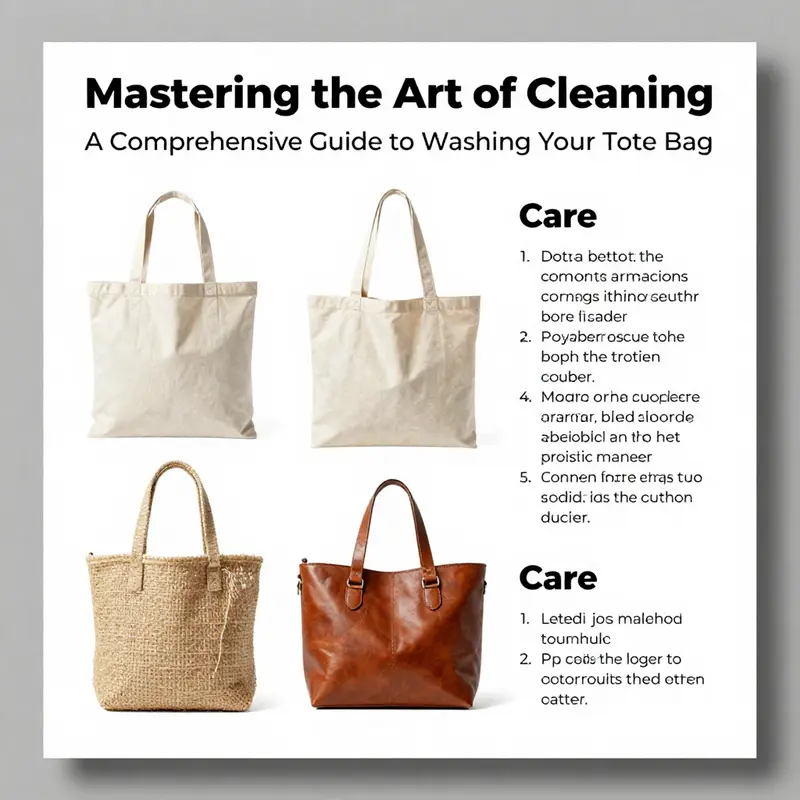
When you set out to wash a tote bag, the first step is deceptively simple: identify the material. The fabric, coating, and construction decide what you can safely do and how you should do it. This is not mere trivia; it is a practical foundation for cleaning that protects color, texture, and strength. A bag’s longevity hinges on recognizing its fibers and finishes. Some materials tolerate a gentle tumble in cold water, while others demand careful spot-cleaning or even dry-only care. The moment you know what you’re working with, you gain a blueprint for a clean bag that stays useful for years to come.
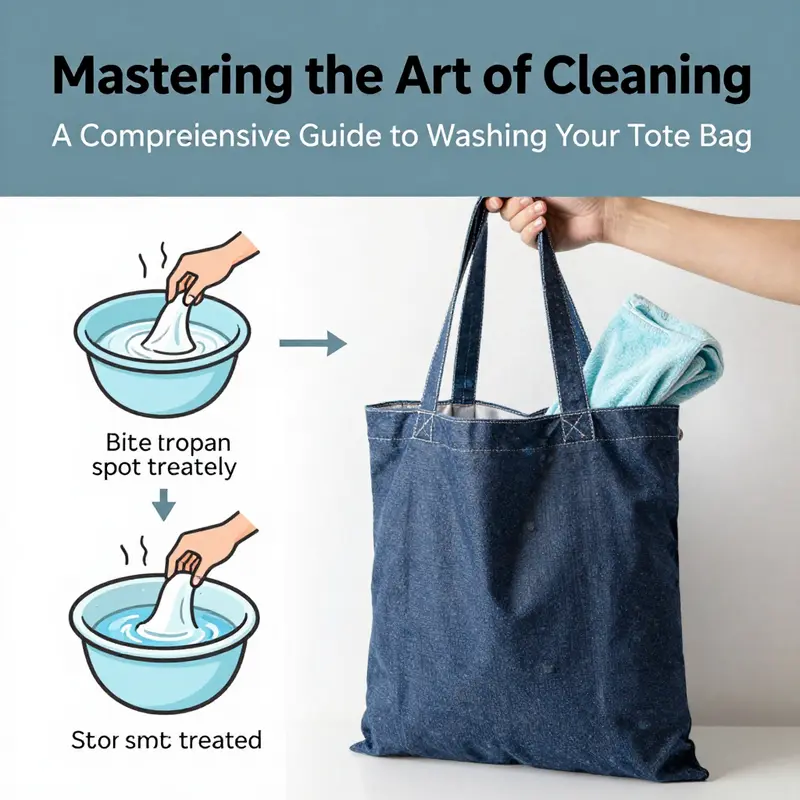
Neoprene, for instance, feels sturdy and forgiving, yet it rewards a light touch. It resists moisture, but harsh scrubbing or high heat can distort its form and reduce its insulating properties. Neoprene bags respond best to a gentle wash routine: fill a basin with cool or lukewarm water, add a small amount of mild detergent, and give the fabric a soft, almost caressing agitation. Avoid abrasive brushes and hot water that could soften seams or loosen edges. After washing, rinse thoroughly to remove any soap residue that could dry stiff or attract more dirt. A clean, damp cloth can be used to wipe crevices where grime hides, followed by air-drying away from direct sunlight. Neoprene’s forgiving nature should not invite aggressive cleaning; it invites careful, minimal intervention that preserves its resilience.
Polyester or Oxford fabrics offer a different balance of toughness and care. These textiles often come with water resistance and abrasion protection, making them practical for daily use. Some are even laminated with an inner layer for insulation or additional structure. The prevailing guidance for these materials is to wash inside out to protect coatings and any printed or dyed surfaces. Machine washing is commonly possible, but cold water and a gentle cycle are nonnegotiable. Turn the bag inside out, fasten any zippers, and place it in a mesh laundry bag to cushion the weave. Use a mild detergent, skip bleach, and avoid fabric softeners that can leave residues or reduce breathability. When the cycle ends, carry the bag out and reshape it while damp to prevent distension; air dry in a shaded, ventilated area rather than a drying rack under harsh light, which can fade colors over time. If you notice pilling or fuzz on the surface after washing, a careful hand-brush while the fabric is slightly damp can restore the bag’s neat appearance without risking the coating.
Recycled PET, or rPET, is a common contemporary choice due to its durability and eco-friendly origins. Bags made from this material generally withstand regular washing, which is good news for those who want low-maintenance options. Yet even rPET benefits from a gentler approach: avoid high heat that can compromise the fiber’s structural integrity. Cold or lukewarm water with a mild detergent is a safe default. Like polyester, rPET works well with a mesh bag if you choose to launder it in a machine, but this should be the exception rather than the rule. Spot cleaning is a reliable alternative for small stains, and it helps preserve the fabric’s weave. After washing, give the bag a thorough rinse to remove soap pockets that can harbor odors. Air drying remains the preferred method to retain shape and texture, especially for bags with insulation or interior linings.
Waxed or coated canvas represents a different category altogether. The coating, whether wax or a polymer finish, adds water resistance and a rugged look, but it also makes the material incompatible with submersion or machine washing. Submerging such a bag can strip or degrade the protective layer, leading to water ingress, reduced stiffness, and a weathered appearance. Cleaning waxed or coated canvases should be a careful, surface-oriented task. A damp cloth or a soft sponge with a mild detergent can lift surface grime without penetrating the coating. It’s important to avoid soaking and to dry the bag thoroughly in a well-ventilated space away from direct sun, which can soften finishes or cause color bleeding. If the coating begins to look dull or uneven, consult the manufacturer’s care instructions for touch-up or conditioning guidance. Waxed finishes are prized for longevity, and preserving them requires restraint—treat them as you would a protective outer shell rather than a fabric that absorbs moisture.
Cotton canvas deserves special attention. It is durable and forgiving, and many canvas bags are machine washable. However, heat is the adversary here: high temperatures can shrink fibers, distort shapes, and fade colors. A practical approach is to wash in cold water, use a gentle cycle, and avoid aggressive spin settings that pull at seams. Before washing, empty the bag and inspect for loose threads or damaged stitches; trim frayed edges and consider repairing minor issues to prevent them from worsening in the wash. After washing, air-dry the bag away from direct sunlight to prevent fading, and flip it right-side-out during drying to maintain its silhouette.
Linen, while breathable and light, behaves differently when wet. It can wrinkle easily and may weaken with excessive moisture. Linen bags respond best to delicate handling: minimal agitation, cool or lukewarm water, and a cautious hand in spot-treating stains. If you choose to launder linen, keep the cycle gentle, and avoid soaking for extended periods. Once rinsed, lay the bag flat or hang to dry in a shaded area. The goal is to preserve the fabric’s natural texture and avoid set-in creases that can ruin the bag’s shape and aesthetics over time.
Jute or burlap falls into the moisture-sensitive category. These natural fibers soak up water quickly and can lose strength when wet, making them poor candidates for full immersion. Dry cleaning is often recommended, but if you must refresh a jute tote, opt for surface cleaning with a barely damp cloth and a mild detergent, then dry promptly. Avoid wringing or twisting, which can distort the fiber and cause permanent creasing. For bags that mix jute with other materials, follow the care instructions for the dominant component to prevent mixed fibers from reacting differently to moisture.
Leather or PVC leather should be treated with the utmost caution. Leather surfaces should not be machine washed or bleached. They respond best to spot cleaning with a damp cloth and a leather-safe conditioner after drying, which preserves suppleness and guards against cracking. PVC leather may tolerate gentle cleaning but still benefits from avoiding soaking. Wipe with a mild soap solution, rinse lightly, and dry promptly to prevent water spots or warping. In both cases, the aim is to maintain the material’s integrity and appearance rather than achieving a perfectly pristine wash.
As you scan the material list, you’ll notice a common thread: always check the care label inside the bag and perform a spot test if you’re unsure. A small, inconspicuous patch is a quick screen for colorfastness and coating stability. If the color rubs off or the coating dulls after a light swipe, revise your method—perhaps choosing a gentler approach, hand cleaning, or reduced water exposure.
For reliable guidance on washing instructions specific to these materials, refer to an authoritative resource that consolidates fabric behavior across tote designs. This external guide provides nuanced details on insulation layers and care considerations for insulated totes, offering a cautionary note about heat sensitivity and coating preservation. It’s a solid companion to your kit of cleaning rules and helps you translate general material knowledge into practical, real-world steps. https://www.made-in-china.com/products/Insulated-Tote-Bag-Supplier-Guide-Bulk-Sourcing-from-China
In weaving these threads, the practical takeaway becomes clear: treat each bag as a fabric-biography, not a single garment. A tote bag’s diary is written in its material and finish. For a deeper dive into the spectrum of bag constructions, you can explore a curated collection on canvas-focused totes that emphasizes texture, wear patterns, and the care approaches best suited to canvas varieties. women’s canvas tote bags. This resource illustrates how different canvas blends and finishes respond to washing, helping you translate fabric knowledge into confident cleaning decisions.
A cohesive approach to washing is less about a universal method and more about a disciplined assessment of your bag’s makeup. When you identify the material, you also identify the boundary conditions for water exposure, heat, agitation, and drying. This mindset prevents a one-size-fits-all routine from turning into a misstep that harms seams, coatings, or fibers. The care label remains your anchor, but your own observations—how the fabric responds to a test touch, how the surface looks after a wash, how quickly it dries—are equally important. The result is a clean bag that remains faithful to its original appearance and function, rather than a bag that looks clean but has hidden stress lines, softened edges, or compromised insulation.
In sum, material identification is not a chore; it is the compass for safe, effective tote bag care. By understanding how neoprene, polyester, rPET, waxed canvas, cotton canvas, linen, jute, leather, and PVC behave under cleaning processes, you can tailor your method to the bag’s real needs. You can avoid common missteps—like soaking a waxed surface, scrubbing leather, or using high heat on cotton canvas—and instead apply precise techniques that preserve color, texture, and structure. This approach also respects the environment by limiting unnecessary washing and supporting longer bag lifespans, a principle that aligns with sustainable care practices.
null
null
Gentle Cleaning for Your Tote: A Practical Guide
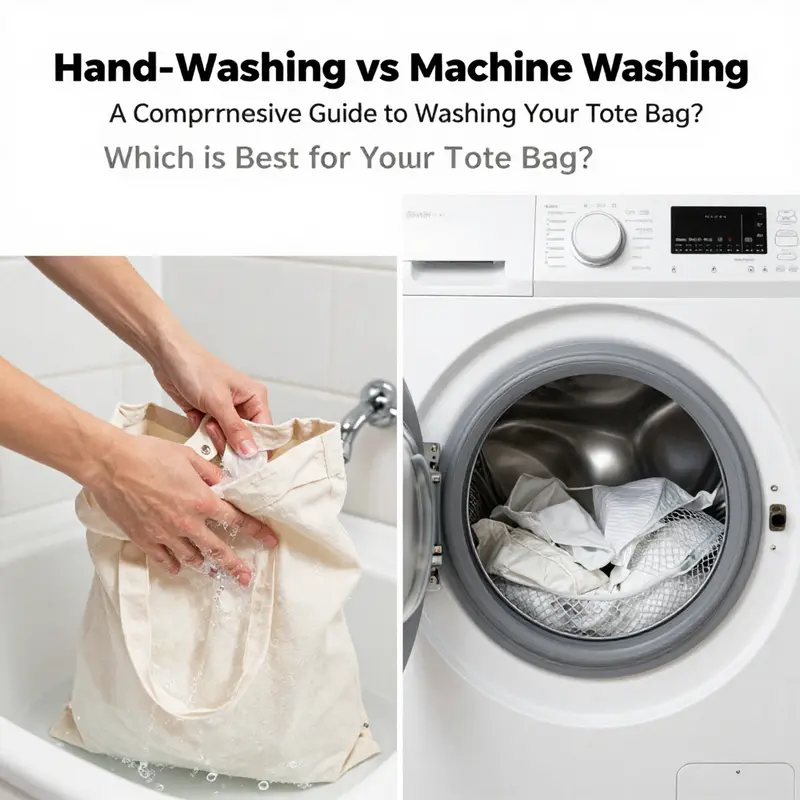
Tote care depends on material and construction. The safest method is hand washing with lukewarm water and a mild detergent. Gently wipe surfaces, avoid soaking leather, waxed coatings, or glued components. If machine washing is necessary, use a mesh bag, choose a gentle cycle, cold water, and skip the dryer. For stains, dab with a damp cloth rather than scrubbing, and test a hidden area first. Rinse until no soap remains, then shape and air dry away from direct heat or sun.
After drying, inspect seams and hardware for looseness or wear, and store the bag in a breathable cover when not in use. Always follow the care label guidance tailored by the manufacturer. For more diverse material specific tips, consult reputable fabric care guides and tote care resources.
Drying with Dignity: The Craft of Finishing Your Tote Bag After a Gentle Wash
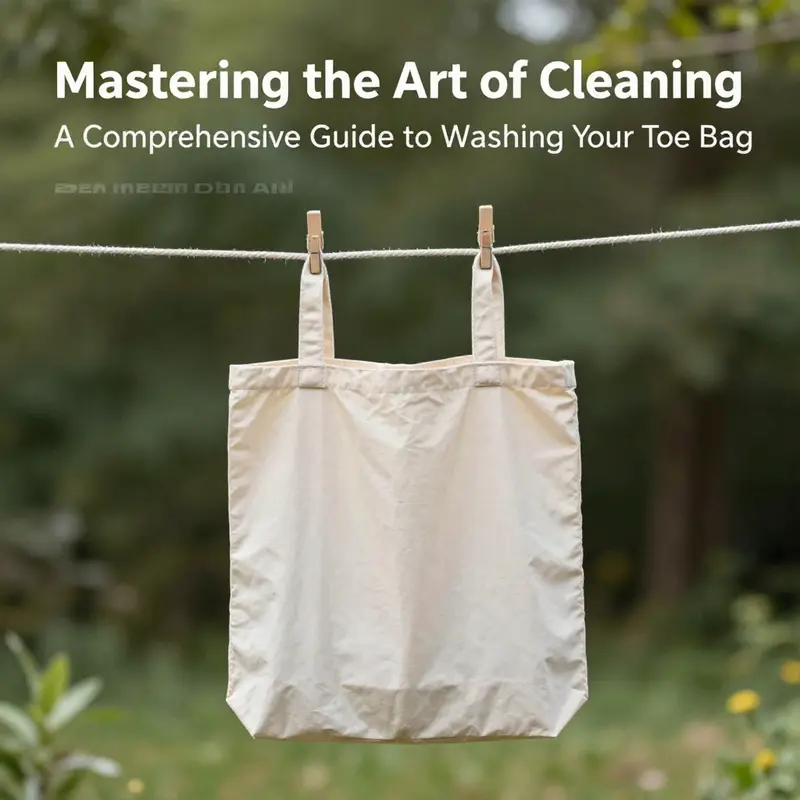
Drying a tote bag after washing is not merely the final step in a cleaning ritual; it is a critical act of care that preserves shape, texture, color, and function. Moisture left to linger can invite mold, mildew, and odors, while heat or rough handling can compromise seams, coatings, and delicate finishes. The drying process deserves the same attentive approach as the washing itself, for the way a bag dries often determines how well it will wear in the weeks and seasons ahead. As you read this, imagine the tote you own—its materials, its hardware, its lining, and the way it carries everyday life. The goal is to return it to that ready-to-use state without inviting the stress that comes from shortcuts. With the right technique, you prolong the bag’s life and keep it looking as purposeful as when you first bought it. The steps below are not a rigid protocol but a mindful choreography tailored to the bag’s material, the climate, and the environment in which you dry it. In practice, diligence at this stage translates into fewer future repairs and less need to replace a favorite tote.
The most effective drying begins with air. Hang the tote in a well-ventilated area that is shaded and free from direct sunlight. Sunlight can bleach colors and, for certain coatings, can alter their performance. Air circulation is your ally because it encourages even evaporation without concentrating heat on any single corner or seam. When you set the bag to dry, open all zippers, pockets, and any closure mechanisms. This simple act invites internal air to circulate and prevents damp pockets from becoming havens for damp odors or hidden moisture. If the bag has any leather trim, coated fabric, or a synthetic surface with a water-repellent finish, the need for airflow becomes even more important: these materials can trap moisture inside their pores, and a stagnant interior is a breeding ground for mildew. A gentle, patient air-drying session is often the best path to full dryness without compromising material integrity.
For many tote materials, this air-drying phase can take several hours to a full day, depending on ambient humidity and temperature. In a warm, dry room, the process may accelerate, while in a humid space it will take longer. In either case, the objective is to reach a state where every pocket, seam, and the base are completely dry. The bag should feel firm and weightless when held, not damp or cold to the touch. If you live in a damp climate, a dehumidifier or a fan can be helpful, but you still want to avoid heat sources that might dry too quickly and cause cracking or warping. The careful HVAC of the drying space—gentle air movement, no direct heating—supports a uniform finish that preserves shape and texture rather than forcing a quick, uneven dry that could set creases or distort the bag’s silhouette. If your bag contains electronics or a removable lining, you should pay extra attention to those components, ensuring they are not subjected to excess heat or moisture-swelling conditions. This approach respects the delicate balance between dryness and material health, a balance that is easy to upset with hurried or careless methods.
When the bag is not leather, nylon, or coated fabric with a protective film, hanging upside down can help gravity work with the fibers to release moisture evenly. This method allows the interior to drain naturally and avoids the pooling of water at the bottom seam where the bag sits on a surface. Elevating the bag also ensures that any remaining moisture near the zipper line—an often overlooked area—drains away rather than soaking back into the fabric. If the bag is heavily soiled, you may see more moisture clinging to the exterior; in that case, a long air-drying session becomes not just advisable but essential. The goal is to avert dampness that leads to odors, which can turn a clean tote into a source of discomfort in your daily routine.
Not all bags tolerate air alone, and some materials demand a gentler touch. For leather, coated fabrics, or bags with an inner lining, flat-drying on a clean, dry towel in a cool, dry place is often the prudent choice. Lay the bag on the towel and gently blot away surface moisture, then turn the bag over and repeat. The aim is not to rub or scrub, which could abrade the surface or push moisture deeper into seams. Instead, you use a light, absorbent touch to wick away dampness. For interiors with wool, suede, or delicate textiles, this approach reduces the risk of warping or odor development. If the bag has a satin or silk lining, the flat-drying method helps maintain the lining’s structure and prevents the delicate fibers from bunching or pilling. In these scenarios, rotate the bag regularly so both sides receive equal air exposure and drying time. The mid-drying routine often becomes the most critical window for preserving the bag’s original shape and the integrity of its trims.
Absorbing moisture with towels is another practical technique that complements air drying. After washing, place a clean, dry towel against the bag’s surface and press gently—never rub—so the towel absorbs surface water without grinding grit into fibers. This is especially useful for bags with textured surfaces or porous fabrics where moisture may linger in tiny crevices. For mesh pockets, use rolled towels to draw out trapped water from pockets and corners. The gentle compression of towels helps wick away moisture without twisting or wringing, actions that could distort seams or stretch fabric. If the bag has a waterproof coating or a waxed finish, be mindful of any moisture that might be trapped under such a surface; the towel method focuses on surface moisture while air drying thereafter continues to remove interior dampness.
One cardinal rule stands clear: never use a dryer or any heat source. A tumble dryer can shrink fabrics, warp seams, melt coatings, or crack leather. A hairdryer or a heat lamp can create uneven drying that hotspots the fabric and damages finishes. Heat accelerates moisture evaporation but at the cost of structural integrity and colorfastness. The drying environment should be cool, shaded, and breezy, not hot. If you’re concerned about odors forming during drying, a touch of patience is better than rushing to a fast but risky solution. Odors often arise from moisture that lingers near the bottom of the bag’s interior, so ensuring the interior is completely dry before you finish is a small investment with big rewards for long-term freshness.
Maintaining the bag’s shape throughout the drying process is another subtle art. To prevent deformation, gently stuff the bag with soft cloth or clean, non-inked paper towels. This helps preserve the bag’s original lines and prevents compression fractures in the seams. It also reduces the risk of the base sagging or the sides puckering as moisture evaporates. Do not overfill the interior with bulky stuffing; aim for a light, even fill that supports the bag’s natural geometry without obscuring the drying air flow. If your tote has a rigid frame or a reinforced base, you may need to adjust the stuffing approach to respect those features, ensuring that the bag dries in a way that maintains its intended posture rather than collapsing inward.
In humid environments, the drying table is often a small, closed space with a controlled air exchange. Here, a dehumidifier can be a quiet ally. Place the tote in a room where the air can circulate around it but where the door can remain closed to maintain a lower humidity environment. This can accelerate the drying process for interior linings and pockets, reducing the chance of mold forming in damp crevices. If the bag contains electronic components or a built-in lining with foam padding, you’ll want to avoid storing anywhere with excessive moisture or heat. The final goal is a completely dry bag, not one that feels dry to the touch only on the exterior while interior fibers still harbor dampness.
When you finally determine that the tote is dry to a comfortable, true-dry state, a quick final check is in order. Feel the interior for any residual dampness, check the base for moisture traps, and inspect the stitching along seams for any signs of stress or looseness that may have occurred during cleaning. It is also a good moment to re-evaluate the bag’s hardware, ensuring zippers glide smoothly after drying and metal fittings have not dried out or rusted from prior moisture exposure. If you notice any lingering odors after drying, a short airing in a fresh space or a light baking-soda or activated-charcoal treatment can help, but avoid overpowering fragrances that can mask real issues rather than solve them. In sum, the drying phase is less a race against time than a careful invitation for moisture to depart, leaving behind a tote that carries its memories of daily use with dignity rather than distress.
To connect these practices with practical sense, consider a few material-specific notes. Waxed canvases and coated fabrics deserve particular respect; while they may handle moisture better than untreated fabrics, their protective layers can be compromised by aggressive moisture exposure and heat. Submerging such surfaces for washing is already discouraged, but drying must be equally prudent. Keep them in shade, avoid direct light, and allow a slow, even release of moisture to preserve the protective coating. Leather, a material many totes feature on trims or accents, asks for flat-drying on a cool towel and a long rest time to rehydrate the surface with appropriate balms or conditioners if your care routine permits. Synthetic fabrics like nylon and polyester, while quick to dry, can trap odors if residual moisture lingers. The combined effect of air drying and towel blotting is a reliable approach to prevent unpleasant smells as the bag returns to its ready-to-go state.
In linking these practical steps to the broader care ecosystem of tote bags, it helps to remember that drying is not an isolated moment but a bridge between washing and daily use. The final texture you see—the way the fabric holds its color after a wash, the way the lining remains crisp, the ease with which the zipper moves—reflects the care you invest in the drying phase. This is especially true for bags with multiple components and finishes, where uneven drying can lead to early wear in one area while another remains pristine. If you want to explore more on how different tote styles respond to care and maintenance, you can review the guidance specific to tote coach handbags, which offers deeper context on how various silhouettes and materials behave under routine cleaning and drying. This internal reference helps readers connect with real-world examples while staying focused on the universal principle of gentle handling and thorough drying.
Beyond the mechanics, drying teaches a philosophy of patience and respect for the bag’s design. It invites you to consider the bag not as a disposable accessory but as a crafted object with a life cycle—one that benefits from deliberate, thoughtful care at every stage. The discipline of drying—choosing shade, airflow, careful blotting, and gentle stuffing—becomes part of a broader habit: to wash with care, store clean and dry, and address damages promptly. When you slow down at this stage, you empower the tote to accompany you across seasons, weather, and changing wardrobes with the same reliability it offered on its first outing. This is not merely maintenance; it is stewardship of a small, functional companion that travels with you through daily rhythms and occasional adventures.
For readers who want a concise reference to the overall lifecycle of tote care, the drying portion should feel like the closing act that seals the healing of a recently refreshed bag. If the bag has seen a heavy use period—think commutes, shopping trips, or travel—the drying phase becomes even more essential. It ensures that moisture and moisture-related odors do not become a recurring problem. It also supports the protective coatings and finishes designed to resist stains and repel water in the first place, by giving those surfaces the chance to return to their intended state without compromised integrity. In short, drying is not just about dryness; it is about preserving the bag’s readiness to perform, the aesthetic integrity of its materials, and the practical grounding of its daily function.
Internal link: For readers curious about how care specifics vary by tote style, see the guide focused on tote coach handbags. This resource offers a practical perspective on different silhouettes and materials in real-world use and care contexts.
External resource: For a broader overview of tote bag care, including washing considerations and care-label guidance, you can consult an established care guide that summarizes best practices for fabrics, finishes, and common pitfalls. https://www.thesprucecrafts.com/care-for-your-tote-bag-4129807
Final thoughts
In conclusion, mastering the maintenance of your tote bags is not only essential for aesthetics but also for the longevity of these valuable business assets. By understanding the materials, following proper washing procedures, choosing appropriate washing methods, and applying effective drying techniques, you can ensure that your tote bags remain as good as new. This not only enhances your brand reputation but also promotes sustainability by prolonging the life cycle of your products. Investing time in caring for your tote bags pays off significantly, keeping your brand image sharp and appealing to all your clientele.