

Washing a Marc Jacobs tote bag requires careful attention to detail, especially because of its designer materials and craftsmanship. To preserve its premium quality and longevity, follow a thoughtful cleaning routine that protects the bag’s structure, texture, and finish. In the chapters that follow, you’ll find a practical step-by-step guide to washing, material-specific considerations, effective spot cleaning techniques, and guidance on when to seek professional help. By the end, you’ll feel confident keeping your Marc Jacobs tote looking as stunning as the day you purchased it.
Gentle Mastery: A Material-Savvy Guide to Cleaning a Marc Jacobs Tote

A Marc Jacobs tote is more than a bag; it’s a trusted companion that carries daily life, from workpapers to weekend errands, from a coffee run to a quiet moment between meetings. The aura of a luxury tote comes not only from its silhouette or logo but from the careful way its materials hold up under use. Cleaning such a bag demands a patient, material-aware approach rather than a quick spray and scrub. The goal is not merely removing stains but preserving structure, finish, color, and the subtle signs of age that tell the bag’s story. This chapter unfolds a thoughtful, layered method that treats the tote with the respect it deserves while remaining practical for real-world wear.
The first step is often the most crucial: check the care label. Inside every Marc Jacobs tote, stitched into the lining or found on a small tag, is a guide that reflects the bag’s specific material and construction. This label can indicate “Do Not Wash,” “Hand Wash Only,” or “Spot Clean Only.” Reading those symbols before anything else is essential. If the label is missing, the safest stance is to assume a gentle, non-submersion approach. Luxury bags frequently blend materials—coated canvas, leather trims, vegan leathers, or structured fabrics—that respond differently to moisture and cleaners. A one-size-fits-all cleaning method can easily distort textures, alter colors, or compromise stitches. So begin with information; the label is your first ally, and when in doubt, err on the side of conservatism.
Once you know the material expectations, the next move is practical preparation. Empty the bag completely and turn it inside out if the lining is delicate. A soft brush or microfiber cloth can dislodge superficial dust and surface debris without abrading the fabric. This preparatory step is not merely about cleanliness; it is about preventing dirt from seeping into seams where it can become stubborn at a later stage. The focus at this stage should be gentle dusting rather than deep cleaning. If the tote has interior pockets, give them a quick look for stains that might bleed onto the lining and consider a light wipe with a barely damp cloth to reduce any residue that could transfer outward during cleaning.
Spot cleaning is the backbone of most Marc Jacobs totes. The principle here is restraint: keep moisture low, work only where necessary, and avoid saturating any area. A damp microfiber or cotton cloth, warm enough to feel comfortable on the skin but not hot, is typically enough. Add a drop of mild soap with a neutral pH—something simple and gentle, like Castile soap or a cleaner designed for leather or canvas when appropriate. The act of cleaning should resemble a careful dab rather than a scrub; dab means lift the stain with minimal moisture and without pressing hard at the fibers. It can be tempting to rub aggressively to speed up results, but that impulse can push the stain deeper or flatten the pile on textured fabrics.
During this delicate phase, the aim is to remove the stain while preserving the finish. If the bag is leather-trimmed or features metallic hardware, extra care is warranted. Leather parts resist water poorly and can darken or stiffen when exposed to it, while metal finishes may tarnish or lose their luster with excessive moisture. Therefore, limit water exposure near edges, zippers, and any printed designs. For leather accents, a pH-neutral cleaner designed specifically for leather and a clean, dry cloth are often enough. After applying cleaner to a small, inconspicuous area to test colorfastness, gently dab the stained region with the cloth, turning the cloth as you go to avoid redistributing dirt. Work from the outside edge of the stain toward the center to minimize spreading.
If a stain proves stubborn, patience matters more than power. A repeat, light dab can gradually lift residue without saturating the fabric. In many cases, a professional-grade cleaner calibrated for luxury materials is a wise option for persistent blemishes, especially if the bag features embossing, embroidery, or metallic accents. The right cleaner, used sparingly and with an eye on the label’s guidance, can remove marks without compromising texture or color. As a general rule, never use bleach, aggressive detergents, or household products not designed for delicate fabrics. These agents can fade prints, weaken stitching, or degrade finishes that give a Marc Jacobs tote its premium feel.
A practical note about water exposure cannot be overstated. Water and high-end finishes do not mix well, especially when the bag contains leather trim or coated surfaces. Water can cause color bleed, warping, or the loss of a crisp finish that defines the bag’s appearance. In such cases, if moisture is necessary for cleaning, apply it sparingly and only with a cleaner meant for the specific material, and avoid soaking. A light mist on a cloth could be used in some contexts, but only if the care instructions permit it. Layering moisture is the fast track to distortion, so the philosophy of spot cleaning should extend to every corner you approach. Even a small droplet can travel along a seam and create a new stain or alter how the material sits.
After cleaning, air drying becomes the next critical step. Let the bag dry naturally at room temperature, away from direct sunlight, heaters, or blow dryers. Sunlight can fade colors and heat can warp or shrink certain fabrics. If the bag’s interior structure needs support during drying, gently stuff it with clean tissue paper or a soft towel to maintain shape. This practice helps preserve the tote’s architectural lines, particularly for bags that rely on stiff panels and durable stitching to hold their silhouette. Do not attempt to accelerate this process with heat; patience at this stage safeguards both form and finish.
Between these stages, one practical truth remains: avoid machine washing or submerging the tote in water. The temptation to throw a luxury bag in the machine is strong for someone juggling a busy schedule, but the consequences are rarely reversible. Machines can abrade delicate finishes, cause color bleeding, shrink fabrics, or weaken stitching. The same rationale applies to harsh chemical cleaners and abrasive sponges, which can leave micro-scratches or dull the bag’s sheen. Treat the tote as a refined item whose longevity rests on conservative care rather than impulsive cleansing.
When the bag is high-value, intricate, or embellished—think metallic accents, embroidery, or embossed logos—professional cleaning becomes a compelling option. A seasoned handbag specialist understands how to preserve the finish, sustain the structure, and protect any decorative features. They can assess the bag’s specific needs and apply techniques that are beyond home maintenance without risking the bag’s integrity. This approach is not a sign of weakness but a prudent partnership with craftsmanship, especially for pieces that carry a premium or rare detailing.
In the broader landscape of luxury bag care, information is a resource you should consult. The care labels inside the bag are the most reliable signposts, but brand resources and trusted care guides provide essential context for large or unusual materials. For a general sense of responsible care across canvases and leathers, it can be helpful to review curated guidance from reputable sources that focus on luxury handbags. In practical terms, this means aligning your cleaning choices with the material’s needs, the bag’s construction, and the presence of any embellishments. In the end, the right approach doesn’t require a parade of products or complicated rituals; it requires thoughtful, restrained decisions that honor the bag’s design and your daily routines.
This is where an internal link to broader bag care considerations can be useful. For readers curious about how care varies across different fabrics and styles, a deeper look at canvas-based totes can illuminate the path to safe maintenance. See the overview at womens-canvas-tote-bags for a broader frame of reference on fabric behavior, moisture, and cleaning strategies that respect texture and color. Keeping this context in mind helps you apply gentle rules consistently, whether your tote is leather-trimmed, coated, or purely canvas.
The final advice remains practical and grounded: observe the practical realities of your bag’s materials, respect the care instructions, and avoid wishful experimentation. If something feels risky—be it a bold print, a delicate embroidery, or a metallic accent—trust your instincts and seek professional help. The reward is a cleaner bag that still looks true to its design, with the structure intact and the finish unmarred by careless cleaning.
In closing, the care of a Marc Jacobs tote is a ritual of respect. It is a commitment to recognizing that luxury accessories deserve a careful touch that matches their value. The steps outlined here form a coherent approach: start with the label, prepare, spot-clean with restraint, avoid aggressive moisture, and favor professional help for complex cases. The bag will respond in kind, maintaining its silhouette, its finish, and the sense of polish that makes it a valued part of your daily wardrobe. This mindful routine is not about fear of damage but about extending beauty and utility, ensuring that every future day with the tote carries its own quiet confidence. For readers exploring related topics in bag care and fabric behavior, the broader canvas-focused resources provide additional perspectives to support your practice. And for authoritative care guidelines, see The Handbag Clinic care guides. (https://www.thehandbagclinic.com/care-guides)
Material Considerations in Cleaning a Luxury Tote: How Fabric, Texture, and Care Decide the Wash
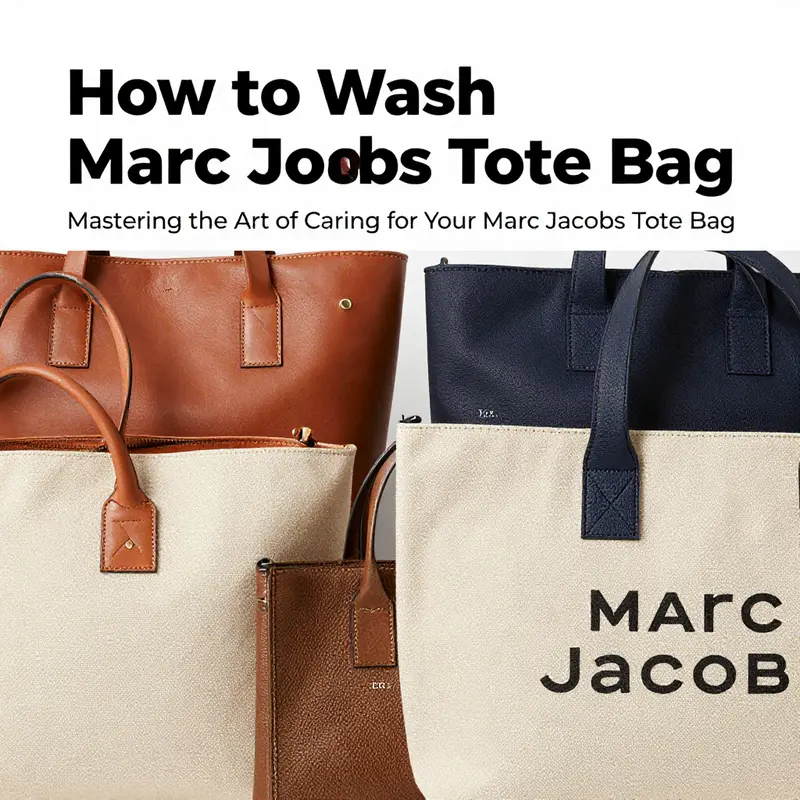
The care of a luxury designer tote begins with a careful respect for material. Unlike everyday bags, these pieces often combine fabrics, trims, and hardware in ways that amplify beauty but amplify risk when cleanliness is pursued without restraint. The most important choice you will make before any cleaning begins is to identify the material family you are dealing with. Each fabric or skin carries its own chemistry, its own tolerance for moisture, and its own history of wear. A thoughtful approach recognizes that what works on canvas may harm smooth leather, and what is safe on leather trim might ruin suede or exotic skin. The sequence of steps, the tools you reach for, and even the timing of treatment all hinge on this initial material assessment. In practice, the care label inside the bag is your compass. It is the most reliable source of information, spelling out whether water is permissible, whether a cleaner is recommended, or if professional cleaning is advised. When the label is missing or unclear, your next move is to read the general care guidance from the brand and consider the material family first. A luxury accessory is not merely a carrier of belongings; it is a crafted object whose lifespan depends on how closely you align cleaning actions with its material truth. The goal is to preserve both appearance and structural integrity, so the wash remains a preservation act rather than a restoration that could come at a higher cost later. That means thinking ahead about how each fabric in the bag responds to moisture, heat, friction, and cleaners, and choosing a method that minimizes these stressors while still addressing the dirt or stains you face.
Canvas and its refined cousins form the most forgiving end of the spectrum. A bag that uses canvas or monogram canvas is typically sturdy, with a texture that can hide a little surface dirt if treated gently. The recommended approach is often spot cleaning rather than immersion. Lightly dampen a soft cloth with lukewarm water and a touch of mild detergent or a pH neutral cleaner designed for fabrics. Gently dab at stains rather than rubbing, because abrasion can lift fibers and alter the surface. After the stain begins to lift, wipe with a clean damp cloth to remove soap residue and allow the bag to air dry away from direct sun or heat. It is crucial to avoid soaking the entire bag, especially if there is leather trim or metal hardware present. Excess moisture can cause leather to warp, hardware to tarnish, and colors to bleed. If the bag has contrasting trim or signature hardware, consider cleaning those components separately to prevent accidental staining of the main fabric.
A common but important subfamily you may encounter involves saffiano leather. This textured synthetic leather is prized for its scratch resistance and water-repellent surface, yet it is not designed to be submerged. For saffiano, the cleaning ritual is gentler and more controlled. A slightly damp microfiber cloth is used in combination with a dedicated leather cleaner or a mild soap solution. The cloth should make only light contact with the surface, gliding rather than scrubbing, to maintain the texture and the protective coating. After clean contact, wipe away any soap with a clean, damp cloth and then allow the surface to air dry. The key here is moisture moderation; saffiano can tolerate a wipe, but it should not drink a bath. Avoid harsh solvents or excessive moisture, which can weaken the finish and alter the color or texture of the resin-like surface.
Smooth leather, often a signal of elegance and tactility, presents its own careful choreography. Calfskin or similar smooth leathers look pristine when dusted with a dry, soft cloth. When a stain appears, use a leather-specific cleaner with a gentle dabbing motion. Rubbing can drive the stain deeper or create light circular marks that are difficult to remove. In addition, regular conditioning becomes part of the maintenance rhythm. Conditioning helps to keep the leather supple, reducing the risk of drying or cracking that can occur with improper exposure to humidity or heat. If you choose to condition, apply a small amount on a soft cloth and spread evenly over the surface, allowing it to absorb before the bag is used again. This conditioning step should be part of a periodic care routine rather than a response to a single incident, especially for bags with frequent use or exposure to varied environments.
When suede and nubuck appear in a tote, the care routine shifts dramatically. These materials are prized for their soft, velvety touch, but they are also among the most vulnerable to water and oils. The rule here is simple: never wet suede or nubuck. Water marks and oil stains can be permanent. The recommended tool for these textures is a suede brush or suede eraser, used to lift surface dirt and gently restore nap. For stubborn marks, the best course is often professional cleaning. The risk of making the issue worse with home remedies is high. For this reason, suede and nubuck deserve a discreet, conservative approach. If you must attempt a home cleaning, work with dry methods first and seek professional care for persistent problems or if you are unsure of how the nap will respond to treatment.
Exotic skins, such as crocodile or python, demand the most careful handling. These materials require expert care and should not be cleaned at home. The expense and risk of missteps are high, and the impact of improper cleaning can be irreversible, affecting both the skin’s natural pattern and its structural integrity. When a bag features exotic skin, the recommended path is to consult a professional conservator or the brand’s official service center. They have specialized tools, controlled environments, and the right solvents that honor the natural grain and scale of the material without compromising its future value or appearance. Hybrid materials present an additional layer of complexity. If a bag combines canvas with leather trim or raffia with leather accents, the cleaning strategy must protect the most sensitive components. The general rule is to clean only the non-sensitive parts and to avoid exposing leather or fabric components to excess moisture unless explicitly approved by the manufacturer. In practice this means a light touch on the canvas panels, careful spot cleaning around the border where fabric meets trim, and avoiding saturating any leather portions. The hybrid scenario is one where patience and restraint win over aggressive cleaning, because moisture can penetrate seams and cause edge fraying or leather warping.
A practical framework emerges when you couple material-specific guidance with a firm understanding of the care label. The label is a contract between you and the bag, promising how it should be handled to stay in prime condition. If the label permits water at all for certain panels, you can proceed with a controlled dampening and the smallest amount of cleaner, testing first on an inconspicuous area to ensure there is no color transfer or finish lifting. If the label restricts water, you should refrain from moistening the surface entirely and instead rely on localized spot cleaning using dry methods or specialized cleaners designed for luxury materials. These cleaners often come with brand-endorsed instructions that align with the protective finishes applied during manufacture. When dealing with high-value or intricately designed pieces—think embossed logos, delicate embroidery, or delicate surface textures—the safest route is to seek professional cleaning services. Trained professionals understand the interplay between the cleaner and the finish, and they maintain the piece under controlled conditions that minimize risks. This is not a sign of weakness but a prudent investment in preserving the bag’s character for years to come.
A practical, non-brand-specific reminder anchors the entire approach: never use bleach, never rely on generic heavy detergents, and never put the bag through a washing machine. These actions threaten colorfastness, fabric integrity, and the strength of stitching. The temptation to salvage a tough stain with a quick machine wash is strong, but the consequences are often irreversible on luxury fabrics. The same goes for aggressive solvents or hot water, which can distort shape, remove finishes, or fade logos and trims in ways that diminish value. If the care label indicates a specific cleaning protocol or a particular cleaner, follow it to the letter. If it does not, default to the conservative approach described above and seek professional care when in doubt. The guiding principle is to treat a designer tote as a carefully crafted heirloom rather than a disposable accessory, a philosophy echoed by luxury accessory conservators who remind us that careful handling today determines whether a piece lasts for one season or a decade.
In navigating the choices around care, it helps to picture the cleaning process as a dialogue between the material and the environment. The same bag can behave differently depending on where you use it, how often you use it, and what you carry inside. Salt air, humidity, and heat can all alter how cleaner residues interact with fabric or leather, so timing matters. A light, regular maintenance routine—dusting, light spot cleaning, gentle conditioning for leather, and professional checks for complex textures—tends to yield better long-term results than sporadic, aggressive cleaning after an incident. When in doubt, scale back. The aim is preservation, not perfection, and that mindset helps you strike a balance between keeping the bag looking its best and ensuring its materials continue to perform as designed.
For readers seeking a concrete reference that illustrates how care guidance translates into practice across different bag constructions, see this practical guide on tote bags with computer sleeves. It demonstrates how to tailor cleaning approaches to the structure of a bag that blends fabric with protective compartments, offering a useful frame of reference for handling similar hybrids in luxury totes. You can explore this example here: tote bag with computer sleeve.
Finally, as you map out your care routine, remember that official resources provide the most reliable, model-specific instructions. Brand care guides are updated to reflect evolving materials and finishes, and they recognize that what works for one collection may not be suitable for another. In the language of care, there is no one-size-fits-all solution. The most prudent path is to start with the care label, respect the material’s sensitivities, and when questions remain, seek professional evaluation. By embracing the material-first approach, you ensure that the bag you value remains a functional object that also carries the story of its craftsmanship. If you wish to consult a formal, brand-endorsed resource, the designer’s care guides offer the most authoritative guidance on model-specific requirements and the proper cleaners to use for different finishes. External resources can provide supplementary perspectives, but the careful reader knows that the primary authority lies in the original care instructions and in professional care networks that understand luxury materials.
External resource: https://www.marcjacobs.com/customer-service/care-guides
Spot-Clean Mastery: Delicate Care for the Marc Jacobs Tote
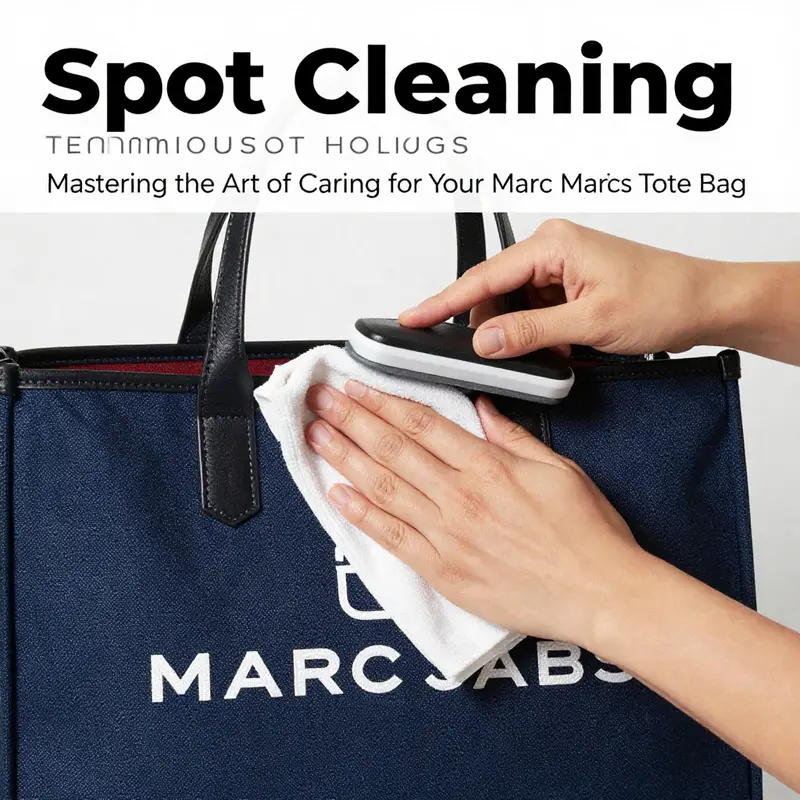
A Marc Jacobs tote is built to be your daily companion, a blend of fashion and function that carries everything from notebooks to new ideas. Yet its value lies not only in the look but in how it withstands the rigors of everyday use. When you set out to refresh a bag of this caliber, the aim is not to erase every mark with brute force but to preserve the fabric, the stitching, and the hardware so that every future day still feels new. The simplest route is often the most reliable: start with the care label, respect the material, and lean toward spot cleaning rather than a full submersion. A careful touch can keep the bag looking vibrant without risking color bleed, softened leather, or tarnished metal. For anyone who wants to maintain the elegance of a Marc Jacobs tote without turning it into an experiment in cleaning, the process can become a quiet ritual rather than a chore, a way to extend the bag’s life as stylishly as it was purchased.
The first step feels almost ceremonial. In the inside seam or a discreet pocket, you will usually find a care label that reads like a map of the bag’s fabric family. Leather trimming, coated canvas, metallic threads, or embroidered logos each come with their own rules. Reading that label before you touch the bag is an act of respect—an acknowledgment that luxury items deserve tailored care. If the label instructs “spot clean only,” that is your rule of engagement. If it does not specify submersion or machine washing, you still move with restraint. Marc Jacobs tote bags frequently combine textures or finishes that can react unpredictably to water, heat, or aggressive rubbing. Treating the bag as delicate helps you keep its structure intact, its color uniform, and its hardware gleaming.
With the label checked, you empty the bag and give it a careful once-over. This moment is more than clearing space for cleaning; it is an inspection that reveals where dirt hides. Zippers and snaps accumulate oils, dirt can creep into corners and along the stitching, and the base may show subtle wear from daily placement on various surfaces. A quick shake outdoors or over a sink helps loosen anything loose. At this stage, you decide how aggressive your approach should be. Some bags tolerate a light wipe of the exterior, while others require a more measured touch, particularly if the exterior features a leather trim, a suede panel, or a printed motif. If the bag has leather trim, water can be especially unforgiving, so this is a good time to decide whether a spot-clean method remains safe or if you should call in a professional for leather care.
Most Marc Jacobs totes, especially those with canvas or coated fabrics, respond best to a controlled dab rather than a rinse. The line between cleaning and damaging is fine, and the goal is to lift stains without saturating the fabric. A dampened, lint-free cloth is your primary tool. Lukewarm water is preferred because it is gentle enough to avoid shock to the fibers yet effective enough to lift surface dirt. A single drop of mild dish soap or a pH-neutral cleaner designed for leather or canvas can provide the necessary cleaning power without leaving a harsh chemical aftertaste on the fabric. As you work the stain, you do not rub aggressively. Instead, you press and lift, letting the cloth absorb the soapy residue as you go. The logic is to coax the stain to release without pushing it deeper into the fibers or along the weave. When you finish the treatment, wipe once more with a clean damp cloth to remove any residual soap, then allow the bag to air dry away from direct heat or sunlight that could fade color or dry out leather.
In practice, the spot-clean routine often follows a simple rhythm. You begin with a gentle application to the most obvious stains, moving in small, deliberate circles rather than broad scrubs. The microfiber cloth can be used dry for light dust or slightly damp for more stubborn spots. If a spot proves persistent, you can switch to a very soft brush—think a baby brush or a clean, soft toothbrush—dabbing with the same mild solution rather than rubbing. The aim is to loosen the stain’s grip without abrading the surface. Printed designs, dye patterns, or embossed logos require extra care. The colors on these elements can bleed or fade if exposed to too much moisture or aggressive friction. In such cases, you may want to limit the spot-cleaning to the surrounding fabric and keep the focal stain untouched until you decide whether professional cleaning is warranted.
The materials in a Marc Jacobs tote often demand different approaches. If your bag uses leather trim, you protect the leather with a cloth barrier and work around the edge rather than letting moisture meet the trim directly. Leather cleaners or conditioners can be used in very small, targeted amounts, but you apply them with a separate cloth and test on a hidden area first. Suede or nubuck elements require even more caution; these surfaces can attract water differently, and moisture can change their color or texture. For suede, a specialized suede brush and a clean eraser can lift surface dirt without saturating the fabric. If the bag integrates coated canvas, you have a more forgiving surface, but still best practice is to avoid soaking the bag. Water can cause subtle changes in the coating or lead to water spots if not dried evenly. If any portion of the surface appears to swell or bubble after moisture contact, you should pause, blot gently, and consider pausing the cleaning process to let the material recover. It is not unusual to find the care label recommending professional cleaning for complex finishes, especially those with embroidery, metallic threads, or decorative hardware.
If your bag carries hardware, you guide your cleaning around those elements with even more care. Metal zippers, logo plates, or decorative studs can tarnish when exposed to moisture, or they may transfer color from the fabric if they pick up dye from the cloth. The safest path is to apply the cleaning solution to the cloth, not directly onto the hardware. Then, you carefully wipe the surrounding fabric and gently lift away any staining near the hardware. You avoid getting moisture directly into the gaps where metal parts meet fabric, which can prevent rust or corrosion and preserve the bag’s shape. When you see the faint gleam of the hardware returning after your wipe, you know you have done enough without forcing moisture into places that should stay dry.
For many designer totes, including those with embroidery or printed motifs, you must read the label for any special instructions. If the design is intricate, or if the logo or embroidery is elevated with raised stitching, it is wise to treat those areas as higher risk. In such cases, the degree of cleaning should be conservative. A little soap and water may be enough to lift surface grime around the edges, but you should avoid soaking or heavily scrubbing the design itself. If the stain persists after a careful spot clean, the prudent choice is to stop there and seek professional help. This is not a sign of weakness but a sign of respect for the craftsmanship. Luxury components deserve careful handling to maintain their texture and finish over time.
A practical rule that helps many owners is to treat the bag as delicate when there is no label or when you suspect the finish is not standard. If in doubt, the safe route is professional cleaning. A trained specialist can assess the bag’s material system—whether it is leather, coated canvas, or a composite blend—then apply a cleaning plan tailored to that system. They have tools and cleaners designed for high-end fabrics and finishes that the average household product cannot replicate. And because they understand the subtle thresholds for colorfastness, texture, and edge wear, they are well positioned to restore the bag without compromising its integrity. If you choose this route, you can still manage the everyday care between professional visits by following the spot-clean method described above for routine maintenance.
A reliable care routine also extends beyond stains. After spot cleaning, you should ensure the bag returns to its original shape. Avoid squeezing the bag or hanging it by the handles after a cleaning session, especially while damp. The weight of contents and the pull of the handles can distort the bag and cause warping in the seams. To preserve form, you may lay the bag on a clean surface, gently reshape the corners, and let it air dry flat or upright in a well-ventilated area away from heat sources. If you notice any stiffness in the fabric after drying, you can lightly brush the surface with a soft brush to restore texture once it is fully dry. These post-cleaning steps contribute to a more even appearance and reduce the likelihood of water spots or uneven color saturation as the fabric dries.
When the care label confirms that spot cleaning is appropriate, you can integrate this approach into a broader maintenance habit. Regular, minimal care can keep the bag looking fresh and extend its life between professional cleanings. This means wiping down the exterior weekly to a schedule that fits your usage and keeping the interior free of debris that could abrade the lining. A quiet habit of quick checks around the seams and corners helps you catch wear before it becomes a bigger issue. If you encounter a stubborn stain that resists your best efforts, do not push beyond the limit. In luxury items, there is often a threshold beyond which you risk affecting the color, texture, or finish. You can still protect the bag by documenting the stain and seeking professional input when needed. The goal is not to chase perfection with every cleaning but to maintain a steady cadence of care that respects the bag’s design and materials.
If you are curious about broader canvas care, a practical reference exists that can complement the spot-clean routine. For a focused guide on care for canvas tote fabrics, you can consult resources tailored to Women’s Canvas Tote Bags. This resource provides additional context on fiber behavior, staining tendencies, and the best gentle cleansers for canvas and related blends. Women’s Canvas Tote Bags care guide offers a concise, material-aware overview that aligns with the conservative approach described here, reinforcing the importance of targeted cleaning over aggressive washing. While it speaks to a broader category, the underlying principle remains consistent: treat the material with respect, test changes on inconspicuous areas, and proceed slowly to monitor outcomes.
In discussing the care of a Marc Jacobs tote, it is valuable to keep a few reminders in mind. Never submerge the bag in water or place it in a washing machine. Those actions can permanently damage the fabric, cause color bleeding, or weaken the stitching that holds the bag together. Never use bleach or harsh detergents that can strip color and texture. If you suspect water exposure may have harmed leather trims or printed designs, consider professional care rather than a DIY approach. These rules are not simply cautionary; they are practical guidelines grounded in preserving the bag’s aesthetic and structural integrity for years of use.
For those who want additional guidance and to ensure alignment with official brand care principles, it is wise to consult authoritative resources from the brand itself. Official care guides from Marc Jacobs provide tailored recommendations for different collections and materials. Following the brand’s guidance harmonizes your maintenance approach with the way the bag was designed to wear. When you combine a careful inspection, a controlled spot-clean routine, and professional support when needed, you create a reliable framework that keeps a Marc Jacobs tote looking refined and ready for daily adventures. The care routine you establish today becomes part of the story your bag tells in the years to come, a narrative of thoughtful stewardship informed by fabrics, finishes, and the realities of everyday use. As with any luxury item, the goal is not to fix everything in one session but to respect the bag’s craftsmanship while maintaining its practical beauty for the long haul.
External resource for broader context and visual guidance: How to Clean and Maintain Your Marc Jacobs Tote Bag – wikiHow.
Knowing When to Call in the Pros: A Practical Threshold for Washing Your Marc Jacobs Tote Bag
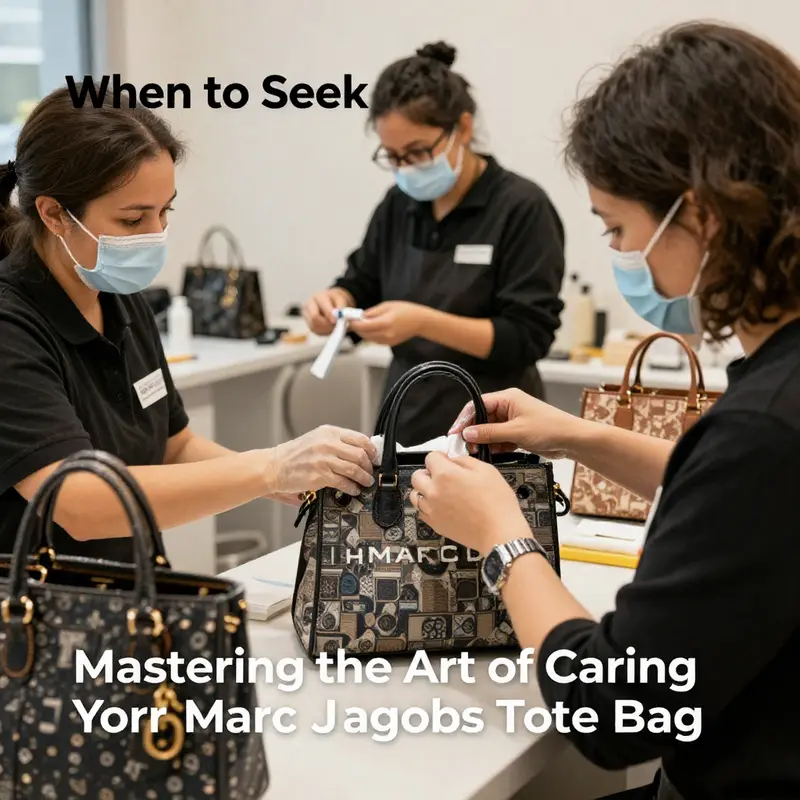
A Marc Jacobs tote carries more than contents; it carries identity, style, and the careful craft of a designer bag that blends fabric, hardware, and construction into a single statement. Caring for such a piece goes beyond routine spot cleaning or a quick routine wipedown. It requires an informed judgment about materials, finishes, and the limits of DIY care. The guidance you follow starts with the care label inside the bag and extends to a thoughtful evaluation of the bag’s current state. For some totes, the message is clear that home cleaning is possible with the right gentle approach. For others, especially the high value or highly constructed designs, the safer route is professional care. The decision is not just about whether you can clean the bag, but whether you should, given the delicate balance between restoration and risk. In this sense, knowing when to seek professional help becomes part of a responsible maintenance routine rather than a last resort.
The path to making that decision is rooted in material knowledge. Leather, coated canvas, suede, and textiles each react differently to moisture and cleaners. Leather trims and embossed logos, for instance, can darken, stretch, or crack if exposed to water or aggressive solutions. Suede and nubuck respond to dampness with texture changes that may require specialized care. Coated canvases can suffer from color bleed or finish dulling if cleaners are too strong or if moisture sits in seams for too long. These materials are common in designer totes, including some Marc Jacobs styles, and they demand particular respect. The basic rule remains simple yet powerful: avoid submerging the bag in water and never rely on a standard wash cycle or bleach. Reading the care label inside the bag is the first step, but it should be complemented by a keen eye for any embellishments, metal hardware, or unique surface textures that deserve extra care or avoidance.
When you begin to weigh whether professional help is warranted, consider the signs the bag presents in its current state. If you notice visible stains that resist gentle spot cleaning, discounts in color, or changes in the leather grain after even a light wipe, you are nearing a threshold where professional intervention might yield better results than repeated DIY attempts. Water exposure adds another layer of risk. Bags with leather trim or printed designs can suffer from fading or color transfer when exposed to moisture. In such cases, a professional cleaner with luxury handbag experience can tailor a treatment to the material and finish, using cleaners formulated for the particular surface and applying them with controlled, calibrated steps. The same logic applies to high value or complex designs that feature embossed logos, intricate embroidery, or metallic hardware. Those elements add risk, and the cost of a misstep can be substantial: stretching stitching, loosening embroidery, or plating damage on hardware are not easily reversed once they occur.
The conversation about professional care often begins with your own assessment of risk versus reward. If the bag has sentimental value or represents a significant investment, the calculus tilts toward professional evaluation. On the other hand, if you are dealing with minor surface stains on a canvas or a coated fabric that can tolerate careful wipe-downs, you can follow a structured home cleaning method while keeping a close watch on the bag’s response. The key is to set a clear boundary: do not push beyond the point where your actions produce visible improvement. If you suspect the issue lies deeper than surface grime—such as dye transfer from another garment, signs of moisture damage, or seam loosening—the prudent choice is to pause and consult an expert. This perspective aligns with a growing body of guidance that urges designers and caretakers to err on the side of caution when dealing with delicate materials and intricate detailing. As a 2023 care guide notes, when in doubt, seek professional help to preserve the integrity of the piece rather than attempting a DIY fix that may worsen the problem.
Choosing to involve a professional cleaner does not have to be mysterious or intimidating. The process starts with selecting a specialist who understands luxury handbags and has experience with the exact materials your bag uses. Look for cleaners who demonstrate competence with leather, suede, coated canvas, or exotic skins, depending on your bag. Ask about their approach to handling delicate surfaces, whether they perform a surface-level refresh or deeper cleaning, and how they manage finishes and color matching. A reputable specialist will begin with a careful assessment of the bag’s exterior and interior, inspect the stitching near corners and handles, and note any hardware that may require separate treatment. They will typically propose a cleaning plan, explain the expected outcomes, and outline a realistic timeline. Importantly, they should communicate potential risks and set expectations about possible color changes, shrinkage, or texture shifts that might occur even with professional care. If the bag features embossed logos or custom embroidery, the cleaner should discuss whether the design requires specialized equipment or restraint to preserve the texture and depth of the artwork.
Sourcing a professional cleaner also means asking the right questions about method and safety. Obtain details about the products they use, whether they are pH-balanced for leather and fabrics, and whether they tailor solutions to the bag’s specific finish. A top-line luxury handbag cleaner will address how they handle moisture, drying times, and conditioning or protection after cleaning. They should also offer a transparent estimate, including the possibility of multiple stages if the stains are persistent. Informed clients understand that some issues cannot be fully resolved in one session, especially when entrenched stains, water damage, or structural concerns like loose stitching are involved. A thoughtful cleaner will explain that restoration work may require ongoing maintenance, or even professional repair beyond cleaning. If the bag is insured or part of a warranty plan, inquire whether cleaning can affect coverage and whether any documentation or receipts are needed to preserve that protection.
To complement the decision-making process, prepare a concise brief that you can share with the cleaner. This dossier might include the bag’s original materials and finishes, any dyes or colorways used, and a short description of how the stains appeared and where they are concentrated. The more precise you are, the better the cleaner can tailor a treatment. Take photographs of the bag from multiple angles, including close-ups of problem areas and a shot of the hardware condition such as zippers, clasps, and metal accents. If there are any notes on past cleaning attempts, odd smells, or changes in texture, include those details as well. This documentation reduces the risk of misunderstandings and helps the professional gauge the risk versus reward of the cleaning plan.
Learning to recognize when professional help is necessary does not diminish your responsibility as a caretaker. It elevates the care by acknowledging that some assets demand specialized techniques beyond conventional household methods. When you decide to pursue professional care, you are not surrendering control; you are exercising control by choosing the method that preserves the bag’s value and appearance. The approach also serves as a learning moment for future maintenance. After a professional treatment, you will have insights into how the bag responds to specific cleaners, finishes, and drying conditions. You may discover that certain colors fade slightly when exposed to light or heat, or that some textures respond better to conditioning agents than others. Armed with this knowledge, you can craft a more precise maintenance plan for future care, balancing periodic light cleanings with careful avoidance of moisture and heat exposure. The overarching objective is not a flawless, museum-quality result but a practical, durable appearance that sustains the bag’s character and functional life.
Incorporating professional cleaning into your care routine also means leveraging trusted resources and drawing on brand-specific guidance. The official care guides published by the designer house offer material-specific cautions and recommendations that align with the bag’s construction. Those guides emphasize the importance of avoiding water exposure for certain finishes and the potential risks of machine washing, even for items that look robust enough for home cleaning. Keeping the brand guidance in mind, you can approach the decision with a mindset that values both preservation and practicality. For readers seeking a direct connection to brand-informed practices, the official care guide provides a reliable baseline to inform your conversations with cleaners and to compare their proposed treatments against the manufacturer’s recommendations. Marc Jacobs care guides can serve as an anchor, offering a reference point for the questions you should ask and the steps you should expect.
If you find yourself perennially unsure or facing a bag with complex design elements, you are not alone. The landscape of luxury bag care often requires balancing a careful home routine with calibrated professional intervention. A practical approach is to view professional cleaning as a targeted investment rather than a routine expense. For high-value pieces, periodic professional checks can detect issues that are not visible to the naked eye—such as micro-mobilized cracks in leather, subtle color inconsistencies, or traces of moisture that could lead to mildew. A proactive stance pays off by extending the bag’s life, preserving its aesthetic, and maintaining resale or sentimental value. The goal is not to turn away from home care altogether but to reserve it for what it can do well: remove light dirt, maintain fabric integrity, and refresh appearance within the safe confines defined by material type and finish.
In closing, the decision to seek professional help for washing a Marc Jacobs tote bag rests on a practical assessment of material sensitivity, visible condition, and the presence of design features that heighten risk. If the bag displays delicate leather, exotic skins, complex embroidery, or ornate hardware, the safe path is to consult a professional cleaner with luxury handbag experience. Even when home cleaning is feasible for minor maintenance, a strategic plan that includes professional input can prevent irreparable damage and preserve the bag’s character. It is a measured, intelligent approach to care that respects the artistry of the piece while protecting your investment. For readers who want a structured starting point, consult brand guidelines and prepare a clear description for the cleaner, including material types, finishes, observed stains, and any past attempts at cleaning. This preparation can make the difference between a successful restoration and a regrettable turn in the bag’s journey. And for those who want additional practical guidance on repairs and common fixes, a detailed how-to reference is available at the external resource linked below. The nuanced decision to involve professionals is not a surrender to difficulty; it is a proactive choice to extend the bag’s life and preserve its refined presence in your daily routine.
Final thoughts
In summary, understanding how to properly wash your Marc Jacobs tote bag is essential for preserving its allure and value. By employing careful techniques and considering material-specific guidelines, you can ensure that your tote remains a staple accessory for years to come. Remember, seeking professional cleaning assistance for complex designs or stubborn stains will help maintain the integrity of your investment, allowing you to continue enjoying your stylish tote without worry.