

Keeping tote bags clean and well-maintained is crucial for business owners who rely on these versatile accessories for branding and functionality. A well-cared-for tote bag not only reflects on the brand’s image but also extends the life of the product. This guide will enlighten you on the significance of checking care labels, how to pre-treat stains, the best washing methods—hand or machine, and proper drying techniques, including how to restore waterproofing if necessary. Each chapter will enhance your understanding of effective tote bag maintenance, ensuring your bags remain in pristine condition for your customers and brand representation.
Care Labels as Your Washing Compass for Tote Bags
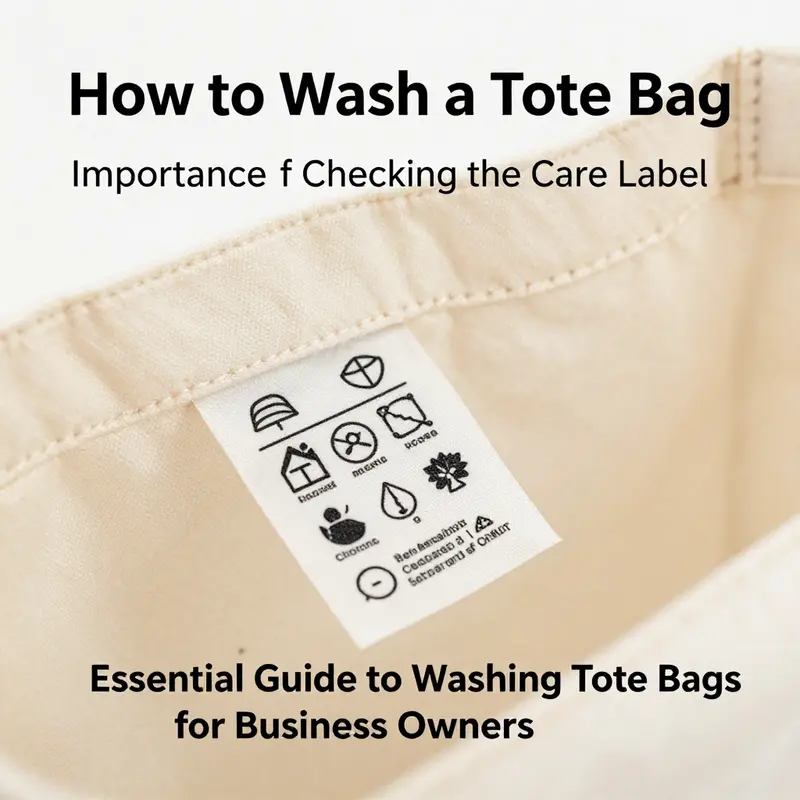
Care labels are the quickest route to washing guidance for totes. If a label is present, follow its instructions to protect color, texture, and structure: machine wash inside a mesh bag on a gentle cycle with cool water when allowed, or opt for hand washing when advised. If there is no label, proceed with a small test on an inconspicuous area using a mild detergent solution, then clean gently and rinse thoroughly. For coated or waxed fabrics, avoid soaking; instead wipe away dirt, spot clean, and air dry to preserve the coating and finish.
Stain-Smart Prep: A Thoughtful Prelude to Washing Your Tote Bag
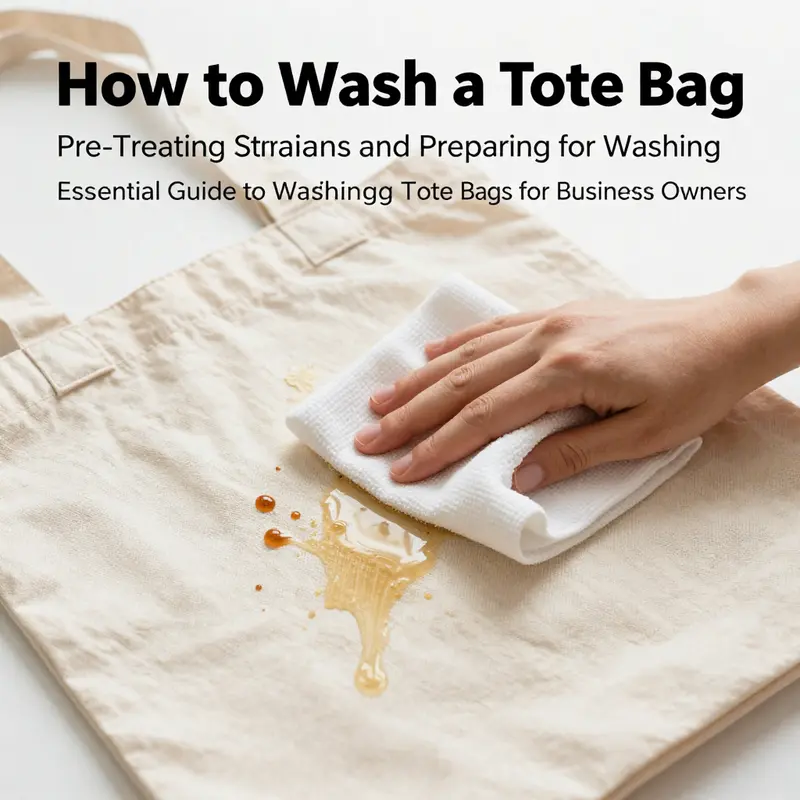
A tote bag is more than a carrier; it is a companion that collects the marks of daily life, from coffee splashes to muddy footprints after a weekend errand run. Caring for it begins long before the wash. The path to a refreshed tote is paved with careful preparation, attentive inspection, and a plan that respects the bag’s fabric, its hardware, and the way it carries your day-to-day stories. When you approach cleaning as a mindful ritual rather than a rushed chore, you protect the bag’s color, texture, and shape and extend its usable life. The first step, always, is to treat the bag with respect for its material and any care instructions it carries, tucked away inside a pocket or printed on a label. If a care label exists, follow it to the letter. If no label is present, proceed with a gentle touch, assuming the fabric is delicate and needs a kinder approach. This care-first mindset reduces the risk of shrinkage, color fading, or fiber damage that can turn a beloved tote into a limp shadow of its former self.
To begin, remove every item from the bag. Empty the pockets, shake out crumbs, and feel for any stray objects that could snag fibers during washing. A simple lint roller or a soft brush can swiftly lift surface dust that otherwise could embed itself into fibers during agitation. As you inspect, you’ll often notice where stains cluster—around the base from tracking in mud, or around the seams where the bag rests on a chair or car seat. The pre-wash stage is your chance to address those blemishes before they set in; it is not merely cosmetic, but a way to prevent buildup that can degrade fabrics over time. The reality is that pre-treating stains effectively is a talent built on patient observation and the right tools, not on brute scrubbing. A light touch, guided by the fabric and stain type, will serve you far better than a hard rub that frays threads or spreads pigment.
The fabric of a tote bag largely dictates your approach. Cotton canvas is typically sturdy and forgiving but benefits from a gentle, controlled cleansing. Polyester blends resist moisture more quickly yet can show spots that cling if not treated properly. Linen offers a natural breathiness but can wrinkle and weaken if overcharged with soap. Jute and natural fibers bring a rustic texture that can hold onto oils, requiring a careful hand. Nylon is resilient, while waxed or coated canvases demand special care: water can compromise their protective layer if you soak them too deeply or expose them to heat. You will often know which category your tote belongs to by a quick look at the exterior material. If there is any doubt, treat the bag as if it is a delicate fabric until you confirm otherwise. The care label, when present, remains your most important guide because it distills the bag’s unique construction into actionable instructions. If the label offers explicit guidance against machine washing, that advice should be followed. If it permits hand cleaning or machine washing, do so with the steps that preserve fibers and finishes.
As you prepare, consider using a liner bag as an interior shield. A simple liner can act as a springboard to protect your tote from spills and sharp objects during a wash, especially if your bag features interior pockets with zippers or embellishments that could snag threads or wear away at seams. It also makes the post-wash routine easier, keeping loose items contained and reducing the chance of soap residue lingering in corners. If you don’t have a liner bag, a simple inside-out approach works too. Turning the tote inside out exposes the less visible surfaces to pre-treatment and helps you target stains that hide in seams and corners. This step is not merely practical; it is a small act of thoroughness, signaling that you care for every fiber of the bag, not just the visible face.
When it comes to stain control, a mild approach yields the best long-term results. Start with a mild soap solution that is gentle on fibers and safe for most bag fabrics. A practical mix is one tablespoon of mild dish soap blended with about a half cup of warm water. The warmth helps lift oily residues without shocking fibers with heat. Dip a microfiber cloth into the solution and dab at the stained areas with a light touch. Avoid scrubbing with vigor—such action can drive stains deeper into the weave and disrupt textures, especially on printed designs or mixed materials. Instead, coax the stain upward or outward with soft dabs and gentle strokes. The goal is to separate the pigment from the fiber without causing friction that could wear away color or fabric fuzz. If you can, test the solution first on a discreet area to ensure it doesn’t alter color or texture. This small test can save you from an uneven outcome you’ll notice every time you carry the bag.
Incorporating a protective step during prep can also make a difference for the long haul. Consider placing a liner bag inside the tote as an added shield against spills and sharp or rough items. A simple fabric insert will keep inside corners cleaner and easier to rinse during the wash. Additionally, a silicone-free fabric protector spray can be applied to exterior surfaces before the first use or after a thorough cleaning once the bag is completely dry. This creates a light water-repellent barrier that helps preserve texture and color without changing the bag’s hand or feel. If you decide to use a fabric protector, apply it in a well-ventilated area and follow the product’s instructions carefully. You want a light, even coating, not a heavy film that could stiffen the fabric or create a tacky surface. The idea is to preserve the natural drape and softness of the material while adding a layer that helps resist future staining.
For stains that resist the mild soap approach, you can move to a gentle, targeted paste. A simple baking soda and water paste is often effective for canvas tote bags that have collected mud or grease. Mix a small amount of baking soda with water to form a paste, apply it directly to the stain, and let it sit for about 15 minutes. After the dwell time, wipe away with a damp cloth. This method is particularly useful for porous fabrics where surface soils can cling to fibers. It’s non-abrasive, easy to rinse, and can lift stubborn residues without harsh chemicals. If you’re dealing with more stubborn stains, allow the paste to do its work a little longer, but avoid allowing any paste to dry into a crust that would require more aggressive scrubbing to remove. When in doubt, reapply the mild soap solution and repeat the dab, dab, dab approach. The quiet persistence of this method often yields a cleaner face for the tote without compromising the weave.
As you weave these steps into a single ritual, you also prepare for what comes next: the washing itself. The broader washing method is discussed in detail in the next section of the guide, but the core idea here is that pre-treating and preparation set the stage for a better result. The aim is to maximize stain removal without risking color loss or texture damage, especially for printed designs, delicate trims, or mixed-material interiors. If the care label permits machine washing, you can consider it after the pre-treatment, but always follow the quickest, gentlest approach that preserves the bag’s shape and finish. For most fabrics, hand washing remains the safest route, offering control over water temperature, agitation, and the amount of detergent. The goal is to keep the bag’s form while lifting dirt gradually rather than blasting it away with aggressive cycles. A cool to lukewarm soak, a gentle swirl, and careful rinsing typically yield the best balance between cleanliness and fabric integrity.
If you are curious about how this careful approach aligns with broader cleaning practices, you can explore more detailed tips on canvas tote care in related guides, such as those focusing on canvas tote bags for women, which address common fabrics, care considerations, and practical steps for everyday use. canvas tote bags for women offers a perspective on how versatile fabrics interact with various treatments while keeping a bag’s look intact over time. This internal reference helps anchor the pre-wash stage in a broader care routine, ensuring you have a consistent, repeatable process rather than a one-off fix.
As mentioned, the care label remains your best guide. If the label indicates that the bag should be hand-washed only, then that path should be your primary route. If it allows machine washing, use a large mesh bag to protect the bag and its hardware, select a gentle cycle with cold water, and use a small amount of mild detergent. For color preservation, some crafters add a cup of white vinegar or a handful of salt to the wash. This trick can help reduce color bleeding and keep hues vibrant, especially for solid-color canvases. Do not wash with heavily dyed fabrics or other items that could transfer color. The goal is a careful, clean rinse that leaves no soapy residue behind. After washing, never use a heat source like a dryer; air-drying is key. Lay the bag flat on a clean towel or hang it in a well-ventilated area away from direct sun, which can fade colors and weaken fibers. Patience here matters; give the bag enough time to air-dry completely to avoid mold or mustiness, which can creep in if moisture is trapped inside pockets or seams.
In preparing for the moment of washing, you have already laid a solid foundation. You’ve emptied the bag, inspected it, removed loose particles, pre-treated stains with a mild soap solution or a baking soda paste, considered a liner for protection, and, where appropriate, prepared for a future layer of protection with a silicone-free fabric spray. You’ve balanced the choice between hand washing and machine washing with the care label’s guidance. You have a clear sense that the pre-wash stage is as much about respect for the bag as it is about removing dirt. This respect ensures that the tote’s color remains lively, its texture remains intact, and its shape holds up to future daily use. It is also a reminder that maintenance is a continuous process. A tote bag, like a good friend, benefits from regular, gentle care that acknowledges its structure, acknowledges its wear, and anticipates tomorrow’s adventures.
For readers seeking more extensive, practical benchmarks beyond the scope of this chapter, external resources offer deeper dives into tote bag cleaning and care techniques. One valuable reference collates practical cleaning guidance for tote bags and related accessories, providing step-by-step considerations that complement this chapter’s focus on pre-treating stains and preparing for washing. External resource: https://www.cleanipedia.com/laundry/tote-bag-cleaning-tips
null

null
Air, Dry, and Defend: Mastering Tote Bag Drying and Waterproofing After Washes
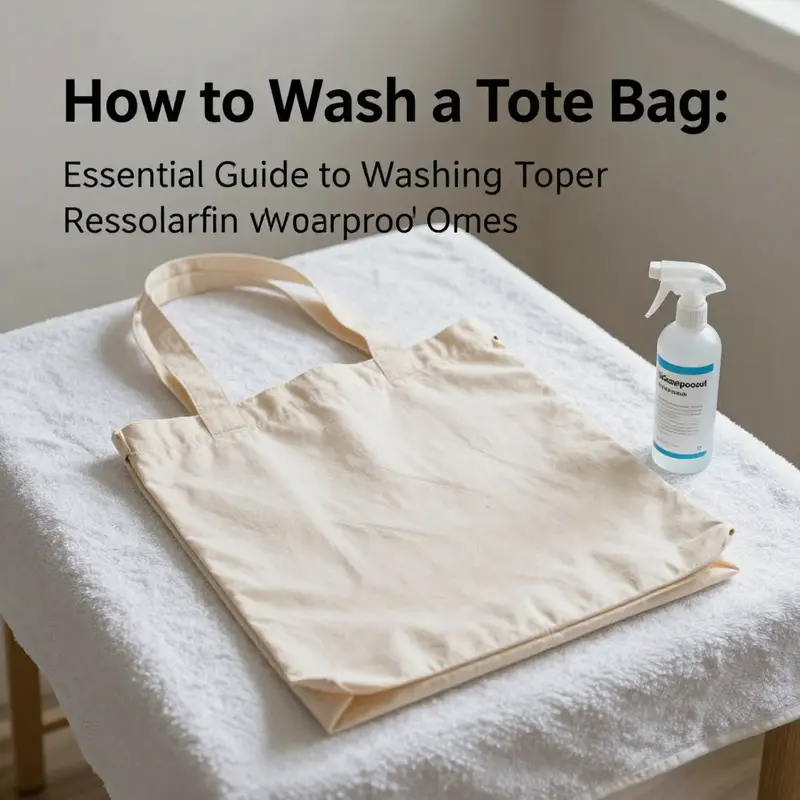
Air, dry, and defend—the sequence that preserves your tote after washing. Drying is as important as washing because heat can shrink fabrics, warp seams, and fade finishes. Always air-dry the tote in a well-ventilated area away from direct sun or heat. Lay flat on a towel or hang by the straps if the bag’s construction supports it, and avoid bending or tugging that could distort the shape. Gently blot moisture with a soft towel instead of rubbing, then reshape the bag while damp to help it recover its form. Interior drying matters too: turn the bag inside out if possible to let the lining air out evenly. Once fully dry, inspect hardware and seams and reapply any water-repellent coating if needed. A light refresh spray can restore surface repellency after drying, extending the bag’s ready-to-use life.
Final thoughts
Maintaining tote bags through proper cleaning and care is essential not just for the aesthetics but for preserving their functionality and extending their lifespan. By understanding the importance of care labels, pre-treating stains, choosing the correct washing method, and employing the right drying techniques, business owners can keep their tote bags in excellent condition. This will not only enhance customer satisfaction but also improve your brand’s image. With these strategies, you can ensure that your tote bags remain a reliable part of your business.