
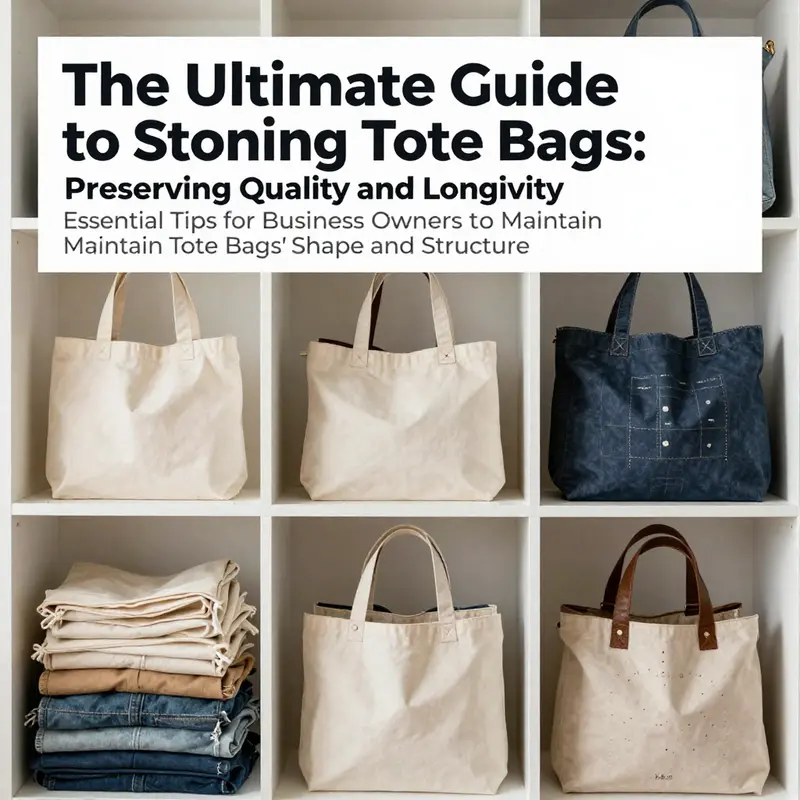
Storing tote bags properly is vital for business owners who care about preserving the quality and longevity of their merchandise. With the right techniques, you can prevent deformation and damage, ensuring that your tote bags remain in top condition. This article explores effective strategies for maintaining the shape of your tote bags, using dust bags for protection, storing them upright away from heat and light, avoiding overcrowding, and handling delicate materials with care. Each chapter will delve into best practices that will extend the life of your products while enhancing their visual appeal.
Preserving Form: The Subtle Science of Stuffing Tote Bags to Keep Their Shape

A tote bag is more than a carrier; it is a portable display of craft, material, and memory. When you store it, you are choosing the future silhouette of that bag—the way it stands, the way its seams hold, and the way color and texture will endure the seasons. Without thoughtful storage, gravity, light, and temperature do their slow work, and even the finest materials can drift from their original form. Leather, canvas, and coated fabrics each respond to the quiet pressures of time in distinct ways. A soft lambskin may begin to show faint creases that become permanent under prolonged compression. Canvas can sag and lose its crisp profile. Coated or specially treated surfaces, if pressed or stored in a way that traps moisture, may warp or develop sheen inconsistencies. The upshot is simple: maintaining shape is not a luxury; it is the first line of defense against long-term damage, and it begins with what goes inside the bag when you put it away.
To begin with, stuffing is not mere padding. It is a deliberate act of shaping that preserves the bag’s internal architecture while letting its exterior breathe. The classic approach—tissue paper, acid-free paper, or a clean, soft cloth—remains effective for most bags. For larger totes, crumpled newspaper can be used, but with a cautious eye: newsprint can transfer ink and leave a blur on light interiors or delicate linings. The goal is a gentle fullness that supports the bag’s base, sides, and internal compartments without creating sharp creases or pressure points. In recent luxury-care conversations, a more dynamic and increasingly popular method has emerged: bubble wrap. It is not a substitute for gentle stuffing, but when used thoughtfully, bubble wrap can provide a resilient, breathable frame that resists collapse while the bag remains allowably airy inside. The trick is to cut the wrap to fit the bag’s most vulnerable zones and to layer it so that a base layer anchors the bottom, followed by side supports and a central fill. The air pockets confer a subtle resistance that helps the interior hold its shape without the rigidity of rigid inserts. This approach is especially appealing for structured totes with soft linings, where too- stiff an insert could press against the lining and cause creases or abrasion over time.
If the tote features compartments or a defined silhouette, each section benefits from a tailored fill. Roll or fold bubble wrap to the correct thickness for the sides, then place long pieces along the interior walls. For bags with shoulder straps or handles, a careful touch is to wrap the strap areas in bubble wrap or lightweight, soft paper to prevent pressure-induced creases along hinge points. If metal hardware is involved, such as chain details, inserting a slim strip of bubble wrap between links can minimize friction and scratches when the bag is stored upright. In short, the stuffing should be firm enough to resist gravity but not so tight that it crushes the bag from the inside. The interior should feel full, but never tight enough to deform the shape that your bag designer intended.
Alongside stuffing, a breathable dust bag is indispensable. A cotton or linen dust bag provides a gentle shield against dust, light, and moisture—factors that, over months and years, can dull color or encourage micro-mildew in sensitive fabrics. Plastic bags are the wrong shelter; they trap humidity and foster a microclimate that can distort leather or warp textiles. The dust bag should be clean and slightly roomy, so the tote can rest in a natural, upright position without pressing against its own sides or seams. The concept is not merely to protect from surface dust but to avoid any microenvironment that could encourage fibers to fatigue or absorb odors over time. You might also consider placing the bag in a climate-stable corner of a closet, away from strong drafts, to reduce fluctuating humidity that can stress leather or canvas.
Storage posture matters as much as the materials used inside. Upright storage is preferable to stacked piles or cramped corners. A vertical arrangement—standing the bag on its base with the stuffing in place—helps the form resist gravity and maintains a clean silhouette along the front, back, and sides. The temperature in the storage area should be cool and dry, and away from direct sunlight. UV exposure, even indirect, gradually fades colors and can photochemically alter finishes on leather and coated fabrics. Heat sources—radiators, space heaters, or sunlit windows—invite accelerated drying of leather and distortion of membranes on coated surfaces. If you rely on closet shelves, ensure the bags sit with enough room to breathe and are not squeezed between other items. Overcrowding invites scuffs, color transfer, and pressed corners, all of which undermine the very shape you aimed to protect.
Delicate materials require even more care during storage. For bags crafted from snake or ostrich skin, patent leather, or other high-luster finishes, the emphasis shifts toward minimizing pressure and environmental swings. Delicate skins can kink when pressed; patent surfaces can dry and crack if exposed to sustained heat or direct light. In these cases, the stuffing strategy becomes a compassionate guardrail: gentler filling, looser alignment of interior sections, and ensuring that no heavy objects press against the outer surface. It can be tempting to pack more for protection, but in luxury care terms, less can be more when it comes to safeguarding texture and clarity of mood in the bag’s appearance.
When you do fold a tote for compactness—as sometimes space demands—limit folding to short-term storage. Long-term folding can leave creases that refuse to relax and can alter the bag’s natural geometry. If folding is unavoidable, use a soft layer of tissue inside the fold and a gentle, broad fold along a natural crease, rather than a sharp crease line. The goal is to minimize stress at the joints and seams, preserving the bag’s capability to regain its form when you remove it from storage. This is not a rejection of folding so much as a reminder that the care decision should align with how long the bag will rest in the box or on the shelf.
Zippers and closures deserve a small but telling amount of attention. Keeping the bag zipped partially—about two-thirds—can maintain internal pressure without squeezing the interior. It also helps in cases where you place the bag in a dust bag, because a slightly expanded interior is less likely to rub the lining against the zipper or hardware. For bags with more complex hardware, such as heavy metal accents or intricate chain details, a careful, sparse padding—especially near the hardware—prevents friction and scratches when the bag is moved or retrieved. The principle is to respect both the external silhouette and the internal geometry, even in storage where the bag sits quiet and still.
All of these steps—stuffing, dust protection, upright placement, climate awareness, careful handling of delicate materials, judicious folding, and considerate zipping—form a composite routine that preserves the bag’s shape while preserving its longevity. The rhetoric of care is not merely about preserving a trend or a season’s color; it is about extending the bag’s useful life so that it ages with the same grace you imagined when you first selected it. In the practical sense, this means making small, deliberate choices every time you prepare a tote for storage. It means using the right internal fillers rather than generic stuffing, and recognizing that a luxury or structured tote may deserve a little extra attention than a casual canvas carry-all.
For readers who want to connect this general guidance to a practical example, consider a tote with a dedicated computer sleeve. The interior requires especially careful shaping to avoid putting pressure on the sleeve itself or the surrounding linings. A well-stuffed interior with bubble wrap aligned along the sides and base can maintain the bag’s natural lines without compressing the sleeves. If you’re exploring how a care routine translates to a specific model or design, you can explore a detailed guide on a tote-bag-with-computer-sleeve for deeper, model-aware tips and pictures that illustrate the stuffing strategy in action: tote-bag-with-computer-sleeve.
Beyond the immediate steps of stuffing and protective storage, a broader appreciation of care comes from understanding that storage is part of ongoing maintenance. The best practice is to view storage as a deliberate act that mirrors how you care for other valued textiles and leather goods. This mindset aligns with official guidance from luxury brands that emphasize regular inspection, gentle handling, and the use of appropriate spaces that protect from light and heat while allowing the bag to breathe when not in use. In other words, what you do in the closet is the quieter, never-ceasing part of a bag’s lifetime story, the unseen chapter that keeps the page crisp for the next season’s reveal.
To complete this approach, a dedicated storage space with reasonable humidity control, neutral lighting, and space for a rotation of bags reduces the temptation to cram, stack, or press. A little organization pays off in the long run: bags hold their silhouettes, hardware remains smooth, and the overall look remains one you are proud to carry again. While you may still love the thrill of a new tote, a well-stored old friend is a testament to thoughtful care. For more detailed leather and textile care insights, consult broader guidelines from established care resources, which provide nuanced recommendations that complement the practical steps outlined here.
External resource for further guidance: https://www.thespruce.com/how-to-care-for-leather-bags-4161044
Guardians of Shape: A Breathable, Space-Savvy Guide to Storing Tote Bags
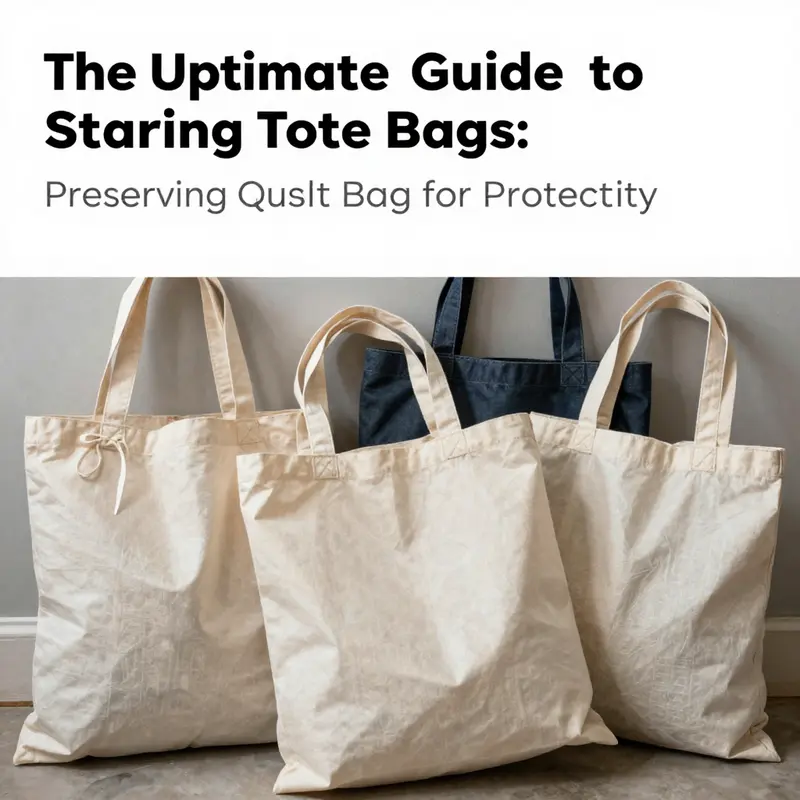
Storing tote bags correctly is more than tucking them away; it is a careful ritual that guards their silhouette, leather integrity, stitching, and color against time and moisture. The goal is to minimize the subtle forces that erode shape and sheen—the weight of everyday use, the pressure of crowded shelves, and the quiet climate of an untouched closet. When a tote is tucked into a corner with no air, it can settle into creases that are hard to reverse. Soft leathers, in particular, may yield permanent dimples under long compression. To foil this, begin with a gentle, purposeful approach: always prepare the bag for storage by restoring it to its best possible condition, then surround it with the right protective environment.
Central to this approach is the dust bag. A breathable cotton or linen cover is not merely a wrapping; it is a microclimate that buffers dust, light, and moisture while letting air circulate. The practical reason is simple: moisture is enemy. Non-breathable plastic traps humidity and creates a damp pocket that invites mildew, staining, or leather drying. The bag’s surface benefits from being unencumbered by a plastic sheath that might trap heat or trap odors. When the bag rests inside a natural-fiber dust bag, it also keeps the exterior fabric and hardware away from incidental dust—especially on light colors or delicate finishes. The result is a bag that retains its color, texture, and stitching over years rather than seasons.
Before sliding a tote into its dust bag, ensure it is clean and completely dry. Any residual moisture or sweat can become a source of mold or sour odors if left tucked away. For leather, a quick wipe with a soft, dry cloth to remove surface oils is a good habit; for fabrics, a gentle brush can lift small dust specks. The dust bag should be sized to the bag—large enough to accommodate without squeezing inner panels, pockets, or flaps. A bag stuffed tightly enough to form a neat, round silhouette is ideal for display, but not for long-term storage inside a dust bag. The aim is balance: maintain shape without creating new creases from excess stuffing or compression.
Storage space matters as much as the bag. Keep totes upright, in a cool, dry place where there is ample air circulation. Direct sunlight can fade color and weaken fabrics; heat from a radiator, a heating vent, or a sunny windowsill can dry leather and dry out flimsy edges. The closet should be free from lingering dampness, moldy smells, or strong chemical cleaners that could off-gas onto fabrics. A well-ventilated wardrobe or a dedicated shelf with a small, breathable barrier is ideal. If your space is naturally humid, consider using silica gel packs or another non-dye desiccant near the bags, but never inside the dust bag where it could touch the surface of the tote. The point is to let the environment breathe, so the bag’s fibers stay flexible rather than brittle.
Overcrowding is another quiet hazard. When several bags share a closet, they rub together, and pressure from stacked items can press against corners and seams. If shelves are tight, place bags back-to-back with the same orientation, so weight does not press on the front of the bag. For long-term rotation, space them apart with soft tissue between each to prevent color transfer and scuffing. The objective is to give each bag a little air to expand if needed during the season of non-use. If you must stack, keep the heaviest items on the bottom and allow a little space so the tote can breathe rather than flattening under pressure. This is not merely about looks; it’s about preserving the hand-feel of the leather and the integrity of stitching that might otherwise soften or stretch over time.
Delicate materials deserve extra caution. Totes with exotic skins, patent finishes, or delicate appliqués require gentle handling during storage. For these, avoid squeezing the bag into a tight spot or placing heavy articles on top. When a bag is made with materials that can crease easily or respond to pressure with visible marks, the emphasis should be on preventing pressure altogether. Aim to store such pieces in a way that supports their natural drape rather than pressing them flat. In some cases, a tall, ventilated storage box lined with acid-free tissue can provide the best cradle. For textiles with nap or pile, keep them stored in a way that avoids crushing the surface and diminishing the texture you bought the bag for.
Space constraints sometimes force a compromise: folding for compactness. The old advice that folding can be a friendly shortcut is true, but it should be reserved for short-term storage only. For bags that rely on a structured shape, long-term folding can soften edges and bound to crumple panels in a way that defeats the bag’s original design. If space is truly scarce, consider alternates like placing the tote inside a protective, stiff cover that supports the shape without pressing the front or back panels. In any case, ensure the bag is never folded with heavy items inside or left to settle on itself for seasons at a time. The goal remains straightforward: preserve structure, avoid deep creases, and give every corner room to rest.
That combination of steps—the dust bag, the dry, cool, ventilated space, mindful spacing, and careful handling—forms a practical philosophy rather than a rigid routine. The dust bag acts as a first line of defense against dust, light, and moisture. The breathable environment prevents cold, damp corners from seeping into leather or fabric. And the gentle, occasional reshaping of stuffing materials can help maintain a bag’s silhouette without overburdening it. If you want to peek into how fabric choice influences care, consider the broader world of fabric tote bags for women. It offers a sense of how different textiles respond to storage environments and why a cotton dust bag often proves the most versatile protector across many fabrics. fabric tote bags for women.
Finally, return to the idea that storage is a quiet act of stewardship. It is not about perfect conditions, but about consistent, mindful choices over time. Check the bag occasionally—especially after seasons of heavy use—and recomfort the stuffing if needed. If a bag has been exposed to humidity, unbox it, let it air out, and repack with clean, dry tissue. A little proactive maintenance now reduces the likelihood of a time-consuming rescue later. This mindset aligns with the simplest, most effective practice: allow the bag to rest in a place where air can circulate, moisture cannot accumulate, and light cannot fade the pigment. Your tote becomes not a mere container for daily items, but a reliably preserved partner for years to come.
External resource for broader learning: https://www.britishcouncil.org/learn/online-learning-courses
Preserving Shape and Shine: Storing Tote Bags Upright, Away from Heat and Light

The way a tote bag sits when it is stored says as much about its care as the way we use it. A bag is more than a container; it is an object that holds its own memory of daily tasks, travels, and little moments when the zipper snagged or the strap found a corner in a crowded closet. To extend its life, storage should be treated as a deliberate act of preservation rather than a passive pause between wears. The core principle is simple but powerful: keep the bag upright to retain its structure, and shield it from heat and light that can dull color, weaken fibers, and creep into the hardware and finishes of the bag. If you approach storage with this mindset, you will notice a tangible difference in how your tote holds its shape after long periods of dormancy and how the materials respond when you bring it back into service.
The first consideration is the bag’s orientation. When a tote is stored on its side or folded, gravity and pressure can encourage creasing and deformity, especially across soft leathers and pliant fabrics. An upright stance creates a vertical pressure that mirrors how the bag stands when in daily use. This natural alignment helps preserve the bag’s silhouette and minimizes the risk of flattening around the gussets or along the sides. It also reduces the odds of warping at the bottom corner where contact with a shelf or box might otherwise press into the leather or fabric over time. For many tote designs, this upright position works in concert with a stuffing regimen that supports the bag’s internal framework without pushing against the seams.
Stuffing is not a cosmetic trick; it is structural maintenance. The goal is to fill the interior with materials that are gentle, nonabrasive, and non-reactive over years of storage. Acid-free tissue paper, clean cotton cloth, or soft linen can all perform this function without leaving fibers behind or creating a slippery surface that could shift during changes in humidity. For larger totes, crumpled, acid-free paper can be used to support the interior in a way that resembles the bag’s own natural hold. Avoid anything that could transfer color or leave residue, such as newsprint or dyed papers, particularly with lighter hues or delicate leathers. The objective is to maintain a gentle resistance to compression that keeps the bag from settling into a permanent crease while still allowing for normal air circulation around the fabric or leather fibers.
A dust bag is the next essential element. A breathable cover—preferably cotton or linen—channels airflow, deters dust, and minimizes exposure to light and moisture without sealing in humidity. Plastic bags trap moisture and can invite mold, even in a seemingly dry closet. When you choose a dust bag, consider not only the fabric but the fit. A bag should be covered but not squeezed; excess fabric can rub against hardware or corners, which, over time, can create tiny scuffs or zipper catches. In addition to the plot of air around the tote, the dust bag acts as a built-in barrier against household fluctuations—dust, pet dander, and the occasional spill—even if stored for months.
Light and heat are the twins of deterioration. Direct sunlight is particularly unforgiving. UV exposure bleaches dye, fatigues fibers, and, with repeated cycles, can weaken the bond between layers of fabric or the finish on leather. Even if the storage area feels cool, a window or skylight can still project ultraviolet rays that gradually fade color and degrade texture. The safest practice is to place the stored tote in a cool, shaded area, away from windows, radiators, or lamps that emit heat. If you must store outdoors or in a space that faces the sun part of the day, use a shade cover that blocks direct light while still allowing air to circulate. That shade is not merely a convenience; it is a line of defense against subtle changes in tone and structure that accumulate over time.
Humidity introduces another layer of complexity. Leather and some textiles respond to moisture by expanding, contracting, or developing visible creases that do not disappear with time. A cool, dry environment helps prevent these cycles. If you live in a climate with seasonal humidity swings, consider a storage area that maintains a relatively steady climate. Silica gel packets can be tucked into the dust bag if you routinely store leather or delicate fabrics, but they should be used sparingly and replaced as recommended. The idea is to manage moisture without creating a damp microclimate that could foster mold, mildew, or odor retention. The best approach remains simple: a dry, well-ventilated space that remains consistently below heat sources and direct light.
Even careful storage cannot always prevent the natural variegation of materials in every bag. Some parts may be more sensitive—snake skin, ostrich skin, or patent finishes require extra care. The delicate surface textures don’t respond well to pressure or abrupt environmental shifts. When you are shelving a bag of such sensitive composition, handle it with a lighter touch: avoid placing weight on the top, refrain from stuffing it so vigorously that the inner linings press against the exterior, and position it where a lid or cover won’t drop onto the surface. If you are rotating multiple bags seasonally, space between items is worth the extra effort. Overcrowding accelerates contact-related wear—scuffs, zipper misalignments, and creases that become stubborn to remove when the bag finally comes back into rotation.
The question of folding enters the conversation when space is at a premium. Folding a tote can be a practical short-term solution, and in some cases, it may be appropriate for bags intended for regular use rather than high-end or structured designs. If you choose to fold, do so gently and only after you have stuffed the interior to preserve the external shape. Fold lines should land along natural creases that would occur during normal use, and the folded bag should be placed in a dry, dark, temperature-controlled environment afterward. This approach balances the need for compact storage with the desire to minimize long-term distortions. It is not a universal remedy for long-term preservation, but it can be a workable strategy in a tight apartment or a seasonal closet where the bags will return to upright use soon.
How you place the bag within its housing matters as well. A dedicated shelf, cubby, or box can provide a stable, upright space that keeps the bag from shifting. If you share a storage area with other items, place the tote in its own niche or use soft padding between bags to reduce friction and prevent scuffs. The aim is to keep the bag’s surfaces free from contact with rough edges and other materials that could abrade the finish over time. The cognitive part of storage—the routine moment when you check a shelf, adjust tissue stuffing, and gently recompose the bag’s interior—becomes a ritual of care that reinforces good habits and prolongs the bag’s life.
To connect the practical guidance with the broader ecosystem of bag care, consider how materials influence storage choices. Cotton, canvas, and jute bags respond to light and humidity differently than smooth leather or glossy patent finishes. Each material has its own thresholds for heat and moisture. By imagining storage as a field guide rather than a set of rigid rules, you can adapt the framework to a wide range of tote designs without compromising the bag’s integrity. For example, a simple, well-ventilated upright setup can accommodate most everyday totes and even some larger styles, while specialized finishes demand a more nuanced approach to stuffing, lining, and surface protection. If you encounter a particular design with unique care needs, consult a specialist guide that speaks to that material’s sensitivities, or explore related storage discussions on pages that focus on similar bag constructions.
An internally linked resource can offer a practical, design-focused perspective without interrupting the flow of this chapter. For further reading about how bag designs influence storage decisions, you can explore a dedicated page on tote complexities here: tote-bag-with-computer-sleeve.
Ultimately, the ethos of storing tote bags upright and away from heat and light is about respect for the artifact itself. It is a quiet, continuous practice of attention—one that acknowledges the bag as a companion rather than a disposable accessory. When you combine upright positioning, proper stuffing, a breathable dust bag, and a climate-conscious environment, you create a durable cradle for the bag’s shape, color, and texture. The result isn’t just a preserved silhouette; it is a testament to mindful ownership: a tote that remains faithful to its carrying days and ready for many more chapters of use. In a world of fast fashion and hurried routines, that continuity has value beyond the momentary convenience of a quick grab. It invites a slower, more thoughtful relationship with the items we choose to carry through our days.
For readers seeking a broader practical framework that echoes these guidelines, a widely cited external resource offers additional perspectives on storage and care, emphasizing the same core ideas of keeping bags in cooler, shaded environments and preserving their structure through gentle handling: https://www.veganspy.com/storage-tips-for-tote-bags/
Guarding Your Totes: Thoughtful, Space-Smart Storage to Preserve Shape and Longevity

Every tote bag carries more than contents; it holds a memory of how you move through your day. The way you store that bag matters as much as how you use it. Proper storage forms a quiet pact between object and environment, a pact that defends its structure, texture, and color against the slow, inevitable pressures of time. When overcrowding becomes the norm in a closet, a shelf, or a bin, the delicate balance of a tote’s design is tested. It’s not merely about cleanliness or neatness; it’s about creating space for your bags to breathe, to settle into their natural lines, and to resist the crumple that comes from being packed in with things that don’t belong to them. In practice, this means treating storage like a care routine rather than a quick gravity-assisted shove into a dark corner. It means recognizing that each bag deserves its own stanza in a quiet, controlled poem of preservation.\n\nFirst, shape is the most visible casualty of careless storage. Collapsed leather, softened by months of compression, can never fully recover its original silhouette. To shield the bag’s architecture, stuffing becomes non-negotiable. For soft leathers, use tissue paper or acid-free paper that cushions without leaving residue. A clean, soft cloth can also serve as a gentle filling. For larger totes, crumpled newspaper is acceptable—just be mindful of any potential ink transfer and keep the stuffing loose enough to prevent tight creases. This simple step acts like a support system, keeping the panels and seams aligned so that a bag does not sag into a tired, sagging form. It also helps prevent the interior from bending awkwardly when the bag is stored upright, which in turn reduces the risk of awkward creases forming at the edge of the base or along the sides.\n\nSecond, the dust bag remains a faithful ally in this quiet stewardship. A breathable fabric bag—preferably cotton or linen—offers a protective cocoon that keeps dust, light, and moisture at bay without sealing the bag away in a stagnant atmosphere. Plastic, by contrast, traps moisture and can encourage mold or material fatigue over time. The goal is to create a microclimate that respects the tote’s materials and finishes. If the bag is made from a material prone to fading or drying with UV exposure, this layer of protection becomes even more crucial. The dust bag should be clean, dry, and stored in a place where it won’t absorb odors, which can transfer to the tote during a long idle period.\n\nThird, the orientation of storage matters as much as the container you choose. Whenever possible, store totes upright rather than stacked on top of one another. Upright storage helps each bag keep its structural stance, preventing the pressure that comes from heavy items lingering on top. When space is truly tight and stacking is unavoidable, create deliberate gaps between bags. Use dividers or shelves that keep bags from sharing contact surfaces, because even gentle contact can cause fabric abrasion or hardware wear over time. The result is a tidy, breathable lineup rather than a crowded, pressure-filled pile. In practice, this can be achieved by dedicating a portion of a closet shelf to totes only, with each bag resting on its base and its handles relaxed rather than pulled taut over the rim of a neighboring bag.\n\nFourth, care extends to how you handle bags with delicate surfaces. If your tote uses materials like snake skin, ostrich skin, or patent leather, treat them with additional awareness. These surfaces respond differently to pressure, humidity, and shade. Avoid placing a high-contrast tote directly against another bag that could scuff or scratch its surface. Keep hardware free from contact with other hardware; a soft cloth between bags can act as a buffer. The goal is to minimize the kind of contact that marks an otherwise pristine finish. This level of mindfulness may seem small, but it compounds over time to preserve the bag’s sheen and texture. It also reduces the likelihood of ring-shaped imprints or color migration from adjacent items, which, once established, are stubborn to remove.\n\nFifth, consider your space constraints and what you can realistically achieve. For some households, space is a premium. In such cases, folding can be a practical compromise. When used for short-term storage, a careful fold can reduce bulk and make it easier to fit several bags into a single, narrow closet. Importantly, folding should never be your long-term preservation method for structured or higher-end totes. The stiffness and shape of a well-made tote come from the materials and construction, not from pressure applied through a fold. If you must fold, do so gently, with the stuffing still inside to preserve the internal shape and with the fold lines positioned along natural creases rather than across the most rigid panels. The idea is to prevent irreversible creases and maintain the integrity of the bag’s corners and seams.\n\nSixth, the environment in which you store matters almost as much as the bag itself. A cool, dry closet or closet corner away from direct sun, radiators, or heating vents is the ideal microclimate. Heat and moisture fluctuations can wreak havoc on leather, fabrics, and trims, accelerating drying, cracking, or color shift. A steady climate reduces the risk of mold or mineral deposits from mineral-rich air, especially in high-humidity climates. If the space has fluctuating humidity, consider a small dehumidifier or silica gel sachets placed near the storage area. The aim is a balanced atmosphere, not a damp or overly dry one. Lighting should be soft and indirect; harsh light can fade delicate dyes and affect the leather’s finish over many seasons.\n\nSeventh, organization itself can be a safeguard against overcrowding. When you have more than one tote, spacing becomes an architectural problem as well as a protective strategy. The simplest approach is to store each bag on a separate shelf or in a dedicated section of a closet. If you use a storage system with bins or cubbies, select breathable containers or open-front organizers that prevent stagnation and allow air to circulate around each bag. Dust bags should accompany each tote, not merely sit nearby. This habit reinforces the mental cue that each bag has a defined place, reducing the tendency to toss or push items into any available space. The habit of keeping tight, personal stalls for bags not only preserves their shape but also makes it easier to rotate out bags for seasonal use, so that no single piece bears the burden of years of inactivity.\n\nEighth, consider how you access and handle bags during storage. Remove stray accessories that can pull on straps or seams, such as detachable charms, long tag loops, or decorative hardware that could snag on neighboring items. If a bag has a removable strap, store it separately or detached to minimize tension on the bag’s top line. When you retrieve a bag after a period of storage, give it a moment to breathe. Let internal air circulate, gently re-fluff any stuffing, and inspect the surface for any signs of moisture or dust—address these immediately to avoid setting small issues into the material. In this way, storage becomes not a hidden habit but a conscious practice that informs your next purchase, your next rotation, and the care you provide to each piece in your collection.\n\nIf you want a concise way to anchor storage decisions to bag size, consider this resource about appropriate tote sizes as part of a broader care strategy: medium-size tote. This link helps you think through the fit between the bag’s dimensions, your space, and your storage methods, reminding you that proper storage begins with choosing the right bag for how you live.\n\nUltimately, preserving form and longevity is less about dramatic interventions and more about steady, patient attention to how and where a tote rests when silence takes over the room. The small acts—stuffing with gentle materials, using a breathable dust bag, keeping bags upright and spaced, and treating delicate surfaces with care—compound into a durable routine. This mindful approach aligns with the broader ethos of responsible bag care: you protect the investment that carries your daily life by giving each piece a room to be itself. For readers seeking a broader perspective on maintaining handbag integrity and preventing dust and shape loss over time, a detailed external resource offers further guidance and nuance: https://www.fashionfwd.com/handbag-storage-tips
Guardians of the Tote: Gentle, Shape-Saving Storage for Every Bag Type
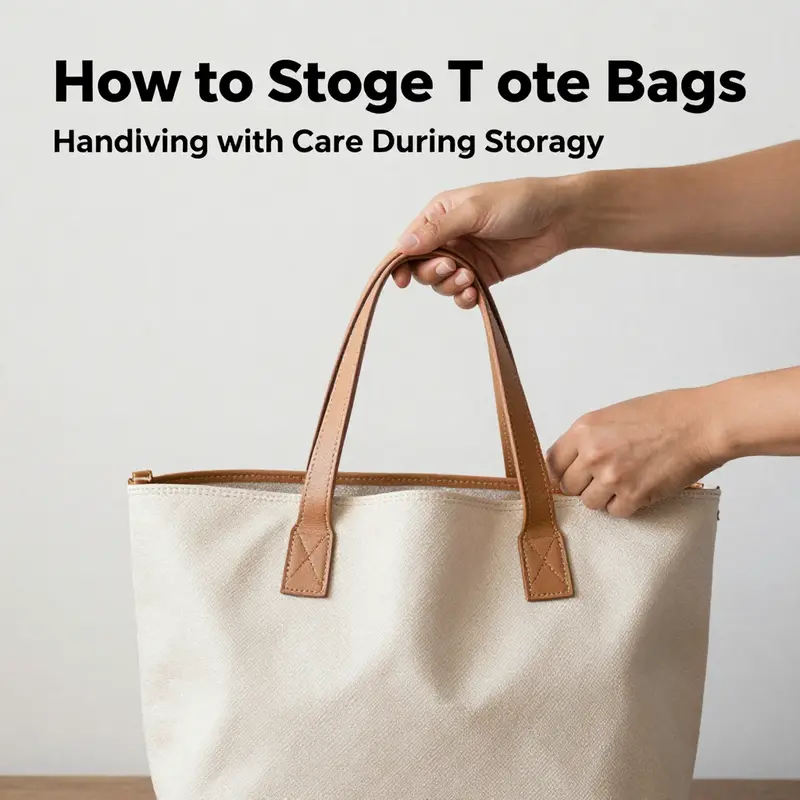
A tote bag is less a container and more a partner in daily life, carrying everything from groceries to laptops and secrets. When we talk about storing totes, we are really talking about preserving a relationship—honoring the craft, maintaining the bag’s silhouette, and ensuring it stays ready for the next errand, the next meeting, or the next weekend escape. The same care that keeps a tote useful in daily rotation also protects its value and extends its lifespan. Storage isn’t a luxury; it’s a practical discipline that recognizes a bag’s material, its construction, and the environment in which it lives between uses. The path to long-lasting shape begins with a simple, repeatable routine: clean, fill, protect, and place with intention. Each step supports the next and helps the bag resist the small assaults of time—pressures from stacking, light from windows, and humidity that can soften edges or encourage unwanted odors.\n\nTo begin, consider the impact of cleanliness as you decide to store. Dirt, oils, and crumbs do more than mar a surface; they can attract pests or cause fibers to degrade when left to linger. For fabric totes, follow the care label to determine whether a spot-clean or a gentle wash is appropriate. If the label permits, a light wash can refresh a bag’s exterior and reset the fibers before storage. Leather items deserve a careful touch as well: wipe away dust with a soft cloth, then treat with a conditioner suitable for the hide, if the leather’s type calls for it. Exotic skins and patent finishes require special vigilance and perhaps professional cleaning to avoid damage during storage. The objective is not mere cleanliness but the prevention of odors and pests that natural materials can attract if left untreated.\n\nAfter cleaning, shape preservation becomes the centerpiece of the routine. A tote that collapses under its own weight when stowed can develop stubborn creases and sag that won’t relax when you reintroduce it to use. Stuffing is your ally here. Use acid-free tissue paper or a soft cloth to fill the interior so the bag’s natural volume is maintained. For larger totes, a crumpled but clean sheet of paper can help, provided you avoid any ink transfer from newsprint. When you own a structured tote with pronounced hardware or a rigid silhouette, consider a pillow or foam form to maintain the frame’s integrity without creating pressure points. The stuffing should be even, filling the base, corners, and sides so the bag can stand upright when you retrieve it. This simple act of stuffing prevents the bag from “resting” into a collapsed state and saves you the time of reshaping after storage.\n\nProtection takes many forms, but the underlying principle is breathability. A dust bag is more than a decorative cocoon; it is a functional shield against dust, light, and moisture. If the original dust bag is available, use it. If not, a breathable cotton or linen bag provides the same benefits. Plastic wraps or airtight plastics trap moisture, which can lead to mold, mildew, or musty odors over time. The plastic barrier that seems practical can, in the long run, be a liability for many materials. A well-ventilated storage environment reduces the risk of dampness and helps maintain the materials’ texture and color. If you need a substitute dust cover, a clean cotton pillowcase or a lightweight cotton tote works well, provided it is closed in a way that still allows air to circulate. The goal is a light shield, not a seal.\n\nPlacement is where the routine and the environment converge. Store upright in a cool, dry place away from direct sunlight and heat sources such as radiators or windowsills. Ultraviolet rays can fade dyes and weaken fabrics, while heat can dry leather and accelerate wear at the seams. A closet shelf, a dedicated wardrobe, or a shallow storage cabinet with good airflow is ideal. Elevate the bag off the floor to avoid dampness drawn up from concrete or wood. If you share a space with many bags, give each its own footprint. The more space a bag has, the less it will rub against another, and the less friction will occur on surfaces or hardware. The upright stance also reduces pressure on handles and strap attachments that might otherwise bend or warp under weight.\n\nOvercrowding quietly gnaws at a bag’s structure. When multiple totes are stored together, heavy items above them or bags pressed together can distort shapes and scratch hardware. A thoughtful arrangement is key: store bags flat on shelves with space between them, or use soft dividers made of fabric to separate items. For luxury or delicate materials, a partitioned approach protects edges from rubbing and helps retain finish and color. If you must stack, place a flat barrier between layers and avoid placing heavy objects on top of the uppermost bag. This allows each tote to keep its contours intact and reduces the risk of creasing that becomes permanent over time.\n\nDelicate materials deserve a moment of extra care. For bags in snake or ostrich leather, suede, or patent leather, the storage regimen should minimize pressure and contact with other surfaces. These finishes respond to pressure, humidity, and light in more pronounced ways than more robust leathers or fabrics. A soft tissue barrier between bags can prevent color transfer or abrasion. Keep these pieces away from direct sun and from contact with other leathers that could bleed color. If you fold a bag for space reasons, use shallow folds and place acid-free tissue along the fold lines to reduce the risk of deep creases along seams. For high-end or museum-grade pieces, a lighter footprint storage option—such as a shallow, cushioned box that preserves shape without compression—can be a wise long-term choice.\n\nEven with careful attention, space constraints may require short-term folding for a single bag or two. Folding can be practical for compact storage, but it should be reserved for those cases where the bag will be used again soon and the folds won’t compromise long-term structure. When folding, place tissue along the crease lines and avoid sharp, deep folds that imprint into the fabric or leather. For fully structured totes, this method is rarely the best choice for long-term preservation, and a light-fill approach with proper support is usually preferred.\n\nA practical storage system also benefits from organization. If you own several bags, labeling helps you quickly identify each item without rummaging through a closet or a box. A small label on the inside of the dust bag or on the container’s exterior can indicate the bag’s material, care notes, and the date of storage. Organization is not only about ease of use; it reduces unnecessary handling, which can expose the bag to dust, light, or moisture each time you search for it.\n\nThe environment in which you store totes matters as much as the bags themselves. Aim for a stable climate—ideally around 40–60% relative humidity and a temperature range of roughly 15–25°C (59–77°F). Fluctuations in humidity and heat can compromise fibers, cause leather to dry, and trigger color shifts. If your home experiences wide swings, you might consider a simple hygrometer to monitor conditions or a small dehumidification solution during humid seasons. The key is consistency; gradual changes are far less taxing than abrupt shifts that stress materials.\n\nStorage is not a one-off task but a recurring routine that deserves consistent attention. Periodically, before bringing a bag back into rotation, reassess its condition, and refresh the stuffing if necessary. A quick inspection for loose stitching, frayed edges, or stiff hardware helps catch problems early. The modest effort invested in this type of upkeep yields dividends in the long run—bags that maintain their shape, colors, and tactile feel ready to perform each time you choose them.\n\nIf you want a quick, practical touchpoint for how a specific bag design should be treated when stored, you can explore a category that aligns with your bag’s hardware or sleeve. You can learn more about such designs here: tote bag with computer sleeve. Additionally, for broader guidance that distills expert practices from leading houses, consult the established guidance from Christie’s, which offers a comprehensive overview of storing handbags. For more expert guidance, see Christie’s guide: https://www.christies.com/features/How-to-store-handbags-12345.aspx\n\nThis approach keeps the tote collection ready at a moment’s notice, while also honoring the constraints of living spaces and the realities of different materials. The storage plan is not merely a repository; it is a careful conversation between the bag, the room, and the mind that understands how to treat beauty so that it lasts. Each bag, from the simplest canvas to the most elaborate lacquered finish, deserves a quiet state of readiness that storage can faithfully deliver. In the end, the true test of storage is not how invisibly it hides the bag, but how clearly it reveals its ongoing ability to perform when you need it most.
Final thoughts
In summary, proper storage techniques for tote bags are essential for business owners aiming to maintain their products’ integrity and appeal. From using appropriate stuffing to protect the structure, to storing bags in breathable dust bags and keeping them in a cool place away from direct light, every step matters. Preventing overcrowding and handling delicate materials with care ensures the longevity of your tote bags. Implement these strategies, and you’ll observe a marked improvement in the quality and presentation of your merchandise, ultimately leading to increased customer satisfaction.