
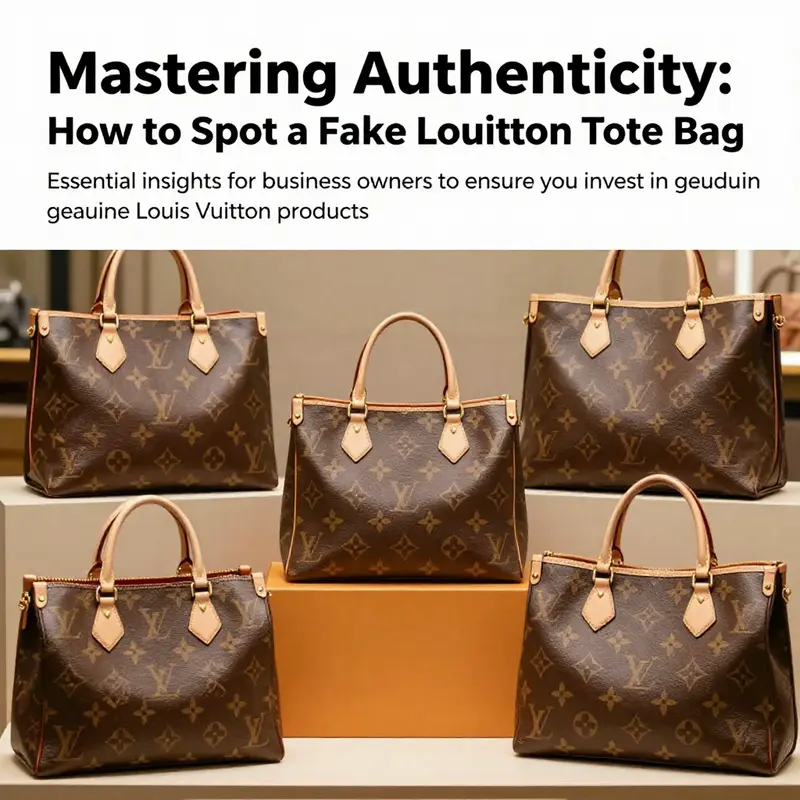
Understanding how to identify a fake Louis Vuitton tote bag is crucial for business owners who value authenticity and quality. Counterfeit products can damage brand reputation and customer trust. This guide highlights eight key details to examine, from the logo alignment to the quality of leather and stitching. Each chapter discusses these critical factors, helping you decipher authenticity as you navigate the luxury market. Whether you’re purchasing for personal use or resale, these insights will empower you to make informed decisions about your investments.
Mirrored Monograms, Precise Grids: Reading Logo and Pattern Alignment to Unmask Fake Louis Vuitton Totes
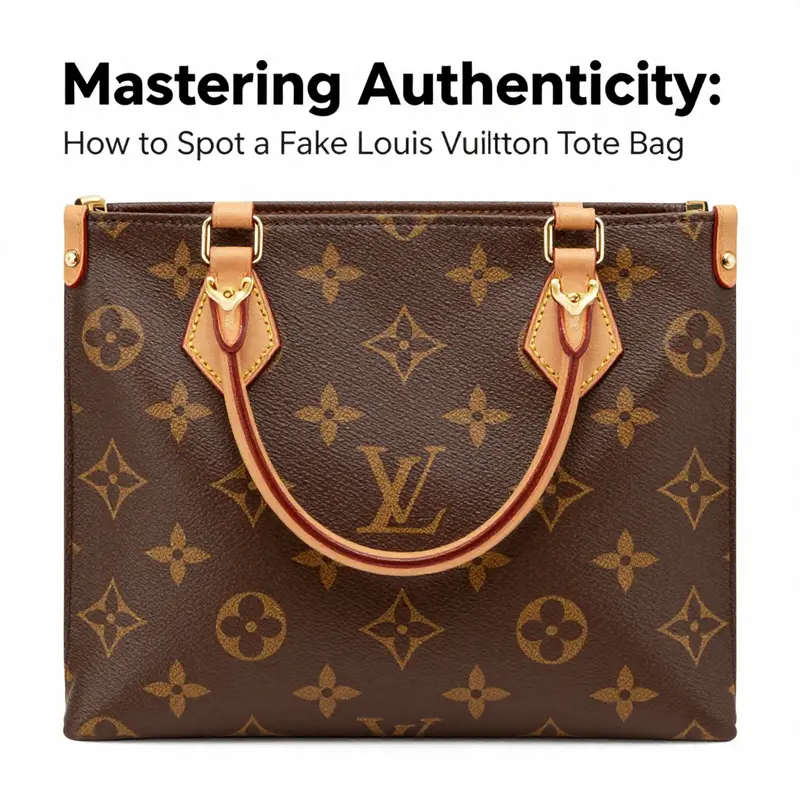
The monogram that Louis Vuitton places across its totes is not simply branding; it is a meticulous statement of design fidelity. In the world of high-end leather goods, where a fabric weave can betray a counterfeit, the logo and pattern alignment function as a digital fingerprint in a physically crafted surface. When you hold a bag that claims to be LV, your first instinct should be to test the alignment of the LV pattern as a continuous, symmetrical field rather than a scattered collage of letters. True monogram patterns are laid out in a precise grid, with each element positioned in relation to the next with almost mathematical care. If the grid looks off—if letters drift, ripple, or fall short of the seams—the sign is clear: you are looking at a fake or a high-quality imitation that hides its shortcuts beneath a glossy finish. The monogram’s precision serves as a gatekeeper, protecting the brand’s signature look from cheap recreations that can fool the casual observer but fail under close scrutiny. This is why the pattern’s alignment is considered the most critical check when you evaluate a Louis Vuitton tote in person or from a reputable catalog.
To approach this test with calm diligence, imagine the pattern as a living fabric that must flow seamlessly across every panel. The LV letters should appear across the surface in a balanced, repeating rhythm, never skewed or truncated by the bag’s edges. On genuine pieces, the lines of the pattern cross panel boundaries in a way that feels inevitable, as if the bag’s cut saved a single, uninterrupted design line for the entire surface. Counterfeiters often manage to replicate the logo itself but fail to maintain this uninterrupted flow. You might notice the edges where panels meet, or the seams where the front, back, and sides converge, and see that the monogram either narrows, widens, or shifts slightly. Even a tiny shift—say, a few millimeters of misalignment—breaks the visual continuity and signals a counterfeit, especially when the same misalignment repeats across multiple panels. The eye instinctively catches these irregularities because the LV pattern is not supposed to “wrap” raggedly around the bag. It should anchor, align, and repeat with uniformity.
A practical way to assess alignment is to scan for centered logos and a clean, consistent spacing throughout the surface. The center of each LV emblem should align with an invisible lattice line that holds the pattern in place across the entire item. Look closely at a few emblem clusters near zippers, pockets, or strap attachments; the same rules apply. The letters L and V should sit in the same relative position within the grid, whether you’re viewing the panel head-on or flipping the bag to inspect the opposite side. When you tilt the bag toward the light, the letters should retain their crisp, unbroken lines rather than blur into a smeared patch. The result should feel composed, not random. Clear and sharp letters within a precisely spaced grid are the visual language of authenticity; when the letters begin to appear fuzzy or irregular, you’re likely dealing with a counterfeit or an inferior imitation, even if the overall look appears convincing from a distance.
The pattern’s center and its edges should be treated with equal care. True monograms do not abruptly cut off at a seam or wrinkle; they weave through the bag as a single, coherent motif. If you notice that a letter or motif ends abruptly at a seam or is halved by a stitch line, that is a telltale sign of a misprinted or poorly aligned surface. On authentic pieces, the designer’s grid respects the contour of the bag in a way that makes seams feel almost invisible in the broader pattern, as if the bag’s shape were sculpted to preserve the integrity of the motif rather than to accommodate cheap shortcuts. In addition, the pattern should be mirrored across panels. If you can find a panel where the motif direction reverses or becomes inconsistent, you’re looking at a counterfeit layout. The mirrored arrangement is not merely decorative; it is an internal check that ensures the design has been planned with precision rather than slapped together at random.
Another layer of depth lies in the pattern’s print itself. Genuine LV monograms carry a depth that comes from high-precision printing techniques, producing a subtle, slightly raised texture. The surface is not flat; it invites a touch, and the tiny texture hints at the craftsmanship behind the finish. In counterfeit goods, the printing often appears flat, with darker or uneven color that lacks the nuance of the original. The monogram’s depth is not a dramatic feature, but a quiet sign of authentic production. You may notice faint micro-dots or a gentle grain in the background that adds dimension to the pattern. When the print is too uniform or the letters look smeared, it betrays a lack of attention to the subtle micro-structure that authentic production preserves. The right pattern depth works with the color palette to give the bag a living, tactile quality that counterfeiters rarely replicate with fidelity.
These visual tests, while powerful, are not foolproof on their own. The monogram alignment must be read in concert with other signals of authenticity that live in the craftsmanship as a whole. The stitching, the leather, and the hardware all carry the same DNA of genuine Louis Vuitton manufacturing. A pattern that looks nearly perfect but sits on a bag whose stitches are too shallow or whose leather lacks the brand’s characteristic patina can still be a counterfeit. Yet the pattern remains the most telling data point because it embodies the brand’s design philosophy at the most fundamental level: proportion, symmetry, and a disciplined repetition that spans the entire surface. When you study the alignment across every panel and verify that no letter or motif is clipped by a seam, you gain access to a truth that the counterfeiters seldom fully replicate.
If you are evaluating a secondhand purchase or a piece sourced from a nontraditional seller, this approach to pattern alignment becomes even more critical. Inspect the bag in daylight, under a neutral light, and from several angles. Hold it at eye level to catch subtle shifts that might be invisible from a distance. If a single panel seems correct but another tells a different story, you have a red flag that deserves closer scrutiny. The monogram, properly aligned, should feel consistent with the bag’s overall silhouette. It should not look forced or adjusted to hide an uneven surface. A well-executed fake might mimic the monogram at a glance, yet the alignment across the entire bag will reveal the deception when viewed as a single system rather than as a collection of isolated panels.
To support your assessment, consider that the most authoritative source of authentication emphasizes that quality issues, including thread breaks and leather degradation, strongly signal counterfeits. While this chapter foregrounds logo and pattern alignment, this reminder reinforces the point that authentication is a multi-layered task. A genuine Louis Vuitton tote is a product of disciplined craftsmanship, where monogram precision, material quality, and finishing all converge. The pattern alignment becomes a first, highly reliable screen, yet it is most trustworthy when observed together with stitching consistency, leather integrity, and hardware finish. If you encounter a bag where the pattern alignment is immaculate but the stitching shows inconsistent tension or a leather patch that feels cheap to the touch, you should slow down and re-evaluate your conclusion. The path to certainty lies in looking at the whole, not just the most conspicuous detail.
For readers who want to place this knowledge in a broader context without leaving the ride of the inquiry, consider exploring a related resource on tote trends. It can offer a wider lens on how monograms and patterns are deployed across contemporary designs and how authenticity concerns intersect with evolving styles. tote-bags-trending.
In the end, the logo and pattern alignment tests are not just about spotting a counterfeit on a shelf. They are about understanding how a luxury house translates its identity into a fabric of equal parts art and engineering. The grid, the centered logos, and the clean intersections of the motif with the bag’s geometry tell you that you are in the presence of authentic craft. They tell you that a bag has been designed with the same care that goes into creating a signature silhouette, not merely slapped together to ride a trend. The weight of the evidence grows stronger when you cross-check this alignment with the tactile cues—heavy, dense leather; deep, even prints; durable stitching; and subdued hardware finish—each reinforcing the story told by the pattern. When these elements harmonize, you gain confidence in the bag’s provenance. When they diverge, you owe it to yourself to pause, inspect further, or walk away. The pursuit of authenticity is as much about listening to the quiet cues of craft as it is about spotting the loud tells that counterfeiters cannot disguise.
External reference for definitive guidance: https://www.louisvuitton.com/en_us/faq/0020000001975634071
Leather, Patina, and Scent: Assessing Authentic Louis Vuitton Totes
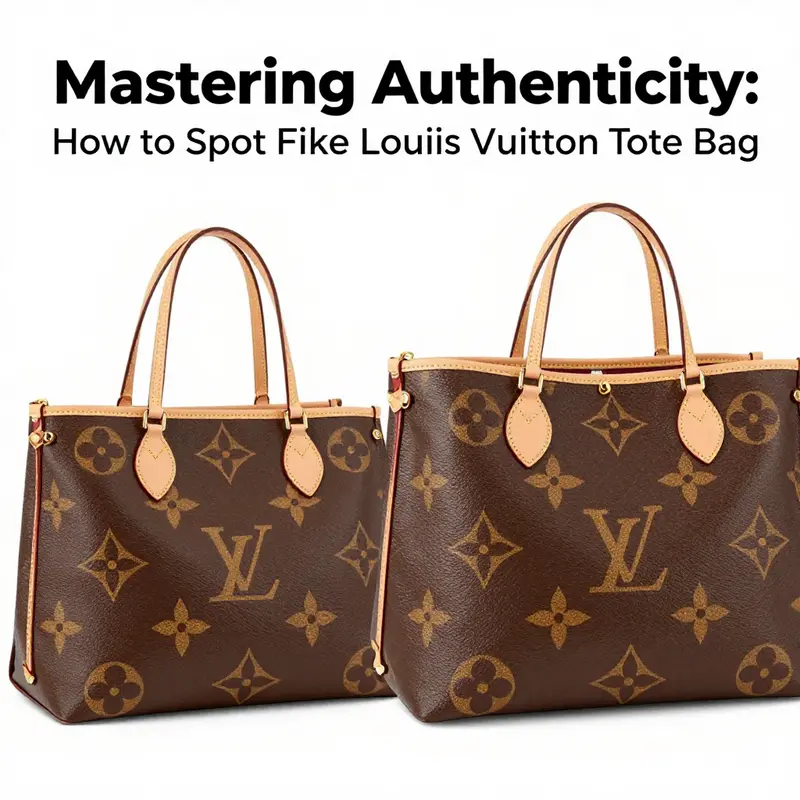
Authentication rarely hinges on a single detail, but leather quality, patina, and scent are among the most telling signals. Real Louis Vuitton vachetta leather develops a natural patina over time, with gradual color shifts and cohesive transitions between panels. Uneven dye, stiff texture, or an overly uniform surface can indicate a counterfeit. The grain should feel natural and slightly irregular, not perfectly smooth or plasticky.
The scent matters too: genuine bags carry a clean, leather-forward aroma that is subtle and not overpowering. Strong chemical or plastic odors raise red flags. In practice, combine sensory checks with visual ones: inspect stitching consistency, hardware finish, logo alignment, and interior labels. Only a convergence of multiple signals confirms authenticity.
Always buy from authorized retailers or directly from brand channels. A serial number on an internal patch is helpful but not definitive; examine the patch grain, print quality, and presence of the patch. If in doubt, seek authentication from a reputable service. Official Louis Vuitton guidance can be consulted for corroborating indicators.
Reading the Thread: How Stitching Reveals Real and Fake Louis Vuitton Totes
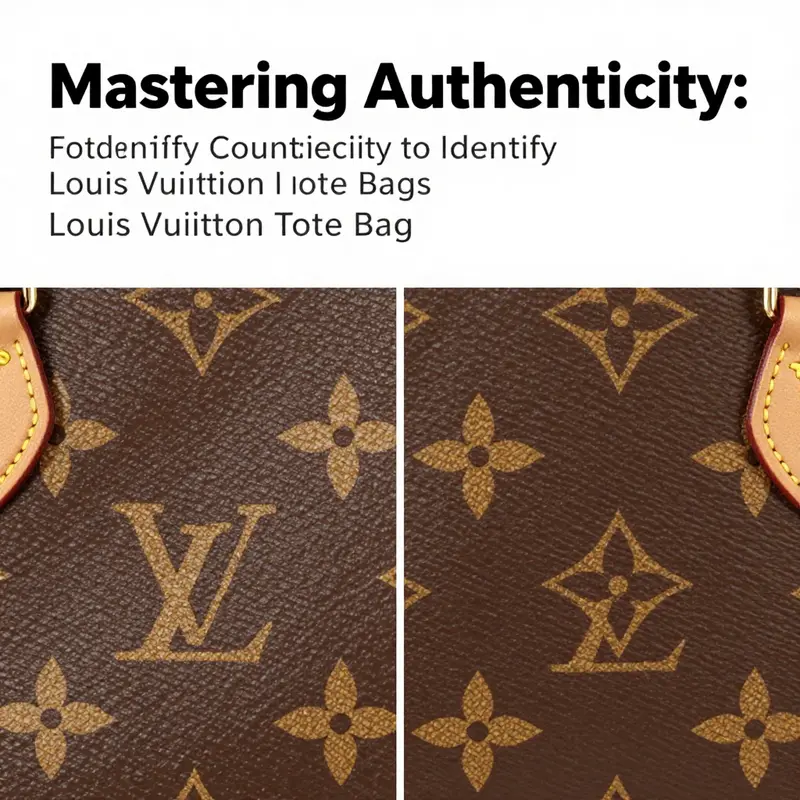
Stitching is where craftsmanship speaks loudest. For a Louis Vuitton tote, threadwork is not an afterthought. It is a deliberate, visible signature of manufacture. When you study a genuine piece, the stitches look measured, confident, and uniform. They carry the bag’s structure and silently confirm the maker’s standards. Counterfeits, even high-quality replicas, struggle to match that quiet precision. Learning to read stitching turns that small detail into powerful evidence.
Begin with a steady visual sweep. Look along handles, seams, and trim. Authentic stitching is remarkably consistent. On many models, expect about seven to eight stitches per inch (SPI). That rhythm does not falter at corners or curves. The spacing remains even. Each stitch lies flat against the leather or canvas without loose loops or uneven tension. Counterfeit items often betray themselves with uneven intervals. You will spot clusters where stitches bunch up and places where they spread too far apart. Those variations reveal rushed or poorly controlled machine work.
Beyond spacing, pay attention to stitch depth and tension. Genuine bags use a thick, waxed cotton thread. The wax gives a slightly curved, resilient look to each stitch, and it resists fraying. The thread sits snugly in the material, not merely on the surface. If you press lightly near a seam, authentic stitches stay taut and resist shifting. Fake threads are thinner or non-waxed. They lie flatter and may feel brittle. Under minimal pressure, you might see gaps or an uneven pull where the thread does not hold the material securely.
Color matching of thread is another telling sign. Luxury makers match thread color to leather and canvas with precision. The hue is consistent across handles, trims, and tabs. If the color shifts, even subtly, between sections, treat that as suspicious. Counterfeit threads can be slightly off—too yellow, too red, or too pale—especially under bright light. Those mismatches are a hallmark of inferior dyeing or an attempt to cut costs by using leftover thread.
Examine how stitches meet at ends and junctions. Real construction uses reinforced stitching where stress concentrates: handle bases, zipper ends, and pocket joins. These reinforcements are neat and often mirror each other on both sides of a bag. The stitches here are denser but still maintain even spacing and tension. Fake reinforcements may look clumsy. You might see overlapping stitches that do not align, or extra lock stitches that are uneven. This difference becomes obvious where a handle attaches to the body. Authentic work shows symmetry and clean finishing. Counterfeits frequently offer asymmetry and loose thread tails.
Use natural light and a magnifier when possible. Natural light reveals subtle irregularities that artificial light can hide. A magnifying glass exposes thread fray, inconsistent stitch size, and tiny pulling points where the thread is under strain. It also lets you inspect stitch direction. On genuine bags, the stitching often follows a consistent path and angle, especially around curves. Skilled artisans guide each stitch to complement the shape. Machine-made fakes sometimes produce stitches in conflicting directions, creating a slightly messy visual texture.
Corners and piping are particularly informative. On an authentic tote, corners are reinforced and piping—if present—is wrapped and stitched with meticulous alignment. The stitching along piping often appears slightly sunken, hugging the raised edge. On a fake, piping stitching might sit proud or wobbly, failing to track the curve cleanly. That wobble is an easy way to tell that a craftsman did not take the care typical of high-end manufacture.
Look inside the bag as well. Internal seams, pockets, and linings receive the same attention as external surfaces. Authentic interiors have uniform stitching and neat seam finishes. Thread ends are trimmed cleanly and hidden or heat-sealed. Counterfeit interiors sometimes reveal frayed thread ends or glue residue near seams, an indicator that assembly prioritized speed over finish. The small leather label with stamped text should be sewn with exact stitches. Poorly aligned or oversized stitches around that label are red flags.
Consider thread type and finish. Genuine waxed cotton thread has a muted sheen. It resists water and holds tension. Over time, the stitches remain intact without splitting. Synthetic threads can appear shinier, and they may discolor or become brittle with wear. Run a gentle finger along several stitched lines. Real waxed thread feels smooth and firm. Fake thread may feel rough or papery. If a thread shows white fiber exposure or fuzzing, it is likely low-grade.
Pay attention to stitch count consistency across symmetrical areas. For example, compare handle stitches on both sides. A real bag maintains mirror-image stitch counts and placement. If one handle shows a different number of stitches or the stitches are noticeably spaced differently, you are likely looking at a reproduction. This principle applies to any mirrored feature: front and back tabs, opposing corners, and matching pockets.
Small details matter. Look at corner bar tacks, the short dense rows of stitches that lock straps and edges. Authentic bar tacks are compact and exactly placed. They are a subtle show of engineering: short, dense, and always tidy. Weak or sparse bar tacks indicate weak stress points and are typical of lower-quality production.
Be wary of overly perfect machine sewing. Counterintuitively, something that looks mechanically flawless can be a sign of a fake. Luxury brands maintain a human quality in their stitching; slight natural variations occur because skilled hands guide machines. If every line is too perfectly identical, it may come from an automated process without artisanal oversight. The trick is to spot balanced, intentional uniformity, not robotic sameness.
Training your eye pays off. When comparing a suspect bag to a confirmed authentic piece, focus on stitch rhythm, thread finish, reinforcement patterns, and mirrored symmetry. If you cannot access a verified original, high-resolution images from reliable sources can still reveal differences. Over time, you will recognize the range of expected variances in authentic stitching and learn to spot the anomalies that betray a counterfeit.
Stitching should never be considered in isolation. It complements other checks like monogram alignment, leather quality, hardware finish, and internal labels. For instance, perfectly aligned monogram panels paired with inconsistent stitching is contradictory. Skilled counterfeiters sometimes get one element right and miss another. A bag with authentic-looking canvas but sloppy stitchwork should raise immediate concern.
If you want a practical next step, examine the zipper area and top trim closely. These areas endure stress and therefore show how seriously the maker approached construction. The stitching along the zipper should be tight, evenly spaced, and consistent with the surrounding trim. For more on inspecting zipper and closure quality, review practical guides on tote bags with zippers.
Ultimately, stitching is a consistent, objective measure of authenticity. It is visible, measurable, and meaningful. With practice, you can translate those small lines of thread into a reliable judgment. Rely on close inspection, natural light, and a magnifier. Compare mirrored sections, test thread feel, and watch for irregular reinforcement. When multiple stitching indicators point to poor work, the safest assumption is that the bag is not genuine.
For further reading on the role of stitching in identifying authentic bags, see the in-depth piece that examines stitching as a key indicator: https://www.vogue.com/article/how-to-spot-a-fake-louis-vuitton-bag
Reading the Hardware Ledger: How Authentic Louis Vuitton Totes Speak Through Metal, Weight, and Finish
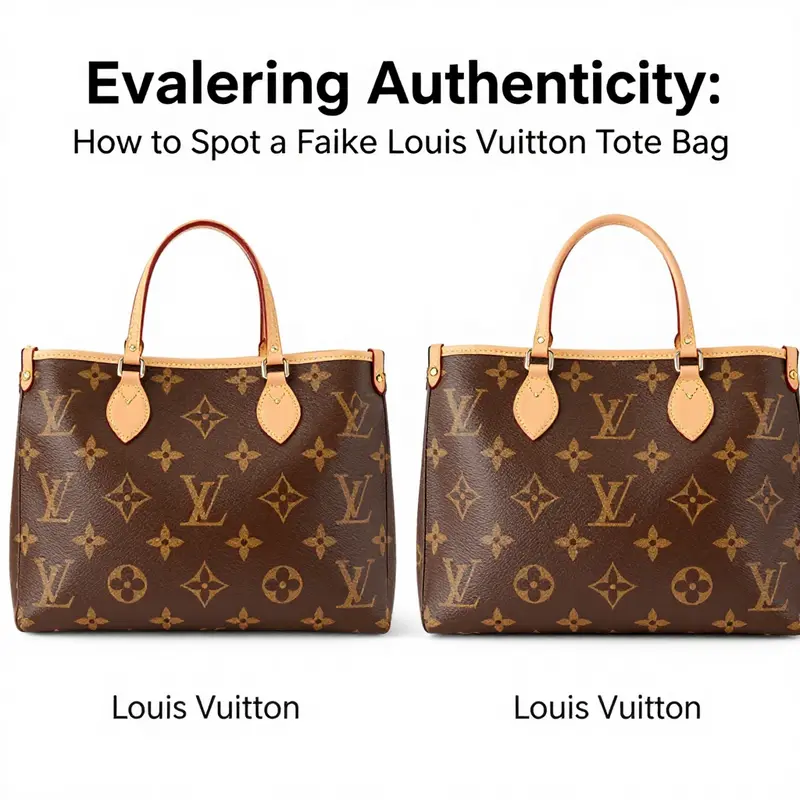
The hardware on a genuine Louis Vuitton tote is more than a decorative note; it is a ledger of the bag’s craftsmanship. Counterfeit manufacturers often cut corners on metalwork, which leaves telltale gaps between what a bag promises and what it can actually deliver. The moment you pick up a tote and run your fingers along its zippers, clasps, feet, and rivets, you are not merely testing durability. You are listening for a record of authentic processes: the materials, the smoothing of edges, the evenness of wear, and the quiet confidence that comes from a finish designed to endure. This is where many fakes betray themselves, and where a trained touch can save you from a costly misstep. The conversation starts with weight and material, but it ends in engraved precision and a finish that remains consistent across every hardware component.
Authentic Louis Vuitton hardware is crafted from high-grade brass or palladium, then coated with a lacquer. This coating isn’t merely cosmetic. It resists tarnish, chipping, and spottiness that can give counterfeit metal an artificial gloss but a fragile underlayer. When you hold a genuine piece, you should feel a reassuring heft. The weight is substantial, yet balanced. It does not feel overly dense or awkward; rather, it exudes an even distribution that matches the bag’s overall mass. The metal’s temperature should be warm to the touch, not cold or strangely inert. A hollow, lightweight feel, or metal that chills your fingers as you touch it, is a red flag. In many counterfeit iterations, zinc alloys or plastic components with metallic paint mimic metal at a glance but fail under touch. They may look the part in a showroom glare, yet they feel hollow and unreliable when tested against real hardware.
The most telling clues come when you examine finish and engraving. Authentic hardware carries engravings that are sharp, precise, and deeply etched. The spacing between letters is consistent, and the edges are clean. No roughness, no smudges, no misalignments—whether you’re inspecting a zipper pull, a buckle, a padlock, or a protective foot, the finish should read as a single, cohesive treatment. In counterfeit pieces, engravings can appear blurry, shallow, or unevenly spaced. The finish may look uniform at first glance, but under direct light you’ll notice inconsistencies—a patchy sheen, a similar hue but with tiny flecks where the coating has worn away, or a chipping edge that reveals a less refined metal beneath. These inconsistencies aren’t just aesthetic flaws; they reveal the shortcuts taken in the production line.
Practical inspection starts with a methodical, tactile approach. Lift the bag and compare the weight of its hardware to your sense of proportion for the bag as a whole. If the hardware feels noticeably lighter than expected, or if the overall heft of the bag seems off, that discrepancy often signals a lower-grade material or a less robust lacquer finish. A simple temperature test can also be informative. In high-quality pieces, the metal maintains a consistent warmth when touched, reflecting its well-designed composition and protective finish. A cold or unusually damp feel can indicate inferior metal or a subpar coating. In brighter light, inspect for uniformity across all metal components. Genuine hardware should reflect light evenly, with a steady, non-distracting luster. Patchy reflections or a dull, uneven sheen can betray a fake.
A crucial detail is the engraving and finish quality across components. Zippers, clasps, rings, and feet—these all should echo a single design language. Look for the same depth of engraving, the same clean edges, and the same level of wear. If one piece looks noticeably crisper or more polished than the others, you’re likely dealing with a mix of parts sourced from different suppliers, or with counterfeit components substituted to mimic the real thing. Real hardware maintains its appearance over time because the manufacturer commits to a uniform finishing process and a lacquer that resists the usual signs of wear. Counterfeit hardware, by contrast, often shows blemishes after light use: micro-scratches, uneven plating, or slight peeling that hints at cheaper alloys or inconsistent coating.
For anyone who wants a practical, hands-on comparison, consider focusing on the mechanism and feel of the zippers in particular. A genuine zipper should glide smoothly, with a crisp, quiet motion. The pull and slider enter the track with a confident, almost tactile snap. There should be no catching, grinding, or wiggle that suggests looseness. The zipper teeth should align perfectly and sit flush against the tape, without gaps or misalignment. If the zipper closes unevenly or sticks at the halfway point, that is not merely a nuisance; it is a symptom of inferior materials or poor assembly. The same standard applies to other moving parts, such as clasps and buckle systems. The action should feel natural, controlled, and repeatable, with all pieces moving in harmony. A inconsistent or jerky motion across different hardware elements can signal inconsistent production quality or the use of generic parts intended to imitate authenticity rather than achieve it.
In assessing consistency, look for uniformity of color and finish across all hardware elements. A single bag should read as a single piece of engineering, with every metal component sharing the same tone, the same lacquer depth, and the same degree of protective coating. If you notice a patchy finish on one foot or a slightly different shade on the zipper, it can indicate a substitution of hardware or poor post-production finishing. Authentic models rely on controlled, repeatable processes; the lacquer is calibrated to withstand wear without exposing the metal beneath. Fakes may employ bright, chrome-like finishes that appear polished in certain light but look out of place in natural lighting or at different angles. The intention behind the coating matters; genuine finishes are designed to be durable, not merely decorative for a brief display.
To deepen your understanding of hardware testing and to see practical demonstrations of these principles, you can explore the detailed zipper-focused guide linked here: tote-bags-with-zippers. This resource illustrates how zipper integrity, track alignment, and slider ergonomics contribute to the overall sense of quality in a genuine piece. While no single detail seals authenticity, the hardware ledger as a whole is a robust framework for assessment. When you combine weight cues, finish consistency, engraving clarity, and the feel of moving parts, you gain a composite signal about the bag’s pedigree. It is the cumulative story that matters, not a single perfect bolt or an isolated gleam on a pull.
Of course, hardware alone cannot confirm authenticity. A robust checkbook of signs includes internal labeling as well as the structure and materials of the bag body. The presence of a well-crafted internal leather patch with a serial-like imprint, a deep print on exterior tabs, and size markings subtly integrated into the leather can strengthen the case for legitimacy. But the hardware story often carries the strongest first impression. A bag can fail for materials elsewhere while still presenting itself well in a glossy showroom, yet hardware that betrays weak materials or inconsistent finishing will almost always do the same in real-world use. That is why seasoned buyers train their eye to read the hardware ledger in parallel with other details.
As you navigate the workflow of confirmation, remember that the most reliable method remains purchasing from authorized retailers or the official brand site. If any doubt remains, consider professional authentication services that handle a broader spectrum of verification aspects. The hardware narrative you read in the metal, the weight, and the engraving is important, but it sits within a larger ledger of authenticity that includes stitching, leather quality, and serial documentation. Reading all these signs together reduces risk and helps ensure that you own a bag whose beauty is supported by truth in its construction and materials.
External reference: https://www.louisvuitton.com/en_us/articles/spotting-a-fake-louis-vuitton-bag
Reading the Hidden Stamp: A Practical Guide to Decoding a Louis Vuitton Tote’s Internal Label
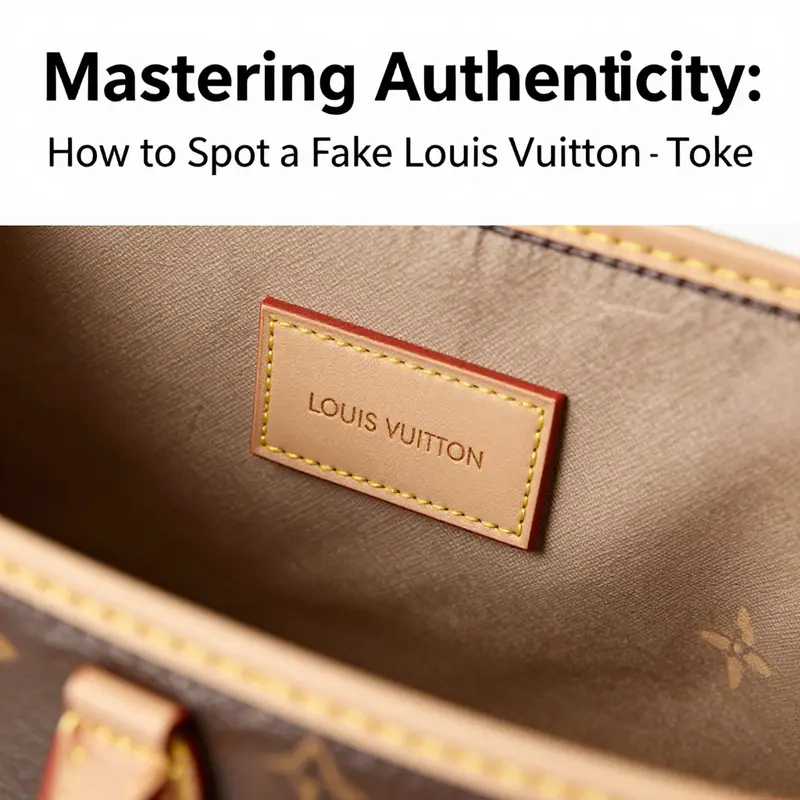
The internal label is often where authenticity reveals itself most clearly. It is a small, deliberate detail. On an authentic tote, this label reflects the same craftsmanship as the exterior. It is not an afterthought. Learning to read it will save time and money. It will also protect you from convincing forgeries that copy surface elements but fail at this subtle level.
Start with the typography. Genuine labels use a precise serif typeface. The letters are crisp and evenly spaced. Look closely at the wordmark and country-of-origin line. Letter shapes must be clean, with sharp edges. Blurry, overly bold, or uneven letters are immediate warning signs. Many replicas use cheaper printing methods that blur fine strokes. Counterfeit labels also sometimes alter capitalization or spelling. Any misspelling, inconsistent capitalization, or odd punctuation is a red flag.
Next examine the label material. Authentic labels are made from sturdy, high-quality leather or a canvas that matches the bag’s interior. The texture feels natural and durable. The edges are finished neatly, without fraying or rough cutting. Fake labels often use thin, plastic-like materials. They may feel flimsy or overly stiff in a cheap way. If the label peels, bubbles, or shows loose threads, treat the piece with suspicion.
Serial numbers deserve careful attention. Genuine serials follow specific formats that vary by production year and factory. Some codes combine letters and numbers in patterns that a trained eye can recognize. The stamp itself is clear and even. The characters are neither too deep nor too light. Counterfeit serials can be smudged or uneven. Some are hand-written or poorly stamped. Others copy serials from authentic bags, so the presence of a serial alone does not guarantee authenticity.
To use the serial number effectively, compare it to known formats and ranges for the model and year. If you cannot verify the format, seek a second opinion. Professional authenticators and official brand resources can confirm whether the code fits the expected pattern. Remember that labels may vary slightly with production runs. Small differences do not always mean a fake. However, glaring format mistakes almost always indicate a counterfeit.
Placement and stitching around the label are simple but powerful checks. Authentic labels are sewn in straight, secure lines. The thread matches the bag’s interior stitching in color and quality. Stitches are consistent in length and tension. Poor alignment, loose stitching, or uneven stitch length suggests inferior manufacturing. Labels glued in place, or stitched with mismatched thread, are suspicious. A genuine label integrates into the bag’s construction, not tacked on as an afterthought.
Pay attention to how the label sits relative to interior panels. On authentic pieces, the label sits flush and centered according to the model’s specifications. Misplaced labels, ones lifted at the corners, or labels that sit crookedly inside the bag are telltale signs of a forgery.
The printing technique also matters. High-quality brands use methods that produce an impression with a slightly shallow, embossed feel or a clean heat transfer. The print should not flake or rub off easily. If the brand name or country-of-origin text fades after light rubbing, the label is likely inauthentic. Also, look for consistent spacing and alignment between lines of text. Odd gaps or overlapping characters are poor workmanship indicators.
Consider the label in context. A perfect label cannot save poor overall craftsmanship. If the label looks authentic but the bag shows sloppy stitching, uneven monogram alignment, or low-quality hardware, treat the bag as suspect. Authentic pieces maintain consistent quality across components. Conversely, if the bag’s exterior is pristine yet the label appears cheap, this mismatch should raise concerns.
Serial number reuse and copycats present modern threats. Scammers sometimes copy authentic serials from other bags and place them on fakes. If a serial number appears in multiple online listings, it is likely being reused. A quick web search of the code can reveal duplicates. Avoid buying a bag with a serial that shows up in many different contexts.
Aging and patina are part of a label’s story. Genuine leather labels may change color subtly over time. The leather grain may soften and show natural wear. Counterfeit labels often age poorly, developing odd discoloration or cracking in unnatural patterns. Genuine patina looks organic and matches the bag’s age. Beware of artificially aged labels that try to mimic genuine wear.
When uncertainty persists, cross-compare. Look for reference images of the same model and year from reliable sources. Check label shape, placement, and print style against multiple authentic examples. Small variations exist across production years and factories, so rely on patterns rather than exact pixel matches. If possible, view the exact model in an authorized setting. This side-by-side comparison often reveals differences that photos hide.
If you plan to buy a pre-owned tote, request clear, close-up photos of the label, the stitching around it, and the surrounding interior. Ask the seller to tilt the camera to reveal the texture and depth of the stamp and to rub a finger lightly across the text. Sellers unwilling to provide detailed images or evasive about label details should be avoided.
Finally, combine label inspection with other authenticity checks. Examine monogram alignment, leather trim and scent, stitching consistency, hardware finish, and the bag’s overall feel. The internal label is a central clue, not the sole determinant. Use it as a forensic tool among others.
If doubt remains, seek professional authentication. An expert can analyze serial formats, compare microscopic printing characteristics, and evaluate material composition. Official brand resources can also offer guidance. When doubts persist about a purchase’s legitimacy, investing in authentication can prevent costly mistakes.
For broader context on tote constructions and materials, including comparisons with canvas designs, see this guide on women’s canvas tote bags. For official guidance on identifying authentic pieces, consult the brand’s own resources: https://www.louisvuitton.com/en_us/articles/identifying-authentic-louis-vuitton-products
By reading the internal label like a careful examiner, you gain a reliable edge. Look for sharp typography, correct wording, durable material, clear serial formats, and neat stitching. Cross-check these findings with the bag’s overall build quality. This method will help you separate genuine totes from convincing imitations with greater confidence.
Final thoughts
Incorporating the details outlined in this guide ensures that you are empowered to recognize authentic Louis Vuitton products. By scrutinizing logo alignment, leather quality, stitching techniques, hardware finishes, and internal labels, business owners can make wise investments. Genuine Louis Vuitton products not only embody luxury but also sustain brand integrity. Prioritize authenticity in every purchase and elevate your business’s reputation among discerning consumers.