
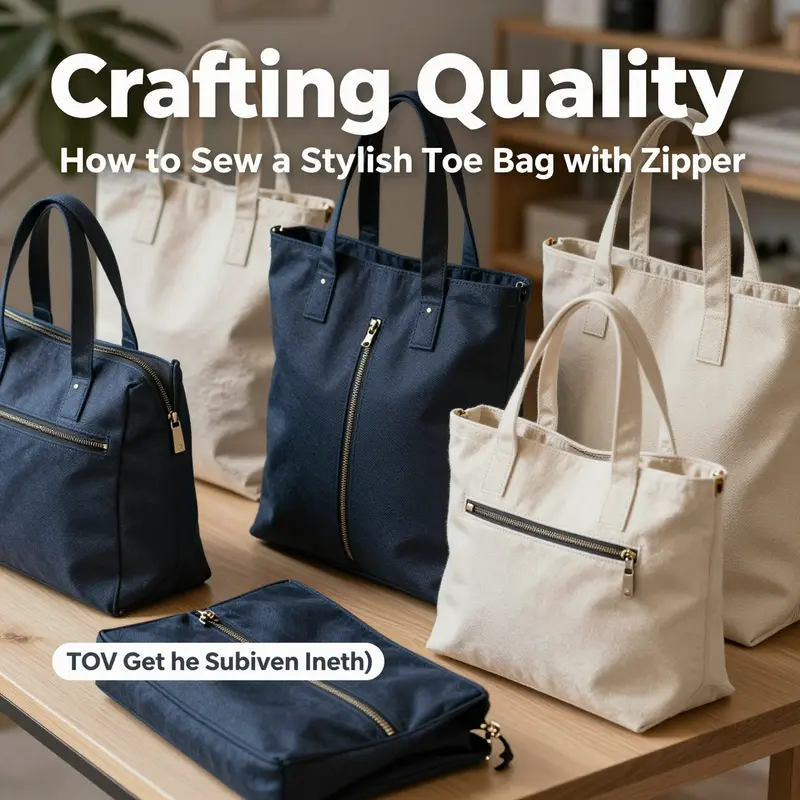
Creating a tote bag with a zipper is more than just a sewing project; it’s an opportunity to enhance your product offering as a business owner. Whether you’re specializing in custom accessories or looking to expand your merchandise line, mastering the skill of sewing tote bags is invaluable. This guide will navigate you through the critical stages, from cutting materials to perfecting the finishing touches, ensuring that your finished product is both functional and appealing. You’ll learn how to select your materials thoughtfully, apply techniques for zipper attachment, sew the outer and lining sections effectively, and implement finishing touches to elevate your design. Each chapter focuses on practical steps and techniques, weaving a comprehensive narrative that supports your aims as a business owner.
Cutting the Right Fabric for a Durable Zippered Tote: Precision Prep for a Sturdy Bag
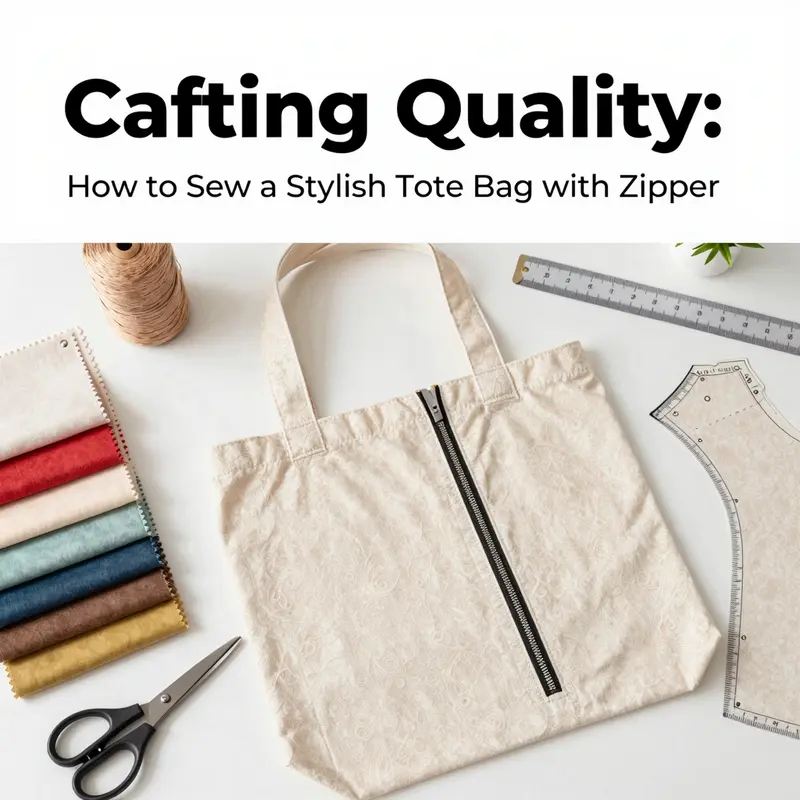
Cutting is the foundation of a durable zipper tote. This stage turns your design into the fabric pieces that will carry weight and daily use. For a tote with a zipper, plan outer fabric, lining, a bottom piece, and any interfacing or padding to preserve structure. Choose sturdy outer fabrics such as cotton canvas for strength and a clean hand, or tightly woven linen for a refined look. The lining should be lighter and easy to sew, like a cotton or polyester blend. A zipper around 12 to 18 inches for a medium tote provides smooth operation with minimal bulk. Cut two outer panels, two lining panels, and a bottom piece sized to fit the main panels with about 1 cm seam allowance. Align grain direction to preserve drape, and consider color coordination between outer and lining. If using upcycled materials, adapt the pattern to accommodate seams and wear while keeping the same piece count. Label pieces clearly, trace exact shapes, and cut with sharp scissors or a rotary cutter for crisp edges. A thoughtful cutting plan sets you up for clean assembly, a neat top edge, and a tote that holds its form when loaded.
Zipper Mastery in Tote Bags: A Seam-Savvy Guide to Attaching and Finishing
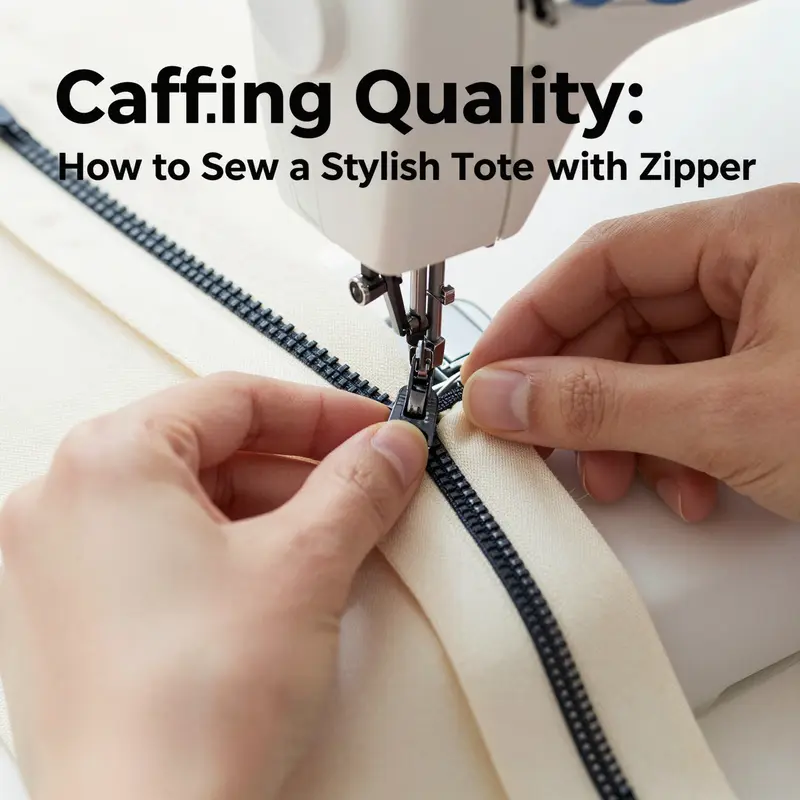
The zipper at the top of a tote bag does more than close the bag; it anchors the proportions, defines the opening, and often signals the quality of the finished piece. When sewing a tote with a zipper, the goal is a clean, secure top edge where the zipper sits flush and the lining and outer fabrics align without pucker or twist. The process benefits from thoughtful preparation, careful alignment, and a calm, deliberate sewing rhythm. The method you choose—whether you favor a straightforward approach or a more secure, fully sandwiched technique—depends on your comfort with machine footwork and your desired finish. What remains constant is the attention to the grain of your fabric, the stability of your zipper, and the precision of your seam allowances. With the right mindset, attaching a zipper becomes less a hurdle and more a defining moment of the bag’s construction, one that supports durability and a professional appearance over time.
Begin with a clear plan for your tote that respects both form and function. Outer fabric should be sturdy enough to handle daily use; a durable cotton, canvas, or linen works well. For a medium-sized tote, you might prepare two identical outer panels and two matching lining panels, each cut to a size such as 24 cm wide by 20 cm high, including a 1 cm seam allowance. A bottom piece, cut to the width of your main panels and a height equal to the panels plus an extra 2 cm for a small hem, completes the basic shell. A zipper in the range of 12 to 18 inches provides a versatile opening, while matching thread keeps the finish cohesive. With these pieces laid out, the zipper becomes the star player that ties the entire bag together.
One of the first decisions is how you want the zipper to meet the outer fabric and lining. The most approachable method mimics a zipper inserted into a simple pocket, and it’s an excellent starting point for beginners. The alternative method is more secure and forms a continuous line of stitching around the zipper, binding both sides of the bag and the zipper in a single, uninterrupted seam. Either path can yield a professional top edge, but the nuance lies in how the zipper is anchored to the lining and outer layers before the main seam is closed. The underlying principle remains constant: keep the zipper centered along the opening, ensure the teeth align with the raw edges, and maintain an uninterrupted top edge when the bag is finished.
To begin the zipper attachment, you’ll first prepare the lining. Place the two lining pieces right sides together and sew along the top edge, leaving the center open for the zipper. This creates a lining tunnel that anchors the zipper within the bag’s interior rather than at the outer surface alone. Then, with the zipper ready, place it face down onto one of the lining pieces, aligning the zipper teeth with the seam allowance. Sew the zipper to the lining using a zipper foot, stitching close to the teeth on both sides. This secures the zipper to the lining and establishes a stable channel for the next step. Repeat this operation for the other side of the lining, ensuring both sides are symmetrically prepared. The result is a coordinated, double-sided setup where the zipper sits snugly between lining panels, poised for the outer fabric to come into play.
Now the outer fabric comes into focus. With the outer pieces right sides together, position the assembled lining and zipper inside, with the zipper facing up. Align the raw edges of the outer fabric with the raw edges of the lining, making sure the zipper remains centered and not twisted. At this stage, the two fabrics form a sandwich: outer fabric on the outside, zipper in the middle, and lining inside. Sew around the top edge of the tote bag, joining the outer layer to the lining and locking the zipper in place along the seam line. This top-stitch line should be close to the zipper teeth, ensuring the finish is neat and the zipper teeth remain accessible for smooth operation. The careful alignment at this moment determines how well the bag will sit when carried and how the zipper will perform with everyday use.
Finishing the top edge is a crucial moment. After the outer and inner layers are stitched together, turn the bag right side out through the opening left in the lining. A well-timed press helps flatten the seam and define the top edge, creating a crisp line that echoes the professional finish seen in store-bought bags. A flat, pressed top edge also helps the zipper sit evenly, reducing the chance of snagging or misalignment during operation. When the top edge looks neat and square, you can close the lining opening with either a short hand stitch or machine stitch. The choice depends on your preference for a nearly invisible finish or a slightly more visible seam that maintains flexibility.
There is also value in considering an optional bottom treatment. Adding a bottom piece to the outer bag provides a flatter base and a more polished silhouette. If you choose to include a bottom, attach the bottom piece to the outer bag along the raw edges, then secure the lining to the bottom piece in the same way. This step can elevate the overall look and help the bag stand upright, even when lightly filled. It is important to align the bottom with the side seams and ensure the seam allowances remain consistent. The result is a tote with a stronger structure and a cleaner silhouette, especially beneficial for heavier loads or when you want the bag to retain its shape.
Turning the bag right side out completes the primary construction. Use a blunt tool, such as a pencil, to push out the corners and edges so they appear crisp and square. Gently work each corner until the bag takes a stable form. The act of turning can reveal minor misalignments or uneven areas that might need a quick restitch or press. After turning, check the top edge to confirm the zipper’s alignment remains true and that the lining sits evenly against the outer fabric. A final pass with the iron, followed by a careful hand-stitch or machine finish along the opening of the lining, will keep the edge secure and invisible from the outside.
The technique you choose for attaching the zipper can be tailored to your confidence and your bag’s intended use. The first method—where the outer panels are sewn together along the top edge with the zipper inserted between the two outer pieces—offers a simpler workflow. It works well when you want to keep the assembly straightforward and minimize handling of multiple layers. The second method, which involves pinning the zipper face down to one outer piece, then nesting the second outer piece on top and stitching around to encircle the zipper, creates a more secure, continuous line. This method tends to yield a more durable top edge, especially under frequent use, and it reduces the risk of the zipper becoming detached from either layer during heavy loading. Each approach has merit, and both begin with precise alignment of zipper teeth to raw edges, a step that pays dividends as the bag comes together.
Beyond the mechanical steps, a subtle but powerful part of zipper mastery is how you manage the top edge’s finish. After attaching the zipper and sewing the outer and lining together, a thoughtful press can dramatically refine the look. Press along the top edge with the zipper in place to set the seam, then open the bag and check for evenness. If you notice any wobble or tilt in the zipper tape, you may need to reseat the stitching a hair closer to the teeth on one side, repress, and recheck. The goal is to have a top edge that lies flat and square, with the zipper teeth fully engaged and the pull accessible from the outside. When done well, the top edge reads as a single, continuous line, with no visible gaps or puckers along the seam.
As you move from raw pieces to a finished tote, a few practical tips help ensure your zipper remains reliable over time. Always clip or pin with the zipper closed to prevent shifting that can misalign the teeth. When you fold and press, use a press cloth to protect the zipper from heat and avoid melting any plastic components. If your fabric is prone to fraying, apply a light seam edge finish along the raw edges before assembling, so the zipper sits on a clean, stable surface. Take a moment to test the zipper once the bag is assembled. Open and close a few times to confirm smooth operation and to verify that the top edge remains flush and doesn’t ride up or pull away from the zipper tape.
In this journey from flat pieces to a fully functional tote, you have learned to balance structure and flexibility. The zipper is not merely a functional component but a design element that frames the bag’s opening and anchors the bag’s interior organization. The simple act of stitching the zipper to the lining, then sandwiching the outer fabric around it, creates a robust, professional finish that stands up to daily use. And because you planned for a bottom piece, if you chose to include it, the bag gains stability and a more refined silhouette. The process mirrors many sewing projects in spirit: prepare carefully, align precisely, stitch with intention, and finish with care. For readers seeking broader inspiration beyond the specific steps outlined here, a quick exploration of other tote designs with zippers can be helpful. For more examples and design ideas, see the guide on tote bags with zippers.
If you’re a visual learner, you may benefit from watching an illustrated walkthrough to complement the written steps. A video tutorial demonstrates the same sequence, including how to prepare two lining panels, attach the zipper to the lining, position the outer fabric, and finish the top edge with the zipper securely enclosed. The video provides a steady pace and close-up views of foot alignment, seam placement, and how to press without distorting the fabric or the zipper teeth. External resources can expand your understanding of the subtleties involved, from maintaining even tension on the feed dogs to ensuring that the final edge looks seamless and professional.
In sum, mastering zipper attachment in a tote bag blends technique with attention to detail. The choice of method should reflect your comfort level and how you envision the bag’s daily life. Whether you opt for the simpler, pocket-style approach or the more secure, fully enclosed stitch line, the outcome can be both functional and aesthetically pleasing. When the zipper sits neatly between the lining and the outer fabric, and the top edge lies flat and true, the bag earns a quiet confidence that signals care and craftsmanship to anyone who handles it. And as you gain experience with these steps, you’ll discover that the same principles—alignment, stability, and a clean finish—apply to many other zipper-enabled projects, reinforcing a storytelling thread about how a well-sewn zipper can elevate the entire handmade piece.
External resource: to supplement your learning with a practical demonstration, you can view a detailed video tutorial at the following external link: https://www.youtube.com/watch?v=5jLkGdQ7yV0.
Stitching the Shell: Crafting the Outer Fabric and Lining for a Sleek Zippered Tote
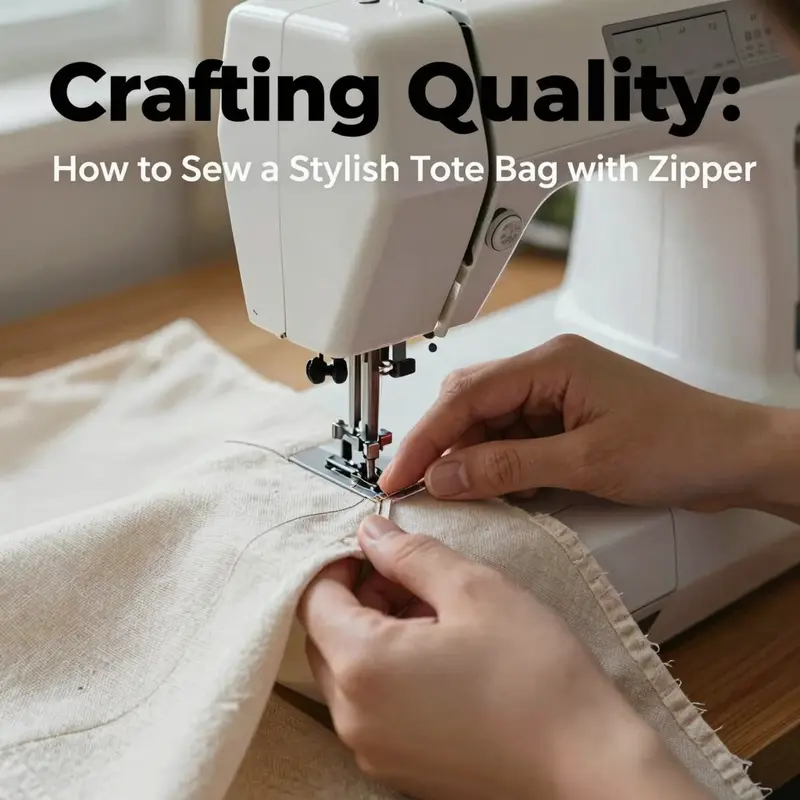
Sewing a tote bag with a zipper hinges on the quiet but crucial collaboration between the outer shell and the lining. When these two layers are cut to harmonious dimensions and prepared with thoughtful details, the bag gains structure, balance, and a clean finish that makes the zipper feel like a natural extension of the design. In this chapter, we move through the process of creating the bag’s exterior and its interior as a unified piece, a pairing that will carry everything from a city notebook to a midday coffee and a few market purchases. The goal is not merely to assemble fabric and thread, but to craft a shell that withstands daily use while presenting a neat, professional edge. A common starting point for a small tote is to cut both outer and lining fabrics to the same dimensions, for example around 28 cm in length and 14 cm in height. This proportion yields a compact silhouette that sits comfortably against the body when carried over the shoulder or in hand. If the fabric you choose is lightweight or drapey, adding a fusible interfacing can lend the bag needed structure. A modest 60 g non-woven interlining is a practical option to keep the tote’s lines crisp without adding bulk. Applying interfacing to the wrong side of the outer fabric helps resist sagging at the top and hooding at the bottom, especially when the bag is loaded with items. As you decide on your interfacing, consider the fabric’s weight and your intended use. A stiffer outer shell holds its shape better for tote styles that favor a boxy form; a softer shell creates a relaxed, slouchy tote. Either choice works well, as long as you plan for the zipper and top edge treatment from the outset. The zipper itself is a critical detail that can make or break the bag’s finish. A 14 cm zipper is a practical choice for a small tote open with enough room to reach in and out comfortably. You can opt for a traditional tape zipper or a more craft-friendly variant such as a magnetic or tape-based zipper designed for handcrafting. The advantage of a specialized craft zipper is that its tape lies flat and can be easier to align with the top edge when you are sandwiching it between the outer fabric and the lining. If you do choose a standard zipper, you can streamline the edges by removing the teeth at both ends with pliers and folding the raw edges inward to create neat, reinforced corners. This technique yields a polished look at the corners, a detail often associated with handmade bags that feel both durable and refined. Once the choice of zipper is settled, plan how to attach it. You have two primary approaches, and the decision often reflects your fabric weight and your confidence with a zipper foot. Method one, the simplest, has you place the outer fabric pieces right sides together and pin along the top edge where the zipper will sit. The zipper tape is aligned with the raw edges of the outer pieces. Sew the zipper in place with a zipper foot, keeping stitch lines close to the teeth on both sides. This approach reads well for pocket-style zippers and offers a quick path to a neat finish. Method two is more secure, especially when you want the zipper to feel fully anchored to both sides of the bag. In this method you pin the zipper face down onto the right side of one outer piece, then lay the second outer piece on top, right side up, so the zipper is sandwiched between the two layers. Sew the zipper to the first outer piece, then to the second, producing a continuous line of stitching along the entire zipper. This creates a robust connection that resists strain from heavy loads and repeated opening and closing. Either method emphasizes accuracy and alignment; the goal is a smooth, evenly spaced seam that sits just below the top edge to keep the zipper tucked neatly inside the seam allowance. After securing the zipper to the outer pieces, you proceed to form the outer bag. With the zipper now attached, sew the two outer pieces together along the sides and bottom using a consistent seam allowance. A 1 cm seam allowance provides enough room for the fabric to lie flat without gathering, while still delivering a sturdy seam. Backstitch at the beginning and end to ensure the edges won’t pull apart under use. When this stage is complete, turn the outer bag right side out so you can assess the silhouette and bingo—your zipper’s edge begins to read as part of the bag rather than a separate component. The lining is prepared in parallel, a step that keeps the process efficient and organized. Sew the two lining pieces together along the sides and bottom, mirroring the outer bag, and leave the top open. This opening isn’t a flaw; it is a designed opportunity for turning the bag later and for ensuring a clean, finished edge around the zipper. The lining should be turned right side out to reveal its interior, then aligned to the outer shell when you are ready to integrate the two layers. The next phase requires precise alignment, because the top edges must meet evenly and the zipper must be neither twisted nor offset from the center. Place the lining inside the outer bag with the right sides facing each other, so that the top edges align. The zipper is carefully aligned to sit at the same top edge as the bag, ensuring the slider operates smoothly when the two layers are joined. Pin the top edges together, taking care to keep the zipper from catching and to avoid shifting the lining during stitching. Sew around the top edge to secure the lining to the outer bag. The seam caught in this step becomes the visible finish of the bag’s opening, so a clean line is essential. The exact distance from the top edge when you stitch the zipper to the outer fabric will depend on your chosen method. If you followed the sandwich approach, you would typically stitch along the top edge about 0.3 to 0.5 cm below the top edge because the zipper tape sits in this region. This creates a refined, hidden seam that gives the bag a professional appearance, even in a handmade project. After this top-stitch, flip the piece over to check that the lining is now visible on the inside and the zipper is enclosed within the seam allowance. A quick press helps to set the line and reduce bulk at the corners. At this stage you can consider adding a bottom piece or additional structure to the outer bag for more stability. If you choose to reinforce the bottom, attach a bottom panel along the raw edges of the outer bag and then secure the lining to this bottom panel in the same way you did with the sides. This approach creates a more defined base, allowing the tote to stand upright when placed on a surface and reducing the chance of the bag collapsing or bulging when filled. If you want a sleeker silhouette while maintaining structural integrity, adding a thin bottom piece can be ideal. The overall balance between the outer fabric and the lining matters in how comfortably the bag sits and how evenly the zipper reads when the bag is opened. With the outer and lining joined at the top, you have established the opening and the bag’s general shape; now it is time to finish the interior and the exterior as a cohesive unit. Turn the bag right side out through the opening left in the lining. As you push the corners through, use a blunt tool such as a pencil to push out the corners for crisp edges. This step is small but transformative: it gives the bag a clean, professional appearance that is often missing when corners are left soft or rounded. Once the turning is complete, you will stitch the lining opening closed by hand, using a ladder stitch or a blind hem stitch. This final hand-sewn edge is understated, but it contributes to the bag’s overall durability and refined look. For a little extra security and polish, you might consider installing a snap fastener near the top edge of the bag’s closure. A small snap helps keep the bag closed when not in use, protecting the contents from small items escaping and reducing the risk of the zipper catching on fabric when the bag is set down on a surface. The key to a satisfying finish lies in attention to alignment, a patience for pressing, and a willingness to adjust as you sew. A consistent seam allowance, careful zipper placement, and clean edge finishes all contribute to a tote that looks and feels like a thoughtfully crafted everyday accessory rather than a quick project. As you proceed, you will likely find your own refinements—perhaps you prefer a narrower seam at the top or a slightly wider top edge to accommodate a wider opening. These small decisions often reflect how you plan to use the bag and the fabric you’ve chosen. The beauty of sewing is that you can tailor the process to your own hand and your own aesthetic while preserving the fundamentals: matching the outer and lining pieces, aligning the zipper accurately, and finishing with a seamless top edge. If you want to explore more variations on zippered totes, see this collection of tote bags with zippers. This internal reference helps you visualize how different fabrics, zipper styles, and closures can change the final look of a zippered tote while keeping the core technique intact. As you gain experience, you can apply the same core principles to larger or more complex designs, confident that the outer shell and the lining will work in harmony around your zipper. For readers who benefit from a visual guide, a detailed step-by-step tutorial offers diagrams and tips tailored for beginners and seasoned sewists alike, reinforcing what you have learned in this chapter. Remember that the zipper is the hinge on which the entire bag rotates; when the balance between outer fabric and lining appears right, the rest of the construction will feel intuitive and sturdy. If you observe any misalignment after the first test run, recheck the top seam and the zipper placement, and adjust before applying final stitching. With these considerations in mind, your zippered tote emerges as a durable, stylish piece ready for daily life. Internal link note: to see more about zipper variations and tote designs, visit the resource linked earlier for broader context and examples of how the outer shell and lining interact across different bag styles.
External resource: https://www.allthecrafts.com/sewing-tutorial-simple-zippered-tote-bag/
Polished Precision: Finishing Touches that Elevate a Zippered Tote Bag
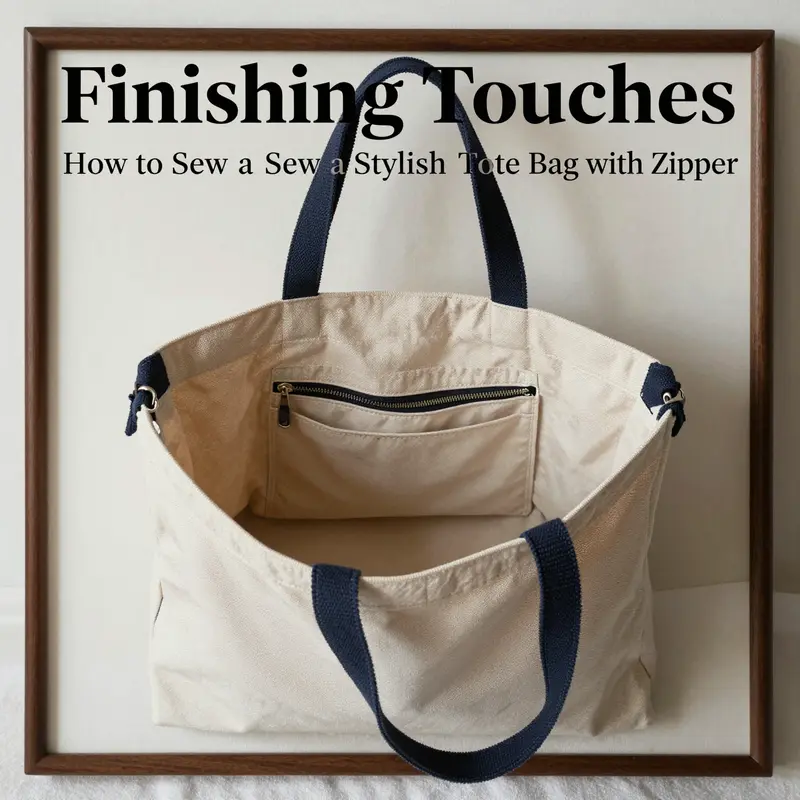
Finishing a zippered tote is not a mere afterthought; it is the place where durability, usability, and aesthetics converge to transform a simple project into a dependable everyday bag. The zipper, once sewn, becomes the hinge of daily use, and the care you invest in reinforcing that area will pay dividends in years of reliable service. When you approach finishing as a deliberate, technically informed step, you move beyond stitching pieces together to creating a bag that holds its shape, endures stress, and looks consistently tailored. This is where the art of finishing meets the science of construction, and the difference shows in how the bag feels in your hands and behaves when loaded with groceries, books, or a laptop in its sleeve. The finishing touches we discuss here build on the precise steps you already followed to join the outer fabric and lining; they are the refinements that elevate a functional prototype into a durable, user-friendly accessory.
First, address the zipper area with a quiet, purposeful reinforcement. The zipper is a high-stress point where the fabric endures the repeated tug of opening and closing, sometimes while the bag is full or when the contents shift. A practical approach is to apply a stabilizing strip or a small piece of interfacing behind the zipper seam on the outer fabric. This shield helps distribute stress away from the seam allowance and zipper tape, reducing the chance of fabric fray or zipper teeth catching on a stray thread. You can cut a narrow strip from a scrap of your outer fabric or a coordinating fusible interfacing and iron it to the fabric behind the zipper seam before you topstitch. The aim is not to create bulk, but to add a whisper-thin resistance to the line of force that runs along the zipper. When you use a stabilizing piece, you’ll notice the zipper lies flatter and the area around it stays crisp rather than puckering as you move the slider.
The zipper pull deserves a moment of careful consideration as well. A well-secured pull that sits comfortably in your hand makes a world of difference in everyday use. Ensure the pull is firmly attached to the zipper slider and that the slider glides smoothly with minimal effort. If the pull feels loose, verify the stopper stops are intact and that the slider is properly seated on the zipper teeth. A pulled-apart pull leads to misalignment and frustrating snagging at the edge of the bag. If you’re working with upcycled or altered pulls, check that the rivet or metal attachment is tight and that there’s no wobble that could cause the slider to shift from side to side during use. The ergonomics of the pull matter; a larger or cushioned pull can be more comfortable when you’re carrying a heavier load or when you’re in a hurry to grab the contents. Small adjustments here—sometimes simply replacing a damaged pull with a clean, sturdy one—pay dividends in long-term satisfaction.
Decorative accents, while optional, can lift the tote from utilitarian to expressive. A contrasting piping along the zipper opening can draw the eye to the finish line of the bag and serve as a subtle design cue that ties the exterior to the interior lining. A branded label or a small tag near the closure can anchor the bag’s identity, especially if you’re making multiple totes for friends or a small collection for a shop display. When you consider decorative details, keep balance in mind. The goal is to enhance the bag’s aesthetic without compromising its function or increasing the likelihood of snagging on door handles or backpack straps. A clean, minimalist finish with a single, thoughtful accent is often more sophisticated than a busier, more ambitious treatment that risks catching on fabric or hardware.
Durable construction is the backbone of finishing. Consider doubling the stitching in the most stressed corners and at the base where the bag bears the weight of its contents. A single row of topstitching around the top edge is aesthetically pleasing, but adding an additional row or reinforcing the corners with a short, tight square of backstitching at the exterior seam lines can dramatically improve longevity. When you double-stitch, you’re not merely adding weight to the seam; you’re distributing tension over a broader area, reducing the chance that a single thread will fail under load. If your fabric is particularly heavy, such as canvas or a dense linen, you may want to test a longer stitch length for the external seams to keep the fabric from binding, then shorten the stitch slightly for the top edge and near the zipper to maintain control and a clean line. The objective is resilient seams that resist popping and a bag that keeps its shape with time.
Professional finishing also rests on a well-pressed and precisely formed top edge. After you attach the lining to the outer bag at the top, give the seam allowance a thorough press so the edge sits flat and true. A carefully pressed top edge not only looks polished, it also helps the zipper lie evenly along the opening, which is essential for smooth operation. Use a medium heat and a pressing cloth to avoid shine on dark fabrics. A crisp edge will hold its shape better when you stuff the bag or store it upright in a closet. Once pressed, topstitch around the upper edge to secure the lining and outer fabric in a clean, finished line. This topstitching often serves a dual purpose: it tightens the finish and adds a subtle accent that accents the color and texture of your chosen fabrics.
The process of finishing should also involve a thoughtful consideration of fabric behavior. Different materials respond in unique ways to seam allowances, interfacing, and topstitching. A sturdy cotton canvas behaves differently from a lighter linen or a soft, natural cotton. Heavier fabrics can benefit from a slightly reinforced seam allowance at 1 cm with backstitching, but you may also choose to slightly widen or narrow your seam in areas that feel particularly stressed in practice. If your lining is a smoother fabric, ensure the top edge remains aligned with the exterior seam lines after turning the bag right side out. Misalignment here can give a bag a skewed silhouette that detracts from the professional look you’re aiming for. In practice, the finishing touches hinge on repeatable, careful steps: reinforce, align, press, topstitch, test, and adjust. Each bag you sew teaches you how the fabric behaves at the zipper and along the edges, and those lessons translate into more confident finishes with future projects.
Testing the finished product is a practical form of finishing. After you’ve completed the top seam and the zipper, test the bag with a realistic load. Open and close the zipper with both hands, and then with one hand while the bag sits on a flat surface. Check for any catching or resistance at the seam lines. Feel along the top edge to ensure there are no visible puckers. If you notice any waviness along the finished edge, return to the top edge and re-press or re-sew a small section, making sure to keep the stitch length consistent and the tension even. A bag that passes the test is not simply a matter of stitching accuracy; it’s a testament to careful fabric handling and consistent technique. If the zipper seems stiff, consider a very light lubrication using a dry fabric-safe conditioner or a tiny amount of wax on the zipper teeth, but use caution to avoid staining the fabric or attracting dirt. The goal is smooth operation and an edge that remains neat after repeated use.
In some designs, the bottom deserves its own quiet finishing touch. A bottom reinforcement, whether as a separate bottom piece or as an extended panel that forms a shallow base, helps the tote keep its shape under weight. If you’ve chosen to add a bottom piece, finish its edges with the same careful care you applied to the top edges: reinforce where needed, align with the outer panels, and ensure it sits flush against the lining. When the bag rests on a flat surface, the bottom should resist crumpling and not bow under load. For everyday practicality, consider how the bottom interacts with the lining as well; a well-fitted bottom minimizes bulk at the corners and maintains a clean silhouette. The cumulative effect is a tote that not only carries a load but also presents itself with confidence and balance, a product of deliberate, well-executed finishing.
As you complete these finishing touches, keep in mind the broader arc of your project. The tote bag with a zipper is a versatile, reliable object that will accompany everyday routines, work commutes, or weekend errands. Your finishing choices—stability behind the zipper, a secure and comfortable pull, tasteful decorative details, reinforced corners, crisp pressing, and thoughtful bottom construction—collectively define the bag’s utility and its perceived quality. Those decisions aren’t just about appearance; they shape how the bag behaves under real-world conditions. A zipper that operates with ease, reinforced stress points, and a clean top edge all communicate craftsmanship. They tell the user that this bag was designed with attention to both form and function, that it can endure the daily rhythms of life without losing its shape or its integrity.
If you’re seeking further inspiration or want to explore variations that align with different styles, you can look at a range of tote designs that incorporate zipper closures. These references can broaden your sense of how finishing details adapt to different aesthetics while maintaining durability. For a broader sense of how zippers anchor the tote design, you can explore other examples of tote bags with zippers, such as this repository of zipper-equipped totes: tote bags with zippers.
Beyond technique, finishing a zippered tote is an invitation to practice restraint and precision. It’s about choosing where to let a seam remain visible and where to hide a seam for a cleaner line. It’s about balancing the need for structural reinforcement with the desire for a comfortable, easy-to-use bag. It’s about knowing when a feature is necessary and when it’s purely decorative. The ultimate measure of success is a bag that feels solid in your hands, that glides along the zipper with minimal effort, and that retains a tidy, professional appearance after repeated use.
In the realm of sewing, the finishing touches often reflect a craftsman’s philosophy: begin with strong fundamentals, then refine until every edge sits perfectly, every seam lies flat, and every detail contributes to the bag’s overall harmony. When you approach your zippered tote with that mindset, you’re not just completing a project—you’re building a reliable tool for everyday life, a small personal achievement that translates into practical confidence each time you reach for it. The result is a tote that wears well, behaves predictably, and represents your growing mastery of the craft. As you move forward to new designs, carry the same commitment to finish, and you’ll continue to produce totes that look as good as they perform.
External resource for inspiration and visual reference: https://www.pinterest.com/pin/1234567890/
Final thoughts
Sewing a tote bag with a zipper is not just about completing a single project; it’s about creating a product that meets customer demands while showcasing your craftsmanship. By carefully cutting your materials, employing effective zipper techniques, accurately sewing both the outer and lining, and incorporating thoughtful finishing touches, you enhance both the utility and aesthetic appeal of your bags. These skills not only expand your product line but also provide unique offerings in a competitive market, ensuring your business remains at the forefront of quality craftsmanship. Equip yourself with these techniques, and watch your business flourish with beautifully crafted, functional tote bags.