
Sewing a tote bag with a flat bottom is an excellent way for businesses to elevate their product offerings. Whether you are looking to produce eco-friendly promotional items or a stylish accessory for your clientele, understanding the intricacies of crafting a well-structured tote bag can significantly enhance your brand’s appeal. This article will unravel the essential tools and materials needed to begin, provide a step-by-step guide for construction, and explain the importance of a flat-bottom design in offering functionality and style. By exploring these chapters, business owners will gain valuable insights to create durable and attractive tote bags that resonate with customers.
The Quiet Architecture of a Flat-Bottom Tote: A Thoughtful Toolkit for Durable, Stand-Up Style
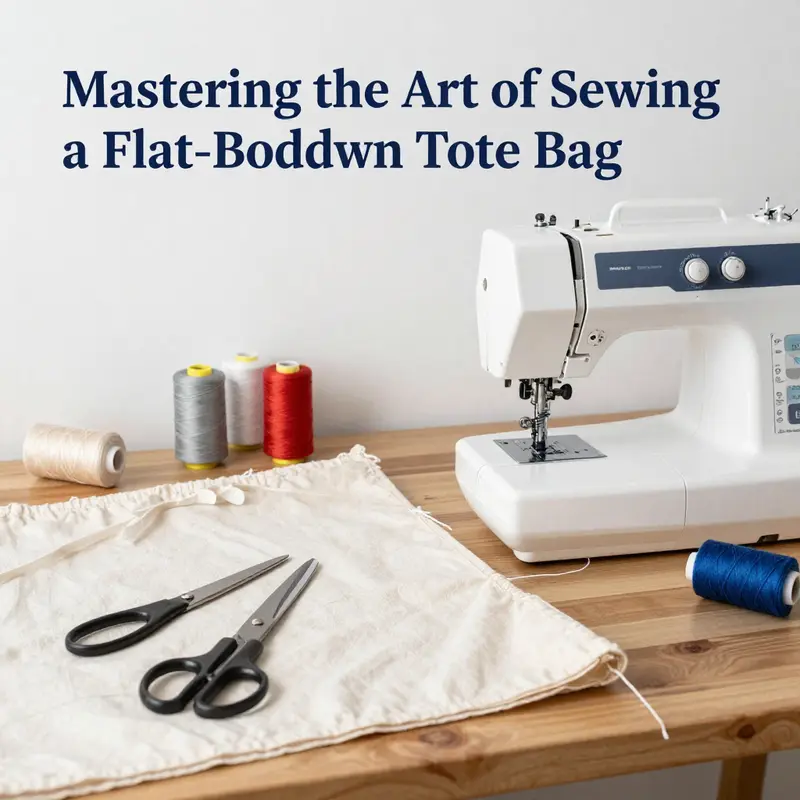
Tools matter as much as technique when you set out to sew a tote bag with a flat bottom. The project is at once practical and expressive, and the right toolkit helps you translate your ideas into a bag that sits upright, carries weight gracefully, and wears well over time. Rather than a laundry list of gadgets, imagine a conversation with a trusted maker friend who carries just what you need and explains why each item belongs in the kit. The tools and materials you choose shape every seam, every edge, and every crease that defines the bag’s quiet, architectural look. From the fabric you select to the final press of the base, each choice supports the flat bottom’s stability and the bag’s everyday usefulness. Inside this discussion, the emphasis remains practical, with a clear throughline: sturdy materials plus thoughtful construction equal a tote that stands on its own, ready to walk into the world with you.
Begin with fabric, the skin of your bag. For a tote that holds its shape and endures daily use, sturdy woven fabrics are your best ally. Cotton canvas, denim, and twill are reliable starting points. Canvas offers a crisp surface that accepts sharp creases when pressed and responds well to interfacing. Denim brings a bit more heft and casual texture, while twill balances strength with a softer hand. The weight of the fabric matters as much as the type. Two outer panels plus two lining panels form the core of the project, and the weight you choose for each layer should harmonize with the overall design and how you plan to carry the tote. If you anticipate heavier loads—books, groceries, a laptop sleeve—the heavier end of medium-weight fabrics or a tailored mix can keep the bottom from sagging while allowing the sides to breathe and drape gracefully.
In the realm of structure, a layer of interfacing can be a decisive ally. Fusible interfacing, used sparingly and strategically, stiffens the base and the side panels without adding bulk in unexpected places. A fusible option gives crisp lines where the base meets the sides, and it helps the bag keep its upright silhouette when it’s empty or lightly loaded. For those who prefer a lighter touch, a non-woven interlining of around 60 grams provides discreet reinforcement that still feels flexible and comfortable against the body. The choice between interfacing options often comes down to personal preference and the fabric’s own drape. The goal is a balanced silhouette: not so stiff that the bag can’t collapse slightly when needed, but not so soft that the flat bottom loses its defining shape.
With fabric and interfacing chosen, the role of the toolset becomes clear. A reliable sewing machine can handle the task, especially when working with multiple layers. A standard home machine is perfectly capable, though a heavier-duty model shines when you’re stitching through denim, canvas, or layered interfacing. The needle is equally important. A heavy-duty needle, sized around 90/14 or 100/16, keeps stitches clean and prevents the needle from deflecting or breaking as you sew through several fabric layers. When you’re working with lighter fabrics, a universal or lighter needle may be appropriate, but the flat-bottom technique often benefits from the extra bite that a sturdier needle provides. The thread you choose should match the fabric’s color and weight. Polyester or all-purpose thread works well for most outer fabrics, offering strength and a bit of elasticity so seams don’t snap when the bag flexes under load. If you enjoy a decorative accent, a contrasting thread can highlight topstitching or edge finishes, but consider tension first to avoid anything that looks deliberate but tests durability.
Cutting tools deserve serious respect in any project of this scale. A sharp pair of scissors is essential for clean, right-angled cuts along the fabric’s grain. A rotary cutter and cutting mat can be a godsend for longer, straighter cuts and for making quick work of multiple layers. The mat protects your surfaces and helps keep lines true, especially when you’re preparing two outer panels and two lining panels that must align perfectly. Accurate cutting is the quiet foundation of a flat bottom that folds and sits flat; any waviness or misalignment at the base will reveal itself when you try to stand the bag upright. A ruler and a fabric marker or chalk help you lay out seam lines and the base panels with confidence. Marking is not a punishment but a guide that keeps everything in proportion and ensures your base folds meet cleanly.
The little implements, though small, carry real weight in the outcome. Pins or clips hold layers together as you work, preventing shifting that would otherwise make the base pocket uneven. For many makers, clips are gentler on the fabric, particularly when you’re fussy-cutting or aligning pieces with some grain. A sturdy surface is a boon here, so a dedicated cutting mat or a clean table with a light board can help you see alignment marks clearly. A fabric ruler for precise seam allowances and pattern pieces is worth keeping within reach, and a chalk marker or erasable fabric pen lets you draft lines without leaving stubborn marks.
Pressing is where the project begins to show its true competence. An iron and ironing board are not luxuries in this workflow; they are essential to crisp seams, clean corners, and the flat-bottom geometry you’re aiming for. The act of pressing after each seam helps lock in corners, defines the base fold, and gives the bag a ready-to-sew confidence. Pressing creates a quiet tension that guides the fabric into a stable, predictable shape when you sew, especially along the base where the vertical fold must translate into a durable pocket. The more you press as you go, the more the piece behaves itself, even before you stitch the top edges and attach the handles.
The blueprint for structure often begins with patterns or templates. Pre-made patterns can help you achieve consistent sizing and shape across projects, but many makers enjoy drafting their own templates to tailor the dimensions to their needs. A pattern gives a guided path for the two outer panels, the lining, and the base panels. If you draft your own, keep the measurements steady and double-check the squared corners of the base to ensure the flat bottom will sit evenly on a table or shelf. Pattern pieces also simplify the process of adding a lining, if you choose to include one, and they support the alignment of the edges where the sides meet the base.
When you consider the handles, you enter a small but meaningful design decision. Handles can be pre-made straps or fabric strips cut from the same material as the outer shell. The length and width of the handles influence how the bag sits on the body and how comfortable it feels when you carry it. A typical strap length ranges from 50 to 60 centimeters, but personal preference governs this choice. For durability, attach the handles by stitching through all layers and reinforcing the attachment points with extra passes or a bar tack if your machine supports it. The goal is a secure hold that won’t pull away from the bag when it’s loaded with weight. If you opt for fabric straps, fold them to achieve a neat width, then stitch along the long edges to secure both sides evenly before attaching them to the bag.
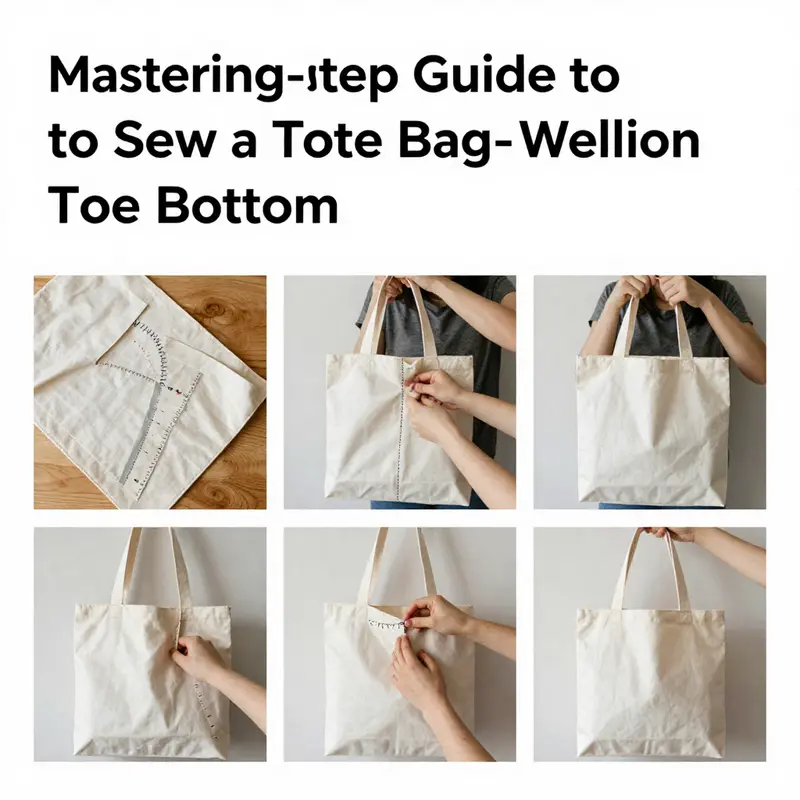
In practice, you’ll often assemble the project in stages that echo the sequence of the construction steps you planned. After laying out the outer panels and the lining, you might first establish the base panels and the base seams. For the flat bottom to truly anchor the bag, many makers implement a base formation strategy that begins with the bottom edges and moves upward. The kidney of this approach lies in a fold or pocket that becomes the base when opened. In some designs, you fold the fabric along a vertical crease, creating a deep base pocket that, when stitched along its folded line with three parallel stitches, becomes a reinforced foundation. If you elect to incorporate interfacing inside the base before sewing, you gain extra stiffness and a crisp edge that resists jabbing or warping under use. The logic is simple: a sturdy base supports the sides, keeps the bag upright without assistance, and presents a cleaner, more professional silhouette when you place it on a table.
As you gather materials, a mindset of preparation pays dividends. Lay out your outer panels and lining in front of you, tag each piece with a gentle reminder of its role, and verify that the grain lines are aligned with the intended shape. If you’re using a pattern, pin or clip the pieces exactly as directed, but if you’re drafting your own dimensions, take the extra minutes to ensure that the base panels align squarely with the sides. Check that the width and height of the panels correspond to your planned dimensions, and make sure the base panel corners will rest flat when pressed and assembled. It’s easy to underestimate the importance of a well-cut base or misalign a corner by a fraction of a centimeter. Yet those fractions add up across the entire project and can make the bag wobble or not sit squarely when set on a surface.
A note on materials that is worth returning to as you work: if you anticipate rough use or carrying heavier items, consider a second layer of reinforcement at the base or a thinner lining that won’t bunch. Some makers like a lighter-weight lining to reduce bulk, while others prefer a slightly firmer inner layer to maintain the bag’s shape. Whatever you choose, the secret lies in balancing stiffness with flexibility. The flat bottom gains its strength not from one heroic stitch but from the sum of all small, careful decisions—careful cutting, precise alignment, patient pressing, and disciplined stitching. The result is a bag that stands up to daily life and carries a little personality in its seams and finishes.
In the spirit of sharing resources that complement this journey, if you’re curious about fabric options tailored to this kind of project, you can explore resources specifically focused on fabric choices for tote bags. For example, you can refer to fabric-tote-bags-for-women as a guiding reference to see a range of fabrics and textures that work well for everyday totes. This link is provided as a practical starting point to broaden your material palette and to inspire your own combinations as you plan your tote. fabric-tote-bags-for-women.
As you reach the finishing phase, the careful alignment of the base and the careful threading of the machine paths become a quiet ritual rather than a rushed checklist. The final step, after attaching the handles and finishing the top edge, is a thorough pressing of all seams. Crisp seams and clean edges announce a bag that has been treated with care, one that will endure the daily rituals of life without losing its shape. A well-pressed bag feels as if it has been designed with intention. It invites you to fill it with the day’s essentials and rely on its stability to carry them without slumping or warping.
The journey through tools and materials is not merely about having the right things; it is about cultivating a workflow that respects the fabric’s grain, the base’s geometry, and the bag’s future life. When you have gathered the right combination of sturdy fabric, supportive interfacing, a dependable machine, a strong needle, matching thread, precise cutting tools, and the patient discipline to press and align at every stage, you lay the groundwork for a flat-bottom tote that behaves like a small piece of architecture in everyday clothing. The payoff is a bag that stands on its own when placed on a table or a chair, holds its shape as you set it down, and carries your world with a calm, resolute presence. It becomes more than a container; it becomes a reflection of your craft, your taste, and your patience.
For those who prefer a visually guided path, remember that practical, well-maintained tools pay dividends in the long run. A sharp blade, a clean cutting mat, and a good iron can turn a good tote into a reliable workhorse. The base, though hidden inside the bag most of the time, is the quiet engine of its stability. By selecting sturdy fabrics, layering with intention, and reinforcing the base with thoughtful techniques and purposeful stitches, you unlock the potential of a flat bottom that truly earns its name. In this careful balance of materials and methods, the art of sewing a tote bag with a flat bottom becomes a reliable, repeatable craft rather than a one-off trick, something you can return to with confidence for every new bag you design.
External resource for a beginner-friendly perspective on construction, including a practical visual guide: https://www.allpack.com.sg/blog/sewing-a-tote-bag-with-lining-for-total-beginners/
null
null
The Upright Promise: Why Flat Bottom Design Elevates Tote Bags
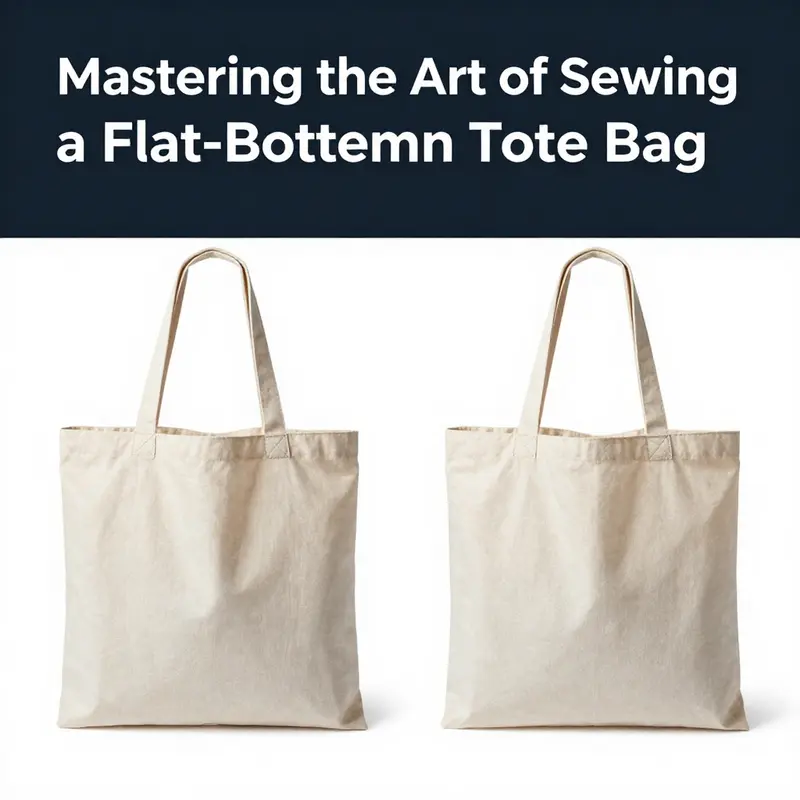
A tote bag sits in a room of possibilities. It is a simple rectangle of fabric with handles, yet when the bottom is designed as a flat, reinforced base, it becomes something markedly more capable. The flat bottom is not merely an aesthetic flourish; it is a structural decision that reshapes how the bag behaves under weight, how easily it stands on a shelf or at a checkout line, and how thoughtfully it can be organized on a daily commute. In the realm of everyday carryalls, the flat bottom design functions like the chassis of a well-built car. It distributes weight, anchors contents, and enables a clean, predictable interior space that users can rely on. This reliability, in turn, feeds a broader demand curve: consumers want bags that blend durability with design intelligence, bags that stand up to groceries and laptops alike, bags that feel sturdy yet flexible enough to adapt to shifting loads. The focus on the flat bottom emerges from a simple, almost tactile insight—the moment you set a bag down and it rests upright, you stop fighting gravity and start using the bag as an extension of your own organization. The bottom stops being a mere boundary and becomes a base that defines the entire user experience.
To understand why the flat bottom matters, imagine two tote bags side by side, one with a conventional, slouchy base and the other with a carefully reinforced flat base. The slouchy bag collapses when it’s not filled; items slide, the opening widens, and the bag’s contents lose their order. It’s harder to load groceries, to keep a notebook from slipping beneath a water bottle, or to extract a charger from a crowded interior. The flat-bottom bag, by contrast, presents a stable footprint. It can cradle a bottle, a book, a lunchbox, and a charger in separate corners with the confidence that the base will hold them upright. This upright stance is not only practical; it is psychologically satisfying. A bag that stands tall invites you to approach it with intention rather than rummaging anxiously through a soft interior. The simple act of setting a flat-bottom tote on a table or the floor conveys a sense of preparedness and care that echoes through the rest of the design—from fabric choice to stitch density, from edge finish to handle geometry.
The core benefit set for the flat bottom unfolds in layers. First, the structural stability. The base is reinforced to resist sag under weight. The bottom edge, often reinforced with a stitched “box” or a hidden pocket technique, becomes a rigid plane rather than a pliable edge. In practice, the base is formed by folding the fabric in a way that creates depth and a defined rectangle at the bottom. This is then reinforced with stitching and, when appropriate, a layer of interfacing or stabilizer. The result is a base that maintains its shape even as you fill the bag with heavy items. When you pull a tote from the car or from a shelf, it does not flop shut; it retains its form, which makes loading and unloading more controlled and predictable. The effect is not merely cosmetic. It reduces stress on seams, distributes stress more evenly, and diminishes the likelihood of fabric deformities at corners that have to bear weight repeatedly.
Second, the interior becomes more legible. A stable bottom creates a natural grid for organizing space. With a defined base, designers can create pockets and dividers that align with the bag’s outer geometry. You can add a reinforced laptop sleeve that lies flat against the base or deploy a pair of small, dedicated pockets for a phone, keys, or a mask. The flat bottom acts as a canvas for inside-the-bag architecture. This is where the concept of smart organization begins to feel like a practical enhancement rather than a luxury. The user can reach in and know where to expect specific items. When the interior is anchored by a strong base, the overall bag is more than a carrier; it is an instrument for efficiency.
Durability follows naturally from the base construction. A robust bottom reduces the risk of tearing at the base corners where weight concentrates. The materials chosen for the bottom—whether a denser weave of canvas, a tightly woven denim, or a twill with a touch of stiffness—play a role, but the bottom’s stability is the key. A flat bottom invites experimentation with reinforcing options. Interfacing or fusible stabilizers lend the base extra resilience, while more ambitious builders might incorporate a molded insert or a layered pile of fabric that resists bending. The bottom’s life span becomes a conversation about how many times you fill and carry the bag and still have it stand tall when you set it down. This durability is not mere endurance; it is a guarantee that the bag will continue to function as intended even with frequent use and occasional overloading. It’s a quiet fidelity to the user’s needs, a promise that the bag will be more than fashionable for a moment and more than practical for a season.
A third layer of value emerges when you look at market expectations and consumer behavior. The flat bottom has become a marker of thoughtful engineering in a crowded market. It signals that the bag was designed with a plan for weight distribution and for user-specific tasks such as transporting groceries, books, or work gear. In a market that blends sustainability with smart engineering, the flat bottom aligns with several trends. It supports durable materials and repairable constructions, which appeals to buyers who want products that last. It also creates the opportunity for modular customization. Shoppers who crave personalization may add inserts, removable dividers, or different interior linings that respect the base’s geometry. The flat bottom becomes not just a feature but a platform for sustainable, long-lasting use—a selling point in a landscape where consumers increasingly scrutinize the lifecycle of their purchases.
This is not merely a retail phenomenon. The rise of flat-bottom totes mirrors deeper shifts in how people think about everyday objects. We want items that are as useful as possible without requiring specialized effort. A bag that stands upright reduces cognitive load—the moment you need something, you know where to reach. It minimizes fuss during routine tasks like shopping, commuting, and traveling. It makes the bag feel reliable, a trait that matters when you carry fragile items, electronics, or beverages. For many, the upright base translates into confidence. If a bag can stand up on a flat surface without assistance, it inevitably feels more thoughtful, more prepared, and more aligned with a lifestyle that values organization and efficiency.
The design conversation around the flat bottom also intersects with how we think about materials. The bottom’s rigidity often benefits from denser fabrics or added stabilizers. This is particularly relevant when the bag is cut from lighter fabrics that otherwise would lack shape. The option to layer a fusible stabilizer or 60-gram interlining inside the base adds a discreet but meaningful boost. The choice of materials becomes a choreography of weight, stiffness, and drape. The goal is to preserve the bag’s flexibility where needed while preserving the bottom’s shape. In practice, this balance might mean selecting a sturdy canvas for the main body, pairing it with a slightly lighter exterior that still holds up to daily use, and adding a stabilizing layer at the base to resist compression. The result is a bag that remains pliable enough for comfortable handling yet firm enough to stand tall when set down.
For makers and designers, the flat bottom is also a narrative device. It invites the crafter to tell a story through form—how the base is constructed, how edges are finished, and how the whole piece comes together at the seams. The narrative extends to the handles, which must be proportioned with the base in mind. If the base is tall and firm, the handles can be slightly longer to balance the silhouette and maintain the bag’s verticality when carried. If the base is compact, the overall height can respond with shorter handles that still offer comfortable grip. The story that emerges is about proportion, balance, and a sense of intention that speaks to people who want their bags to reflect a careful approach to everyday tasks.
The importance of flat bottom design is not just about solving a problem of stability. It’s about enabling a complete, reliable experience. It makes room for more deliberate choices in layout, material selection, and finishing touches. A well-executed flat bottom keeps the contents secure, while a thoughtful interior arrangement helps prevent shifting that could otherwise stress seams or cause wear over time. The beauty of the approach lies in its universality: a flat-bottom tote can be practical for groceries and exploration alike, from a quick trip to the market to a weekend away. At the same time, its design is flexible enough to accommodate a degree of customization. A maker can add pockets, padding, or protective linings tailored to the user’s everyday rituals. The result is a bag that is not just used but trusted, a companion that earns a place in the rhythm of daily life.
In reflecting on what makes the flat bottom such a powerful feature, it’s helpful to recall the broader aspiration of bag design. The item is more than fabric and thread; it is a promise of durability, order, and ease. The flat bottom design aligns with this promise by presenting a tangible, measurable improvement in how the bag functions. It stands as a practical proof that good design can be quiet and robust at the same time. It invites crafters to consider how every decision—the weight of the fabric, the density of the stitches, the way the base is reinforced—affects the user’s experience. It invites designers to imagine a tote that gracefully bears the weight of daily life while remaining a canvas for personal expression. And it invites shoppers to think about the bag they choose not only as a carrier but as a partner that helps them navigate the day with stability and poise.
To those who are curious how these principles translate into real-world products, there is value in seeing how flat bottoms are applied in different contexts. When the base is well engineered, it becomes a foundation for a range of functional enhancements. For example, some builders integrate separate compartments that rest directly on the flat base, enabling quick access to keys or a phone without disturbing the main interior. Others design the base to accommodate a small reusable insert or a removable liner that can be swapped with seasons or needs. The possibilities are vast, and they all begin with the base—an intentional, sturdy rectangle that anchors the entire construct. The flat bottom is, in a sense, the frame around which daily life can be organized with greater clarity.
For readers who want to explore the practical side while also appreciating the craft, a good way to deepen understanding is to study how the base is formed. The key idea is to create a defined, reinforced pocket or box within the bag’s interior that, when unfolded, yields a deep, stable bottom. In many tutorials, this involves a vertical fold away from the bottom edge and a series of parallel stitches that lock the fold into place. The result is a durable bottom that resists collapse and maintains its shape as you load the bag. In addition to stitch density and seam quality, the choice of interfacing can greatly influence how well the bottom holds its shape over time. Integrating a light fusible stabilizer or a non-woven interlining can provide the extra rigidity needed without adding undue bulk. For the maker, this means balancing practicality with aesthetics—achieving a bottom that is sturdy but not stiff to the point of compromising the bag’s overall drape.
The conversation about flat bottoms is not a static one. It evolves with user feedback, workshop practice, and broader design trends. As more households embrace reusable bags and as makers experiment with repurposed fabrics and sustainable materials, the flat bottom becomes a canvas for responsible design. It supports longevity, repairability, and modular use. The bottom’s stability helps preserve the bag’s form as it travels through crowded trains and busy markets. It helps ensure that gear—whether a notebook, a water bottle, or a spare scarf—arrives in a predictable state. And it helps the bag stand out in a landscape where many totes lean toward softness or casual slouch. The flat bottom’s architectural elegance lies in its quiet efficiency and its willingness to shoulder weight with grace.
From a consumer perspective, the flat bottom is a marker of value. It communicates that a bag is designed with intention, that it can be used across scenarios, and that it will endure the kinds of everyday wear that many products neglect. In a marketplace that increasingly prizes durable, adaptable, and thoughtful goods, the flat bottom helps elevate the tote from an accessory to a dependable everyday instrument. It is the kind of feature that, even when not immediately visible, makes life easier—keeping groceries from tipping, keeping a lunchbox organized, and letting a laptop rest securely at the base while the top edges still offer easy access. And because the bottom shape affects the way a bag wears on the body, it can influence comfort and convenience, subtly shaping how a person carries their belongings. In short, the flat bottom is a quiet revolution in tote bag design—one that rewards patience, precision, and a willingness to rethink how a simple rectangle of fabric can carry a day’s worth of plans, people, and possibilities.
For those who want to see how the concept translates into an integrated product design, consider resources that offer deeper explorations of structure, materials, and the practical realities of industrial applications. A comprehensive discussion of the flat bottom tote bag, including structure, material properties, and common industrial uses, can be found in external literature that examines the engineering behind these everyday items. This broader perspective helps connect the craft-focused approach to tote-building with the science of materials and manufacturing, underscoring how a seemingly small design choice can ripple across performance, sustainability, and consumer appeal. External resource: Flat Bottom Tote Bag Explained: Structure, Material Properties, and Common Industrial Uses.
For readers who want to explore adjacent ideas within this chapter’s context, one may also examine how interior organization can align with flat-bottom stability. The concept of a dedicated laptop sleeve, for instance, illustrates how a flat base enables precise alignment of protective compartments that remain stable as the bag moves. A practical reference point for this integration can be found in a resource that demonstrates the pairing of sturdy construction with thoughtful computer-sleeve design. To connect with a real-world example that emphasizes both protection and accessibility, see a guide focused on the layout of a tote with a built-in computer sleeve. This reference offers a concrete impression of how the flat bottom supports an organized, purpose-driven interior, while also highlighting the importance of careful seam placement and edge finishing that preserves the base’s integrity when a laptop is present. For readers seeking a direct exploration of related layouts, the internal link to tote-bag-with-computer-sleeve provides a practical illustration of how a flat-bottom structure can harmonize with added protective features.
The journey through the flat bottom design is, in the end, a study in the elegance of constraint. By bounding the bag into a defined, supportive geometry, designers and makers unlock a spectrum of possibilities—from durable everyday use to refined stylistic statements. The base is not a passive element; it is an active partner in carrying, protecting, and organizing the items that populate daily life. The flat bottom embodies the idea that good design begins with the most fundamental decision. If the bottom is stable, the rest of the bag can be confident, adaptable, and ready for the variety of tasks that users bring to it each day. That stance—an upright, reliable base supporting a flexible interior—defines the chapter’s core insight: the flat bottom is a strategic, transformative choice in tote bag design. It is a design that respects gravity while elevating the human experience of carrying, organizing, and moving through the world with intention.
Final thoughts
Creating a flat-bottom tote bag is not just a practical approach to crafting; it also signifies an opportunity for business owners to provide high-quality, functional products that meet the needs of their clientele. By utilizing the right tools, adhering to a clear construction process, and understanding the significance of the flat-bottom design, you can elevate your product line and engage customers. Embrace this DIY project as an avenue to express your brand’s identity while offering something valuable to your market. Start sewing your tote bags today and make a lasting impact with your unique creations.