
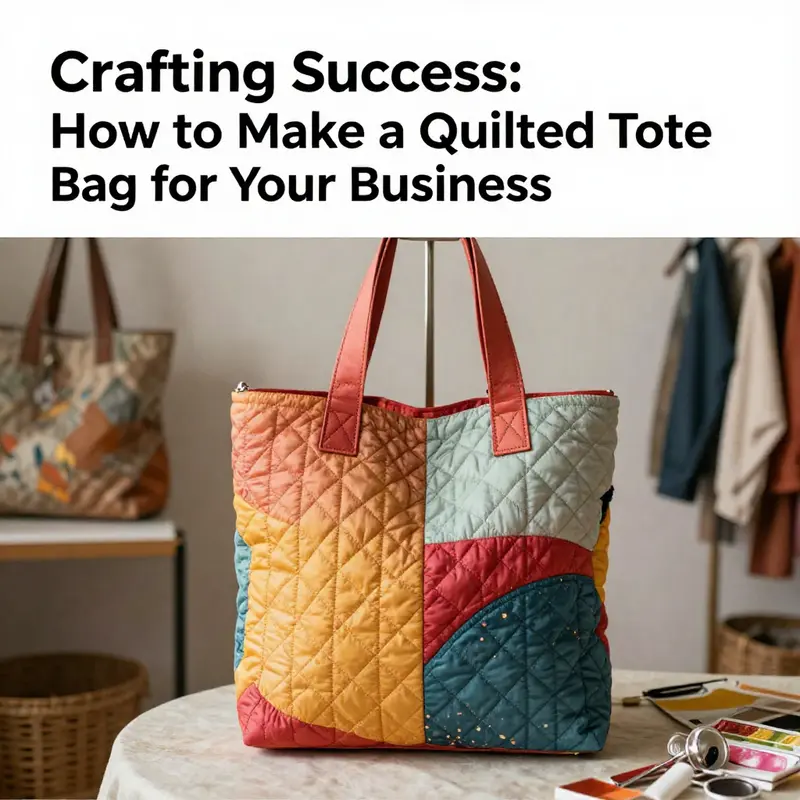
Quilted tote bags are more than just functional accessories; they represent an opportunity for business owners to blend creativity with product utility. By crafting these bags, entrepreneurs can enhance their product offerings, attract customers, and position their brand creatively in the market. This guide aims to equip you with the essential materials you need, step-by-step instructional techniques on making quilted tote bags, and tips to refine your final product. Each chapter builds upon the knowledge required to undertake this rewarding project, helping you create tote bags that are not only practical but also stylish and saleable.
Foundations You Can Trust: Essential Materials for Crafting a Durable Quilted Tote Bag
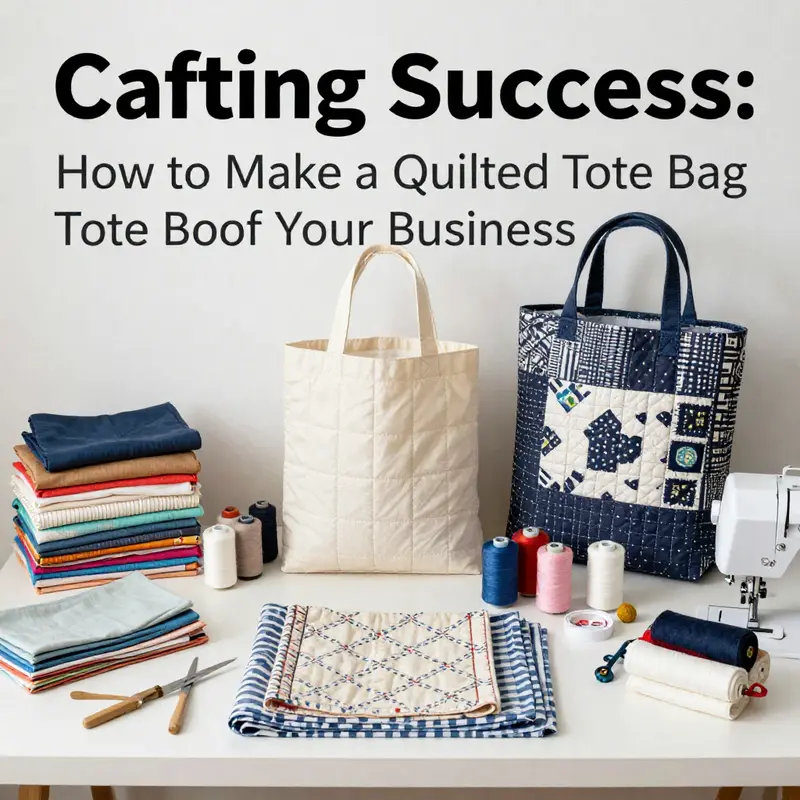
Choosing materials is more than a checklist; it is a conversation between texture, weight, and everyday use. A quilted tote bag is not merely a decorative object but a compact vessel that carries the rhythms of daily life—from groceries and gym gear to notebooks and lunches. The materials you select determine how it wears, how it feels in your hands, and how many seasons it can accompany you through. In this chapter, we journey through the core components that make a quilted tote sturdy, functional, and beautiful, while keeping the process approachable for beginners and rewarding for seasoned makers alike. The goal is not to chase the perfect fabric in a vacuum but to harmonize your choices with the bag’s intended life and your crafting style. The outer fabric earns its keep with resilience and personality; the lining offers ease of use and care; the batting sandwiches the structure and the softness; and the threads, tapes, and handles tie the whole construction together with confidence. This is where imagination meets technique, and where the right materials give you the freedom to experiment without fear of failure.
At the heart of any quilted tote project is the outer layer, the first impression, the shield against wear, and the canvas for your design. Sturdy, tightly woven fabrics like canvas, denim, or heavy-weight cotton rise to the top of the list. Canvas brings a robust, utilitarian feel; denim offers a casual, drapey strength that softens with use; heavy-weight cotton can provide a crisp, structured silhouette while remaining approachable for beginners. The weight and weave matter as much as the color or pattern. A fabric with a tight weave resists abrasion and holds its shape when the bag is loaded with books or groceries. For fabric lovers who delight in texture, you might choose a crosshatch or twill weave that adds depth as you quilt, letting the stitching lines become part of the design rather than mere reinforcement. The outer fabric is the backbone of the tote; it must tolerate friction, bag corners, and the occasional snag from a zipper pull or a chair arm. When you select your outer layer, consider how the quilting pattern will interact with the texture. A dense grid can emphasize the fabric’s grain, while a more open, large-scale motif can let the quilting stitches become a subtle rhythm that survives daily use.
The lining fabric, though tucked away inside, plays a crucial supporting role. A smooth, durable lining enhances the bag’s life and keeps maintenance simple. Quilting cotton is a popular choice for the lining because it feels familiar under the fingers, is easy to sew, and comes in a wide range of colors and prints. For a lining that resists staining and stands up to repeated openings and closings, a polyester blend or a tightly woven cotton blend can be preferable. The lining should glide smoothly over contents and resist snagging on corners or hardware. A well-chosen lining also brightens the interior, making it easier to find keys or lipstick at the bottom of a full tote. If your plan includes more than a simple interior pocket, ensure the lining fabric maintains its integrity when the bag is inverted for turning and finishing. The lining isn’t merely a shell; it is the quiet partner that keeps the exterior fabric from showing wear on the inside, and it often provides the subtle contrast that elevates the entire bag’s look.
Between outer and lining layers lies the batting or interfacing, the heart of the bag’s quilted structure. The aim here is balance: enough thickness to create that inviting quilted feel and enough loft to give the bag body without making it bulky. A medium-weight, low-loft batting, such as a cotton or cotton-polyester blend, offers a reliable compromise. It thickens the tote just enough to hold its shape when set down on a table or stacked with belongings, yet remains flexible enough to fold, carry, and stuff without wincing at every seam. When you choose batting, consider how evenly it will distribute across the width of the bag. The goal is to avoid thick, lumpy areas that interrupt the quilted lines or create uncomfortable bulges. In some projects, a light interfacing can provide additional structure around the top edge or pocket attachments without adding excessive bulk. The decision between batting and interfacing is not a binary choice but a spectrum. You might use a batt layer for the central body and a crisp interfacing along the top edge and pocket area to maintain a neat silhouette.
Beyond the major fabrics, the binding tape or seam tape plays a surprisingly pivotal role in the bag’s longevity. This adhesive tape is applied to raw edges after stitching, protecting seams from fray and adding strength, which becomes especially important when the bag carries heavy loads. The right seam tape can transform a bag from simply sewn to thoughtfully finished. If you are new to applying binding tape, practice on scrap pieces to gauge how it feeds through your machine and how it interacts with thickness variations along the seam. The combination of quilting and binding tape creates a boundary that keeps the fabric stable, even after repeated use. The tape’s subtle presence is a reminder that the craft sits at the intersection of utility and care—your bag should endure while remaining approachable in its construction.
Thread choice is the invisible architecture of your project. A strong, high-quality thread that matches your fabrics—often a polyester or a sturdy all-purpose thread—ensures the seams won’t give way under load. When you quilt through three layers, the thread becomes an integral part of the fabric’s resilience. The needle choice can be just as critical; a universal or jersey needle typically works well with cottons and blends, while a walking foot can help feed multiple layers evenly, preventing shifting and puckering. Threads that are slightly lighter or darker than the fabric can add a subtle texture to the stitching itself, especially if you opt for a decorative quilting pattern. The stitch length matters too. A standard 1/4 inch seam allowance is common for tote-quilting projects, but you can adjust to a slightly longer stitch for a more pronounced quilting line. The balance you seek is a thread that disappears into the fabric under regular use yet remains robust enough to resist seam failure when the bag is carried and loaded.
Handles are where the bag finally meets the user’s hands and daily life. There is a delightful range of options, from pre-made webbing or leather handles to fabric straps that you sew into a tube and turn inside out for a softer touch. If you choose handles made from webbing, you gain strength and a clean, modern silhouette; leather handles provide a tactile luxury and a durable grip with a classic look; fabric straps, when constructed as a tube, offer an affordable, soft-hand option that can be dyed or printed to match or contrast with the outer fabric. Whichever route you choose, the attachment points must be robust. Reinforcing the top corners with extra stitches or a small fabric square beneath the anchor points can dramatically increase the tote’s load-bearing capacity. It is not enough to sew handles into the bag; you want them to feel secure enough to withstand daily use without wiggling or pulling away from the body of the tote. If you plan to carry heavier items, consider stitching the handles to internal supports or adding a double row of stitching to lock the handles in place with confidence.
In addition to these core components, some quilters like to add external pockets for quick access or internal pockets for organization. External pockets can be stitched onto the front or back of the outer fabric, offering a convenient repository for keys or a phone. Inside pockets can be integrated into the lining before the bag is assembled, which keeps small items from wandering to the bottom of the bag. If you add pockets, plan their placement with the quilted pattern in mind so they don’t disrupt the tote’s balance or complicate the turning process. The pocket fabric can be a coordinating print or a contrasting color to create a visually interesting interior or exterior. The decision to include pockets should align with how you expect to use the bag. A tote that regularly carries a planner and a charger might benefit from a couple of sturdy interior pockets, while a simple everyday bag could rely on a single, hidden pocket for valuables.
The materials selection is also a chance to consider sustainability and reuse. If you have remnants from previous projects, you can incorporate them into the outer or lining layers in interesting ways, letting the quilting unify disparate fabrics into a cohesive whole. The layering technique acts as a conversation between fabrics, where frayed edges become texture and color patches become design accents. In this sense, choosing materials is both a practical decision and a creative one, enabling you to express personal style while building something that can stand up to the rigors of daily life. It is worth noting that you can tailor the weight and stiffness of your tote to your needs. A tote intended for heavy groceries might benefit from a stiffer outer fabric, a more robust batting, and reinforced binding tape, while a bag meant for carrying light items and daily essentials could be lighter in feel and more forgiving in construction. The process invites you to tune the balance between form and function, testing different fabric combinations, batting weights, and seam treatments to achieve the exact aesthetic and performance you desire.
To help you visualize the material decisions, consider the journey from fabric bolt to finished bag as a composition rather than a single act. The outer fabric is cut and layered with batting, then sandwiched to the lining in preparation for quilting. The quilting lines not only secure the layers but also lock in the fabric’s memory, shaping the bag as it takes form. The binding tape, when carefully applied, seals the raw edges and gives the final seam a clean, durable finish. The thread’s color and texture can either disappear into the background or stand out as a quiet ornament. The handles anchor the bag to the world, and their strength ensures the bag will travel with you for seasons to come. The lining, pockets, and interior details complete the experience, turning a simple tote into a reliable companion. This integrated approach to materials creates a tote that is not merely stitched but thoughtfully engineered for everyday life.
If you are curious about a more visual, step-by-step approach to similar methods, you might explore related tutorials that expand on layering, quilting, and assembly. For instance, a practical discussion about external hardware and internal structure can be found in a tutorial that emphasizes a practical, guided approach to a tote with a computer sleeve. This resource frames materials in a real-world context, showing how weight distribution, padding, and secure attachment work together when a bag is designed to carry a laptop or tablet alongside other essentials. See the guide here for a detailed exploration of how exterior and interior components interact during construction. tote bag with computer sleeve
As you assemble your material choices, remember that the best tote begins with the right questions: What will I carry, and how often will I use it? Do I need extra pockets, or is a simple interior pocket sufficient? How heavy should the bag be when fully loaded, and how should the weight be distributed? Will I be hand-stitching portions, or will a sewing machine handle the bulk with a walking foot? Thinking through these questions as you select fabrics, batting, and binding tape helps you create a cohesive, durable product that reflects your intentions as a maker. The process rewards patience and measured decisions as much as speed. If you approach the project with a clear sense of purpose and a willingness to test small changes, you’ll find that the materials themselves begin to tell a story about how the bag will look and behave under real-world conditions.
Finally, it is helpful to acknowledge the value of a disciplined approach to finishing. The choices you make about thread, seam treatments, and edge finishing all contribute to a professional look and lasting performance. For example, using binding tape on every exposed seam is a simple, effective way to protect the bag’s edges from wear and tear. This small step reduces the risk of unraveling after repeated openings and close interactions with tote handles. Pressing after each major step ensures that the fabrics lay flat and the stitching remains crisp, which in turn makes the final topstitching around the bag’s top edge look deliberate rather than hurried. The result is a tote that not only carries items securely but also presents a polished finish that hints at thoughtful craftsmanship. If you’re new to quilting and bag-making, remember that every choice—from the outer fabric to the final topstitch—contributes to a durable, usable piece that you’ll be proud to carry or gift. Your materials are your partners in this journey, and treating them with respect will yield a tote that lasts years and tells a story with every stitch.
External resource: For a visual guide that expands on core techniques and offers precise demonstrations of layering, stitching, and finishing, consider this credible tutorial from an experienced maker: https://www.youtube.com/watch?v=QxWZdYkTc5U
Stitch by Stitch: A Thoughtful, Step-By-Step Journey to Crafting a Quilted Tote Bag
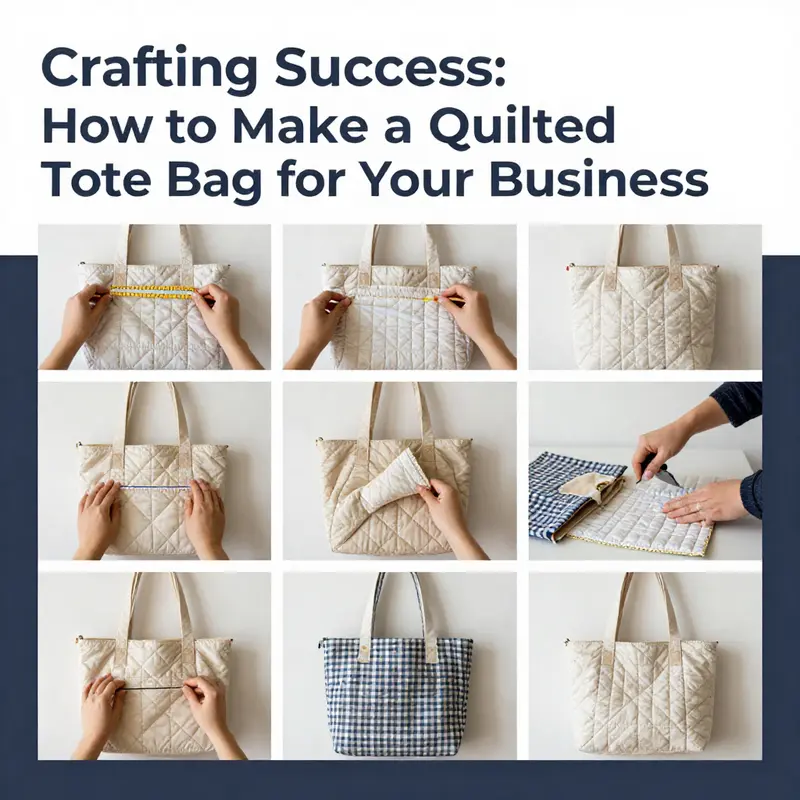
The quiet rhythm of needle and thread can feel like a conversation between fabric and time, a dialogue that rewards patience with texture, weight, and a personality all its own. A quilted tote bag is not merely a container for daily essentials; it is a portable canvas, a small sculpture made from everyday materials, and a practical companion that gains character with every seam. When you approach the project as a narrative rather than a checklist, the process unfolds with a natural flow. You begin with a plan, a selection of fabrics that speak to each other, and a sense of how the finished piece will move and breathe. From there, the journey through layering, quilting, assembly, and finishing becomes a cohesive chapter in your ongoing craft story rather than a sequence of isolated tasks. The result is a tote that carries not only items but intention: a durable boundary between your belongings and the world, softened by the hand of your creation.
To begin, gather the essentials as if assembling a trusted kit for a trusted friend. Two fabrics will become the outer shell, one thick enough to hold shape yet flexible enough to drape gracefully. A lining in a lighter weight fabric will nestle inside, guiding the interior with clean edges and subtle structure. A layer of batting or interfacing sits between the outer fabrics, adding the quilted texture and a respectful amount of body. If pockets are desired, a small amount of contrasting fabric for an external pocket or a simple patch inside the lining can dramatically increase usefulness without complicating the design. The handles, long strips of fabric, should be sturdy and comfortable in hand, with enough length to drape over a shoulder or sit comfortably in the crook of an arm.
The dimensional plan matters just as much as the creative impulse. A common starting point is a tote about 30 centimeters wide and 35 centimeters tall, with a modest bottom depth that gives the bag a sense of gravity as it sits on a table. This size is forgiving for beginners and versatile for daily use. Dimensions are tools, not restraints; they guide rather than limit. If you prefer a larger tote for books, a smaller daily bag, or a version with a deeper base for heavier items, adjust the measurements accordingly. The guiding principle is balanced proportion: the outer quilted panel should read as a single, expansive surface, while the interior remains sculpted and accessible. With that balance in mind, you can confidently translate a plan into fabric and thread.
Begin with precise cutting, a moment of preparation that makes everything afterward more predictable and enjoyable. Cut two outer fabric pieces for front and back, and two lining pieces that mirror those outer panels. For the quilting layer, cut a piece of batting or interfacing that exactly matches the outer fabric size. The intent is a clean sandwich where the middle layer is entirely contained by the two fashion-facing sides. Label each piece with a fabric marker so you can follow the intended orientation during assembly. A small habit here—labeling—saves unnecessary confusion and keeps your focus on the flow instead of hunting for mismatched pieces in a pile.
The quilting step is where texture becomes memory. Place one outer fabric piece face down, lay the batting on top, then place the second outer fabric face up so the two outer faces cradle the batting like a gentle sandwich. Pin or clip the layers securely along the edges to prevent shifting as you stitch. The stitching itself can be straight or decorative, but the practical choice is a consistent seam allowance, often about a quarter inch, which delivers a clean, professional look. A walking foot is helpful here, feeding three layers evenly as you guide the fabric. Then you can move into the quilting pattern itself: horizontal or vertical lines, or a grid that forms a checkerboard of cushioned squares across the surface. The exact density is up to you, but a common approach is to sew lines every one to two inches. The effect is a structured texture that does not overpower the fabric’s natural character.
As you quilt, keep the tempo calm and regular. Backstitch at the start and finish of every line to secure the threads and prevent unraveling. If you’re feeling adventurous, a few lines of quilting in a diagonal or cross-hatched pattern can add a modern energy to the textile; just ensure the lines remain even and deliberate so the outer surface stays smooth and tidy. A small, practical tip is to use contrasting thread for visibility while you’re learning, and then switch to a thread color that harmonizes with your outer fabric for the final piece. The surface you create in this stage is the soul of the bag, translating color and pattern into a tactile experience you can feel as you carry the tote.
Pockets are where function and form meet in a cooperative balance. If you opt for external pockets, a simple rectangular piece of pocket fabric can be folded and sewn into a compact slot that peeks from the exterior. Internal pockets are equally effective: a modest patch inside the lining offers organized storage for a phone, keys, or small notebooks. Pockets don’t have to be elaborate to be useful; they just need thoughtful placement and secure stitching. The choice between external or internal pouches should be guided by how you want to access items and how much you want the exterior to tell a visual story. Either choice can be integrated without breaking the cohesive rhythm of the design.
With the quilted outer panel ready, turn attention to the bag body as a whole. Place the outer quilted piece face down and take the lining fabric pieces, placing them right sides together. Sew along the sides and bottom to form the tube that will later enclose the interior. At this stage, trimming the corners diagonally reduces bulk, which makes the final turning smoother and the bag’s silhouette crisper. Turn the lining right side out and press it flat. The next move brings the exterior face into focus: align the quilted outer layer with the lined interior so that the right sides are facing each other. Pin or clip the perimeter with care, then sew around the edges at a half-inch seam allowance, leaving a generous turning gap of about ten centimeters. This small opening will become your gateway to the final bag, a doorway through which the finished tote will emerge.
The turning and finishing phase is a quiet ceremony of transformation. Slowly turn the entire bag right side out through the opening, guiding the corners to emerge from the seam lines so they become sharp and defined. A gentle push at each point helps the corners settle into their final shape. Once the bag is right side out, press it with an iron so the seams lie flat and the edges are neat. A careful topstitch around the top edge, roughly a quarter inch from the perimeter, serves two purposes: it closes the turning gap securely and reinforces the structure so the bag retains its shape. This final pass of stitching is not a flourish but a stabilizing breath, a mark that the bag is ready to be used rather than tucked away.
Handles anchor the tote to your body when you carry it, and their strength matters every time you lift. Cut two handle strips, typically around fifty to sixty centimeters in length and five to seven centimeters wide, depending on your preferred shoulder drop and grip. Fold each strap in half lengthwise, wrong sides together, and press to set the crease. Sew along the folded edge to seal the fold, creating a sturdy strap with a clean, finished look. The way you attach handles can alter the bag’s silhouette and usability. A thoughtful approach is to sew the handles to the interior top corners of the bag rather than affixing them to the exterior-facing fabric. This technique hides the attachment lines during use and distributes stress through the interior seam lines, contributing to a longer life for the tote. For extra strength, you can reinforce the handle attachment points with additional stitches or by placing a small square of fabric underneath and sewing a secure box or cross-stitch that anchors the strap in place without pulling on a single thread.
As you approach final touches, consider the bag’s personality. A light press across the entire surface settles any lingering wrinkles, while a careful evaluation of the seams confirms that every line remains secure. The possibility to embellish now opens—appliqué, embroidery, or even upcycling small fabric pieces to create a unique motif. Embellishments should feel like a natural extension of the bag’s story, not an afterthought grafted onto what should already be a balanced, coherent surface. Delicate details—such as a small stitched label or a decorative stitch pattern near the top edge—can add personality without overwhelming the overall form. The craft here becomes a dialogue between utility and aesthetics: a tote that is as pleasant to touch as it is pleasing to the eye.
The journey toward a finished quilted tote also invites practical considerations that help the project stay enjoyable and doable. Choosing quality thread that matches or complements the outer fabric reduces the risk of fraying while improving the finished look. The correct needle choice matters too; a sharp or universal needle with an appropriate size reduces skipped stitches and other sewing woes. Pressing after each critical step is not mere housekeeping; it reinforces the crisp lines and ensures that the final silhouette reads cleanly, even after hours of handling. Selecting fabrics with care—perhaps a subtle texture in the outer layer and a solid, resilient liner—creates a conversation between surface interest and tactile comfort. If you’re new to quilting, you can begin with a straightforward grid pattern, then gradually experiment with more complex lines as your confidence grows. The goal is a tote whose seams meet with exactness and whose surface holds a quiet, intentional rhythm.
The bag, once complete, carries the weight of your decisions as well as your items. It is an urban companion for groceries, a dependable everyday carry for a notebook and lunch, a tote that speaks in a language of color and texture rather than words. The design is sustainable not only in its reuse of fabrics but in its repairability: small seams can be resewn, the lining replaced, or handles reattached with relative ease if wear becomes a concern. This resilience is more than technique; it is a mindset that values thoughtful construction and practical beauty over fleeting trends. The quilted tote thus becomes a manifest of patience and care: a practical object that also offers a sense of place, a reminder that crafts can anchor daily rituals with meaning.
To deepen the working knowledge of the craft, imagine how you might adapt this project to a specific use without losing its core logic. If you anticipate heavy contents, you might opt for a thicker outer layer and a reinforced bottom panel, ensuring the bag holds its shape when fully loaded. If you want a more refined appearance, you could select a coordinating fabric for the lining with a subtle sheen or a soft finish, which can elevate the tactile experience of opening and closing the bag. Conversely, for a playful weekend project, you might choose bold color combinations and a brighter quilting grid that makes the tote a conversation starter. The flexibility of the method is its quiet strength: it invites experimentation while preserving the essential sequence that guarantees a successful outcome.
In weaving together form and function, the tote becomes more than the sum of its parts. It stands as a testament to the daily craft that transforms simple materials into something durable, beautiful, and personal. The hand-made tote is a small, tangible record of time spent choosing fabric, planning seams, and guiding thread through fabric with intention. Each layer, each stitch, each precise cut communicates a patient, attentive approach to making. And as with any craft, the enjoyment often resides not only in the finished object but in the process that leads there—the meditative focus of pinning and stitching, the quiet satisfaction of turning a fabric sandwich into a bag that can travel with you, carry your stories, and become a quiet companion you reach for again and again.
If you’re curious to learn more about practical finishing details and additional tips for zipper inserts or other closures, you can explore a related guide on tote bags with zippers. This resource delves into finishing options that keep contents secure while maintaining a clean exterior, offering a complementary perspective to the quilted tote method described here. For a direct reference, visit the guide on tote bags with zippers. https://alltotebags.com/tote-bags-with-zippers/
For readers seeking a complementary visual demonstration that reinforces layering, quilting, and structural assembly, a robust, technique-focused video exists that translates these core concepts to fabric-based projects. While the demonstration centers on a leather handbag, the underlying principles of layering, quilting, and secure construction translate cleanly to fabric totes, illustrating precise stitching, handle attachment, and finishing methods that are highly instructive for beginners and seasoned crafters alike. External resource: https://www.youtube.com/watch?v=QxWZdYkTc5U
In sum, a quilted tote bag is a small archive of craft in motion. It honors the rhythm of careful preparation and the discipline of precise stitching, while offering a canvas for personal expression. The result is a versatile, durable tote that accompanies daily life with a quiet confidence born from thoughtful construction and purposeful design. When you approach the project as a continuous, flowing narrative rather than a rigid set of steps, the experience remains enriching from start to finish. And as you learn to balance texture, color, and form, your eventual tote becomes not only a practical accessory but a testament to the art of making with care.
Finishing with Finesse: The Final Touches That Elevate a Quilted Tote Bag
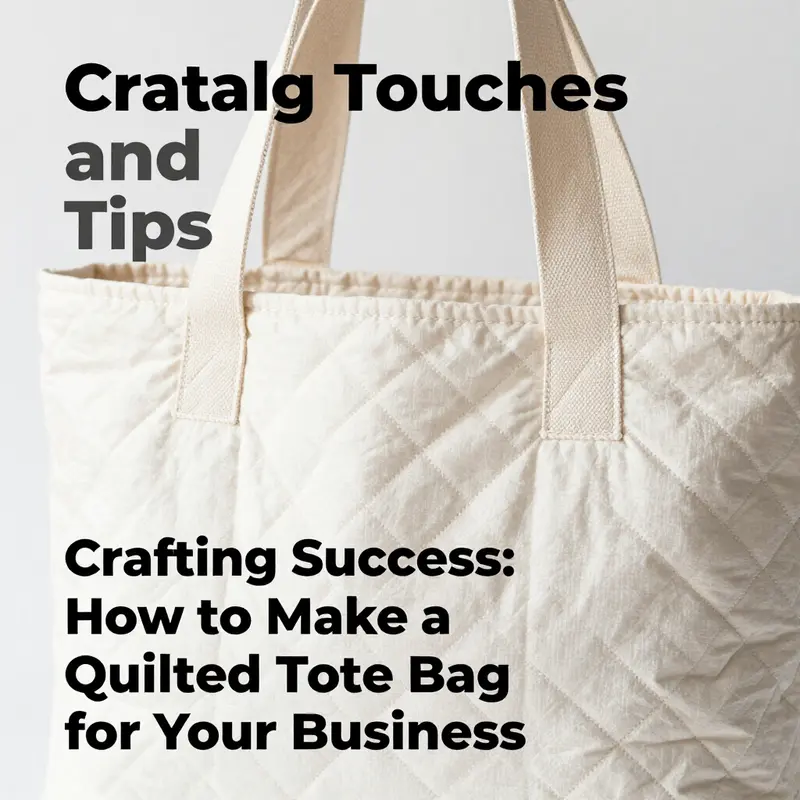
Finishing with finesse is where a handmade quilted tote bag truly becomes a personal statement. It is the stage where all the careful planning—layer stabilization, precise stitching, thoughtful assembly—converges into a bag that looks as polished as a store-bought piece, yet carries the warmth and assurance of a handmade project. The final touches are not merely cosmetic; they are the backbone of durability, function, and a finished silhouette that feels tailored to the wearer. As you move from quilting the outer panel to shaping the final bag, every choice you make at this point—stitch length, seam finishes, reinforcement at stress points, and the method of attaching handles—deepens the bag’s personality while preserving its practicality.
The first pillar of a successful finish is precision in quilting and construction. To prevent shifting during the quilting process and to maintain a crisp, even surface, stabilize the layers with a light interfacing or stabilizer between the outer fabric and the batting. This stabilization is not a mere convenience; it is essential for keeping the quilting lines straight and the fabric from folding or puckering under the needle. When you set up the sandwich for quilting, keep the outer fabrics right side up, with the batting sandwiched between them. A walking foot can be a quiet ally here, feeding the layers evenly and reducing the drift that can cause misaligned lines. Throughout the quilting, maintain a consistent stitch length, typically in the 2.5 to 3 millimeter range. Even stitches create that professional, uniform appearance that elevates the entire piece. And never forget the basics: backstitch at the start and end of each quilting line. Those tiny backstitches are what keep the work from unraveling after months of use and frequent washings.
Attention to finishing details is where the bag’s durability becomes visible. Once the outer panel is quilted, the raw edges must be treated with care. A serger, a zigzag stitch, or even pinking shears can be used to finish the edge of the seam allowances before the outer and lining pieces are joined. The goal is to prevent fraying and to keep the interior neat as the bag moves from project to daily life. A clean finish not only looks better, it behaves better over time, resisting wear at the edges that often see the most stress. Think also about reinforcing stress points. The corners where the handles attach and the base of the bag are the places that bear the most weight and movement. Double-stitching or adding a small reinforcement piece—whether a sturdy canvas patch or a compact rectangle of linen—under the handle anchors can dramatically extend the bag’s life. It’s a small adjustment that makes a big difference when you carry heavy items from a morning commute to a weekend market.
The opening and top edge deserve particular care because they define how the bag feels when carried and how it behaves during use. When you align the quilted outer layer with the lining, the top edge needs to settle smoothly. The topstitch is more than a decorative line; it anchors the layers near the opening and helps the bag maintain a tidy profile. Aim for a topstitch about 1/4 inch from the edge, which not only closes the opening access but also reinforces the bag’s structure. If your design includes a zipper or other closure, center and align the opening before stitching. This gives you a clean, balanced edge and prevents the closure from skewing the bag’s silhouette. The choice of closure—whether a zipper, magnetic snap, or a simple open-top—must harmonize with the bag’s intended use. A zipper offers security for groceries or daily essentials; a magnetic snap adds ease of access for a market tote; an open top conveys a relaxed, casual vibe for a beach bag. The key is to ensure that whatever method you choose is installed squarely and remains aligned through regular use.
With closures considered, the bag’s interior becomes your canvas for organization and everyday practicality. External pockets are a popular feature for many quilters, not only for aesthetics but for function. If you’ve chosen to add pockets, they should be placed deliberately to avoid disrupting the bag’s balance. An external pocket can be constructed from the same fabric as the bag or from a contrasting fabric to serve as a visual cue. Sew the pocket into position with care, ensuring that the top edge is secure and that the pocket lies flat against the outer panel. Inner pockets, on the other hand, support daily organization—cell phone sleeves, pens, or a small notebook—without altering the bag’s exterior lines. A common approach is to cut a lining pocket and fold the edges to create clean, nearly invisible hems before stitching it in place. The overall effect should be cohesive: pockets that are easy to use, align with the bag’s edges, and do not disturb the bag’s profile when carried.
Another practical dimension of finishing touches is the handling and attachment method. The handles or straps are both a functional necessity and a stylistic statement. When selecting handle length, you’re balancing comfort with the bag’s height and the wearer’s preferences. A typical length for shoulder carry falls in the 18 to 24 inches range measured from center point to center point. If the bag is intended for shoulder use, test the fit by draping the finished bag over the shoulder and noting whether the top edge sits at a comfortable height. For a tote that’s expected to be carried by hand or worn on the forearm, shorter handles may be preferred. Regardless of length, attachment points must be robust. The standard approach is to sew the handles to the interior near the top corners, rather than stitching them on the exterior. This technique distributes weight more evenly and reduces the risk of the handles tearing through the fabric. For added security, consider a box stitch or a cross-stitch pattern at each attachment point and use reinforcing patches beneath the stitching to spread the load across multiple layers of fabric and interfacing. When you sew, sew slowly and steadily; precision now pays off in reliable performance later.
The final polish extends beyond the seams, edges, and attachments. After the bag is turned right side out, a thorough pressing becomes the last step before the bag is ready for use. Press with intention, using a cool iron and a pressing cloth if the fabric is delicate or if the quilting lines feel buoyant or raised. Direct heat can flatten the surface and distort the texture you carefully created, so approach with care. Use smooth, even strokes along the entire surface and work from top to bottom to minimize distortion. A well-pressed bag shows crisp corners and a flat top edge, which in turn makes the topstitching look intentional rather than hurried. The overnight resting of the bag after a final press can also help set the shape. If you’ve used a stiff interfacing or a heavier batting, the bag may benefit from an extra moment of hand or machine pressing after it has cooled to ensure the layers lie flat and the edges meet cleanly.
The interior finish is often overlooked, yet it is central to the bag’s daily usability and long-term integrity. Turn the lining to the inside, aligning raw edges as precisely as possible before stitching. A careful stitch along the perimeter with a 1/2 inch seam allowance helps maintain the bag’s form when it’s loaded. If the design permits, include a final hidden seam or finish the outer seams in a manner that minimizes bulk where panels meet. This unseen polish reduces snagging on clothing, keeps the bag neat when stored, and makes the interior feel as if it was crafted with the same care as the exterior. The small details—how evenly the lining is joined, how straight the top edge sits, how clean the bottom corners are—are often what people notice first when they pick up a finished tote. They communicate the maker’s commitment to quality and to the bag’s future life in the wearer’s everyday routine.
Beyond the technicalities, finishing touches carry a potential for personal expression. The quilted surface invites a visual dialogue between fabric choices and the quilting pattern. If you’ve used a grid or a simple horizontal and vertical line pattern, you can immediately influence the bag’s mood by the density of quilting and the contrast between thread and fabric. A subtle contrast stitching can accentuate the quilting lines, while a bold, tonal thread can unify the design. Consider the color story of the exterior and interior; a bright lining can surprise, while a dark interior contributes to a more subdued, timeless look. Decorative elements—appliqué, embroidery, or carefully placed buttons—should integrate with the overall silhouette rather than overwhelm it. Any embellishment you choose should be securely anchored and sparing enough to preserve usability. In short, the finishing phase is a chance not only to perfect the bag but to tell a small story about the maker’s taste and intention.
The practical craft of finishing also invites a few troubleshooting notes. If you notice puckering along the quilting lines, re-evaluate the stabilizer used in the sandwich and consider reducing the foot pressure or increasing the stitch length slightly for the next pass. If the corners appear bulky after turning, trim the seam allowances more sharply at the corners before the final stitch and ensure you have removed all bulk before turning. When handles appear uneven or the attachment points show strain after a test lift, reinforce those points with extra stitching, and if necessary, add a small reinforcing patch beneath the attachment. The key is to approach each challenge with patience and a methodical mindset rather than rushing to a finish. A well-handled issue today prevents a larger problem tomorrow, saving time, frustration, and fabric.
The chapter’s guidance on finishing also emphasizes testing and iteration. Before declaring a bag complete, test it in real-life scenarios: carry it by the handles with a few books inside, place it on a table and open and close the chosen closure, check how the lining behaves when the bag is full, and assess how the pockets perform. This practical testing can reveal subtle issues that you might not notice in flat fabric—how the bag sits on the hip when loaded, whether the top edge folds cleanly when angled, or if the interior pockets stay accessible when the bag is on the move. Iteration is not a sign of weakness in a maker but a sign of rigor. Each adjustment you make, from the length of the handles to the exact placement of a pocket, translates to a more responsive and durable bag.
If you wish to explore a different closure strategy or learn more about enhancing the bag’s versatility, a related resource focuses on closures and zipper techniques that can expand what your tote can do in daily life. The idea here is to consider how your finishing choices align with the bag’s purpose. For example, a tote intended for groceries might benefit from a sturdy zipper or a secure magnetic snap, while a craft or gift tote could embrace an open-top design with a single-row topstitch for quick access. To learn more about zipper options and related design considerations, you can explore a practical guide on tote closures here: https://alltotebags.com/tote-bags-with-zippers/.
As you reach the end of the finishing journey, your quilted tote should feel cohesive in both form and function. It should be something that you would be proud to carry, a bag that speaks of patience, skill, and care. The final touches aren’t merely about making the bag look complete; they are about ensuring it performs well in the rhythms of daily life, from the early-morning coffee run to the Saturday market and the quiet routine of library visits. The work you put into stabilizing, aligning, reinforcing, and perfecting will be visible not just in the bag’s silhouette, but in its behavior when it’s put to use. Keep in mind that each bag is a unique conversation between fabric, thread, and your hands. The choices you make—whether you lean toward bold contrast or quiet harmony, whether you favor extra reinforcement or a more supple finish—shape a final product that is undeniably yours.
Beyond the mechanics, finishing a quilted tote is an opportunity to refine your craft and to cultivate a deeper appreciation for the craft’s subtleties. The careful choice of materials—quality thread, sturdy interfacing, suitable fabric weights—becomes part of a long conversation about durability and beauty. The routine of pressing, stitching, and testing becomes a ritual that strengthens your hands and your eye. And perhaps most meaningful, the finished tote becomes a companion piece: it carries your daily life, your ideas, and the small, quiet pride that comes from making something with your own two hands. Each tote you complete is not just a bag; it’s a portable canvas for memory, intention, and the quiet joy of readying a piece of fabric into a practical, cherished object.
As you close this chapter of finishing and tips, remember that while the steps may appear meticulous, they are the skillful acts that transform intention into lasting utility. The quilted tote is more than a container; it is a reflection of the maker’s patience, precision, and care. The quiet confidence that comes from a well-constructed, well-finished bag will accompany you every time you lift the tote from the hook, carry it through a doorway, or set it down at the end of the day. And when someone admires the texture and the clean lines, you’ll know that the final touches have done their job: they have elevated a homemade project into a reliable companion that looks, moves, and wears with grace.
For those who want to see these techniques illustrated in motion, a detailed visual guide can offer additional perspective on precision stitching and handle attachment. This external resource provides a comprehensive demonstration of essential techniques that align with the finishing principles described here: https://www.youtube.com/watch?v=examplevideoid. In practicing, you can pause at each step to compare your own lines and finishes with the demonstration, then return to your tote with renewed confidence and a clearer sense of how each finishing choice contributes to the bag’s overall balance and function. The combination of steady technique, thoughtful design, and patient execution is what makes a quilted tote not only an item of use but a small work of art you can carry with pride every day.
Final thoughts
Creating a quilted tote bag offers business owners an exceptional way to enhance their product line by adding a personal and stylish touch. Every step from selecting materials to the finishing touches reinforces not just skillful craftsmanship but also the potential to engage customers in a meaningful way. By making these totes, you create an offering that stands out in the market while promoting sustainability and practicality. As you embark on this crafting journey, remember that the bags you create will reflect your business ethos and creativity, making them more appealing to your target audience.