

Tote bags are more than just accessories; they are powerful marketing tools when used strategically. For business owners looking to make a statement, a well-decorated tote bag can bolster brand identity and foster customer loyalty. By employing innovative decoration methods, you can create tote bags that stand out in a competitive market. This article delves into three effective decorating techniques: Fabric Appliqué, Embroidery & Hand-Stitching, and Painting & Stenciling. Each chapter will guide you through the unique processes, ensuring that your bags not only convey your brand’s personality but also appeal to your target audience.
Threads and Texture: Decorating a Tote Bag with Fabric Appliqué
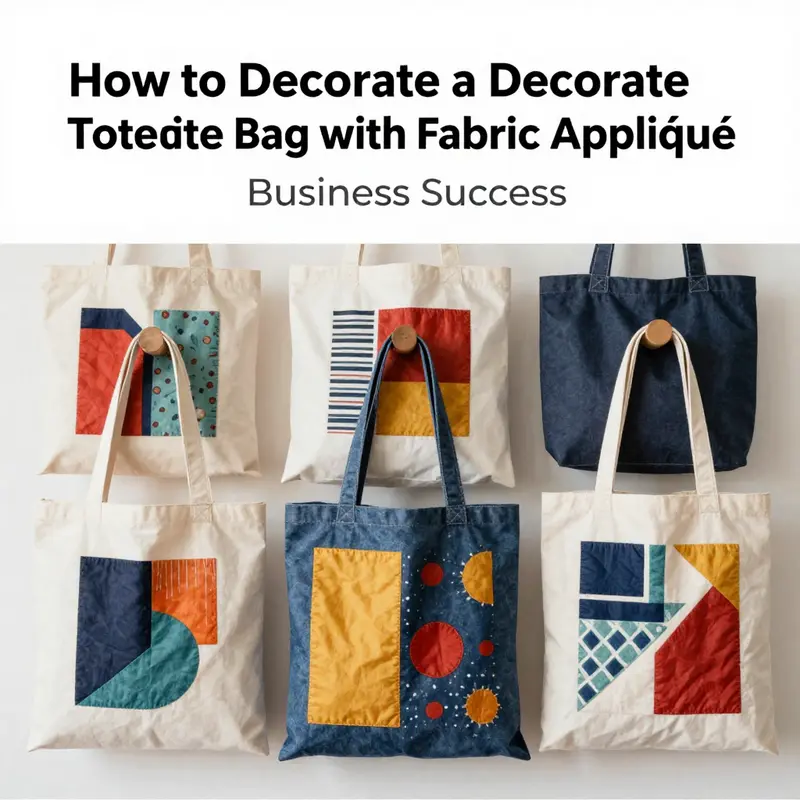
A tote bag is more than a carryall; it is a quiet stage for color, texture, and memory. Fabric appliqué invites you to tell a story with scraps, to layer meaning into a single everyday object until it feels personal, alive, and distinctly yours. When you lay down a few shapes of cloth and stitch or fuse them in place, the bag stops being a generic carrier and becomes a wearable canvas. The technique rewards patience and play, because the real magic lies in how threads and fabrics interact—how a tiny flower made from velvet sits against a flat cotton field, or how a jagged piece of denim peekabooing from under a satin leaf can catch the light at just the right angle. The moment you finish, you can feel the bag’s surface change under your fingers; it has texture, weight, and a subtle story of how it came to be. If you’re seeking a method that balances accessibility with enduring charm, fabric appliqué offers a way to transform a simple tote into a personal statement without needing advanced sewing skills or expensive equipment.
The process begins with a foundation you can trust. Choose a tote bag built to last, ideally a durable canvas or denim. A sturdy base matters because the appliqué will add weight and stress to the surface, especially if you are layering several pieces or adding textured fabrics like velvet or twill. A good base also holds stitches securely, so the design remains intact through daily use. When you start thinking about the base, consider a practical detail: a canvas tote is easy to press, easy to drive a needle through, and forgiving of small mistakes that can be corrected before finalizing the layout. For many crafters, the practical path toward a personalized item begins with a simple, reliable base—one that can bear the add-ons without puckering or sagging. If you’re exploring options for sturdy totes to decorate, a reliable canvas option can serve as a solid foundation, and you can find a range of fabrics that align with your color and texture goals via online catalogs and pattern shops. For a more specific starting point, see fabric options that are commonly grouped as fabric tote bags for women, which offer a balance of durability and style and can be the perfect playground for your initial appliqué experiments: fabric tote bags for women.
Selecting your design is the most intimate act in this process. You don’t need a master’s portfolio of patterns to begin; instead, gather a few ideas that feel meaningful to you. Visualizing the layout is essential, because appliqué thrives on composition as much as color. Start with a cohesive theme—nature, abstract shapes, or a personal monogram—and then play with scale. A large central motif can anchor the tote, while smaller accents drift toward the sides for balance. You can draft your design on paper first, tracing shapes you want to replicate with fabric. Remember that appliqué is as much about negative space as positive space. A single blooming flower might be framed by a handful of tiny leaves, or a geometric constellation can be punctuated by a few contrasting triangles. If you want to keep the process approachable, begin with simple shapes like circles, leaves, and petals, then layer in texture through fabric choice and stitch type.
Fabric choice is where texture and tone fuse. The world of appliqué is not limited to flat patches of color; it rewards contrasting textures and subtle pattern play. A smooth cotton or linen can showcase bold, crisp edges, while a plush velvet or faux suede adds a tactile surprise that invites touch. Layering two fabrics with different weights can produce a dimensional effect, but you’ll need to consider how the edges behave. Firmer appliqué pieces tend to hold their shape better when cut on the bias or with a small seam allowance. That little seam allowance makes all the difference when you intend to stitch around the edge. If you prefer a clean, no-sew look, fusible webbing or heat-activated adhesive can bond the pieces securely, though you’ll want to press with care to avoid warping the tote’s surface. Keep color theory in mind as well. High-contrast combinations create bold statements, while tonal palettes—shades of the same family—yield a more subtle, cohesive feel. A mix of matte and gloss textures can catch the eye without shouting, especially when you place a matte fabric alongside a sheen fabric in the same color family.
The actual work sits at the heart of the chapter: translating idea into fabric, then translating fabric into a secure, lasting decoration. You begin by cutting your chosen shapes with precise edges. Trace templates onto the fabric carefully, using a sharp pencil or tailor’s chalk that will disappear cleanly after sewing. Lay the shapes onto the tote in the planned arrangement. Before you commit, take a quiet moment to study the balance of your design. Rotate pieces in small increments to see how light and shadow behave when the bag tilts at different angles. This is where appliqué becomes playful and practical in equal measure. Once you’re satisfied with the layout, secure the pieces temporarily. Pins are the traditional choice, but you can also use fabric glue or a temporary spray adhesive for no-sew projects. If you opt for pins, place them along the edges so you don’t create lumps that could be felt through the stitching. If you choose glue, apply a thin, even layer to the back of each piece and press it into place, then allow the glue to set according to the manufacturer’s instructions before you proceed.
Choosing between sewing and adhesive methods marks a subtle but important fork in the journey. Sewing provides permanence and a tactile, crafted feel that many crafters adore. You can use a running stitch to outline each shape, a whip stitch to secure the edges, or a more robust blanket stitch for durability and decorative texture. If your goal is a quick, clean finish, or if you’re working with fragile fabrics or patches that might fray, a no-sew approach with fusible webbing can be appealing. The no-sew route begins by placing a line of fusible webbing between the appliqué piece and the tote, then using a hot press to activate the adhesive. Work in small sections, letting each area cool before proceeding. This method requires careful handling to prevent scorching or warping, so you’ll want a pressing cloth and medium heat, applied with a steady hand. You’ll also want to consider the edges where shapes meet the bag’s surface. If you’re sewing, finish the raw edges of appliqué pieces by turning them under slightly before stitching, which prevents fraying and yields a neater appearance. If you’re using adhesive, you can still add a decorative stitch around the edges for both strength and style—a simple backstitch or a tiny zigzag line can serve as a visible seam and a design detail.
The finishing touches are what elevate the project from a good result to a great one. After attaching the pieces, review the entire composition under different lights and at varying angles. A bit of alignment here or a change in the placement of a leaf can dramatically alter the bag’s overall feel. If you used patches or scraps with visible wrong sides, consider a light edge treatment to keep the pieces from curling or lifting after repeated use. For durability, you can reinforce the larger motifs with a few extra stitches along the edges, especially along corners and points that experience the most stress. A soft press afterward—using a pressing cloth and no steam—will set the stitches and help the fabric settle into place. If you opted for a no-sew approach, allow the adhesive to cure fully before handling the bag’s surface aggressively; this ensures that the pieces won’t lift when you stuff or carry items. Once you’re confident in the attachment, give the entire surface a gentle finish with a warm iron, again using a pressing cloth. Heat setting can improve adhesion for some fabrics and adhesives, and it helps flatten any tiny puckers that might have formed during shaping.
Color harmony and texture interplay deserve ongoing attention after the project is complete. The eye is drawn first to the largest or most saturated shape, then to the surrounding negative space and supporting accents. To enhance depth, think of your design as a layered landscape rather than a flat collage. A velvet patch catching a stray beam of light beside a crisp cotton leaf, or a tiny metallic thread stitched into the seam of a flower petal, can turn a simple motif into a focal point. You can introduce subtle contrast by using a lighter edge stitch around dark patches or a darker outline around light patches, which helps define shapes and adds craft-like character without overwhelming the overall color story. If you find the palette leaning too bold for everyday use, you can always tone things down with a monochrome approach—where a carefully chosen set of shades within the same family creates a quiet, sophisticated finish while still offering the tactile drama of appliqué.
Once your appliqué is fixed in place and the bag has’ cooled from pressing, you enter a phase of care and preservation. Wash care becomes especially important when you add multiple fabrics of different fibers and textures. Hand wash or use a delicate cycle with cold water, inside a mesh bag to protect the surface. Avoid aggressive agitation that could loosen edges. Dry flat to preserve the appliqué’s shape, then press again on a low setting with a pressing cloth to re-knit the surface after washing. If you’ve used fusible webbing, you may wish to re-press after the first wash to re-seal edges that have loosened slightly. When you store the bag, keep it away from heavy items that might press down on the surface and distort the patched landscape you’ve created. The more you handle the bag with care, the longer your appliqué will maintain its crisp edge lines and textile texture.
While fabric appliqué is often framed as a technique for beginners, it also offers ample room for more advanced experimentation. You can combine appliqué with embroidery to add micro-details that bring the design to life—tiny French knots for pollen in a flower center, a stem stitched with a subtle backstitch, or a threadwork outline that gently defines the silhouette of a leaf. You can mix in small patches with embroidered motifs or even stitch a faint geometric background behind a central motif to create a sense of movement. The joy of this approach is the way it evolves as your confidence grows: you can begin with bold, obvious shapes and move toward delicate, almost invisible lines that deepen the design’s narrative without overpowering the bag’s overall aesthetics. The process rewards patience, curiosity, and a willingness to learn from each attempt. It also offers a powerful reminder that decoration does not have to be about signaling a brand or a trend; it can be about building something lasting that reflects who you are and the story you want your daily routine to tell.
If you’re looking for further guidance on technique or want to see how others approach similar projects, you’ll find rich resources and tutorials that expand on these ideas. While the heart of the chapter lies in the hands-on practice of cutting, ironing, and stitching, the broader craft community can offer inspiration when you feel stuck. A comprehensive guide to fabric appliqué on tote bags, with step-by-step instructions, can provide fresh templates, tips on fabric stability, and nuanced advice about edge finishing and adhesion. For a more detailed walkthrough, consult external resources that distill the craft into approachable, repeatable steps: https://www.thesprucecrafts.com/fabric-applique-tote-bag-4159827. This kind of guide can help you understand when to prefer sewing over glue, how to choose stitch lengths, and how to rework a design that doesn’t sit as you envisioned.
In the end, the beauty of decorating a tote bag with fabric appliqué lies in the balance between intention and improvisation. You start with a plan, cut your shapes with care, and then respond to fabric behavior as you attach them. You learn to read the bag as you would read a canvas: where a corner needs a touch more weight, where a smaller patch can balance a too-bold motif, where a color shift can draw the eye to a place you want to highlight. Your tote becomes a symbol of your process—of choosing a base that lasts, of seeking materials that admit personality, of committing to a craft that rewards attention to detail. And as you carry the finished piece, you carry a narrative woven from fabric scraps and stitches, a portable reminder that making something by hand—something practical and beautiful—can shift the way you move through your day. The bag is no longer a tool; it is a companion, carrying not only items but the quiet confidence that comes from having shaped your own accessory with care and creativity.
Stitches That Speak: Embroidery and Hand-Stitching to Personalize Your Tote

Embroidery and hand-stitching transform a simple tote bag from a practical carryall into a personal canvas. The act of threading, needle slipping through fabric, and tiny knots forming shape and color is more than craft; it is a conversation between maker and object. When you decide to decorate a tote with embroidery, you are choosing to invest time and care into something that will accompany you on errands, commutes, and quiet moments alike. The result is not only visual delight but a durable, wearable expression of your taste and story. This chapter follows a steady, unhurried path through preparing your tote, selecting your materials, planning a design, and bringing that design to life with a set of hand-stitching skills that balance patience with imagination. The goal is a finished bag that holds up under daily use while carrying a personality all its own.
Begin with the bag itself. A tote made from sturdy cotton or canvas provides the best surface for embroidery. The fabric’s density matters because embroidery adds weight and stress to the material at each stitch. Heavy fabrics help prevent sagging and distortion near the stitched areas, while a bag with reinforced seams and double-stitched handles offers a reliable frame for your design. Before you even thread a needle, give the bag a careful assessment of its seams and edges. If you notice loose threads or weak spots, address them. A reinforced base or subtly double-stitched handles can keep your embroidery from pulling or stretching the bag during use. The aim is to create a foundation that supports both aesthetics and function. Pre-washing the tote is a step many makers overlook, but it prevents future shrinkage that could distort an initially well-placed design. This is not merely about cleanliness; it is about preserving the integrity of your plan once the stitches begin to settle into the fabric.
With your tote prepared, turn your attention to materials. For hand embroidery on fabric, stranded cotton floss—think of it as a slightly glossy, thread-packed option—offers a wide palette of color and ease of use. Each strand is made up of six finer threads; deciding how many strands to separate depends on the effect you want. Three strands create bold, assertive lines; two strands yield delicate detail. If you’re aiming for subtle shading or soft fills, you can separate one strand to create featherlight highlights or outlines. The floss’s fiber is forgiving enough for beginners yet rich enough for intricate work by more practiced hands. A sharp needle in the right size makes the work smoother; embroidery or crewel needles in a size around seven to nine typically work well for a tote’s mid-weight fabric. You will also need an embroidery hoop—ideally five to seven inches in diameter—to keep the fabric taut and free from puckering as you stitch. A hoop matters because the tension you maintain in the hoop translates directly into the uniformity of your stitches. Scissors for snipping threads, and transfer tools to get your design onto the fabric without guesswork, round out the core kit. Water-soluble pens are handy for sketching lines that disappear with a wash; iron-on transfers and printable adhesive patterns offer precision for more complex motifs. A small amount of fabric-safe chalk can be a helpful backup option when you want to place a design with light, erasable guidance.
Planning the design is where the creative conversation begins in earnest. Start with a sketch on paper, then translate that sketch onto the tote. A floral motif provides a timeless starting point; geometric shapes can give a modern edge; initials or small symbols can carry personal meaning. The transfer step is not merely about marking the fabric; it’s about preserving your design’s placement as you work. Water-soluble pens are convenient because they vanish with moisture, leaving only the stitched lines behind. Iron-on transfers keep lines precise and symmetrical, while tracing through tissue paper can help you follow a design already drawn or printed on another surface. Whatever method you choose, take a moment to consider how the design sits on the bag. Place it in the right zone—neither too high to interfere with the handles nor too low to drag visually when the bag rests against your hip. A center-focused motif can anchor the composition, while offset designs can add a playful, contemporary twist. If you’re stitching letters or words, test the spacing on paper first. Letter height, loops, and connecting strokes will influence readability once the floss covers them with color.
The actual stitching is where technique shapes texture and mood. Mount the tote into the embroidery hoop so the fabric lies flat and the hoop stays stable in your lap or on the table as you work. Begin from the center of your design and move outward in small, controlled sections. This approach helps you maintain balance and reduces the risk of misalignment as you add more stitches.
Different stitches bring different energies to a tote. The running stitch offers a simple, quick outline or border that frames your work with a light touch. For more deliberate lines—think letters or fine details—the backstitch provides a clean, continuous line that reads crisply against the bag’s surface. If you aim to fill shapes with color, the satin stitch makes a smooth, solid field that can feel almost painterly in its coverage. For texture and a touch of whimsy, French knots add small, tactile dots that catch the light and invite the eye to linger. The key to all of these stitches, regardless of the style, is consistent tension. Too tight, and the fabric may pucker; too loose, and the shape can wobble or sag. Watching your tension becomes almost a ritual in itself—notice how the thread glides through the fabric and how the fabric yields just enough to seat the thread without creating gaps.
As you stitch, consider how layers will interact. If you’re building a motif with multiple color areas, plan the order so you don’t trap later stitches beneath earlier ones. Sometimes it’s wise to outline in a single color first, then fill with one or two complementary tones. This practice helps preserve legibility and prevents color muddiness where threads cross. If you’re new to color theory in embroidery, aim for a palette with a dominant color and a couple of supporting hues. A successful embroidery on a tote respects the bag’s existing fabric color; the design should either harmonize with it or intentionally provide a bold contrast that makes the motif stand out. When you choose thread colors, test them against the fabric in small, unstitched swatches first. A color that looks bright on a spool may read differently on a canvas patch, especially when the tote itself will be worn with varying outfits.
The transfer marks should not shadow your final piece. If you used a water-soluble pen, you can gently dab the fabric with a damp cloth to remove any residual guide lines after you’ve completed the embroidery or when you’re washing the bag for the first time. Some crafters prefer to complete the embroidery before any final removal of marks, especially if the design relies on sharp, precise outlines. In that case, once the stitching is done, tumbling the tote gently in a cool water rinse right away can help refresh the lines before you proceed to finishing steps. Be mindful of whether the floss is colorfast; if there’s any doubt, wash the bag by hand in cold water after you complete the embroidery to confirm color stability. Heat-setting is a practical option for any painted or printed elements that may accompany the embroidery; however, with stitch work, you typically don’t need to heat-set the threads themselves. Instead, let them cool and settle, then finish by trimming any loose ends and ensuring no stray threads peek through.
Finish is as important as start. When you’ve completed your design, trim all tails neatly and secure knots close to the fabric so they don’t rub against the bag’s underside or show through the finished surface. If you used a delicate blend of threads, consider applying a light, fabric-safe stabilizer or a tiny bit of fabric glue along the back edges of denser areas to prevent fraying or shedding—though many purists prefer only careful knotting and trimming to avoid adding any stiff layers that could impede drape. Cleaning marks left from transfer tools should be addressed gently. A damp cloth can remove marks from water-soluble dyes; some marks may fade naturally with washing, but you should avoid aggressive scrubbing that could loosen the stitching or distort the shape. After finishing, a quick, cold-water hand wash is a prudent test for colorfastness, especially if you used bright, saturated colors or multiple new threads. Lay the tote flat to dry, avoiding direct heat which can cause unwanted warping. This gentle care preserves your work and keeps the fabric from shrinking in a way that could misalign the embroidery.
Beyond the mechanics of stitch work lies the broader purpose of embroidery on a tote. It is a chance to narrate a personal story through color and form. A floral motif may speak of growth and renewal; a geometric pattern might convey structure and balance; a set of initials or a date can anchor memory in time. The same tote can carry different meanings depending on how you approach the design and the colors you choose. The act of stitching itself becomes a meditative practice, where careful pulls of floss and patient planning align with daily rhythms—morning coffee, a train ride, a weekend project at a sunny kitchen table. The bag becomes not simply a container but a companion, a repository of small decisions and a testament to craft as a sustainable alternative to fast fashion. When you finish, stand back and observe how the embroidered elements interact with the bag’s silhouette. Do the stitches stay at a comfortable distance from the handles, ensuring they won’t snag or rub during carry? Does the color balance feel as you envisioned, or does it require a small adjustment—a touch more shading, a subtle line to anchor a corner, a few extra French knots to balance weight? The beauty of hand embroidery lies in that iterative conversation with your own work, a dialogue that continues long after you lift the needle for the final time.
In this era of rapid trends, the hand-stitched tote is a deliberate counterpoint. It invites patience, a slower pace, and an appreciation for small, tangible skill. You’re not simply decorating a bag; you are sustaining a craft that has traveled through generations of makers who found identity in thread and fabric. Embroidery embraces imperfections as part of its charm. A stray knot or a slightly uneven satin fill can become a feature rather than a flaw, proof that a real person made the piece with care. It is this humanity—the visible evidence of hands at work—that gives a hand-stitched tote its charm and longevity. As textile artist Lila Nguyen once said, “Embroidery turns utility into art. A tote isn’t just for carrying groceries—it becomes a statement.” That statement is yours to shape, stitch by stitch, color by color, in a practice that honors both function and imagination.
For makers seeking a structured path to bring this kind of project to life, there are abundant guides and visual references that can accompany your learning. If you would like step-by-step visuals and printable templates, a comprehensive online resource offers clear demonstrations of transfer methods, stitch techniques, and project planning. This additional guidance can be especially useful when you’re working on more complex motifs or when you want to replicate a technique across different tote sizes and fabrics. For many, the combination of a well-chosen tote, a thoughtful design, and patient stitching creates a final piece that feels almost destined to belong to them, a small, personal museum of color and texture that travels wherever the bag goes. In the quiet rhythm of stitching, you may discover not just a finished bag but a renewed sense of what a simple piece of fabric can become when you invest time, patience, and care.
If you’re curious to explore further, you might consider checking a resource dedicated to practical embroidery on fabric. It offers a step-by-step visual guide and printable templates that complement the techniques described here. For a broader sense of how the craft can be adapted to daily-use items, a deeper dive into fabric choices, stitch patterns, and finishing touches can expand your repertoire and inspire new tote projects. The practice is expansive, and the tote you create can evolve with you, adopting new motifs, colors, and textures as your skills grow. The joy lies not only in the result but in the process—the anticipation of selecting threads, the careful alignment of your design, and the quiet satisfaction when the final knot rests securely and the bag slides over your shoulder with the weight of your handwork borne comfortably on its surface.
Internal link for further context
If you want to explore related materials about fabric-focused totes and how their construction can influence embroidery choices, consider this resource: fabric tote bags for women.
External resource for visual techniques and templates
For a step-by-step visual guide and printable templates, see All the Crafts’ hand embroidery tote bag guide: https://www.allthecrafts.com/diy-hand-embroidery-tote-bag/
null

null
Final thoughts
Decorating a tote bag offers a unique opportunity to express creativity while also enhancing your brand’s visibility. Through methods like Fabric Appliqué, Embroidery & Hand-Stitching, and Painting & Stenciling, business owners can craft personalized and stylish bags that resonate with their customers. Not only do these beautifully decorated bags serve as functional accessories, but they also act as powerful marketing tools that can attract attention to your brand. By exploring these decoration techniques, you’re not just personalizing an accessory; you’re investing in your brand’s future. Harness these strategies to create memorable products that will leave a lasting impression.