

Keeping a Marc Jacobs tote bag clean is essential for maintaining its aesthetic value and longevity, especially in a business context where presentation matters. As a symbol of luxury and style, these bags deserve specialized care, which begins with understanding the material composition. Each type of material employed in Marc Jacobs designs—be it smooth leather, suede, or coated canvas—requires distinct treatment methods to avoid damage. This article will outline the crucial steps to identify material types, provide detailed cleaning instructions, and discuss professional cleaning services available. By following these guidelines, you can ensure that your investment retains its elegance and functionality even with regular use.
Material as the Map: Identifying What Your Marc Jacobs Tote Demands Before Cleaning
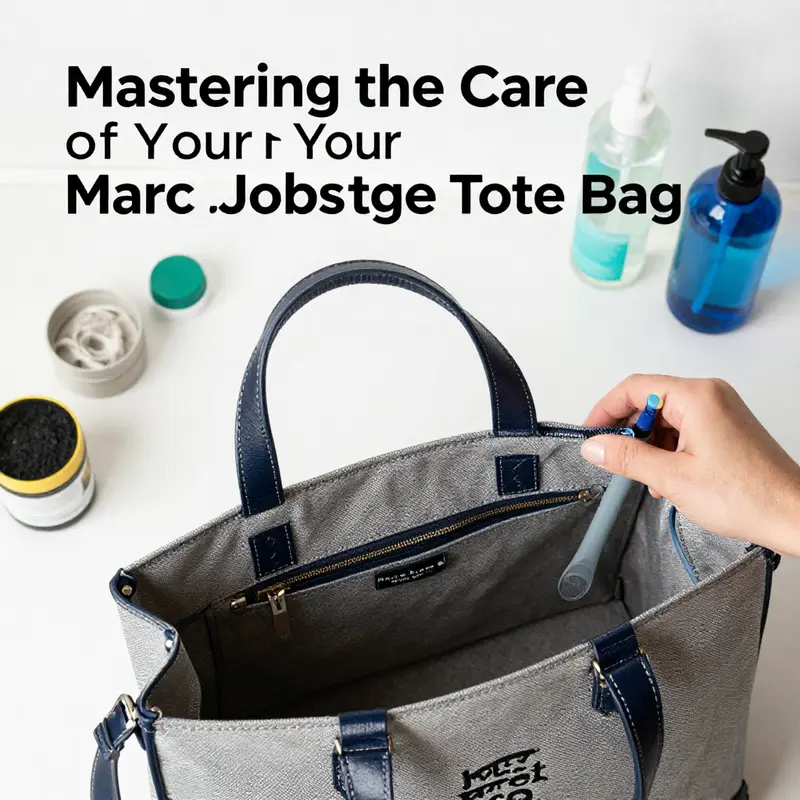
Cleaning a Marc Jacobs tote bag starts with a simple, but crucial, step: identifying the material. The bag you own could be smooth leather, supple suede, canvas with a distinctive monogram, coated fabric, or waxed canvas. Each material has its own care language, its own set of vulnerabilities, and its own trusted methods for restoration. When a bag is cared for according to its material, it preserves color, texture, and structural integrity. When it is not, even a well-meaning clean can leave water marks, dullness, or unsightly stains that seem stubborn and permanent. The path to successful cleaning is not about chasing a generic technique but about listening to the material’s own needs. This is how you move from guesswork to confident care, from the first indications of trouble to a treatment that respects the bag’s design and its value. To begin, you will identify the material with precision, leaning on the care label, brand guidance, and careful observation of the bag’s surface, feel, and weight.
Materials speak in tones and textures that tell you what to do next. If your tote carries a care label tucked inside a pocket or beneath a leather tab, read it closely. The label is a quick compass that points toward the right cleaners, the right dampness, and the right drying conditions. If the label is missing—the fate of many pre-loved pieces—turn to the brand’s official care resources. The Marc Jacobs care page and related instructions are designed to map each material type to its specific cleaning protocol. If you encounter a bag whose composition feels uncertain, or if you notice features that hint at multiple materials (for example, a leather body with a coated fabric base or contrasting suede trim), move with extra caution. The risk of using an unsuitable cleaner or soaking a surface is not theoretical; it has real consequences for texture, color fastness, and the bag’s overall structure. In short, material identification is not a preliminary step to skip; it is the compass you need to navigate every cleaning decision.
Once you have a handle on the material, the next move is to compare that understanding with what you see on the bag itself. Smooth leather will usually respond to a soft, damp cloth and a mild leather cleaner, with attention paid to moisture levels and rapid drying. Suede and nubuck, in contrast, are famously sensitive to water and oils. They respond best to a suede brush and an eraser for isolated marks, with a strict no-wet-clean policy in many cases. Canvas, especially if it bears a monogram or a coated finish, behaves differently: it likes spot cleaning with cold water and a touch of mild detergent—never a full submersion because the protective coating can be compromised. Waxed canvas requires an even more delicate hand; the wax layer is what gives the fabric its water resistance, so washing can strip that protective finish. In each case, a spot test is indispensable. A tiny test patch in an inconspicuous area allows you to confirm that your chosen cleaner does not alter color or texture. You want confidence, not surprises, when you step into the cleaning process.
To translate identification into action, imagine opening the bag and sliding your fingers along the seams and edges. Material identification is a sensory exam as much as a label reading. Smooth leather feels firm but supple under your fingertips. If the surface has a subtle nap, with a velvety texture, you are likely looking at suede. A surface that appears matte but durable, with a visible weave, suggests canvas or coated fabric. A heavier, slightly stiff feel with a natural gloss could indicate waxed canvas or a leather finish with a protective coating. The easiest way to confirm, once again, is to use the care label or official guidance. And if you find the bag’s interior lining—perhaps silk or a delicate fabric—intacts, you will also consider whether that lining could be affected by any cleaning method you choose. This is not a minor detail; it can guide whether you choose a gentle surface wipe or a more careful, professional intervention.
The second major stage is to prepare the bag for cleaning by removing the contents and performing a quick structural check. Empty the tote completely, from pocket organizers to internal zippers and linings. Look for loose threads, frayed stitching, or any signs of wear that might worsen with cleaning. If you notice loose elements, consider taking the bag to a professional for repair before you begin the cleaning process. The goal is to avoid exacerbating weak points, especially around handles, piping, or areas where the material has thinned. The inspection is a safeguard for both your method and the bag’s long-term health. It also helps you decide how aggressive you can be with stain removal. If you detect damage, you might prioritize stabilization or professional cleaning services that can preserve the bag’s structure as well as its finish.
With the bag emptied and inspected, the next move is to move into the gentle mechanical preparation: dry brushing. A soft-bristled brush—whether a clean toothbrush or a suede brush—done with light, even strokes helps lift surface dust and debris that would otherwise be forced deeper into fibers during cleaning. Focus especially on the folds, seams, and creases where dust tends to accumulate. The goal is not to scrub away at the fabric but to loosen and lift, giving your subsequent cleaning steps a cleaner surface to work with. For leather, suede, and coated fabrics, dry brushing is a low-risk first act that encourages better outcomes without introducing moisture that could harm the materials. When you brush, do so in one direction where possible, and avoid aggressive back-and-forth scrubbing that can damage nap, fibers, or delicate coatings.
Now comes the heart of the process: stain handling. The approach depends on the material you identified earlier. For canvas or coated fabrics, as long as you have confirmed a compatible surface care approach, you can prepare a very light cleaning solution. A soft cloth dampened with cold water and a single drop of mild dish soap, such as a gentle Castile soap, is a common starting point. You want to dab rather than rub—gentle taps that lift the stain without pushing it deeper into the weave. After you apply the solution, blot with a clean, dry cloth to lift moisture and stain particles. Then allow the area to air dry away from direct sunlight or heat sources, which can cause uneven fading or warping. For leather, you will turn to a leather-safe cleaner and conditioner that is recommended by the brand itself or by a reputable leather specialist. Apply sparingly with a microfiber cloth, working in small circular motions, and finish with a light buff to restore the surface’s natural luster. If your bag is both leather and another material—such as a leather body with a coated fabric trim—the cleaner you select for the leather should be kept strictly to the leather parts, while the other materials should receive their own appropriate treatment. It’s not unusual for high-end totes to combine materials, and that reality requires disciplined, material-specific care rather than a one-size-fits-all approach.
Suede and nubuck require a different tone entirely. These materials resist moisture, oils, and, at times, certain cleaners. A suede brush is your primary tool, used to lift nap and erase small marks. For stubborn stains that resist brushing, a suede eraser can be employed with careful, gentle pressure. The guiding principle for suede remains: keep water away. If a spill happens, blot quickly with a clean cloth rather than attempting to rinse, and let the surface dry naturally rather than applying heat or sunlight. After cleaning, a protective suede spray or conditioner that is appropriate for the specific type of suede can help deter future staining. Waxed canvas, while often appearing rugged and weather-ready, also follows a specialized script. The wax layer in waxed canvases is what gives the fabric its characteristic water resistance. Washing can strip that wax and leave the fabric more vulnerable. For these, the recommended path is almost always no washing. Instead, use a dry or slightly damp cloth to remove surface dirt and consider applying a specialized wax conditioner if you notice the wax becoming stiff or dry. The goal with waxed canvas is maintenance, not restoration through moisture, and you should never submerge it in water or place it in a washing machine.
A few practical cautions slip into every step you take. First, never submerge a Marc Jacobs tote in water, even if online chatter claims otherwise. Viral clips may promise a hot-water bath or a full submersion, but such demonstrations are not a reliable source for luxury materials. The risk is broad: water can alter leather’s surface, degrade coatings on coated fabrics, and weaken the structural adhesives that hold pieces together. The integrity of the bag’s finish and its value can be compromised in a single careless moment. Second, always perform a spot test for any cleaner or conditioner in an inconspicuous area before applying it to a larger section of the bag. This tiny test can reveal color bleed or texture changes that would otherwise surprise you when the whole area is treated. Finally, after any cleaning step, allow the bag to air dry completely before reassembling or storing it. A damp bag can encourage mold growth, affect hardware finishes, and lead to unpleasant odors that are difficult to eradicate later.
When you have reached a stage where the surface looks renewed and the material’s texture reads as expected, it is time to consider the finish and long-term care. Leather often benefits from a conditioning step after cleaning. A leather-safe conditioner, chosen in consultation with the care guide or a trusted brand, helps restore suppleness and protect against future drying and cracking. For suede, after brushing away dirt and applying any recommended eraser steps, a light application of a protective spray suitable for suede can help guard nap against future marks. For canvas and coated fabrics, you may simply allow the surface to dry and then proceed to storage as long as it remains clean and unexposed to moisture. In waxed canvases, you may need to re-apply wax conditioner according to the manufacturer’s guidance to restore the original water-repellent properties. The overarching idea is to pair your cleaning with thoughtful maintenance that respects the material’s nature and extends the bag’s life.
The last phase is about retention and stewardship: how you store and monitor the tote after it has dried. Air-drying is essential, and you should avoid direct sun, heaters, or forced drying methods that could cause uneven fading, cracking, or warping. When you are ready to store, place the bag in its original dust bag or a breathable fabric cover that protects it from dust and light. Improper storage can create a microclimate that invites staining, mildew, or odors. Try to maintain a shape that supports the bag’s silhouette. If your storage area is humid, consider a silica packet in the storage case to absorb excess moisture. This approach is not about superficial shine alone; it is about preserving the bag’s construction—straps, seams, linings, and hardware—so that future cleanings, if needed, remain straightforward rather than fraught with risk.
In discussing these steps, it is worth noting the value of official guidance as a safeguard against missteps. The brand’s care and maintenance page offers material-specific recommendations, updates, and nuances that can adapt as new finishes are introduced. If you ever feel uncertain, or if the bag features delicate beading, hardware, or a silk lining, consulting a professional handbag cleaner who is certified for luxury goods can save you from costly missteps. The best outcomes come from combining your careful material identification with trusted care practices, and from recognizing when a situation warrants professional support. For readers who want to compare general material care concepts across different tote types, a resources page on fabric varieties can provide helpful context and a broader vocabulary for what to expect when cleaning, drying, and storing. You can explore a broader landscape of material care through a related resource such as fabric tote bags for women, which offers insights into common fabrics and treatment approaches without implying a one-size-fits-all solution for luxury bags. fabric tote bags for women.
The practical upshot is this: knowing the material sets the frame for every action. It informs what you wipe with, what you test first, how you handle water, and how you finish. It also protects the bag’s appearance and value, which is especially important for a tote with a heritage or a reputation for craftsmanship. This is why the opening steps—identifying material, inspecting structure, and performing a careful spot test—are not merely procedural chores. They are the foundation of a respectful cleaning approach that honors both form and function. When you approach cleaning with a material-first mindset, you create a reliable path from soiled surface to renewed surface that preserves the bag’s character while allowing its color and texture to remain faithful to the original design.
For those who want a concise reference at hand, the official care guidance provided by Marc Jacobs remains the most authoritative source. It consolidates the brand’s recommendations by material, helping you tailor any cleaning to the bag’s precise composition. This reduces guesswork and increases the likelihood of a successful outcome. The link to the brand’s care page is a dependable starting point for ongoing care, maintenance, and material-specific cleaning instructions. By anchoring your approach in material identification, you align your cleaning with the bag’s intrinsic properties, ensuring that each wipe, dab, and buff respects the original craft and preserves the tote’s value for years to come. External resource: https://www.marcjacobs.com/care
External resource: https://www.marcjacobs.com/care
Gentle Hands, Lasting Shine: A Material-Safe Cleaning Guide for a Marc Jacobs Tote

Caring for a Marc Jacobs tote is more than a routine chore; it is a stewardship of the bag’s materials, finish, and the craft that went into its design. These bags come in a range of fabrics and leathers, each with its own set of sensitivities and strengths. A careful approach starts with recognizing that the care label inside the bag or the original care booklet is the map you must follow. If those guides aren’t available, the brand’s official care pages provide the most reliable, model-specific instructions. This isn’t about turning the bag into a showroom prop. It is about preserving the look and integrity of the piece, so that its textures, hardware, and structure continue to tell the story you bought into. The impulse to treat a designer tote like a standard household bag is strong, but successful cleaning rests on a simple principle: identify, then treat each material with the respect it requires.
To begin, the identification step is not merely a detail; it is the pivot on which the entire cleaning plan turns. Marc Jacobs doesn’t rely on a single fabric across all collections. You may encounter smooth leather that bears a soft patina, suede or nubuck that invites a careful hand, canvas or coated fabrics that resist moisture yet collect surface grime, and waxed canvases that hold water at bay while requiring restraint. Each material speaks a different care language. Smooth leather asks for a gentle touch and a purpose-made cleaner that preserves suppleness. Suede and nubuck demand a dry approach, aided by a suede brush and a careful eraser for isolated spots. Canvas, whether monogrammed or coated, welcomes a light touch with cold water and a mild detergent, while always avoiding submersion. Waxed canvas, meanwhile, carries a note of caution: water will strip the wax, so the cleaning must be dry or barely damp, with a wax conditioner used sparingly if needed.
Once you have confirmed the fabric type—often by a care label, sometimes by model notes on the brand site—you proceed with the inspection. This step is about more than surface dirt. It’s a check for loose threads, compromised seams, tarnished hardware, and any signs of wear that would benefit from professional intervention before you touch the surface. If you find frayed stitching or cracked hardware, the practical choice is to address those issues first. So, you might transfer the contents to a clean bag, or a protected storage area, while you assess the condition. You might even remove a small authentication card or fragile components that could get snagged on a cleaning cloth. The goal is to prevent new damage during cleaning, not to risk existing vulnerability for the sake of a perfect result.
With the bag emptied and the material identified, you move into the dry-brush step. A soft-bristled brush, whether a clean toothbrush for tight seams or a proper suede brush for textured surfaces, helps lift dust and surface grime without pushing dirt deeper into fibers. Run the brush along seams, corners, and hardware attachment points. The point of this step is not to scrub away deeply set stains but to create a clean surface that won’t smear when you introduce any moisture later. This is especially important for coated fabrics and canvas, where grime can work its way into the protective layer and become more stubborn if pressed in. For leather or suede, a light touch is essential; you are removing dust rather than saturating the surface.
Now comes the moment many guides emphasize but few people approach with the same care: spot cleaning. The approach shifts depending on the material, because the same stain can behave very differently on leather than on canvas. For canvas or coated fabrics, you can work with a damp cloth—cold water, not warm—with a single drop of mild dish soap. Dab, don’t rub, into the stained area, letting the detergent break up the grime rather than forcing it to move. After a gentle dab, blot with a clean, dry cloth to lift moisture. Then lay the bag in a shaded, airy spot to dry. Avoid direct sunlight or heat sources, which can cause fading or warping. For leather, a different set of tools is appropriate. A leather-safe cleaner and conditioner—ideally recommended for the specific leather type, whether smooth or Saffiano—applied with a microfiber cloth in tiny, circular motions, yields the best balance between cleansing and maintaining elasticity. If you notice color transfer or color bleeding from the stain, resist the urge to over-clean; leather can be brittle if challenged too aggressively. A professional cleaner is often the best route for stubborn marks, scuffs, or if you lack the exact leather care product that your bag’s finish requires.
At this point, a note about waxed canvases and certain coated textiles. Waxed canvases resist water rather than inviting it, so water-based cleansing is a risk. The preferred method is a dry or barely damp wipe with a touch of mild soap only if necessary, followed by thorough air drying. A wax conditioner can help restore the protective surface after cleaning, but only after the bag is completely dry and only as directed by the conditioner’s user instructions. The overarching caution here is clear: never wash waxed canvas with water in a washing machine or submerge it in water. Submersion can strip the wax, leaving the fabric vulnerable to moisture and stiffness. In every case, the moment you observe a stain or a scuff, consider a targeted approach rather than an overall wash: targeted cleaning is less likely to disturb the bag’s protective finishes, color balance, and hardware.
After you have treated stains and surface grime, you transition to air drying. This is a slow, patient phase. Reshape the bag while it’s still slightly damp, which helps minimize deformation caused by gravity as it dries. Then lay the tote flat on a clean towel in a well-ventilated area away from sun, radiators, or hairdryers. The aim is even, natural drying, avoiding heat that can dry out leather, crack finishes, or warp canvas. The drying time can stretch across several hours to a full day, depending on humidity and fabric thickness. During this time, keep zippers unlatched and pockets open if you need to reduce tension as the bag settles back into its natural form. Do not stuff the bag with heavy items to accelerate drying; this can produce stubborn creases.
Even when the bag looks clean, there is a final step that is easy to overlook but essential for long-term care: conditioning, especially for leather. Once the leather is fully dry, a high-quality conditioner designed for the specific leather type can restore moisture and help guard against future drying or cracking. A small amount goes a long way; apply with a microfiber cloth and buff gently until you see even absorption and a subtle sheen. The goal is not a slick, glossy finish but a nourished, pliable surface that retains the natural character of the leather. If you have a coated or printed surface, you may not need conditioner in the same way, or you may require a product formulated for that finish. In all cases, follow the product instructions, first testing on a hidden area to confirm compatibility.
A thread that runs through all of these steps is the importance of restraint. The internet is full of dramatic demonstrations that promise miraculous results with aggressive techniques. Some viral videos suggest hot water baths or power washing, but those methods should be dismissed when caring for a Marc Jacobs tote. They can damage fabric, fade finishes, loosen stitching, or misalign hardware. This is not opinion; it is a practical warning rooted in experience with luxury textiles. The cautious approach—spot testing, minimal moisture, gentle brushes, and patient air drying—protects the bag’s structure, color, and value. If you’re unsure about your bag’s exact material or if it features delicate beading, metallic hardware, or a silk lining, consider consulting a professional handbag cleaner who specializes in luxury goods. Many brands offer authorized cleaning services through their boutiques or partner networks, and those services are trained to handle sensitive details with appropriate products and techniques.
As you refine your cleaning routine, it’s worth tying the practical steps back to the broader care guidance the brand itself provides. The internal logic of the care recommendations is straightforward: identify, test, treat gently, and dry thoroughly. If you have trouble locating the precise instructions for your bag model, collect the information from the brand’s care and maintenance page and compare it with the care label inside the bag. There is almost always a model-specific nuance—the exact leather finish, the protected coatings on canvas, the presence of embellishments—that dictates which cleaners are appropriate and which steps to skip. A responsible approach also includes using a soft microfiber cloth for most contact cleaning to prevent micro-scratches and to avoid transferring dyes from the cloth to the bag.
Incorporating practical sources into your routine can be as important as the cleaning itself. For example, you can reference a dedicated resource on canvas totes to broaden understanding of material-specific care patterns, such as a guide focused on canvas varieties and treatment options. You might consider following a reputable source that discusses common canvas finishes and how to preserve their texture and color over time. If you decide to explore such a resource, look for a page that emphasizes gentle cleaning and spot treatment rather than aggressive wet methods. This broader context can help you tailor your routine to the exact mix of materials that appear in your Marc Jacobs tote. In addition, you may find it helpful to consult the brand’s official care page directly for the most accurate, up-to-date guidance tailored to your bag’s material and construction.
A practical note for those who carry bags with special features—beading, hardware embellishments, silk linings, or delicate trims. In these cases, the risk of damage increases with any cleaning attempt. You might choose to remove or protect the hardware temporarily during cleaning, especially if the bag has metal accents that could discolor when exposed to moisture or cleaners. Consider performing a test spot on any permissible inconspicuous area before treating a visible stain, and be prepared to stop at the first sign of dulling, color transfer, or felt-softer texture changes. If the beading or trim is particularly intricate, professional care remains the safest route.
Finally, think of storage as part of ongoing maintenance. After a successful cleaning and conditioning, store the bag in its original dust bag, in a cool, dry, and ventilated space away from direct sunlight. Light exposure is a common enemy of luxury textiles, and a simple dust cover can prevent dust accumulation and accidental abrasion. If you will not use the bag for an extended period, consider occasionally removing it from storage to allow the leather to breathe and to prevent corner warping caused by long, unchanging pressure.
For readers who want to anchor the practical steps in a broader sense of care, there is value in connecting with reliable, model-specific guidance and with professional cleaners who understand luxury materials. The approach outlined here is designed to be a mindful, adaptable method that respects the variety of Marc Jacobs totes. If you are ever unsure, you can rely on the official care guide provided by Marc Jacobs for your specific bag model, which will guide you through the nuances of your particular material and finish. For a helpful overview tailored to canvas varieties, consider exploring this resource about canvas tote care: Womens Canvas Tote Bags. This link is intended to offer general support and is not a substitute for the brand’s own care instructions. The essential rule remains simple: start with the label and the official care page, proceed with light, targeted cleaning, and always air dry. If in doubt, seek professional service.
To close, the act of cleaning a Marc Jacobs tote is an exercise in patience and precision. It requires a balance between the confidence to address marks and the humility to pause when a finish shows signs of distress. The results—preserved color, preserved texture, preserved structure, and preserved value—are a direct reflection of that balance. The journey from identification through drying and storage may take a little time, but the payoff is a bag that continues to carry your stories with the same quiet confidence with which it was made. And when you reset the bag after cleaning, you do not simply restore function; you reaffirm your shared respect for craftsmanship, materials, and the careful rituals that extend the life of your luxury tote.
For the most accurate, up-to-date care guidelines, consult the official care guide provided by Marc Jacobs for your bag model: https://www.marcjacobs.com/care.
Premium Cleaning for Designer Totes: Navigating Pro Services for High-End Handbags

Choosing to invest in professional cleaning for a designer tote bag is a decision that blends respect for craft with practical care. A well-treated bag can last for years, aging with character rather than deteriorating into a list of compromises. But luxury pieces demand more than a quick wipe-down or a casual wash. They require a careful, informed approach that recognizes the value of specialized processes, factory-standard procedures, and materials that respond best to trained hands. This chapter explores why professional cleaning services are often the right path for high-end totes, what to look for in a service, and how to prepare your bag so that the care it receives complements its construction, coatings, and aesthetic. It isn’t a brochure about quick fixes; it’s a guide to preserving material integrity, color, texture, and the delicate balance between beauty and function that these bags embody.
To begin, imagine the tote you own as more than a mere carrier. It is a complex system of surfaces, fibers, coatings, and hardware that work together to deliver form and function. The leather may boast a finish designed to resist moisture yet still be sensitive to polishing oils. Suede or nubuck surfaces may promise a soft, tactile appeal but temper that promise with a vulnerability to water and oils. Canvas, whether plain or monogrammed, might offer rugged resilience but can accumulate stubborn dirt in seams and under hems. Coated fabrics can present a protective layer that is not impervious to the wrong solvent, and waxed canvases rely on a wax barrier that can be compromised by improper cleaning. These nuances matter because they set the baseline for what professional care can achieve and what should be avoided in any attempt at home.
Part of the professional care decision is material identification. Before you speak to a cleaner or arrange a service, you should know the bag’s fabric family. The care label inside the bag is the simplest compass. When that isn’t available, a reputable care page from the designer’s guidelines or a trusted luxury-care authority can provide the essentials. The material dictates not only the cleaning strategy but also the tools a technician will employ. For smooth leather, the approach centers on gentle removal of surface grime with a soft cloth and a mild leather cleaner, followed by conditioning to maintain suppleness. Suede or nubuck, with their delicate nap, require a suede brush, a gentle eraser for small marks, and a careful refusal to saturate. Canvas or coated fabrics respond to spot cleaning with cold water and a modest amount of mild detergent, with a firm rule against submersion or machine washing that could mar coatings or inscriptions. Waxed canvases, prized for their water-repellent sheen, demand a completely different discipline: dry, or nearly dry, cleaning actions, and the optional use of a wax conditioner rather than water-based cleansers.
The most important precaution begins with a spot test. Even professional services start with a controlled evaluation on an inconspicuous area to ensure the chosen solvent or cleaner doesn’t alter color, texture, or finish. In the hands of a skilled technician, a spot test becomes a diagnostic tool that guides subsequent steps rather than a mere safety ritual. The goal is to preserve the bag’s original appearance while removing soils, oils, and marks with methods calibrated to its material. If you’re unsure about the bag’s composition, reach out to a service that explicitly states its capability to handle luxury materials, detailing the product lines it uses and the protocols it follows. The peace of mind gained from such transparency is worth more than the savings of attempting a DIY cleanup that could undermine resale value or structural integrity.
When you’re ready to consider a professional option, the question becomes how to select a service that respects the bag’s value. A reputable luxury-care specialist will typically emphasize a few core competencies. First, they should operate with technicians who have formal training in leather and fabric care, ideally with credentials that reflect an understanding of high-end materials and finishes. Second, they should demonstrate experience with the kinds of finishes and protective coatings intrinsic to designer totes: multiple leather grades with varied sheen, nubuck-like finishes that require precise nap maintenance, and coated canvases that rely on coatings and sealants to protect their surface. Third, they should offer a transparent intake process, including a condition assessment, a written estimate, and a clear communication channel about what the service will and will not do. Fourth, they should provide documented care options—such as professional cleaning, stain removal, conditioning, color restoration, hardware cleaning, and possible minor repairs—so you know what outcomes to expect. Finally, they should guarantee the security and privacy of the item during transit and service, a fundamental concern when a bag carries both personal sentiment and a high market value.
In this regard, there is value in seeking facilities with established reputations in the luxury-care ecosystem. The right choice balances proximity, depth of expertise, and an aligned philosophy on preserving original finishes and maintaining resale potential. It is tempting to think that any high-end service will suffice, but luxury materials demand careful handling and a carefully calibrated approach. A service that advertises only general cleaning methods without addressing the specific layers—dyes, topcoats, protective resins, or nap maintenance for suede—may not have the depth needed for a bag of particular construction. When in doubt, ask for a materials-specific plan: which cleaners they employ, how they test colorfastness, what conditioning products they consider compatible with the finish, and whether they offer any signature protection that preserves the coat of wax or the continuity of a monogram print.
The conversation with a potential service should also cover practical logistics. Before you ship or drop off your bag, confirm insurance coverage for transit and for the bag’s declared value. Ask about chain-of-custody procedures, tamper-evident protocols, and how the service handles sensitive hardware finishes, such as polished metals or plated accents. Quality care cannot be reduced to a single cleaning method; it is a complete ecosystem that protects the bag’s structure, surface, and tactile character. You should walk away with a clear sense that the technicians will work within your bag’s established parameters and will not attempt aggressive solvents or heat that could warp the structure.
As you plan a professional cleaning, consider the lifecycle of the bag beyond the cleaning session itself. A well-executed professional treatment is not merely an expense but an investment in prolonging the bag’s life and preserving its distinctive lines. A pristine finish can enhance the bag’s value, sustain its color fidelity, and reduce the risk of long-term damage that would otherwise require costly repairs later. A good professional cleaner will also discuss aftercare—how to store the bag, how to prevent surface scuffs between uses, and what maintenance routine supports the cleanliness achieved in the service visit. This aftercare conversation often becomes the most practical outcome of the engagement, because it translates the cleaning process into daily habits that keep the bag looking its best between professional visits.
If you are already familiar with the idea of professional care, you may wonder how to prepare the bag for intake. Start by emptying every pocket, removing detachable straps, and inspecting hardware for looseness or corrosion. A bag with zippers, clasps, or magnetic closures may require a pre-clean evaluation to determine if hardware finishing is at risk. Document any pre-existing issues with clear photos and notes, especially if there are scratches, impressions, or dye transfer from other items. The cleaner will appreciate this level of detail because it helps determine whether the issue is surface-level soil or a deeper compromise that warrants specialized attention. When you bring the bag in person or send it for service, provide a copy of any care labels or original instructions you can locate. While labels sometimes fade or wear, any hints about recommended cleaners or conditioning regimes help the professional tailor their approach to the bag’s construction.
For those who wonder about the practical differences between on-site cleaning and mail-in services, the choice often depends on the bag’s size, the complexity of its materials, and the owner’s schedule. On-site treatments are ideal when the service offers a thorough evaluation, immediate testing, and the possibility of restoration that respects the bag’s texture in real time. Mail-in options can be preferable for very delicate items or for owners who travel frequently and must align care with a trusted courier system. In either case, insist on a detailed intake report, including a scope of work, a projected timeline, and a formal quote before any work begins. The transparency you demand at this stage will guard against hidden costs or unexpected results that could undermine your bag’s value.
The reality is that professional care does not guarantee perfection; instead, it offers a refined probability of maintaining the bag’s integrity while mitigating risk. Because high-end materials respond differently to cleaners, it is essential to rely on specialists who understand the nuanced chemistry behind leather finishes, nap maintenance, and the interaction between coatings and detergents. A reputable facility will know when to refuse a cleaning—such as avoiding wax coatings that may require re-waxing, or a delicate silk-lining that can shrink or bleed when exposed to standard solvents. They will also acknowledge when a bag could benefit more from a repair or reconditioning rather than a simple cleaning, and they will steer you toward the option that preserves the bag’s core value.
In the broader context of designer totes, the decision to pursue professional care is not a statement of excess; it is a strategy for long-term preservation. The work is not about vanity but about stewardship. It is about recognizing the delicate balance between preserving aesthetics and maintaining function—the kind of balance that is easier to sustain with a team of specialists who have built their practice around the care of luxury goods. To this end, you should feel empowered to ask questions, to request documentation of the methods used, and to insist on a tailored plan that respects your bag’s unique combination of materials, finishes, and hardware. This kind of collaboration between owner and technician often yields the best outcomes because it aligns expectations with the realities of high-end craftsmanship.
As you consider the care ecosystem, remember that education is ongoing. Brand and industry resources remain valuable references for staying current with best practices and material-specific recommendations. For an example of how professionals discuss material-aware care, you can consult resources that address the care of canvas options and related fabrics, which are a common component of many designer totes. See the dedicated resource on canvas tote care for more insights on maintenance principles that also apply in principle to other fabrics and coatings. canvas tote bags
Finally, it’s worth acknowledging the darker side of DIY sensationalism. A handful of social-media demonstrations claim quick, water-based baths or submergence as universal cures. These are not just misguided; they actually risk irreversible damage to coatings, dyes, and the bag’s fundamental structure. If you need a reminder, think about the different layers—the interior lining, the dye layer, the top protective finish, and the subtle interactions with hardware. All of these are sensitive to improper exposure to water, heat, or harsh chemicals. In short, professional care is not a luxury; it is a rational, informed approach to preserve a significant piece of craftsmanship. If you want a reliable, brand-aligned resource for professional care, consult the official care and service pathways that many luxury houses offer through their networks.
To support your decision-making and to connect you with broader guidance, here is a recommended external reference from a respected luxury-care specialist that covers structured care for high-end handbags. It is a practical example of how professional teams frame care for designer leather and coated fabrics, including step-by-step assessment, cleaning, conditioning, and protection strategies. For an authoritative guide from a specialist in luxury handbag care, see this external resource: https://www.savilerowluxurycare.com/marc-jacobs-handbag-care
Final thoughts
Proper care of your Marc Jacobs tote bag is not just about aesthetics; it’s an investment in maintaining its value over time. By accurately identifying the materials and applying the correct cleaning methods, you can ensure that your tote remains in pristine condition. In addition to self-care, leveraging professional cleaning services can further enhance the bag’s longevity, particularly for intricate craftsmanship and delicate fabrics. By adopting these practices, you affirm your commitment to quality and sophistication, which is essential for any business owner managing their brand’s image.