

Canvas tote bags serve as valuable assets for businesses, representing your brand and aiding in customer engagement. However, regular use can lead to dirt, spills, and wear, undermining their visual appeal and longevity. Understanding effective cleaning techniques is crucial, not only for aesthetic maintenance but also for ensuring the durability and performance of the bags. This guide provides a comprehensive approach, detailing hand washing, stain removal, drying precautions, regular maintenance, and hardware care, thus empowering business owners to preserve their tote bags with confidence.
Gentle Hands, Lasting Prints: Mastering Hand Washing for Canvas Tote Bags

A canvas tote bag is deceptively sturdy. Its heavy weave suggests resilience, yet the fabric is still a natural fiber at heart. When a print, embroidery, or a liner is part of the bag, that strength needs a careful partner in cleaning: the gentler, more deliberate act of hand washing. The aim isn’t simply to remove dirt; it’s to preserve the bag’s structure, color, and embellishments so you can enjoy its utility for years. Hand washing, done with calm attention, offers control over temperature, agitation, and drying—three variables that determine whether the bag fades, shrinks, or warps. In practice, this means treating canvas as a textile worth nurture rather than a disposable surface. If you catch a spill early, you gain a better chance of removing it without traces. If you plan to break in a special print or preserve a delicate trim, you’ll recognize that the washing machine’s brisk motions and heat are rarely friendly options. The goal is not perfection in a single wash but rather a steady, considerate routine that keeps color, texture, and heft intact.
Before you even fill the sink, start with a quick, respectful assessment of the bag. Empty every pocket, lining, and interior sleeve. A stray receipt or pocket coin isn’t a disaster, but it can shift weight and pull threads during cleaning. Look for loose threads, small rips along seams, or worn areas near handles. If you notice minor repairs that can be done quickly—like a loose stitch or a frayed edge—address them first. It may spare you the need to repeat cleaning later or to reseal a seam after washing. A bag with a sturdier edge remains flatter and cleaner after the rinse, and its hardware will thank you for fewer sudden stresses during agitation.
Once the interior is empty, the next step is pre-cleaning. A soft-bristle brush works wonders for lifting dust, sand, and grit that would otherwise be ground into the fibers during washing. Pay special attention to corners, seams, and zipper tracks where dirt tends to accumulate. This pre-cleaning makes the main wash more effective and reduces the chance of pilling or rough patches along the base. If you find surface grime that brushes away easily, you’ve already reduced the effort needed in the basin. For bag owners who notice a lot of dry soil near the base or at the bottom seam, this step is especially essential.
A spot test is a quiet but crucial ritual. In a hidden area—inside a seam or along a pocket edge—dab a few drops of your chosen cleaning solution with a clean cloth. Wait ten to fifteen minutes and observe. If the color remains even, the texture unchanged, and there’s no bleed onto the cloth, you’re in safe territory. If you notice color transfer or fiber distress, rethink the cleaner. A gentle soap and plain water often passes this test, but a harsher chemical can reveal itself quickly in a small test patch. The aim is to confirm compatibility before you submerge the bag.
With this confidence, prepare a basin of lukewarm to cold water. Hot water can coax dyes to bleed or fabrics to shrink, so start cool and adjust if needed. Add a small amount of mild detergent that’s either pH-neutral or labeled safe for cotton blends. Avoid chlorine bleach, fabric softeners, or any solvent-based cleaners, as these can degrade fibers or compromise prints. The right cleaner should feel mild, almost invisible, and it should create a gentle lather without overpowering the fabric’s own character.
Now for the washing itself. Submerge the tote and use your hands or a soft cloth to agitate the fabric with deliberate, light movements. Concentrate on stained areas, but avoid scrubbing or scrubbing rhythm that can lift prints or wear down fibers. For stubborn stains, dab with a clean cloth dampened in the soapy solution and let the area rest for a moment before repeating. The gentle approach is the core principle here: you want to dislodge soil without abrading the surface or stressing the stitches. Never twist or wring the bag. The shape and seam lines are a product of careful design; excessive twisting can distort them, especially around the handles and base where the most stress occurs.
Rinsing is the moment when your care is tested. Drain the soapy water and refill with clean, cold water. Rinse thoroughly, repeating until no suds remain. A thorough rinse prevents detergent residue from lingering in folds and seams, where it can attract new dirt and leave a dull, chalky appearance over time. Gently squeeze out excess water instead of wringing. The goal is to release moisture without forcing the fabric to stretch or skew its geometry. If you can, support the bag on a flat surface while you press out water rather than forcing it through a single point. This helps retain the tote’s original shape.
Drying is where the bag’s future looks most optimistic when you follow the right path. Lay the tote flat on a clean towel or drape it over a drying rack in a well-ventilated area. Keep it away from direct sunlight, which can fade prints and weaken fibers, and avoid dryers that subject fabric to high heat. Air drying is a slow but faithful ally in this process. If your bag is particularly large or stubbornly damp, you can stuff the interior lightly with clean towels or paper bags to maintain shape and wick away moisture from the center. The idea is to let the bag regain its form gradually as it dries, rather than collapsing into a limp or stretched shell.
As a practical reminder, think of this drying step not as a final judgment but as a return to structure. The interior stuffing trick helps the base and sides dry evenly and prevents the bag from shrinking into odd creases. This is especially helpful for bags that use screen-printed graphics or delicate embroidery, where even small warps can distort the design. The overall result should be a tote that looks and feels like its pre-clean self, with the same level of sturdiness around the handles and base, and a print that remains legible and bright rather than washed out.
Regular maintenance ties everything together. Cleaning is not a one-off event but a routine that keeps dirt from building up in seams and along base edges. When dirt is allowed to accumulate, it becomes harder to remove and can contribute to mold or mildew in damp storage. A light, periodic wipe with a damp cloth between full hand-wash sessions can help, especially if you’re not using the bag daily. This lighter maintenance is not a substitute for thorough hand washing after heavy soiling or after exposure to rain or mud, but it buys time between deeper cleanings and helps keep the interior fresh and odor-free. If your tote sits in a damp closet, consider placing a small moisture absorber inside or sealing it in a breathable bag to prevent musty aromas from taking root.
Hardware deserves its own quiet moment of care. Zippers, buckles, and tags that come into contact with moisture can tarnish or lose luster. A dry cloth after cleaning to wipe down metal components reduces the risk of corrosion and keeps hardware looking as clean as the fabric. This is a small step with a noticeable impact on the tote’s overall aesthetic and longevity. And while you’re focusing on care, remember that some embellishments, such as embroidery or heat-transfer graphics, require particular gentleness. If you’re unsure about a specific embellishment’s tolerance to water or cleaners, consider spot-treating only the surrounding fabric and avoiding the area of the design.
In weaving together the ideas of careful handling, measured cleaning, and mindful drying, you protect the tote’s function and its appearance. Canvas is durable, but it behaves best when treated with respect that matches its everyday utility. This approach supports sustainable habits by extending the bag’s life and reducing the need for replacements. A well-cared-for tote remains a reliable companion for months or years, and the investment in gentle care pays off in the preserved color of the print, the integrity of the seams, and the absence of stray odors that can accompany neglected fibers.
If you’re seeking broader context on the varieties of canvas bags and how care methods may differ slightly depending on structure or interior materials, a practical reference is the broader catalog of bags and related care guides for canvas totes. For a quick overview aligned with the ideas above, you can explore the collection focused on women’s canvas tote bags, which highlights typical fabrics, liners, and hardware that influence cleaning choices: women’s canvas tote bags.
The science behind why hand washing works so well for canvas is not just about gentleness. Canvas, often cotton or cotton-polyester blends, absorbs moisture readily. While this makes it good for everyday use and prints, it also makes it more susceptible to color bleeding, shrinkage, and wear from heat or chemicals. The washing machine’s agitation and hot cycles are simply too aggressive for preserving bold graphics or the fine stitching around the handles. A conscientious hand wash lets you feel the fabric’s texture and assess its resilience as you work. In the words of a textile conservation specialist quoted in reputable care guides, even a single misstep can introduce long-term damage to a printed canvas bag. Gentle handling from the start thus becomes the keystone of longevity.
In practice, that means washing with calm repetition rather than brisk, repeated cycles. It means treating stubborn stains with patience, not force. It means choosing the simplest, mildest cleaners that do not alter the fabric’s chemistry. It means drying in a way that preserves shape, color, and fiber integrity rather than chasing immediate cleanliness with a drying method that invites future problems. The outcome is a tote that holds its trim and returns the next day as clean as you expect, ready to carry groceries, books, or a daily haul without surrendering to inevitable wear.
As you integrate these steps into your routine, remember why you care for canvas in the first place. The bag’s durability is a quality you preserve through deliberate action, not a lucky accident. The design remains legible, the texture stays airy yet solid, and the weight of the tote remains comfortable in your hand. The best cleaners for canvas are the ones that respect the material’s character: modest, effective, and patient. If you ever doubt your method, revisit the test patch and the rinse. The bag will tell you if it’s happy with your approach by returning to a clean, vibrant state—no signs of dye transfer or stiff, lifeless fibers.
External resource: For a comprehensive guide on cleaning canvas totes without damaging prints, see a trusted home care reference: https://www.thespruce.com/clean-canvas-tote-bag-4159847
Stain-Smart Cleaning: Gentle, Effective Care for Canvas Tote Bags
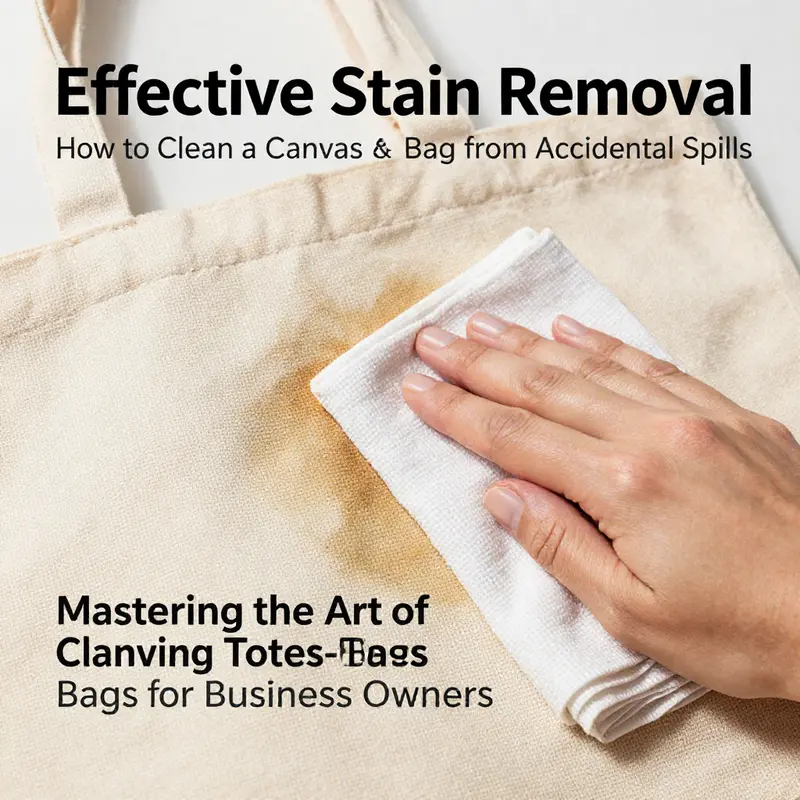
Canvas tote bags carry everyday stories from market trips to library visits. They are sturdy, but their fibers can hold stains if we rush. The goal is to lift spills with care to protect color, print, and shape.
Immediate action is key: blot, not rub. Use a clean white cloth or paper towel to dab gently at the spill to absorb as much liquid as possible. Avoid rubbing which can push pigment deeper and disturb the weave.
If the stain persists, prepare a mild solution: a drop of mild detergent in cool water. Apply with a soft cloth or brush, working from the edge of the stain toward the center in gentle circular motions. Rinse with clean water periodically to prevent soap residue.
For stubborn pigment stains, a diluted hydrogen peroxide solution can help on a test area. Use a tiny amount, wait briefly, blot. Always perform a spot test in an inconspicuous area to ensure no color change or print distortion.
Bleach is not recommended. Chlorine based products can degrade cotton fibers and alter colors, especially on printed canvases. If the stain remains after careful spot testing, revert to blotting, mild detergent, and patience rather than harsher chemicals.
Hand washing remains the most reliable method. Use lukewarm water and a mild detergent. Gently agitate by hand rather than scrubbing, and pay attention to seams and base where grime collects. Rinse thoroughly to remove all soap.
Drying: air dry in shade away from direct sun. The heat of a dryer or sun can fade prints or distort the fabric. Lay the bag flat or hang it in a well ventilated space until completely dry.
Maintenance: regular light cleaning helps prevent deep set stains. After cleaning, wipe hardware with a dry cloth to remove moisture.
Summary: treat the tote with patience, blot, test, and air dry. If needed, repeat steps with care, maintaining fabric integrity and print quality.
null

null
Caring for Canvas: A Gentle, Thorough Guide to Cleaning Your Tote Without Damaging Its Print and Shape

Canvas may look tough, but its strength hides a delicate balance. A well-made tote carries groceries, books, and everyday adventures, yet its fibers respond to care the same way any natural fabric does. The goal of cleaning isn’t merely to remove dirt; it’s to preserve color, print, texture, and structure so your bag remains usable for years. When you approach a canvas tote with patience and a clear plan, you extend its life, keep its design vibrant, and minimize waste by avoiding premature replacement. This chapter threads together practical actions with a philosophy of gentle handling, showing how routine upkeep, targeted stain care, and smart drying choices work in concert to keep a canvas tote looking committed to its purpose rather than worn out by it. The practices described here align with a broader aim: treating canvas as a durable textile that still benefits from thoughtful attention.
The starting point is the hand-wash principle. The most reliable way to clean a printed canvas tote without weakening the print or the fibers is to wash by hand. This approach gives you control over water temperature, agitation, and drying conditions. Lukewarm water is ideal because it helps lift dirt without stressing cotton fibers or fading color. Use a mild, pH-neutral detergent – one that is gentle on fabrics and less likely to leave residue. The key is gentle scrubbing: a soft brush or cloth works well on soiled areas, especially around seams, corners, and the base, where dirt tends to accumulate. Avoid aggressive scrubbing or harsh chemicals like chlorine bleach. Bleach can degrade fibers and cause yellowing or discoloration that dulls the original print, undermining the bag’s appearance just as it matters most when you’re using it daily.
Stains demand a prompt, measured response. Spills happen, and the best outcome comes from addressing them quickly before they set. For light stains, a small amount of dish soap mixed with water can be dabbed onto the area and blotted gently. The technique matters as much as the product: blotting soaks up the liquid without pushing the stain deeper or spreading it, while rubbing can drive pigment into the fibers or disturb the print. Oil-based marks, coffee, and ink may require repetition of the same patient blot-and-dab process, followed by a careful rinse. In any case, the objective is to minimize agitation and keep the area as uniform as possible while you work.
Rinsing is a crucial, sometimes underappreciated part of cleaning. After washing, ensure thorough rinsing to remove all detergent residue. Leftover soap can attract dirt or leave a filmy haze that dulls color over time. A clean, damp cloth can help in the second pass, but the most effective rinse is plain water that flows through the fabric fibers, carrying away loosened dirt and soap suds. This step matters because the pattern and texture of a printed canvas depend on a balance between cleanliness and fabric integrity. You don’t want soap residue to dry into the weave, especially near the seams where grime often hides and where fibers can stress under repeated cleaning cycles.
Drying must be approached with the same care you bring to washing. Direct sun exposure is a common culprit behind fading and yellowing. The UV rays can set stains and accelerate color loss, while heat from dryers can shrink or distort the cotton fibers and weaken the fabric over time. The recommended method is air-drying, away from direct light and heat sources. A flat-drying layout or a gentle hang in a shaded, well-ventilated area helps preserve both color and shape. For bags with printed designs, air-drying flat can help keep the print from wrinkling or pulling at the edges, which sometimes happens when a bag is hung by its handles. If the bag has interior pockets or a particularly structured base, spread it out so the fabric dries evenly without creases that could set as the bag cools.
In the broader rhythm of maintenance, routine care matters as much as the occasional deep clean. Regular upkeep reduces the buildup of dirt and dust in seams and base edges, where grime can silently collect and, over time, contribute to a dingier appearance. Spot cleaning is a practical option for light soiling: a damp cloth with a touch of mild detergent can lift minor marks without requiring a full wash. For deeper cleaning, hand washing remains preferable to machine washing because machines can expose the bag to stronger agitation and harsher cycles that risk print wear and fabric stress. The idea is to balance convenience with cautious handling, treating canvas as sturdy yet responsive to careful care rather than immune to wear.
When you finish cleaning, attend to the hardware with equal mindfulness. Metal zippers, buckles, and tags can tarnish when exposed to moisture. A simple wipe with a dry cloth after cleaning helps remove moisture that could lead to rust or dulling. This small step protects both the bag’s hardware and its overall look. It is easy to overlook, but the hardware often serves as the first clue to how well a bag has been cared for. A well-polished zipper or a gleaming buckle signals that the bag has been treated with consideration, reinforcing its longevity as part of your everyday kit.
The method and rhythm you choose should align with how you use and store the bag. If you carry it in damp weather or store it in a humid closet, mold and mildew become legitimate concerns. Thorough drying before storage is essential because residual moisture invites microbial growth in the folds and seams. If you notice a musty smell after a cleaning session, it is a sign to allow more time for air-drying in a ventilated space or to re-wipe and re-rinse to remove any lingering moisture. Regular maintenance—cleaning, drying, and proper storage—reduces the chances of persistent odors and extends the bag’s functional life. In that spirit, consider weaving care into your routine: after you clean, store the tote in a dry, well-ventilated area rather than in a damp corner of a closet or a bag-in-bin scenario that traps moisture.
A thoughtful approach to care also means recognizing the limits of canvas as a material. While it is durable, the fibers are natural and respond to routine treatment, not rough handling. Treating the bag as a delicate textile, despite its rugged appearance, helps preserve both aesthetics and structure. The print can be more vulnerable than the fabric itself, especially if the design relies on a printed layer that is more susceptible to wear during aggressive agitation or improper drying. The gentle path – lukewarm water, mild detergent, soft scrubbing, careful rinsing, and air-drying in shade – supports both endurance and beauty. This is not a retreat from cleaning; it is a disciplined approach to cleaning that respects the bag’s construction and the prints that bring it to life.
For readers who want to extend the conversation beyond a single bag, consider how care nuances translate across your fabric tote wardrobe. If you’re seeking guidance tailored to specific bag types within your collection, you can explore more about care and compatibility with different canvas varieties and fabrics in sections dedicated to related styles, such as those designed with functional features like interior pockets or reinforced bases. For readers curious about broader product ecosystems and compatible styles, you can explore this guide to related categories, including this resource on women’s canvas tote bags, which can provide context on how fabric care interacts with design features. External guidance can provide additional tips on specific scenarios, such as treating stubborn stains or handling bags with more complex constructions. You can consult one such comprehensive guide here: https://www.thecraftyhome.com/cleaning-canvas-tote-bag/
null

null
Final thoughts
Cleaning and maintaining canvas tote bags is an essential part of running a business that uses them for branding and customer interaction. By implementing hand washing techniques, promptly addressing stains, avoiding harsh sunlight during drying, maintaining regular cleaning schedules, and giving due attention to the bag’s hardware, business owners can ensure their tote bags remain in optimal condition. These practices not only extend the life of the bags but also enhance their effectiveness as branding tools, reinforcing your commitment to quality and professionalism in your business.