
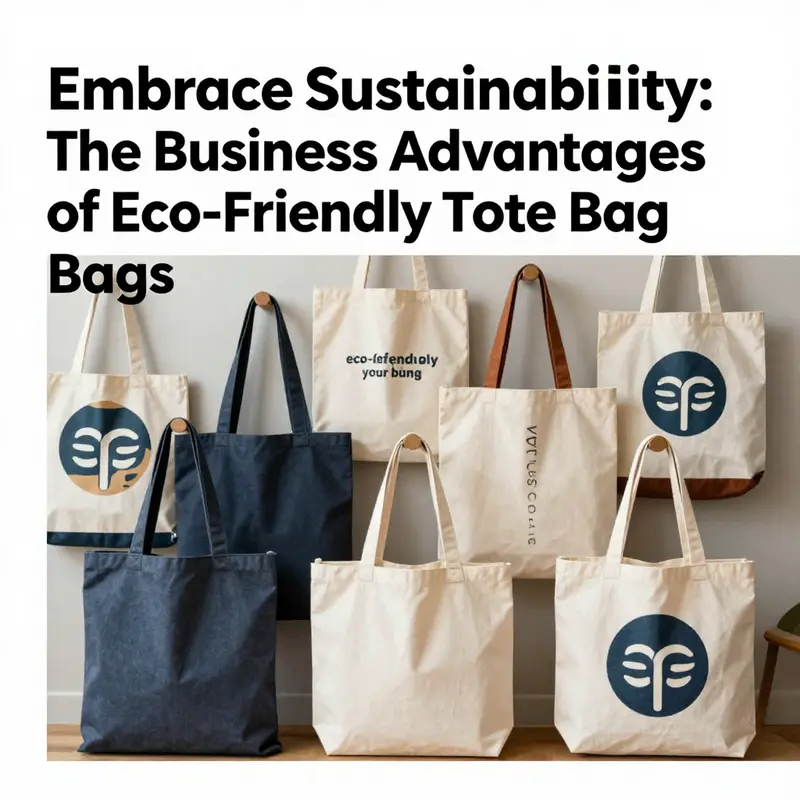
As consumers increasingly seek sustainable products, eco-friendly tote bags have emerged as a viable business solution that caters to both environmental concerns and market demand. Made from sustainable materials such as organic cotton, jute, and recycled fabrics, these bags serve as reusable alternatives to single-use plastics, aligning with a growing desire for responsible consumption. This article delves into the multifaceted benefits of eco-friendly tote bags—from their material composition and economic advantages to their positive environmental impact and societal trends favoring sustainability. Each chapter provides valuable insights that will help business owners make informed decisions about incorporating these products into their offerings.
Carrying Responsibility: The Material DNA of Eco-Friendly Tote Bags
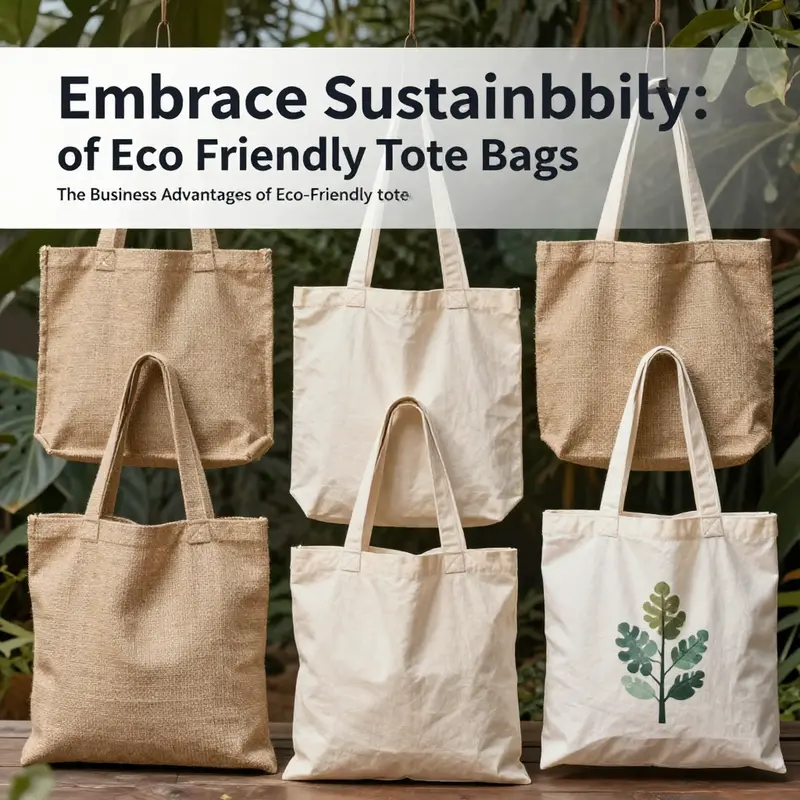
Every eco-friendly tote bag carries more than items; it carries a trace of the Earth it came from and the path it will follow after life. The material composition acts as the bag’s material DNA, encoding how it will endure, how it will perform, and how its end of life will unfold. In this chapter, we explore how different materials shape both function and footprint, weaving a narrative that connects fibers, chemistry, and responsible choices. We begin with plant-based bioplastics, move through natural fibers like jute, extend to robust synthetics such as nylon mesh, and finish with natural fibers like canvas and the more luxury end of eco-conscious leather options. The goal is not to declare a single best material but to illuminate how each option serves a use case while carrying a distinct set of trade-offs that matter for the environment, the consumer, and the design brief itself.
Plant-based bioplastics, derived from corn starch, cassava, and other organic feedstocks, offer a compelling promise: a polymer that can break down more quickly than conventional plastics when conditions are right. In practice, these materials are designed to degrade within months under industrial composting systems. That speed can substantially lower long-term plastic accumulation, a benefit in a world still grappling with waste containment. Yet the story is nuanced. The water resistance of plant-based bioplastics is often limited, which means a bag intended for wet conditions or heavy-liquid spills may require protective finishes that complicate disposal. Designers must weigh barrier performance against end-of-life goals. If a tote is advertised as compostable, it should not confuse streams that are designed for recycling; otherwise, it risks defeating the very circularity it aims to promote. These considerations compel a lifecycle mindset: a bag that biodegrades readily if left in the right composting facility but remains a relatively stubborn item in a typical household recycling bin is not inherently superior to a well-made, reusable option that lasts for years.
Jute represents another pillar in the eco-friendly tote family. Its natural fibers are renewable and biodegradable, and its cultivation generally requires less water and chemical input than some other crops. When blended with burlap or cotton, jute can deliver a durable fabric with a rustic, earthy aesthetic that many shoppers prize for everyday use. To extend its reach into regions with unpredictable weather, manufacturers often apply a waterproof coating. The coating can dramatically improve a bag’s resilience to rain, spills, and humidity, broadening its functional life. The flip side is that coatings can complicate composting and recycling; they create a barrier between the fiber and the soil microbes that would ordinarily initiate biodegradation. To reassure buyers, several certification schemes—standards that align materials with biodegradability, renewability, and social responsibility—exist to validate the eco credentials of jute blends. OK Biobased and SEEDLING are two widely recognized signals that a product has met specific ecological criteria. In practice, a jute-based tote thus embodies a careful balance: it draws on a renewable, strong fiber, offers natural aesthetics, and can be tailored with coatings to handle weather, all while requiring mindful end-of-life planning to ensure the coating does not undermine its biodegradability.
Nylon mesh introduces a different axis of performance. Lightweight, corrosion-resistant, and highly durable, nylon mesh is prized for bags that must endure heavy or irregular loads while staying reusable over many cycles. When paired with a reinforced solid base, the design distributes weight effectively, reducing stress concentrations that would otherwise hasten wear. For consumers, this translates into practical durability: a bag that holds groceries, gym gear, or equipment without sagging or tearing. Certifications like RoHS and ISO help reassure buyers that chemical content and manufacturing practices meet established safety and environmental standards. Yet nylon, as a synthetic polymer, poses end-of-life questions. Recycling streams for nylon vary by region, and blends can complicate disposal. Designers who pursue circularity may explore recycled-content formulations or blends that facilitate later recycling, but the path to a fully closed loop remains context-dependent. The nylon mesh option thus exemplifies how high performance and environmental responsibility can converge when the design team aligns material choice with end-of-life infrastructure and regional capabilities.
Canvas—woven cotton in its most tactile form—offers a different relationship to sustainability. Its tightly woven fibers create a premium, structured tote that ages with character. The fixture of canvas is its durability: it resists wear, develops a rich patina, and can bear daily use for years. The cotton basis, however, invites scrutiny of farming, dyeing, and processing impacts. Cotton cultivation can be water-intensive, and even the most responsibly produced canvas requires care to maintain its strength. The upside is that a well-made canvas bag, especially when finished with low-impact dyes or natural finishes, can be repaired and renewed, extending its life far beyond a disposable alternative. The choice of canvas reflects a consumer’s preference for longevity, classic aesthetics, and a material that invites repair and personalization. The interplay between texture, weight, and care makes canvas a compelling statement of sustainable design: it signals durability and an enduring relationship with the item rather than a short-use impulse.
Within the spectrum of eco-conscious materials, high-quality synthetic leather or genuine leather occupies a nuanced space. In some luxury-oriented lines, these materials deliver a timeless, polished appearance and can be produced with more ethical or lower-impact processes than traditional leather. They may incorporate plant-based or recycled components for interiors or trims, and designers often emphasize tanning methods that reduce chemical loads and conserve water. Yet leather’s biodegradability remains partial at best; the material may persist for a long time in landfill if disposed of, and its environmental footprint depends on farming practices, processing chemistry, and the bag’s overall durability. The designers who work with leather in sustainable collections are not ignoring end-of-life concerns; they are choosing it when it serves a longer-use narrative that reduces the frequency of replacement. In many cases, leather alternatives that mimic the feel or appearance of leather offer a middle ground—tactile quality and aesthetic range without the same disposal complexities—though these alternatives carry their own set of trade-offs. The broader message is clear: no single material exists in isolation, and the most responsible tote design weighs durability, aesthetics, labor practices, and end-of-life options in a coherent framework rather than chasing a single “green” marker.
Careful material choice also interacts with design decisions that affect environmental outcomes. A bag’s life plan—where it is used, how it is cared for, and what happens when it no longer serves its purpose—shapes its overall footprint. Natural fibers require mindful washing and drying practices to maintain strength and color without excessive water or heat. Synthetic blends improve resistance to wear but can complicate recycling when mixed with coatings or other fibers. Coatings intended to improve water resistance or stain resistance may offer immediate functional benefits but can hinder biodegradability or recycling later. The best designs acknowledge those dynamics and provide clear guidance to users about cleaning, repair, and end-of-life handling. In practice, a tote that pairs a durable weave with a protective yet reversible finish can deliver long service life, low replacement frequency, and a disposal path that aligns with regional recycling or composting capabilities.
At the macro level, the choice of material is inseparable from supply chain realities. Embodied energy, water use, and chemical exposure trace through every stage—from fiber cultivation or polymer synthesis to weaving, dyeing, and assembly. Sustainable sourcing involves transparent supply chains, traceability, and certifications that verify claims about renewability, biodegradability, or recycled content. A truly responsible tote manifests not only a favorable material profile but also responsible governance, efficient logistics, and accountability across the value chain. For shoppers seeking practical guidance, a simple frame of reference helps: assess the material’s end-of-life options, the durability needed for intended use, and the compatibility of coatings and dyes with disposal streams. A material narrative that respects these factors is more than a technical specification; it is a promise of consistency between what is claimed and what is delivered in practice. The material DNA of an eco-friendly tote, when read with care, reveals a thoughtful alignment of function, ethics, and ecological stewardship.
For designers and brands, the objective is not to choose one perfect material but to tailor a composition that matches the bag’s mission. A grocery tote may prioritize durable, easy-to-clean fabrics with moisture barriers, while a promotional item might lean into cost, colorfastness, and clear lifecycle messaging. A gym bag could favor a light, rugged mesh with a reinforced base, balancing weight with resilience. And a timeless canvas tote can embody durability and longevity, inviting ownership rather than disposal. The interior logic remains consistent: materials that perform well in use and can be responsibly managed at end-of-life—whether through recycling, composting, or repair—create a stronger, more credible sustainability story. The canvas option invites readers to explore further into this space—canvas tote bags—where familiar forms meet durable, responsible materials.
In sum, the material DNA of eco-friendly tote bags is a tapestry of options, each with a distinct resume of strength, beauty, and end-of-life considerations. Bioplastics offer rapid, condition-dependent biodegradability; jute delivers renewable strength with natural appeal; nylon mesh provides light weight and resilience; canvas delivers classic longevity and repairability; leather elements bring a premium aesthetic with careful, modern stewardship. The most meaningful choices arise when designers and buyers consider how a bag will be used, how it will age, and how it will exit the life cycle. This is not merely about material science; it is about creating everyday objects that invite constant reuse, minimize waste, and tell a credible story about responsibility. It is a continuous dialogue between fabric, finish, care, and culture—a conversation that keeps evolving as new fibers and new processing techniques emerge. For those seeking a concrete reminder of the broader ecosystem at play, the nylon-mesh pathway demonstrates how a sturdy, reusable option can align with environmental standards and practical performance, even as it prompts ongoing attention to end-of-life strategies. External resource: https://www.alibaba.com/product-detail/Customized-eco-friendly-nylon-mesh-shopping-tote_1600584279813.html?spm=a2700.15154887.0.0.73f74e11lQmT8o
Beyond the Price Tag: The Economic Case for Eco-Friendly Tote Bags
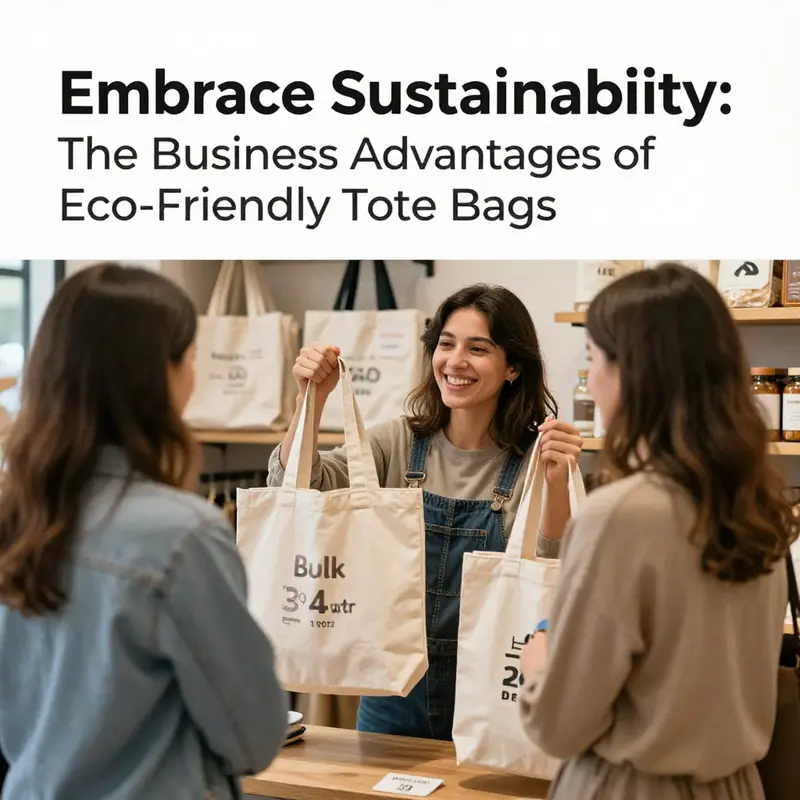
A single tote bag can carry more than groceries; it can carry a philosophy about how households and businesses organize waste, value materials, and plan for the long arc of cost. The economic case for eco-friendly tote bags rests on more than the savings a consumer sees at the register. It rests on a portfolio approach to spending that recognizes upfront investment, durability, and the multiplying effect of reuse. When people choose a bag made from organic cotton, recycled fabrics, jute, or other sustainable materials, they are choosing a tool designed to outlast disposable alternatives. A well-made tote can be used hundreds of times, potentially replacing thousands of disposable plastic bags over its lifetime. That translates into meaningful household savings, not just per shopping trip but across years of routine errands, school runs, gym visits, and weekend market hauls. The math is not exotic; it is a simple comparison of the recurrent cost of disposables against the one-time or periodic cost of a durable tote. The result is a decision that, while it requires some upfront capital, reduces ongoing expenditure and introduces pricing stability in a world where the cost of single-use goods can drift upward with regulatory changes and supply chain pressures. The long horizon is the key to the economic logic here. A tote’s value grows with each reuse, while disposable bags accumulate in packs that never quite repay themselves in the same way for most households.
For households, the story is about habit formation and friction reduction. The moment a person learns to reach for a reusable tote rather than a plastic bag, a new pattern of spending emerges. The initial purchase becomes less of a hurdle when it is understood as an investment in monthly budgeting. Cleaning and maintenance are part of the equation, but for most users, the maintenance costs—gentle washing, air drying, occasional repairs—are modest compared with the ongoing purchase of single-use bags. When a bag is designed for easy cleaning and flexible use—whether for a grocery run, a weekend trip, or a quick swap between work and gym—it reduces the likelihood that a household will revert to disposables during busy weeks. In practice, the economic advantage is most visible when households compare a year’s worth of disposable bags to the single price of a durable tote. Over several years, the durable option typically yields a comfortable lead on savings, especially for families that shop frequently or generate high volumes of waste. The concept is straightforward, but the impact is cumulative, and that cumulative impact matters in household budgeting, especially as more consumers seek predictable costs and fewer waste-related surprises.
The business case for eco-friendly totes extends beyond personal savings. It touches branding, customer perception, and the broader economics of retail and service delivery. A reusable tote doubles as a form of marketing, circulating as a visual reminder of a company’s values with every use. When customers carry a branded tote, the branding becomes an ongoing, low-cost advertising channel. This ongoing exposure translates into a lower cost per impression compared with most one-time promotional materials. In markets where sustainability resonates with shoppers, a durable tote signals reliability and responsibility—qualities that matter when customers choose where to spend their money. The tote thus anchors a broader marketing strategy that can reduce the need for frequent reprinting of promotional materials, align with corporate social responsibility goals, and strengthen customer loyalty through everyday utility rather than episodic campaigns. The real value emerges not when a tote is bought, but when it is used repeatedly, in public spaces, on commutes, and at events where visibility matters. The retailer or brand gains a reputation for stewardship, which can translate into higher retention, greater share of wallet, and a willingness among customers to pay a premium for a company aligned with sustainable practices.
A more nuanced economic logic unfolds when considering regulatory trajectories. Governments around the globe have started to regulate or price plastic bags in ways that increase the cost of disposables. Fees, bans, or restrictions on single-use bags are not mere policy footnotes; they are changes in the cost of doing business and the cost of living. When a market leans toward reusable alternatives, a business that has already integrated eco-friendly totes into its packaging and customer experience is better shielded from sudden compliance costs. It is easier to forecast budgets and inventory when the chosen packaging and carry solutions fit a long-term waste reduction strategy rather than reacting to piecemeal regulatory shifts. For consumers, these policies mean fewer surprises at checkout and a steadier household budget. The cumulative effect across a community can be substantial: reduced municipal waste handling costs, lower litter cleanup expenses, and a cleaner living environment—all of which support local economies by preserving resources and enabling more efficient municipal services.
Alongside policy, incentives can tilt the payback period in favor of reuse. In several regions, programs reward businesses that embrace sustainable packaging with tax credits, subsidies, or grants. For a small business contemplating a bulk tote program for customers or employees, these incentives can narrow the financial gap between eco-friendly options and conventional carriers. The incentives also help align business activities with broader public goals—reducing landfill waste, promoting circular economies, and encouraging local procurement where feasible. When a company can count such incentives alongside durable product performance, the case for making the switch becomes not only environmentally sound but fiscally prudent. The net effect is a more predictable return on investment over the life of the tote and a stronger platform for communicating value to stakeholders who track both financial performance and sustainability metrics.
Material choice matters in both cost and performance. Totes built from organic cotton, jute, and recycled fabrics each bring different price points, durability profiles, and care requirements. Durability affects the replacement cycle; if a bag holds up under daily use, the frequency of replacement—and its associated costs—drops. Cleaning ease reduces time and energy spent on upkeep, translating into indirect savings through household time and utility costs. Biodegradable models carry end-of-life benefits in principle, but they require appropriate composting infrastructure to realize those advantages. In other words, the environmental end-of-life story must align with practical disposal options to realize the full economic benefits. Consumers increasingly balance these considerations: a bag that can handle daily errands, withstand weekend travel, and survive occasional rough handling is a better long-term investment than one that falters after a few months. The total cost of ownership, therefore, includes not only the bag’s purchase price but also its maintenance, storage, and the end-of-life pathway available to the user. When these factors are aligned, the bag becomes a trustworthy element of household budgeting and a reliable asset in a business’s packaging and promotions.
Beyond the numbers, the strategic value of eco-friendly totes lies in their ability to reinforce a coherent sustainability narrative. A durable tote speaks to a worldview that prizes efficiency, responsibility, and pragmatism. For retailers and organizations that choose to distribute totes as part of a program or a campaign, the tote becomes a durable, reusable touchpoint that can support customer engagement without creating a surge of waste. The procurement strategy matters here: bulk orders, flexible minimums, and customization options enable campaigns that fit varied budgets and audience sizes. The practical choice is to select materials and construction that maximize life before disposal, while also ensuring the bag remains attractive and functional enough to be carried in daily life. The long-term benefit is a more stable marketing channel that does not produce a constant stream of new, disposable collateral. In this sense, the economics of tote-based strategies intersect with broader business objectives: cost control, brand integrity, and a compelling case for sustainable growth. To understand how trends influence these choices, see the ongoing discussion around tote-bags-trending.
The consumer and business perspectives converge on a common insight: sustainability and savings are two sides of the same coin. When households opt for durable, reusable totes, they reduce the per-use cost of acquisition and diminish the waste burden on local systems. When businesses deploy totes as part of a packaging and marketing framework, they extend the life of their outreach and strengthen customer relationships without escalating waste. The economic logic is reinforced by policy realities and potential incentives, which can shorten payback periods and amplify returns. In practice, this means rethinking a shopping bag not as a disposable convenience but as a strategic asset with a measurable impact on budgets, brand value, and community well-being. The chapter thus frames eco-friendly tote bags as more than merchandise or accessories; they are tools of financial prudence and responsible stewardship, capable of aligning everyday choices with larger economic and environmental outcomes.
External reading for broader context: For a comprehensive exploration of the economic impact of reusable tote bags, see National Geographic’s analysis of how reuse alters cost structures and waste systems across communities. The Economic Case for Reusable Tote Bags – National Geographic
Reading the Real Footprint: Lifecycles, Longevity, and the True Sustainability of Eco-Friendly Tote Bags
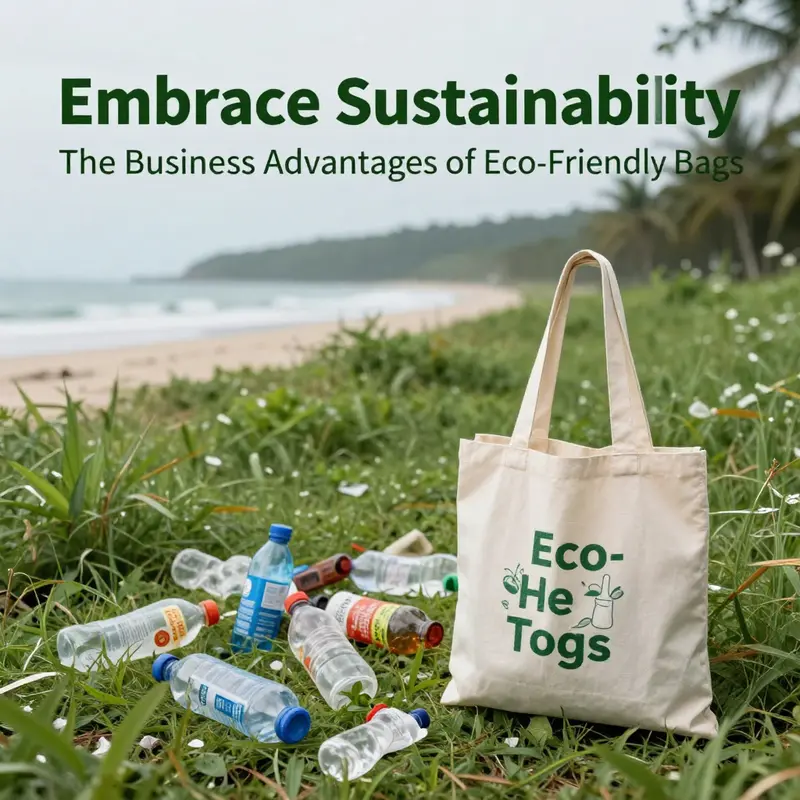
Every tote bag marketed as an eco-friendly alternative carries a promise: fewer plastics, longer service life, and a smaller footprint than disposable options. Yet true sustainability unfolds only when we read the bag’s full lifecycle, not just its material label. The most persuasive claim is not a single feature but a balanced, durable performance across stages: raw material extraction, manufacturing, distribution, use, and end-of-life. In this light, the environmental story of tote bags becomes a nuanced conversation about how materials interact with farming practices, factory energy use, and the daily habits of the people who carry them. The goal is not perfection on every axis, but durable, long-term use that meaningfully lowers the need for constant replacement, which often drives up energy use and waste. A well-made bag that is frequently used for years will typically achieve a lower overall impact than a superficially “greener” option that is rarely used or discarded quickly. This perspective aligns with the broader insight that the lifecycle, especially use frequency, matters more than any single stage of production.
Raw materials set the stage but do not determine the entire script. Conventional cotton is a stark reminder of the complexity here: growing and processing it can demand enormous water resources and substantial chemical inputs, which can stress soils and waterways. In contrast, organic cotton, hemp, and other alternatives can offer meaningful reductions in environmental pressure. Hemp, for example, grows rapidly, enriches soil, and typically requires less irrigation and fewer chemical inputs than some traditional crops. Jute and other natural fibers bring biodegradability to the table, yet the ecological balance still depends on farming practices and processing methods. Recycled materials, including those derived from post-consumer waste like plastic bottles, help divert waste from landfills and reduce virgin resource demand. The choice among these options is never purely a matter of one material being inherently superior; it is about how each material is grown, processed, and combined with design choices that extend the bag’s life against wear and tear.
Manufacturing adds another layer of nuance. Cotton processing often involves substantial chemical use, energy, and water. Recycled plastics, when transformed into fabrics, can require significant energy inputs and careful management to avoid pollutants. Yet, for a reusable bag, the energy and material costs can still be justified when the result is a durable product that sees heavy daily use. The key idea, echoed across lifecycle analyses, is that the environmental cost of making a single reusable bag is higher than the cost of producing a single-use plastic bag. The comparison sharpens when you consider how many times the bag is reused and for how many years. If a bag endures and travels with a person through many errands, workouts, and trips, it can repay its initial energy and resource investment many times over.
Distribution—the movement from factory to consumer—sits between production and use in the lifecycle. Transportation emissions contribute to the overall footprint, yet they often account for a smaller share than manufacturing. The geography of sourcing, the efficiency of logistics, and the transportation mode all influence this phase. In practical terms, local or regional sourcing can reduce transport-related emissions, while still allowing for high-quality materials and responsible production practices.
The use phase is where true environmental benefits manifest. A widely cited assessment from a Danish environmental agency highlighted a striking point: a conventional cotton tote bag must be reused at least 7,100 times to match the global warming potential of a single-use plastic bag used once. That contrast—between a heavy, upfront environmental cost and the long, high-use lifespan—puts the focus squarely on durability and daily use. A robust bag made to withstand frequent handling, washing, and load-bearing tasks is central to achieving tangible gains. Conversely, a lightweight or poorly constructed bag may never reach its potential, especially if it frays, tears, or loses shape after limited use. It’s also worth noting that even among materials touted as eco-friendly, the actual advantage depends on how often the bag is used. A recycled nylon backpack that is carried daily can, in some scenarios, have a smaller lifetime footprint than a cotton bag used sporadically. The message is clear: longevity and consistent use trump initial material assumptions.
End-of-life considerations also color the sustainability equation. Natural fibers like cotton and hemp can be biodegradable, but only under conditions that support proper composting. Recycling pathways for natural fiber blends are improving, yet not all recycling streams readily accept every fiber type. Recycled plastic-based bags carry their own constraints; while technically recyclable, the recycling infrastructure for textiles and plastics remains uneven, and many items end up diverted from ideal recycling streams or landfilled if facilities are not equipped to process them. Biodegradable plastics introduce another layer of complexity; their ability to break down hinges on industrial composting facilities that may not be widely available in all regions. Taken together, these end-of-life realities emphasize a crucial truth: closing the loop successfully requires both materials that are compatible with disposal infrastructure and consumer behavior that supports appropriate end-of-life pathways.
This broader lifecycle lens also reframes how people think about choosing a bag for everyday life. The durable, well-constructed option that is easy to clean and maintain tends to last longer, resist damage from daily use, and retain its utility across evolving needs. Design features such as reinforced handles, sturdy seams, and practical closures directly influence how many years a bag remains in service. When a bag endures, the energy and material investments behind its production are more likely to yield meaningful environmental returns. This perspective echoes the idea that the “best” tote bag isn’t simply the one made from a particular fiber but the one most often used, with care, over an extended period. The difference is not merely theoretical. Consumers who choose bags designed for heavy use, easy maintenance, and reliable performance can decrease the frequency of replacements and, in doing so, reduce the cumulative impact of their everyday shopping and transport.
For readers who want a snapshot of how styles and materials are evolving, a quick look at tote bag trends can be informative. The trends section reflects a dynamic landscape where durability remains a priority even as aesthetics and function evolve. The evolving conversation around tote bags also intersects with practical considerations for branding and promotion in a responsible way. If you’re curious about how trends are shaping material choices and construction approaches, you can explore the tote bags trending section. tote bags trending. This link offers a sense of how buyers balance design with durability and sustainability in real-world shopping and promotional contexts.
Another important dimension is the cautionary note from researchers in sustainable textiles. Not all natural fibers are created equal. The farming method, water use, and processing determine whether a “green” bag is truly sustainable. The emphasis is on durability and long-term use as a practical metric of environmental responsibility, rather than chasing a single green label. This insight, attributed to Dr. Lena Patel of the Sustainable Textiles Research team, reminds readers that the best choices emerge from a holistic view of the lifecycle rather than isolated claims. Not every fiber that grows without chemicals guarantees a lower footprint if the production and end-of-life steps undermine those gains. Thus, the responsible path is to select a bag that you expect to use for many years, maintain well, and dispose of through appropriate channels when the time comes.
In practice, this means evaluating a bag by its construction quality and its anticipated usage pattern. A bag built with sturdy stitching, a comfortable carrying system, and a fabric that holds its shape after repeated washing will typically outperform a superficially eco-friendly option that wears out quickly. This is not just a design recommendation but a lifecycle strategy: invest in durability, and you invest in a lower overall footprint. For individuals and organizations seeking sustainable solutions, the takeaway is to prioritize long-term use, improve care routines, and design or choose bags with robust construction that can weather daily demands without frequent replacement. Keeping disposal pathways clear and aligned with local recycling or composting capabilities further strengthens the environmental case.
To connect lifecycle thinking with practical choices, consider how your everyday errands and promotions can align with durability and reuse. A bag that can handle groceries, gym gear, books, or office essentials without losing form supports a habit of reuse. That habit, in turn, reduces the need for new bags and the associated manufacturing and transport emissions. The most impactful decisions come from recognizing that the value of eco-friendly tote bags grows with repeated use and responsible disposal, rather than with a single moment of virtue signaling. In this sense, sustainability becomes a habit as much as a material property, a continuous practice of choosing quality and durability over novelty alone.
External research that puts these ideas to the test emphasizes the complexity of measuring true sustainability. For a broader, evidence-based perspective on how tote bags compare with other reusable carriers, you can consult external analyses that weigh lifecycle stages across materials and uses. This broader context helps readers appreciate why a well-made bag that you truly use every day can sometimes beat a bag with greener labeling but lower durability.
External reference: https://www.greenmaterialsinstitute.org/research/eco-tote-vs-recycled-nylon-backpack-sustainability-analysis
Weaving a Greener Everyday: How Societal Currents Are Steering the Rise of Eco-Friendly Tote Bags
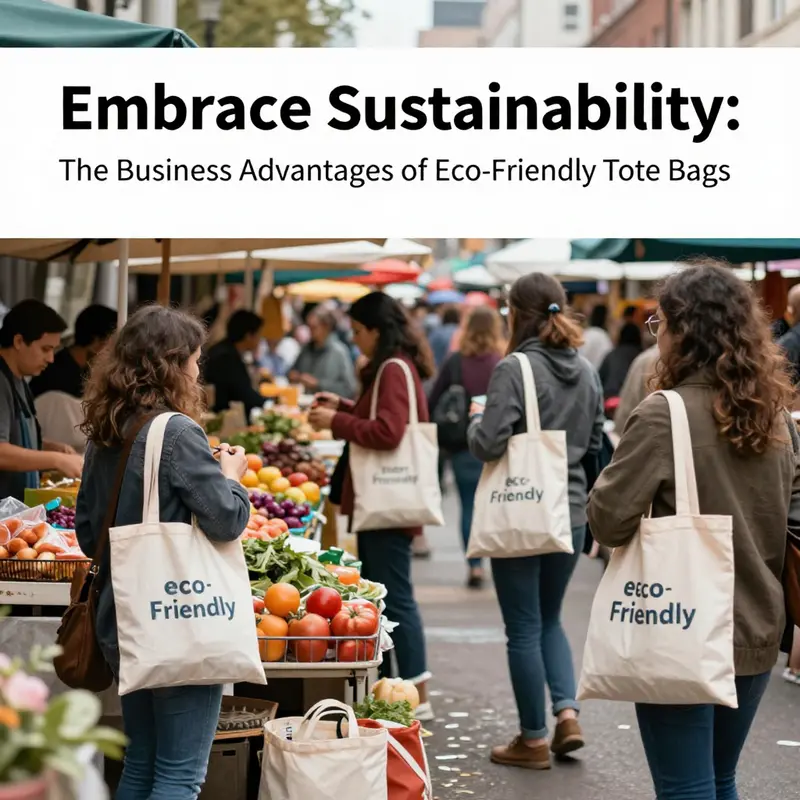
A shift is quietly unfolding in how people choose to carry their daily lives, and tote bags sit at the crossroads of this transformation. The rise of eco-friendly tote bags reflects a broader pattern: consumers seeking practical, durable goods that align with a growing sense of responsibility toward the planet. This isn’t just about substituting one container for another; it is about rethinking consumption as an ongoing relationship with waste, resource use, and value. When people reach for a bag that can weather a dozen errands, carry a laptop, or haul groceries without tearing, they are performing a small, daily act of stewardship. The cultural momentum behind this choice is fed by a convergence of factors that together reframed what a simple bag can signify in a modern life crowded with plastic alternatives and throwaway expectations.
At the heart of the shift is a rising awareness of the consequences of plastic pollution. Images and stories about polluted coastlines, harmed marine life, and microplastics in every ecosystem have become part of public discourse. This awareness has moved beyond curiosity, taking root as a moral concern that reshapes shopping habits and product expectations. The tote bag emerges as a practical symbol of this concern: a reusable alternative that reduces single-use waste while offering the reliability needed for daily routines. And as people connect these choices to personal health and community well-being, the tote bag becomes a conduit for broader environmental messages. It is not merely a carrier; it is a statement about the kind of world one wants to live in.
Alongside plastic concerns, climate change has sharpened the urgency of low-carbon living. Consumers increasingly judge products by their life cycle, including the energy used in manufacturing, the longevity of the item, and the ease of reuse. Eco-friendly tote bags, designed for repeated use over months and years, respond directly to this demand for lower overall footprints. A well-constructed tote that lasts through many seasons reduces the need for frequent replacements, cuts waste, and minimizes the environmental costs embedded in production and disposal. This pragmatic appeal is reinforced by a growing understanding of the circular economy, where materials are kept in circulation and waste is treated as a resource rather than a final fate. In this frame, the tote bag becomes more than a tool; it becomes part of a system that values durability, repairability, and ongoing usefulness.
The demand for such bags has surged across regions that typically drive fashion and consumer trends. Europe, Asia Pacific, and North America have all witnessed a rising interest in products that balance style with responsibility. In crowded urban centers, where people juggle work, campus life, and social activities, a bag that can transition from commute to gym to weekend trip holds particular appeal. The demand is not just for any bag, but for ones that feel like reliable partners—strong enough to shoulder groceries, padded enough to protect a laptop, and simple enough to maintain with minimal effort. This regional acceleration mirrors broader environmental policies, urban sustainability initiatives, and public campaigns that encourage greener choices. When regulations favor sustainable packaging or waste reduction, the appeal of durable, reusable totes grows even more pronounced.
Designers and brands have responded to these cultural currents with a clear shift toward eco-friendly materials and purposeful aesthetics. Organic cotton, recycled polyester, hemp, and even burlap have moved from niche offerings to mainstream options. These materials speak to a different value proposition than conventional synthetics: they promise a lower environmental impact and a story of responsible sourcing. In tandem with material choices, the design language has evolved toward minimalism and versatility. The modern tote is often stripped of excess ornamentation and outfitted with practical features that enhance daily usefulness—padded compartments for laptops, secure zipper pockets, reinforced handles, and weather-resistant textures. Such design evolution is not a concession to trend; it is a response to real-world needs. People want a bag that can carry a week’s worth of groceries, a gym kit, or a batch of books and a laptop, all while remaining stylish and easy to care for. This combination of form and function helps tote bags cross from utilitarian objects into cherished accessories that people feel good about using every day.
The market response extends beyond product features to the ways bags are produced and sold. Retailers and fashion houses alike have begun aligning their processes with sustainability goals. The emphasis on durability and reusability translates into longer product life cycles, less frequent replacements, and a reduction in disposable packaging. Brands are exploring private-label and customizable options, recognizing that corporate and consumer demand for sustainable solutions now includes the ability to brand and personalize totes for events, campaigns, and packaging solutions. There is also growing interest in capacity for bulk orders, lower MOQs, and scalable production that makes sustainable options accessible to a wider audience. The economics of this shift increasingly favor long-term value over short-term price points, encouraging consumers to invest in higher-quality bags that perform well for years.
Careful consideration of materials often accompanies marketing narratives, and it is essential for consumers to understand how to care for and dispose of eco-friendly totes. Many bags designed from natural fibers or biodegradable plastics carry specific care instructions to preserve integrity and extend life. For example, bags made from organic cotton tend to respond well to gentle washing and air drying, whereas those built from recycled fabrics may require more careful spot cleaning to keep them looking fresh. Biodegradable models, when offered, typically need the right composting conditions to return to the earth, which means responsible disposal includes understanding local composting capabilities. This practical knowledge supports a culture of responsible consumption, ensuring that sustainability is not simply a label but a lived practice.
Within this evolving landscape, the tote bag is increasingly framed as a versatile solution rather than a single-purpose accessory. Many people use them for groceries, but the utility stretches further into travel, work, school, and leisure. The capacity to adapt to different uses without sacrificing style makes tote bags appealing to a broad audience. The design evolution has also enabled brands to offer more niche variants that still align with core environmental values. A fashion-conscious shopper can lean into minimalist lines and durable construction while a student or traveling professional can seek integrated features like laptop sleeves and secure compartments. The result is a category that embraces both aesthetics and practicality, reflecting a consumer mindset that equates responsible choices with personal value.
A crucial part of communicating this value is context. Consumers increasingly connect everyday purchases to broader stories about resource use and social responsibility. Rather than treating sustainability as an abstract ideal, people expect tangible benefits: cleaner streets, less waste, and products that withstand the rhythms of modern life. In this sense, tote bags function as micro-instruments of cultural change. When a shopper picks a bag that reduces plastic waste, supports fair-trade or responsible sourcing, and persists through multiple seasons, they are participating in a larger conversation about how communities can live well within planetary limits. This is why designers emphasize not only eco-friendly materials but also robust construction, timeless silhouettes, and practical features that encourage reuse.
As the category grows, opportunities for experiential engagement emerge. Consumers increasingly want to see how materials are sourced, how bags are made, and how they perform in real life. The appeal of transparency—clear information about fibers, manufacturing methods, and end-of-life options—helps build trust and loyalty. Digital storytelling, visible testing, and even repaired-and-resold programs further anchor eco-friendly totes in a culture of ongoing care rather than quick replacement. In parallel, retailers are experimenting with educational content and collaborative campaigns that illustrate the full life cycle of a bag, from raw material to repurposed product. Such initiatives help demystify sustainability and invite a broader audience to participate, not just as buyers but as informed partners in a more responsible economy.
The story of eco-friendly tote bags is not a simple trend but a reflection of evolving consumer values and the infrastructure that supports responsible choices. It weaves together environmental awareness, climate action, practical design, and thoughtful manufacturing into a single, adaptable product category. The result is a familiar yet forward-looking accessory that embodies a modern form of consumerism: one that values quality, longevity, and ethical considerations as much as style and convenience. For retailers, creators, and everyday shoppers, tote bags offer a usable, faithful canvas for ongoing dialogue about sustainability. They are a reminder that small daily acts, like choosing a bag that can be reused again and again, contribute to a larger shift toward a more mindful and resilient way of living. As the assortment expands to include beach-ready styles, office-appropriate bags, and everyday carry options, the connection between personal utility and planetary care becomes even more palpable. To explore how such niches are shaping the market, consider the growing interest in categories like women’s beach bags, a space where durability, comfort, and aesthetic appeal converge in ways that reinforce sustainable practices without compromising on joy or style. women’s beach bags
For those seeking a broader macro-view of where this market is headed, recent industry analyses highlight how consumer demand is reshaping production, distribution, and branding around tote bags. The conversations extend beyond product design into regulatory environments, supply chains, and consumer education, forming a multi-layered landscape in which sustainability is both policy driver and everyday habit. In short, eco-friendly tote bags have evolved from practical accessories into symbols of contemporary responsibility—an accessible, durable, stylish means for people to express values through everyday behavior. External sources provide additional context on market dynamics, giving readers a sense of scale, regional growth, and future trajectories that inform designers, marketers, and informed shoppers alike. External resource: https://www.marketresearchfuture.com/reports/tote-bags-market-18677
Final thoughts
Incorporating eco-friendly tote bags into your business strategy not only aligns with consumer values but also enhances your brand image. By choosing sustainable materials and promoting reusable options, you can contribute positively to the environment while enjoying financial benefits. As the trend toward sustainable living grows stronger, positioning your business as an environmentally conscious entity will resonate with customers and create lasting connections. Take advantage of the eco-friendly movement and set your business apart by embracing sustainable solutions.