
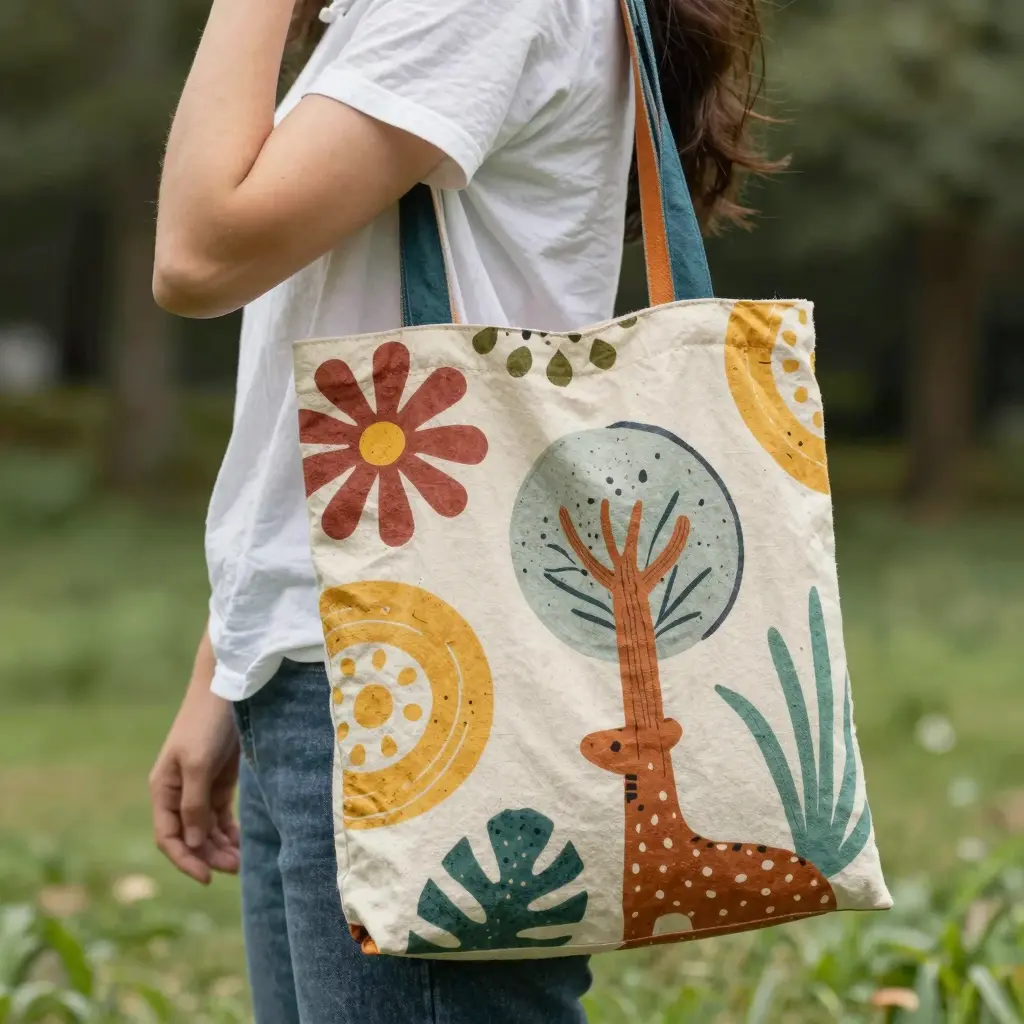
Creating a reversible tote bag isn’t just a craft; it’s a journey toward sustainability and self-expression. As the demand for eco-friendly bags continues to rise, business owners have a unique opportunity to tap into this market with customizable designs that cater to individual styles. A reversible tote bag offers the versatility of two looks in one, enabling users to effortlessly switch between patterns or colors, enhancing their everyday accessory game. Imagine how impactful it can be to offer your customers a product that reduces waste and promotes a greener planet while allowing them to express their creativity. By diving into the world of reversible tote bags, you can lead the charge against the throwaway culture and provide an innovative, stylish alternative that your audience will love. Explore more about customizing designs and start a sustainable movement today!
Required Materials List for Creating a Reversible Tote Bag
Creating a reversible tote bag involves gathering the right materials. Below are the essential items you’ll need to successfully make this functional accessory:
- Fabric: Two pieces of durable fabric, each at least 18″ x 14″. Recommended types include cotton canvas, denim, or quilting cotton.
- Sewing Machine or Needle and Thread: Depending on your preference for sewing; a machine is recommended for efficiency.
- Thread: Choose a matching or contrasting thread suitable for the fabric you are using.
- Scissors: Sharp fabric scissors for precise cutting of the fabric.
- Pins or Clips: To hold the fabric pieces together while sewing.
- Measuring Tape: For accurate measurements of fabric pieces and stitching.
- Fabric Marker or Chalk: To mark cutting lines or sewing areas on your fabric.
- Iron: For pressing seams flat, ensuring a crisp and professional finish.
With these materials, you’ll be well on your way to crafting a stylish and practical tote bag! If you’re interested in exploring tote styles, check out our guide on women’s canvas tote bags or laptop tote bags.
Fabric Selection for Reversible Tote Bags
Choosing the right fabric for a reversible tote bag is essential to ensure durability, practicality, and style. Here are key factors to consider when making your selection:
1. Durability
Opt for fabrics that can withstand daily use and wear. Materials like canvas, denim, or synthetic blends are excellent choices due to their strength. These fabrics not only last long under tough conditions but also maintain their color and texture regardless of use.
2. Weight
The weight of the fabric affects the overall feel and usability of the tote bag. Lighter fabrics are easier to carry and fold, making them convenient for everyday outings. However, ensure they are still durable enough to hold weight without tearing.
3. Washability
Reversible tote bags require fabrics that are easy to clean. Look for materials that are machine washable and can endure repeated washing without fading or losing shape. Cotton and polyester blends often offer good washability while retaining their appearance.
4. Eco-Friendly Options
To support sustainability, consider using organic cotton, hemp, or recycled materials. These eco-friendly choices reduce environmental impact while providing sturdy and stylish options for your tote. By selecting such materials, you contribute positively to the planet.
For more inspiration, check out our collection of fabric tote bags for women and canvas tote bags.
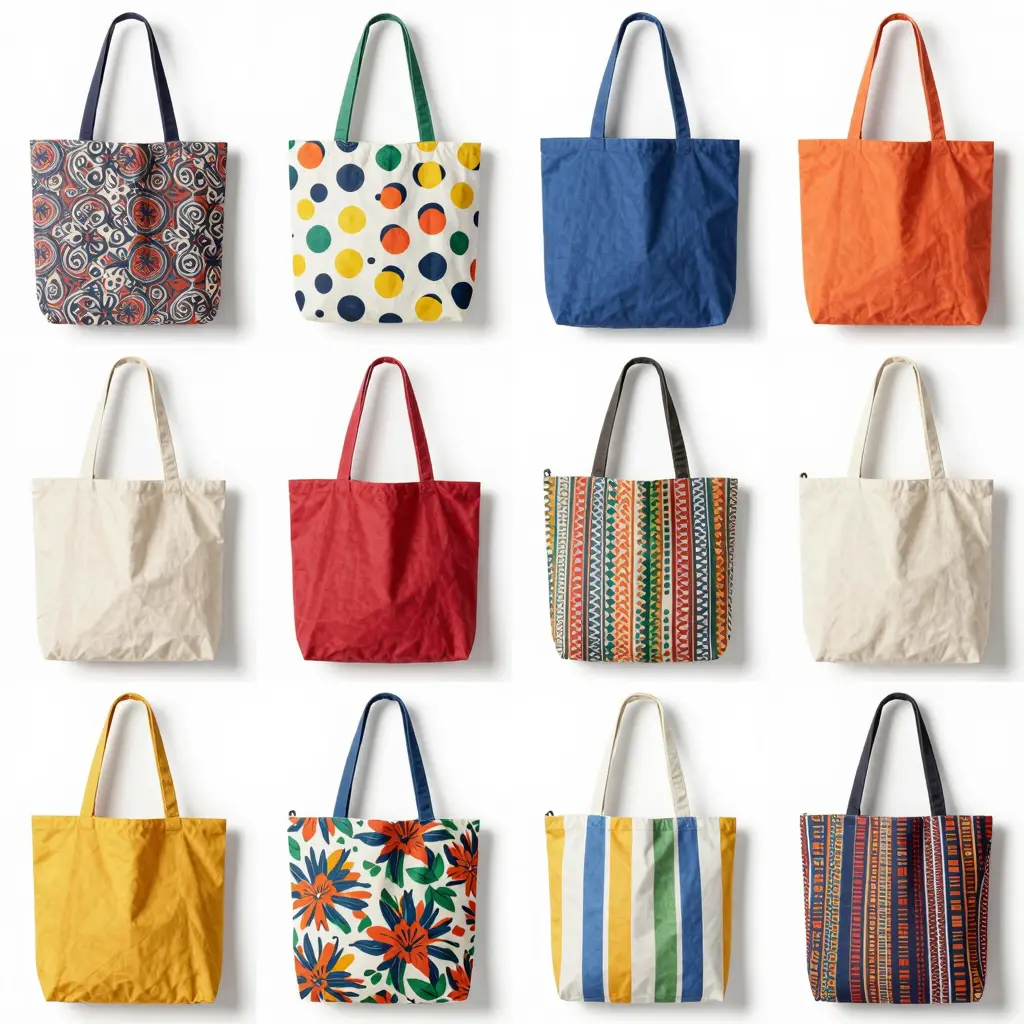
Sewing Instructions for a Reversible Tote Bag
Creating a reversible tote bag is a fun and practical sewing project. Follow these step-by-step instructions to make your very own bag, perfect for carrying your essentials.
Materials Needed
- Two body fabrics: Choose contrasting styles or colors (e.g., canvas, cotton).
- Thread: Match the colors of your fabrics.
- Sewing machine with a straight stitch.
- Scissors and pins.
- Iron for pressing seams.
Step-by-Step Instructions
- Prepare Your Fabric:
- Pre-wash and iron both fabric pieces to avoid shrinkage later.
- Cut Your Fabric:
- Cut two rectangles for the bag body, each measuring approximately 18″ x 15″ for an ample size. Adjust according to your preference.
- Pin the Fabric:
- Place the two rectangles right sides together. Align the edges and pin them in place.
- Sew Sides and Bottom:
- Using a ½-inch seam allowance, sew along the sides and bottom of the rectangle, leaving the top open.
- Box the Corners (Optional):
- To create depth, box the corners by folding the corners outwards and sewing across the tip.
- Turn the Bag:
- Turn your bag right-side out through the open top. Use a pencil or scissors to gently push out corners.
- Press and Finish:
- Press all seams flat and tidy. Topstitch along the top edge for a finished look.
- Add Handles:
- Cut fabric strips for handles. Attach them securely to the bag body using box pleats or darts for strength.
- Final Touches:
- Check all seams for any loose threads, and give your bag a final press.
Tips for Success
- If using canvas, a heavier needle may be necessary.
- For cotton, a universal needle will suffice.
- Topstitching helps maintain the shape and gives a professional finish.
For more inspiration on designs, check out women’s canvas tote bags and designer tote bags. Enjoy your sewing!
Table Comparing Reversible Tote Bag Designs
When considering reversible tote bags for your business, it’s essential to understand the various designs available. Below is a comparison table that outlines different aspects such as size, fabric type, and common usage for popular reversible tote bag designs.
| Design | Size (cm) | Fabric Type | Common Usage |
|---|---|---|---|
| Nespresso Reversible Tote Bag | 46 x 41 x 12 | 100% Recycled Cotton | Ideal for gifts and daily use |
| Robert Kaufman Free Pattern Tote | 51 x 33 x 19 | Kona Cotton | Custom designs for shopping |
| Calvin Klein Reversible Tote | ~Large (exact not listed) | Leather | Stylish, everyday tote |
| Eco-Friendly Custom Tote Bags | ~45 x 50 | Cotton/Canvas | Branding & promotion |
| Canvas Double-Sided Tote | 45 x 50 | Durable Canvas | School, commuting, casual outings |
For more details on fabric types, refer to our article on fabric tote bags for women. Each of these designs not only serves a functional purpose but also adds flair to daily activities. Consider your target audience and their needs when selecting a design.
Conclusion and Call to Action
Making reversible tote bags presents a unique opportunity for business owners looking to showcase their brand while embracing sustainability. These bags not only provide a two-in-one functionality but also enhance your promotional efforts. By offering a reusable product that resonates with eco-conscious consumers, you can improve brand visibility and customer satisfaction. Additionally, their versatility allows businesses to adapt designs for different campaigns or seasons, ensuring that your branding remains fresh and engaging.
As you embark on your own project of creating reversible tote bags, consider what materials and designs reflect your brand’s identity. You can find inspiration by exploring various tote bag styles that resonate with your target audience.
Additionally, if you’re considering a pivot to a mobile food venture, the pizza truck industry is booming, with significant growth opportunities. The National Restaurant Association reported a 34% year-over-year revenue increase for mobile pizza vendors in 2026. This is an ideal time to explore the world of mobile food service while integrating your reusable tote concept-consider using them as promotional giveaways for pizza truck customers!
Start your journey today, and tap into the potential of both reversible tote bags and the thriving pizza truck market!
Environmental Benefits of Reversible Tote Bags
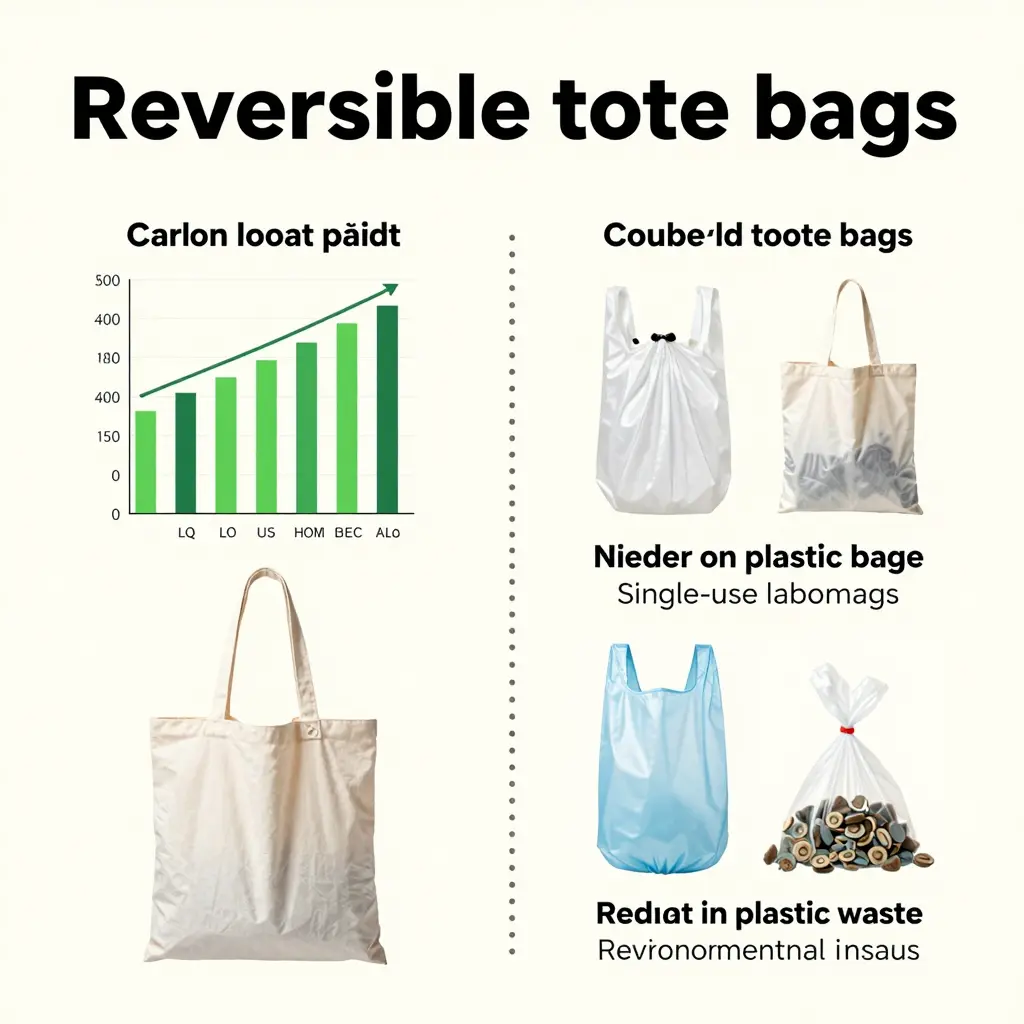
Reversible tote bags are a sustainable alternative to single-use plastic bags, offering significant environmental advantages that are increasingly important in today’s eco-conscious market. One of the most compelling reasons to switch to reusable totes is their potential to drastically reduce plastic waste. For instance, a single reusable tote bag can replace approximately 192 single-use plastic bags each year, minimizing the burden on landfills and reducing pollution in oceans and waterways (Sustainable Living Today).
Carbon Footprint Considerations
New research shows that reusable bags made from recycled materials, such as recycled PET (rPET), achieve their environmental break-even point after just 11 to 34 uses, depending on the material. This is a marked improvement over traditional cotton bags, which require between 500 and 7,000 uses to offset their carbon emissions (The Guardian). For example, producing one cotton reusable tote generates approximately 6 kg of CO₂, while single-use plastic bags have a far inferior lifecycle impact when accounted for multiple usages of reusable bags.
Lifecycle Analysis
A lifecycle assessment highlights that non-woven polypropylene reusable bags reach their break-even point around 37 uses, making them significantly more sustainable than single-use plastic bags (Environmental Science & Technology Journal). Even if consumers use their reusable bags inconsistently-say 50% of the time-they can still prevent 45-60 single-use plastic bags from entering the waste stream annually, equating to around 1.5 kg of CO₂ reductions per household each year (National Geographic).
Utilizing reversible tote bags represents a significant step toward sustainable shopping practices-something business owners can leverage to appeal to environmentally conscious consumers. For further insights on eco-friendly products, check out our collection of women’s canvas tote bags and laptop tote bags.
User Testimonials
“My reversible tote bags have transformed the way I present my brand. Customers love the dual design; it makes gifting easy! I can showcase my logo on one side and seasonal graphics on the other. The feedback has been incredible!”
- Sarah M., Boutique Owner
“Not only do these bags serve their purpose, but they also promote sustainability and professionalism. Every time I use mine, I feel like I’m carrying my mobile office and my brand ambassador all at once!”
- John D., Entrepreneur
These testimonials illustrate the amazing benefits that reversible tote bags bring to businesses-combining functionality with marketing power. To learn more about tote bags’ commercial appeal, check out our guide on various tote styles.
Market Trends for Reusable and Eco-Friendly Bags
The market for reusable and eco-friendly bags has been experiencing significant growth in recent years, driven by increased consumer preferences for sustainable products. Here are some key statistics that illustrate the market trends:
- The global reusable shopping bag market is expected to reach USD 12.11 billion by 2026, growing at a CAGR of 2.8% leading to an estimated USD 12.8 billion by 2035.
- The sustainable bags market, on the other hand, is projected to grow from USD 2,349.45 million in 2024 to USD 6,058.5 million by 2032, reflecting a remarkable CAGR of 12.8% between 2025 and 2032.
- Notably, over 60% of consumers are willing to pay more for eco-friendly bags and many retailers are promoting reusable bags through various campaigns as part of the shift towards sustainable shopping practices.
Market Size Comparison Chart

Key Insights
- In 2023, Japan reported a 91% usage rate of reusable bags, and China distributed approximately 290 million reusable bags annually.
- As sustainability becomes a priority for brands and consumers alike, the trend towards reusable and eco-friendly bags is expected to continue growing. Retail initiatives and government regulations against single-use plastics will further accelerate this shift.
For a deeper dive into different types of tote bags available, check out our guides on Canvas Tote Bags and Laptop Tote Bags.