
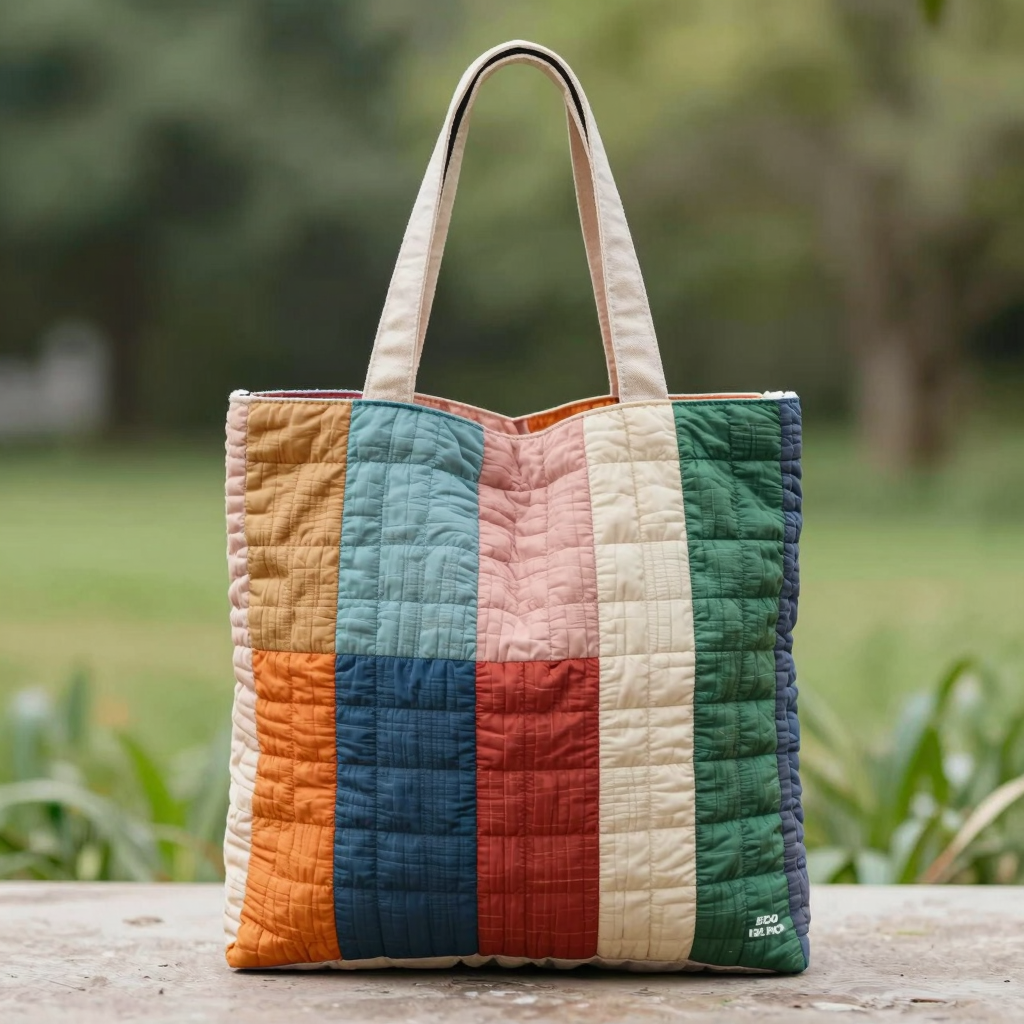
Quilt tote bags are more than just functional accessories; they are powerful branding tools that can set your business apart. For business owners looking to create a unique brand identity, crafting custom quilt tote bags offers a combination of practicality and sustainability. Made from durable cotton canvas, these bags are eco-friendly, ensuring that your brand not only stands out aesthetically but also resonates with environmentally conscious consumers. Their spacious design provides the perfect space for branding, carrying promotional materials, or even personal items, making them ideal for trade shows and client meetings. Each time these attractive quilt tote bags are used, they act as mobile advertisements, enhancing visibility and engagement with your brand. By tapping into this creative crafting opportunity, business owners can build a memorable brand experience that speaks to quality and environmental stewardship. Learn more about creative branding opportunities and how to make your mark in a crowded marketplace.
Materials List for Making a Quilt Tote Bag
Creating a quilt tote bag requires careful selection of materials. Below is a comprehensive list, including fabrics, sewing tools, and embellishments:
Fabrics
- Main Fabric: 100% cotton quilt fabric (like cotton canvas or duck cloth)
- Lining Fabric: Lightweight cotton or linen for the inside
- Insulating Layer: Batting or fusible fleece to provide structure and padding
Sewing Tools
- Sewing Machine: A standard sewing machine or a quilting-specific model
- Rotary Cutter: Efficient for cutting fabric accurately
- Cutting Mat: To protect your surfaces and assist with cutting fabrics
- Ruler: For measuring and cutting straight lines
- Pins and Clips: For holding layers together while sewing
- Thread: Matching or contrasting thread for seams
Embellishments
- Pockets: Additional fabric for exterior or interior pockets
- Straps: Pre-made or custom fabric handles
- Decorative Items: Buttons, patches, or labels for personal touches
With the right materials, creating a personalized quilt tote bag is an enjoyable experience. For tips on choosing stylish totes, check out our guide on tote bags and how to select fabric.
Designing the Quilt Tote Bag
Creating a quilt tote bag that stands out while aligning with a business’s brand identity requires careful consideration of patterns and colors. Here’s a breakdown of how to effectively design a quilt tote bag that appeals to business owners:
1. Choosing the Right Patterns
- Simplicity is Key: When designing a tote for commercial use, opt for patterns that are not overly complex. Simple yet striking designs can enhance brand recall.
- Brand Alignment: Choose patterns that reflect the essence of the brand. For example, an eco-friendly brand might benefit from floral or natural prints, while a tech company may prefer geometric patterns.
- Market Trends: Keep an eye on current design trends within the industry. This helps ensure that the bag appeals to contemporary consumer aesthetics.
2. Color Selection
- Brand Colors: Integrating official brand colors into the design can enhance brand recognition. Utilize your primary color scheme to create a cohesive look.
- Psychological Impact: Different colors evoke different emotions. Blue often represents professionalism, green signifies sustainability, and bright colors can reflect creativity. Choose colors that resonate with your target audience.
- Versatility: Consider colors that suit various occasions. Neutral tones can appeal to a wider audience and be paired easily with different outfits.
3. Enhancing Functionality
- Material Choice: Use high-quality cotton or eco-friendly materials to ensure durability and alignment with sustainability practices. A bag that withstands daily use improves brand visibility during promotions.
- Customizable Features: Include features such as inner pockets or personalized labels. Customization options can enhance user experience and make the tote more functional.
4. Marketing Strategies
- Sample Displays: Providing samples during promotional events allows potential clients to see and feel the quality of the tote bag firsthand, increasing the likelihood of a purchase.
- Quick Turnaround: Offering a fast production timeline (3-5 days for samples, 35-50 days for bulk orders) can make your bags attractive for seasonal marketing campaigns.
Employing these strategies not only results in visually appealing quilt tote bags but also strengthens brand identity. To dive deeper into the benefits of quilted tote bags for business branding, check our detailed article on custom-branded tote bags.
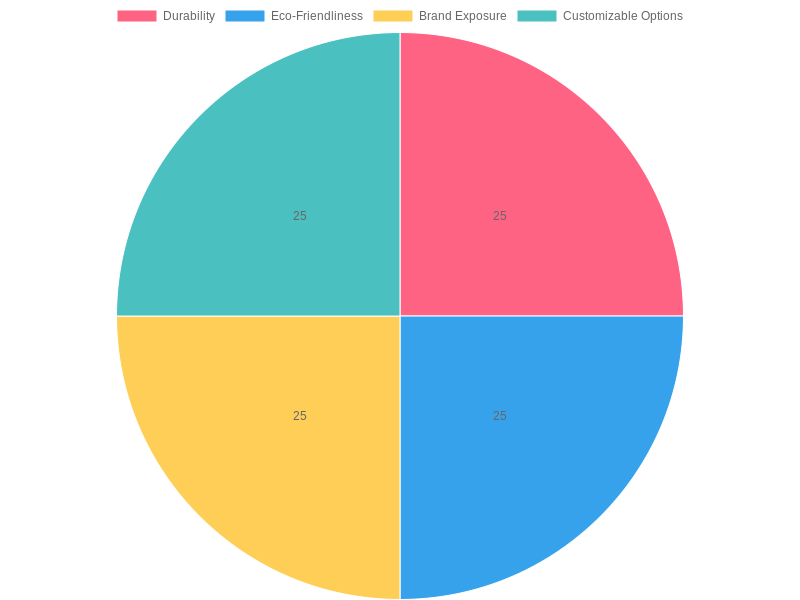
Benefits Chart
Check out the chart below for a visual representation of the benefits of using quilted tote bags for branding.
| Feature | Benefit for Business Owners |
|---|---|
| Durability | Quilted tote bags feature reinforced stitching, ensuring greater strength for repeated promotional use. |
| Eco-Friendliness | Supporting sustainable practices, these bags resonate with eco-conscious consumers. |
| Brand Exposure | Carrying these bags daily provides consistent brand visibility. |
| Customizable Options | Businesses can personalize with unique logos and patterns to reflect their identity. |
Comparing Quilt Fabric Types for Tote Bags
When creating a quilt tote bag, the choice of fabric plays a pivotal role in durability, cost, and overall suitability. Below is a comparative table focusing on the three primary types of quilt fabrics: cotton, polyester, and cotton-polyester blends.
| Fabric Type | Durability | Cost (approx.) | Suitability for Tote Bags | Pros | Cons |
|---|---|---|---|---|---|
| 100% Cotton | Moderate | $7 – $15 per yard | Great for lightweight bags | – Breathable and soft – Natural feel – Eco-friendly |
– Less durable than other options – Prone to shrinking and wrinkling |
| Polyester | High | $5 – $10 per yard | Suitable for heavy-duty usage | – Extremely durable – Resistant to wrinkles and stains – Low maintenance |
– May feel stiff – Can trap odors |
| Cotton-Polyester Blend (e.g., 55% cotton/45% polyester) | High | $5 – $12 per yard | Ideal for everyday bags | – Balanced durability and comfort – Better wrinkle resistance – Cost-effective |
– Less natural feel than pure cotton |
Summary of Fabric Types
- 100% Cotton: Excellent for breathability but may lack durability for heavy loads.
- Polyester: Strong and easy to maintain, making it a practical choice for tote bags that see frequent use.
- Cotton-Polyester Blends: Offer the best properties of both worlds, providing durability while maintaining some softness, ideal for everyday tote bags.
For those considering a cost-effective and durable option for a tote bag, cotton-polyester blends are highly recommended due to their practicality and lower long-term costs. By understanding these fabric types, you can make an informed decision tailored to your business needs.
Step-by-Step Instructions for Sewing a Quilt Tote Bag
Creating a quilt tote bag combines the joy of quilting with practical functionality. This bag is perfect for every business owner who loves to showcase their creativity while having a stylish and functional accessory. Follow the detailed steps below to craft your own quilt tote bag, ensuring to pay attention to the details for a successful project, especially if you’re a beginner.
Materials Needed
- Quilt Blocks: 1 or 2 finished quilt blocks (size 6″-12″ recommended).
- Fabric for Structure: Scraps of fabric for the bag’s main structure, typically a sturdy cotton or canvas.
- Lining Fabric: 1/2 yard of fabric for the lining.
- Batting: 1/2 yard for padding (optional, for a softer feel).
- Straps: 1/4 yard fabric for the sides and handles.
- Sewing machine and basic sewing supplies (scissors, pins, thread).
Step-by-Step Instructions
Step 1: Prepare Your Quilt Blocks
- Choose Your Fabric: Select quilt blocks that match your aesthetic. You can find inspiration for quilt designs online or in quilting books.
- Cut Your Blocks: If your blocks are not pre-cut, ensure they’re the right size (6″-12″ is ideal). You may want one large block or to join two smaller ones for a unique look.
Step 2: Cut Your Fabric Pieces
- Measure and Cut: Following the dimensions you need for your tote bag, cut the outer and lining fabrics accordingly. The typical outer piece should be slightly larger than the quilt block to accommodate seams. Aim for at least 1 inch more on each side.
- Cut the Straps: For the carrying straps, cut two pieces of fabric that are 3″x24″ (can vary based on preference).
Step 3: Layer Your Fabric
- Layering for Structure: Place the quilt block on top of the batting, followed by a lining piece right side down, and pin everything in place.
- Sew the Layers: With your sewing machine, sew all the layers together around the edges, leaving a small seam allowance (about 1/4 inch). Make sure to leave an opening for turning the bag inside out later.
Step 4: Assemble the Bag
- Turn the Bag Inside Out: Once the layers are sewn, pull the fabric through the opening so that it is right side out. Press the seams to flatten them.
- Topstitch the Opening: Fold in the raw edges of the opening and press flat. Topstitch around the edge to secure it closed and to add a finished look.
Step 5: Attach the Straps
- Preparing Straps: Fold each strap piece in half lengthwise, right sides together, and sew along one long edge and across one end to create a tube. Turn it inside out.
- Sewing Straps to Tote: Mark where the straps will be attached on the outer fabric (typically about 5 inches long on either side). Pin the straps in place and sew securely.
Step 6: Finishing Touches
- Final Press: Iron your tote for a neat finish. Ensure all seams are flat and clean.
- Personalization: Consider adding embellishments or personal touches, such as monograms or patches, to make your tote unique.
Additional Tips
- Don’t rush through the sewing process; take your time to ensure accuracy with your measurements and cuts. If you would like to explore other tote bag options, check out our range of canvas totes.
- Use quality fabric for durability, especially if you plan to use the tote frequently.
By following these instructions, you’ll create a stylish and unique quilt tote bag that not only serves a practical purpose but also represents your artistic flair! Happy sewing!
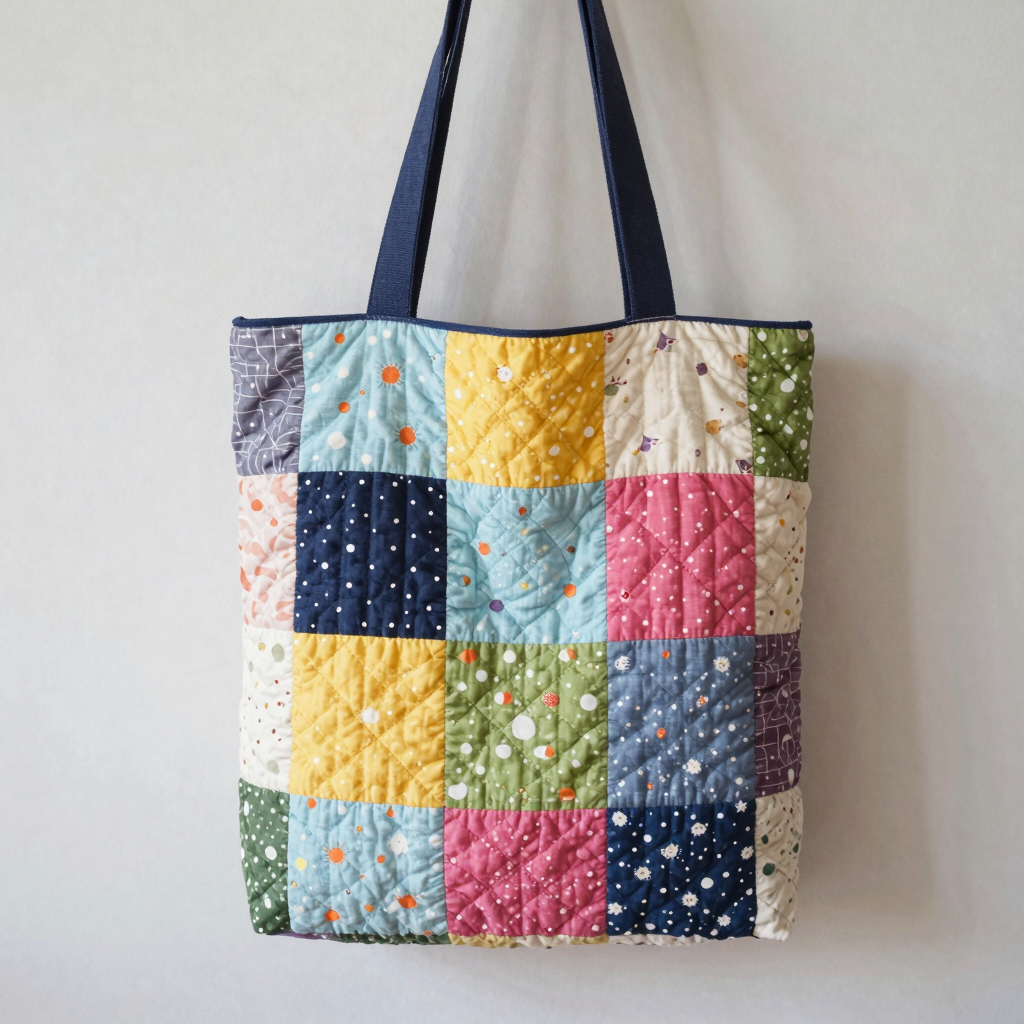
Marketing Strategies for Quilt Tote Bags
When it comes to promoting quilt tote bags, businesses can effectively leverage various marketing strategies that resonate with their target audience. Here are some effective strategies, including customization options and audience engagement ideas:
1. Customization Options
Offering personalized features can significantly enhance the appeal of quilt tote bags. Here are some ideas for customization:
- Embossing and Printing: Allow customers to emboss or print their names, initials, or slogans on the tote bags, providing a personal touch that encourages repeat purchases and referrals.
- Fabric Choices: Provide a variety of fabric choices. Offering eco-friendly materials can attract sustainability-conscious customers, leveraging the growing trend toward greener products. The article on Forbes discusses how eco-friendly tote bags serve as powerful marketing tools for brands (learn more here).
- Design Elements: Include trendy patterns or color combinations that reflect current styles, such as floral prints or geometric designs. This customization can make quilts versatile enough for casual outings or more formal events.
2. Reaching the Target Audience
Understanding and effectively reaching your target audience is crucial in marketing quilt tote bags. Here are some strategies:
- Social Media Engagement: Utilize platforms like Instagram and Pinterest to showcase your products visually. Engaging content, such as tutorials on assembling quilt tote bags or sharing customer stories, can draw in your target consumers. Involvement in user-generated content campaigns (e.g., a hashtag campaign like #MyQuiltTote) can also encourage sharing and visibility.
- Targeted Advertising: Implement targeted advertising on social media platforms focusing on demographics such as age, interests, and buying behaviors. This can help you more effectively place your marketing materials before those most interested in your products.
- Events and Collaborations: Attend craft fairs, and textile expos, or collaborate with influencers in the quilting or crafting community. This fosters relationships, provides hands-on experiences with the products, and broadens your brand’s reach.
3. Emphasizing Functional Benefits
Highlighting the practicality of quilt tote bags can attract functional buyers. Emphasize how they can be a beautiful yet functional accessory for shopping, travel, or day-to-day use. As mentioned in an article on Entrepreneur.com, personalized tote bags boost customer engagement and loyalty by turning functional items into desirable lifestyle products (find out more here).
In summary, a combination of thoughtful customization, targeted outreach, and emphasis on usability can help effectively market quilt tote bags to your desired audience. By tapping into current trends and utilizing various platforms, businesses can enhance their visibility and strengthen their customer base.
Why Quilt Tote Bags Stand Out
Quilt tote bags have become a popular choice for both personal use and as products for businesses. As Michael Ann, the founder of Michael Ann Made, aptly puts it:
“It’s the perfect project for testing out a tricky new block, using up an odd block you found in your stash or for trying out a beginning quilting project without the commitment of a whole quilt.”
This quote emphasizes quilted tote bags’ practicality and creativity, making them an ideal product offering that resonates with customers’ need for functional artistry.
If you’re interested in exploring more about various tote styles, you can learn more about different types of tote bags and how they can benefit your business.
Cost Breakdown for Making Quilt Tote Bags
Creating quilt tote bags involves various cost components that business owners need to consider for budgeting. The following chart illustrates a typical cost structure:
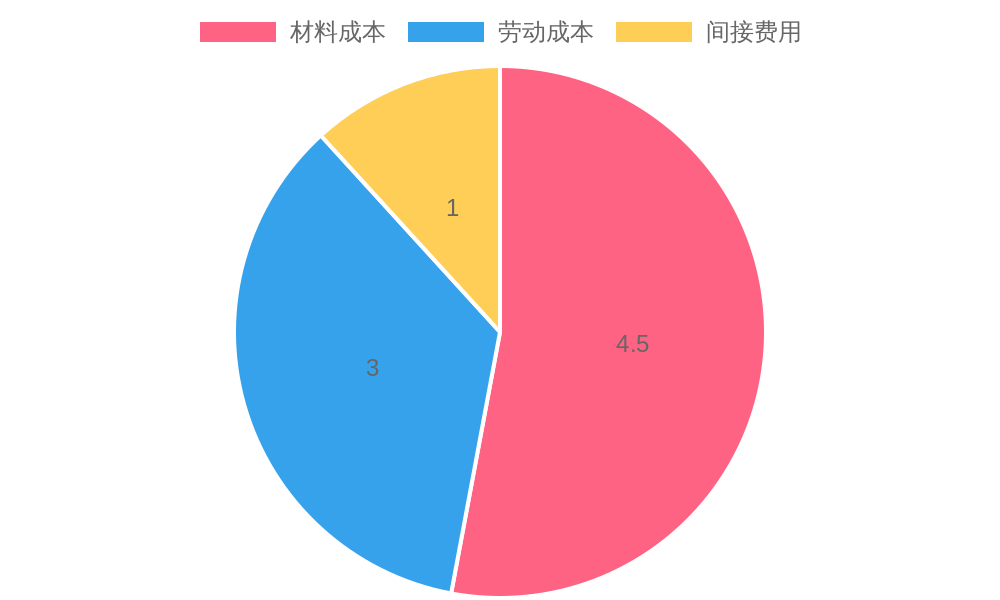
Breakdown of Costs:
| Cost Component | Amount (USD) | Description |
|---|---|---|
| Material Costs | $4.50 | – Fabric: $3.50 – Fittings (handles, zippers): $1.00 |
| Labor Costs | $3.00 | – Cutting: $0.80 – Sewing: $1.60 – Finishing: $0.60 |
| Overhead Costs | $1.00 | – Factory rent, utilities, equipment depreciation |
| Total Production Cost | $8.50 | Cost per unit |
Suggested Retail Price Structure (Based on 3-5x Markup)
| Markup Factor | Suggested Retail Price (USD) | Description |
|---|---|---|
| 3x | $25.50 | Suitable for competitive markets or high turnover strategies |
| 4x | $34.00 | Common pricing balancing profit and market acceptance |
| 5x | $42.50 | For brand premium or high-end designs |
Note: The above data is based on current market research and manufacturing cost analysis, suitable for small-scale production (e.g., 500-1,000 units). Actual prices may vary by region, order volume, customization degree, and supply chain efficiency.
For further insights on tote bag designs and strategies, you might want to check the Tote Bag Size Guide or explore various Designer Tote Bags options available.
In conclusion, making your own quilt tote bag is not only a fun and rewarding project but also an incredibly practical one. Throughout this guide, we’ve uncovered the various steps involved-from selecting the right materials and understanding the basic sewing techniques to enriching your unique design with leftover quilt blocks. Not only can these tote bags serve as stylish everyday accessories, but they also represent an opportunity for creativity and personalization.
Now, it’s time to put your newfound skills into practice and craft a tote bag that’s uniquely yours! Doing so may even inspire you to explore additional ways to grow your business, especially if you’re in the catering or food service industry. If you’re looking for innovative solutions, consider looking into business-oriented pizza truck solutions to elevate your food ventures. So grab your fabric and sewing kit, unleash your creativity, and enjoy the fulfilling process of creating your quilt tote bag!