
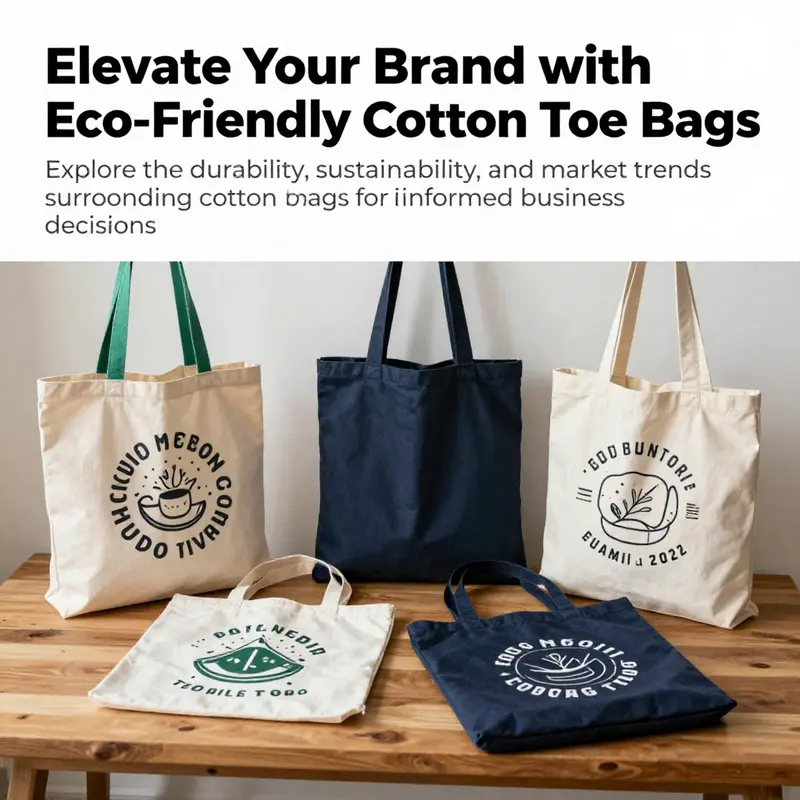
Cotton tote bags have become a staple in the retail and promotional landscape, blending functionality with environmental responsibility. As business owners aim to align their brands with sustainable practices, understanding the characteristics of cotton tote bags is essential. This article delves into the durability and construction of these bags, their environmental impact, and prevailing market trends and consumer preferences. Each chapter builds a comprehensive view, helping you assess how cotton tote bags can enhance your brand identity while promoting eco-consciousness among your customers.
Durability in Cotton Tote Bags: Fabric, Construction, and Everyday Strength
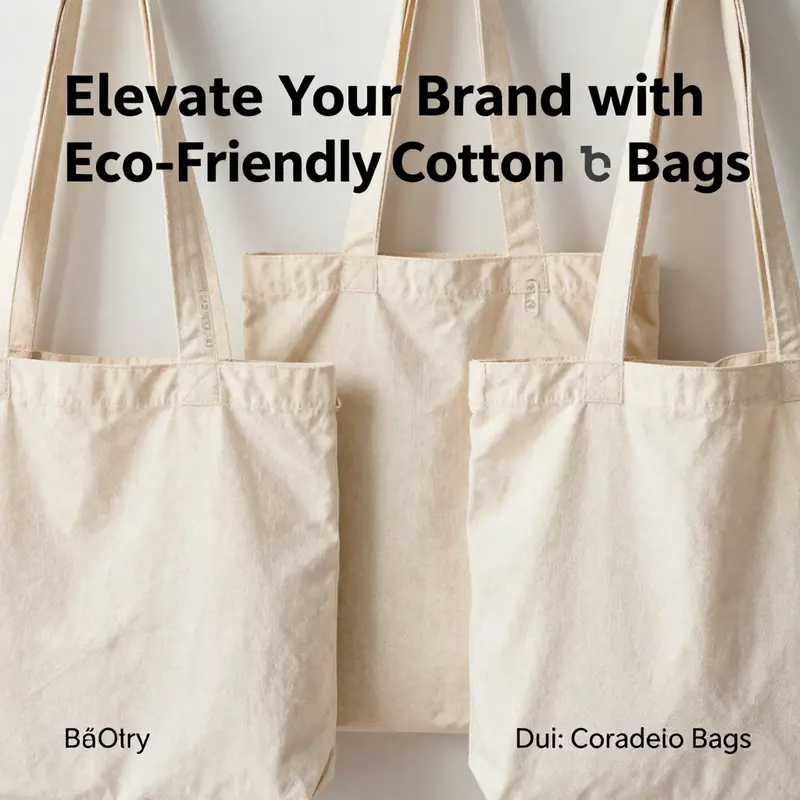
Durability in a cotton tote bag is rarely about a single feature. It arises from a careful blend of fabric choice, weight, weave, and construction that together determine how a bag behaves under load in changing weather and with the repeated friction of daily life. The discussion that follows moves from the fabric itself to how that fabric is assembled, and finally to the lived realities of owning a tote that must stand in for a shopper, a book carrier, or a commuter companion. What matters most is the quiet arithmetic of strength: the density of the weave, the heft of the material, and the way those elements are joined at stress points where the bag is most likely to fail. In a world that increasingly favors reusable options, these details separate the marginally useful tote from the dependable workhorse that earns its keep day after day.
Cotton tote bags sit at a practical crossroads between comfort and function. They are often woven into a plain, breathable fabric that feels soft against the skin. This comfort is an asset when a bag rests on the shoulder or folds against the hip during a routine errand. Yet that same plain weave and the relatively light weight of the fabric complicate durability. When we speak in terms of fabric weight, the numbers tell a story. Standard cotton totes typically range from around 150 to 200 grams per square meter GSM. That range correlates with a light to medium-weight fabric that breathes well but yields more quickly to strain. The weight matters because it translates into tensile strength the amount of force a fabric can withstand before it tears. With a thinner, single-layer construction and minimal lining, the bag is more sensitive to edge fraying and seam stress. The result can be frayed handles, worn corners, or a seam that begins to separate after a handful of heavy loads or repeated exposure to moisture. The durability of cotton, therefore, is not a given; it is earned through design choices that reinforce the weakest points without compromising the user experience.
To truly understand durability, it helps to compare cotton with canvas, the heavier cousin that shares a cotton lineage but diverges in processing and performance. Canvas uses thicker yarns and a denser weave. The result is a robust fabric with a denser surface, less prone to tearing, and better able to resist abrasion during daily chores like grocery trips or long commutes with books and gadgets in tow. In typical durable tote constructions, canvas fabrics measure between 280 and 350 GSM or more. This range is not just about heft; it reflects a deliberate choice to prioritize tensile strength, stiffness, and resilience to fraying—qualities that become especially important when a bag carries irregular loads, or when the user places stress on the bag’s corners and straps. A key aspect of canvas durability is the weave itself. A tight plain weave or a sturdy twill weave creates a dense fabric matrix that resists the ingress of moisture that can weaken fibers over time. The reinforcement does not stop with the weave, however. Many durable canvas totes incorporate double- or triple-ply yarns. This layered approach creates a fabric that not only withstands higher loads but also endures more cycles of use without succumbing to micro-tears that accumulate over months of daily wear.
If we zoom in on construction details, the durability of any tote bag hinges on how the fabric is put together at stress points. A well-made bag from any material will feature reinforced stitching and attention to high-stress zones such as the handle attachment points, the corners where the bag bears most weight, and the seam lines that experience repeated opening and closing. Bar-tacked stress points at handles and corners are a hallmark of durability. Bar-tacking is a specific stitching technique that helps lock in place the loads that put the most strain on a bag. When you tug at a tote full of groceries or lean into a crowded bus, the joint where the handle meets the body is a common failure site. A reinforced stitch pattern, perhaps a zigzag or cross-stitched seam at key junctions, is the sort of practical feature that adds years to a bag’s life. Internal reinforcements or a light lining can further distribute weight and reduce the risk of fabric strain in the same way that a lining on a garment can stabilize fabric during movement. All these design choices—twill or plain-weave twill for canvas, stronger thread, extra layers, reinforced handles—combine to deliver a product that behaves as an extension of the wearer rather than a disposable commodity.
A constant tension in discussions of cotton versus canvas is moisture management. Cotton fibers are inherently absorbent, a trait that contributes to comfort but also to vulnerability when moisture is repeated or prolonged. Wet cotton can lose some tensile strength and become more prone to stretching or fraying, particularly if the fabric is loosely woven. Canvas, by contrast, tends to shrug off moisture more effectively due to its denser weave and tighter fiber packing. However, neither material is inherently waterproof. Without a proper lining or treatment, repeated exposure to rain or spills will eventually degrade even the most robust bag. The practical takeaway for consumers is clear: if you anticipate frequent exposure to wet conditions or want a tote that maintains its structure after carrying heavy cargo, a canvas option with thoughtful reinforcement and a quality lining makes more sense than a light cotton tote with minimal interior support. This is why many durable cotton totes designed for heavy use rely on a canvas-like heft or a blend that improves water resistance as part of the construction.
From a materials perspective, the field recognizes the subtle relationship between fabric weight, weave, and real-world use. The University of Sustainable Design textile materials research highlights how density and weave directly influence resilience to fraying, tearing, and stretching. The work underscores that not all cotton is created equal in terms of longevity. In practical terms, a 150-200 GSM plain-weave cotton bag can be perfectly fine for light, occasional use, such as promotional events or occasional shopping, but it may not hold up under the demands of daily commuting, repeated heavy loads, or prolonged exposure to the elements. Canvas, with its heavier weight and denser construction, stands out for daily use, particularly when reinforced at stress points and with lining that guards the fabric from internal wear. The discipline of durable design is thus a balancing act between user expectations, environmental considerations, and the physical realities of natural fibers.
Care and maintenance are not mere afterthoughts; they are part of the durability equation. The best engineering can be undermined by neglect. Proper care for cotton tote bags includes instructions as simple as turning the bag inside out for washing, using a mild detergent, and avoiding aggressive agitation that can cause seams to loosen. Drying should be done flat or hanging away from direct heat to prevent warping. Canvas totes typically tolerate washing better than lightweight cotton, but even there, one should check the fabric’s tolerance to repeated cycles in a washing machine. Reinforced stitching is designed to resist fraying, but when the bag is heavily loaded and pulled at every corner, the materials will eventually yield if used beyond their design envelope. The responsible choice is to align the bag’s intended use with its construction class: light-use cotton bags for occasional trips, reinforced canvas or cotton-poly blends for daily errands and heavy loads. This alignment, more than any single feature, determines how long a tote will stay in service before replacement is considered.
The supply chain side of durability is not a footnote; it informs the end product’s reliability. Manufacturers committed to quality often pursue industry certifications to ensure accountability across not just fabric selection but also labor standards and environmental impact. For bulk production, features such as reinforced seams, consistent weight control, and careful packaging are critical to consistent performance. In some cases, suppliers offer options like 4 oz, 5 oz, 6 oz, and 8 oz cotton totes with customizable packaging and rapid delivery. Beyond the fabric and stitches, the packaging and handling at the factory inform the consumer’s later experience. A well-packaged, consistently constructed tote reduces the risk of damage in transit and sets a baseline for expected durability. It is not only about the bag you see hanging in a store but also about the quality checks performed long before it reaches a shelf.
In practice, the choice between a plain cotton tote and a canvas tote often comes down to context and value. If your priority is natural material, a soft and breathable hand, and low environmental impact, cotton totes have undeniable appeal. They excel in light daily tasks where the load is modest and the bag is cared for with gentle treatment. But if you need something built to endure daily, or a bag that can reliably carry heavier items without compromising its silhouette, canvas or a cotton-poly blend offers a more robust proposition. The structural differences are dense weave, higher GSM, multi-ply yarns, reinforced seams, and internal linings that coalesce into a product that stands up to repetition and rough handling. The wearer’s everyday rituals, grocery shopping, library visits, commuting, meet a fabric that has been engineered to meet those rhythms, not merely to satisfy an initial aesthetic or a seasonal trend.
This topic intersects with broader conversations about sustainability and consumer behavior. The durability of a cotton tote is not just a technical metric; it translates into longer product life, reduced waste, and lower replacement frequency. A well-constructed canvas tote can outlast several lightweight cotton bags under the same daily regime, a factor that compounds into environmental benefits alongside the natural biodegradability of cotton fibers. Yet even the most durable bag is only as useful as the user is mindful: loading the bag with roughly balanced weight, avoiding overfilling beyond the product’s capacity, and maintaining the bag through reasonable care are acts of stewardship that extend its lifespan. The narrative of durability, then, becomes a story about design choices that respect the material’s nature while anticipating real-life use. It is a story of agricultural origin meeting urban routine, of fiber science translating into a practical, daily instrument that helps people move through the world with less waste and more reliability.
For readers seeking a tangible sense of how these principles apply in real life, consider examining canvas totes designed for daily use. A robust canvas tote, built with reinforced handles and a sturdy lining, demonstrates how a heavier fabric, thoughtfully integrated, translates into performance that users notice in routine tasks. The experience of carrying groceries, books, or personal belongings without fear of a sudden tear or a sagging seam reinforces the value of durability as a daily utility rather than a luxury feature. When we marry the science of fiber density with the art of construction, we arrive at a practical conclusion: for long-term, high-frequency use, canvas or canvas-inspired cotton blends deliver superior longevity, while lighter cotton totes remain appealing for occasional, comfort-driven tasks. The choice, then, is not simply a matter of preference but a matter of intended use, care habits, and the environmental footprint one is willing to accept in exchange for durability.
Rethinking the Green Promise: The Complex Environmental Footprint of Cotton Tote Bags
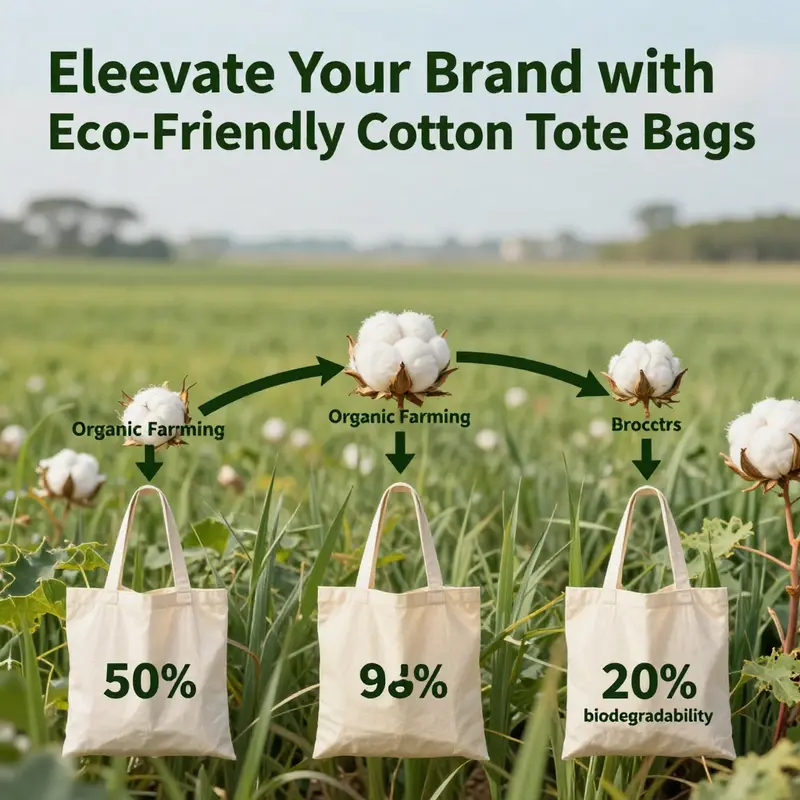
Cotton tote bags are often pitched as a straightforward, naturally friendly swap for disposable plastics. They embody simplicity: a soft, breathable textile, a familiar tote shape, and the appeal of using a material that comes from the earth rather than from petroleum. Yet the environmental story behind these bags is not a single thread but a woven tapestry of farming realities, processing steps, manufacturing footprints, and end-of-life considerations. When we pull on any one thread—water, chemicals, energy, or transport—the larger pattern becomes clearer: cotton tote bags can be green in spirit, but their actual ecological footprint fluctuates with farming methods, the bag’s construction, how often it is used, and what happens to it at the end of its life. In this sense, they are not simply “good” or “bad.” They are options with trade-offs that require careful appraisal if we want to make responsible, long-lasting choices that align with broader sustainability goals.
The most visible starting point for understanding the environmental calculus is water. Cotton farming is notoriously water-intensive. A single tote bag, depending on the farming region, the irrigation regime, and the processing steps that convert fiber to fabric, can demand as much as 20,000 liters of water. That figure encapsulates both agricultural irrigation and the water used during transforming raw cotton into finished fabric. It is a stark reminder that even materials we associate with nature carry through-water costs, which are magnified when cotton is grown in arid or semi-arid zones where irrigation dominates. This water demand is not just a local problem; it is a global one because cotton is grown all over the world, often in landscapes already under water stress. The sum of these regional pressures can ripple through ecosystems, affecting groundwater levels and the viability of nearby communities that rely on water for drinking, farming, and sanitation. In practice, the water story of a tote bag is not simply about the amount of water saved by avoiding a plastic bag; it is about the cumulative water that goes into making every bag that ends up in a consumer’s hands.
Beyond water, the agricultural phase reveals a more complex chemical portrait. Conventional cotton farming remains heavy on pesticides and fertilizers. The World Wildlife Fund highlights that cotton covers a relatively small portion of global cropland—about 2.4%—yet it uses a disproportionately large share of pesticides and insecticides, accounting for roughly 16% of the world’s pesticides and about 6% of its insecticides. These figures illuminate the chemical burden carried by the farming system from which tote bags are born. The environmental consequences extend beyond pesticide use; soil health, water quality, and biodiversity can be affected by runoff and soil erosion linked to intensive chemical inputs. Even when we shift toward organic cotton, we reduce some of these inputs, but organic farming does not automatically solve every environmental challenge. Organic cotton can lower chemical load and sometimes water use, but it does not eliminate all impacts. The lifecycle is still bound to yield, land use, and processing energy, and it remains susceptible to regional variations in farming practices and climate that shape outcomes.
Processing the harvested cotton into fabric adds another layer of energy and chemical intensity. Spinning, weaving, dyeing, and finishing are energy-demanding operations, and the choice of facilities matters. In facilities that emphasize low-impact processes and water recycling, the environmental toll can be reduced. In less scrupulous settings, however, the chemistry involved can release pollutants into air and water streams, undermining the potential environmental benefits of the natural fiber. The contrast here is not between cotton and a perfect alternative, but between best-practice production and conventional, efficiency-leaning operations. When a society pushes for lower footprints, the emphasis often shifts to cleaner energy, water reuse, and closed-loop dyeing systems. In such contexts, the cotton tote’s environmental burden can be mitigated, yet it will still be shaped by the energy mix powering each stage of manufacturing and the degree to which facilities manage effluents responsibly.
If we consider the total climate picture, the broader life-cycle footprint becomes even more nuanced. The Danish Environmental Protection Agency conducted a study in 2018 that has become a touchstone for discussing cotton tote bags and plastic comparators. It found that a conventional cotton tote would need to be reused at least 7,000 times to confer a lower climate impact than a single-use plastic bag when evaluating greenhouse gas emissions alone. That reuse threshold is a stark metric. It implies that the climate advantage of switching from plastic to cotton hinges on extraordinary durability and long-term usage, something that rarely materializes in everyday practice. In reality, consumer behavior often falls short of such reuse targets, and the weight of the tote bag itself becomes a factor in transportation emissions. Heavier bags translate to higher fuel consumption during shipping and distribution, particularly when orders are scaled to meet promotional campaigns or bulk retail needs. The result is a complicated balance: cotton bags can reduce plastic waste, but they can also offset gains if they are not used frequently enough to amortize their production and transport costs.
The end-of-life phase introduces yet another axis of complexity. Cotton, being a natural fiber, is biodegradable under appropriate conditions. It will decompose over months to a few years when exposed to oxygen, moisture, and microbial activity. The environmental advantage hinges on keeping cotton out of landfills long enough for natural processes to occur rather than letting it persist indefinitely or fragment into microfibers. However, this biodegradability does not automatically translate into a net environmental win. The production costs for cotton are high, and if a bag is disposed of prematurely or in a landfill lacking proper conditions, the biodegradation process may be slow or incomplete, limiting its benefit. In addition, cotton-based bags compete with synthetic alternatives that, though not biodegradable, may offer lower water or energy footprints during manufacturing, particularly when produced using recycled feedstocks. Recycled polyester tote bags, for example, often present lower water and carbon footprints in manufacturing, though they carry the risk of microplastic release during washing and end-of-life shedding signals. The trade-off becomes clear: opting for a natural fiber does not automatically guarantee a gentler end-of-life story; it depends on how a bag is used, cared for, and finally disposed of or recycled.
The broad conclusion about cotton tote bags must be grounded in a lifecycle perspective. The most sustainable outcome emerges not from the inherent properties of the fiber alone but from how the bag is designed, used, and discarded. Dr. Lena Patel, a sustainable textiles researcher, underscores a crucial point: “Not all natural fibers are created equal. The farming method, water use, and processing determine whether a ‘green’ bag is truly sustainable.” This cautionary note matters because it invites a more nuanced evaluation of whether organic cotton, conventional cotton, or alternative natural fibers truly fit a given sustainability goal. The conversation should extend to hemp-based canopies and other plant fibers, which can offer different water-use and processing profiles, though each material requires its own lifecycle assessment to reveal its trade-offs.
Within this framework, the construction and durability of the bag carry substantial environmental implications. A lightweight cotton tote, typically 4 to 6 ounces per square yard, may be comfortable and naturally soft, but its resilience under daily use is limited. It can fray, deform, or wear through seams when subjected to heavy loads or repeated wetting and drying cycles. In contrast, canvas shoppers—crafted from heavier cotton, often in the 8 to 12 ounce range, with a duck or twill weave—demonstrate markedly higher durability. Reinforced seams, stronger handles, and tighter weaves help the bag resist tearing, stretching, and abrasion. These design choices matter because a more durable bag that lasts longer reduces the need for replacements, thereby diminishing aggregate material and energy inputs per use. In a practical sense, choosing durability is a direct thread in the environmental tapestry: better construction can extend a bag’s life, which, in turn, reduces the number of bags entering the production cycle over time.
Still, durability is not the only variable. The ecological calculus of cotton tote bags must also consider the possibility of a longer usage life achieved through intelligent design and responsible care. A bag that can be repaired, with seams that are easily reinforced or replaced, has a different ecological arc than one designed to be discarded at the first sign of wear. Users can extend life through simple practices—air drying instead of machine drying, gentle washing with mild detergents, and timely mending of small tears before they propagate. These small acts accumulate into meaningful reductions in waste and resource use. Yet even with careful care, there remains the question of end-of-life processing: can used cotton bags be repurposed, recycled into fiber for new textiles, or composted in appropriate facilities? Each pathway has its own environmental footprint, and the viability of recycling or composting varies by locality, infrastructure, and policy.
Another layer of the conversation centers on consumer expectations and branding. The appeal of cotton bags often lies in their association with natural materials and sustainability narratives. That appeal, if not paired with clear information about lifecycle performance, can mislead buyers into overestimating the environmental benefits. The reality is nuanced: while cotton bags can reduce plastic waste, they require careful selection of material and construction and a long, consistent usage pattern to realize potential benefits. Organic cotton helps address some pesticide concerns, but it does not automatically translate into a lower overall footprint if the bag’s usage is brief or if it has a heavy, resource-intensive processing chain. Conversely, a sturdy, well-made canvas bag can deliver more durable performance and, when used extensively, may lower per-use impacts relative to lighter-weight cotton options. Linking design with behavior—how long you keep a bag, how often you use it, and how you care for it—thereby aligns consumer action with the environmental narrative.
To illustrate the practical implications of these concepts, consider the single most impactful decision a consumer can make: prioritize longevity over novelty. A bag built for daily use with reinforced stitching and durable fabric will, by design, yield fewer replacements over its lifetime. That is the essential logic behind choosing a heavier, canvas-like cotton when possible. The contrast with a 4–6 ounce plain weave is not merely one of texture or feel; it is a decision about how often you will reach for a bag, how confidently you can load it with groceries or books, and whether you will repair or retire it when it shows signs of strain. In this sense, the environmental benefits of cotton are not universal but conditional on behavior and construction. A durable bag used for years can outperform a fragile bag used sparingly, because the energy and resources embedded in the initial production are spread across more uses.
Within this broader picture, a linkable nuance arises: the potential we see in durable, canvas-inspired cotton bags may be amplified when we acknowledge alternatives that share some ecological aims but differ in their life cycles. For example, cotton-polyester blends or recycled-polyester bags can offer superior water-use profiles during manufacturing and potentially lower climate footprints per unit of material produced. Yet they carry other concerns, including microplastic release during washing and the challenges of end-of-life management for blended fibers. The takeaway is not to declare one material categorically superior but to recognize that trade-offs exist along the entire life cycle. A consumer aiming to minimize environmental impact should factor durability, end-of-life strategy, and local waste-management options into their material choice. To explore a related topic in depth, readers may examine resources that discuss how different tote bag styles and materials perform in real-world use, including guidance on selecting longer-lasting options. For instance, a practical examination of canvas and canvas-like designs can be found in discussions about women’s canvas tote bags.
In sum, the environmental footprint of cotton tote bags is a narrative of tension and potential. The water and chemical demands of cotton farming, the energy intensity of processing, and the greenhouse-gas implications of production all shape outcomes. The heavier, more durable canvas-style cottons can improve longevity, which is a powerful lever for reducing per-use impacts. Organic cotton can mitigate some chemical burdens, yet it does not remove all trade-offs. Reuse remains the most potent driver of environmental benefit, but the reuse ceiling described by the Danish assessment underscores the necessity of thoughtful design, responsible manufacturing, and sustained consumer behavior. The most sustainable choice, then, is not a single material or a single design but a holistic approach: durability and repairability that extend the bag’s life, mindful farming and processing practices that minimize water and chemical footprints, and end-of-life options that keep cotton out of landfills and in the loop as long as possible. In this way, cotton tote bags can contribute to a more sustainable shopping culture—one that values responsible production as much as it values responsible consumption.
External resource for deeper exploration:
https://www.umaine.edu/forestry/2021/09/10/environmental-impact-of-cotton-tote-bags/
From Fabric to Footfall: Reading Market Signals in Cotton Tote Bags Through Sustainability, Functionality, and Personal Style
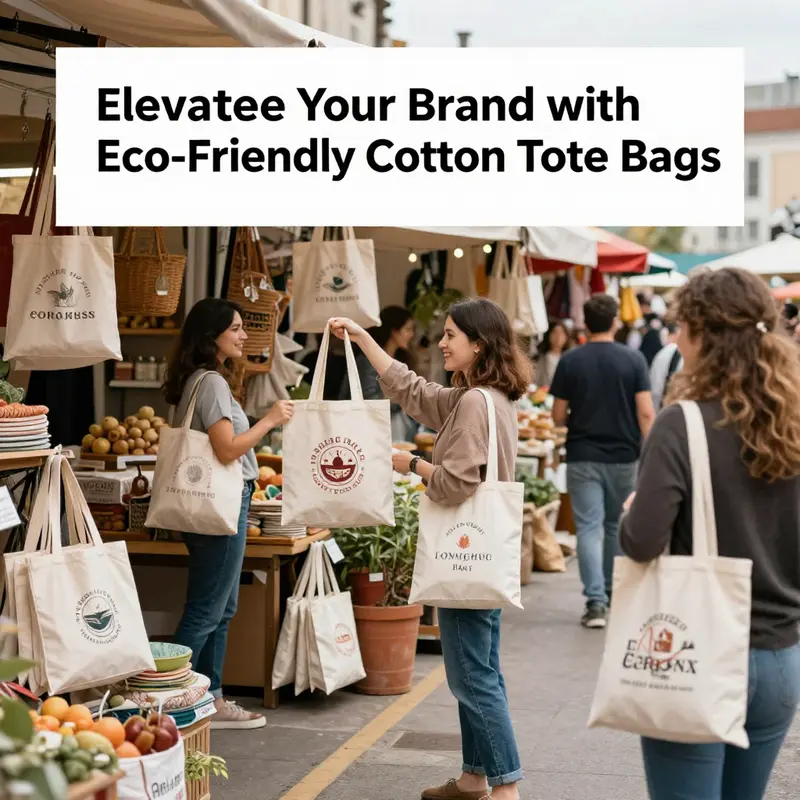
The trajectory of cotton tote bags in 2026 reads like a case study in how a simple object can become a lens for broader values. In a landscape where shoppers balance practicality with ethics, these everyday carriers reveal a retail ecology where material choices, construction details, and aesthetic cues are inseparable from a consumer’s self-image and a brand’s promise. The conversation around cotton totes is no longer about a single use or a single fabric; it is about the intersection of environmental impact, daily utility, and personal storytelling. When we look at the market, the strongest sellers are those that speak to a buyer who wants a vessel for their daily routine and a statement about the world they want to live in. In 2026, that convergence—sustainability, functionality, and personalization—defines the path forward for cotton tote bags, and the implications ripple through production, marketing, and consumer behavior in ways that reinforce one another rather than compete for attention.
Sustainability is no longer a niche concern but the rhythmic pulse of the category. Cotton tote bags are celebrated for their reusability and their biodegradable foundation, especially when crafted from organic cotton or other responsibly sourced fibers. The market data aligns with a broader shift in consumer behavior: younger buyers, in particular, seek products that align with ethical consumption patterns. They want clarity about the supply chain, proof of reduced environmental footprint, and the assurance that the bag they carry daily is a small but meaningful act of stewardship. This is not a trend so much as a durable preference that rewards brands willing to invest in transparent sourcing and verified sustainability claims. In practice, this means more emphasis on organic cotton and recycled materials, as well as clearer articulation of lifecycle impacts. When a bag is positioned as part of a conscious lifestyle, its value proposition expands beyond a single season. It becomes a living part of a buyer’s daily routine, a portable statement about how they choose to live.
The materials conversation underpins many of the market’s practical realities. Cotton offers comfort and a natural feel, but its durability hinges on weave, weight, and construction. Lightweight options, often in the 4–6 oz range, serve promotional purposes or light errands. They are easy to fold, inexpensive to produce in bulk, and adequate for non-load-bearing use. Yet consumer expectations have grown. People want tote bags that endure daily wear, withstand moisture, and resist fraying after repeated trips to the market or office. That appetite for resilience has steered a notable share of demand toward canvas-based or cotton-polyester blends, commonly produced in heavier weights—8 oz, sometimes up to 12 oz per square yard—using a duck or twill weave. These heavier fabrics not only resist stretching and tearing but also feel sturdier in hand, projecting a message of reliability. It’s a subtle but powerful cue: the bag you carry should be ready for the groceries, the laptop, the rain, and the occasional accidental tug when someone borrows it across a crowded subway car.
The durability conversation has a practical spine. Cotton’s natural susceptibility to moisture and abrasion means that the life of a tote is intimately tied to how it’s designed and lined. Repeated exposure to water and sunlight can degrade unlined or loosely woven cotton more quickly than a tightly woven canvas. Free-standing durability thus becomes a product attribute, not an afterthought. Many shoppers have learned to translate heavier fabrics and reinforced handles into longer lifespans. Linings that resist water, interior pockets for organization, and zippered compartments for secure storage transform a simple bag into a daily workmate. In this sense, functionality is not an accessory to sustainability but a partner in a larger promise: that a tote can be both gentle on the planet and tough enough to handle real-life use. The market rewards those brands that harmonize these attributes in a single, coherent offering.
Production dynamics, too, shape consumer perception and market velocity. In manufacturing terms, there is a spectrum from bulk-capable producers to premium suppliers. ISO and SA-8000 certified exporters, for instance, illustrate how the supply chain can be aligned with both scale and ethical standards. The ability to produce tens of thousands of units per day, while maintaining fair labor practices and traceable sourcing, becomes an attractive signal in a crowded field. For buyers who value corporate responsibility alongside product quality, such certifications translate into a tangible assurance that their purchase is responsibly sourced and responsibly produced. The capacity to offer a range of weights—from 4 oz through 6 oz and up to 8 oz—along with custom packaging options and fast delivery, gives brands flexibility. It enables them to tailor products to different segments, whether they’re outfitting a corporate giveaway, a retail display, or a personalized tote for a boutique store. The trade-offs in cost and performance are real, but so are the opportunities to differentiate on both durability and story.
Functionality has evolved from a mere add-on to a central design axis. The modern cotton tote is expected to do more than carry bags of groceries. It is increasingly equipped with reinforced handles, interior compartments, laptop sleeves, and water-resistant linings. These features address the practical needs of a modern life that blends work and home, commute and errands, wellness routines and weekend getaways. The expectation of a compact but versatile interior layout means shoppers scan the market for pockets, secure closures, and dedicated zones for gadgets or personal items. A tote that can accommodate a laptop without sacrificing form, or one that includes a small zippered inner pocket for keys and cards, signals that it’s built for daily use. This transformation mirrors the broader shift in consumer goods where a product’s value is measured not just by its function but by the quality and thoughtfulness of its design.
Aesthetic value sustains the appeal of cotton totes by allowing individuals to express identity through texture, color, and motif. Personalization has surged in tandem with the rise of social media platforms, where tote bags become canvases for self-expression. Hand-embroidered patterns, custom prints, and artist collaborations offer a route for buyers to make a statement that feels uniquely theirs. The visual language of a tote—its colorway, its surface texture, the finish on the handles—communicates as much as its practical utility. This expressive layer dovetails with sustainability: buyers want materials and designs that align with their values as well as their style. The same bag can be a conversation starter, a badge of ethical allegiance, and a practical tool for everyday life. The result is a market that rewards both durable construction and distinctive design, a combination that invites repeated ownership rather than disposable usage.
The rise of e-commerce magnifies these dynamics. The online marketplace reduces the friction of discovering options and comparing attributes. Shoppers can swiftly evaluate fabric weight, handle strength, pocket configurations, and lining options across dozens of brands. They can also read consumer reviews that speak to the bag’s resilience after months of daily use. Brand reputation becomes a decisive factor; a company seen as consistently prioritizing sustainability, quality craftsmanship, and transparent communication earns trust that translates into repeat purchases and word-of-mouth referrals. Digital marketing, in the form of influencer collaborations and targeted campaigns, has become a potent tool for signaling both environmental responsibility and design-consciousness. A tote bag thus travels from a product page to a user’s social media feed, becoming part of a broader story about lifestyle and values. In this environment, the most successful totes are those that offer a clear narrative: a durable, ethically sourced carrier that can be styled to suit varied identities while performing across diverse contexts.
The market signals also suggest a practical framework for consumers trying to choose the right cotton tote. If longevity and load-bearing capacity are the top priorities, canvas or cotton-polyester blends in heavier weights with reinforced handles should be favored. These configurations typically resist fraying and tearing better than lighter, plain-woven cotton. For shoppers who place premium emphasis on natural materials and biodegradability, organic cotton remains appealing, especially when paired with robust construction and thoughtful design. Organic cotton mitigates some environmental concerns associated with conventional farming, though the caveats of water usage and pesticide inputs across the supply chain persist—hence the growing interest in recycled content and blend innovations that reduce overall environmental impact without compromising strength. It is heartening to see more brands communicating these choices with honesty, detailing the trade-offs between material purity, durability, and lifecycle considerations. The consumer’s decision thus becomes a reflection of both personal values and practical needs, a balancing act where sustainability, resilience, and style must co-exist in a single, well-made product.
This convergence has meaningful implications for how tote bags are marketed and presented in retail spaces. The branding narrative shifts from a bag’s aesthetic alone to a broader portfolio story: the fabric’s origin, the weaving technique, the reinforcement strategy, and the care instructions that extend its life. Consumers increasingly expect clear guidance on maintenance—how to avoid color fade, how to preserve the integrity of reinforced seams, and how to manage moisture exposure without compromising the material’s structural properties. The modern tote is equipped with a little more than fabric and stitching; it includes a stewardship ethos. Brands that embrace this ethos can connect with shoppers on multiple levels. They can offer educational content about sustainable farming practices, the benefits of heavier canvas for durability, or the advantages of water-resistant linings for urban living. Such content does more than inform; it reinforces trust and helps convert curious browsers into loyal customers.
The knitting together of sustainability, functionality, and personalization produces a market where differentiation arises not from a single attribute, but from a cohesive package. A tote that is responsibly sourced, built to last, and styled with an eye toward individuality becomes part of a daily ritual rather than a mere accessory. In practice, this means offering a spectrum of products that cater to various use-cases: a durable canvas tote for daily commutes and heavy groceries; a laptop-friendly version with internal organization for professionals; a lightly lined bag for travel and weekend errands; and a design-forward option that serves as a personal billboard for values and taste. The success of brands in this space rests on their ability to harmonize these dimensions, presenting a unified story that feels credible, not contrived. The same message should permeate product photography, packaging, and customer service. A bag’s physical attributes, after all, are only as persuasive as the narrative surrounding them.
From a consumer behavior perspective, the 2026 landscape suggests that value perception is increasingly anchored in lifecycle thinking. Shoppers weigh the long-term cost of ownership against the bag’s environmental profile and its daily practicality. They ask themselves how many trips to the grocery they can cover before it shows noticeable wear, whether the water-resistance claim holds up in a sudden downpour, and how easily the interior organization supports a busy routine. When a product aligns with multiple needs—ethical sourcing, tangible durability, and personal style—the perceived value rises, often translating to a willingness to invest more upfront for a longer term payoff. This willingness sustains price tiers that reward quality and responsibility rather than mere trendiness. In turn, brands that invest in robust material research, transparent supply chains, and durable construction practices will likely see stronger brand loyalty and better online reviews, which reinforce the product’s standing in a crowded market.
The chapter ends, not with a conclusion, but with a forward-looking note about how the categories of materials, design, and narrative will continue to evolve together. The ongoing development of heavier-weight fabrics and reinforced construction will appeal to practical buyers who need a bag that can carry more and last longer. At the same time, the rise of personalization will keep material choices and finishing touches in the spotlight, giving shoppers ways to shape the bag’s personality without compromising on ethics or durability. And as e-commerce continues to shape discovery and expectations, brands that master storytelling while delivering measurable performance will set the tempo for the market. The cotton tote, in its many guises, remains a vehicle for everyday life, a symbol of responsible consumption, and a canvas for individual expression. It is not simply about choosing between cotton or canvas; it is about choosing a product that mirrors a buyer’s values, a design that respects the world it inhabits, and a user experience that keeps pace with a dynamic, connected lifestyle.
A final thought lingers for brands and buyers alike: the tote’s value lies in its ability to be a reliable partner from door to door, while also quietly signaling a philosophy of care—care for the environment, care for personal belongings, and care for the social fabric of the supply chain. The market rewards such alignment with clarity and purpose. As shoppers continue to demand more from the products they invite into their lives, the cotton tote bag will increasingly embody a holistic package—sustainability in material choice, durability in construction, and personality in design—woven together into a single, lasting habit that accompanies daily routines rather than disrupting them. For the industry, that is less a trend and more a blueprint for responsible growth, one that respects the earth, serves the user, and honors the craft of bag making.
Internal resource for further exploration: learn more about a practical, canvas-forward option for daily needs through a collection positioned around women’s canvas tote bags. This example illustrates how a brand can balance durable construction with a contemporary aesthetic that aligns with both sustainable values and practical usage.
External resource: Statista – Global Sustainable Fashion Market Size.
Final thoughts
Cotton tote bags represent more than a shopping tool; they are a vehicle for businesses to promote sustainability while connecting with eco-conscious consumers. Understanding the durability and construction, environmental impacts, and current market trends equips business owners with the insights necessary to leverage cotton totes effectively in their marketing strategies. As the demand for sustainable products continues to rise, incorporating cotton tote bags into your business offerings can enhance brand loyalty and customer satisfaction. By making informed decisions, your brand can not only thrive in the marketplace but also contribute positively to the environment.