
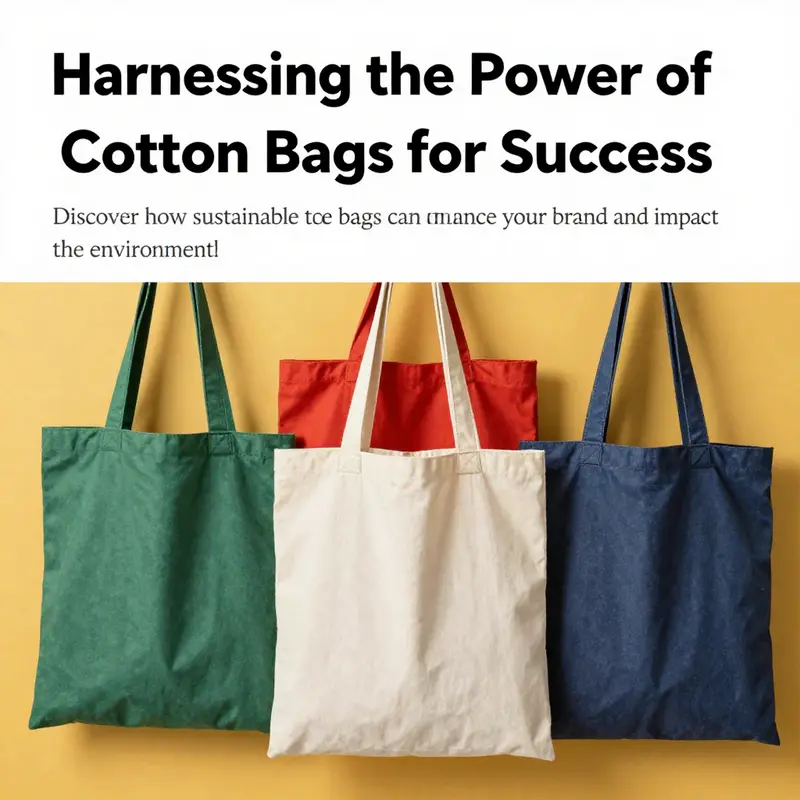
Cotton tote bags have emerged as a pivotal element in modern retail, providing businesses with not just a practical shopping solution, but an opportunity to promote sustainability. Business owners increasingly recognize the value of cotton tote bags—not only are they durable and versatile, but they also serve as a powerful marketing tool. Each chapter of this article delves into a crucial aspect of cotton tote bags: the first explores their significant environmental impact, the second highlights customization and marketing opportunities tailored for businesses, and the third compares various weights and strengths to meet diverse needs. By understanding these facets, business owners can make informed decisions on integrating cotton tote bags into their operations, further enhancing their brand’s eco-friendly image while connecting with their customers.
Weighing the Threads: The Environmental Footprint of Cotton Tote Bags
Cotton tote bags are often promoted as a simple, tangible step toward reducing plastic waste, a visible switch that lets shoppers carry more and waste less. But the environmental story behind these everyday carriers is not black and white. It is a tapestry of farming choices, processing realities, and consumer habits that together determine whether a cotton tote truly lowers impact or merely shifts it. In this chapter, we move beyond the convenient labels of “eco-friendly” and “bio-based” to trace the lifecycle of a cotton tote—from soil to seams to reuse—and we ask what it takes for a humble bag to be a consistently greener option over time.
At the heart of the discussion is a paradox that often surprises people: although cotton is a natural fiber, its cultivation and transformation can be remarkably resource-intensive. The water footprint of a single tote bag can be staggering—estimates reach up to 20,000 liters of water, much of it devoted to irrigating fields and processing raw cotton into fabric. This figure is not about a single moment but about a series of steps that begin long before a bag becomes a product on a shelf. Water is used to grow cotton, to gin and dye it, to spin and weave it, and finally to finish the fabric with color and coatings. The same cotton that becomes a bag also demands land, energy, and chemical inputs that ripple through ecosystems. The World Wildlife Fund has long highlighted how cotton, while occupying a relatively small share of global cropland, demands a significant portion of the world’s pesticides: approximately 6% of globally used insecticides and 16% of pesticides overall. The takeaway is not that cotton is inherently villainous, but that its environmental profile is highly sensitive to farming methods, landscape context, and the intensity of agricultural inputs.
The farming landscape matters deeply. Conventional cotton farming often relies on irrigation regimes that compete with local water needs and on agrochemicals that can affect soil health and nearby water bodies. In this sense, the bag’s footprint begins in the soil. Organic cotton offers a different starting point. By avoiding synthetic pesticides and fertilizers, organic farming can reduce some downstream environmental pressures, though it also has its own trade-offs, such as sometimes higher land-use demands or lower yields in certain climates. The contrast between organic and conventional farming is a reminder that green choices are rarely absolute; they exist along a spectrum where context—local water availability, soil organic matter, and farming efficiency—shapes outcomes.
Manufacturing adds another layer of complexity. Once the cotton is harvested and processed into yarn and fabric, energy is consumed at every stage: spinning, weaving, dyeing, finishing, and cutting. Dyeing, in particular, can introduce chemical runoff if not performed in facilities with appropriate wastewater treatment and effluent controls. Even when facilities adhere to high standards, the energy mix powering those processes matters. Regions that rely heavily on fossil fuels will naturally impart a larger carbon footprint to the final textile product. Heavier tote fabrics—such as those around 8 ounces—require more material and, consequently, more energy in production and heavier loads to transport. The additional weight of a heavier bag translates into higher emissions during distribution, especially when ships and trucks move dense cargo across long distances. This is a crucial reminder that durability and reuse must be weighed against the embedded energy in producing a heavier product.
The climate dimension of cotton totes is particularly instructive. The question isn’t simply how much greenhouse gas a bag emits during its life, but how that burden compares to the plastic bag it’s replacing, and how reuse alters the balance. A widely cited study from the Danish Environmental Protection Agency, conducted in 2018, found that a conventional cotton tote must be reused at least about 7,000 times to match the global-warming potential of a single-use plastic bag. In practice, most cotton bags are used for far fewer cycles—often only a few dozen times before they are retired or repurposed. This gap underscores a critical truth: the environmental gains from adopting a cotton tote hinge on behavior as much as material choice. If a bag sits in a cupboard after a handful of uses, its advantage over single-use plastic diminishes significantly. If, however, a tote becomes a daily companion for years, it can deliver meaningful emissions savings. The pattern of use—its frequency, the distance it travels, and the other items it carries—shapes its overall climate impact.
End-of-life considerations further complicate the narrative. Unlike many synthetic materials that persist for centuries, 100% cotton totes that lack synthetic coatings or dyes can decompose under the right conditions within months to a few years. This biodegradability can be a definite environmental plus, provided the bag is not coated with plastics, acrylics, or other persistent finishes, and provided it enters composting streams where such decomposition is feasible. In contrast, if a cotton bag ends up in a landfill, the decomposition timeline can be slow without sufficient aeration and microbial activity, and the bag’s end-of-life would still be shaped by the surrounding conditions. The potential for cotton to compost is a meaningful advantage, but it requires consumer awareness about coatings, dyes, and local waste-management infrastructure.
The broader question, then, is not simply whether cotton is green or not, but whether the entire system—from farm to consumer to disposal—operates in a way that leverages cotton’s natural attributes while mitigating its more demanding stages. Dr. Lena Patel, a Sustainable Textiles Researcher at the Green Materials Institute, sums up the nuance well: “Not all natural fibers are created equal. The farming method, water use, and processing determine whether a ‘green’ bag is truly sustainable.” Her insight anchors the discussion in a practical mindset: sustainability is a process of continual improvement rather than a fixed label.
With that frame, a few pragmatic pathways emerge for individuals who want to use cotton totes responsibly. First, choosing the right farming origin matters. Bags sourced from organic systems, where water stewardship and soil health are prioritized, can lower some of the environmental pressures associated with conventional cotton. Organic practices reduce synthetic pesticide use and may, in some contexts, support healthier soil ecosystems that retain moisture more efficiently. Second, the processing phase can make a difference. Facilities that employ certified low-impact dyeing and energy-efficient technologies help to shrink the bag’s embedded footprint. While certification alone isn’t a perfect guarantee of sustainability, it provides a mechanism for accountability and continuous improvement across the supply chain. Third, the question of weight matters. Lighter-weight totes, closer to 4 or 5 ounces, can be sufficient for light groceries or daily carry and reduce both fabric-related emissions and transport weight. However, the flip side is durability. A bag that wears out quickly may necessitate more frequent replacement, eroding the environmental gains achieved through reuse. In practice, a balanced choice—neither too light to fail under normal loads nor too heavy to carry a heavier carbon burden—often serves consumers well.
Another essential dimension is design and use-case. A cotton tote designed for heavy, repeated use can outperform multiple lighter bags if it replaces several disposable options over years of use. Yet the same logic applies across materials: if a bag is kept in the closet and used sparingly, its potential to mitigate plastic waste is diminished. This is where consumer habits, mobility patterns, and shopping routines converge with material science. The best-tuned options align with daily life: a bag that travels with you to work, the gym, the farmers market, and weekend trips, and that earns its keep by replacing a spectrum of single-use purchases—from plastic produce bags to gift-wrapping materials—over a long stretch of time.
For readers who are curious about the broader family of bags and fabrics, it’s useful to consider the role of alternatives within the same category. Within this landscape, a simple, uncoated fabric tote with a straightforward weave can offer a more favorable lifecycle profile than more elaborate finishes or blends that incorporate plastics. A practical way to explore these choices is through viewing accessible options such as those described in fabric-focused discussions about tote designs for everyday use. To see how lighter-weight, durable fabrics are presented in consumer contexts, consider exploring examples described under the notion of fabric tote bags for women. This resource voicefully demonstrates how a range of weights, weaves, and finishes can influence usability, durability, and long-term sustainability all at once. For an overview, you can browse through practical listings that discuss fabric tote bags for women, and learn how different textures, densities, and finishes translate into real-world performance.
Beyond farming and finishing, the end-of-life path for cotton bags accentuates a simple, practical principle: reuse should be the bedrock of any sustainable choice. The more times a bag is used, the more the upfront environmental costs are amortized. In other words, a sturdy, well-constructed bag that travels through many hands, perhaps repurposed for school gear, beach trips, or gift packaging, can deliver notable benefits over a long horizon. Conversely, if the bag is used sporadically or discarded after a short life, the potential advantages fade. This is not merely an argument about material choice; it is a case for thoughtful design, robust construction, and mindful consumption that prioritizes durability and long service life.
It is also worth acknowledging the broader ecosystem of sustainability that surrounds cotton totes. The search for greener options often includes considering bags made from organic cotton, hemp, or recycled materials. Each of these materials brings its own lifecycle story—some with favorable water-use profiles, others with advantages in wear resistance or end-of-life recyclability. The common thread across these options is the emphasis on reuse and responsible production. Shopping choices can reflect this emphasis by asking suppliers about farming practices, processing methods, and packaging. In this way, the consumer becomes an active participant in the chain, encouraging improvements that extend beyond a single bag and into the fabric of supply chains themselves.
As with any sustainability conversation, context matters. A cotton tote’s true environmental value emerges when it is part of a broader strategy that prioritizes reuse, local sourcing where feasible, and careful disposal. The aim is not to elevate cotton tote bags to a universal cure for plastic pollution but to recognize their potential as a practical, long-lasting tool in a broader move toward more thoughtful consumption. When a bag is used every day for years, replacing countless disposable bags, its ecological footprint can become significantly lower than its earliest production costs would suggest. The key is to align design, farming, processing, and use with a culture of reuse rather than a one-off purchase.
In the end, the environmental footprint of a cotton tote is not a single number, but a pattern that unfolds across choices and lifecycles. Consumers, designers, and producers each hold pieces of the puzzle: from water management and pesticide choice on farms to energy efficiency and wastewater treatment in factories, from the decision to use organic cotton or blends to the decision to dye with safer, low-impact processes, to the everyday practices of reuse and end-of-life disposal. The most durable takeaway is straightforward: the bag you carry matters less as a standalone item and more as a link in a chain that rewards durability, responsible sourcing, and sustained use. And that is a path that makes the most of cotton’s natural strengths while mitigating its most demanding steps.
For those who want to explore options that further reduce environmental impact in real-world terms, seeking lightweight, durable designs and asking about farming and processing practices can translate into meaningful change. The conversation—as much as the product itself—becomes a practical instrument of environmental stewardship. If you are curious about how fabrics are described and compared in everyday retail contexts, you may find it useful to examine discussions around fabric-focused tote options online, such as those that address fabric tote bags for women. These discussions illuminate how small design choices—density of weave, finishes, and the absence of coatings—can influence not only aesthetics and usability but also lifecycle outcomes. And while online listings and marketing can sometimes blur the full picture, a thoughtful shopper will look for transparency about origin, processing, and end-of-life options, recognizing that a single bag is part of a larger system.
As this exploration shows, the environmental impact of cotton totes invites ongoing attention rather than a final verdict. It invites us to ask not only what a bag is made of, but where it comes from, how it is made, how often it is used, and how it eventually leaves the system. The most sustainable choices come from combining a preference for natural fibers with strategies that maximize reuse, minimize chemical input, and favor end-of-life pathways that honor the material’s biodegradability when appropriate. In this light, cotton tote bags can be an ally in reducing plastic waste, provided users commit to a long, faithful service life and to learning about the broader implications of their choices every time they reach for their bag.
External resource for further reading on lifecycle assessment and plastic bag comparisons complements the discussion above and offers a rigorous scientific foundation for evaluating reusable bag options: https://www.mst.dk/~/media/mst/da/om-mst/rapporter/2018/03052018lcaplasticbagsandreusabletote_bags.pdf
Stitching a Brand Story: Cotton Tote Bags as Sustainable Marketing Ambassadors
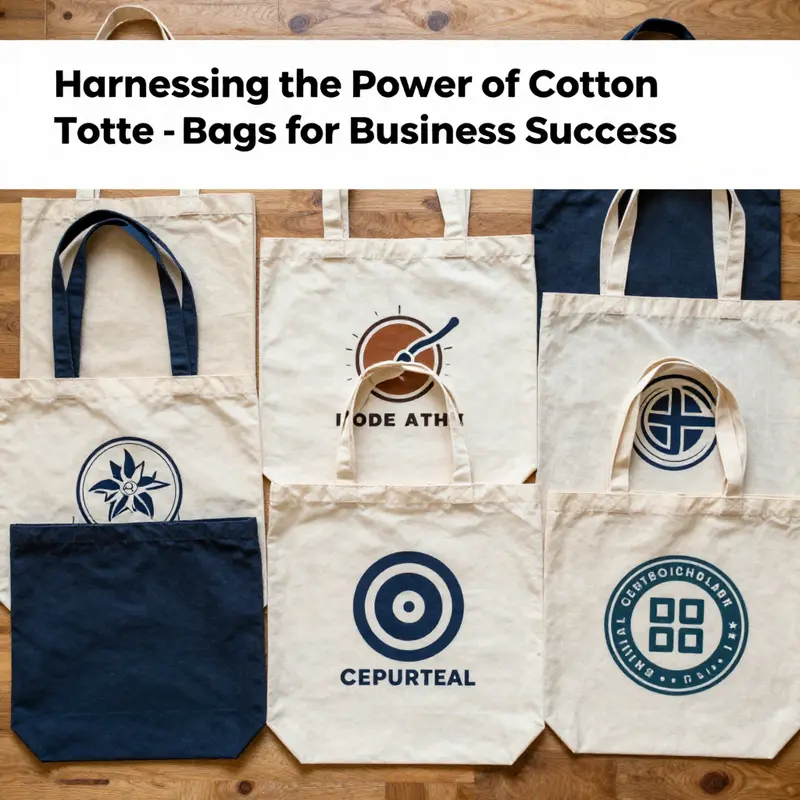
Cotton tote bags offer a tangible canvas for brands, combining utility with sustainability. In today’s marketplace, a well-designed tote can travel from grocery aisles to conference halls, continuously conveying a brand’s story.
The strength of customization lies in material choice, print method, and thoughtful construction. Premium cotton fabrics hold color more reliably, producing durable prints that endure daily use. Screen printing yields bold graphics, while embroidery adds texture and perceived value. The right combination communicates the brand’s voice while remaining practical for customers.
Design and function must align to support real-world use. Weight options from 4-ounce to 8-ounce affect durability and handling. Handle styles—from simple webbing to reinforced rope—alter user experience. Messaging should be legible at a glance, with high contrast for readability in transit, then rewarded by closer inspection on closer looks.
Beyond aesthetics, sustainability matters. Reusability lowers single-use waste; careful production extends life and supports responsible sourcing narratives. The tote becomes a living touchpoint, reinforcing commitments to quality, ethics, and transparency with every reuse.
Market potential grows as brands seek cost-effective, reusable promotional vehicles. When designed with durability and clarity in mind, cotton totes convert everyday errands into brand moments, driving memorability and meaningful engagement over time.
Weighing the Load: How Weight, Weave, and Endurance Shape Cotton Tote Bags for Everyday Life
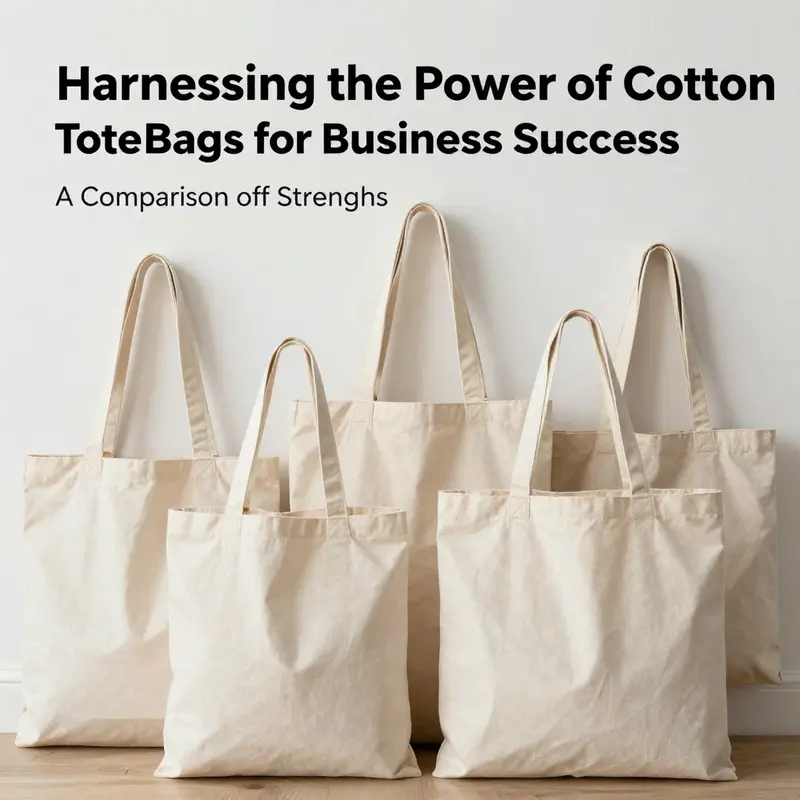
Every decision in the world of everyday carry starts with a simple question: how much can a bag hold and still feel comfortable to carry day after day? When we reach for a cotton tote, we are really choosing between a spectrum of possibilities, a balance between softness and strength, flexibility and resilience. The material and its construction set the tone for how the bag behaves in the real world. A tote is not just a container; it is a personal tool that meets the rhythms of a shopper’s week, a student’s schedule, a commuter’s routine, and a promoter’s campaign. In that sense, the fabric weight—expressed in ounces per square yard—acts like a design brief written in fiber. It is the quiet so much of the tote’s success rests upon because it governs both feel and function. The lighter end, typically around four to six ounces, is where the bag feels almost delicate, the kind of tote that flattens in your hand, folds easily into a backpack pocket, and invites light loads with a soft and pliant drape. This lightweight cotton is soft to the touch, friendly to the skin, and ideal for casual, limited-use moments: a handout at a small event, a few grocery items on a sunny afternoon, a tote that doubles as a gift bag for a friend with a penchant for simple, unembellished style. But the trade-off is clear: with less fabric density and fewer reinforced points, these bags carry a risk of fraying at the edges, and they tend to stretch and wear under stress. They are best suited for light, short-term use and occasional carrying rather than the daily, heavier demands of a long week. The opposite end of the scale moves into canvas territory, with weights typically in the seven to twelve ounces range. Here, the fabric mass is not just about heft; it reflects a fabric that is paired with a tighter weave and a sturdier spirit. Canvas totes feel different in the hand and beat differently at the hip. They exude a sense of durability; the fabric retains a crisp, unfussy presence even when loaded. A ten- or twelve-ounce canvas is not merely thicker; it is a statement about endurance. It speaks to daily commutes with books and a laptop sleeve, to farmers’ markets with jars and bottles, to busy markets where the goal is to carry more without surrendering shape. The contrast is not purely tactile, either. The heavier fabric is less prone to sagging, less likely to show bagging or crease lines that can obscure a design or a logo, and it stands up to the rigors of routine use with greater confidence. Every tote bag begins as fabric, but the real test emerges where the handles meet the fabric and where the load lands on the bag’s most stressed points. Standard cotton totes, the lighter kind, typically rely on simple stitching at the handle junction and sometimes lack the extra reinforcement seen in canvas counterparts. The result is a bag that behaves as a flexible carrier for light loads, yet rebels against heavier stacks. The stronger option—canvas—often features double stitching along the seams and reinforced attachment points where the handles anchor. This reinforcement is not a cosmetic flourish; it is a structural necessity when you consider how a bag endures daily use. It is in the attentive construction, the way threads are laid to resist abrasion and stretch, that the strength of a tote is truly earned. The differences in weave and weight translate into practical performance metrics that shoppers can feel. A body made from standard cotton with lower fabric density lacks the density to resist fraying, especially at the base of the handle where the most wear originates. The hand, the arm, the shoulder all sense the burden more acutely as stress concentrates at those points. In a heavier canvas, the same load is distributed across a tighter weave and a sturdier frame, a design better prepared for frequent accelerations—such as lifting a full bag from a counter, repositioning it in a car trunk, or sliding it off a bus seat. In practical terms, the weight difference matters not just in the abstract but in measurable ways. It is widely observed that standard cotton totes typically perform well for loads up to eight or ten pounds, which aligns with a modest weekly grocery run, a cookbook or two at a student apartment, or a few changes of clothes for a day trip. Beyond that threshold, the risk of fabric wear, seam stress, and edge fraying increases, particularly if the handles are slender or if stitching is minimal. Canvas totes, by contrast, are designed with a broader purpose in mind. For heavier loads, they become more trustworthy partners. Their reinforced seams and denser fibers better resist abrasion and moisture—factors that matter in the dampness of a rain-soaked city street or when a bag tips and its contents spill across a parking lot. They also stand up to repeated use with less dilation in the fabric, less sagging at the center, and a more predictable shape after repeated loading and unloading. These properties are not merely theoretical; a controlled study by the Textile Performance Lab at a major design and engineering resource highlights the real difference between these materials after hundreds of cycles of daily use. In that study, canvas totes retained a striking majority of their original tensile strength after about six months of daily use, while standard cotton totes experienced a more pronounced decline in strength, particularly at the points most stressed by the handles. The takeaway is straightforward and practical: for individuals who expect regular heavy use—commuting with books and a laptop, long trips to farmers markets, or frequent grocery loads—canvas offers a more reliable long-term performance. For occasional or promotional use, a lighter cotton bag can deliver the right mix of texture, appearance, and convenience without carrying extra weight and expense. But even within those broad categories there is nuance. The weight of the fabric interacts with the weave, which determines not only strength but also the bag’s ability to hold its shape. A plain weave, common in standard cotton totes, yields a soft surface that drapes easily and folds compactly when empty. The drawback, however, is that the same softness makes the bag more susceptible to stretching or \”giving\” under load, allowing the contents to press outward and invite deformation of the bag’s silhouette. In canvas totes, the weave is often tighter, sometimes described as a duck weave in the heavier options. That tighter weave contributes to a more rigid frame, resisting sagging and maintaining a cleaner, more stable exterior when filled with groceries, books, or sports gear. The contrast in fabric behavior is echoed in the construction philosophy. Lighter cotton bags tend to rely on straightforward stitching at the handle bases. If a load grows heavier, the stitch line may reveal stress marks or eventual seam fatigue. Canvas totes frequently feature reinforced stitching, often with backstitching or cross-stitching around the handle attachments and along critical seams. This enhanced approach distributes the load across a wider area and reduces the risk that a single thread will fail under tension. The difference becomes all the more meaningful when we consider the broader ecosystem of cotton tote bags—the way they are produced, branded, and used in bulk. As the initial research notes, customization options are a central strength of cotton and canvas totes. Brands and institutions frequently leverage the natural surface of cotton to apply logos, designs, and messages through screen printing or heat transfer techniques. The result is a versatile tool for marketing, awareness campaigns, or event swag that can be created in bulk with consistent results. There is also value in the logistics of production. Bulk orders can reach into the thousands per day, and suppliers often accommodate a minimum order quantity around a thousand units, which makes it feasible for organizations of various scales to deploy large campaigns or to equip a workforce with a uniform carry solution. The capacity to customize extends beyond graphics; some suppliers offer varied packaging options and design features, from internal pockets and detachable pouches to reinforced handles in different colors. The ability to tailor a tote for a specific function—whether as a gift-wort bag, a promotional piece, or a classroom tote with extra durability—adds to the overall value proposition. While durability and performance are important, cost and sustainability cannot be ignored. The lighter cotton totes, with their lower material costs and lighter workmanship, tend to deliver lower price points and a lighter environmental footprint per unit. The heavier canvas totes, while more expensive, typically offer longer lifespans, reducing the need for frequent replacements. From a sustainability perspective, the narrative of cotton tote bags aligns with long-term reuse and biodegradability. Reusable bags like these cut down on the consumption of single-use plastics and can serve as a daily reminder of more responsible consumption habits. The story of a tote bag is a story of reuse at scale: a bag that lasts long enough to outlive its original purpose, remain functional in the hands of multiple users, and even travel across borders if the business or organization uses international shipping to meet bulk demand. Global supply chains, especially when bulk production is involved, require careful consideration of how these bags are sourced. The weights and fabrics discussed here do not exist in isolation; they are part of a larger decision about sourcing, logistics, and the environmental footprint of the finished product. In many cases, brands and organizations weigh the benefits of lighter cotton against the durability that canvas provides, balancing cost, distribution needs, and the intended use environment. The reality is that a tote’s destiny is shaped by daily rhythms. A tote used primarily for light errands can be almost as good as a new bag after months of occasional use, provided it is treated with care. A heavy-use tote, conversely, will reveal its worth only after months of weekend grocery trips, year-round commuting, and the general bustle of a busy life. The design significance lies not only in a single feature. It rests in the orchestration of fabric weight, weave tightness, reinforced seams, handle construction, and the bag’s overall silhouette. A compact, well-structured bag that remains upright when filled conveys a sense of control and ease that is highly valued in a daily carry item. It is precisely this sense of control that makes canvas totes preferable for those who seek a durable, dependable companion for regular use, even when loads grow and conditions become less forgiving. Yet there is a place for lighter cotton totes in contexts where aesthetics, portability, and ease of gifting or branding take precedence. A tote that folds flat for storage in a small drawer, slips into a purse, or becomes a lightweight gift box can be a powerful, media-friendly choice for campaigns or events. The decision is, in the end, a matter of context and expectation. The best approach for a consumer is to align the bag’s weight and construction with the anticipated load, the frequency of use, and the environment. If the tote lands in a bustling urban setting with inconsistent weather, the heavier canvas option offers confidence and durability, especially when the bag is repeatedly loaded and unloaded in a crowded subway car or a dim market aisle. For a weekend farmer’s market run or a school project with light but frequent use, a lighter cotton tote may deliver the right blend of softness and practicality, with a lower price tag and a lighter footprint. To help readers translate these ideas into concrete choices, it helps to visualize a few scenarios. Picture a commuter who carries a laptop, a notebook, and a spare light jacket. A canvas tote with a weight of around eight to ten ounces can offer a stable shape and a secure base for these items, with the added benefit of a reinforced handle that distributes the load more evenly across the bag. The same scenario, using a four- to six-ounce cotton tote, might work fine if the daily load remains modest and if the bag is treated more as a wrap than a workhorse. If the same person frequently shuffles between a grocery store, a library, and a bike ride, the canvas choice becomes more compelling: it can survive the varied stresses of wet weather, uneven ground, and repeated lifting without showing the strain at the seams. The longer and more repetitive a task becomes, the more the difference in durability will be felt. And as the textile science behind these bags suggests, the long arc of wear under daily use bears out the investment in a sturdier construction. The opportunity to customize a tote for such roles also broadens the conversation beyond raw material weight. A campaign might favor heavier, canvas totes for their resilience, adding logos and messages by screen printing for bold visibility. A light, cotton tote could be offered as a premium gift, perhaps with a simple imprint or a soft gradient, designed to be carried on a casual day or to serve as a subtle accessory for a storefront event. The design thrives when the tote is more than a bag; it becomes a carrier of meaning, a small platform for identity that travels with the user. For readers who want concrete, actionable guidance on selecting a tote that aligns with their needs, the answer lies in evaluating three factors: anticipated load, frequency of use, and environment. If a bag will routinely bear heavier items—books, equipment, multiple groceries—or will undergo frequent trips across stairs, sidewalks, and public transit, a canvas tote with reinforced handles is likely the better choice. If the bag will be used occasionally, for light items, or as a temporary promotional item where aesthetics and cost are primary concerns, a lighter cotton tote may be perfectly adequate. And for those who want a balance between appearance and practicality, a mid-weight cotton canvas blend—an option that sits between the extreme ends of the weight spectrum—offers a compromise. The blend category deserves particular attention. Some manufacturers combine cotton with polyester or other fibers to achieve increased strength and a more tailored texture without dramatically adding to the bag’s overall weight. These blends can offer a slightly stiffer hand while preserving a degree of softness, and they can provide improved resistance to moisture absorption with a more predictable performance across a range of temperatures and climates. In such cases, design choices become even more nuanced. Seams may be reinforced with bar-tacking at stress points, the interior may be treated to resist moisture and odor, and the handling experience may be tuned with slightly thicker rope or cotton handles designed to distribute weight more evenly across the palm. To the reader exploring sourcing or purchasing options, the chapter’s breadth remains practical. The information provided points toward a broad landscape of possibilities rather than a single solution. Producers may offer a range of sizes, weight families, and handle styles, along with bulk discounts and customization, to accommodate retailers, event planners, schools, and brands seeking a consistent carry solution across thousands of units. The less glamorous but essential truth is that durability and value are not just about the fabric; they rest on the entire system—the weave, the stitching, the handles, the hardware if any, and the way the bag interacts with its contents. In the end, the choice of weight and construction reflects how a user plans to engage with the bag over time. It is a conversation between fabric density and design intention, between the need to protect items and the desire to carry lightly, between a bag’s aesthetic and its endurance. The best tote for one person is not necessarily the best for another; it is the bag that aligns with daily rituals, travel patterns, and personal comfort. And that is the quiet heart of the weight debate: the most successful cotton tote is the one that feels right in the hand, that wears well, and that remains faithful to its purpose through routine, repetition, and the occasional accidental spill. For readers who want to explore further dimensions of this topic, a relevant resource on canvas varieties and durability considerations is available through related tote-bag education and product guidance. You can learn more about specific styles and design variations by visiting a category focused on women’s canvas tote bags. women’s canvas tote bags. This broader context helps connect the material science of the fabric with the everyday decisions readers make when choosing between a lightweight cotton tote and a sturdier canvas version.\n\nExternal reference: https://www.manchester.ac.uk/\n
Final thoughts
The diverse applications and significant environmental advantages of cotton tote bags make them an essential addition to any business strategy. By embracing these reusable bags, not only can businesses enhance their brand visibility through thoughtful customization, but they also contribute positively to the planet by reducing reliance on single-use plastics. Understanding the distinctions in bag weights and strengths allows businesses to offer the perfect options to their customers, ensuring satisfaction while promoting sustainability. As you consider integrating cotton tote bags into your operations, remember that each bag represents a step toward a greener future for your brand and the environment.